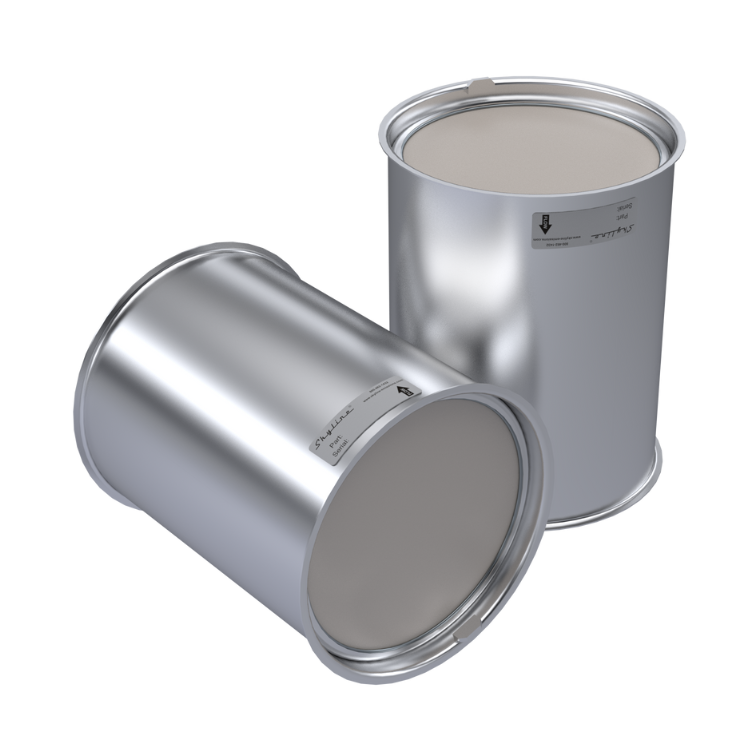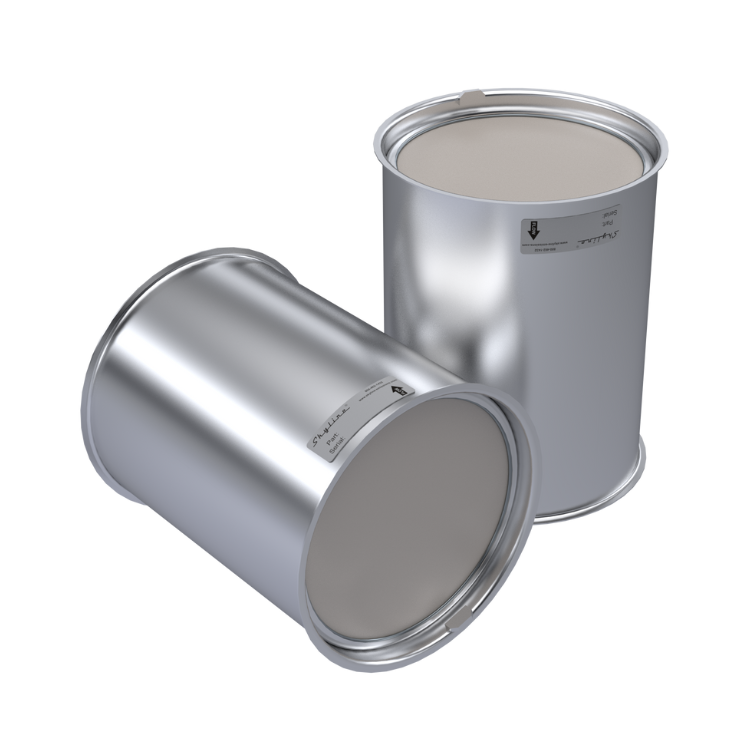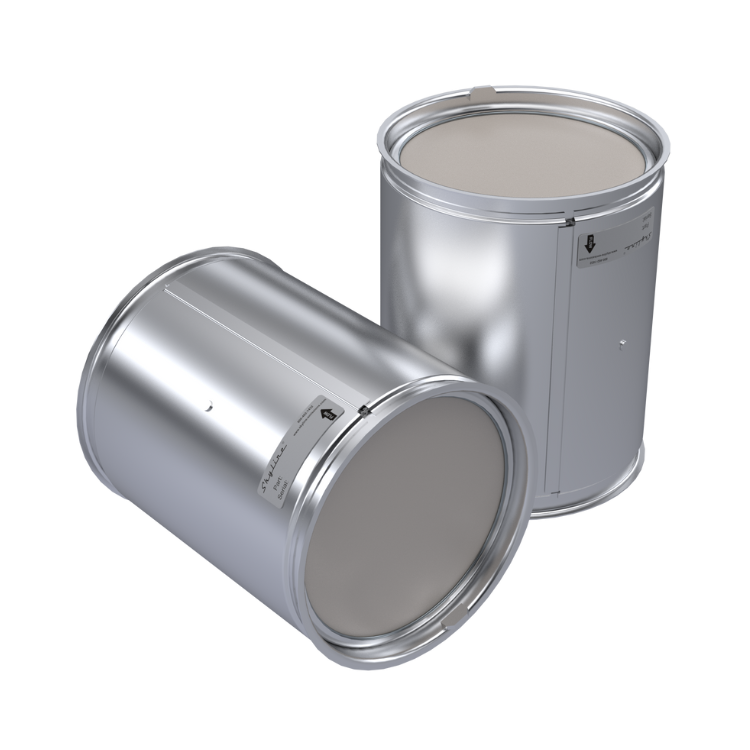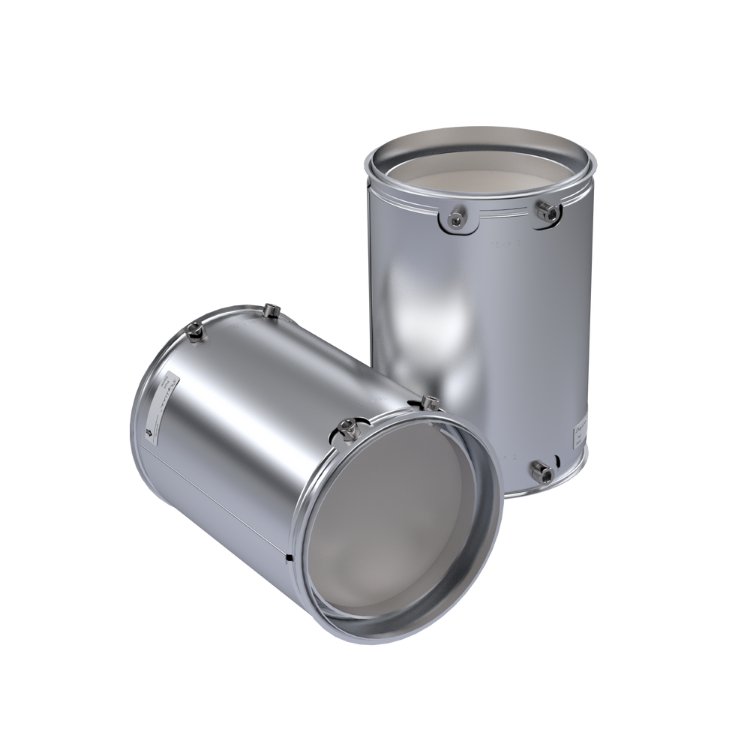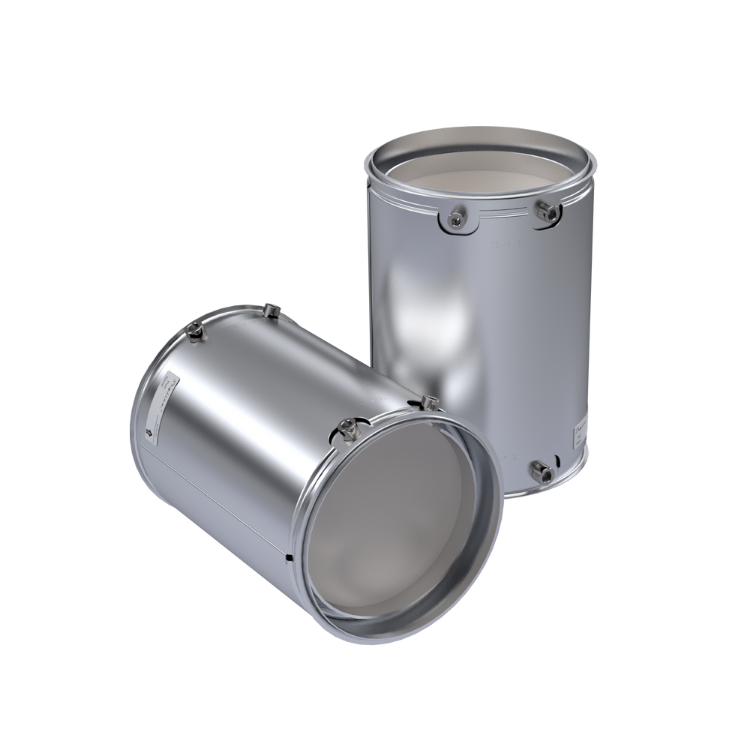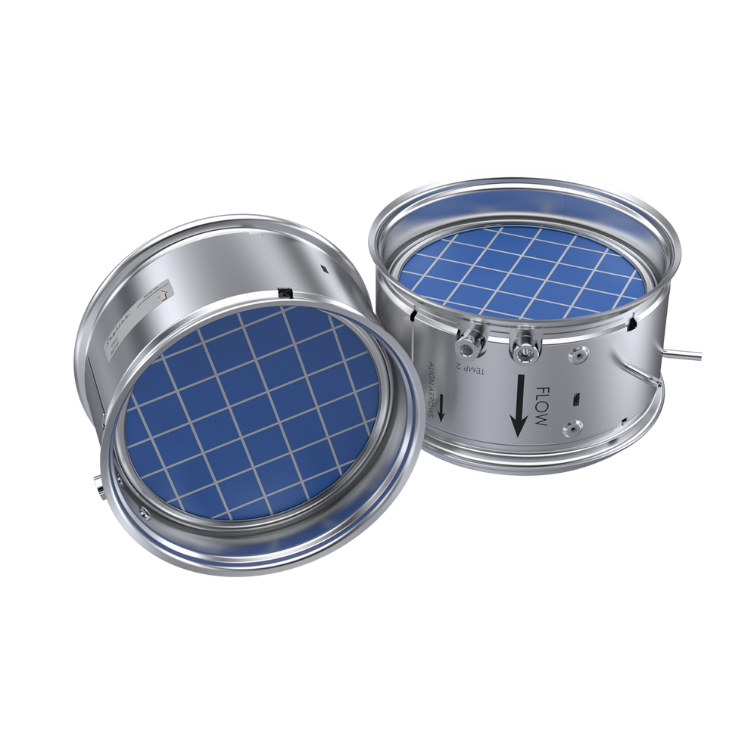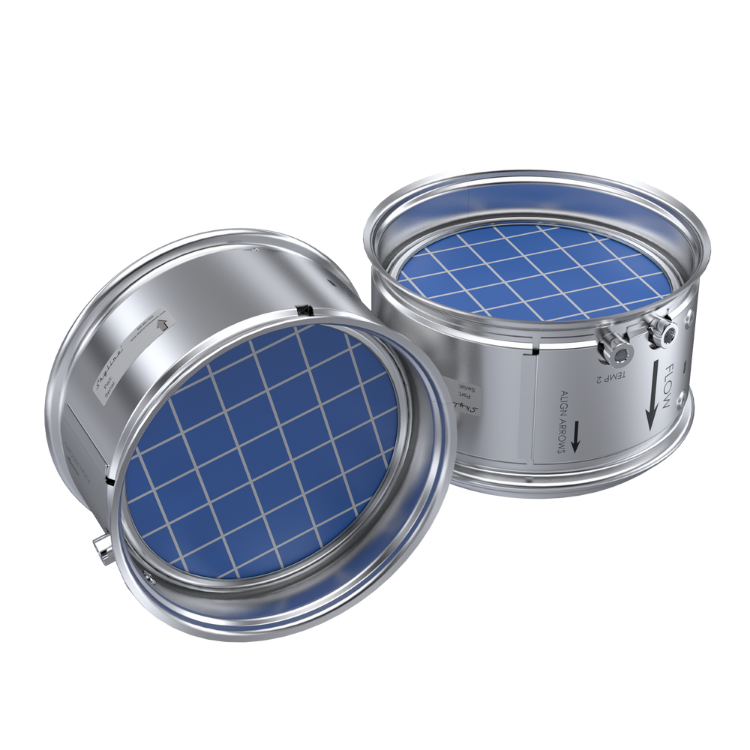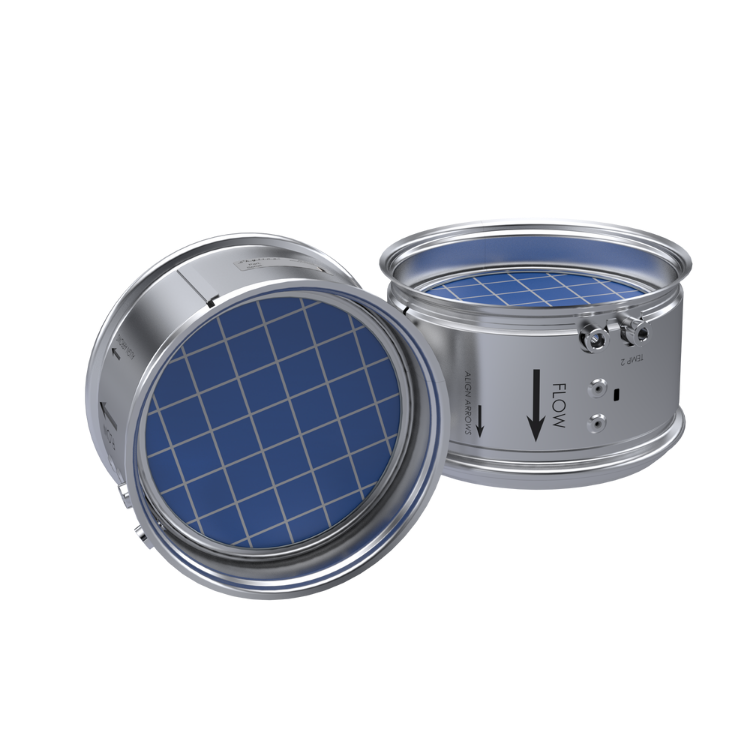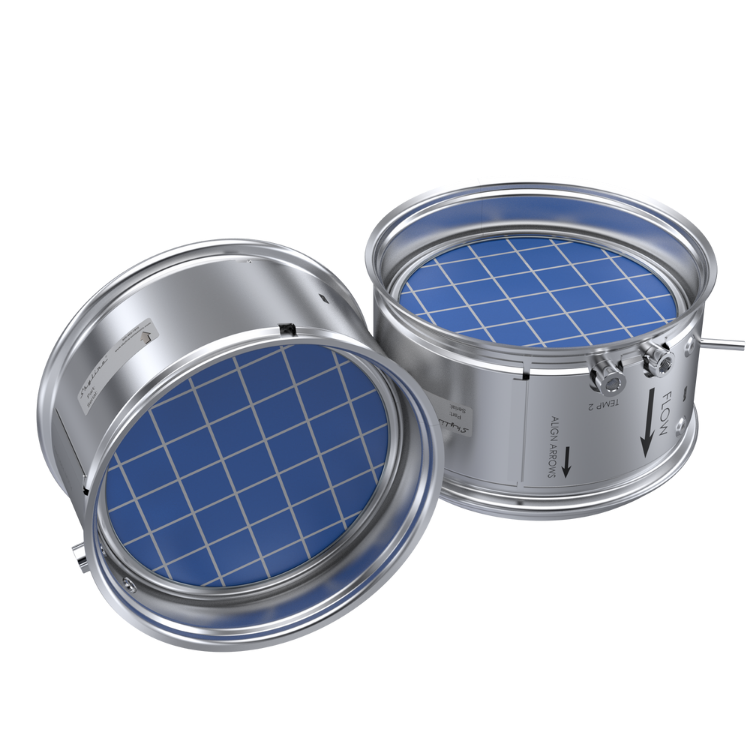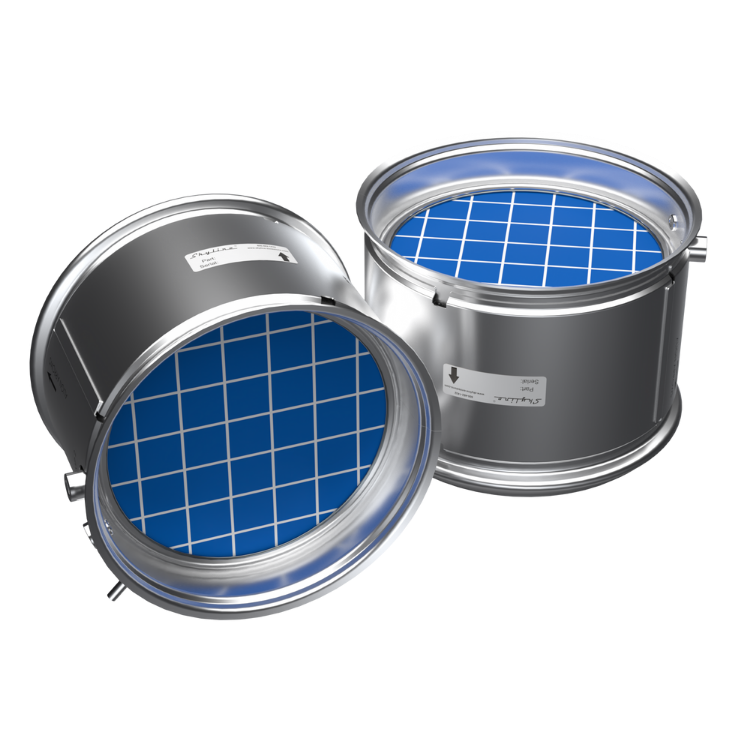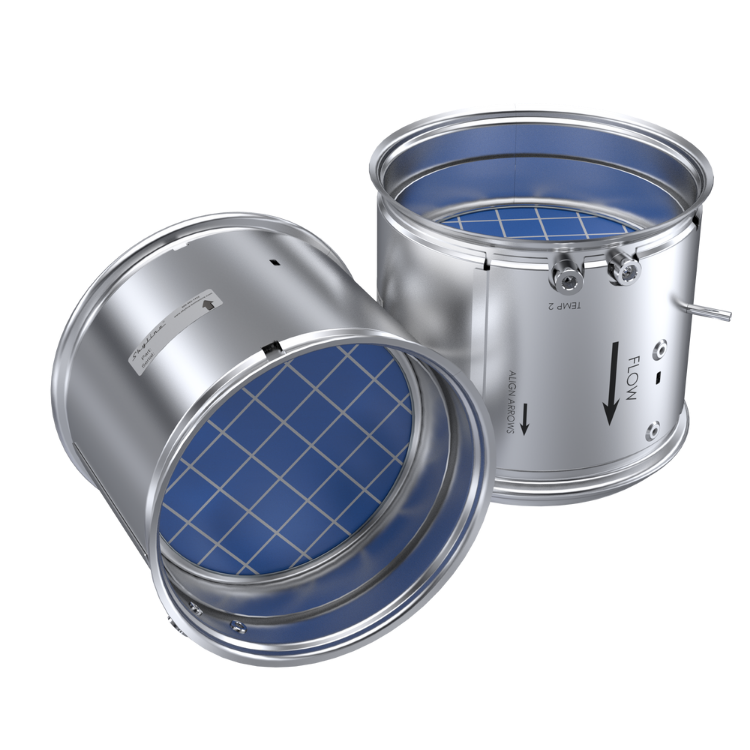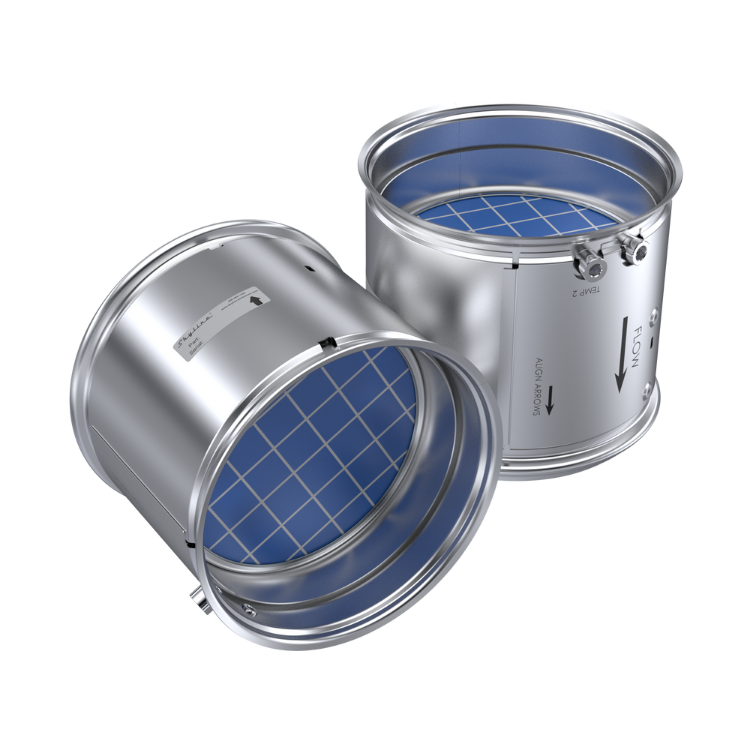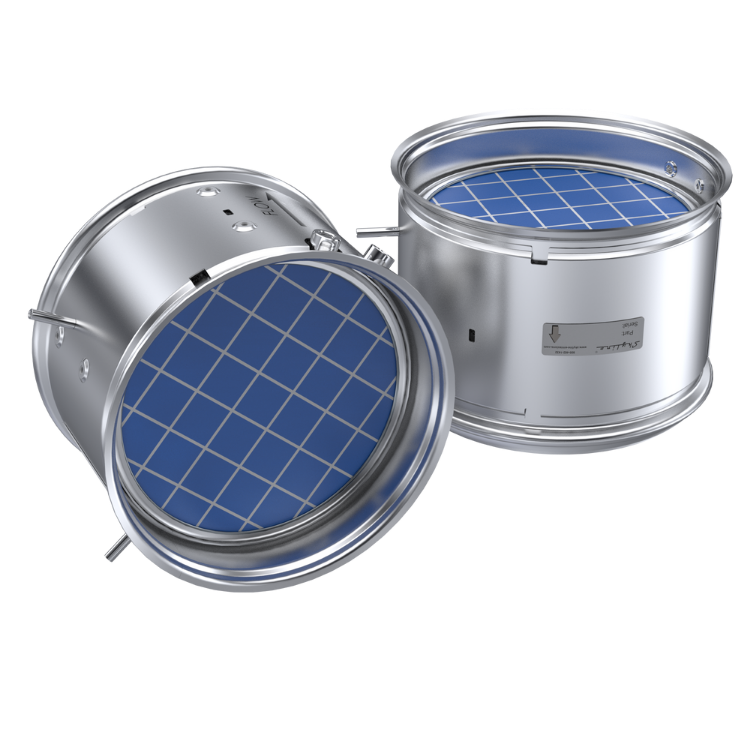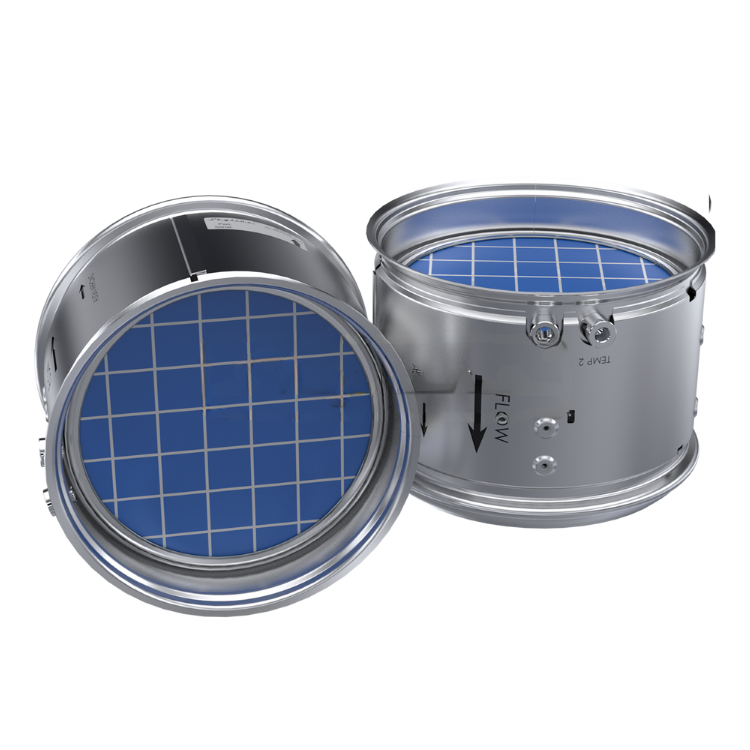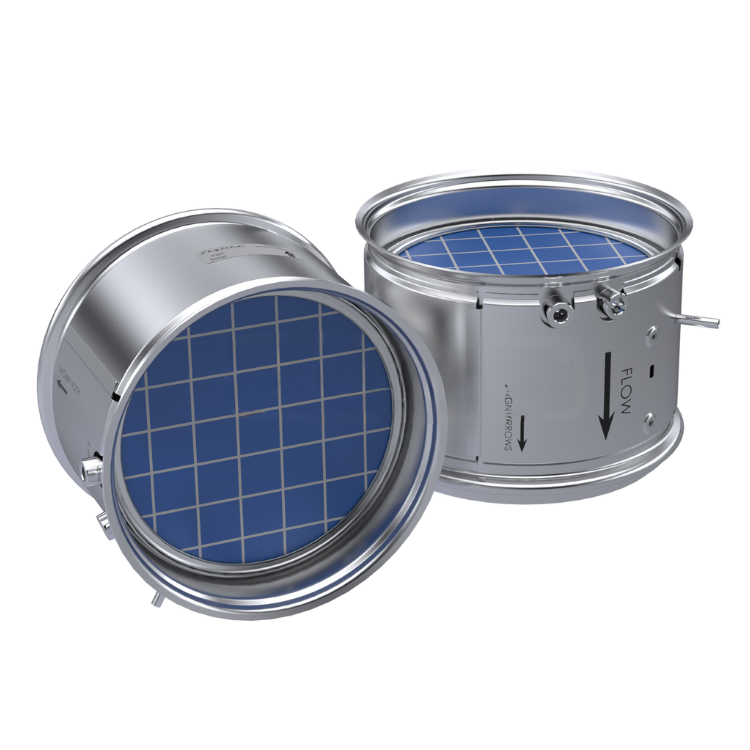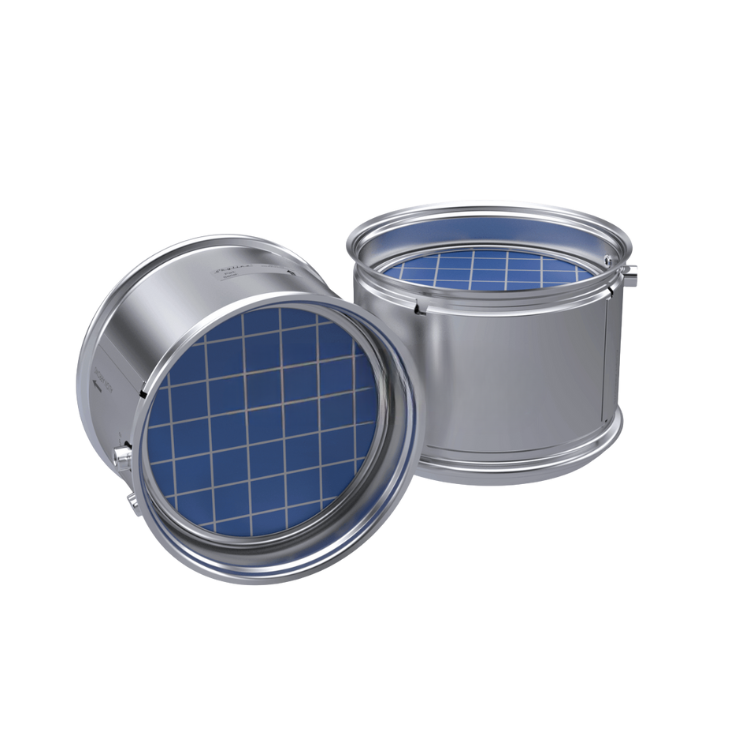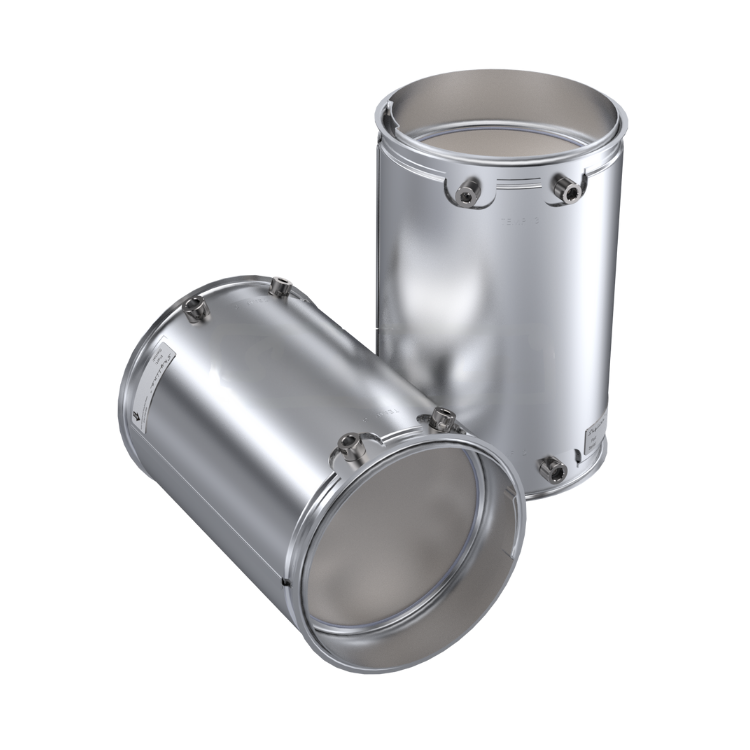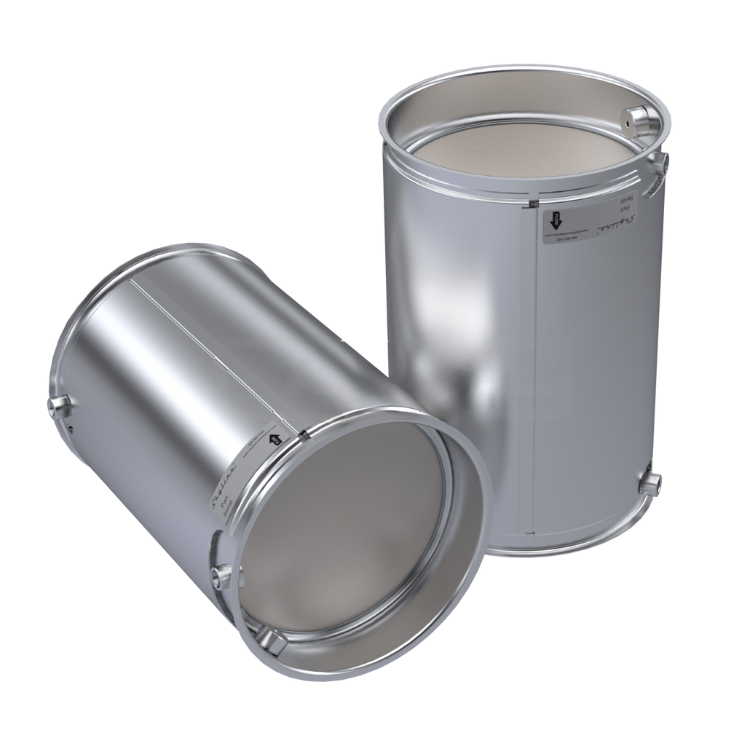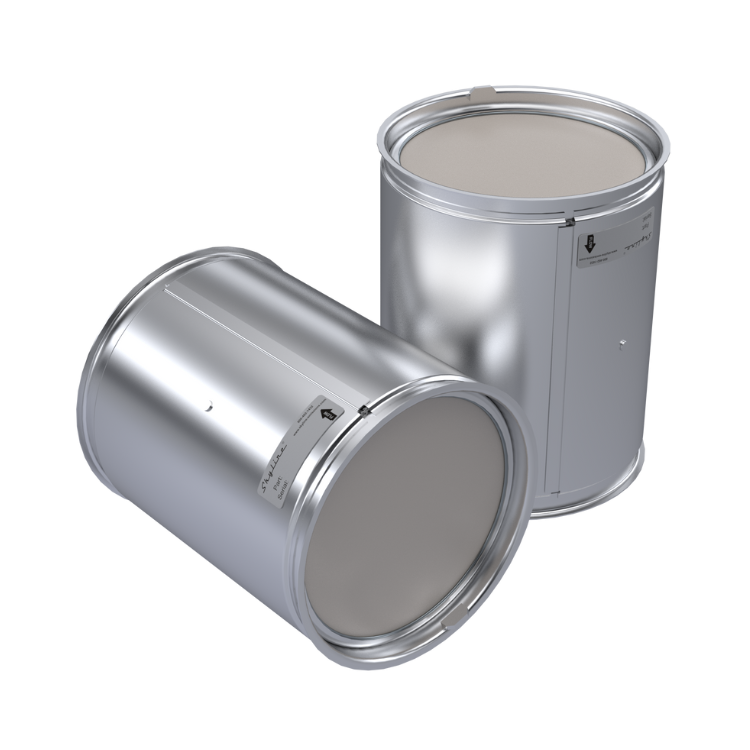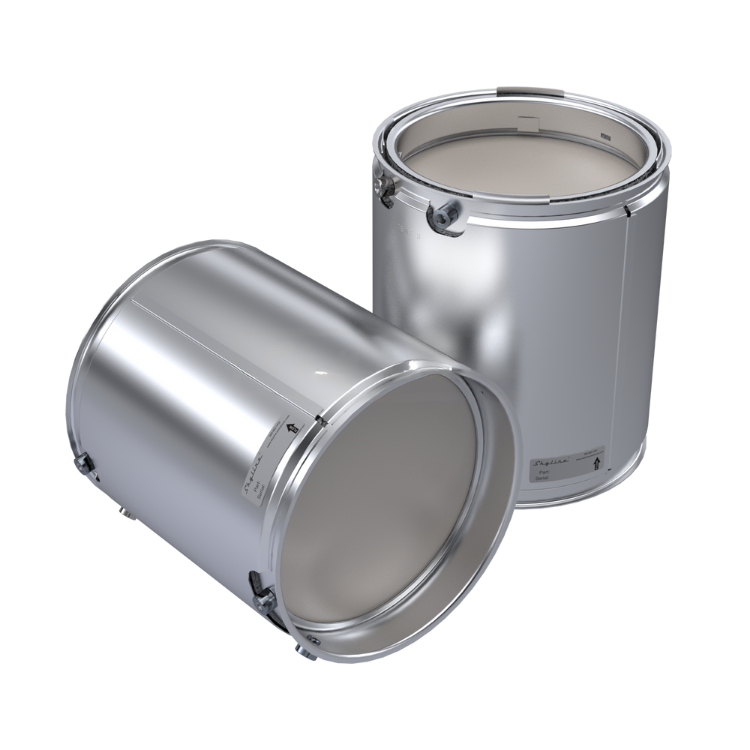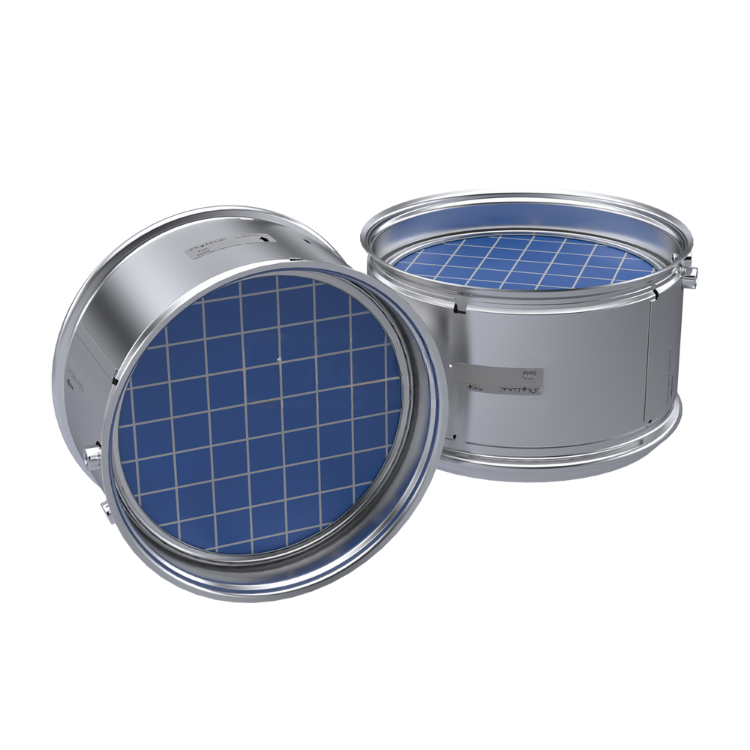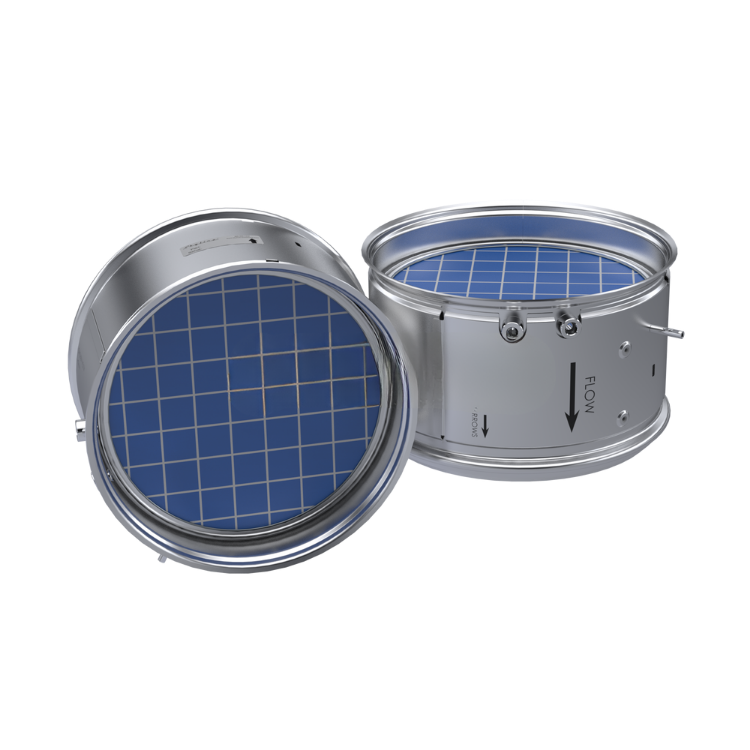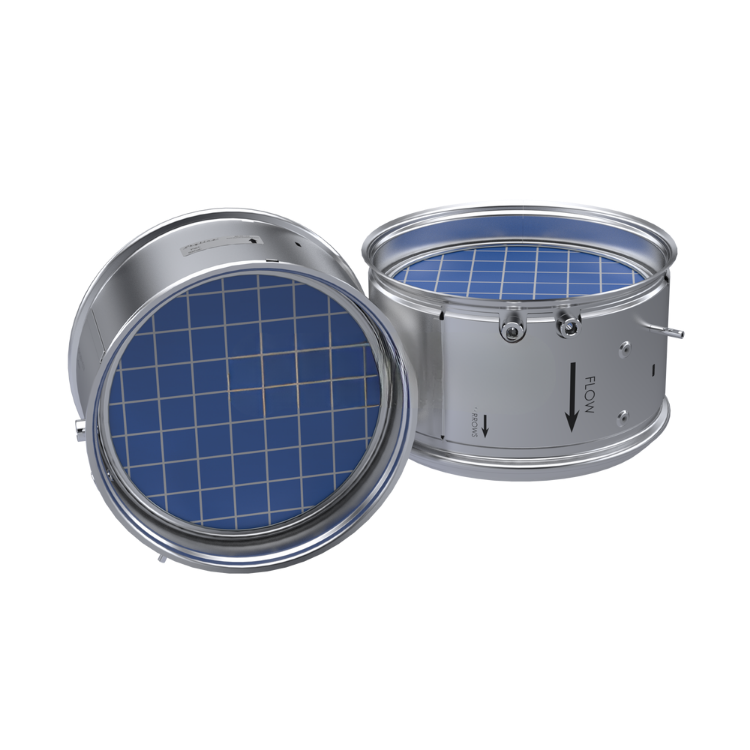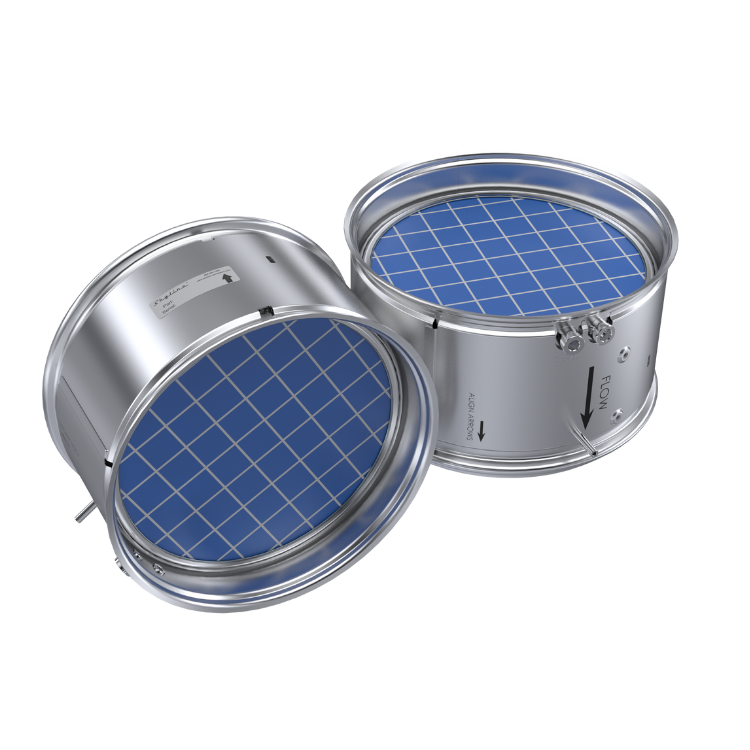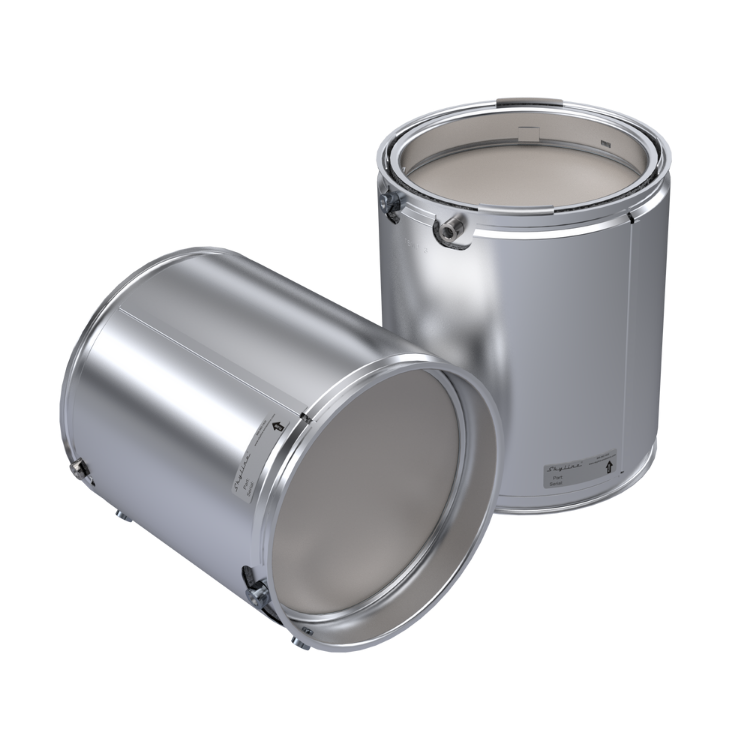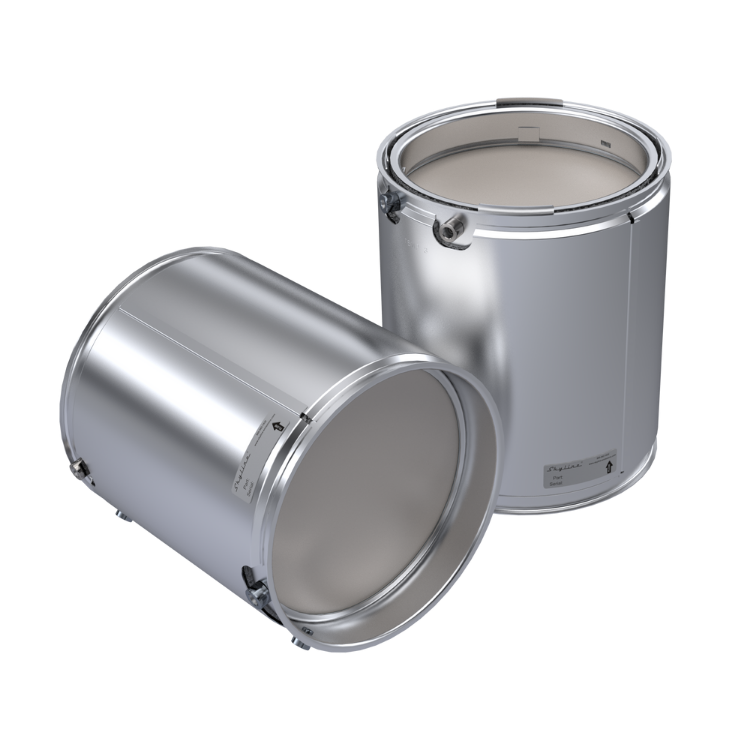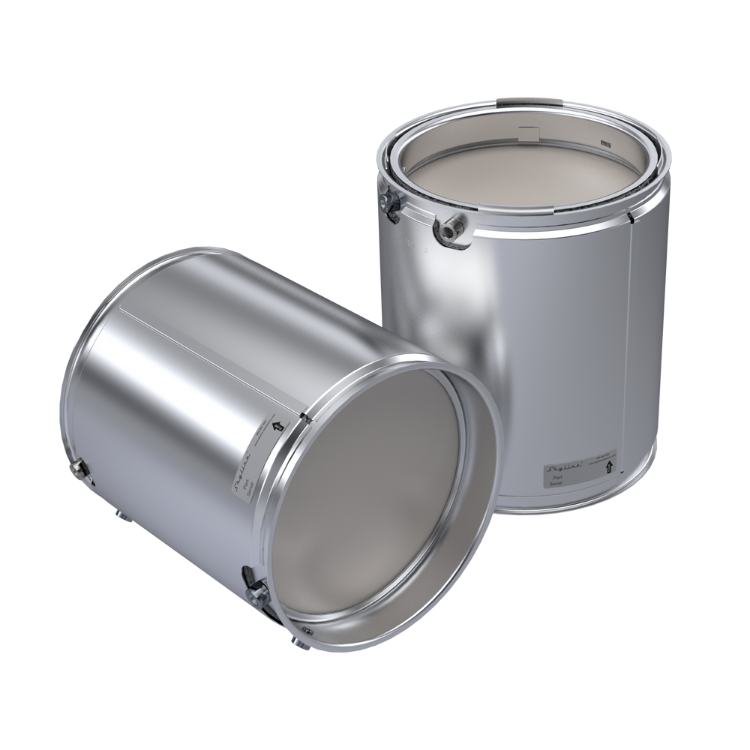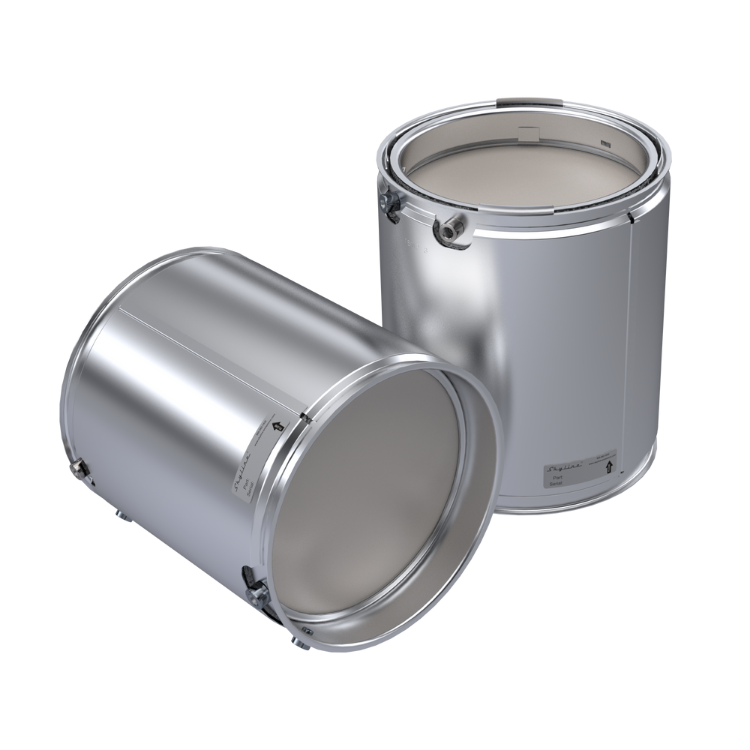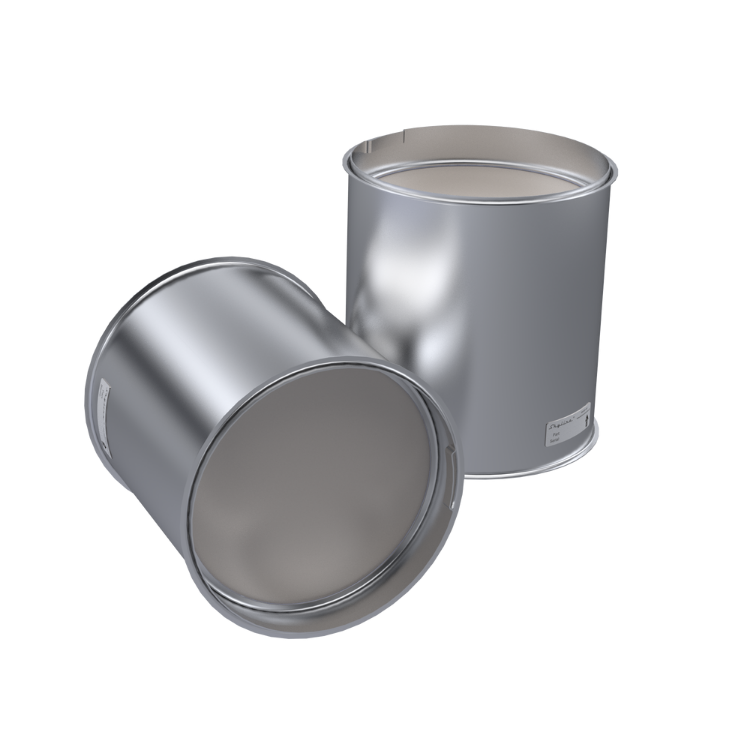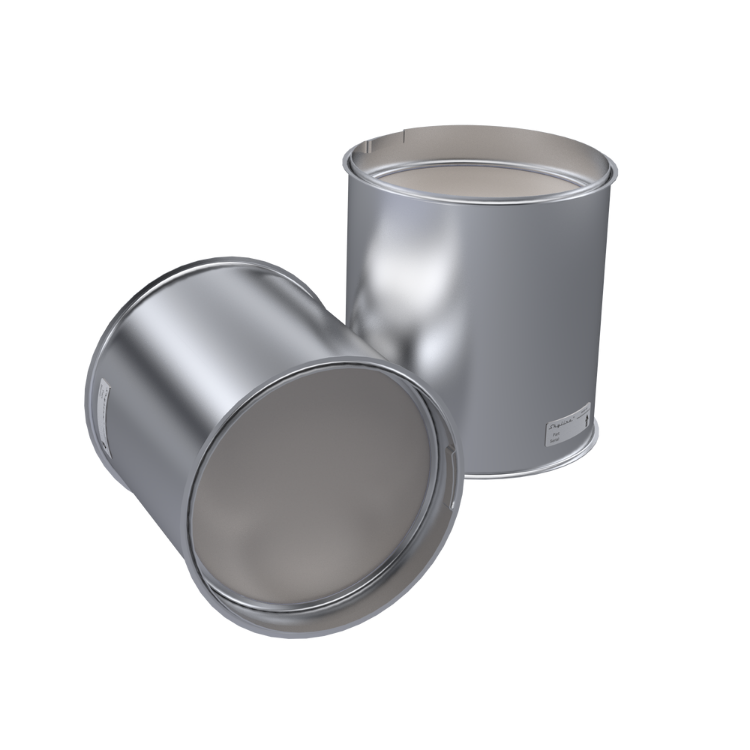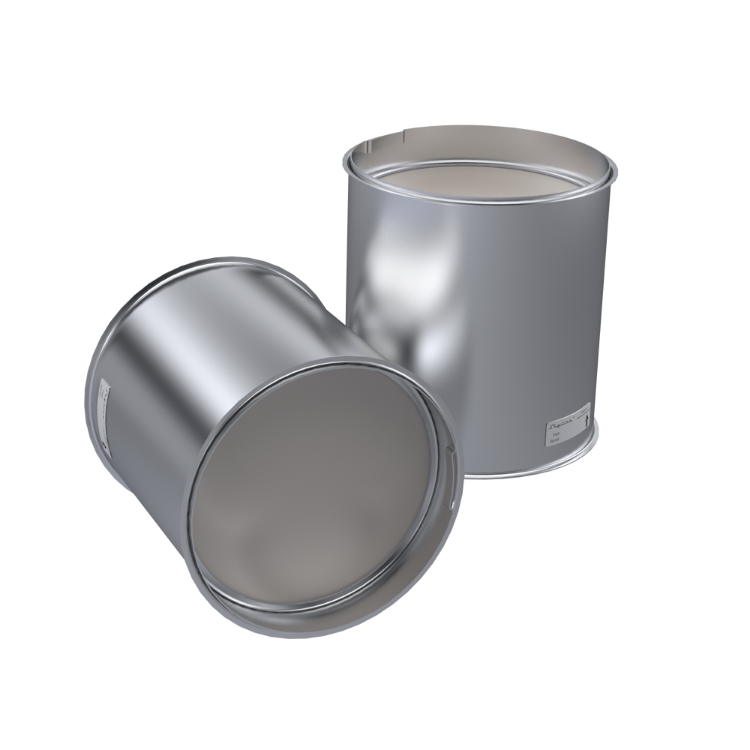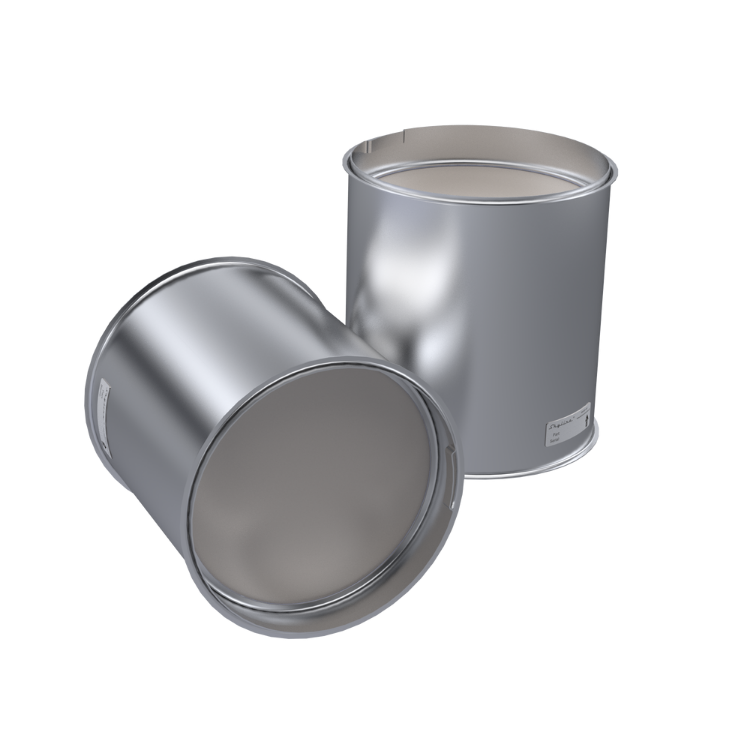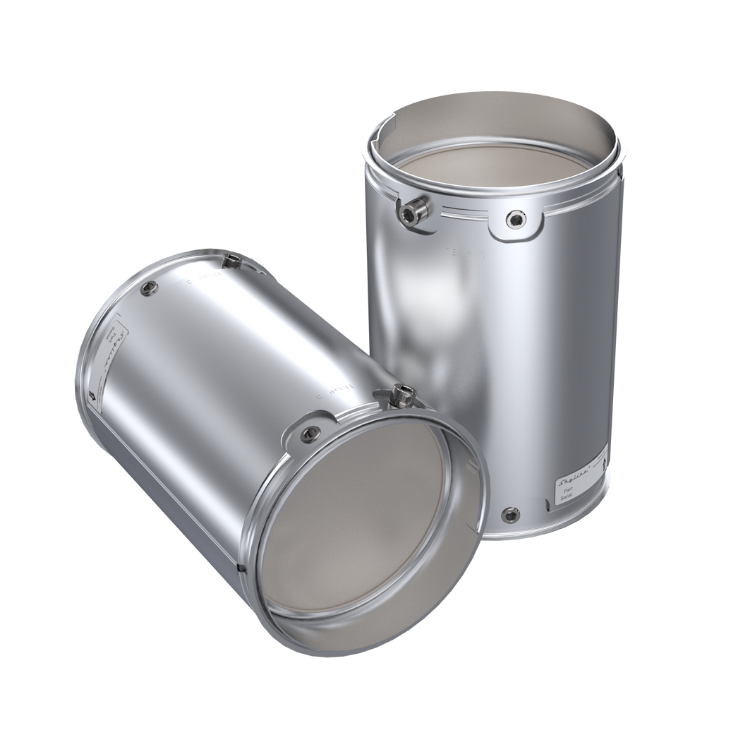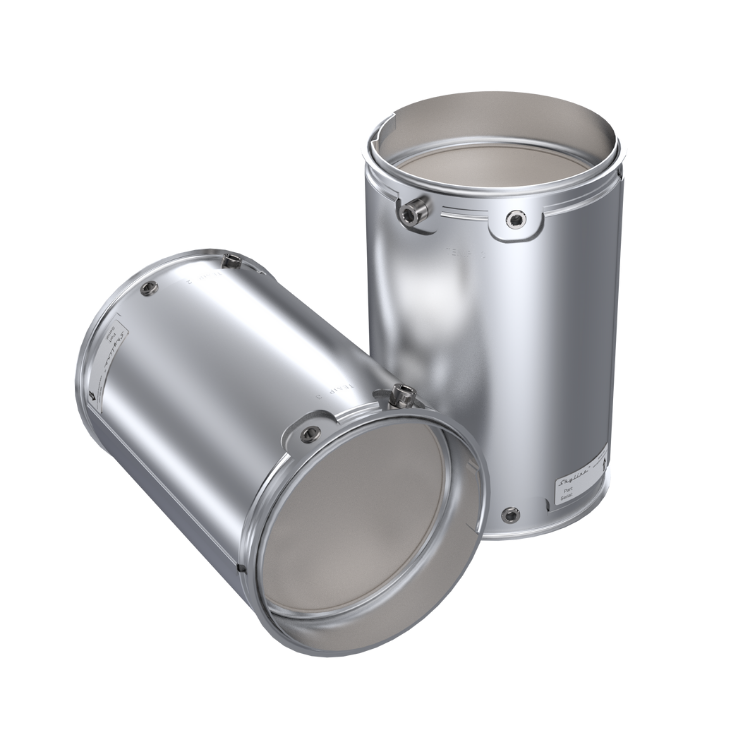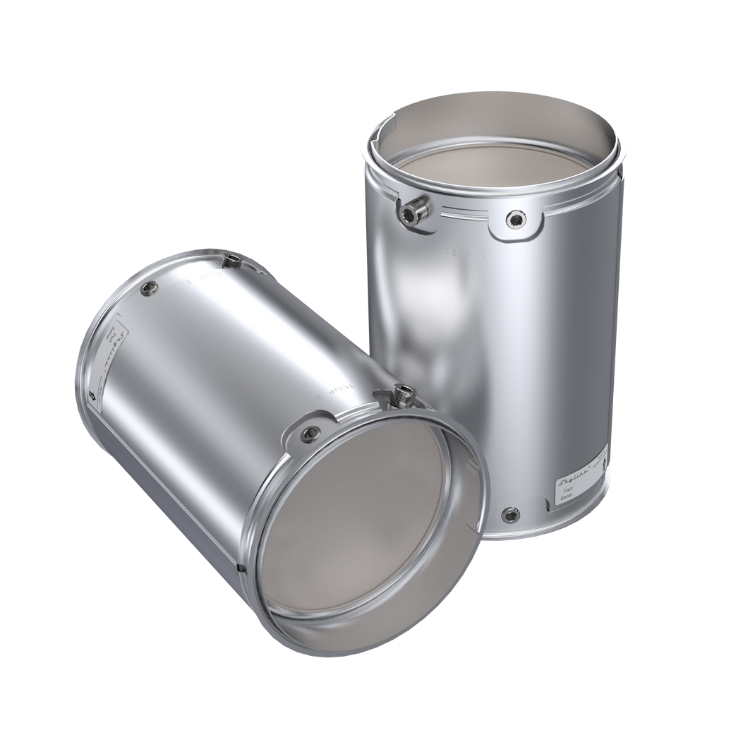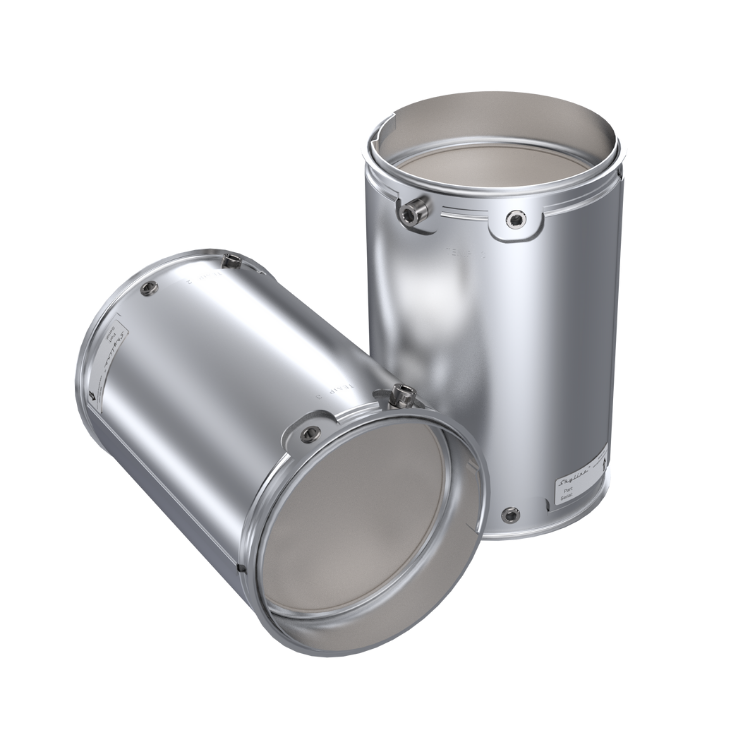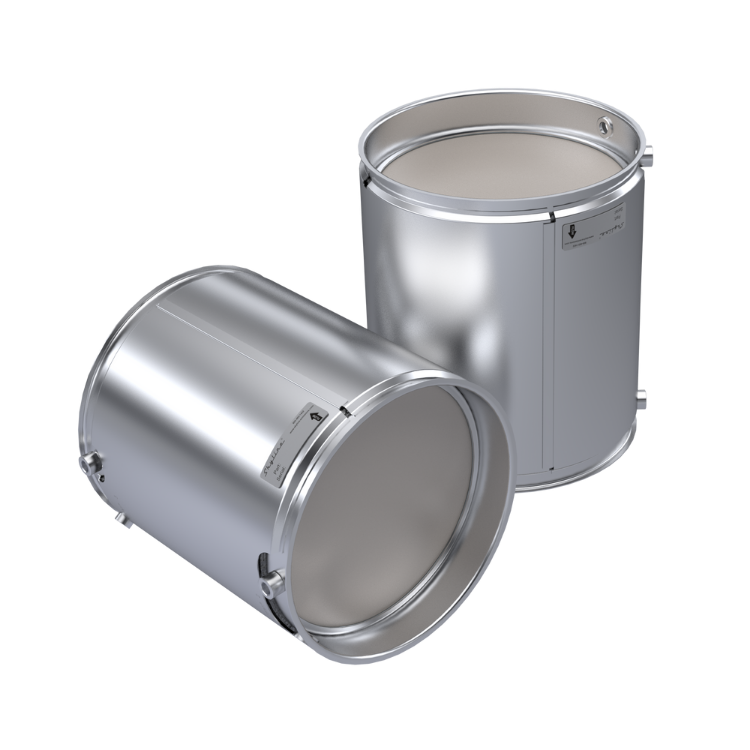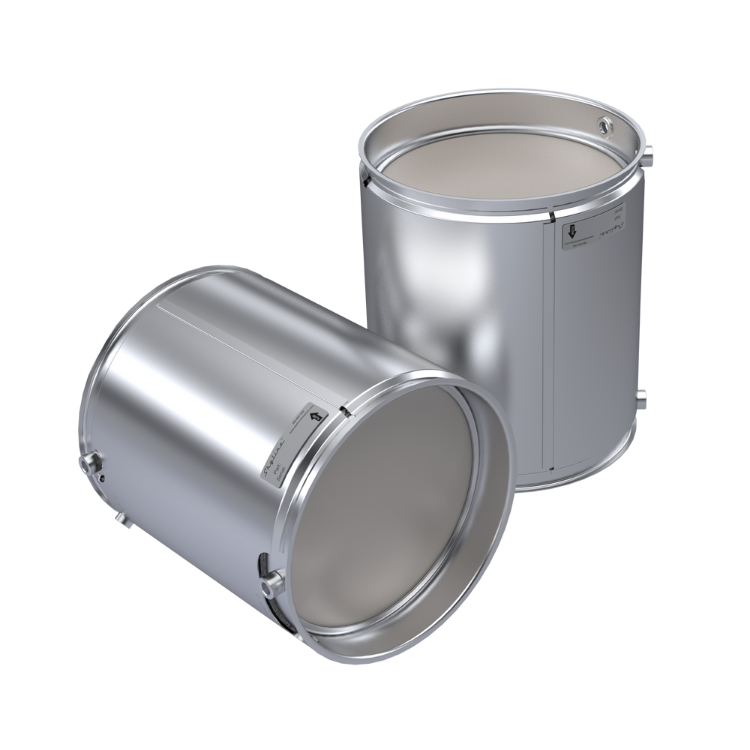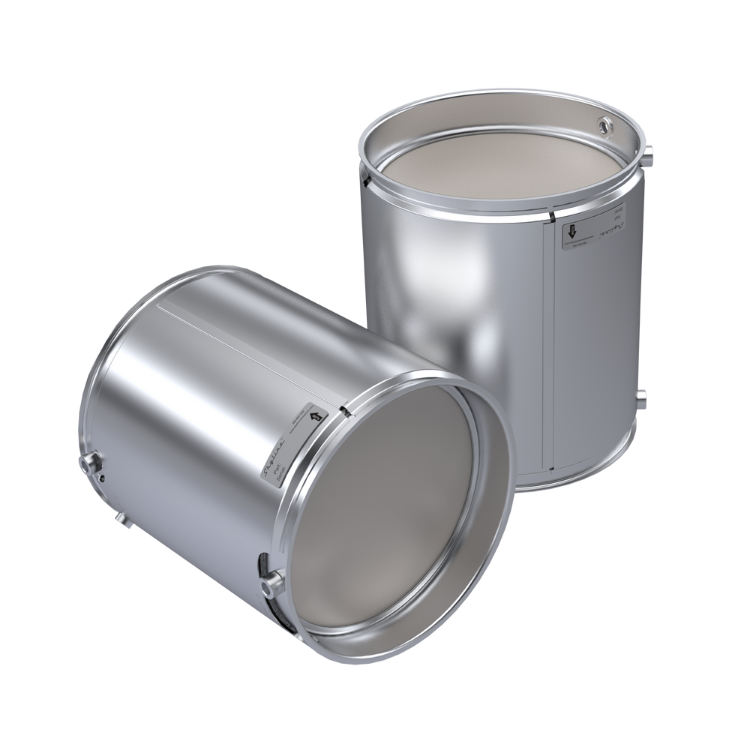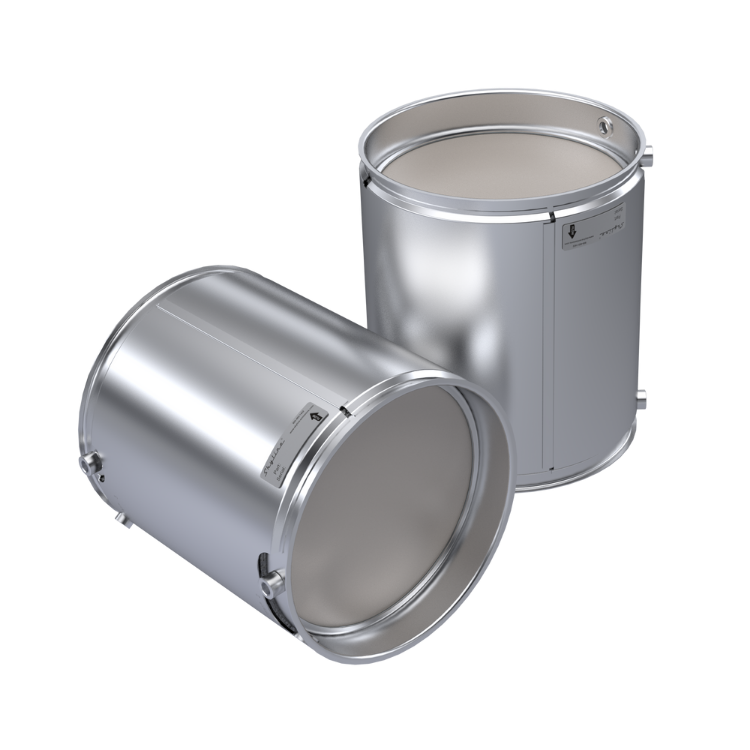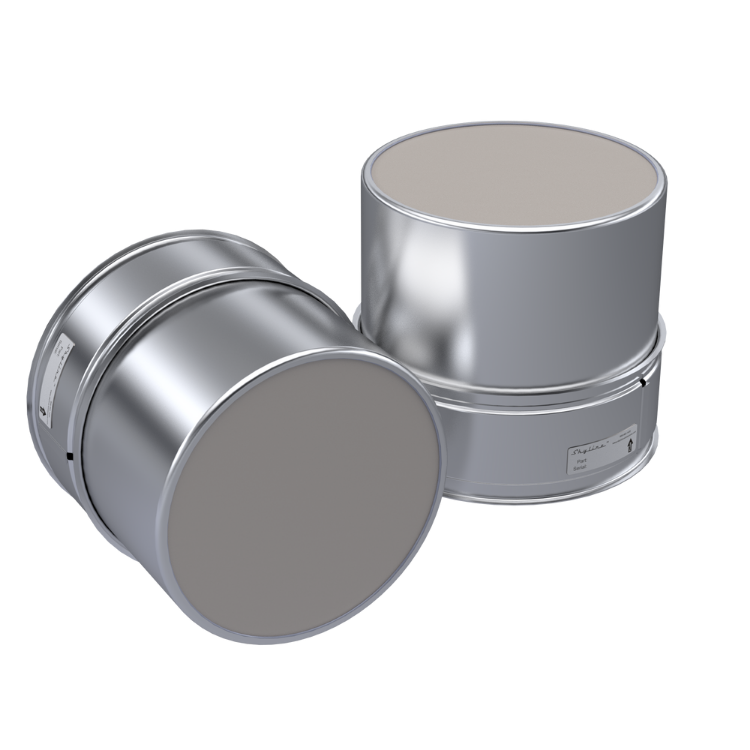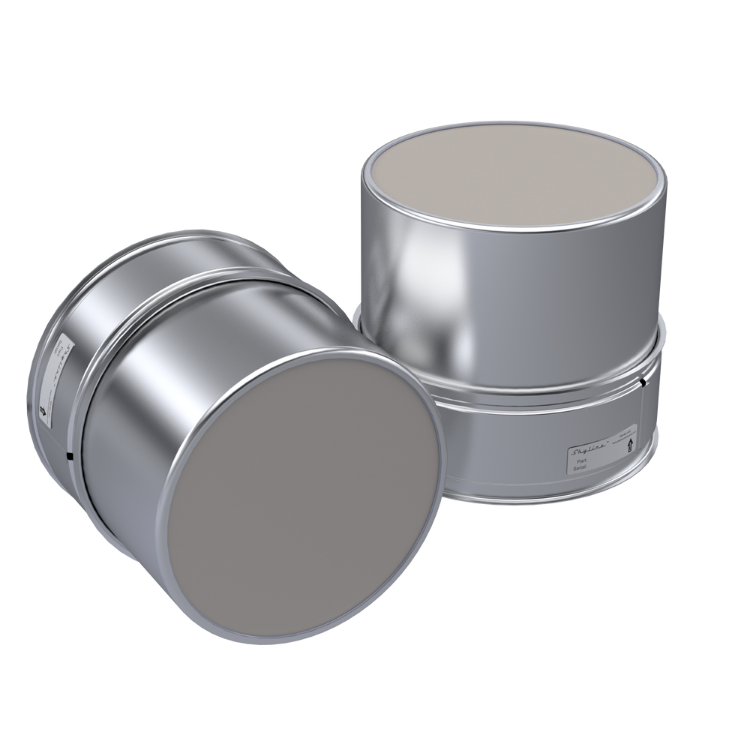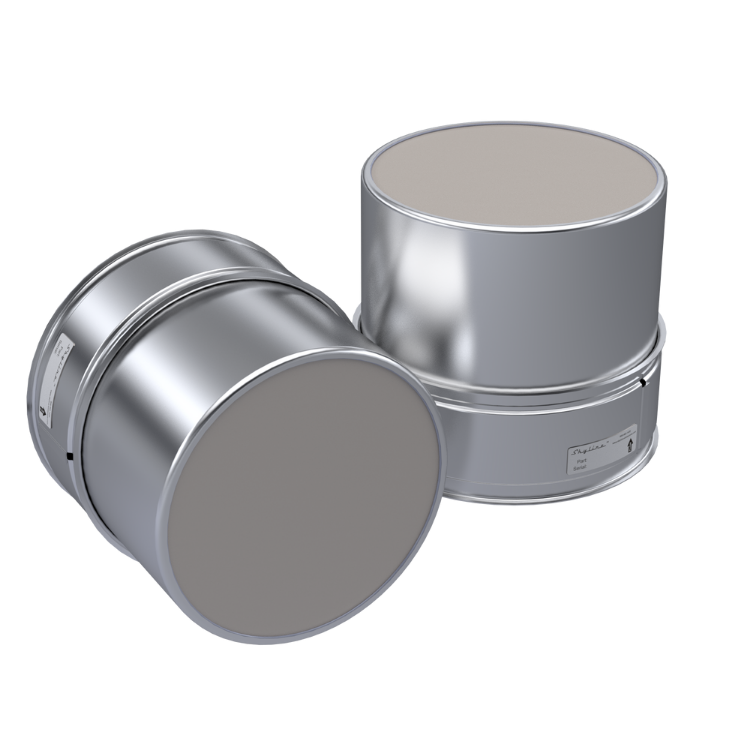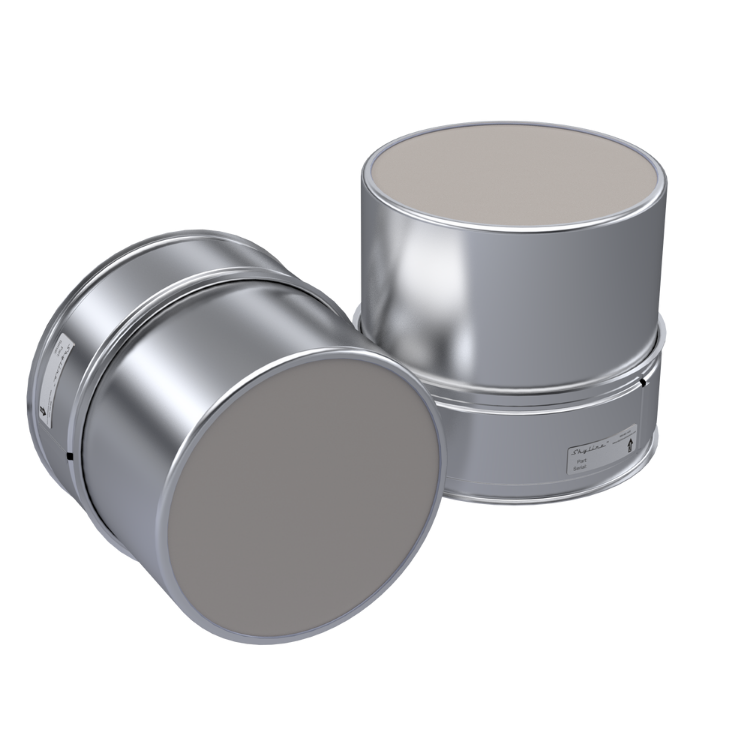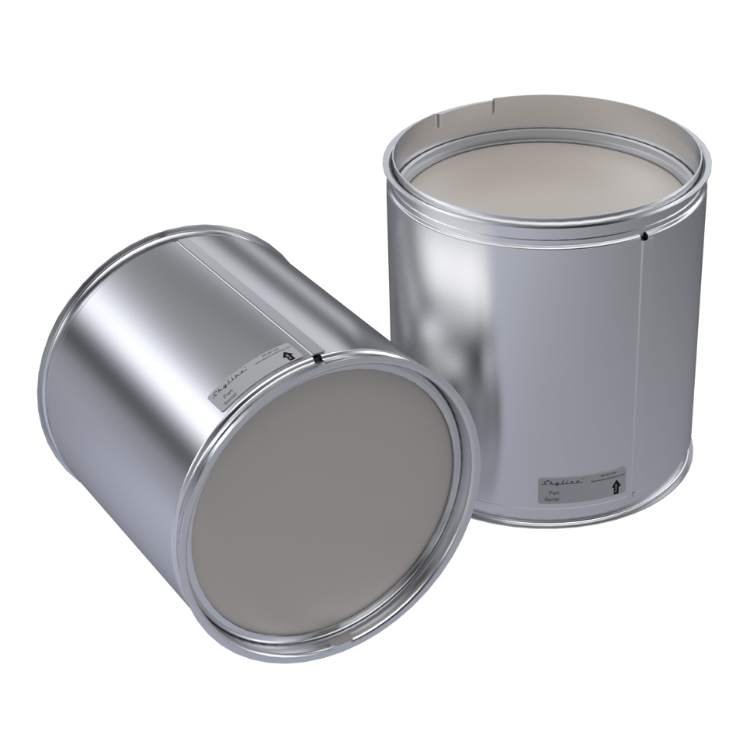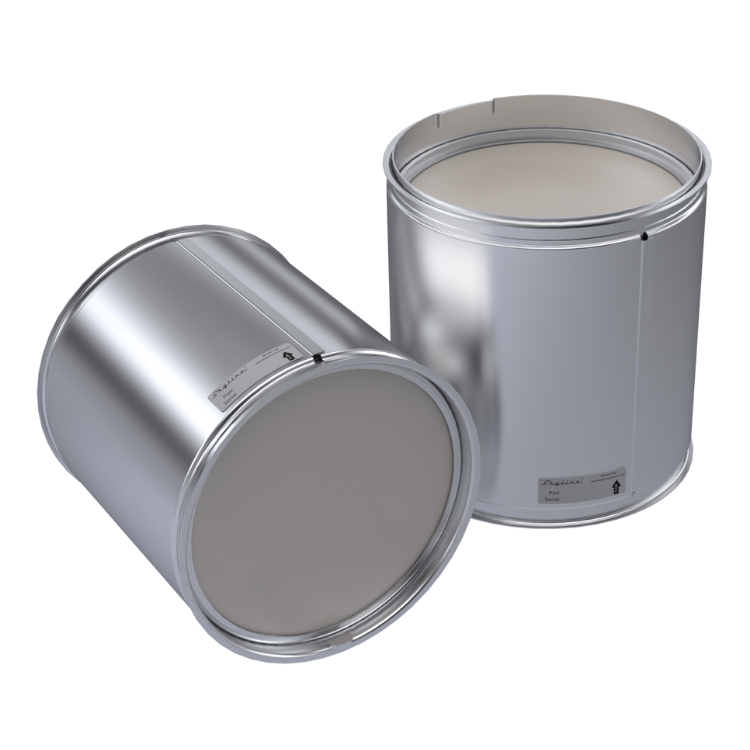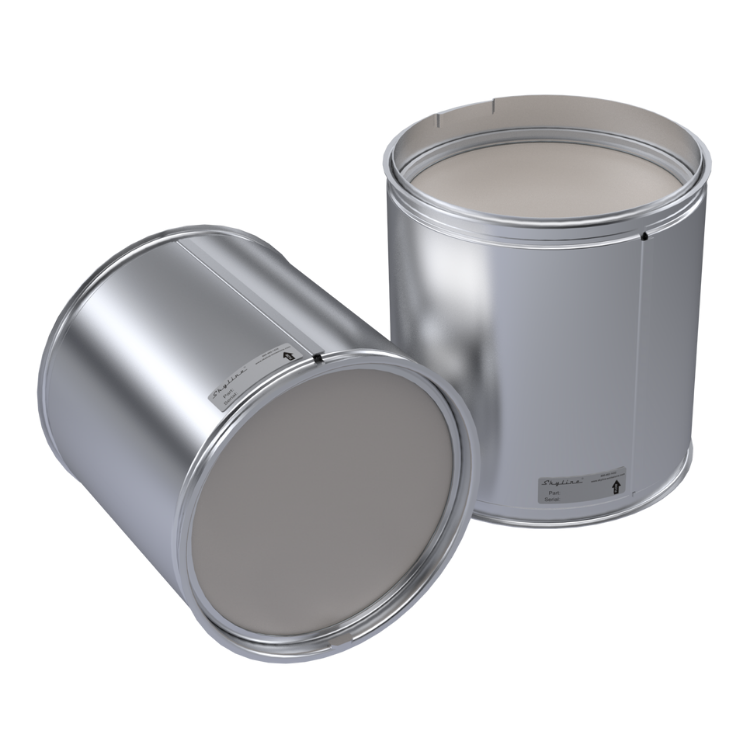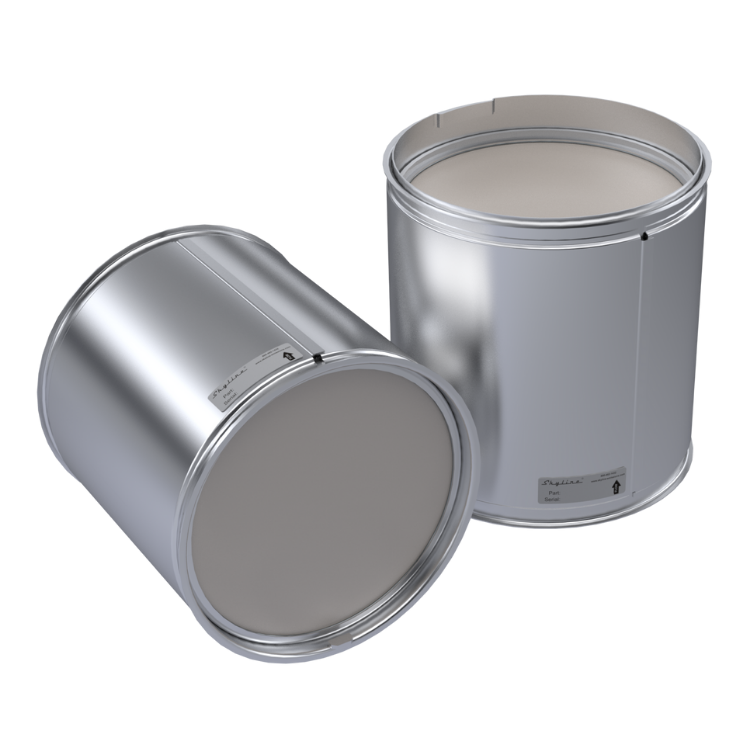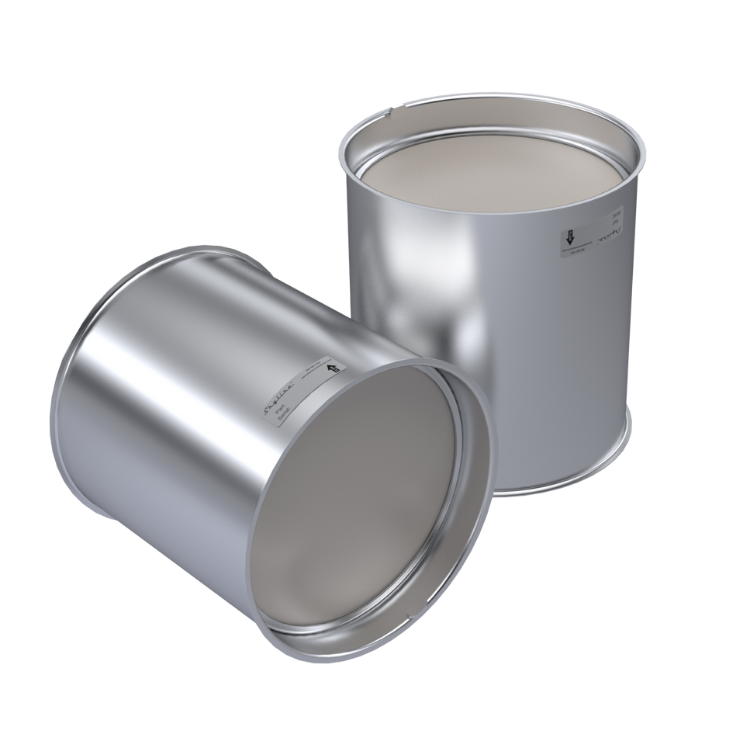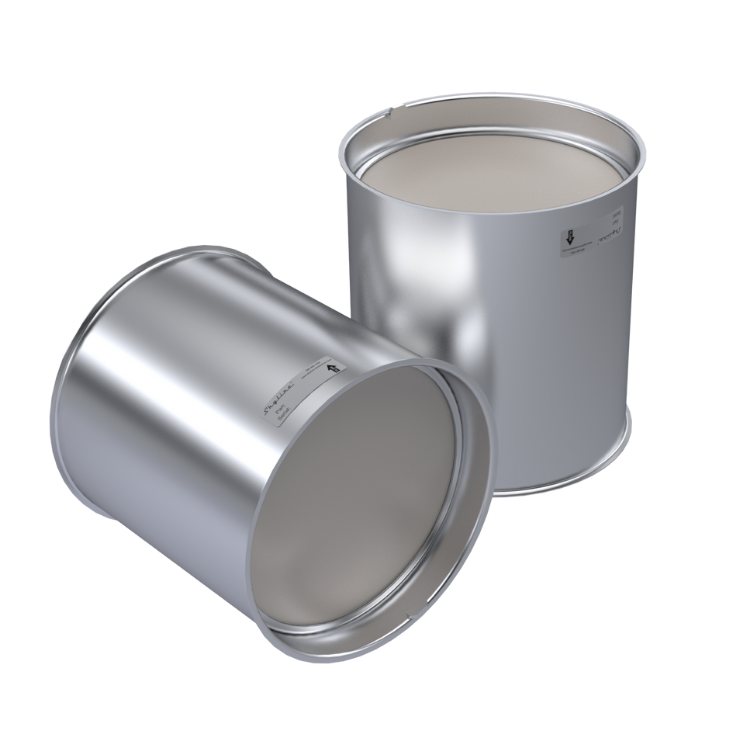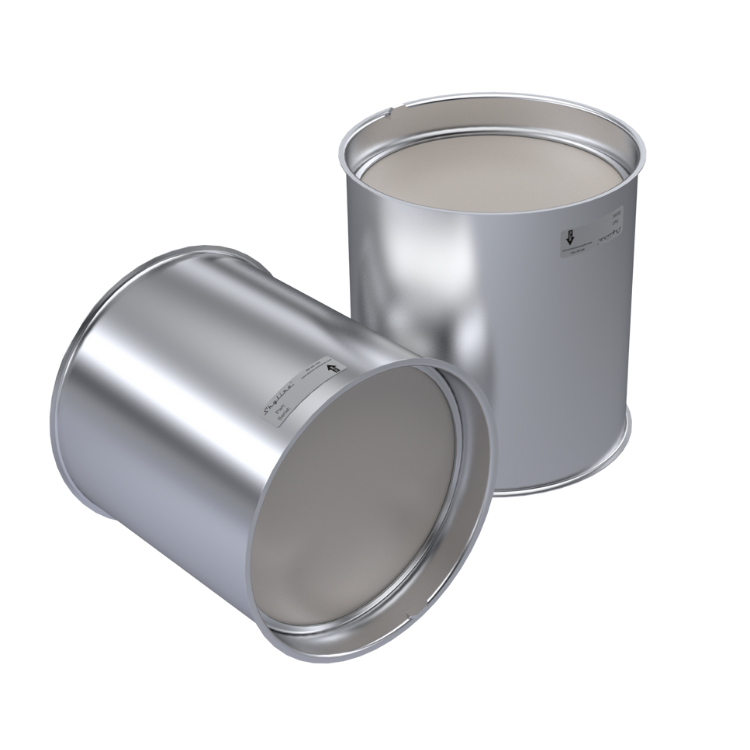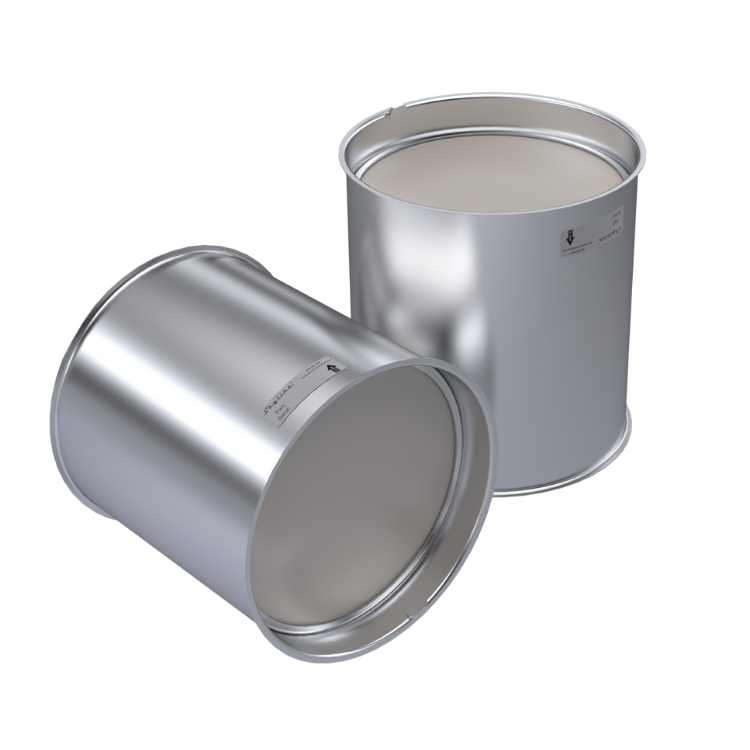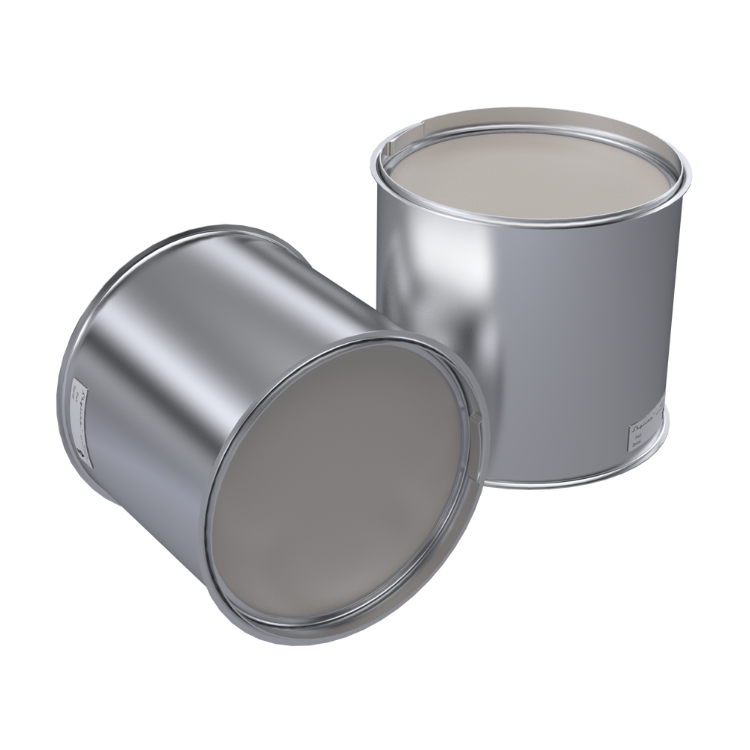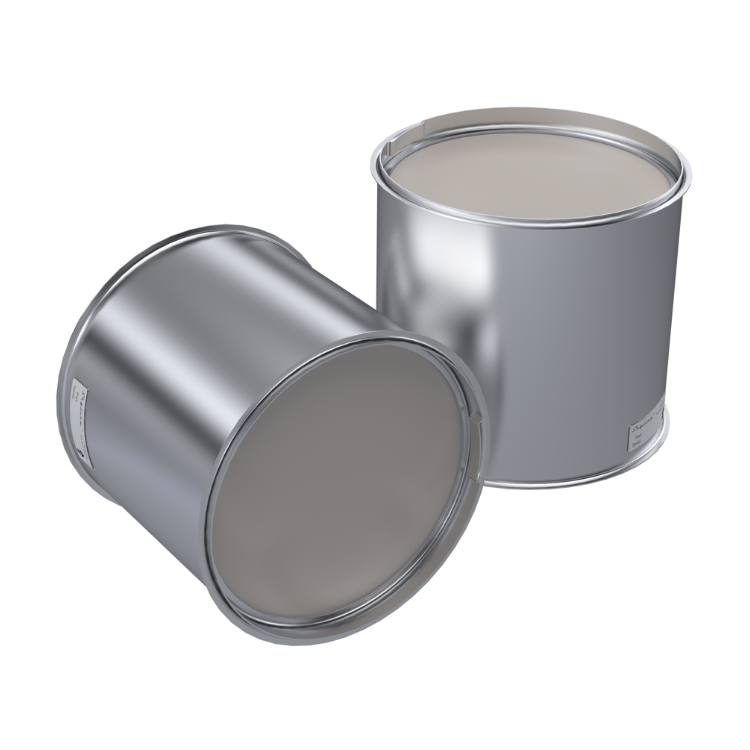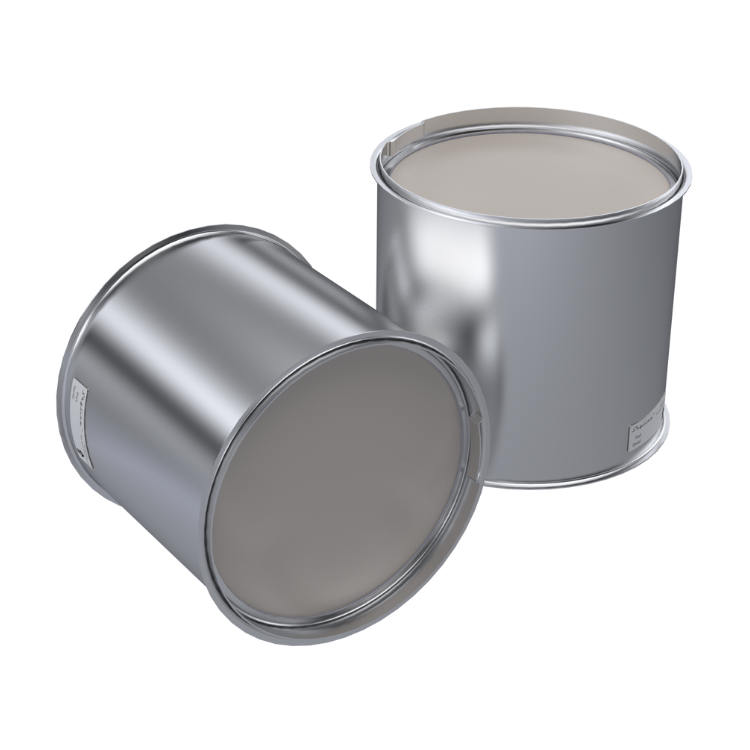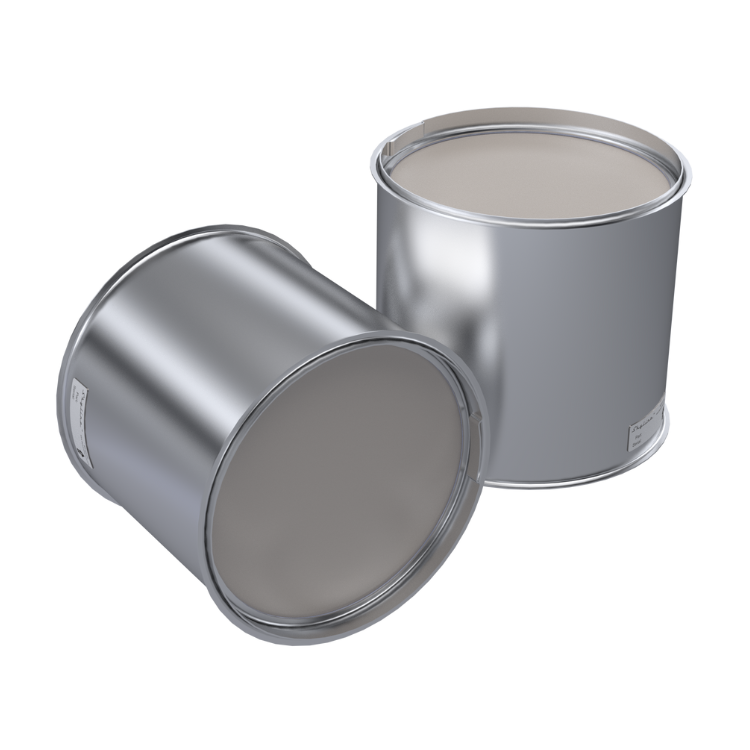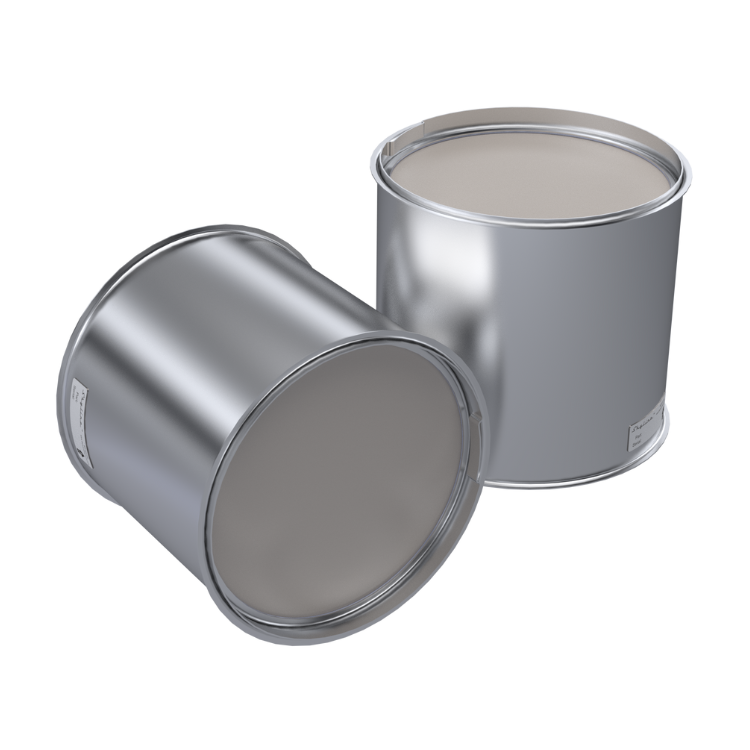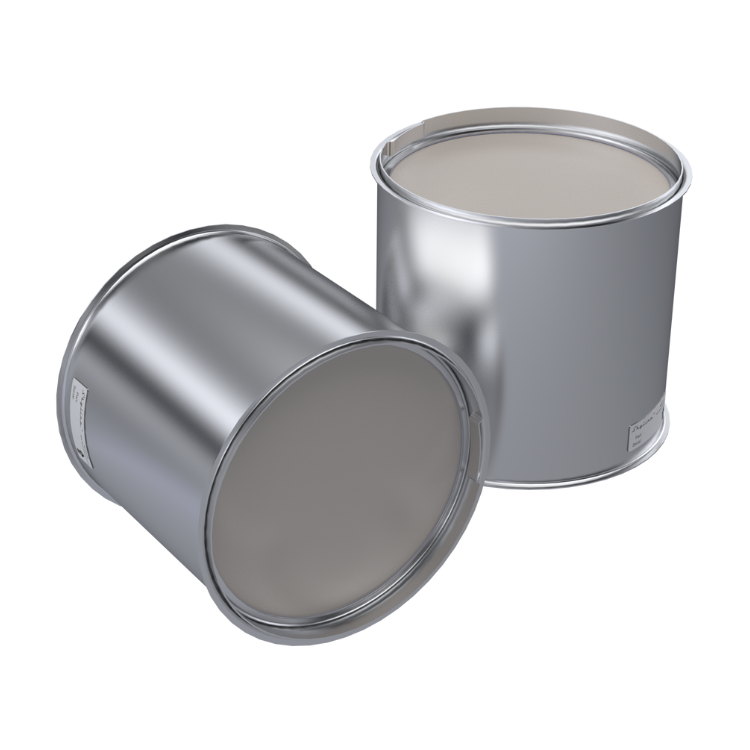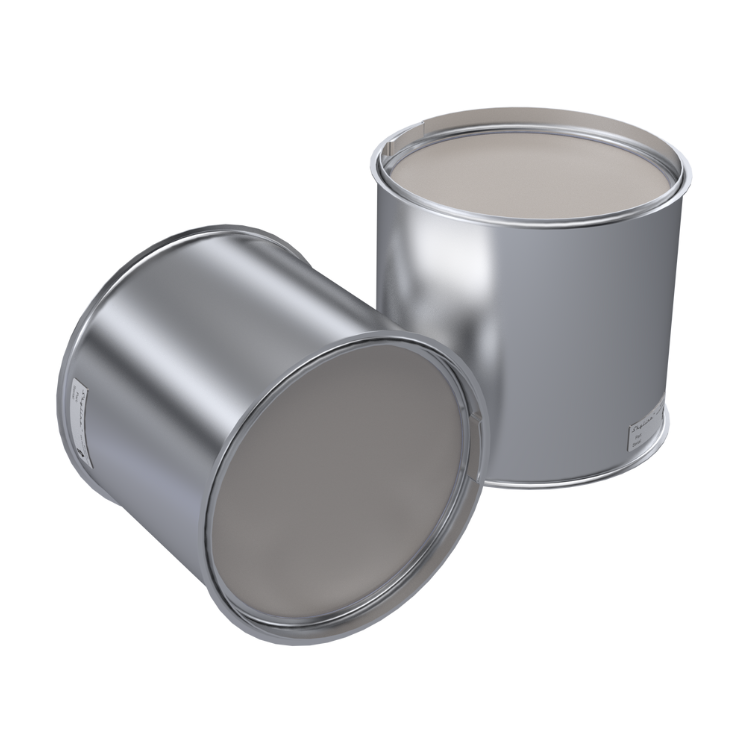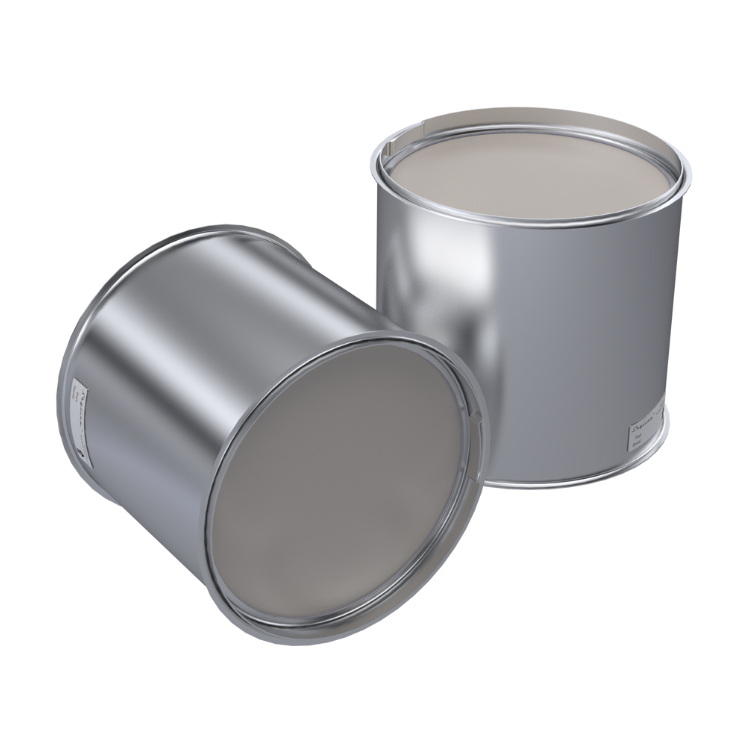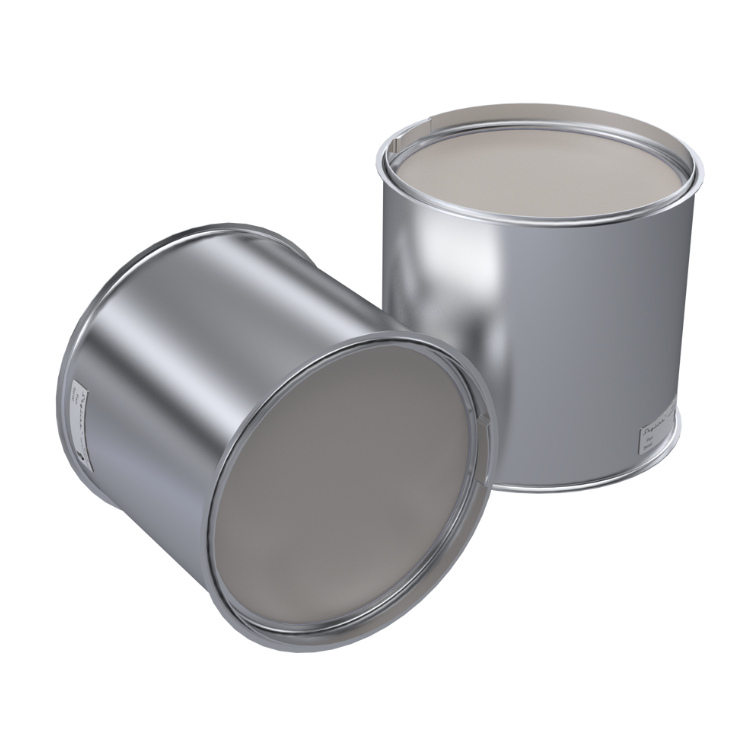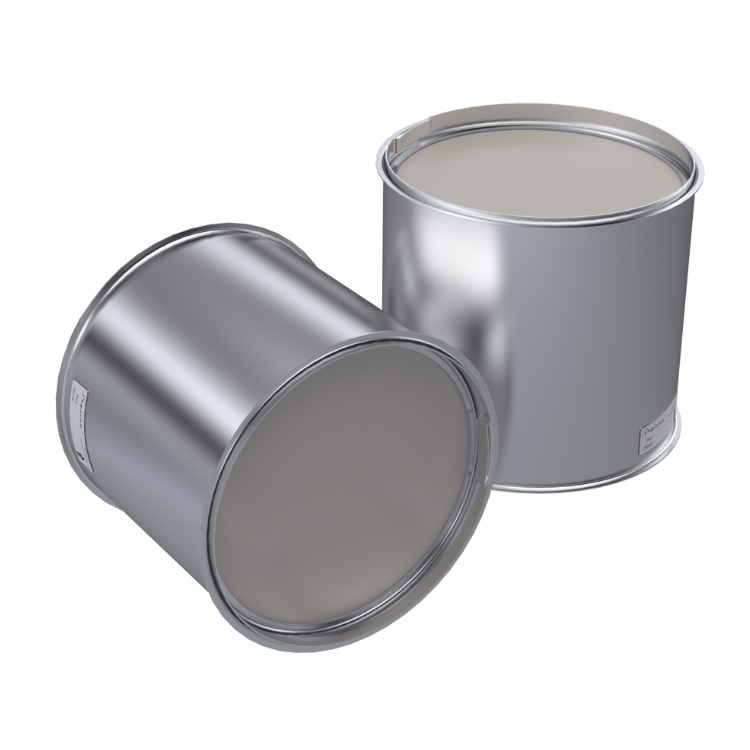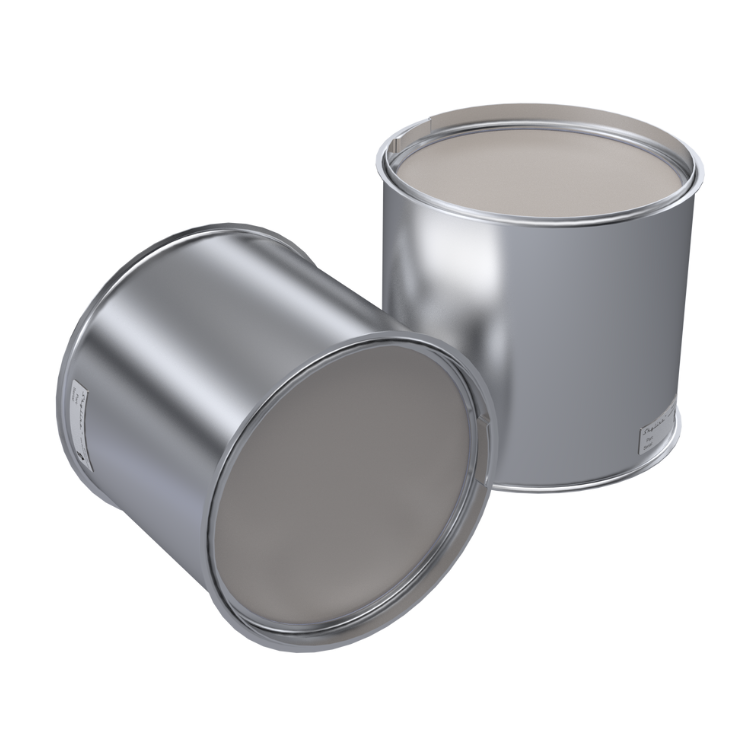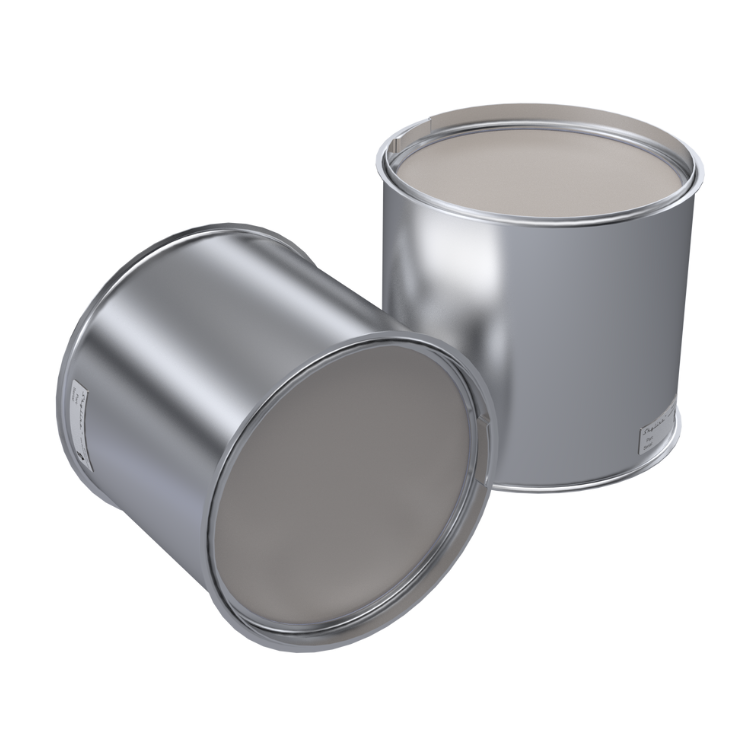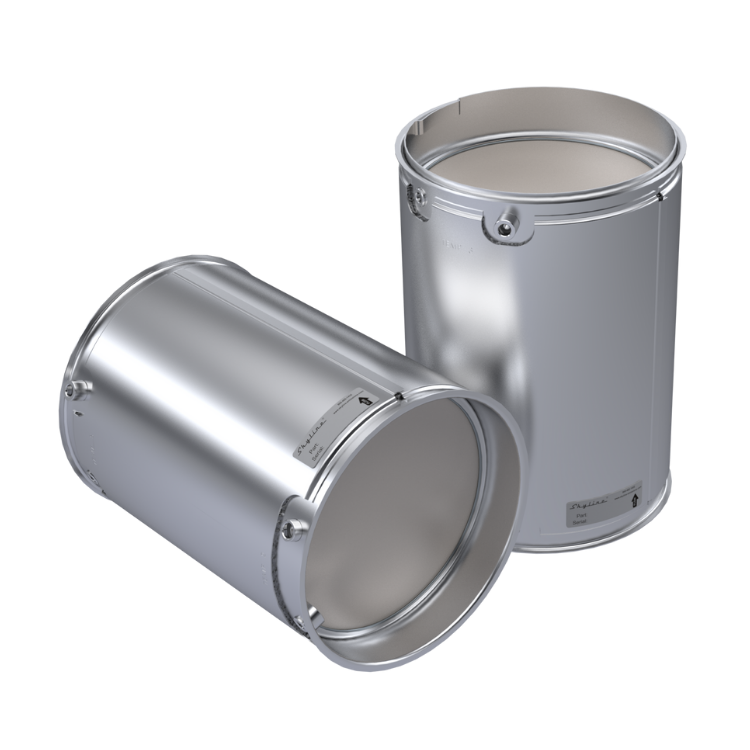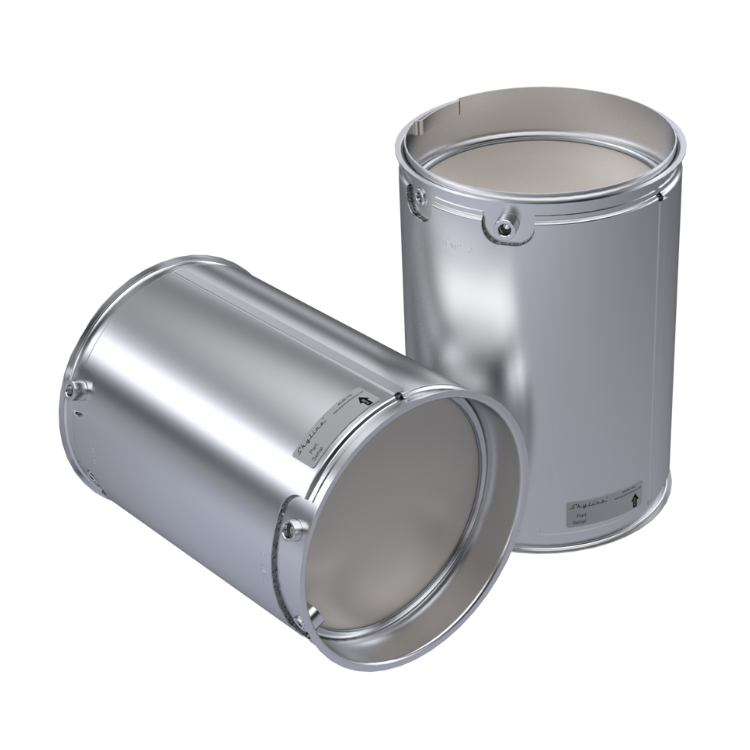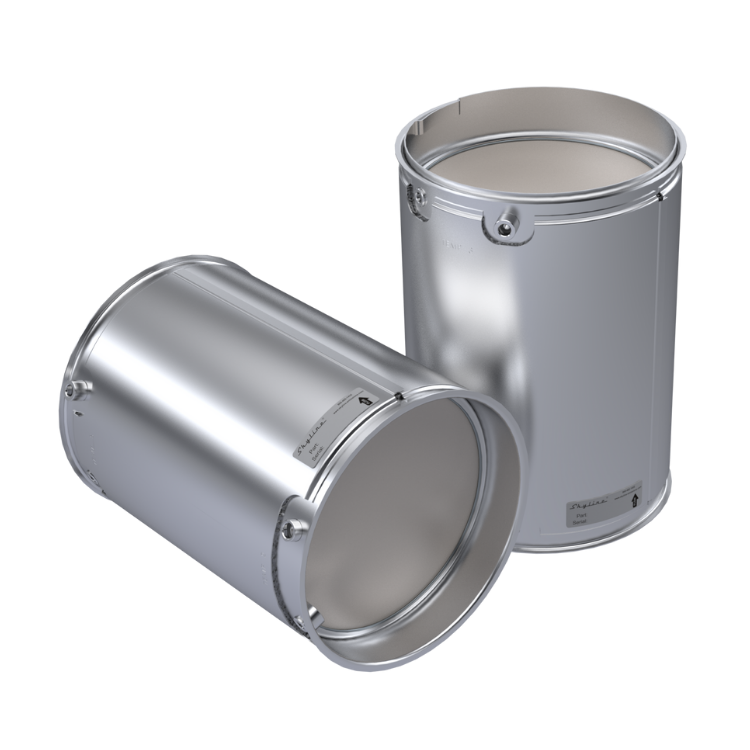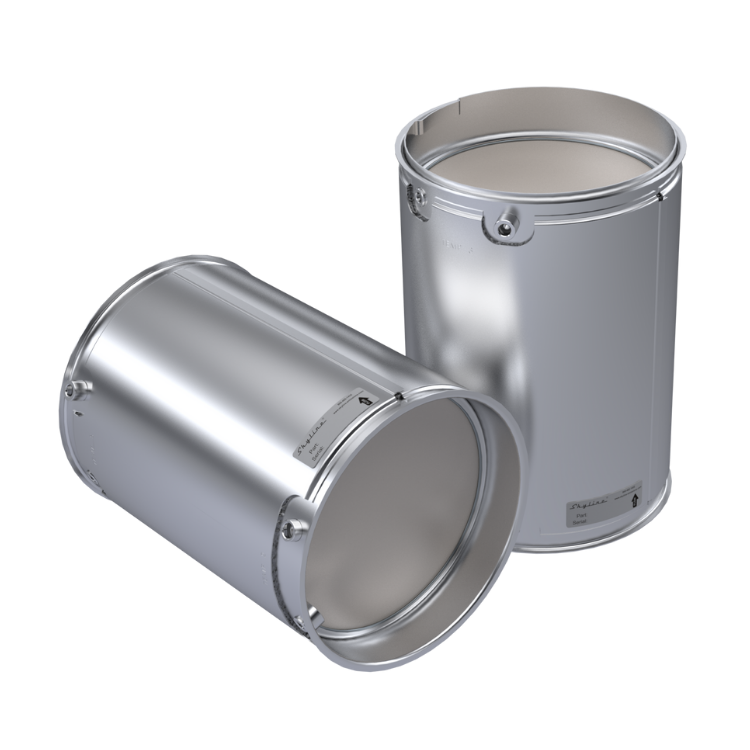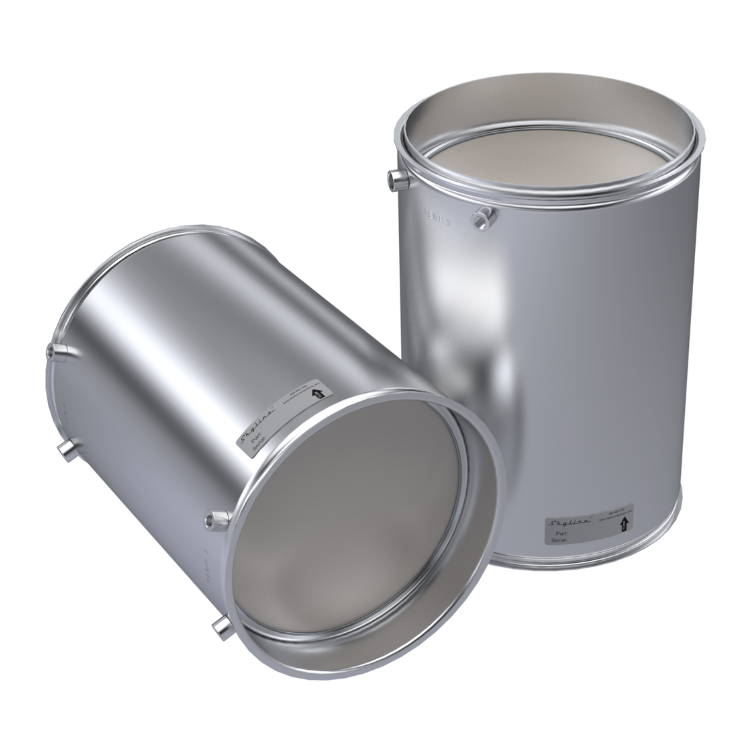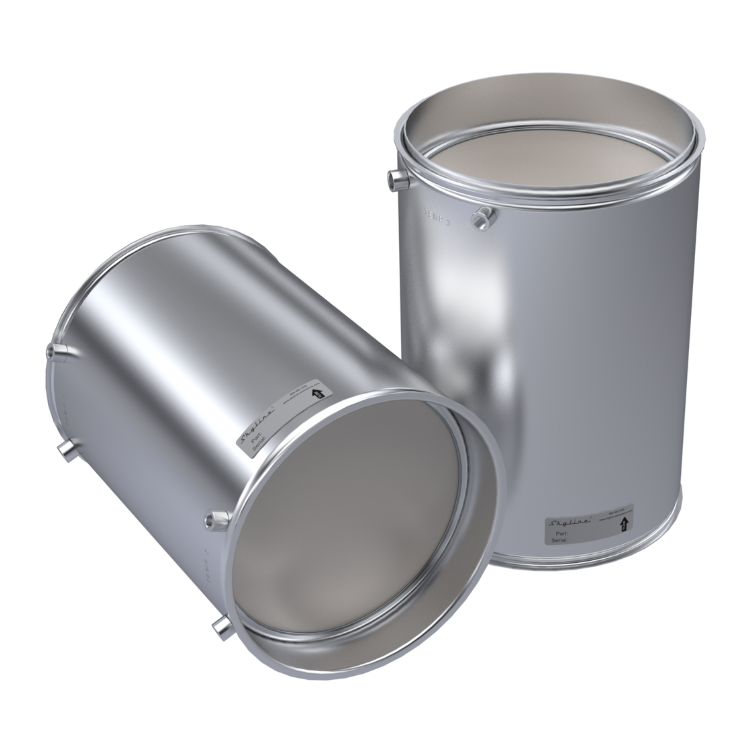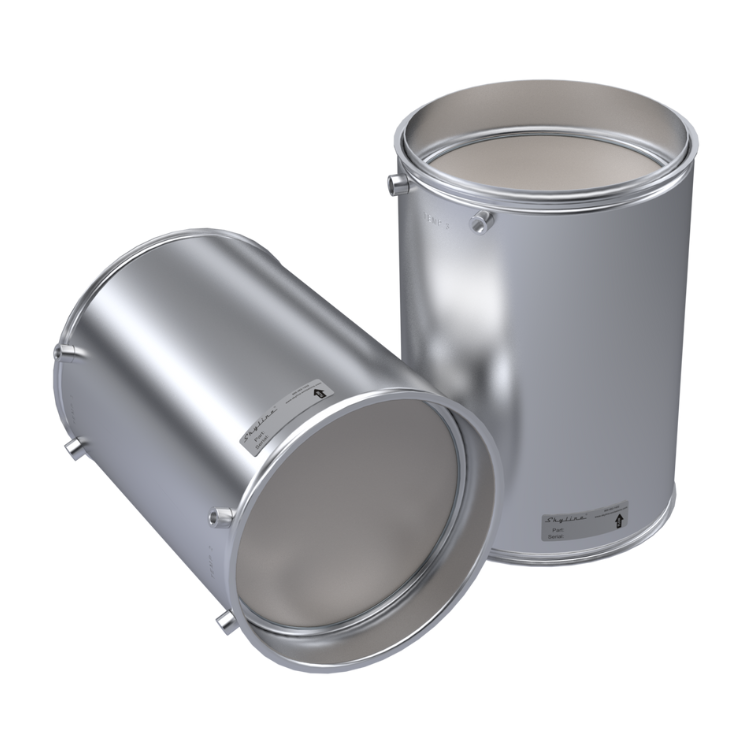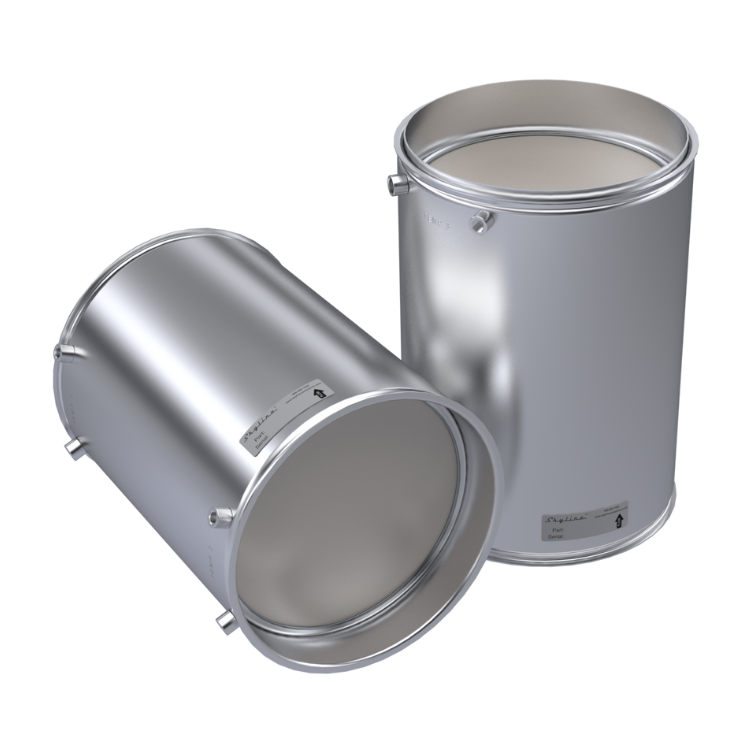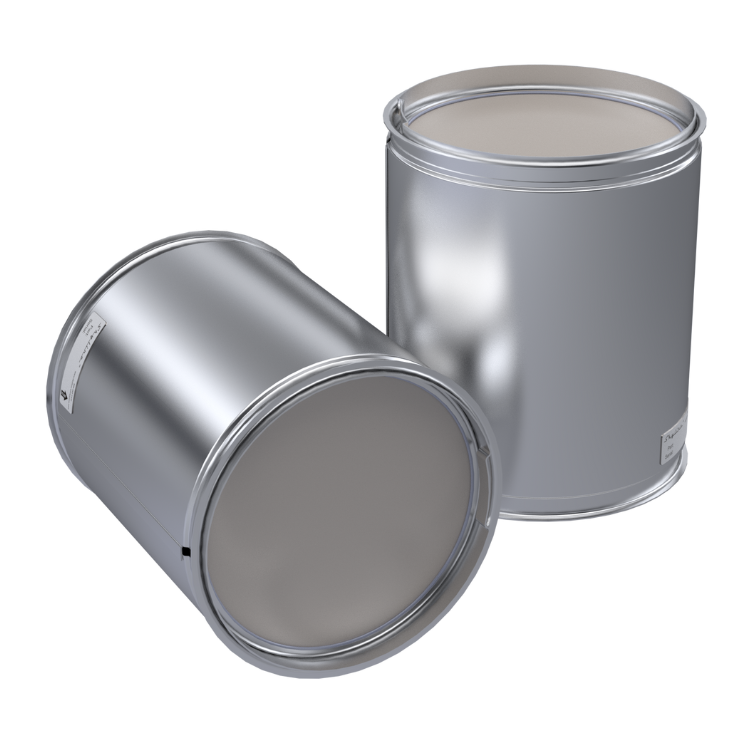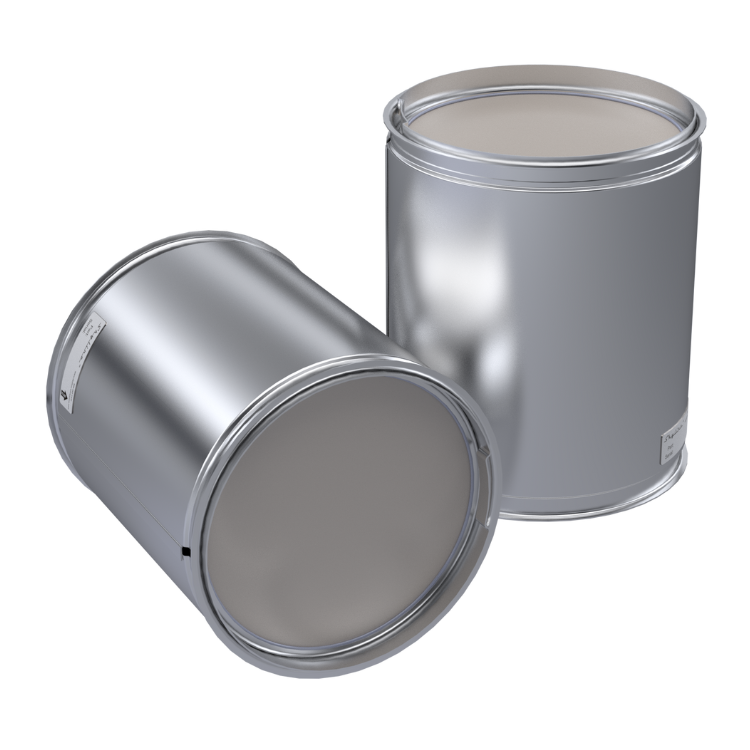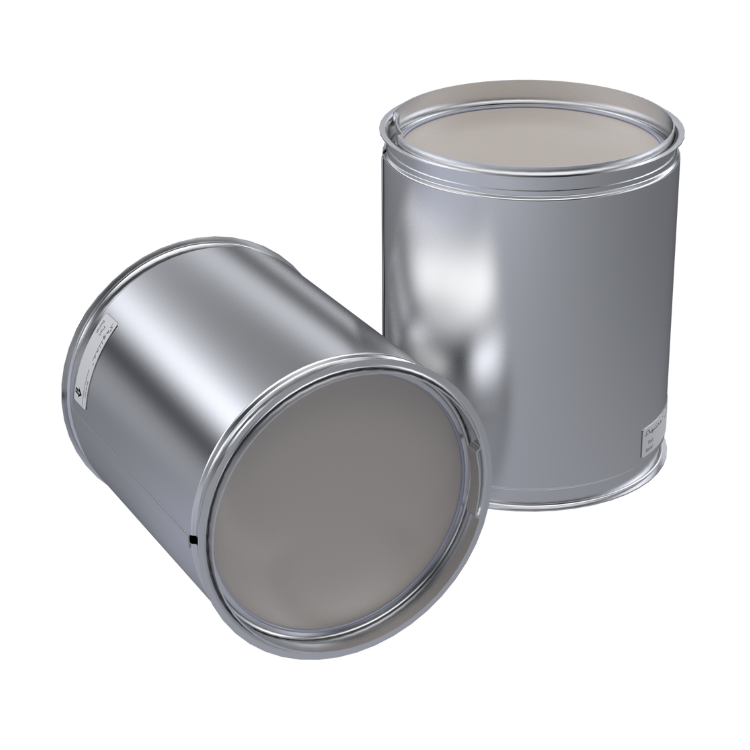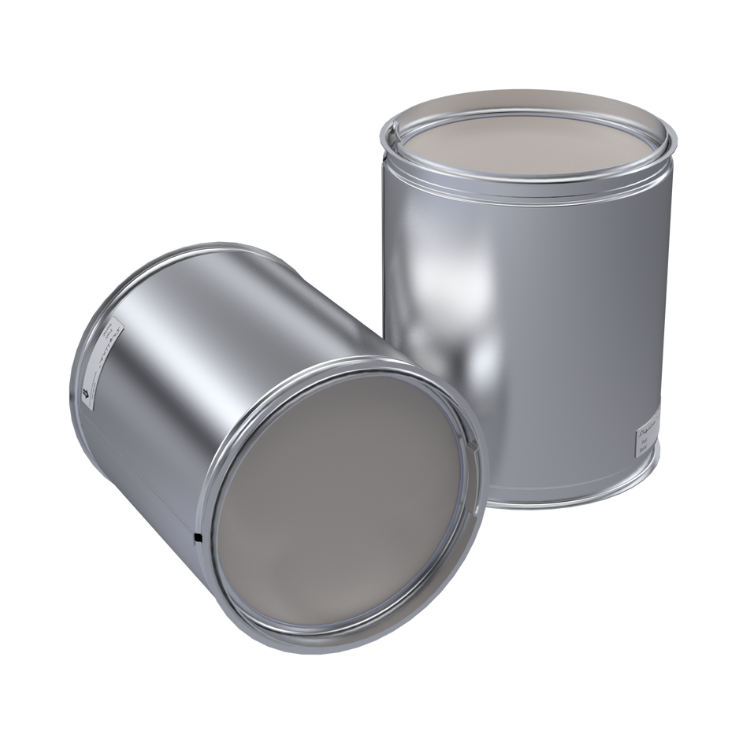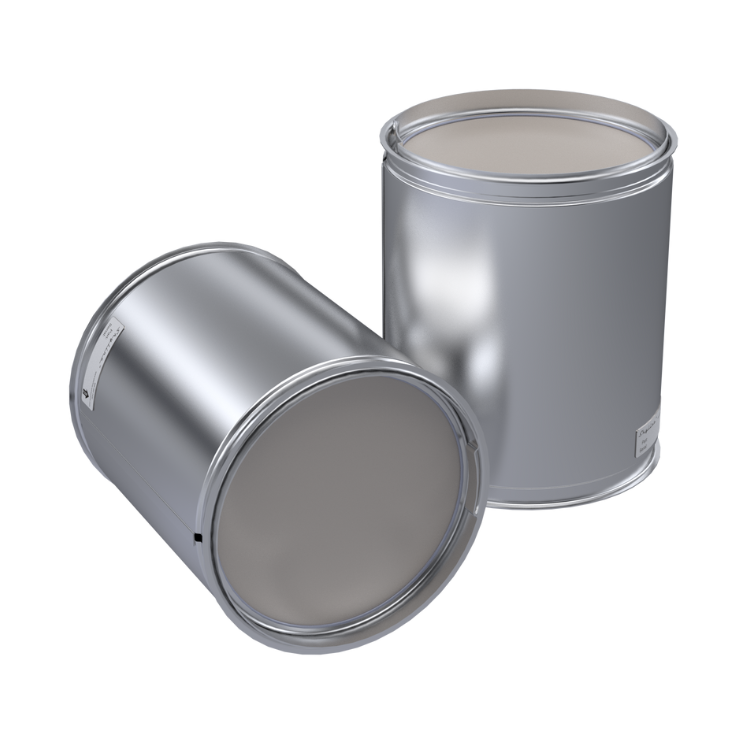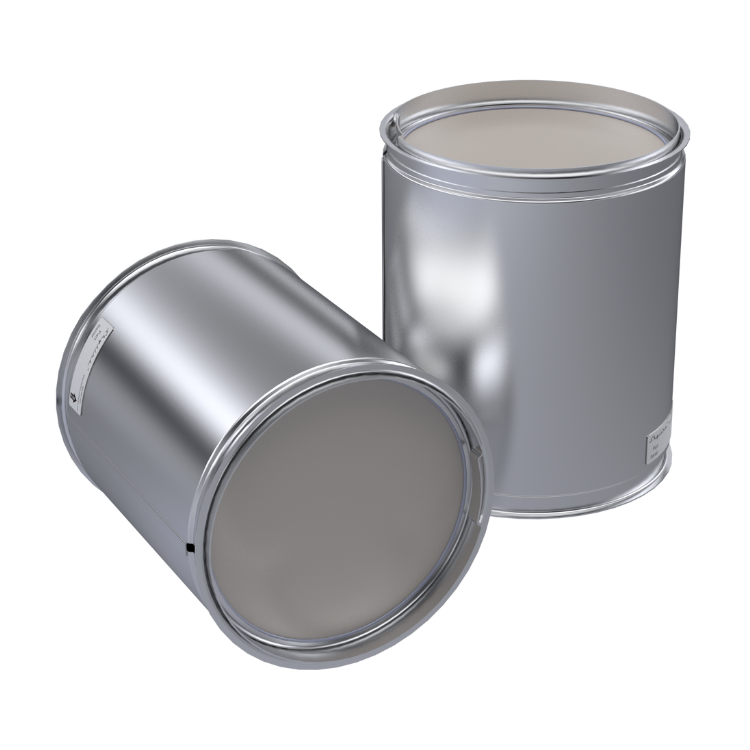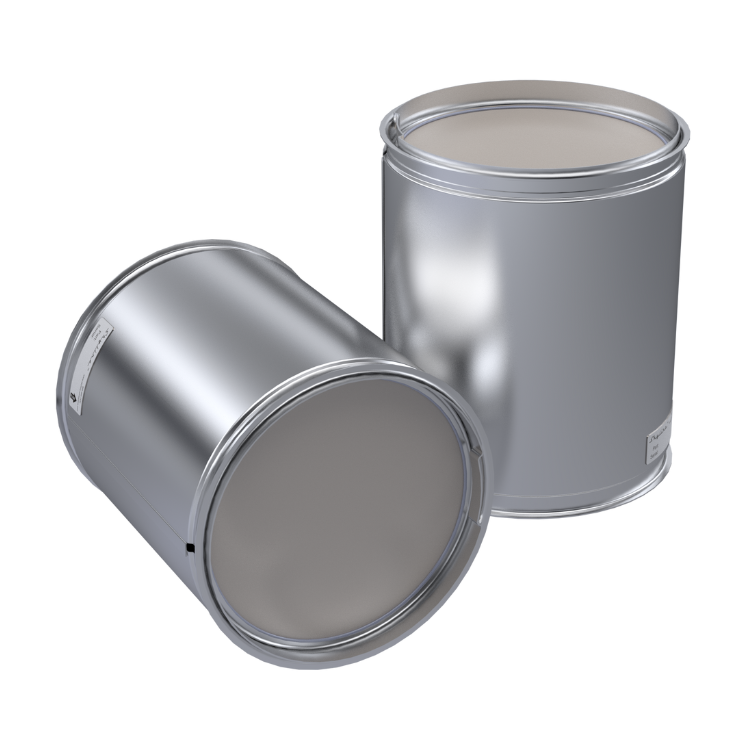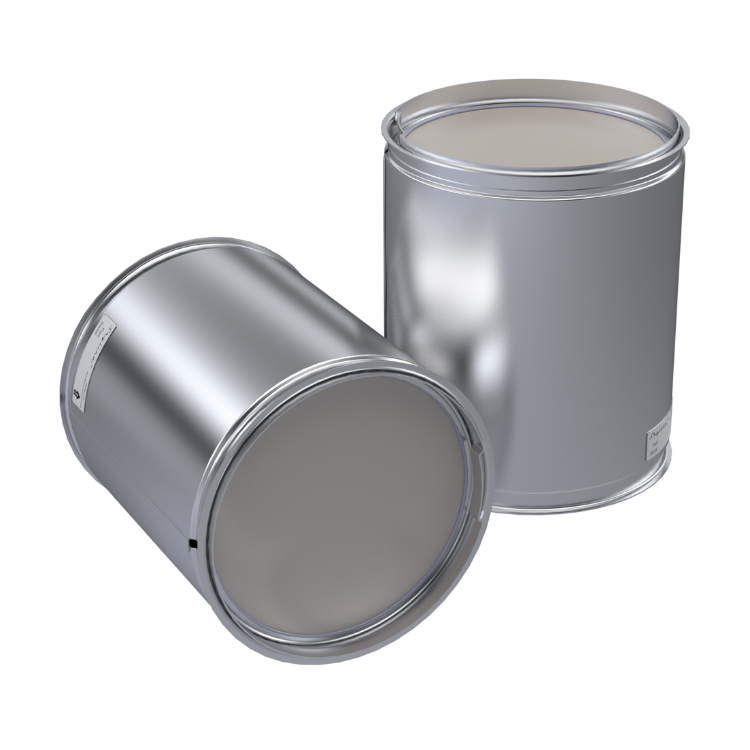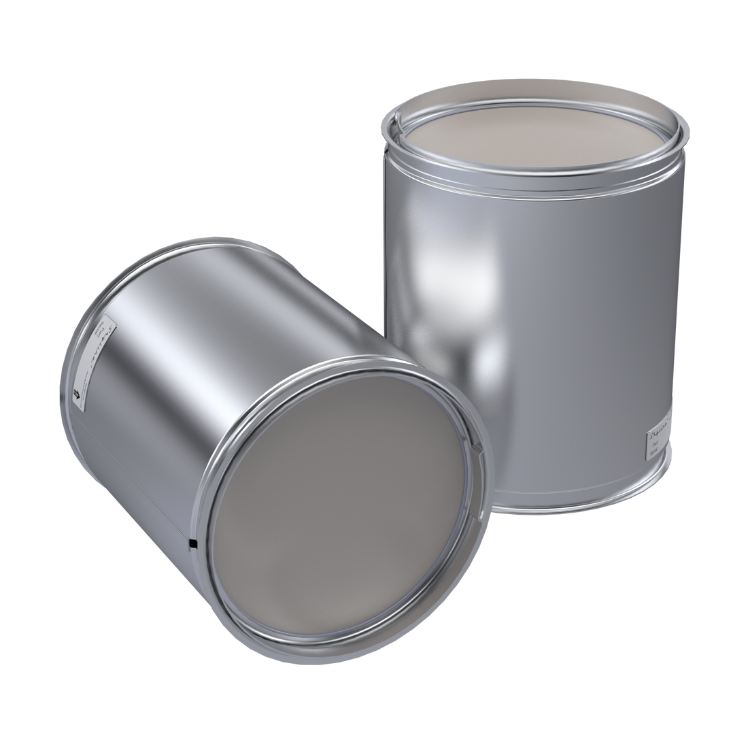




The Diesel Particulate Filter (DPF) is designed to trap and store soot from exhaust gases, preventing harmful particles from being released into the atmosphere. Over time, the filter relies on regeneration to burn off this soot. If regeneration fails or maintenance is neglected, the DPF can become blocked—leading to performance issues, warning lights, and potential engine damage.
Effects of a Blocked DPF
-
Loss of Engine Power
Restricted exhaust flow increases backpressure, reducing engine performance and acceleration. -
Frequent Regeneration Attempts
The system may attempt repeated regenerations, increasing fuel usage and system strain. -
Poor Fuel Economy
Increased backpressure and frequent regens cause the engine to burn more fuel than normal. -
Check Engine or DPF Warning Lights
Dashboard alerts and fault codes appear when soot levels exceed safe limits. -
Engine Derate or Limp Mode
To protect the engine and emissions system, the ECM may limit power or vehicle speed. -
Increased Exhaust Temperatures
Trapped soot can cause excessive heat during regeneration, risking damage to exhaust components. -
Potential Engine or Turbo Damage
Prolonged high backpressure can stress the turbocharger, EGR system, and engine seals.
A blocked DPF can quickly escalate from a minor warning to serious drivability and mechanical issues. Addressing early symptoms, allowing proper regeneration, and maintaining engine health are key to preventing blockage. Prompt service helps restore performance, protect critical components, and keep your vehicle emissions-compliant.