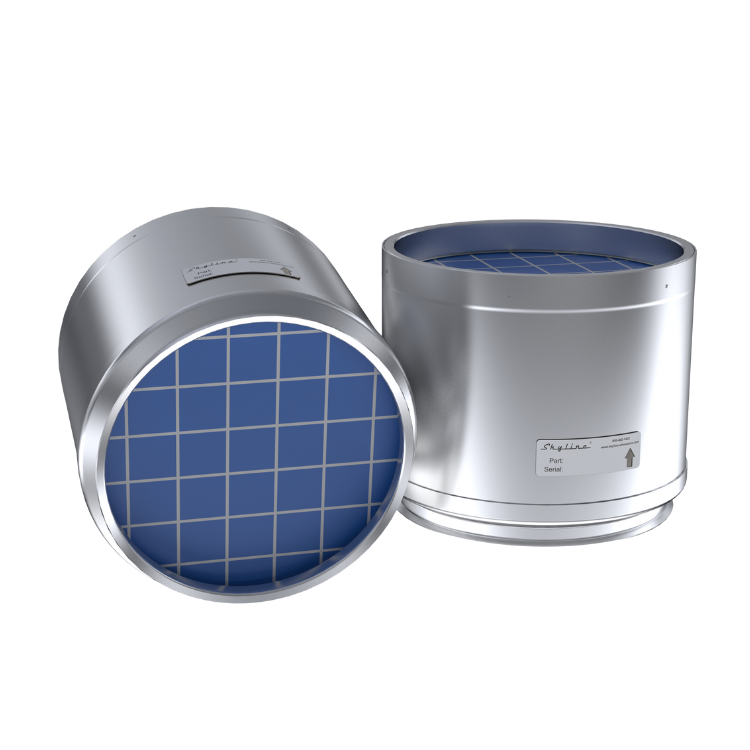




A Diesel Particulate Filter (DPF) captures soot from exhaust gases to reduce emissions, but it must periodically clean itself to continue working effectively. This cleaning process is known as regeneration. Understanding how DPF regeneration occurs helps drivers recognize why certain driving conditions and maintenance practices are important.
-
Passive regeneration: Occurs naturally during steady highway driving when exhaust temperatures are high enough to burn off soot.
-
Active regeneration: Triggered by the engine control system when soot levels rise, using extra fuel to increase exhaust temperature.
-
Parked or forced regeneration: Performed by a technician when normal driving cannot complete regeneration.
-
Temperature-based process: Regeneration relies on sufficient exhaust heat to convert soot into ash.
-
Continuous monitoring: Sensors track soot load, pressure, and temperature to determine when regeneration is needed.
-
Driving conditions matter: Short trips and low-speed driving can interrupt regeneration cycles.
DPF regeneration is a critical process that keeps the filter functioning properly. Supporting regeneration through proper driving habits and timely maintenance helps prevent blockage, reduces warning lights, and extends the life of the DPF system.