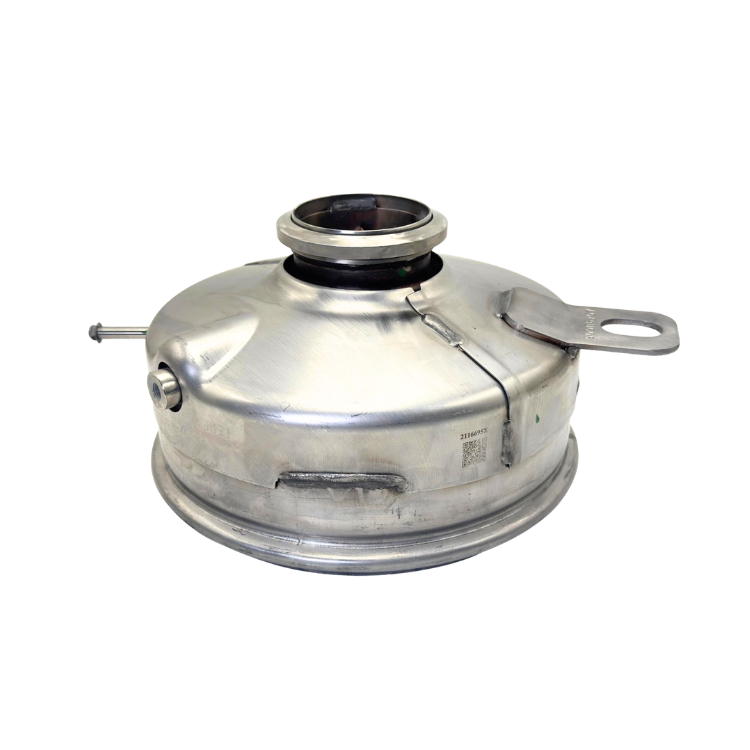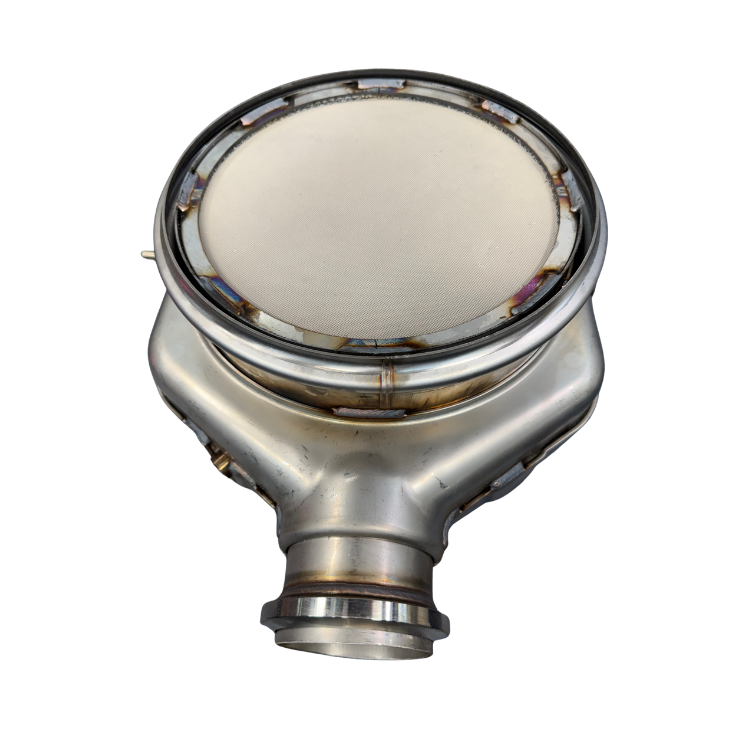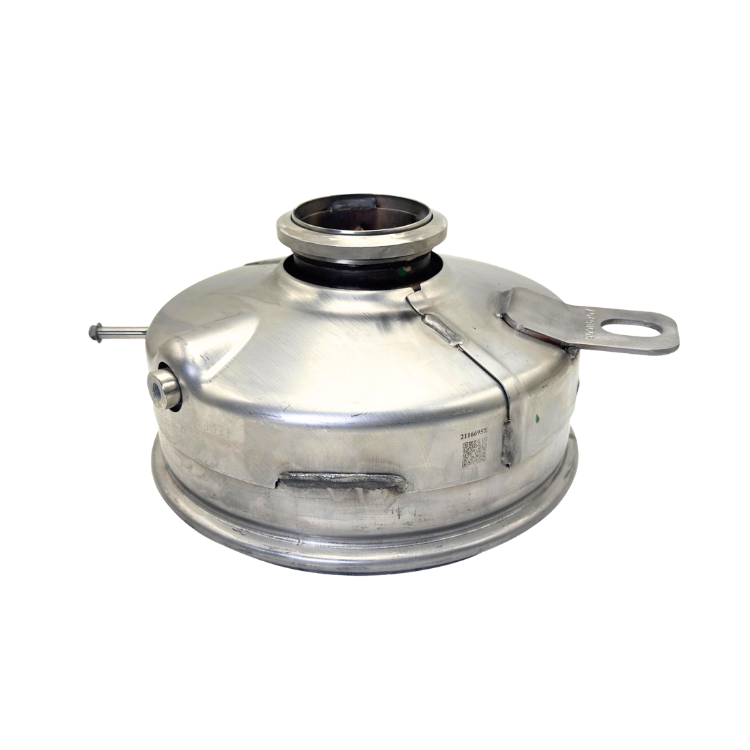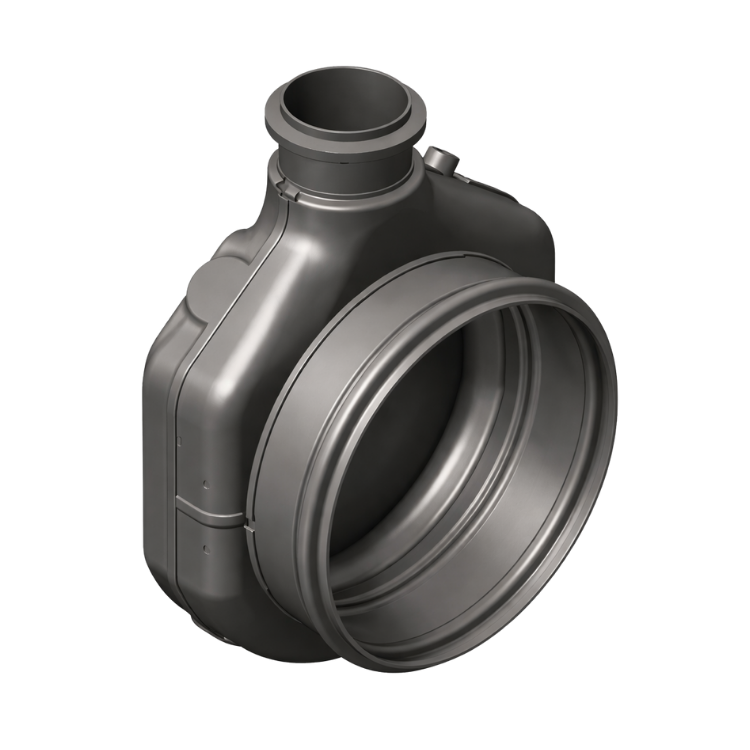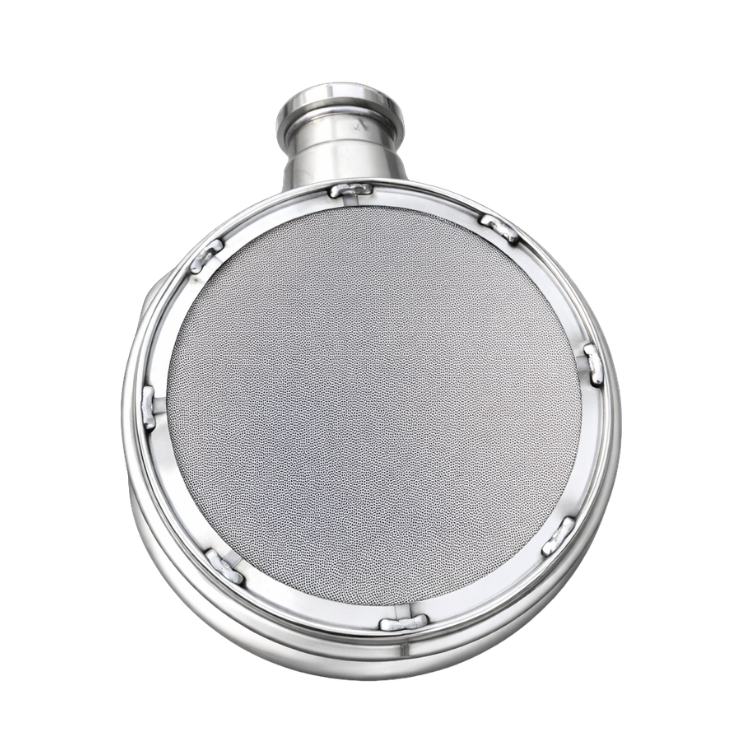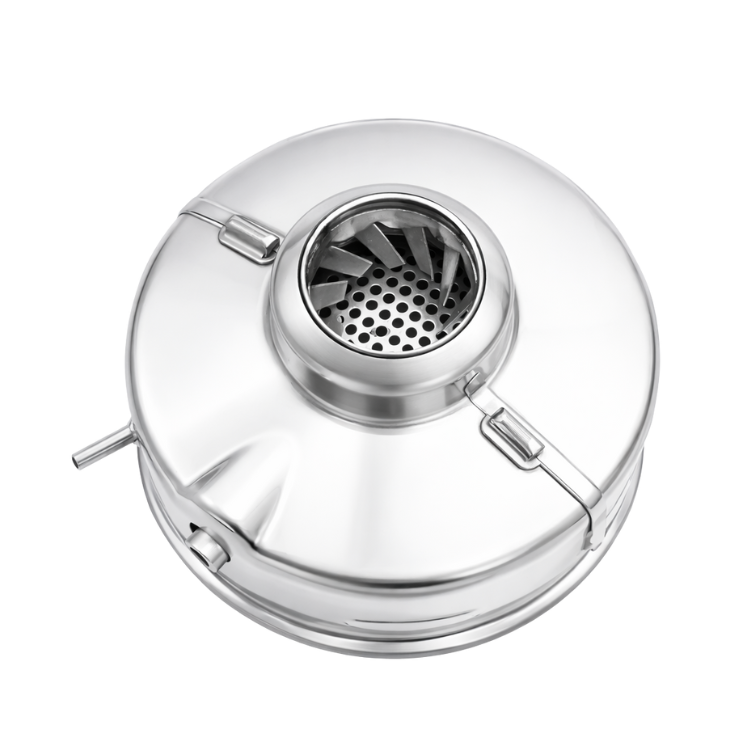




A Diesel Oxidation Catalyst (DOC) filter is designed to be a long-lasting, maintenance-light component of the diesel emissions system. Unlike filters that trap soot, the DOC primarily oxidizes exhaust gases and typically does not require regular cleaning. Replacement or service is usually based on condition rather than a set interval.
-
No routine cleaning required: DOC filters are not serviceable in the same way as DPF filters and do not require periodic cleaning under normal conditions.
-
Replacement is condition-based: A DOC is usually replaced only if it becomes contaminated, damaged, or internally restricted.
-
Engine health affects lifespan: Excessive oil consumption, poor combustion, or faulty injectors can lead to premature DOC contamination.
-
Fuel and oil quality matter: Using manufacturer-approved, low-ash oil and clean diesel fuel helps extend DOC life.
-
Warning lights signal issues: Emissions-related fault codes or abnormal exhaust temperatures may indicate DOC problems.
-
High mileage considerations: Many DOC filters last several hundred thousand miles when properly maintained.
A DOC filter does not follow a regular cleaning schedule and is typically replaced only when it can no longer function effectively. Maintaining engine performance and addressing issues early helps maximize DOC lifespan and avoid unnecessary exhaust system repairs.