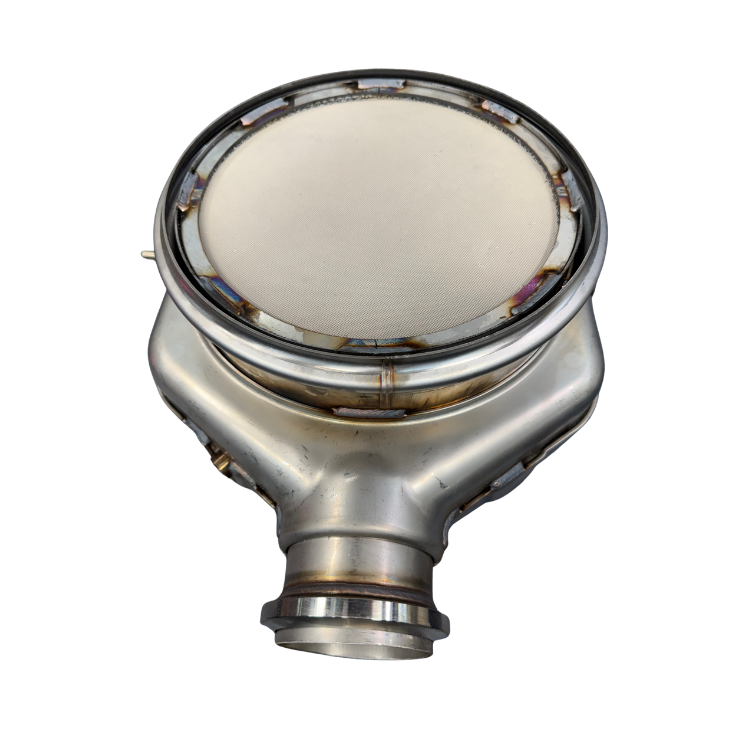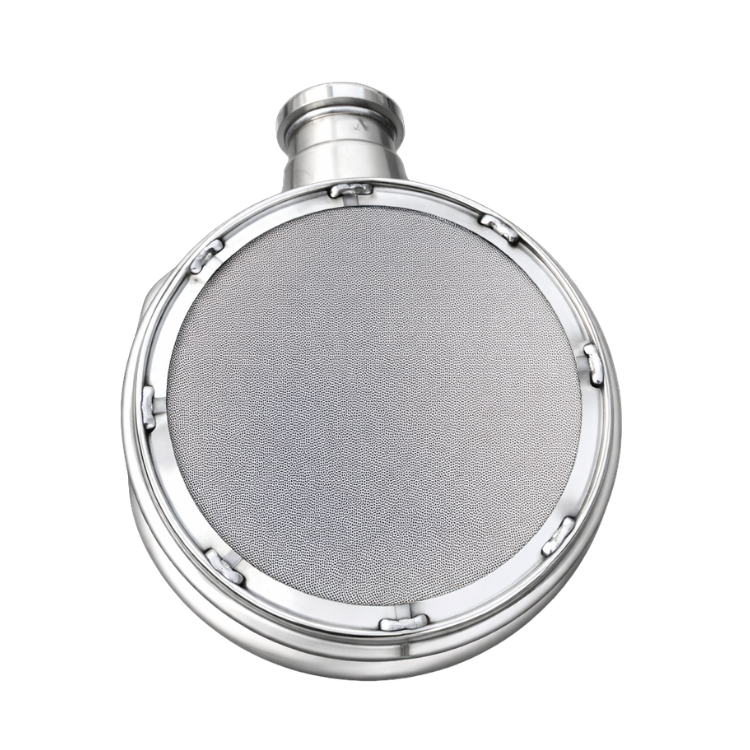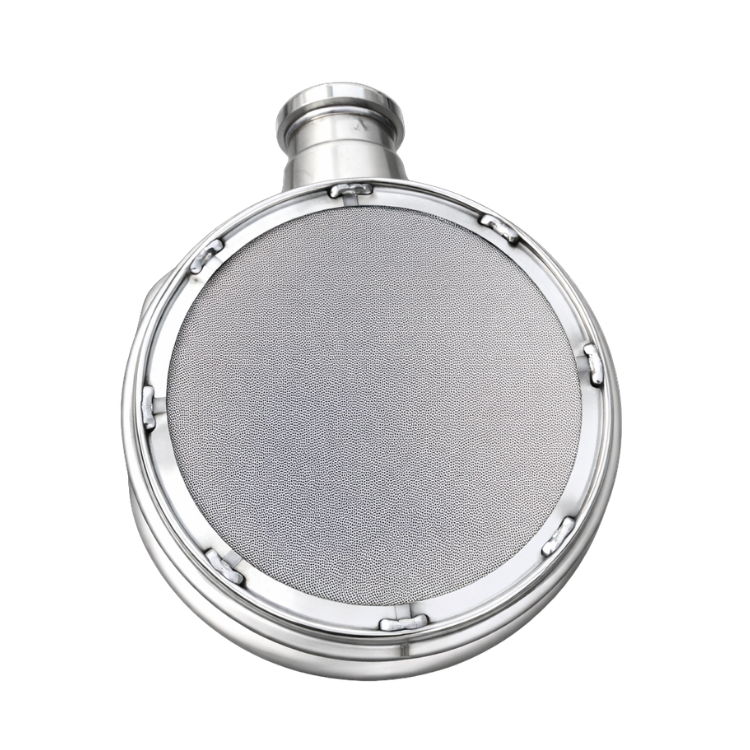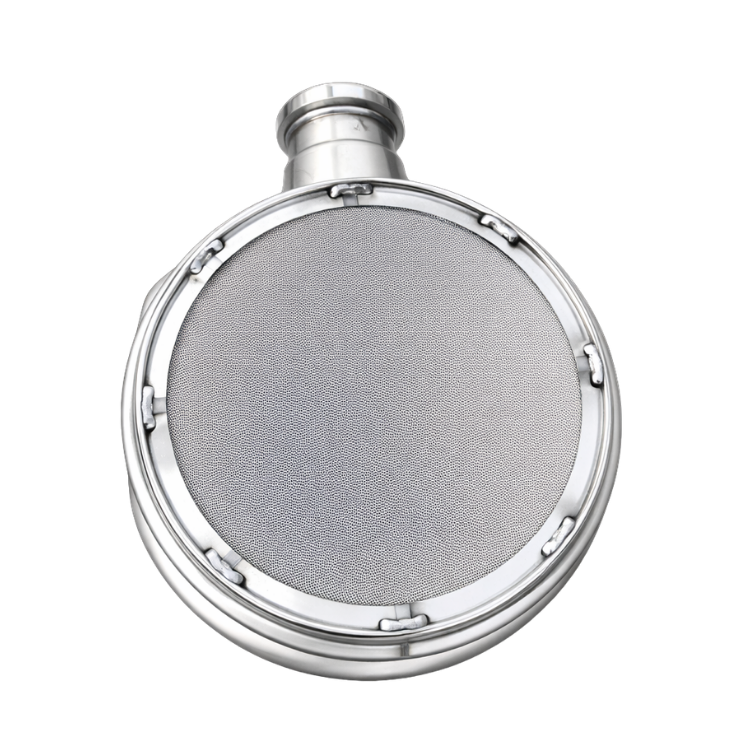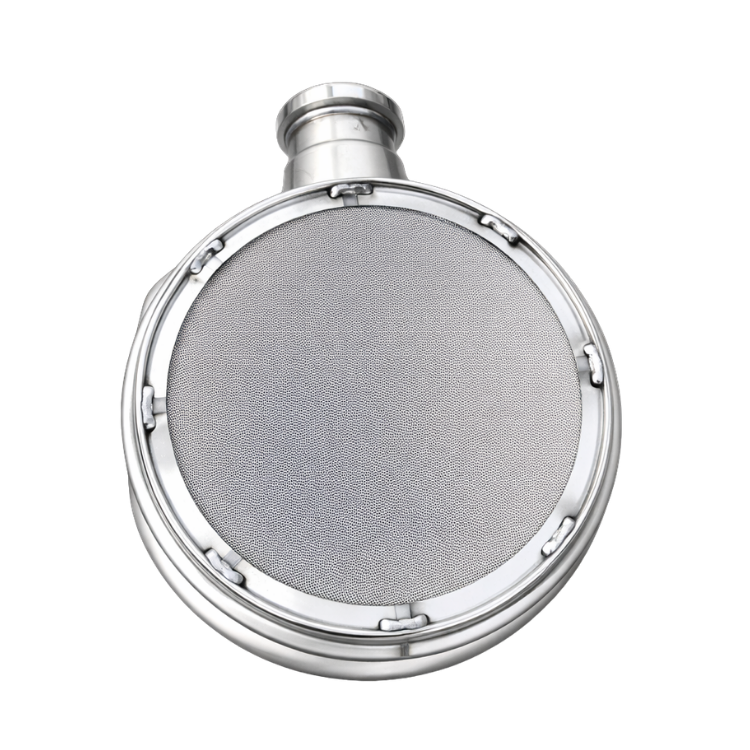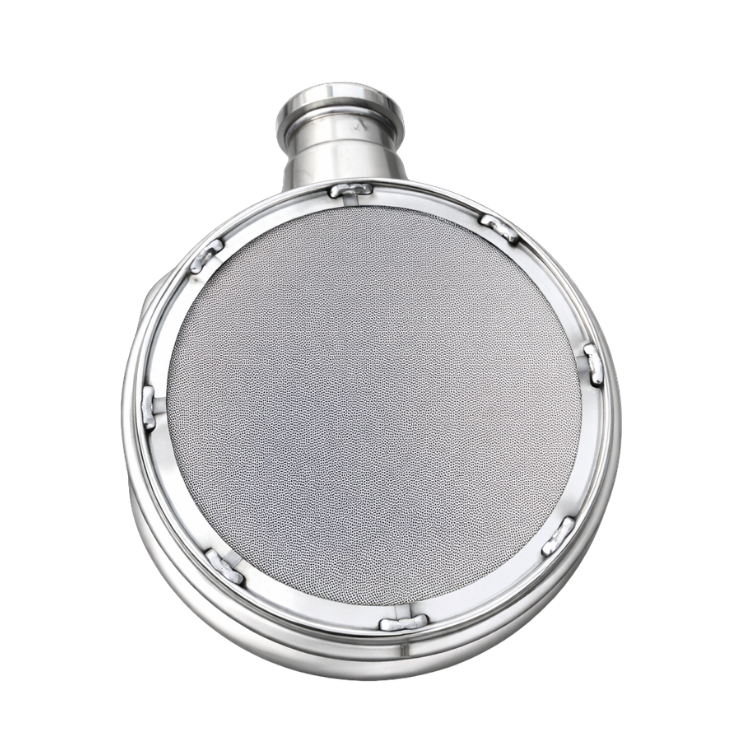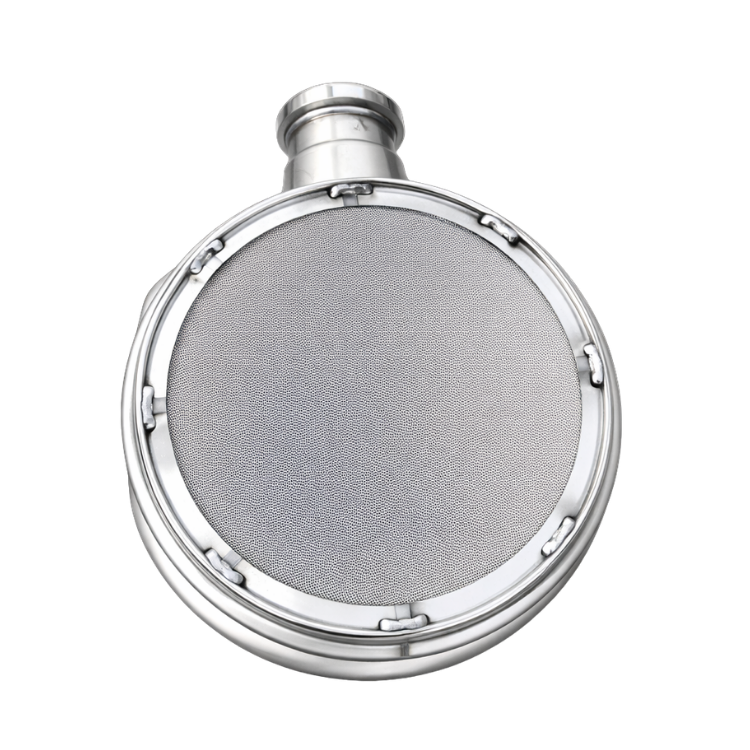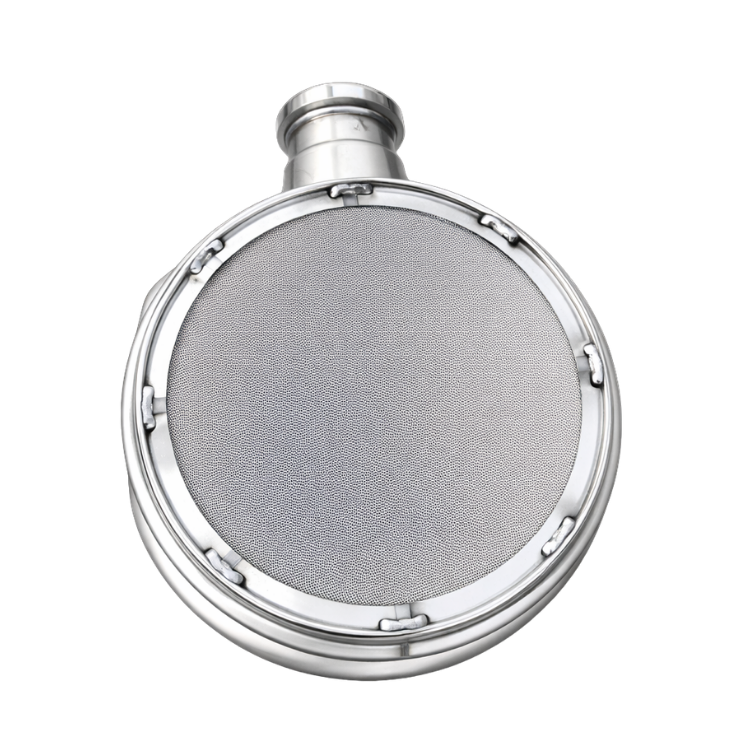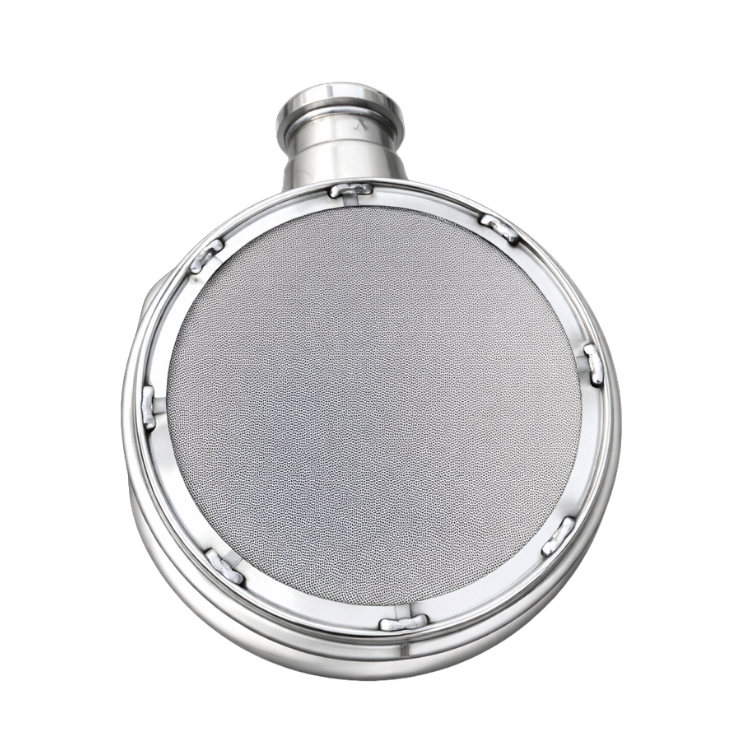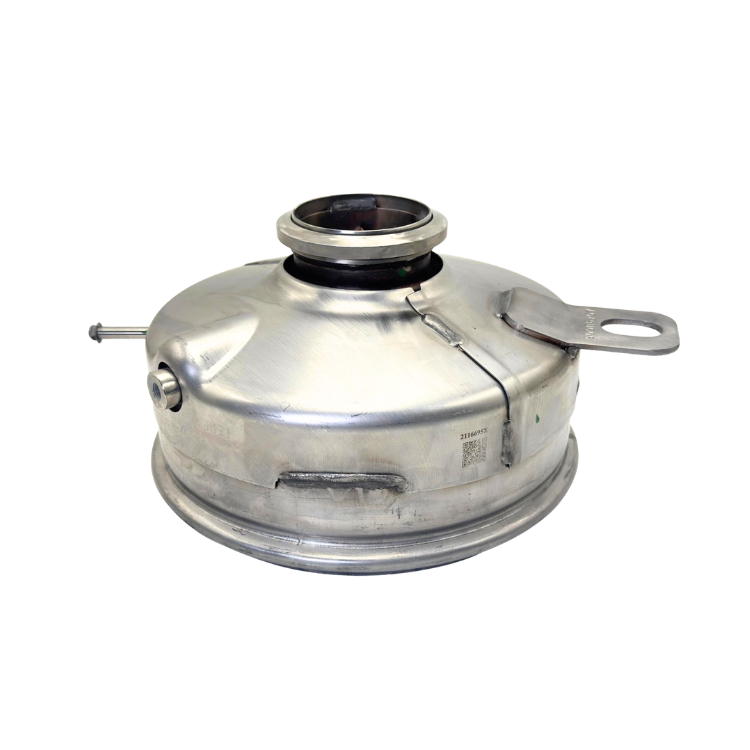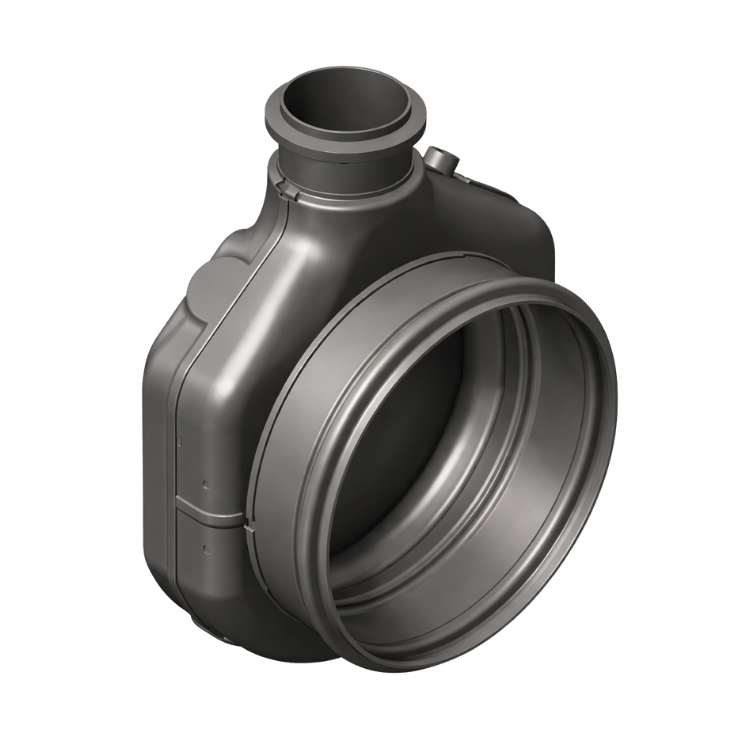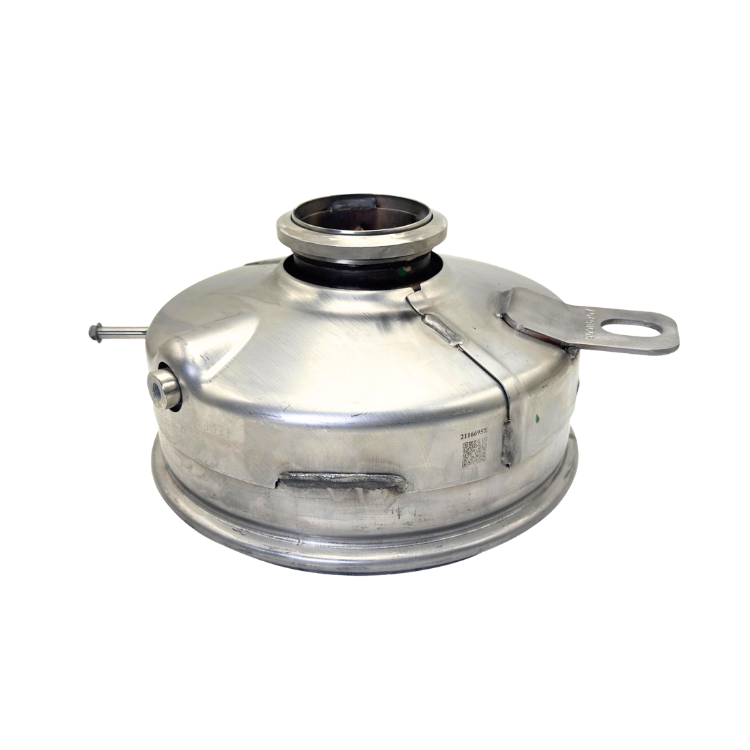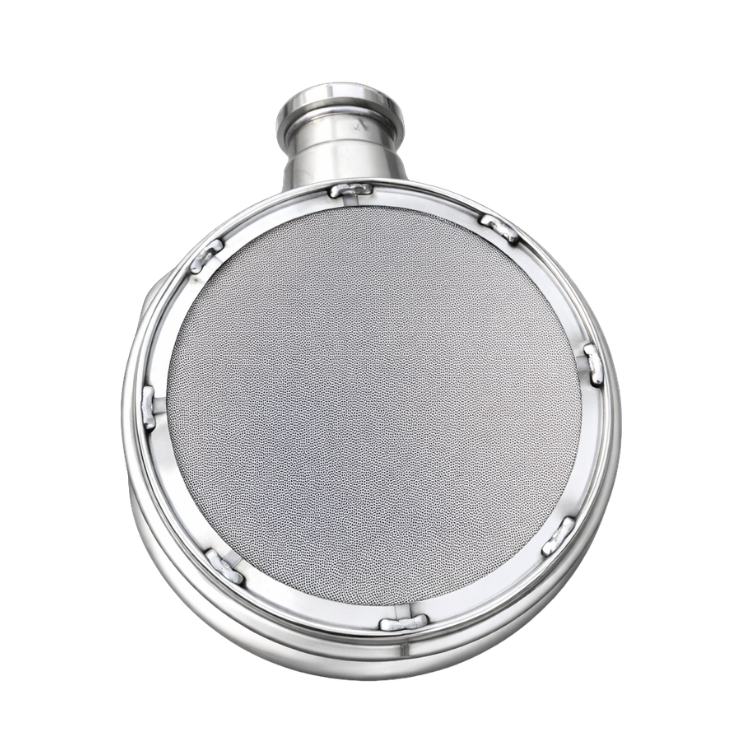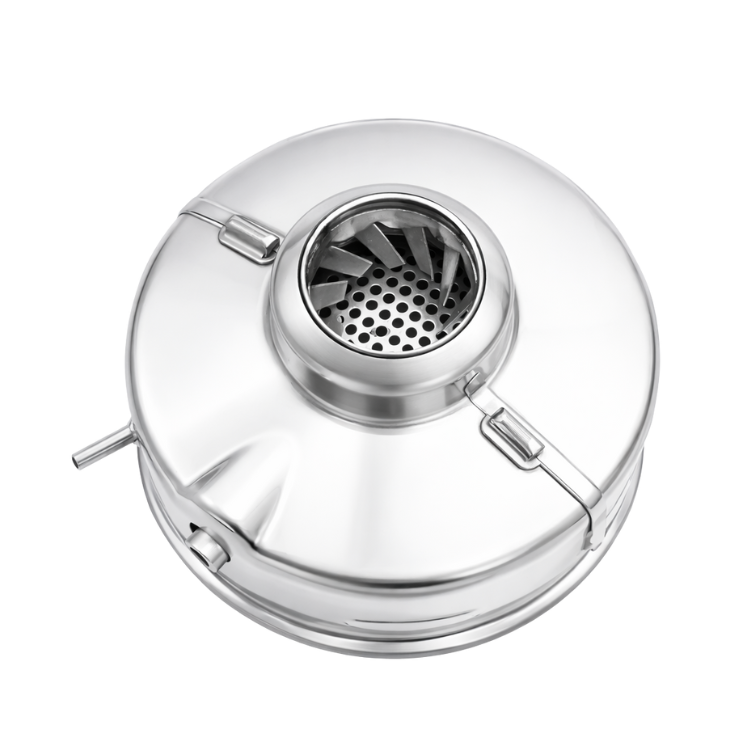




The Diesel Oxidation Catalyst (DOC) is a key component in a diesel engine’s aftertreatment system, responsible for reducing harmful gases such as carbon monoxide and hydrocarbons. Built to handle high exhaust temperatures and continuous operation, the DOC is designed for long-term use. However, its lifespan can vary depending on maintenance, operating conditions, and overall engine health.
-
In many diesel applications, a DOC filter can last several hundred thousand miles under normal operating conditions.
-
Proper engine operation helps extend DOC life, as clean combustion reduces the amount of unburned fuel entering the exhaust system.
-
Contamination from oil or coolant leaks can significantly shorten the lifespan by damaging the catalyst surface.
-
Poor fuel quality or excessive additives may lead to buildup inside the DOC, reducing efficiency over time.
-
Frequent short trips or extended idling can prevent the exhaust system from reaching temperatures needed to keep the catalyst clean.
-
Unresolved Diesel Particulate Filter (DPF) issues may increase soot exposure and place additional strain on the DOC.
While the DOC is built for durability, its longevity depends on proper maintenance and overall system health. Addressing engine issues promptly and maintaining the fuel and exhaust systems can help maximize the lifespan of the DOC and ensure reliable emissions control.