WARRANTY
SELLER warrants the Products to be free from defects in material or workmanship according to the SELLER’s warranty policy as stated in the Product’s owner’s manual. SELLER will only warrant product if conditions as determined in the Product’s owner’s manual are adhered to. SELLER’s warranty will not apply if Product replacement is required because of accident, neglect, misuse, transportation or other causes outside of SELLER’s control. All regular freight shipping costs will be paid by SELLER unless the Product is found upon inspection by SELLER not be to eligible for replacement under this warranty, in which case the CUSTOMER shall be responsible for the shipping costs. Expedited freight charges shall be the sole responsibility of the CUSTOMER. THE FOREGOING WARRANTY IS IN LIEU OF ALL OTHER WARRANTIES, EXPRESS OR IMPLIED, INCLUDING BUT NOT LIMITED TO THE IMPLIED WARRANTIES OF MERCHANTABILITY AND FITNESS FOR A PARTICULAR PURPOSE.
LIMITATION ON PRODUCT AND INSTALLATION WARRANTY LIABILITY
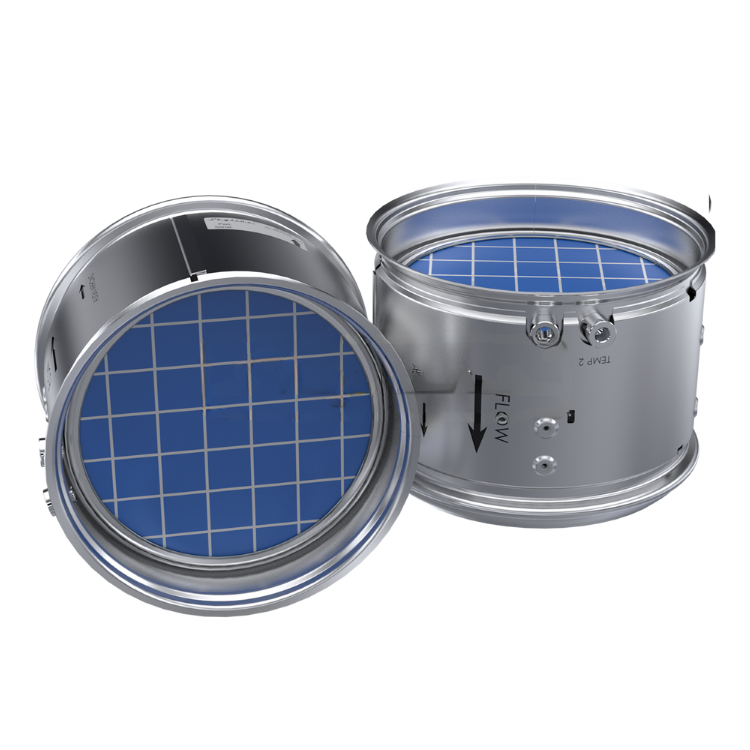
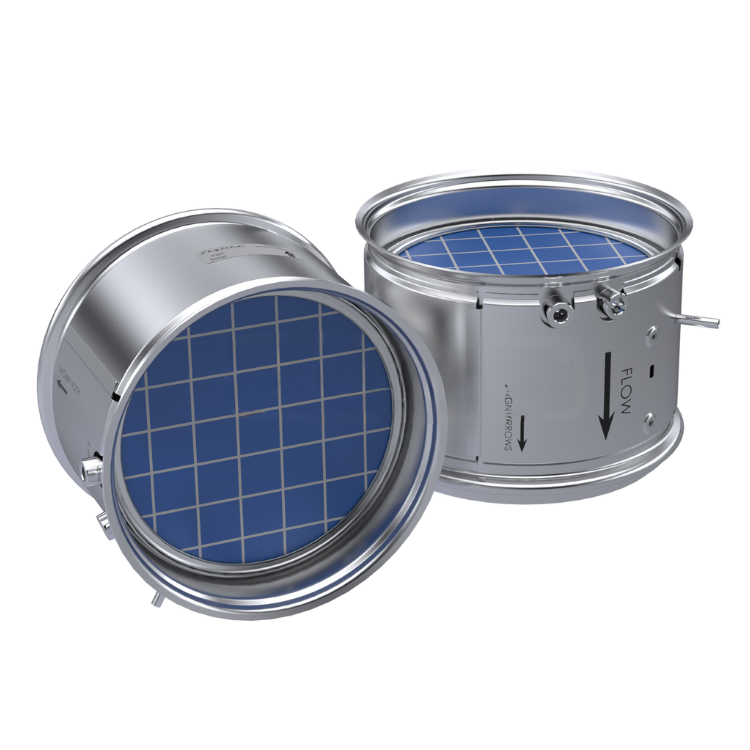
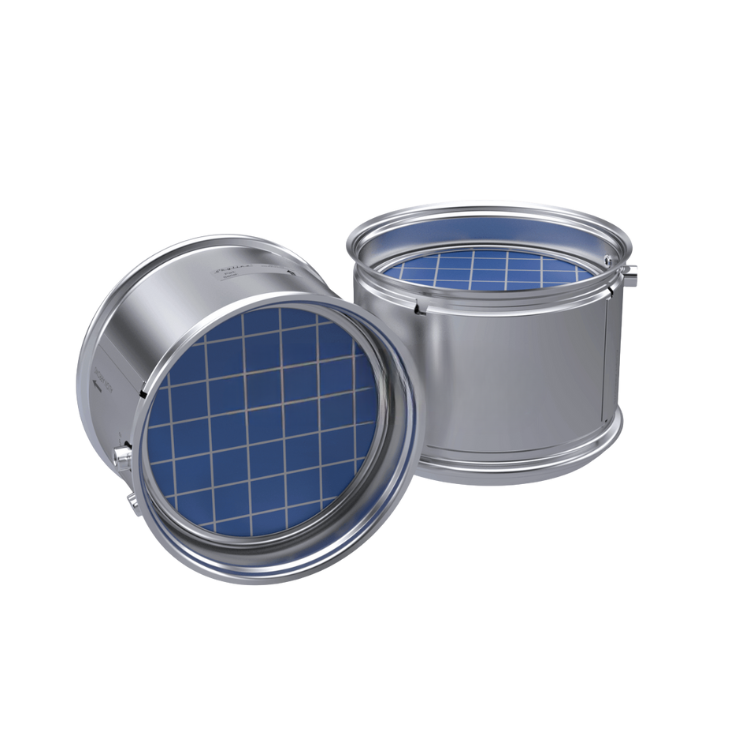
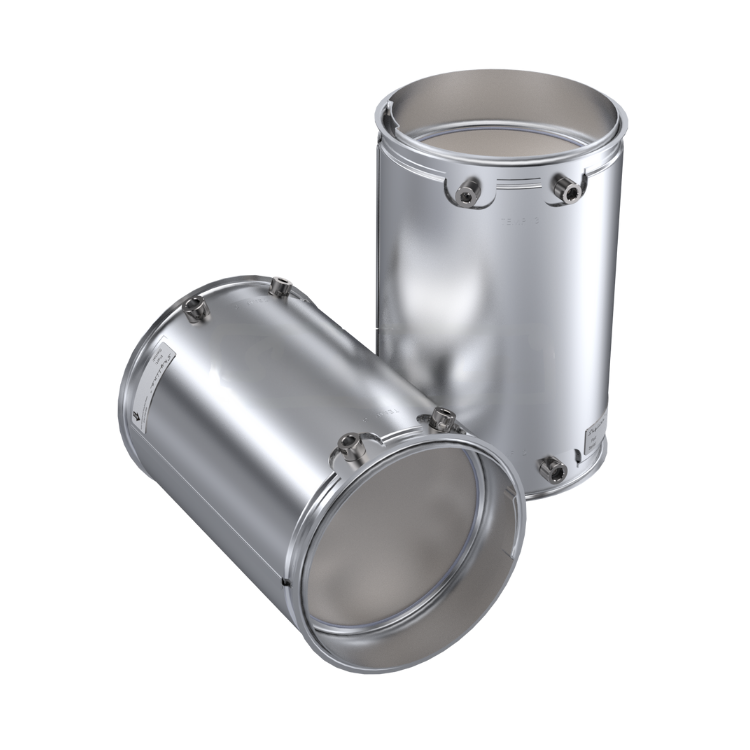
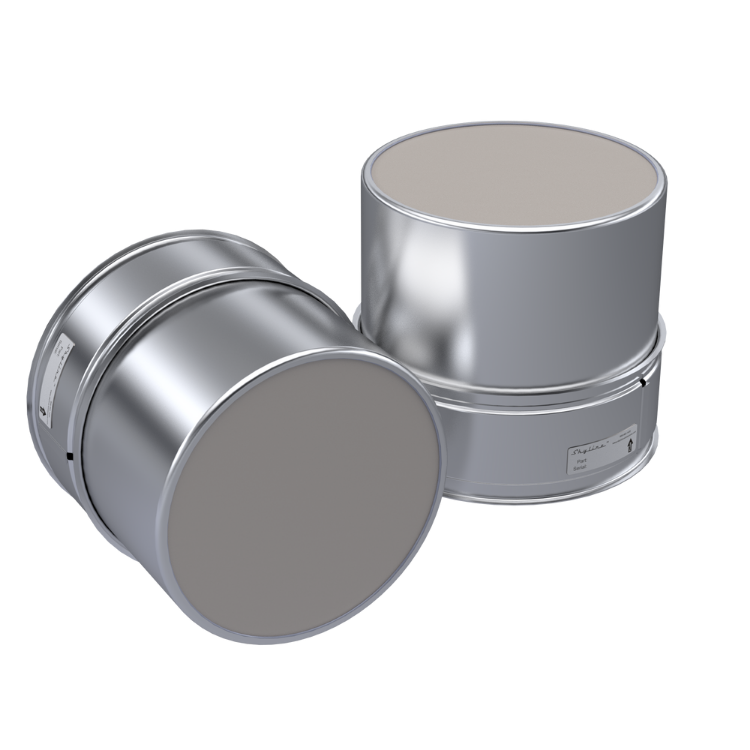
SELLER WILL NOT BE LIABLE FOR ANY LOSS, DAMAGE, OR EXPENSE, INCLUDING INJURY OR DAMAGE TO BUSINESS, EARNINGS, PROFITS OR GOODWILL SUFFERED BY ANY PERSON INCLUDING DISTRIBUTOR AND ITS CUSTOMERS, CAUSED DIRECTLY OR INDIRECTLY BY THE IMPROPER PRODUCT INSTALLATION OR MAINTENANCE SERVICE BY DISTRIBUTOR OR CUSTOMER, AND/OR VEHICLE/PRODUCT ACCIDENT, NEGLECT, MISUSE, COMPONENT SWAPPING, IMPROPER USE OF ALTERNATIVE FUELS OR FUEL ADDITIVES, TRANSPORTATION OR OTHER CAUSES OUTSIDE OF SELLER’S CONTROL PURSUANT TO THE PRODUCT’S OWNER’S MANUAL; AND IN NO EVENT WILL SELLER BE LIABLE FOR ANY DAMAGES, HOWEVER CAUSED AND ON ANY THEORY OF LIABILITY, FOR ANY COSTS OF PROCUREMENT OF SUBSTITUTE GOODS, FOR ANY CONSEQUENTIAL, SPECIAL, INDIRECT OR INCIDENTAL DAMAGES, OR FOR PENALTIES SUFFERED BY DISTRIBUTOR, ITS CUSTOMERS OR ANY OTHER PARTY DUE TO IMPROPER PRODUCT INSTALLATION OR MAINTENANCE SERVICE BY DISTRIBUTOR OR CUSTOMER, AND/OR VEHICLE/PRODUCT ACCIDENT, NEGLECT, MISUSE, COMPONENT SWAPPING, IMPROPER USE OF ALTERNATIVE FUELS OR FUEL ADDITIVES, TRANSPORTATION OR OTHER CAUSES OUTSIDE OF SELLER’S CONTROL PURSUANT TO THE PRODUCT OWNER’S MANUAL, EVEN IF SELLER WILL HAVE BEEN ADVISED OF THE POSSIBILITY OF SAME. THIS LIMITATION IS INTENDED TO LIMIT THE LIABILITY OF SELLER AND WILL APPLY NOTWITHSTANDING ANY FAILURE OF ESSENTIAL PURPOSE OF ANY LIMITED REMEDY. SKYLINE® DOC AND DPF PARTS CARRY A LIMITED WARRANTY OF 3 YEARS, SENSORS CARRY A LIMITED WARRANTY OF 1 YEAR. COMPONENTS THAT ARE SUBJECT TO REGULAR USAGE WEAR AND TEAR ARE NOT COVERED UNDER THE STANDARD SELLER PRODUCT WARRANTY, THESE COMPONENTS INCLUDE BRACKETS, RUBBER COMPONENTS, GASKETS, SEALS, NUTS, BOLTS AND WASHERS. No loss or damage to the Products or any portion thereof shall relieve the Customer from its obligations hereunder.