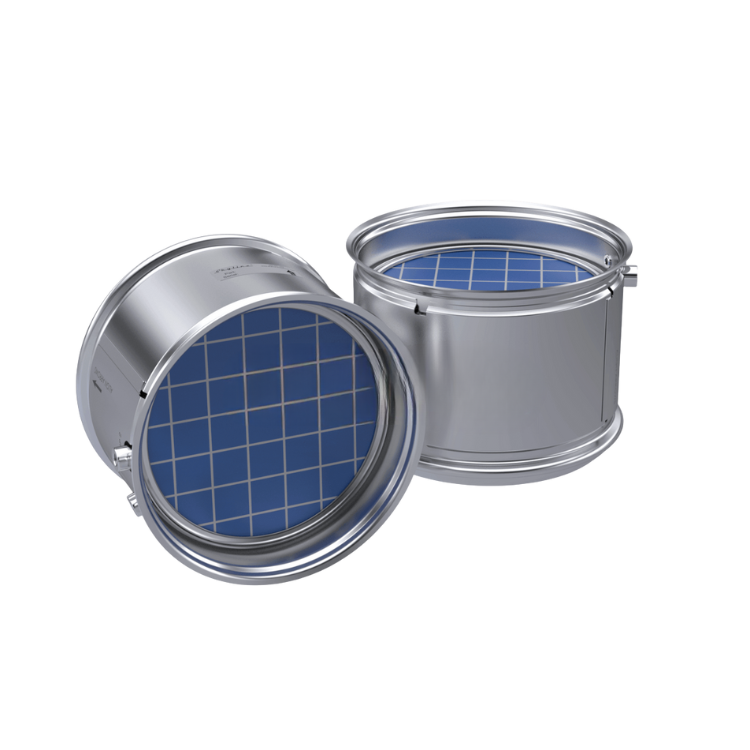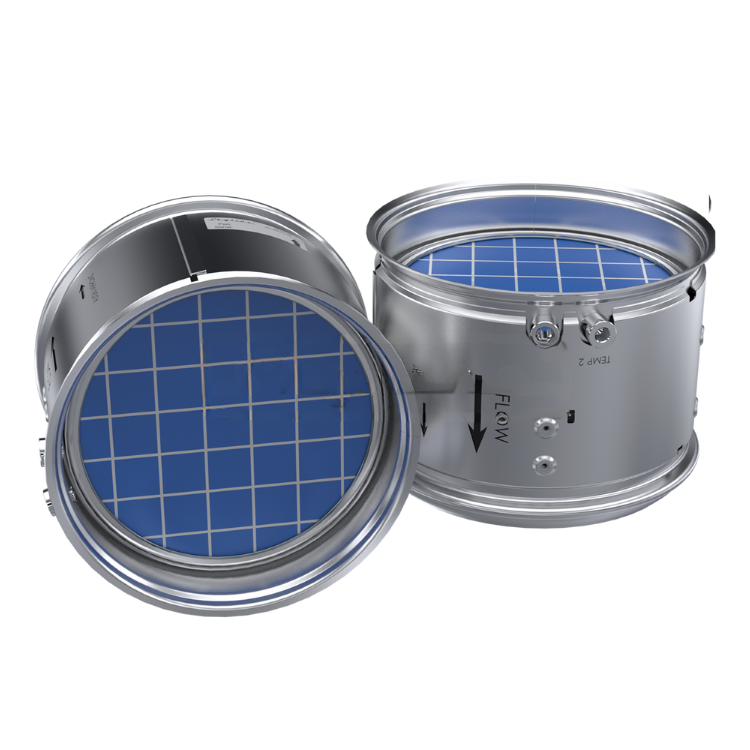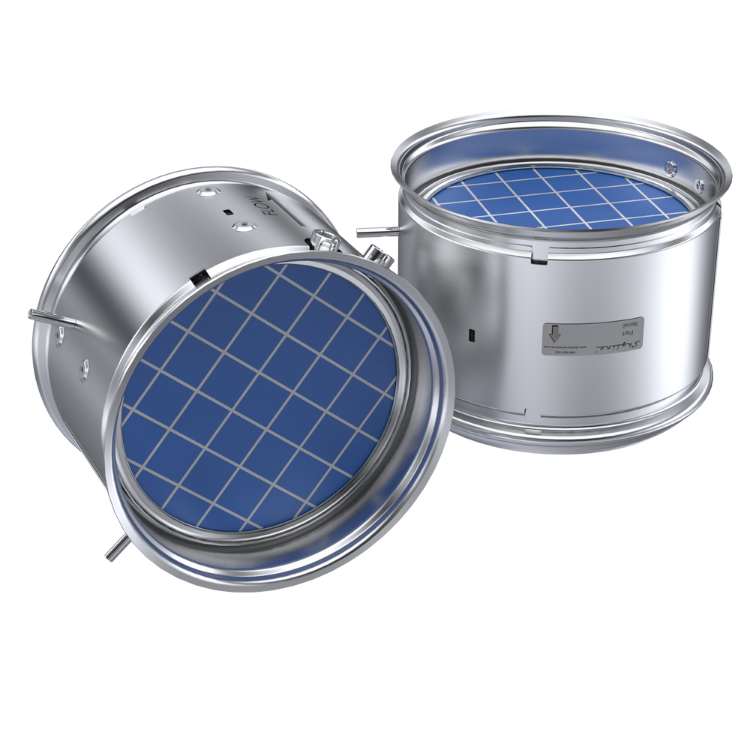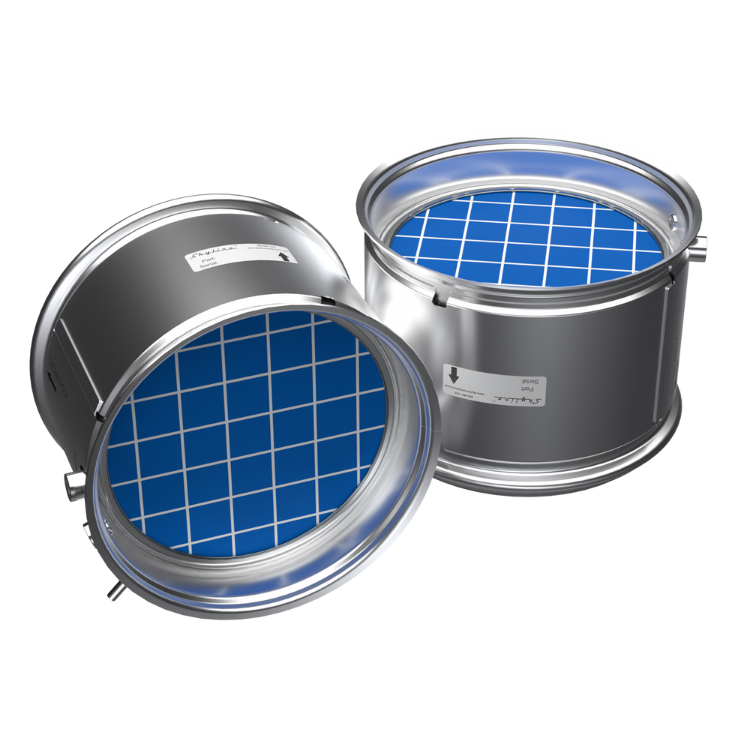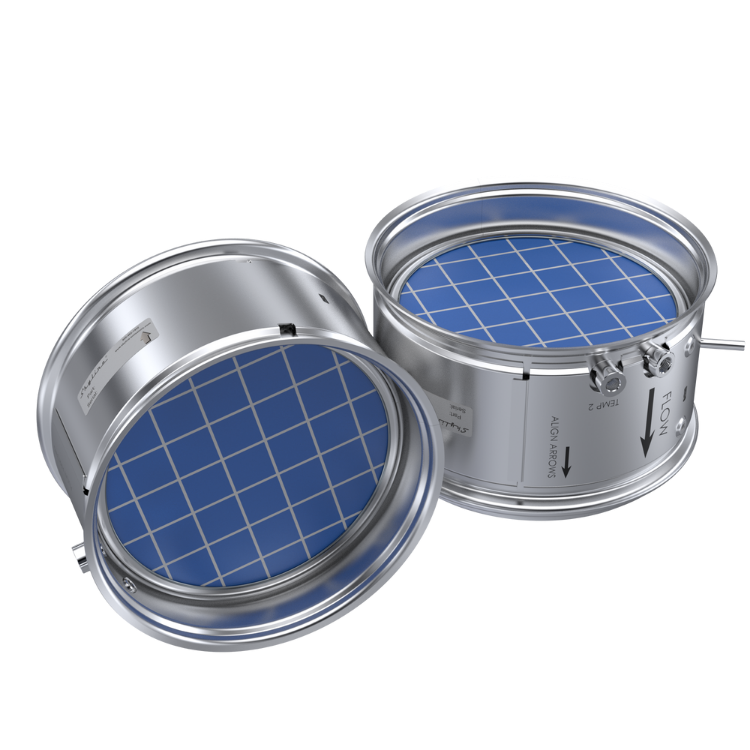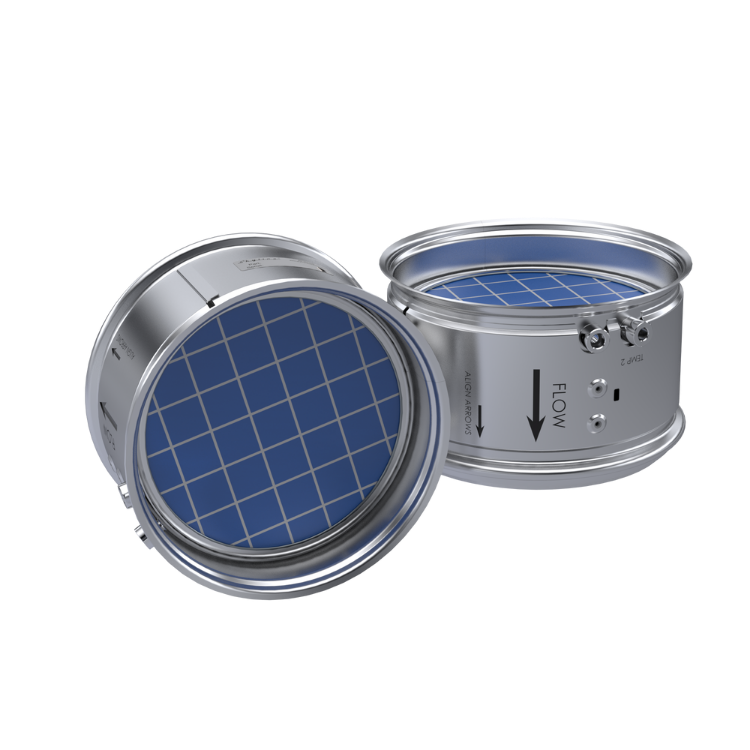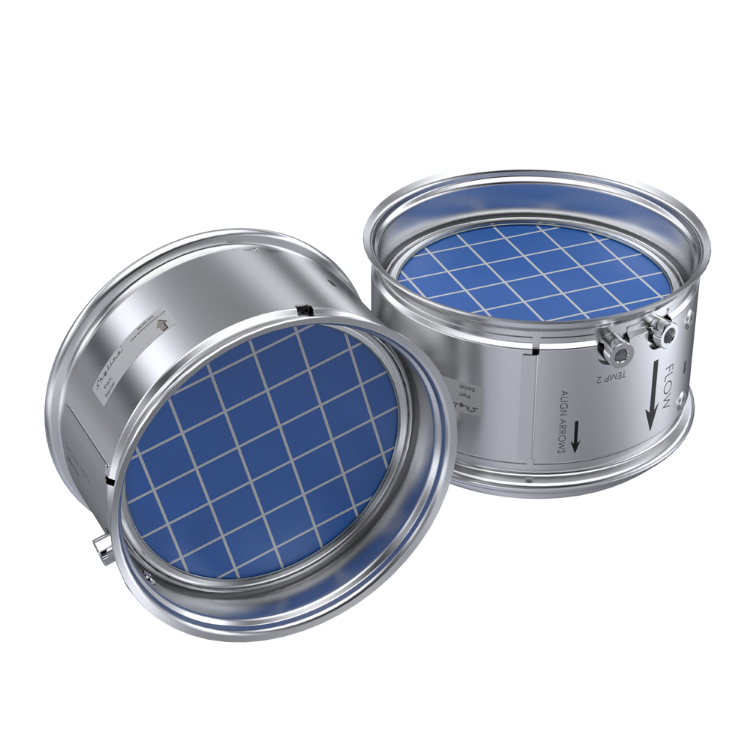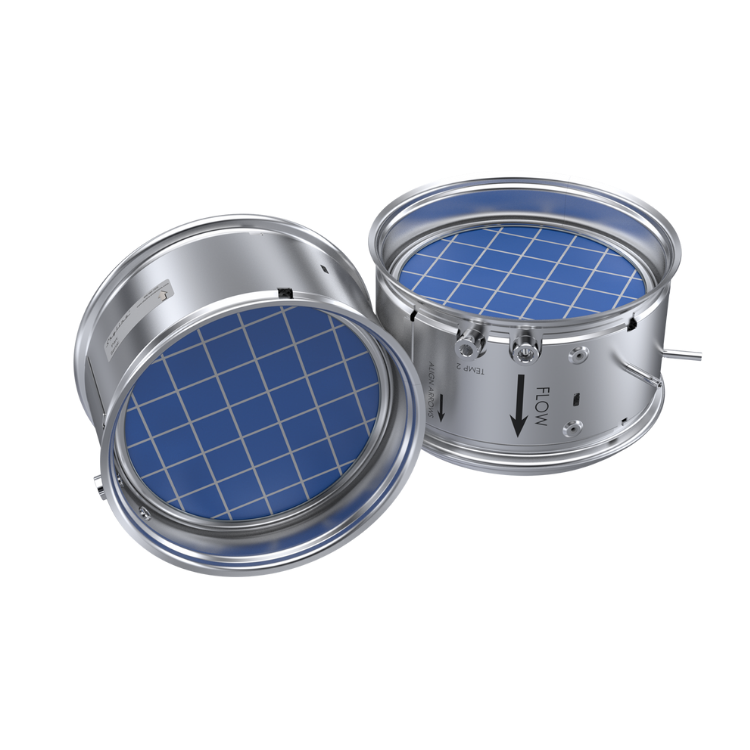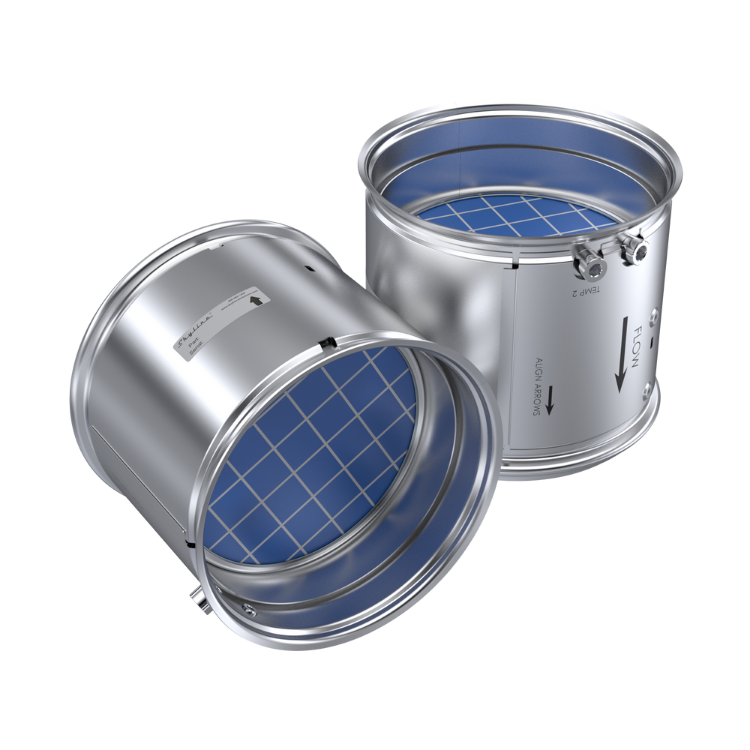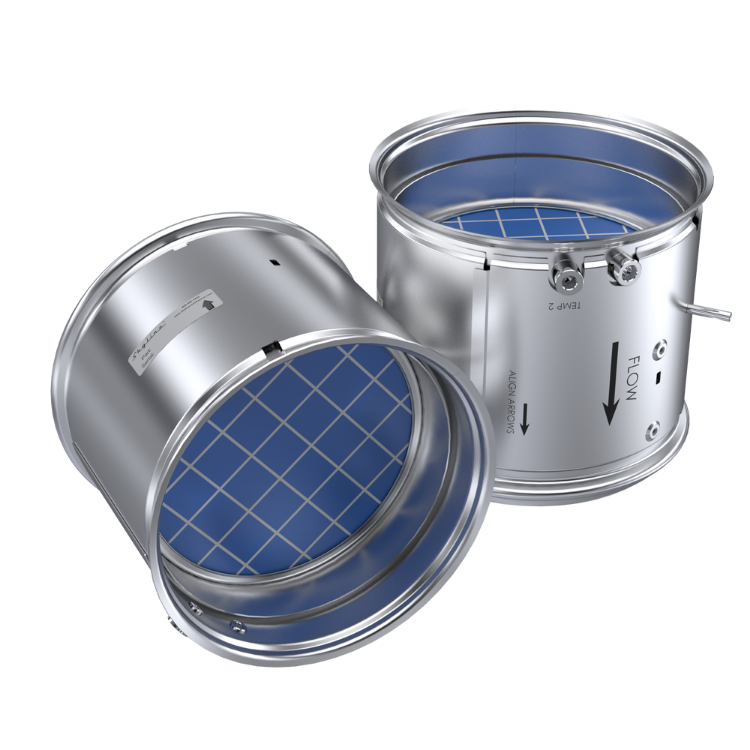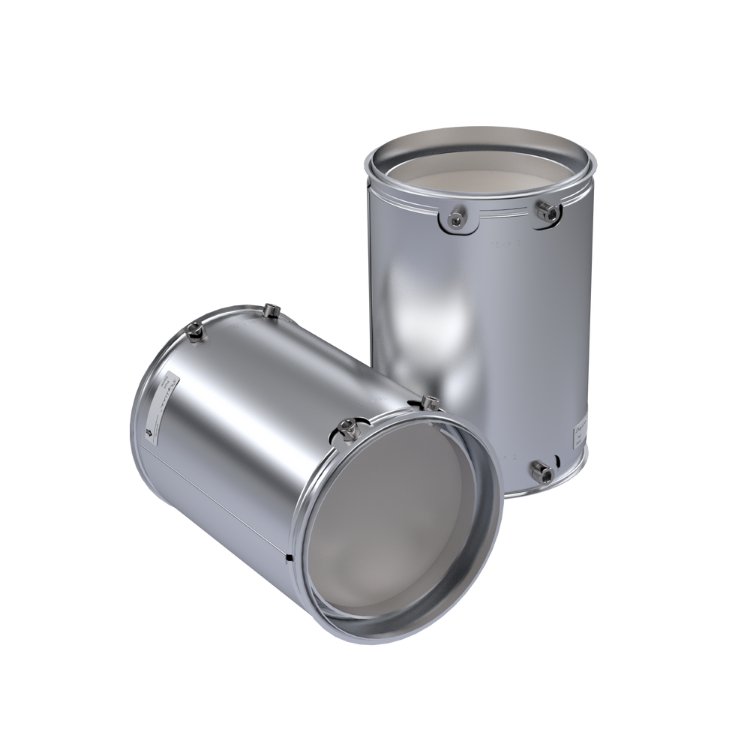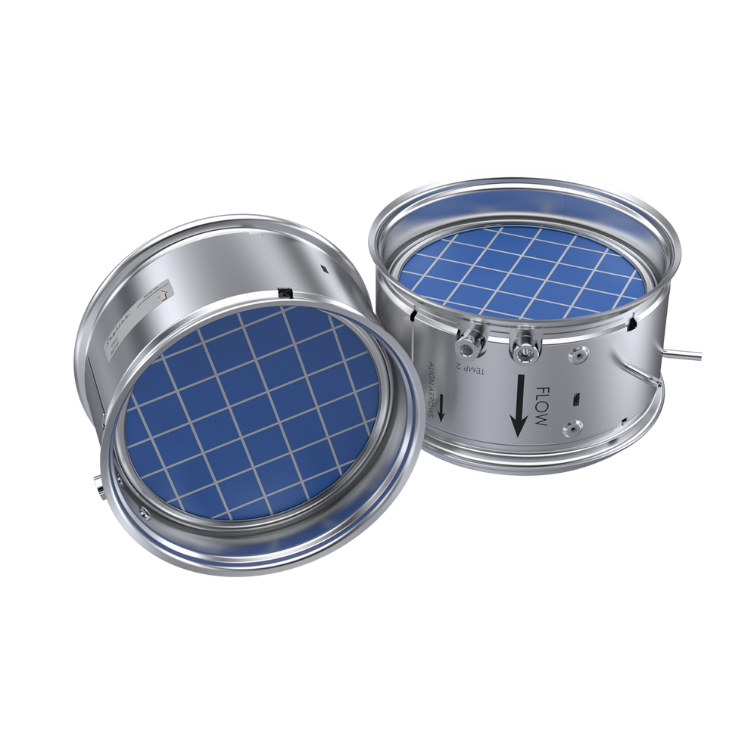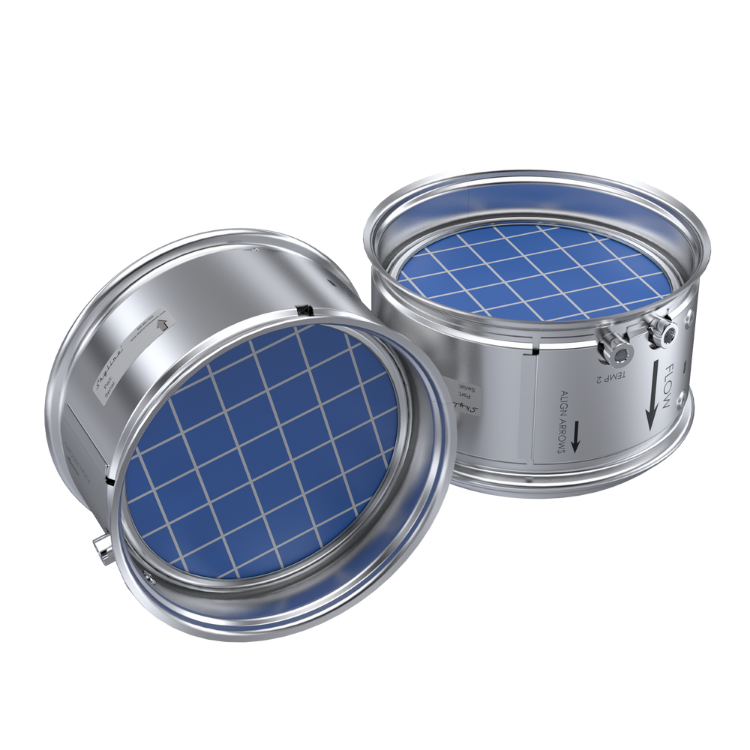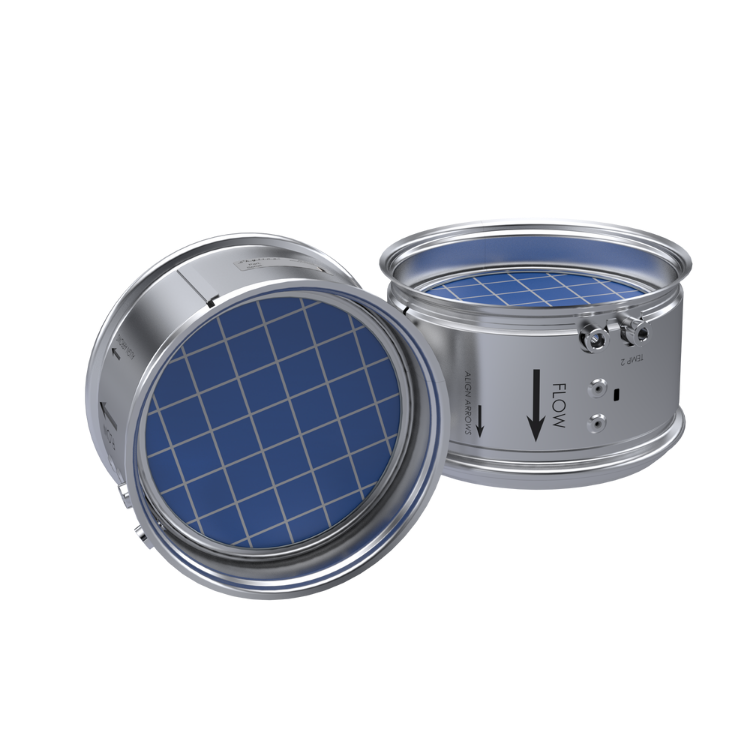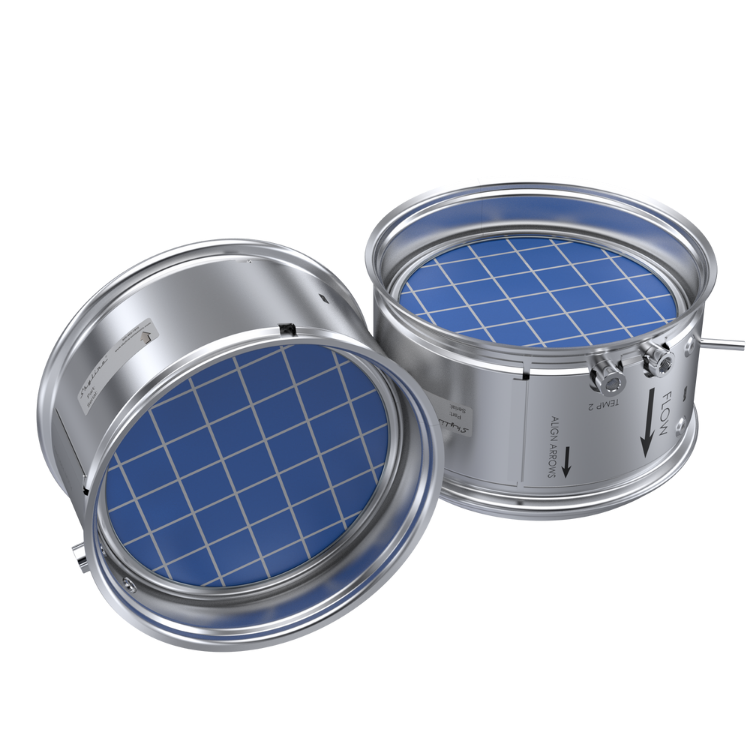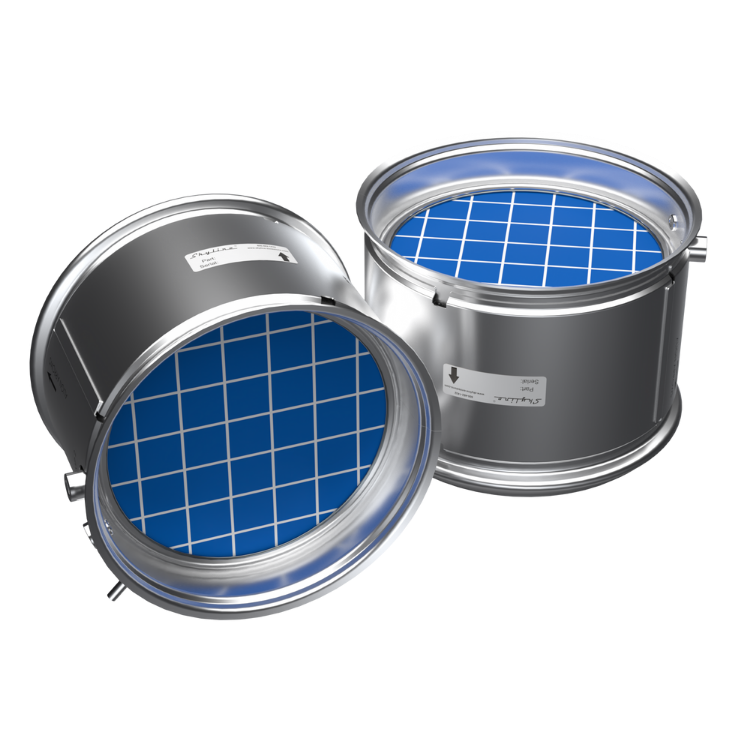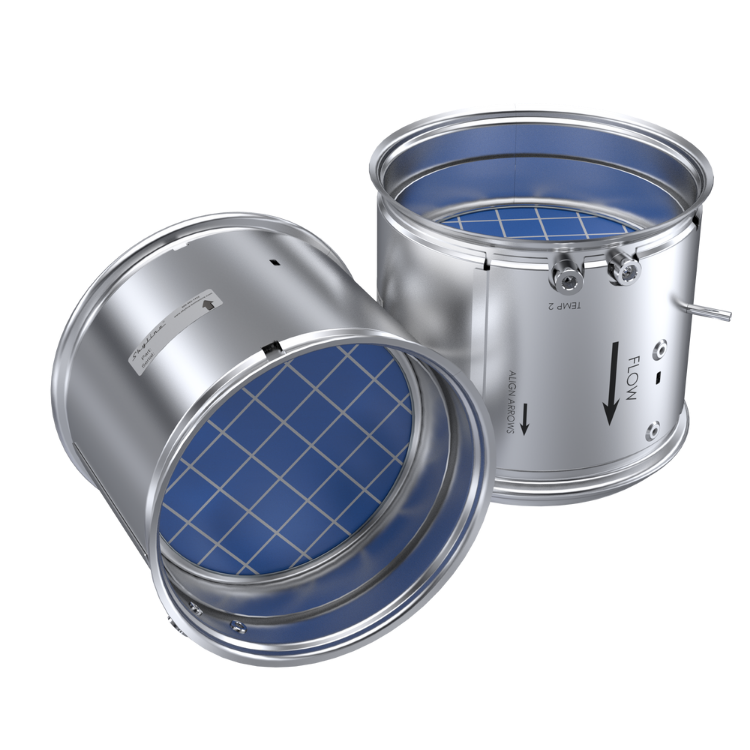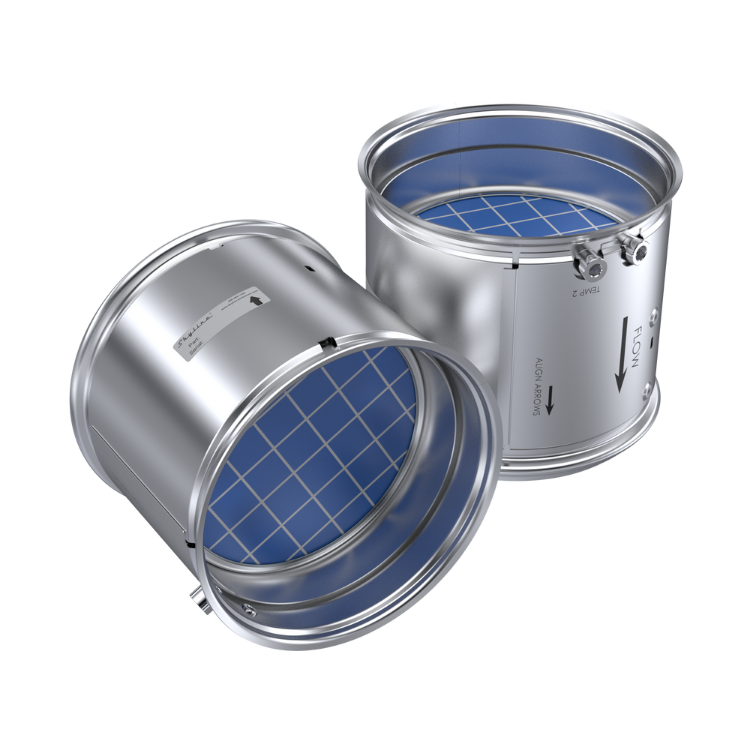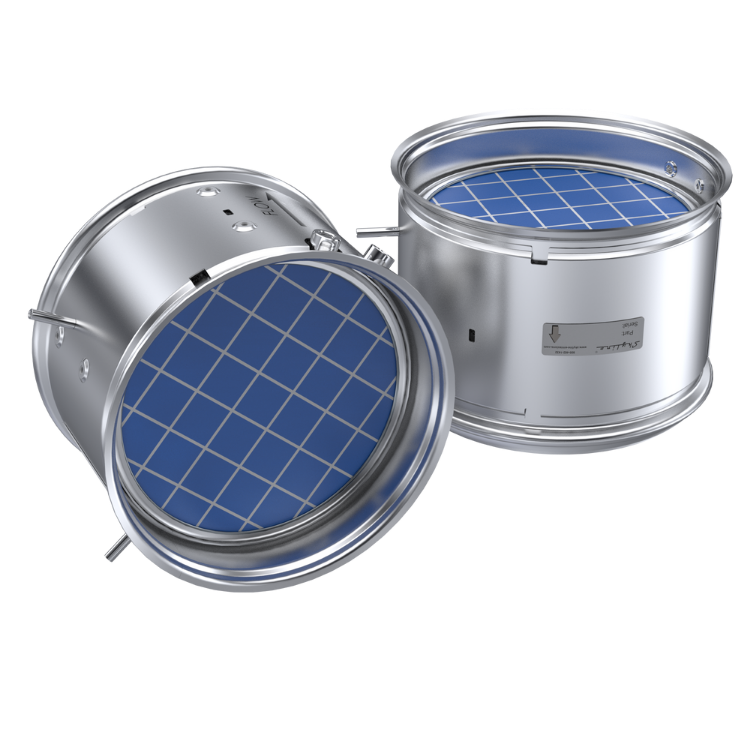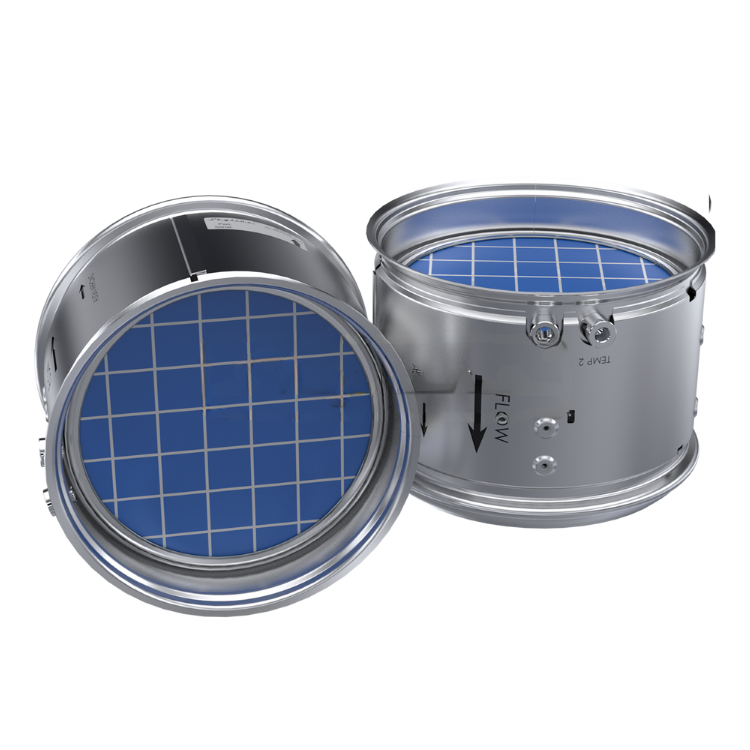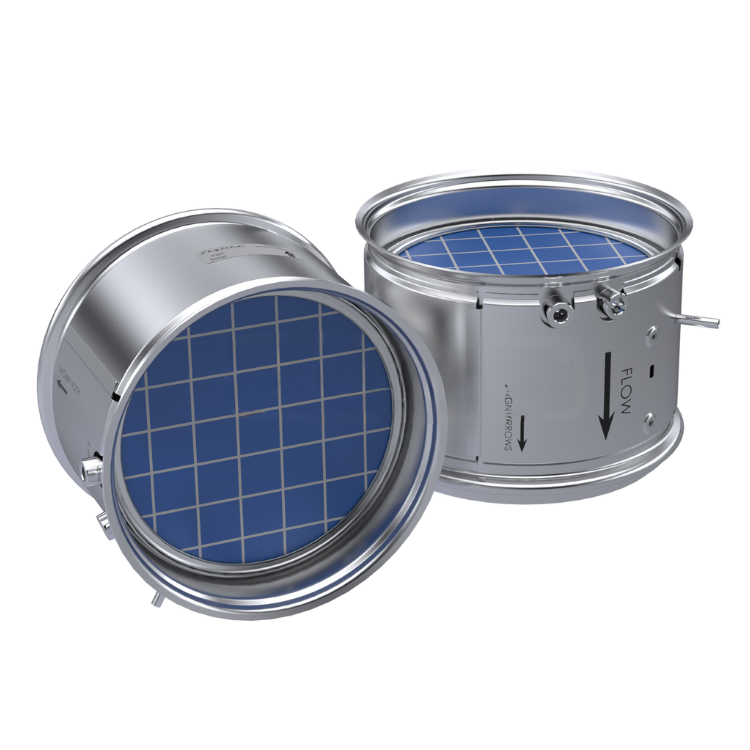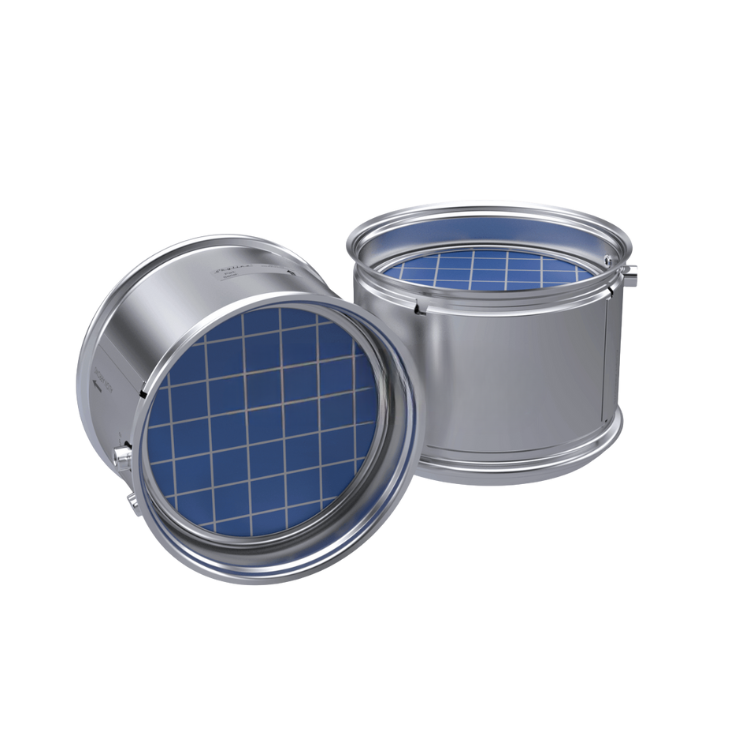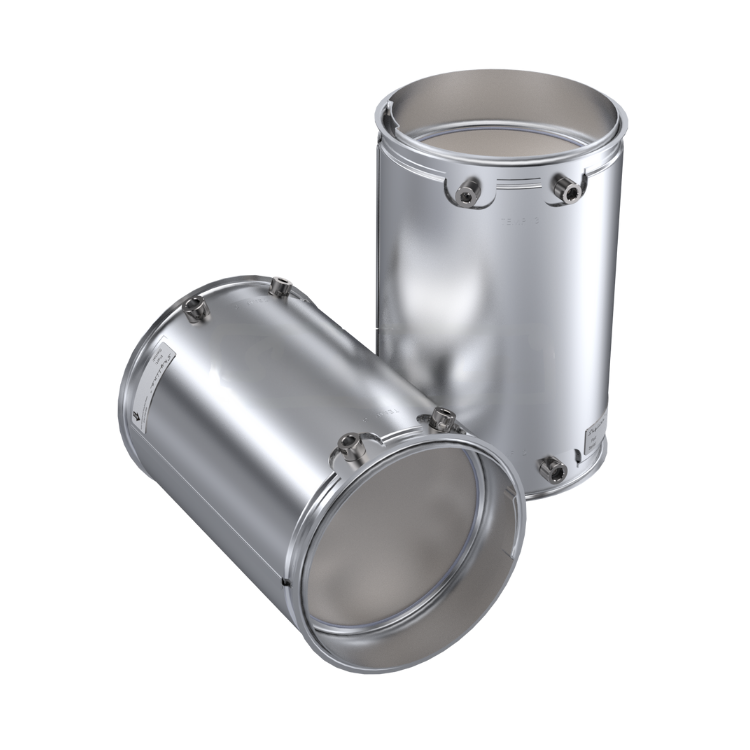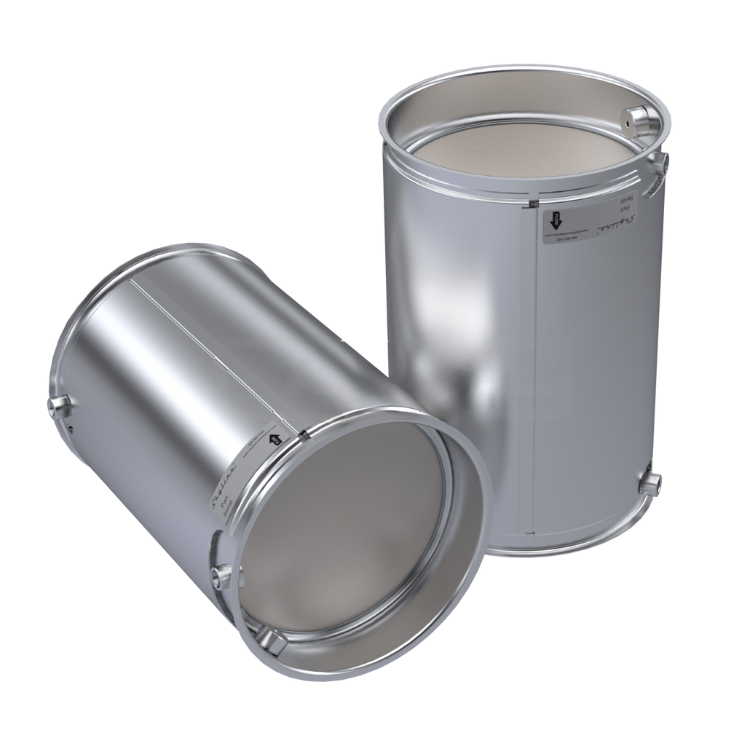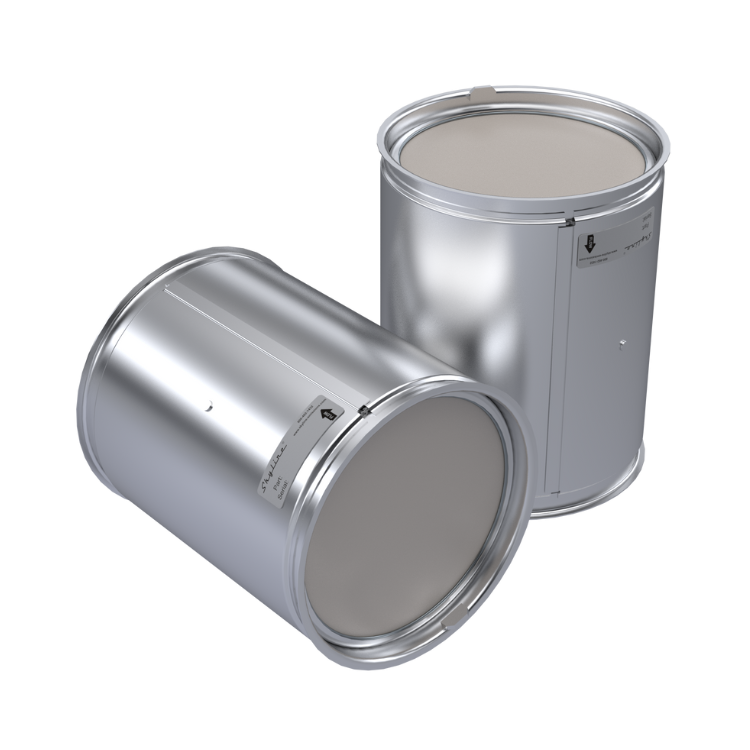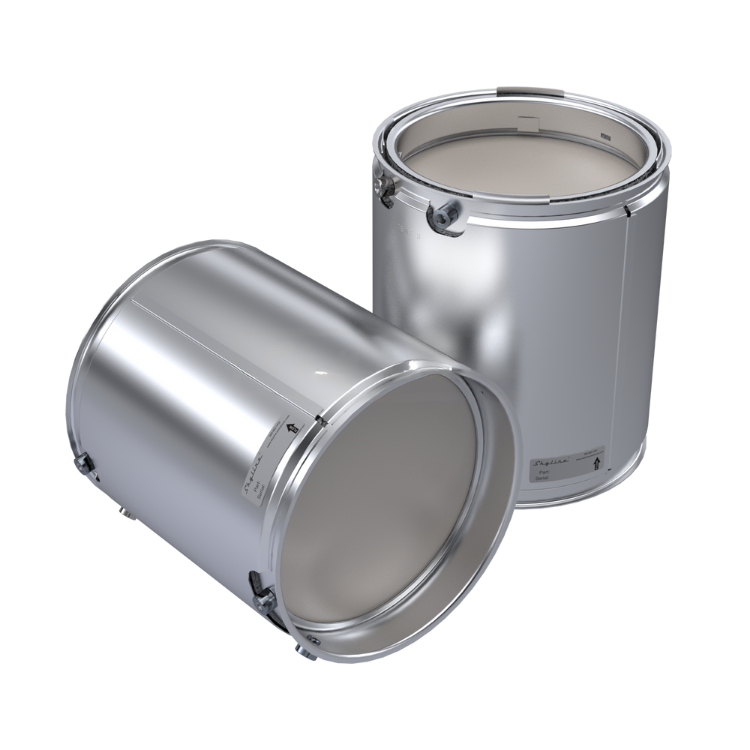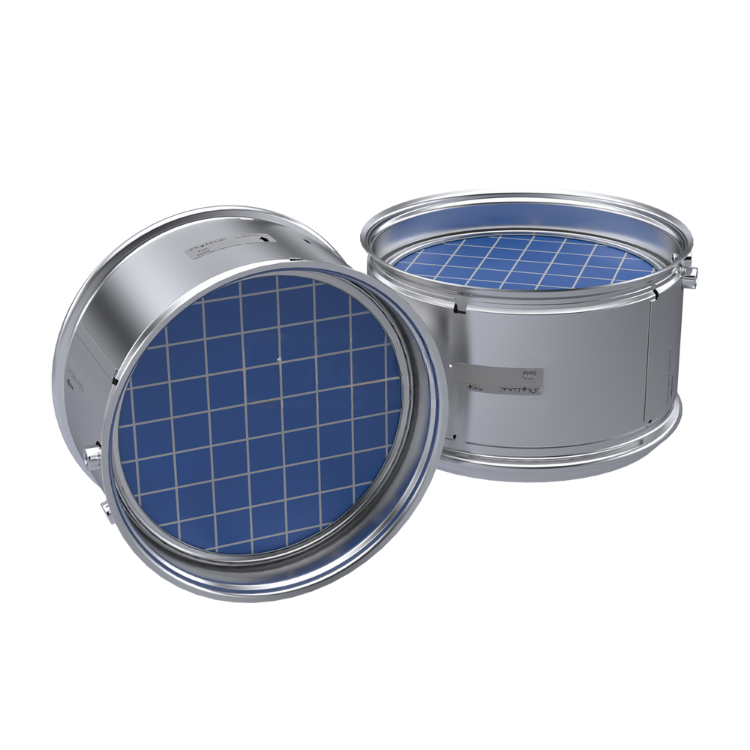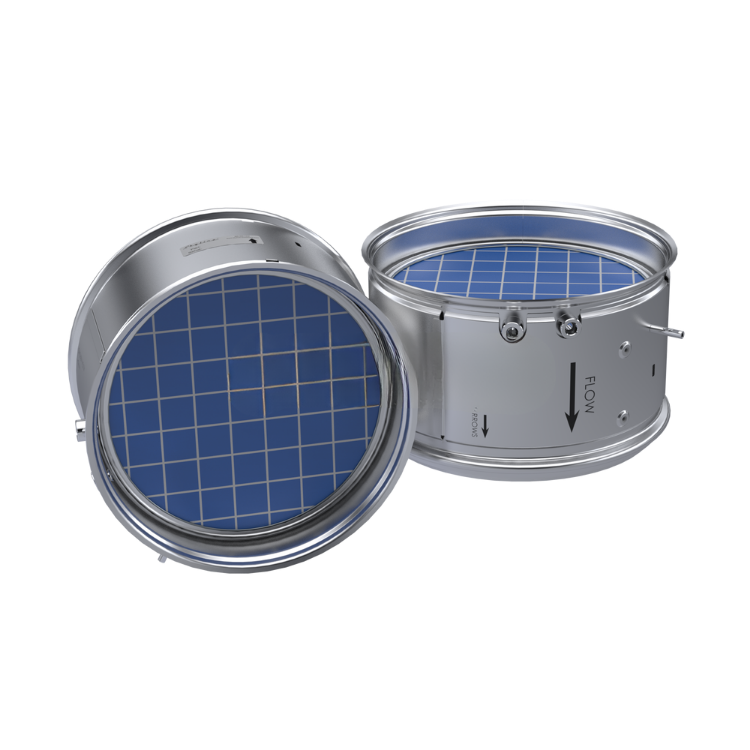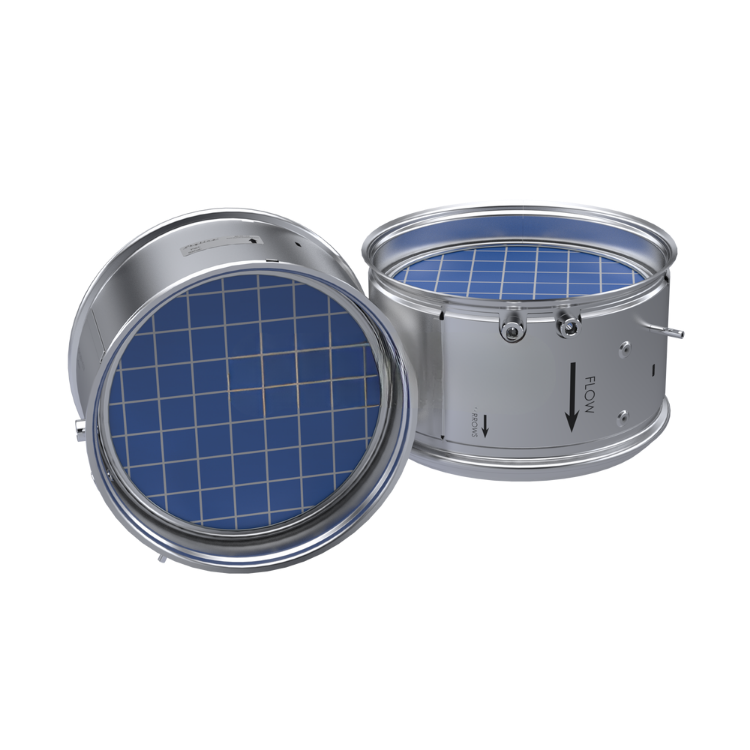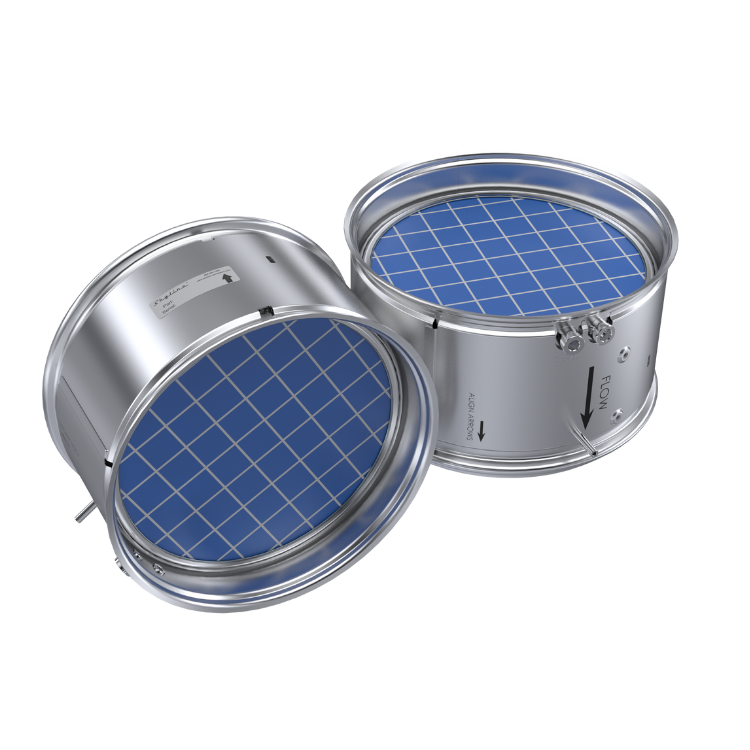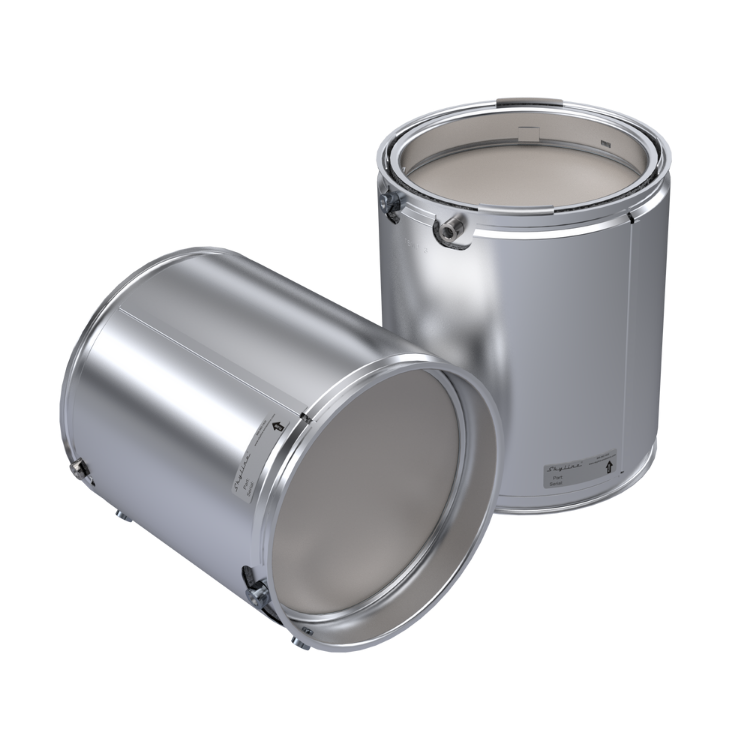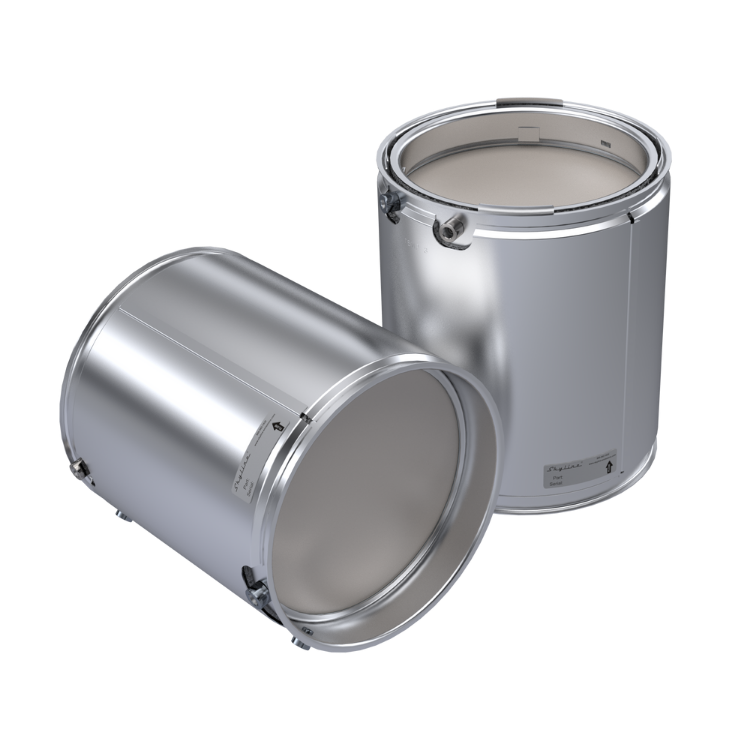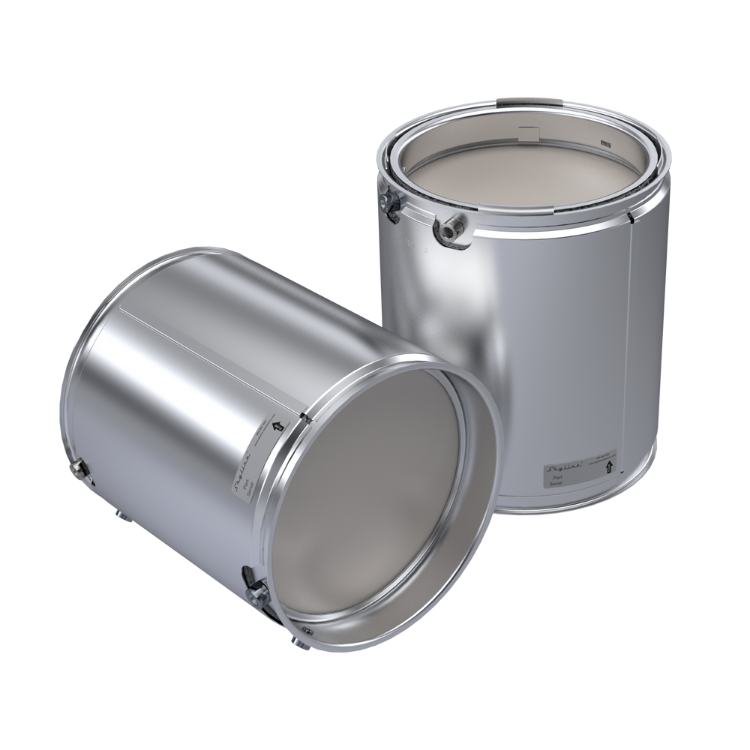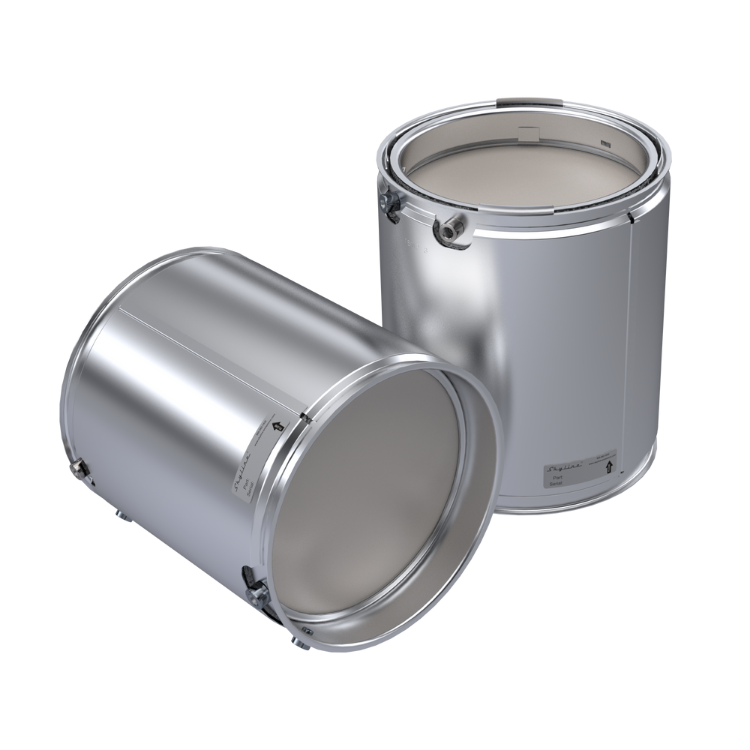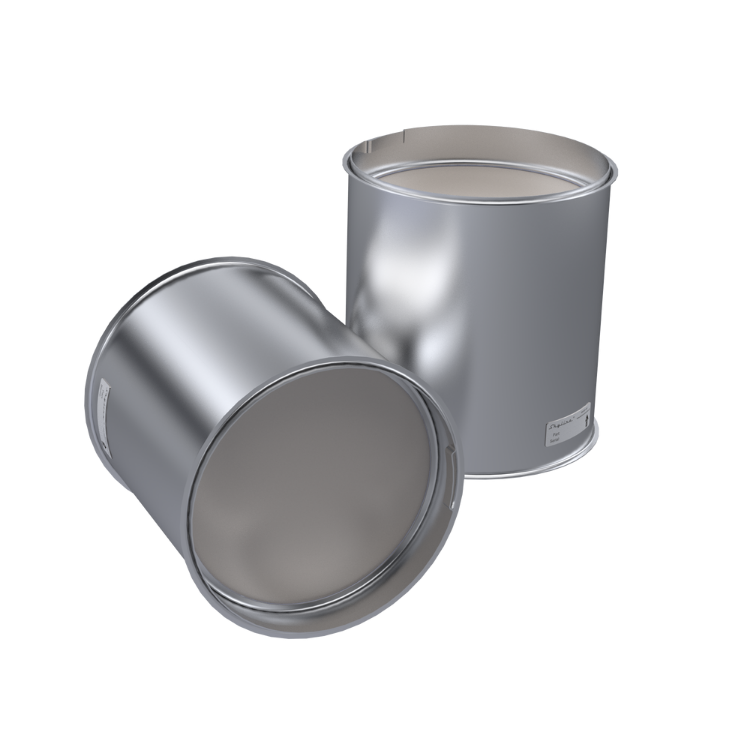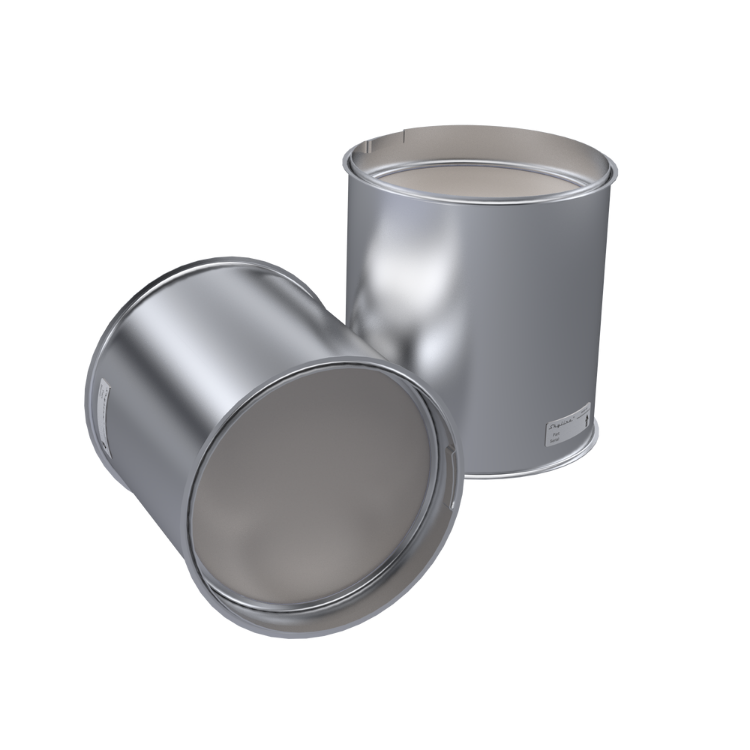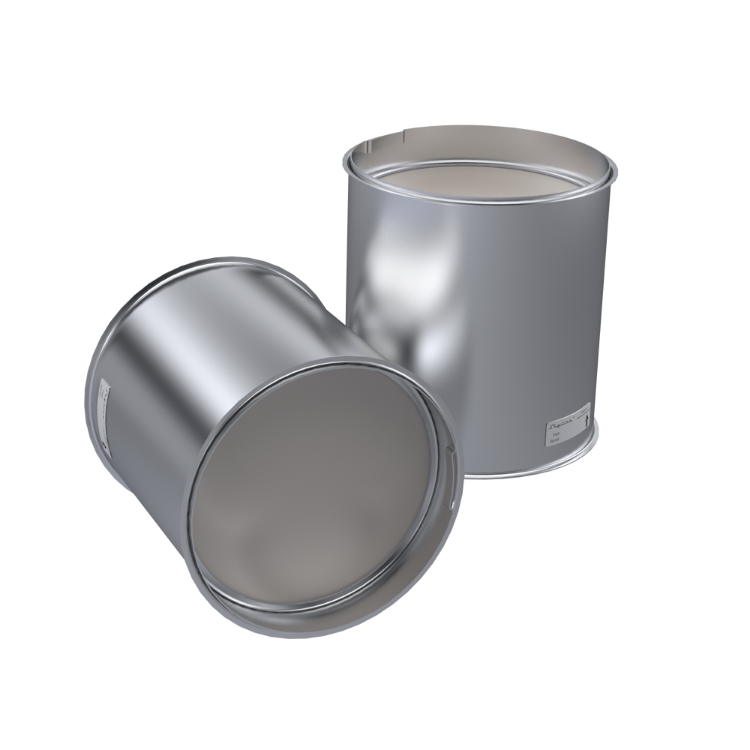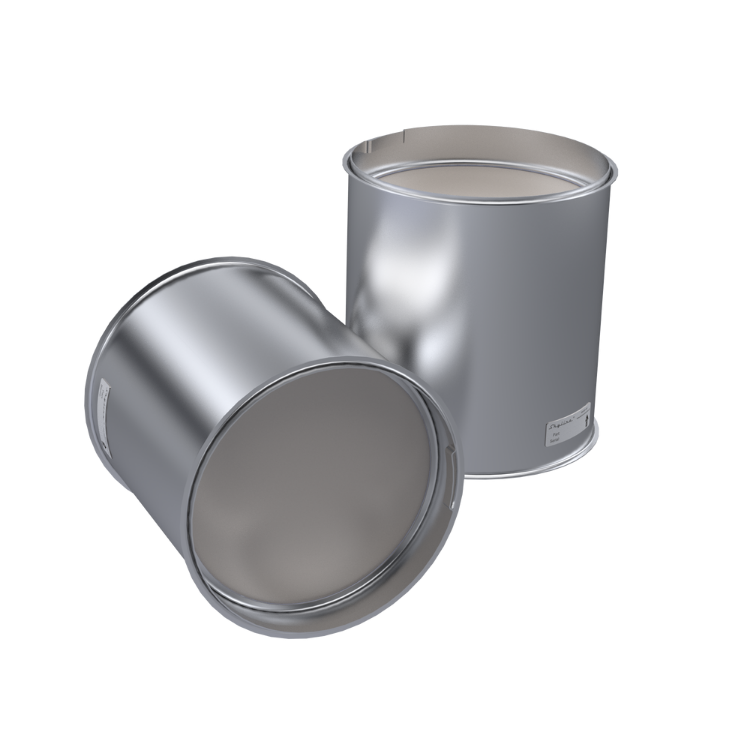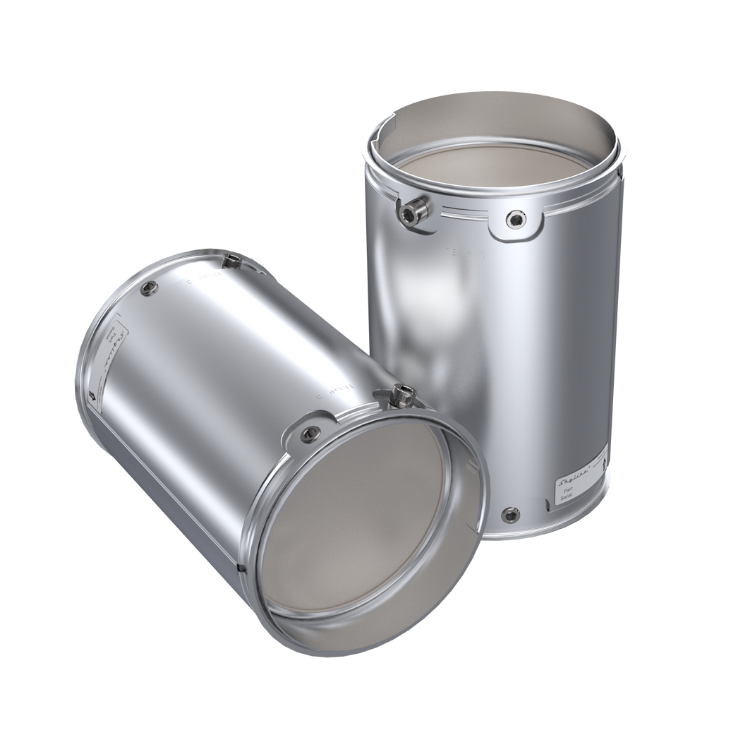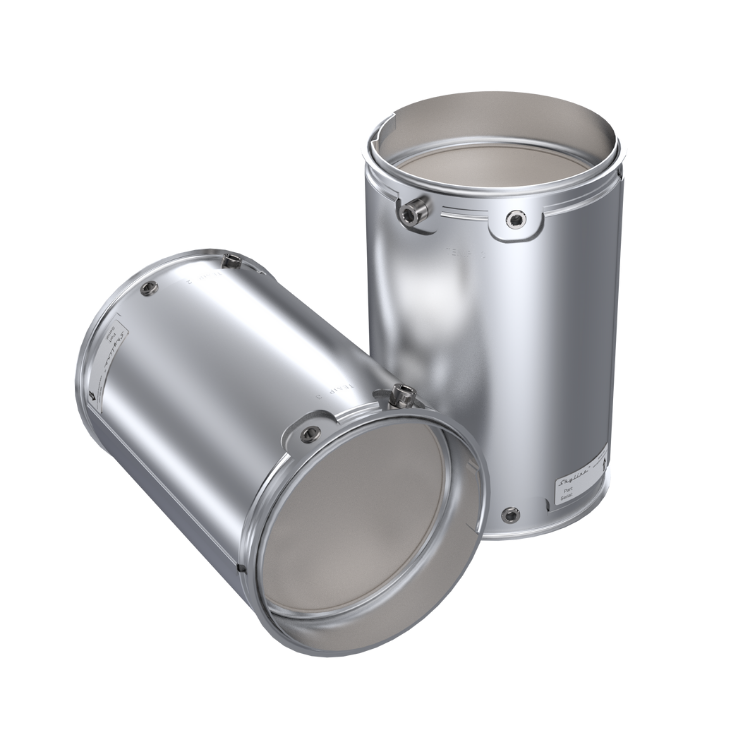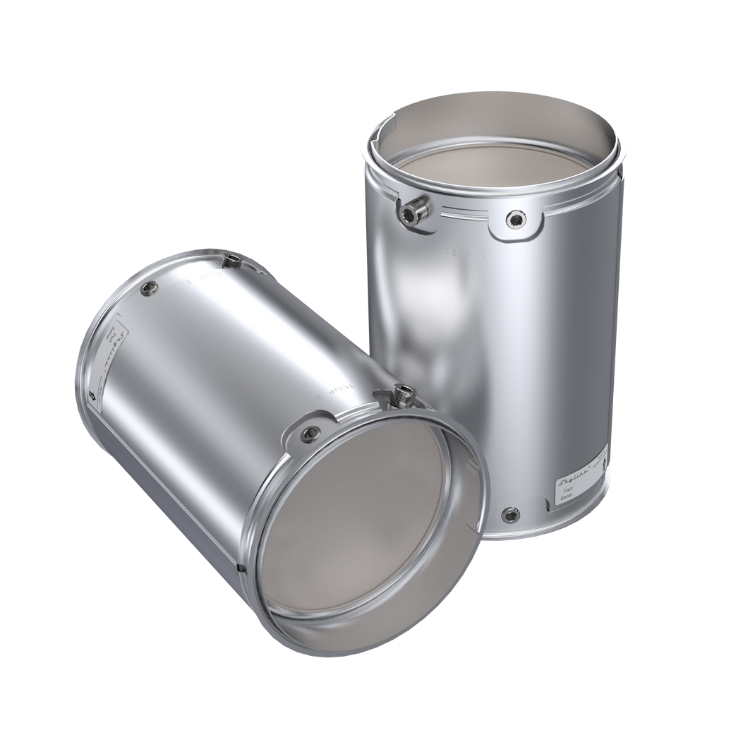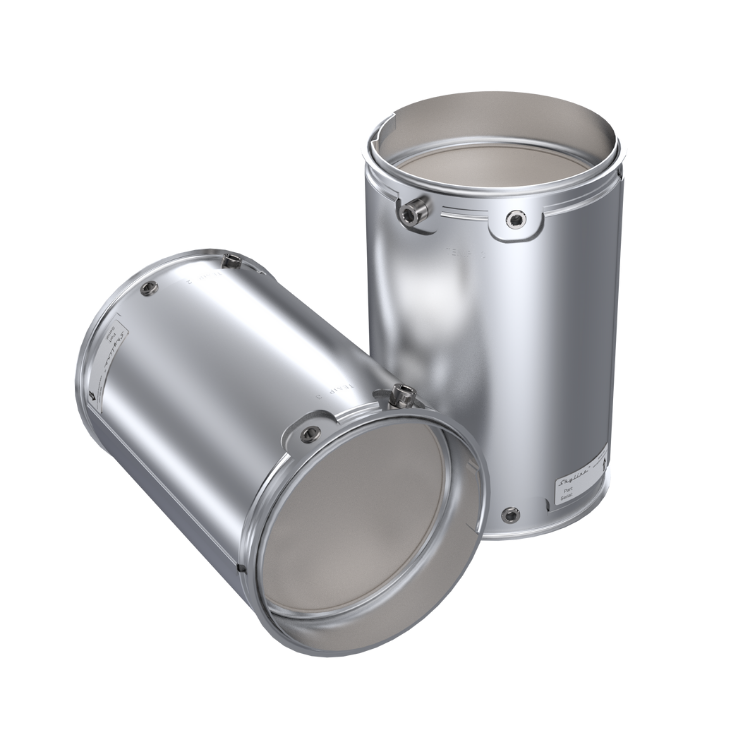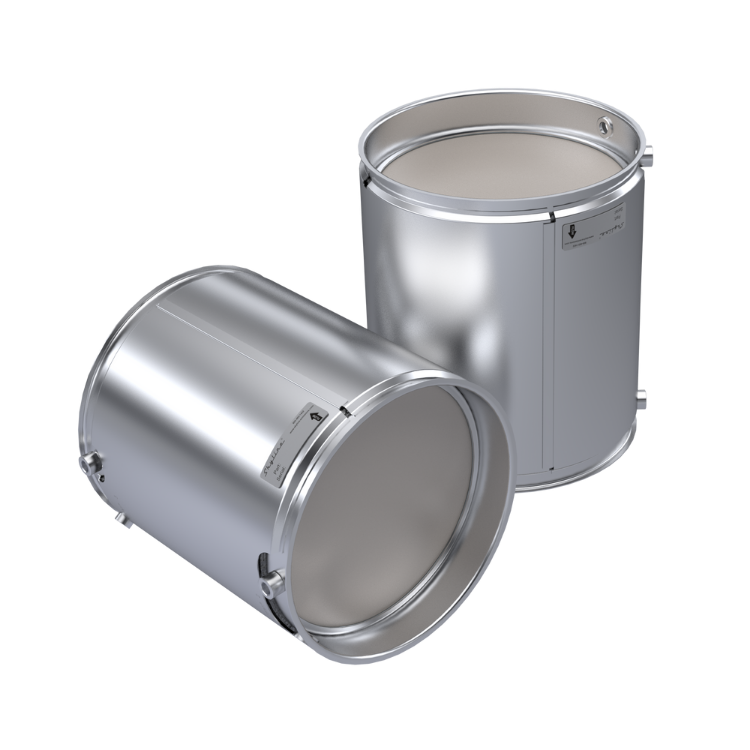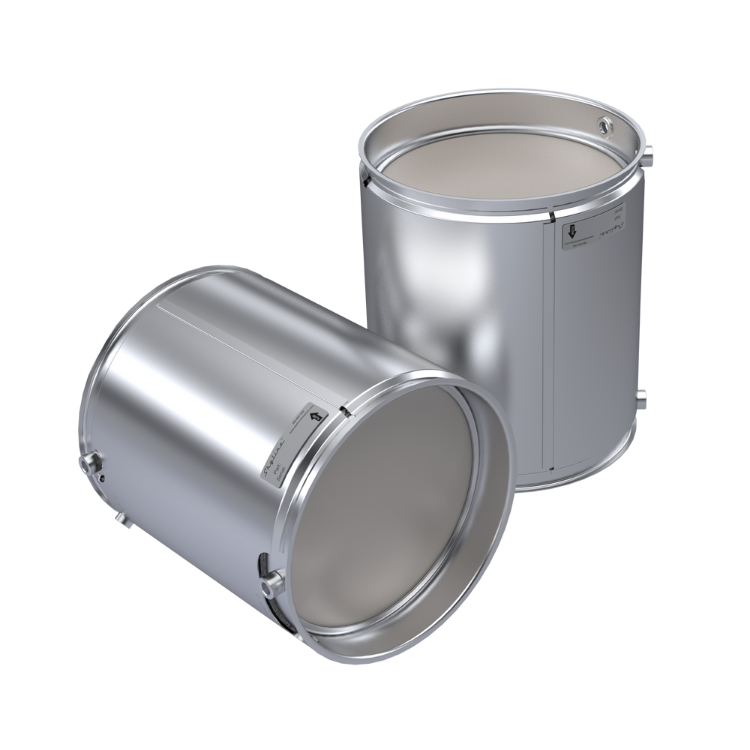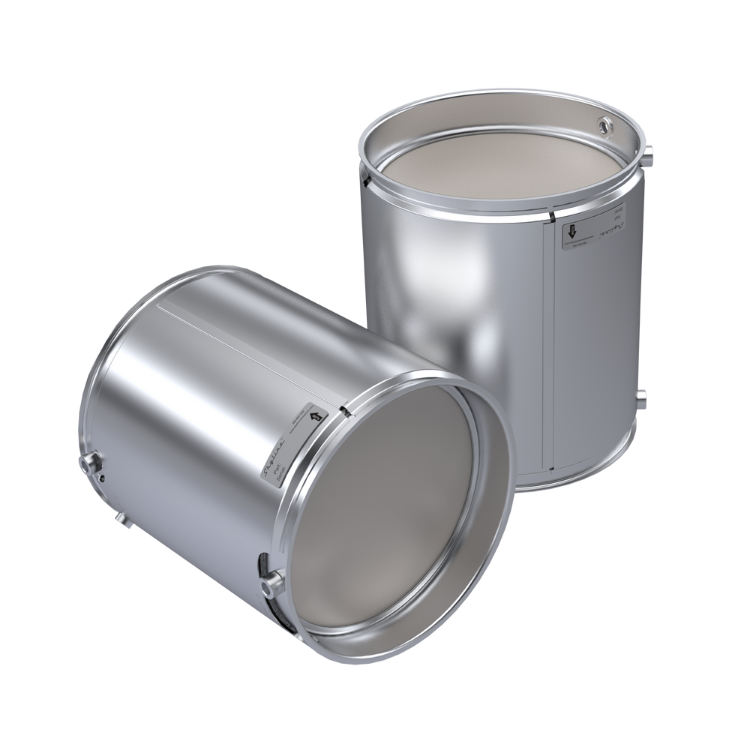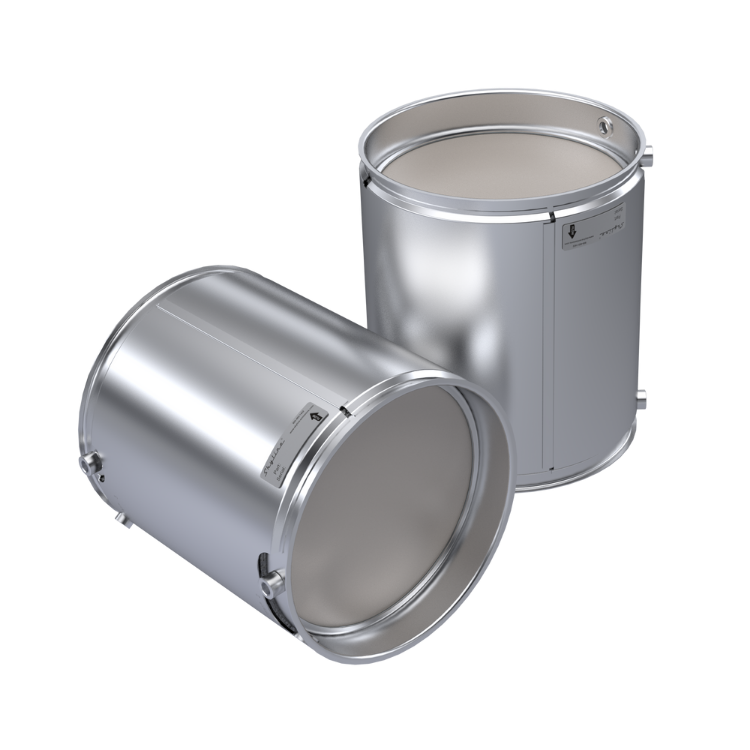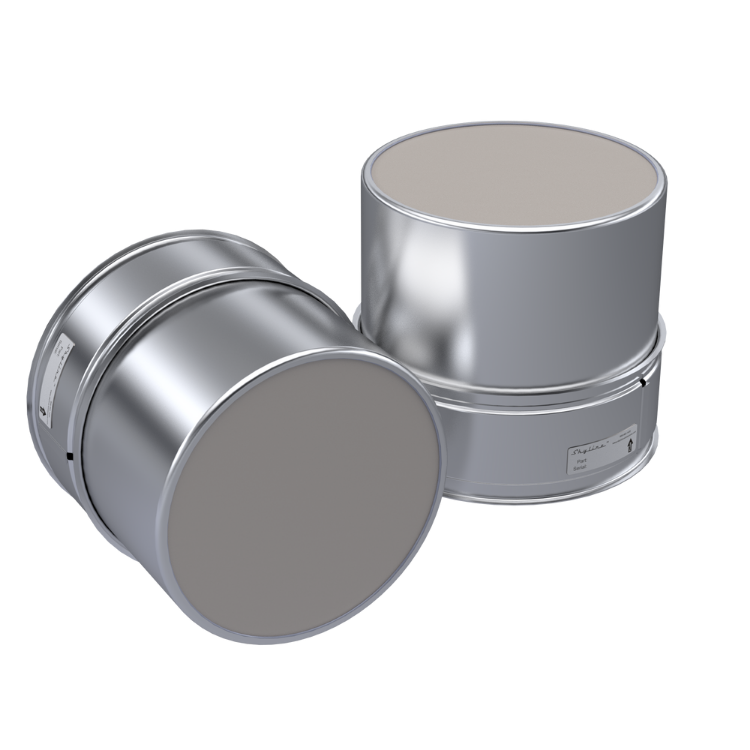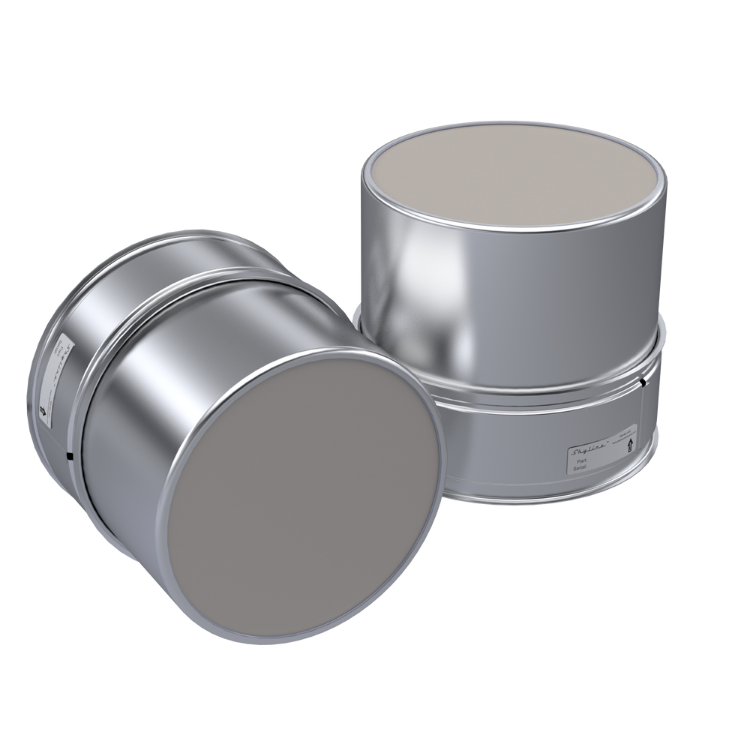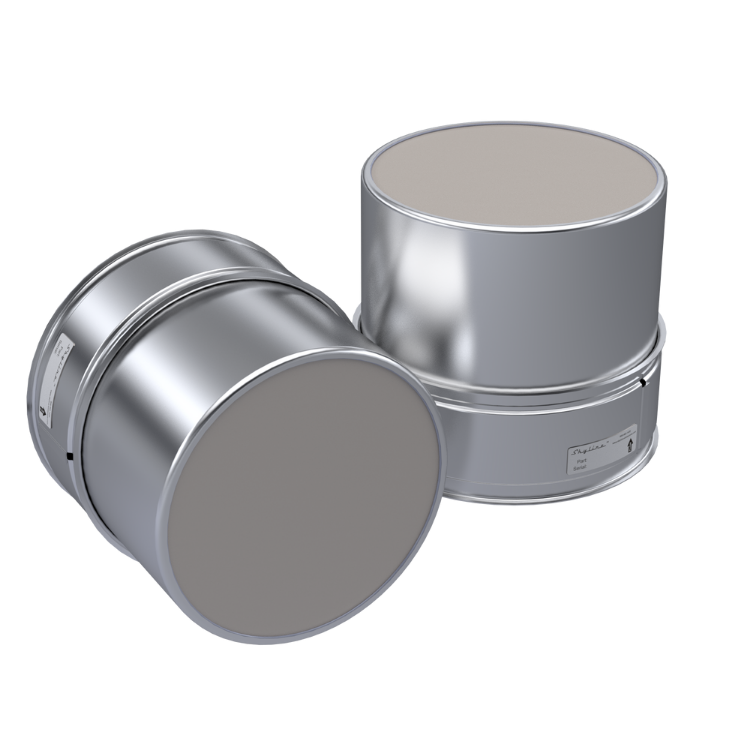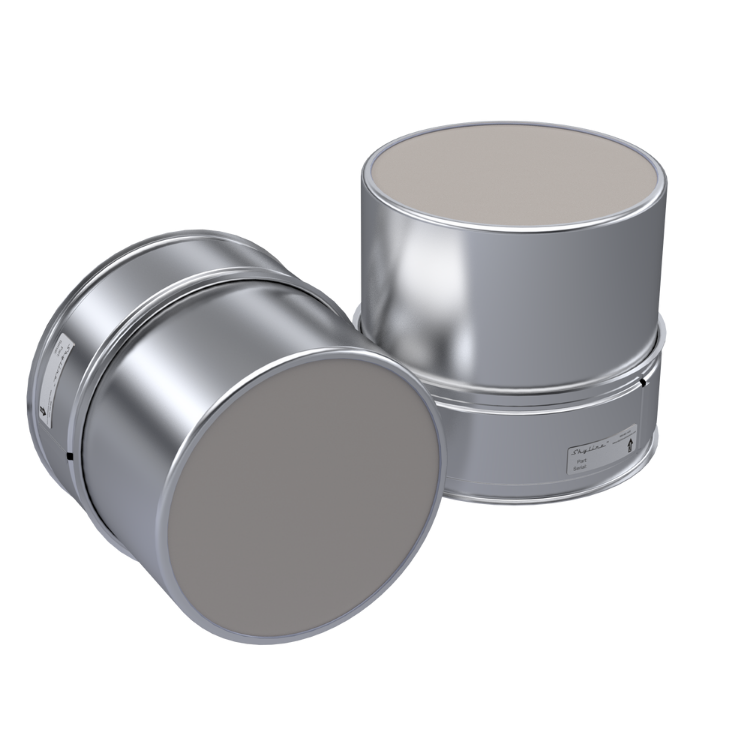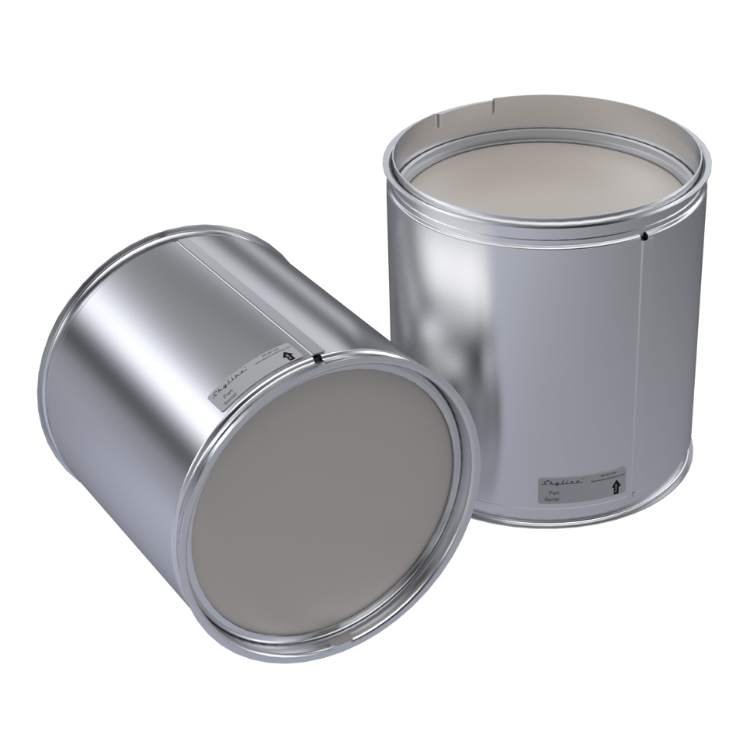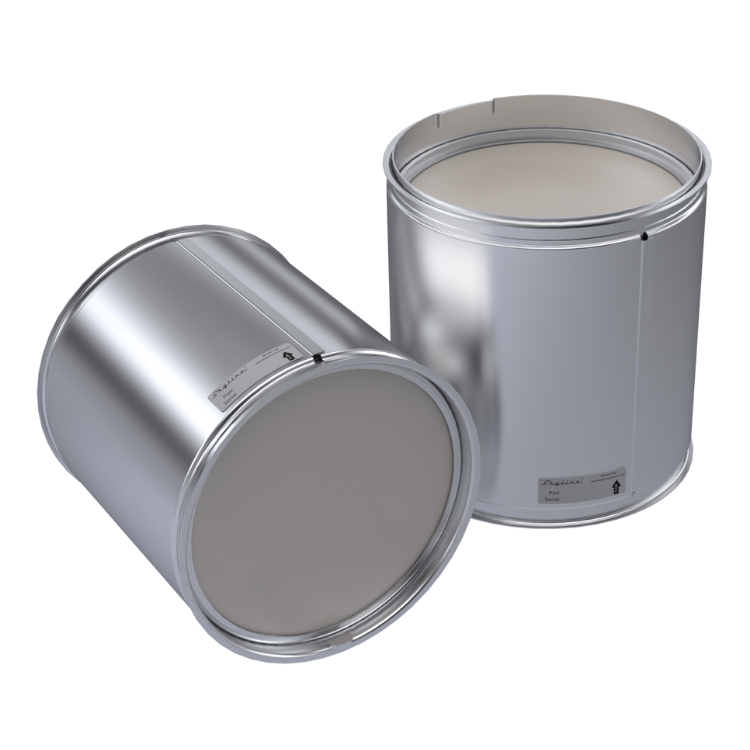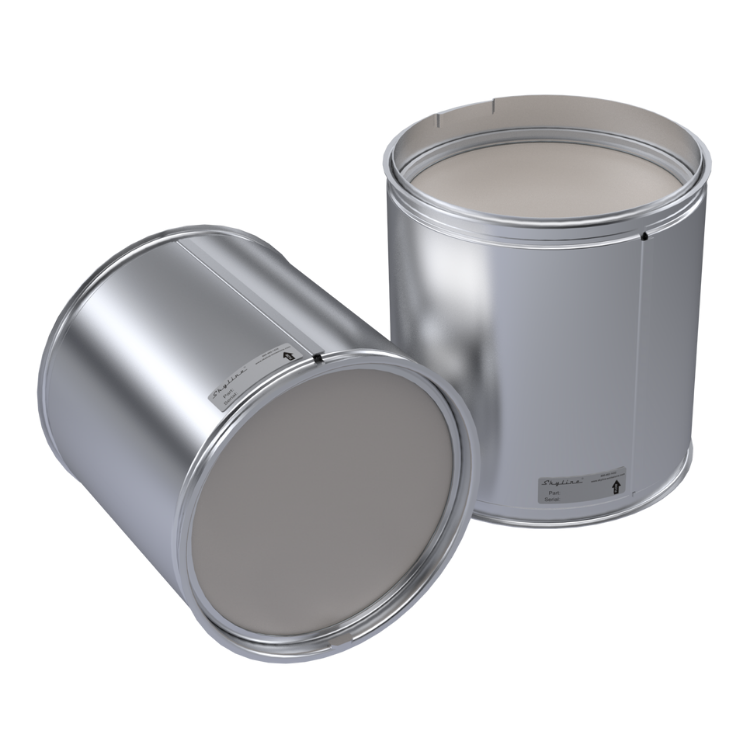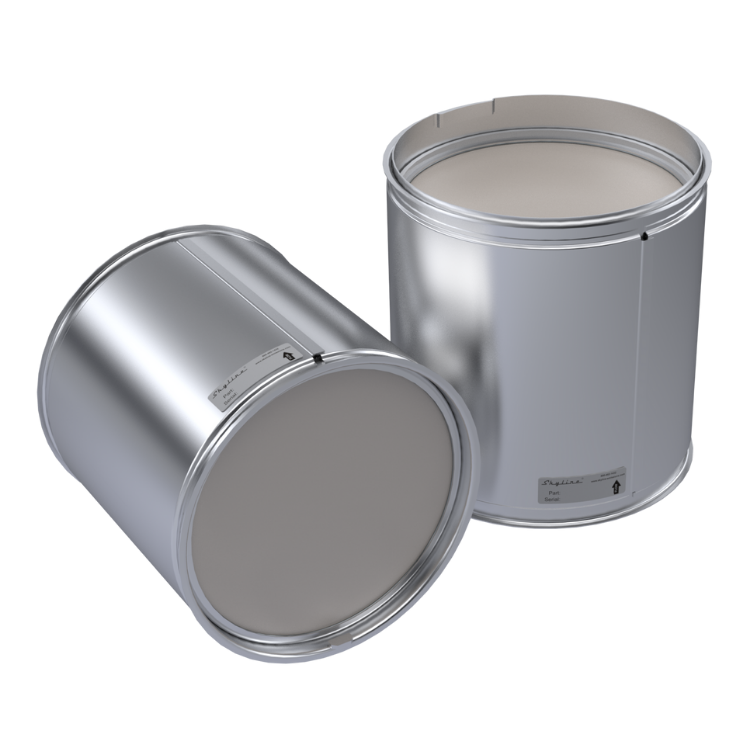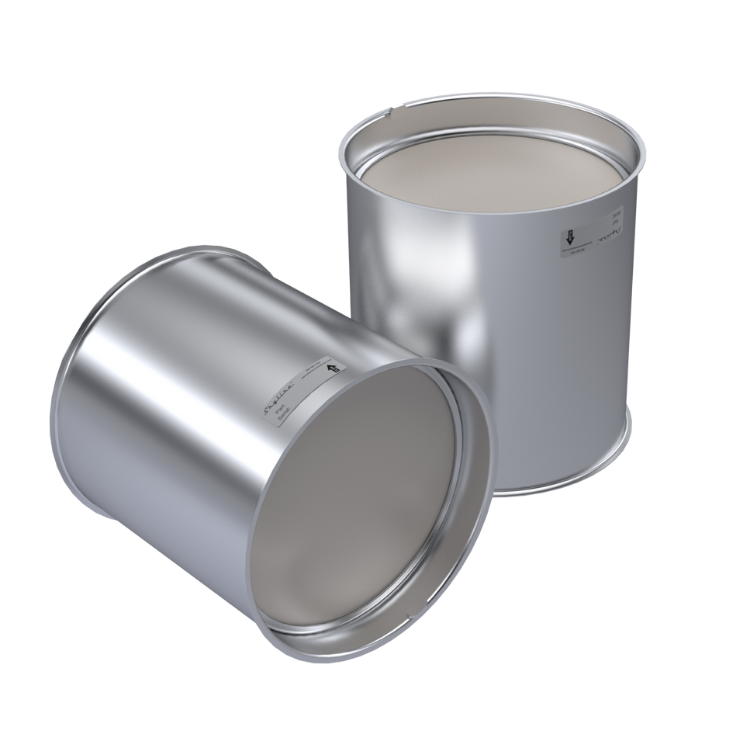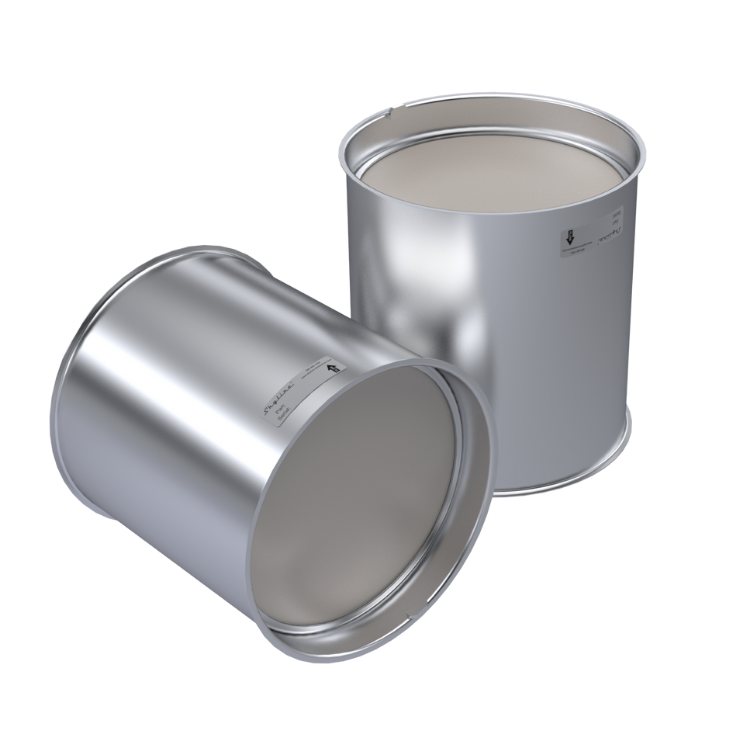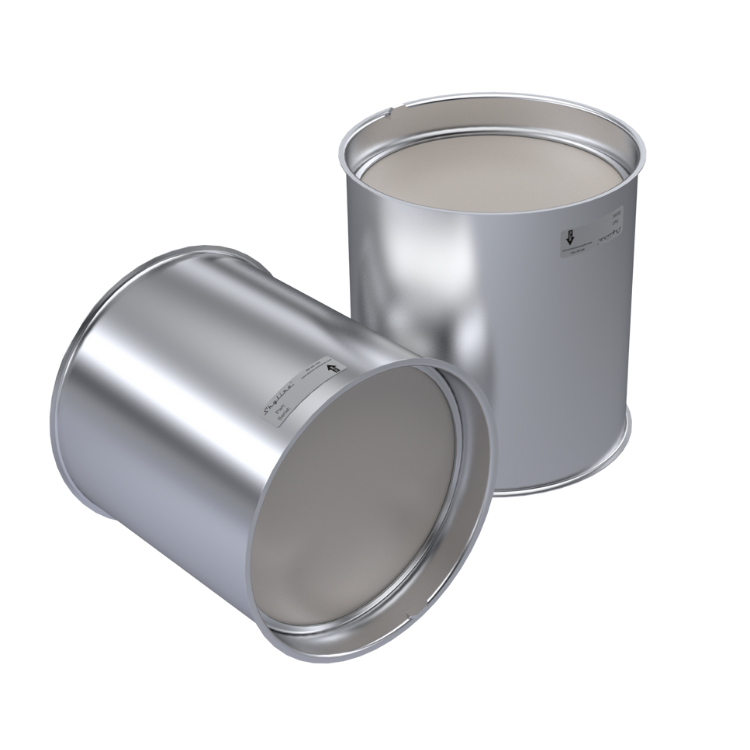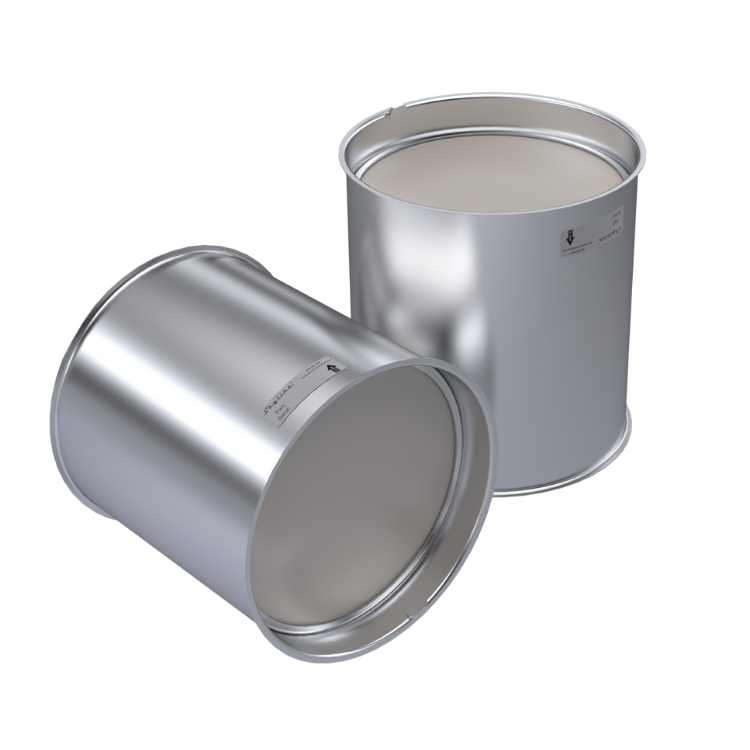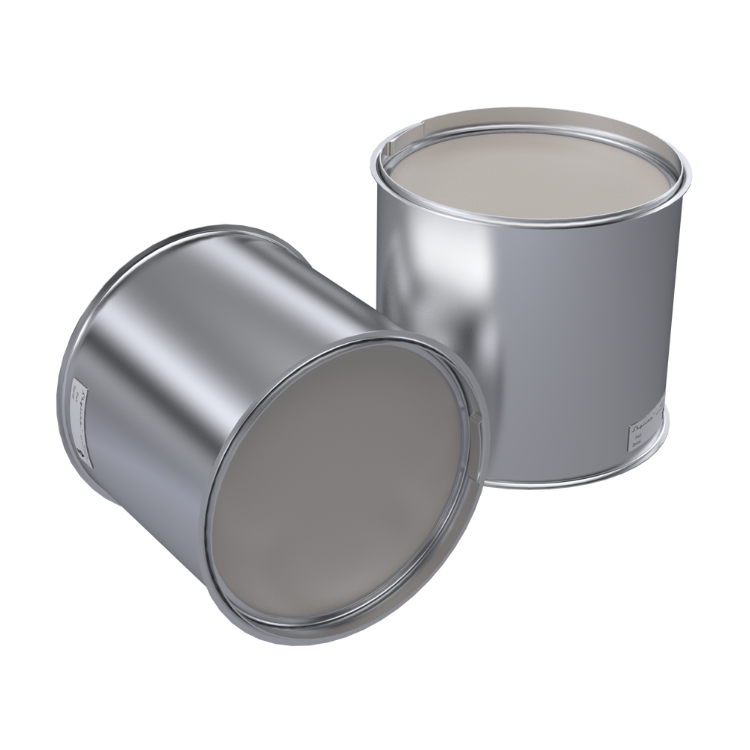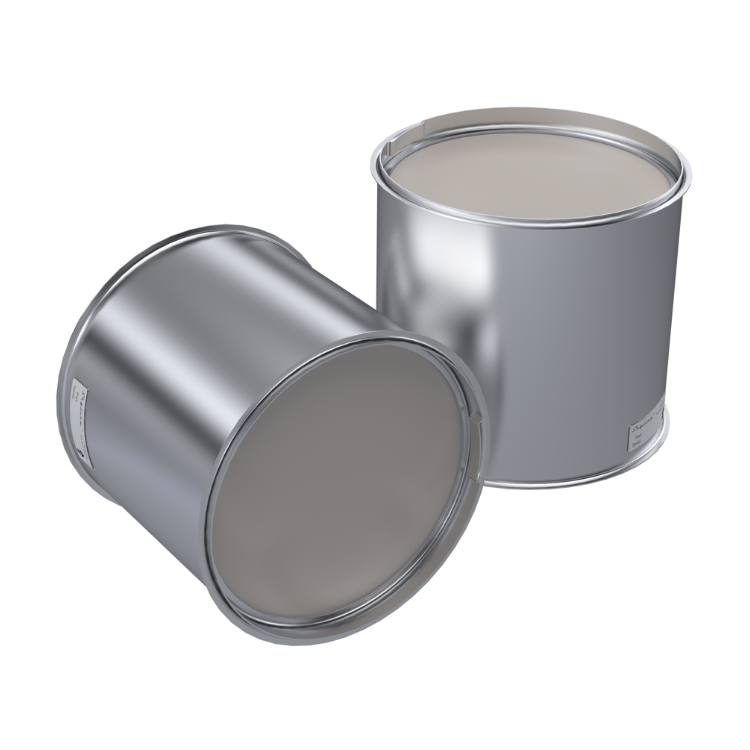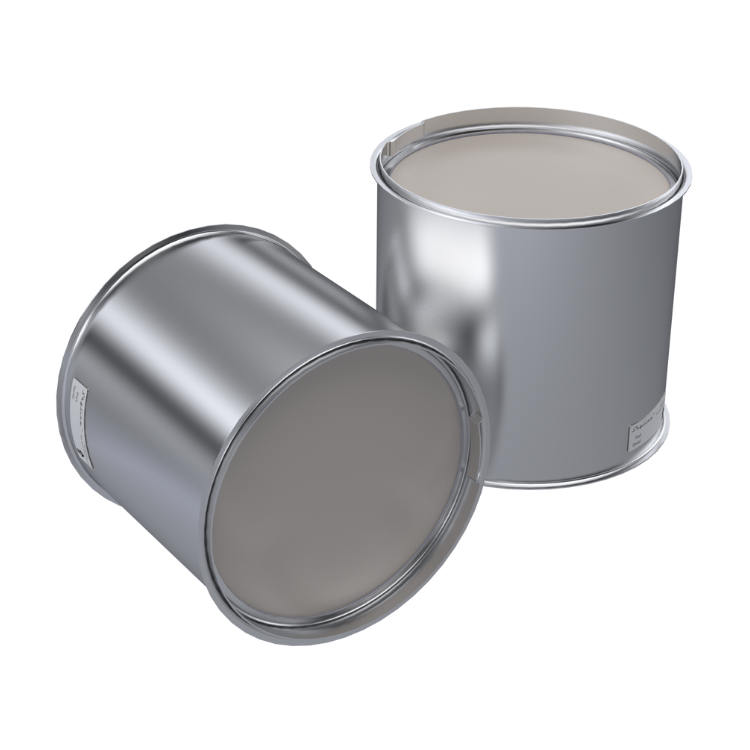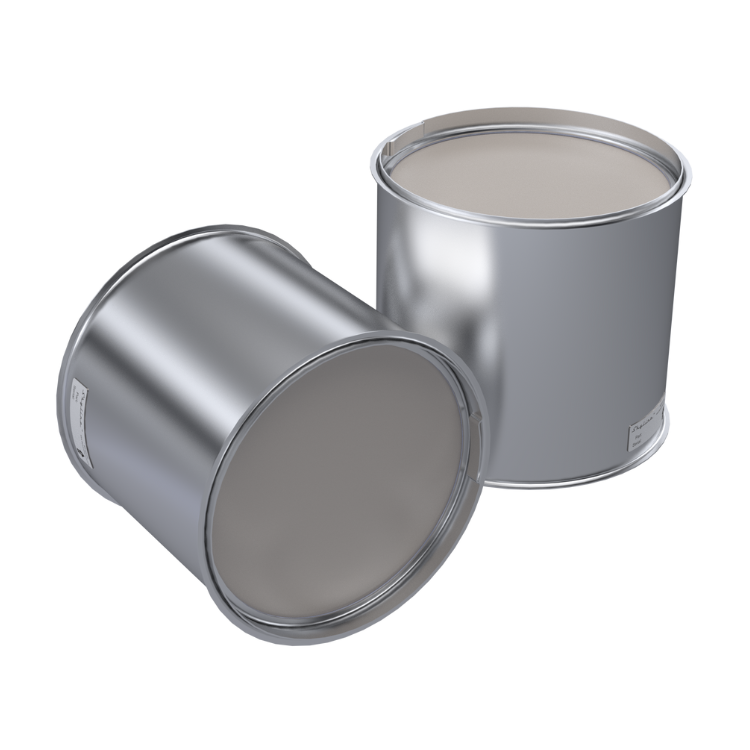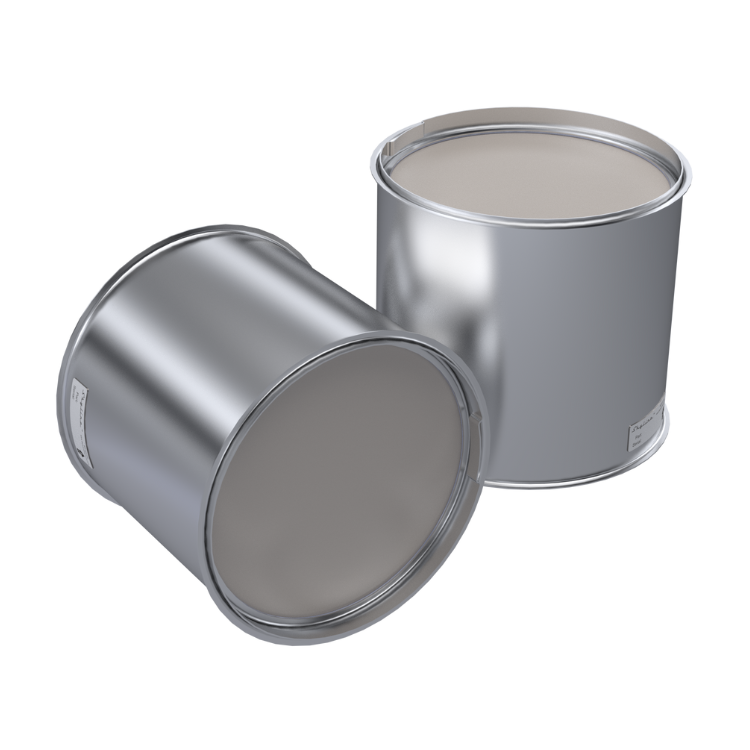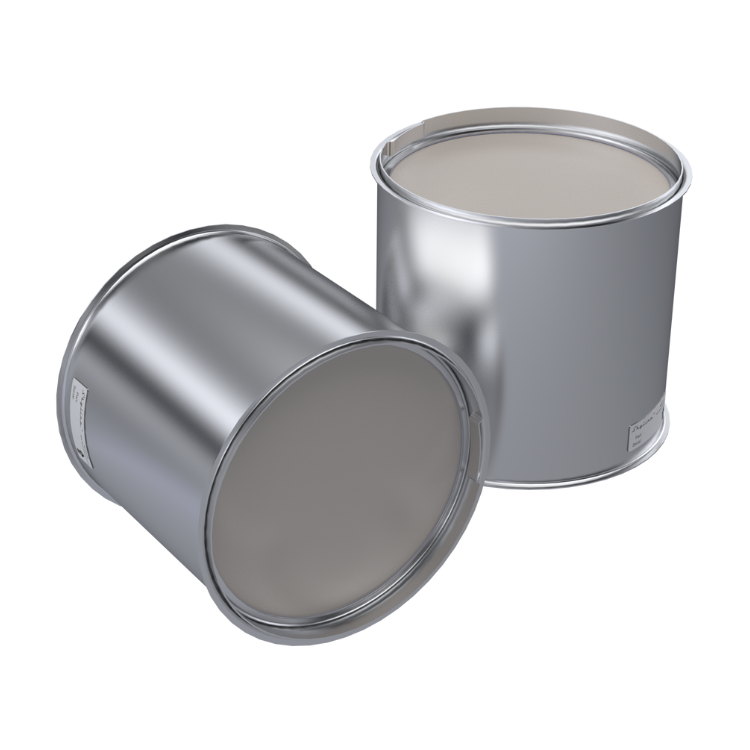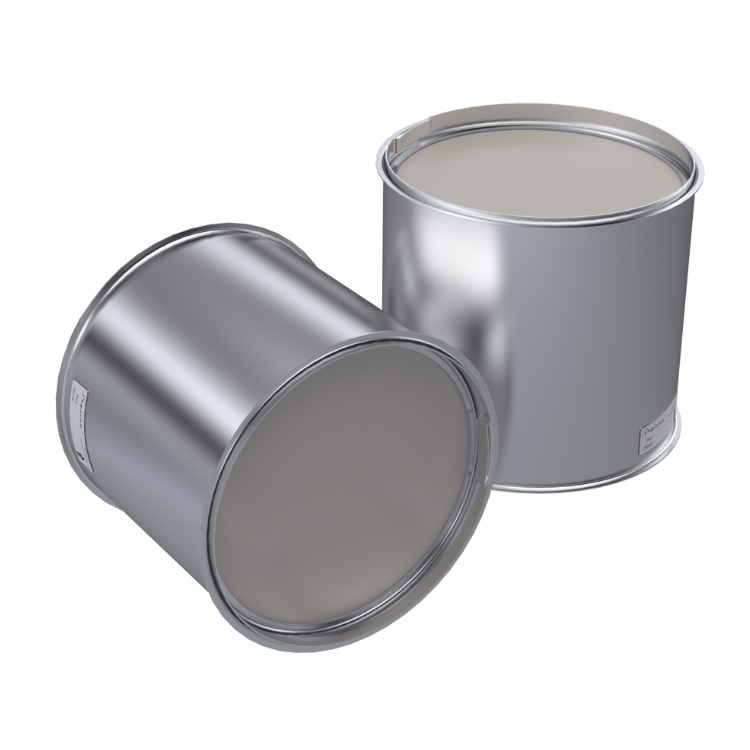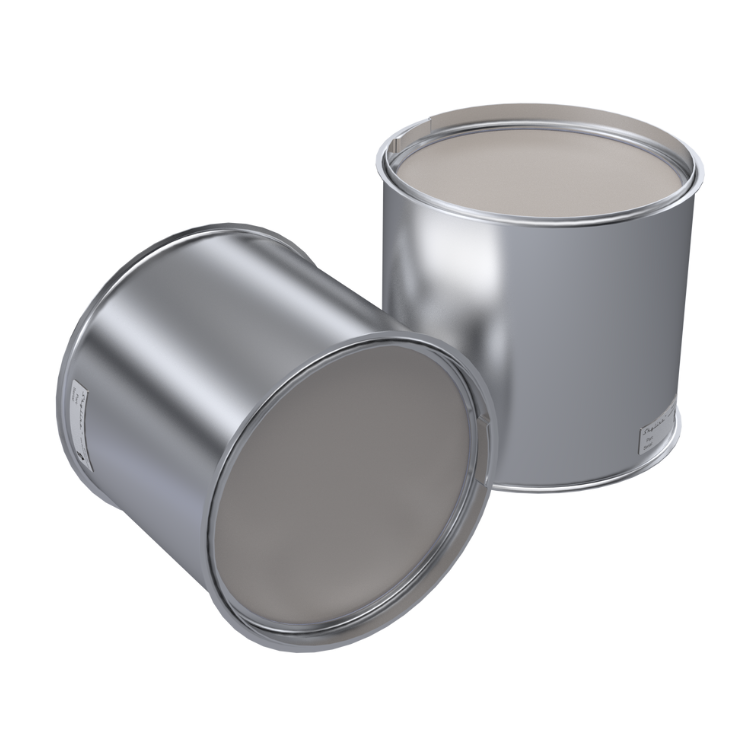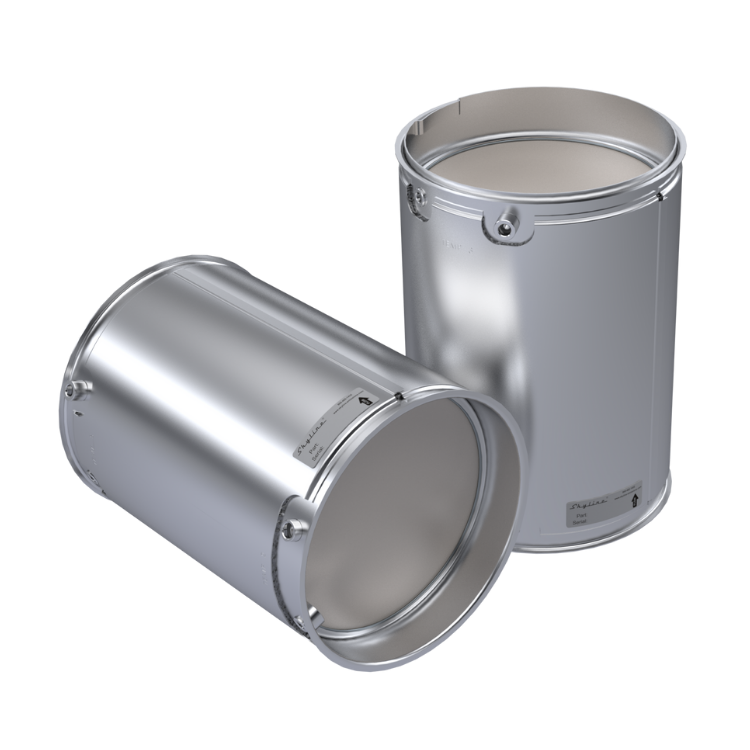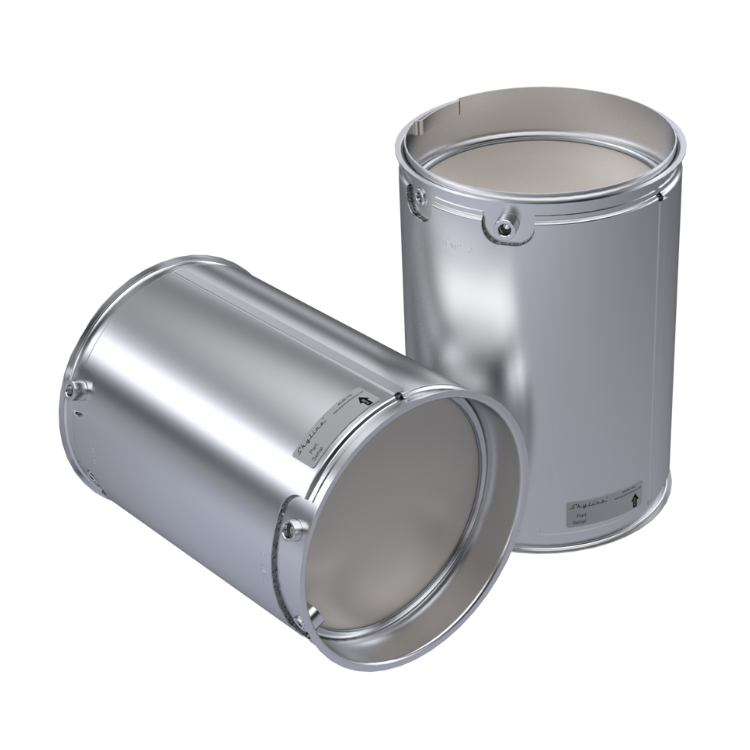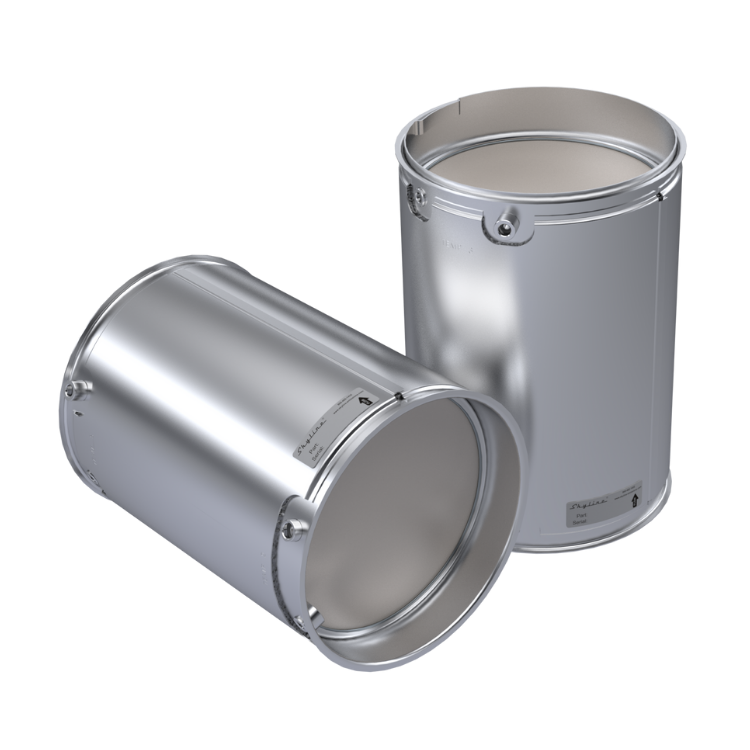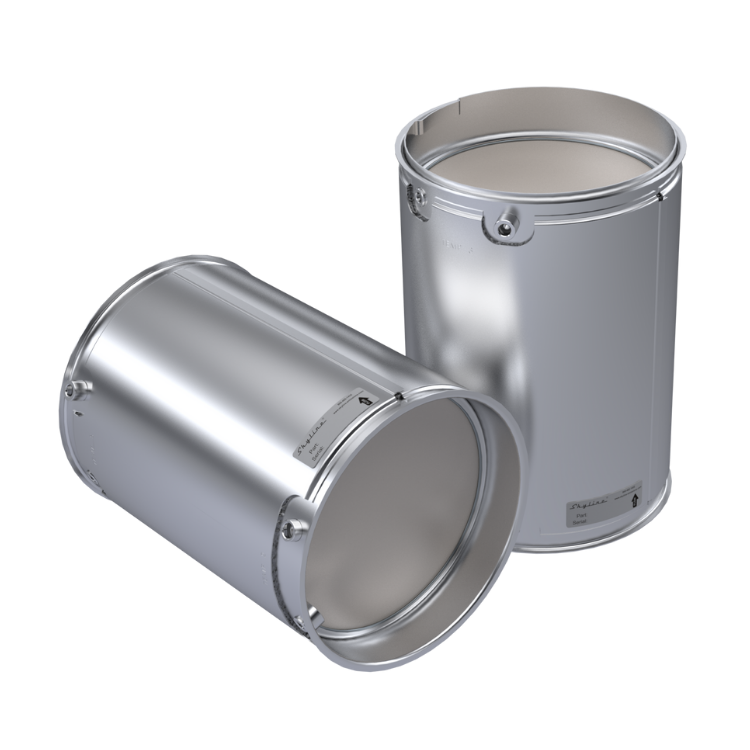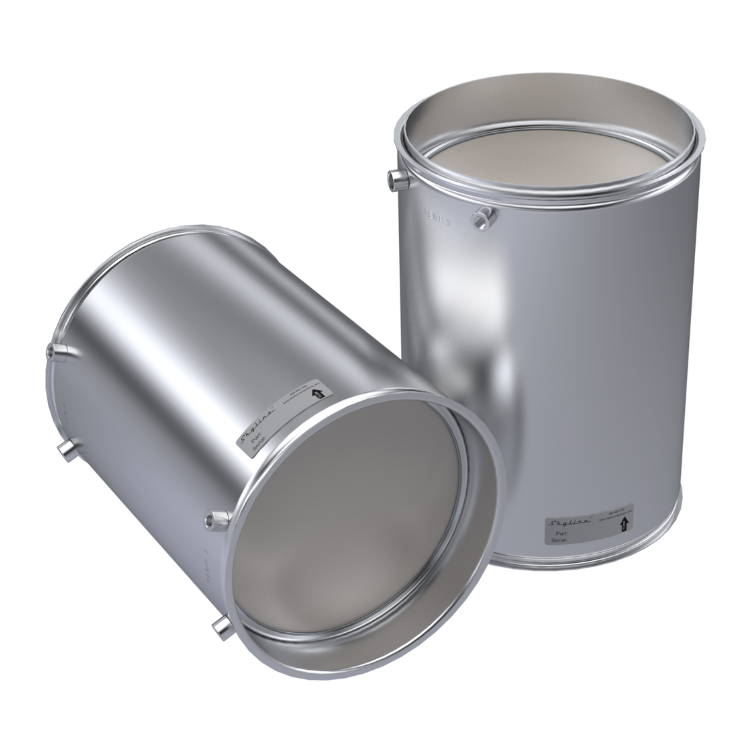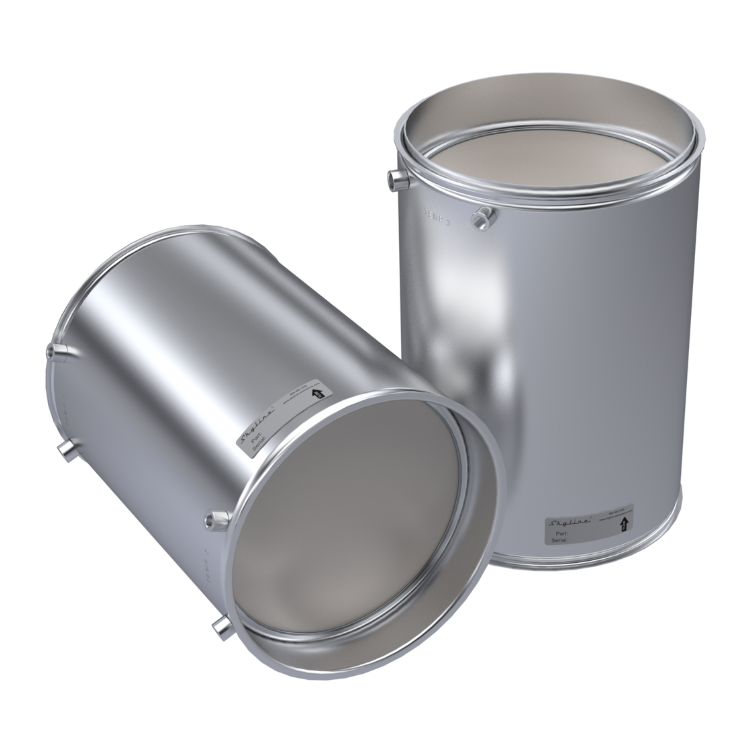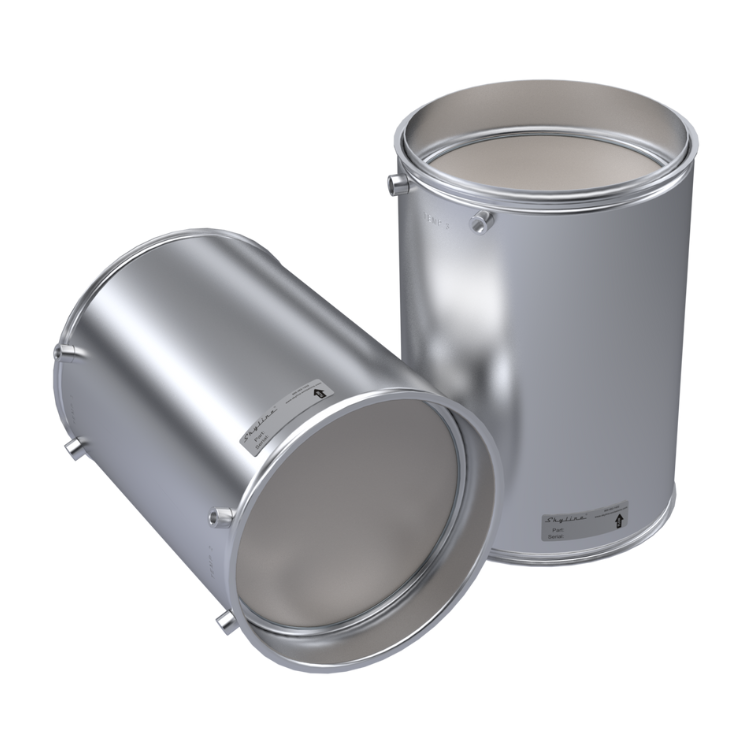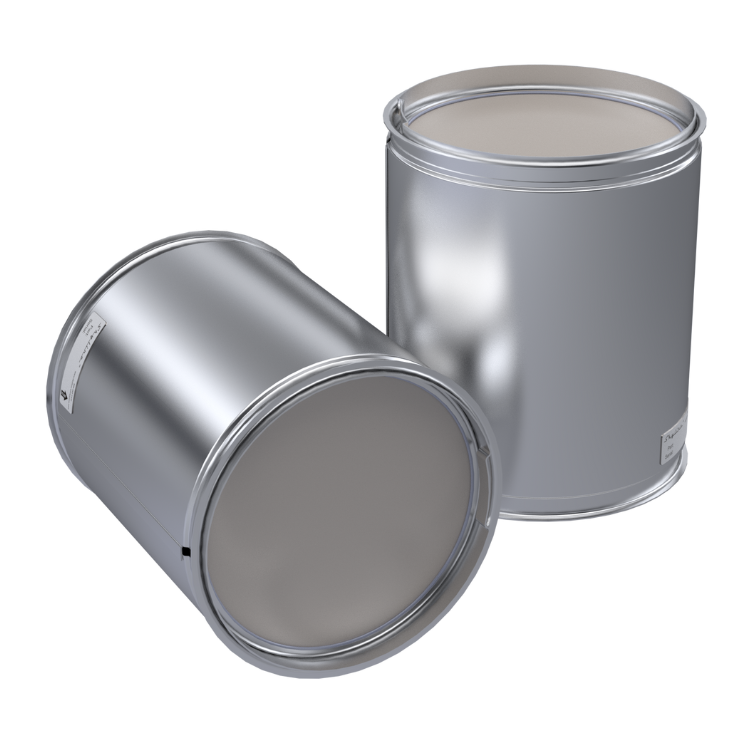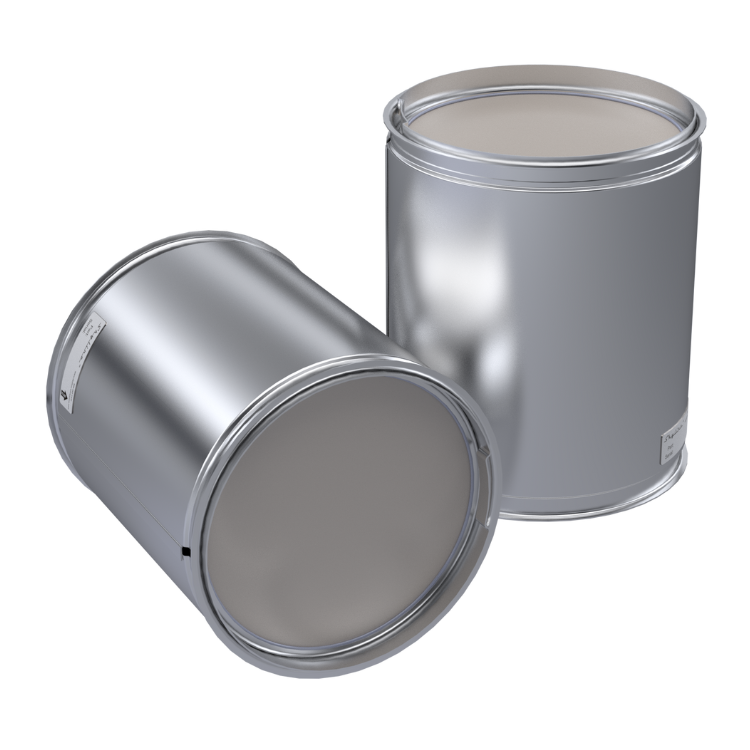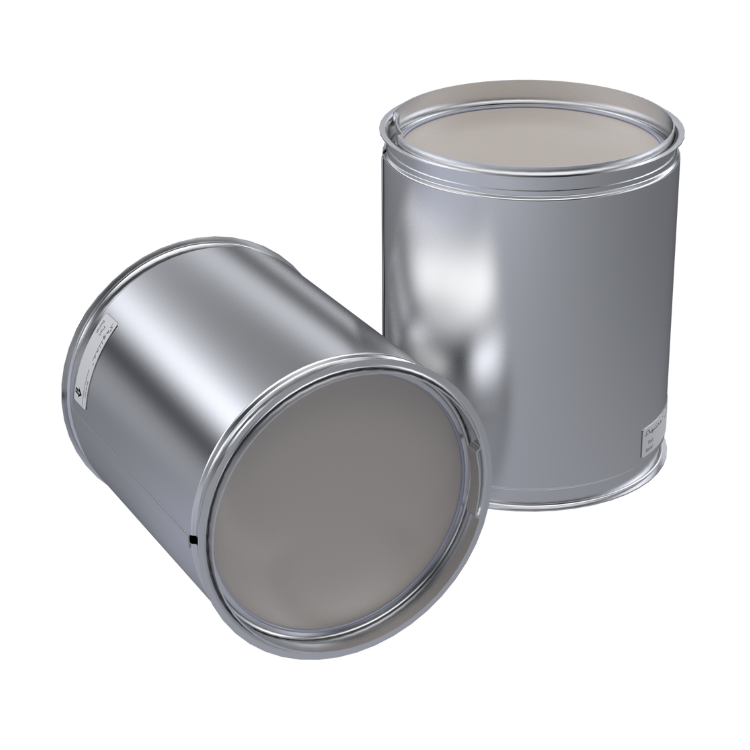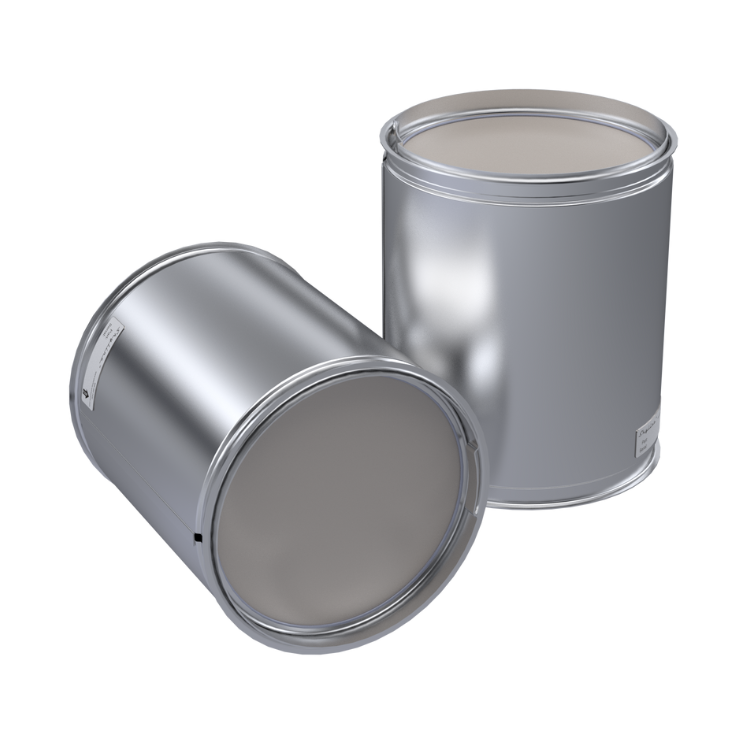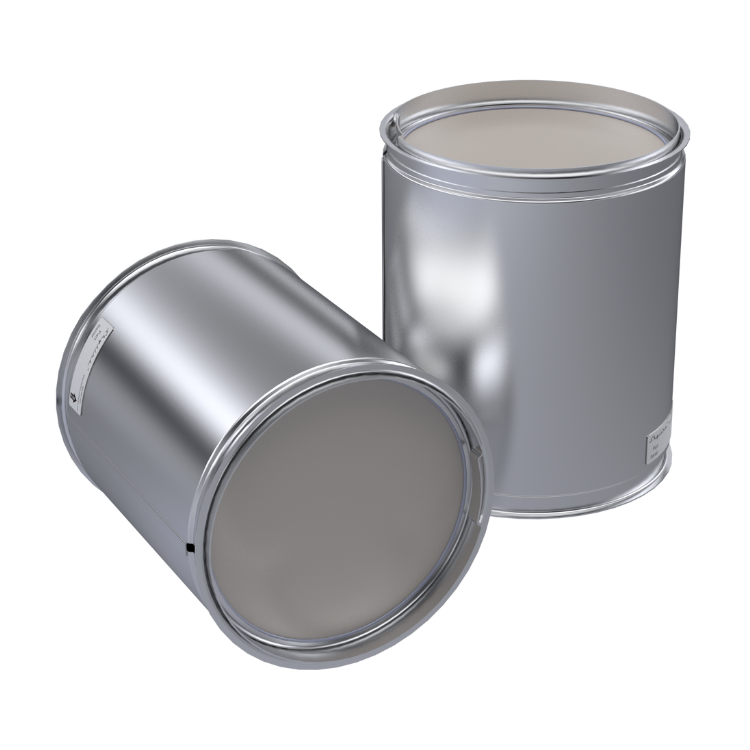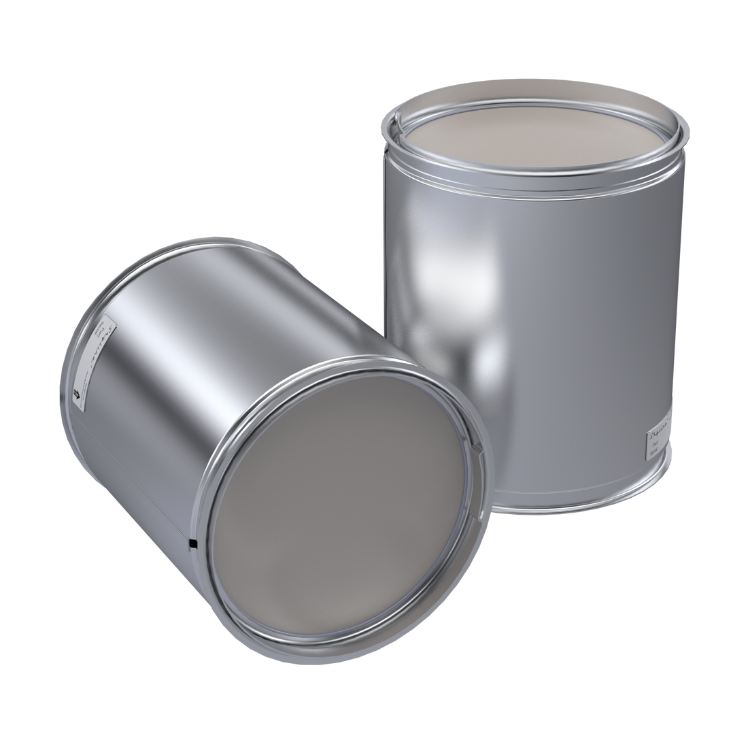




A Diesel Particulate Filter (DPF) plays a vital role in capturing soot and reducing emissions in diesel engines. While the DPF is built for durability, its lifespan depends greatly on maintenance habits and driving conditions. Consistent care helps prevent premature blockage and costly replacements.
-
Use the correct engine oil: Manufacturer-approved, low-ash oil reduces ash buildup inside the DPF.
-
Follow proper oil change intervals: Regular oil changes limit contaminants that contribute to DPF loading.
-
Allow complete regeneration cycles: Occasional highway driving helps the DPF reach temperatures needed to burn off soot.
-
Maintain fuel and air systems: Clean injectors and air filters support efficient combustion and lower soot production.
-
Address warning lights promptly: Early diagnosis of DPF or emissions warnings helps prevent severe restriction.
-
Repair engine issues quickly: Problems such as excessive smoke, misfires, or turbo faults can overload the DPF.
Extending the life of a DPF depends on overall engine health and proactive maintenance. By following recommended service practices and responding early to warning signs, vehicle owners can support reliable DPF operation and reduce the risk of unexpected exhaust system repairs.