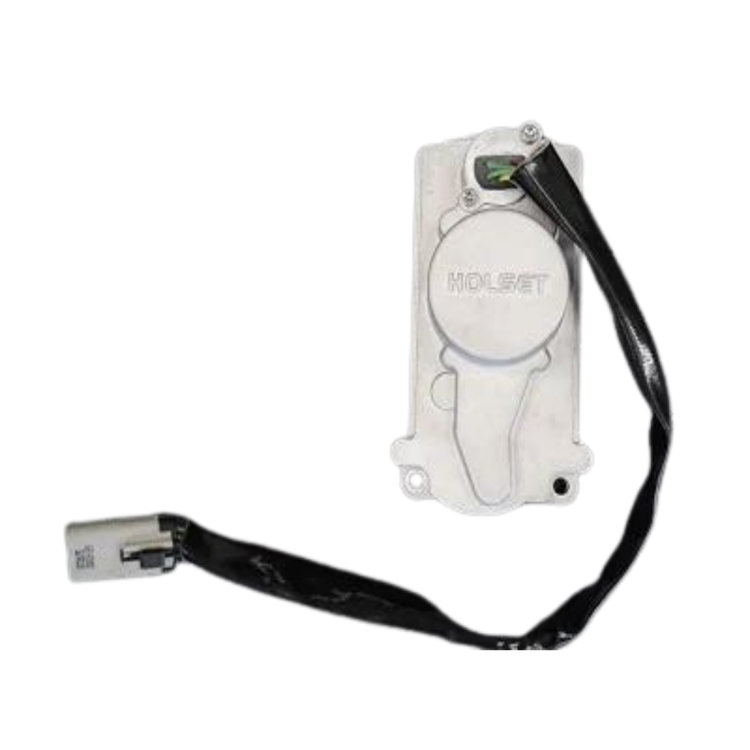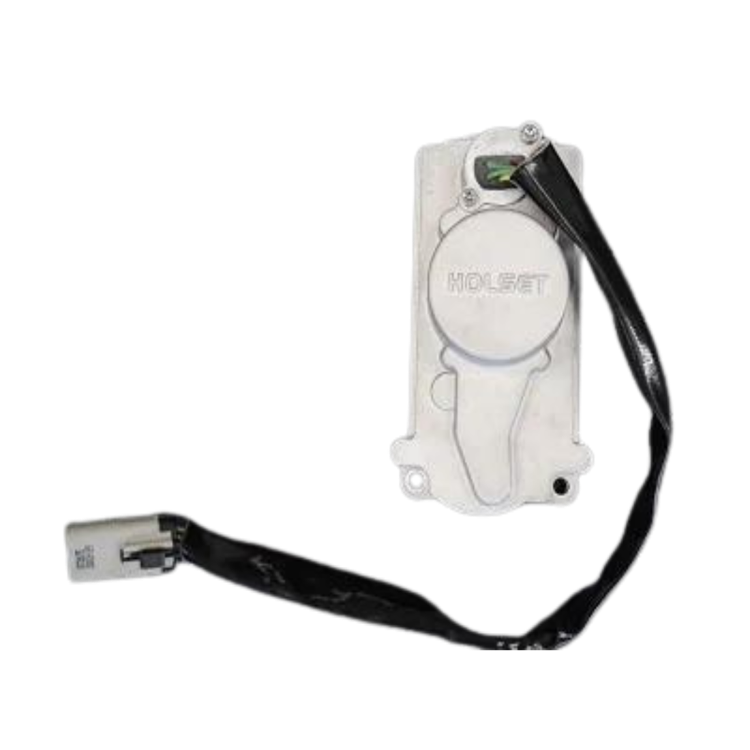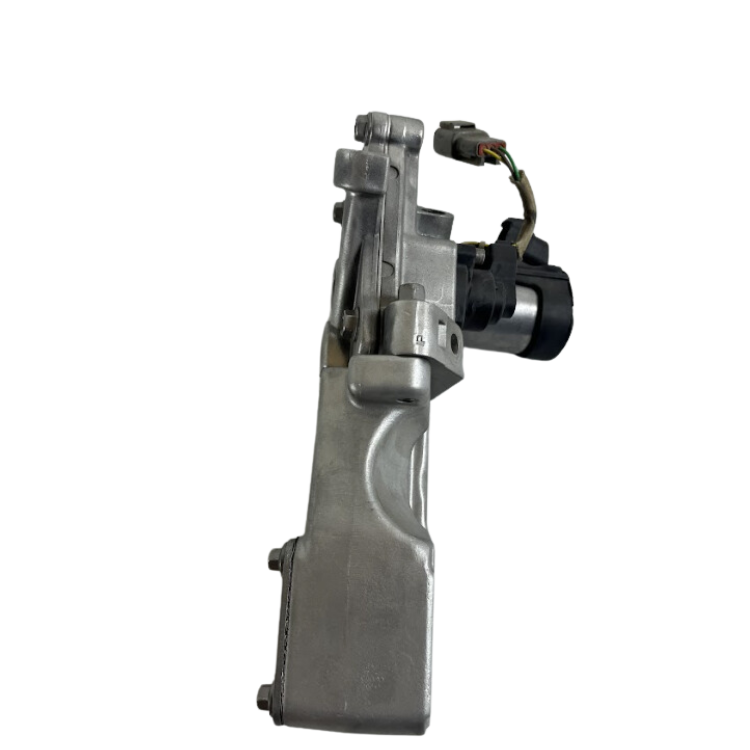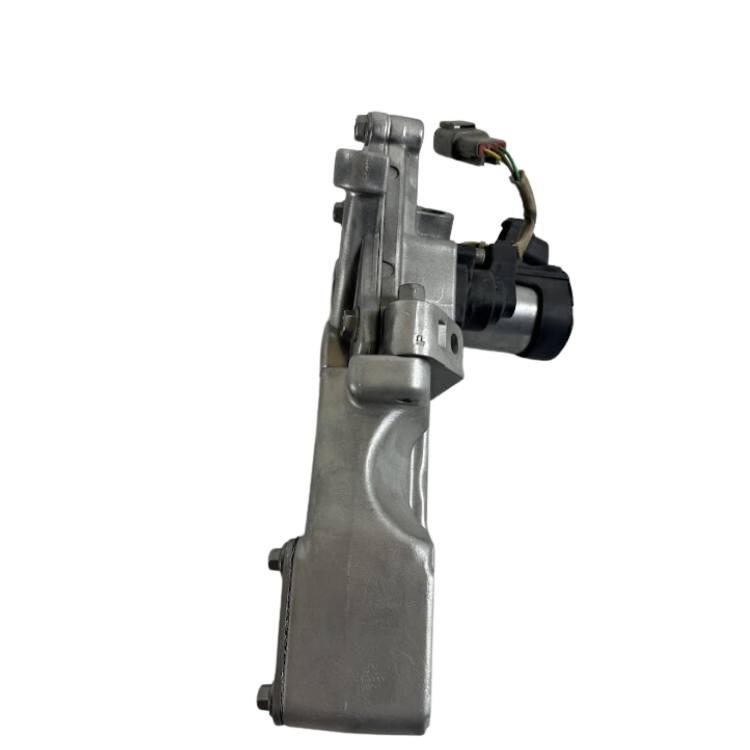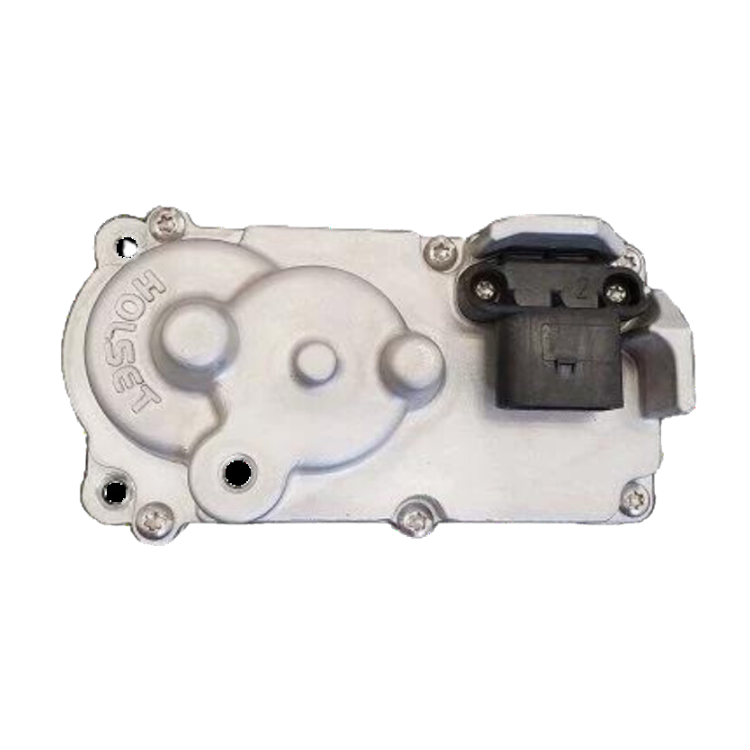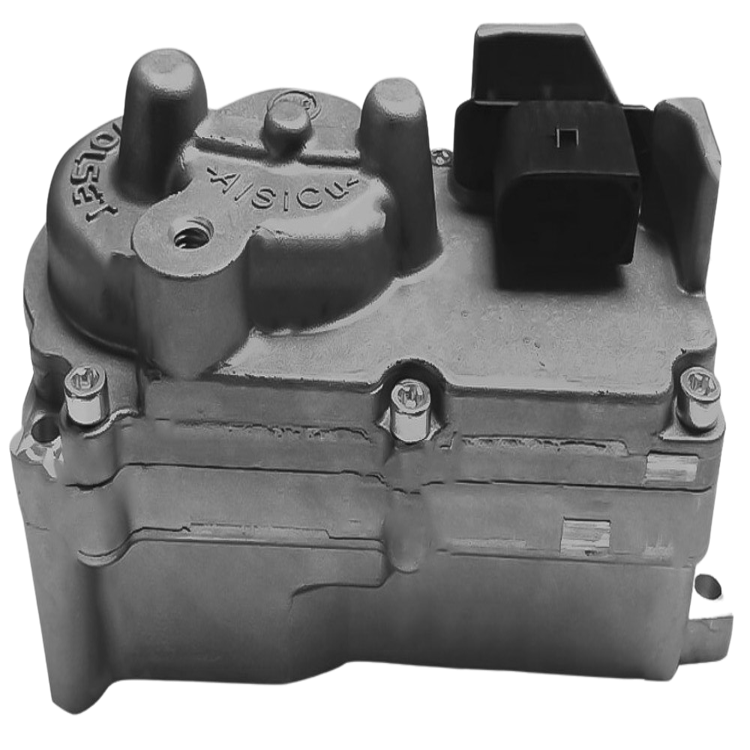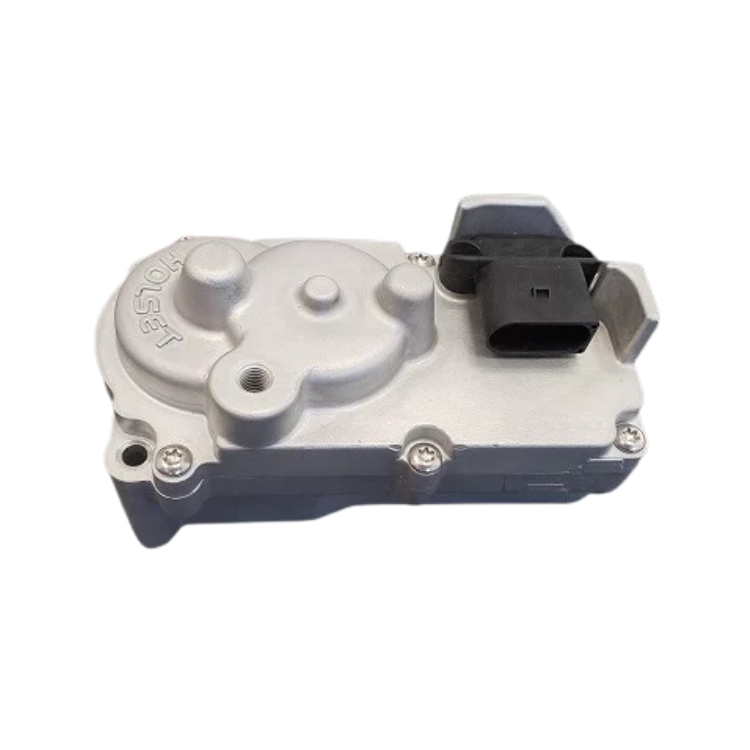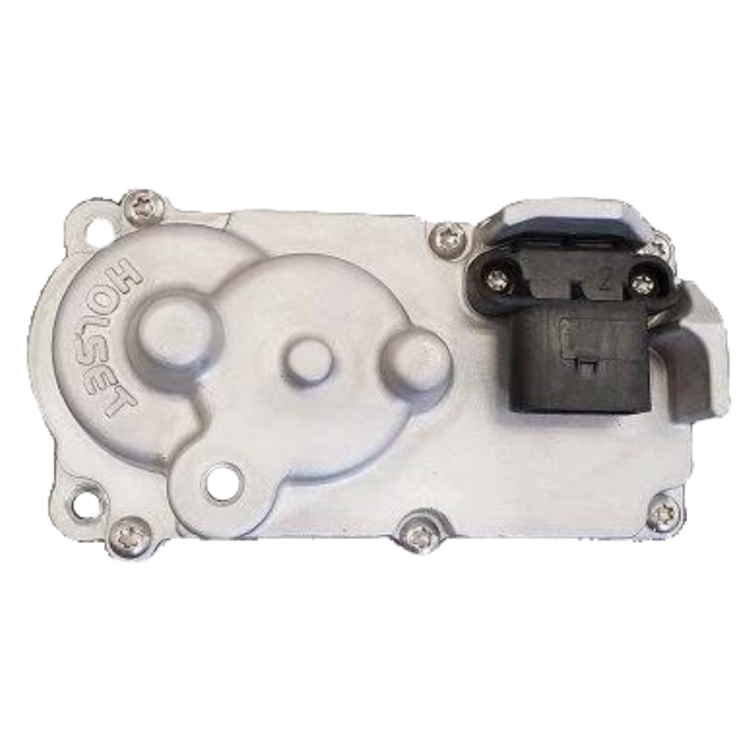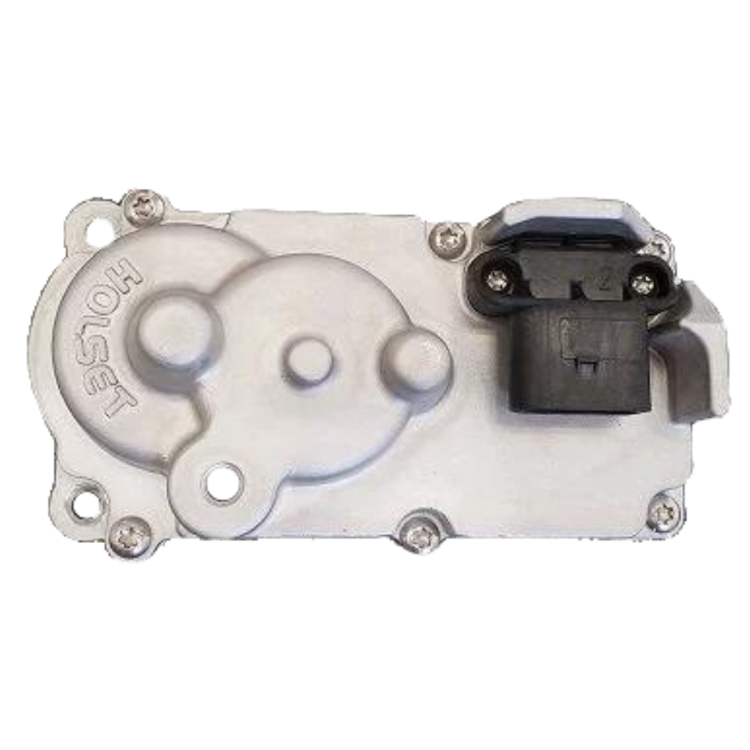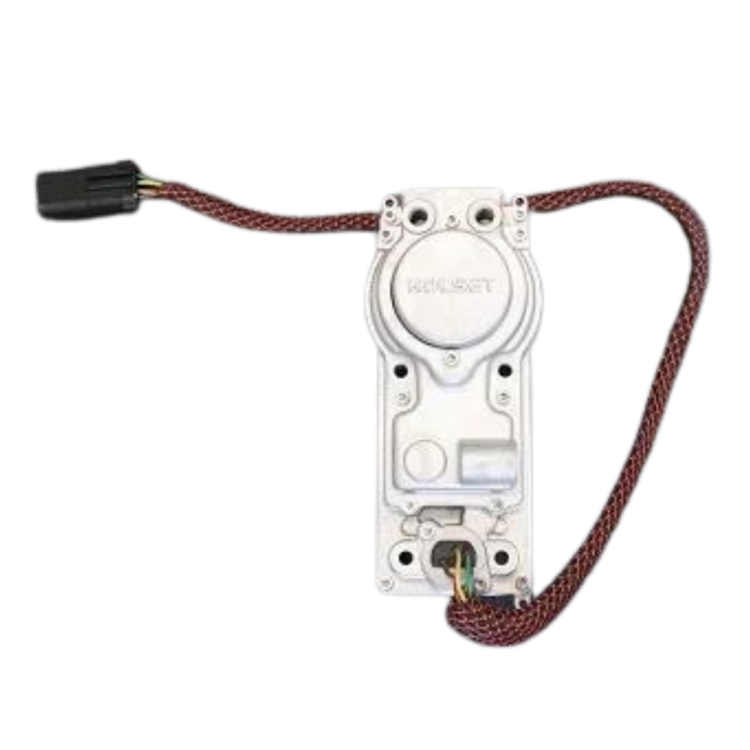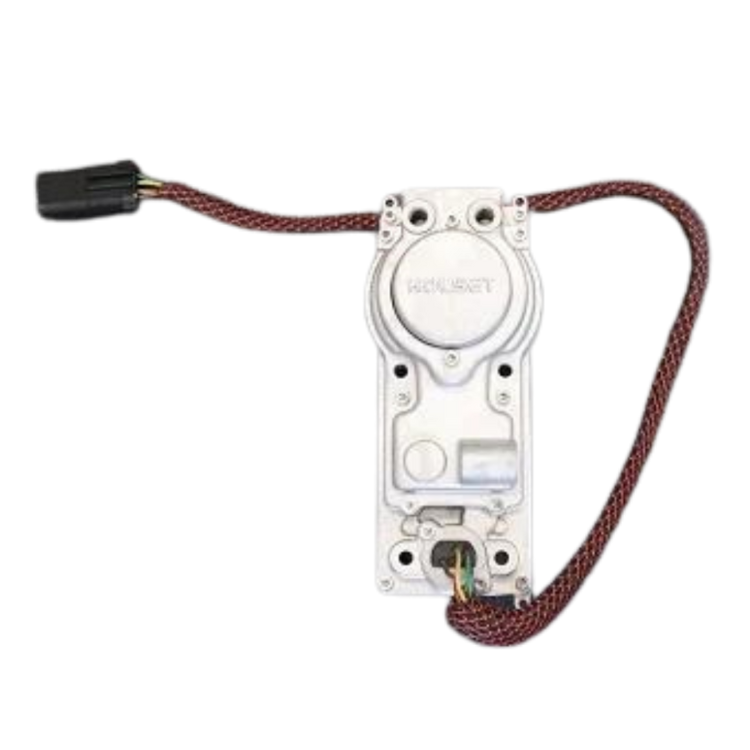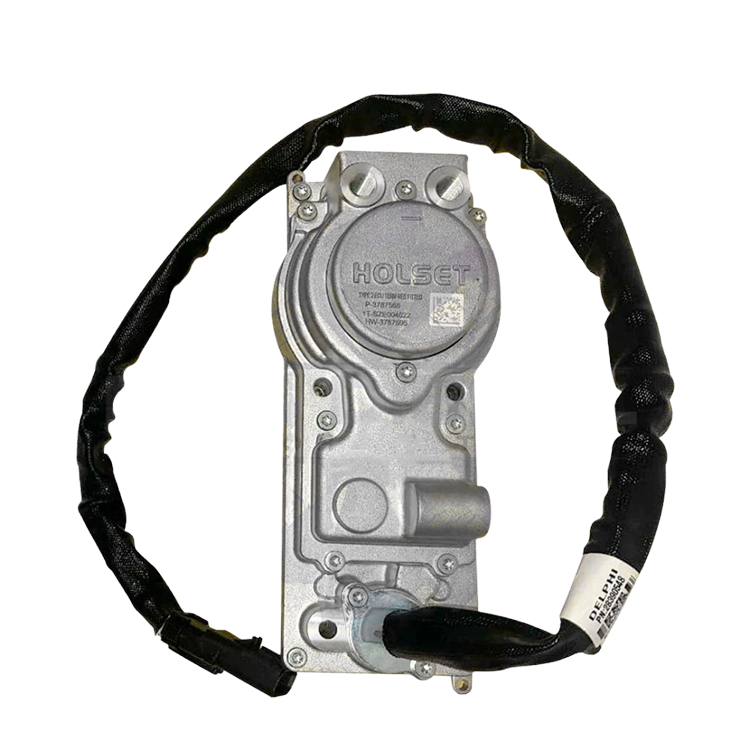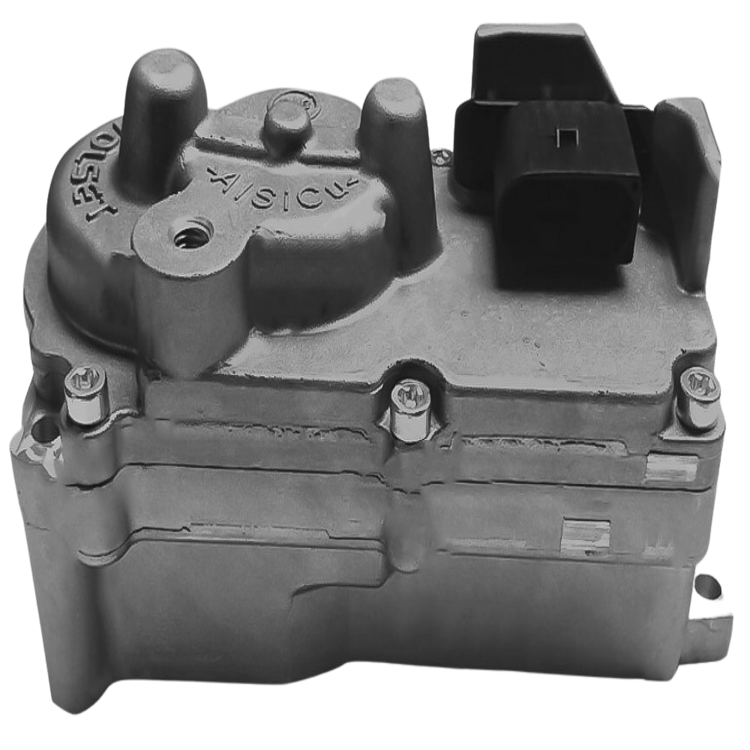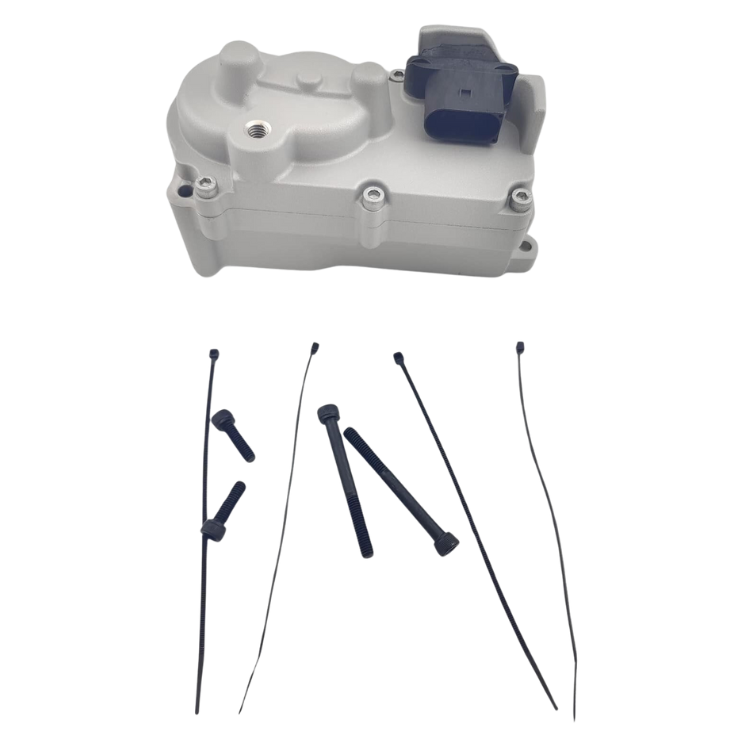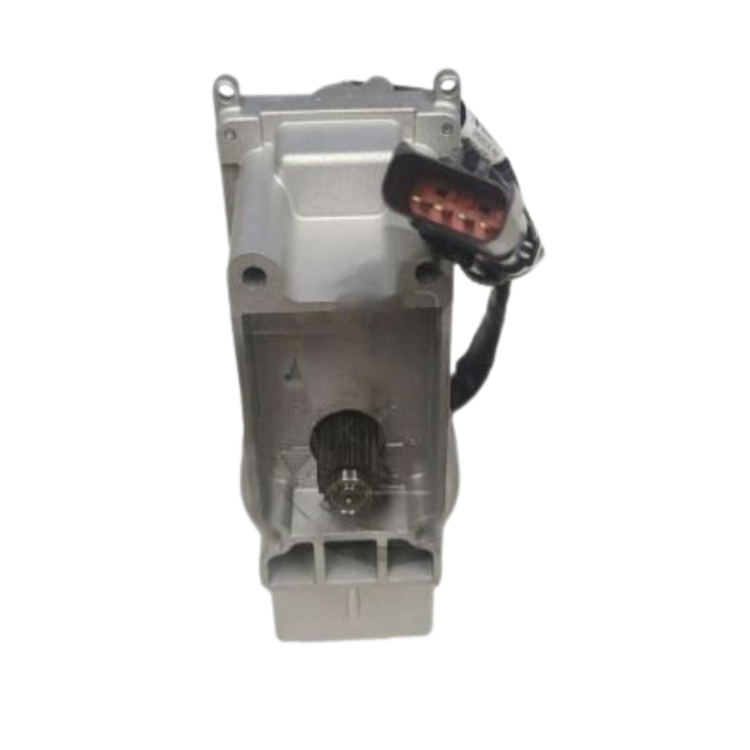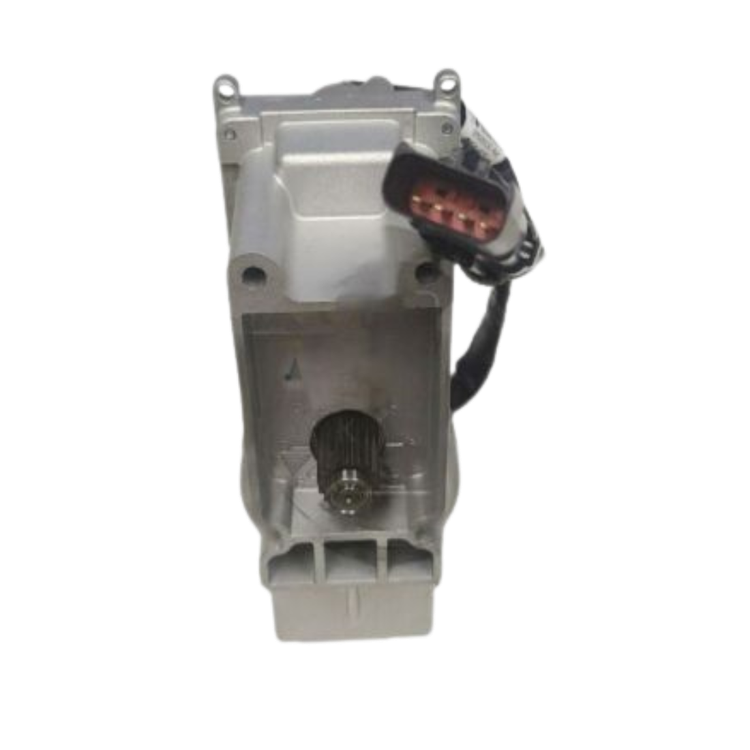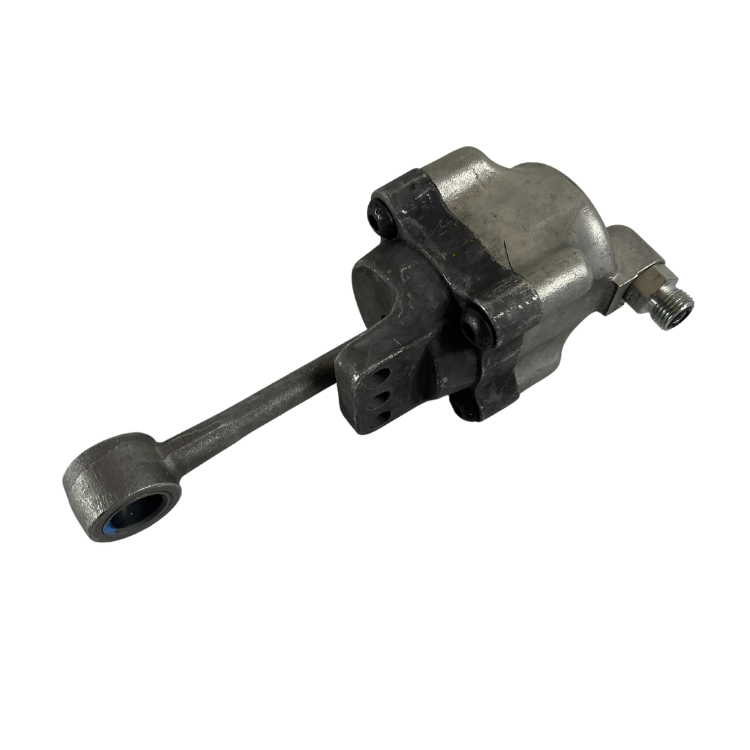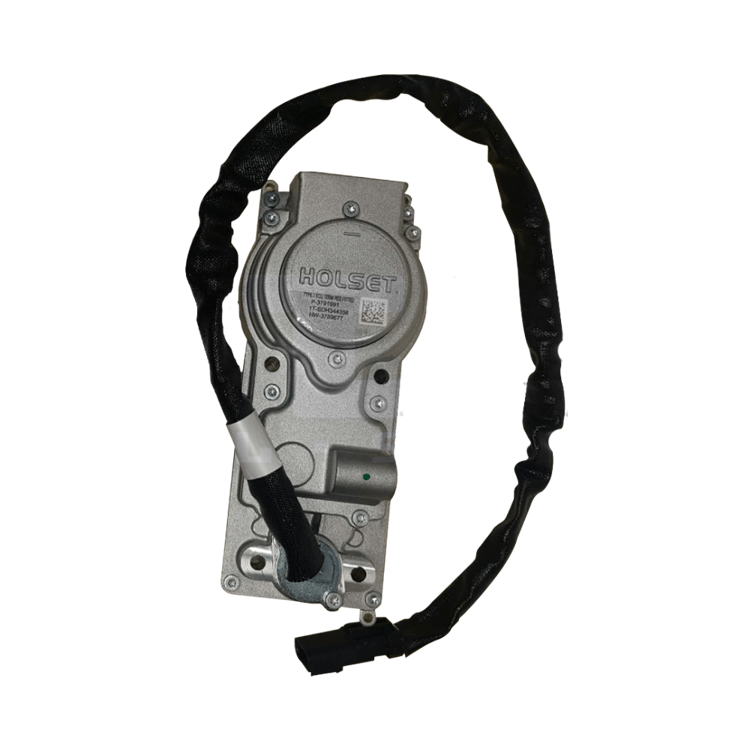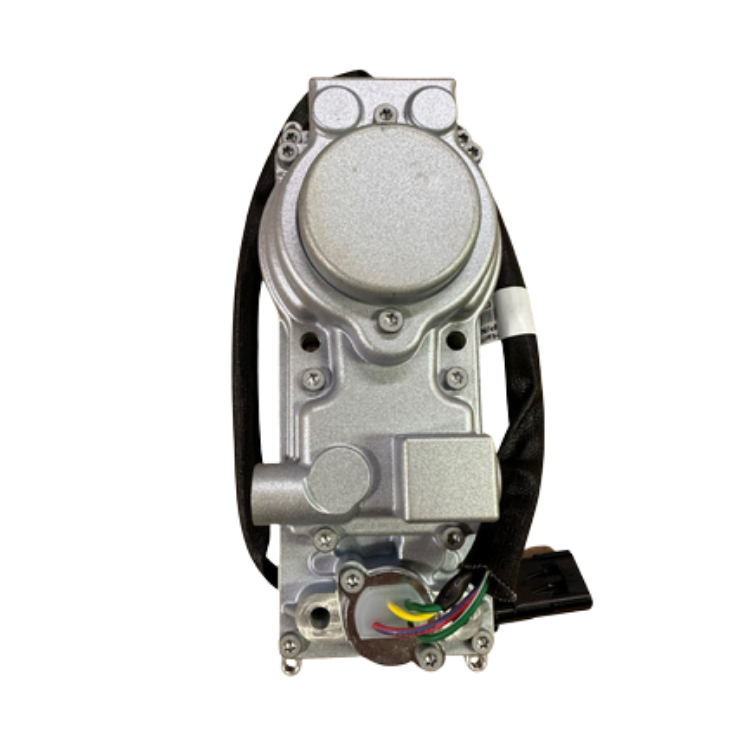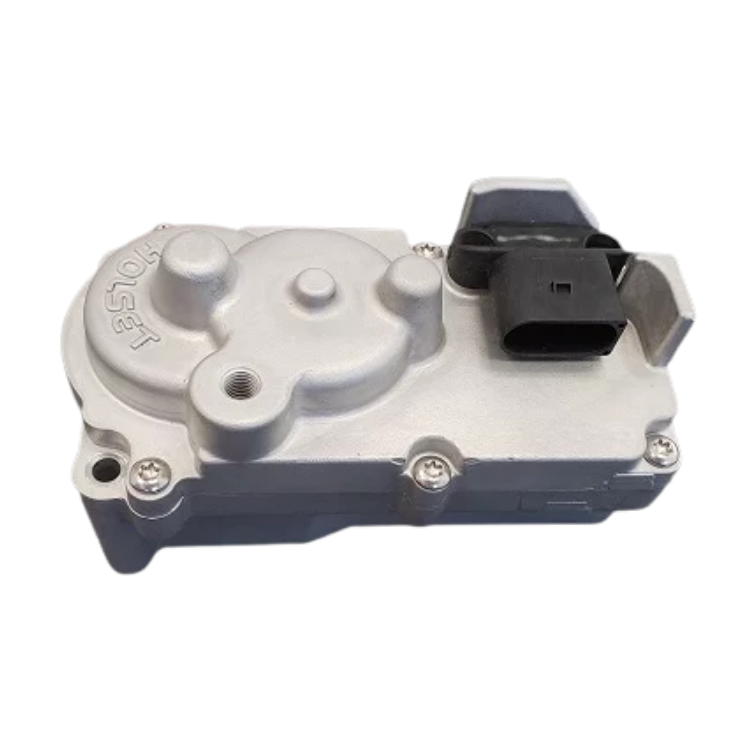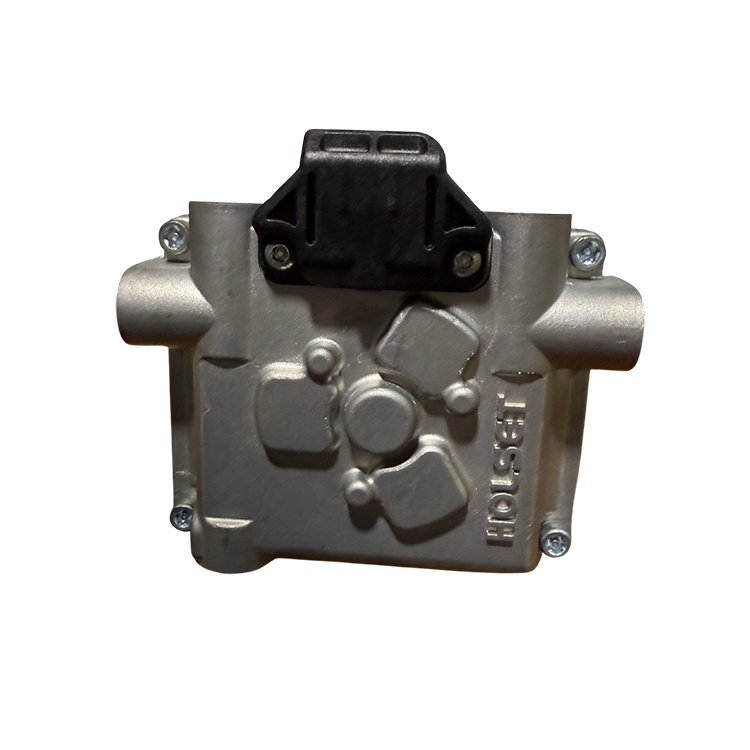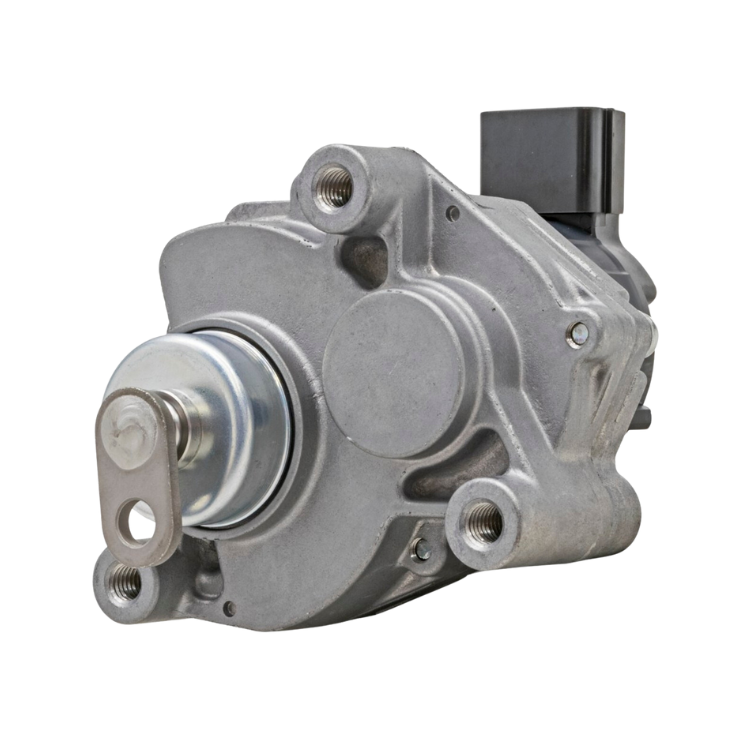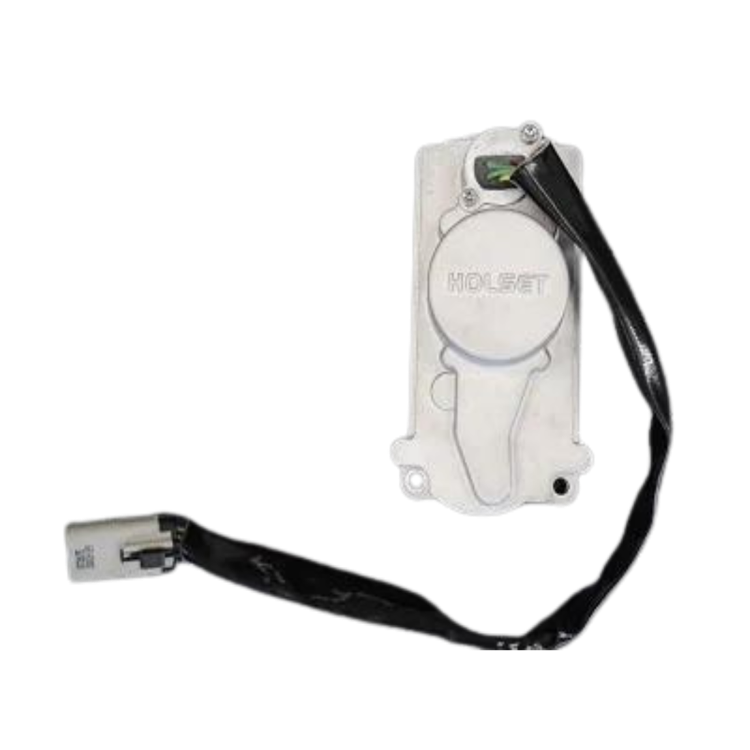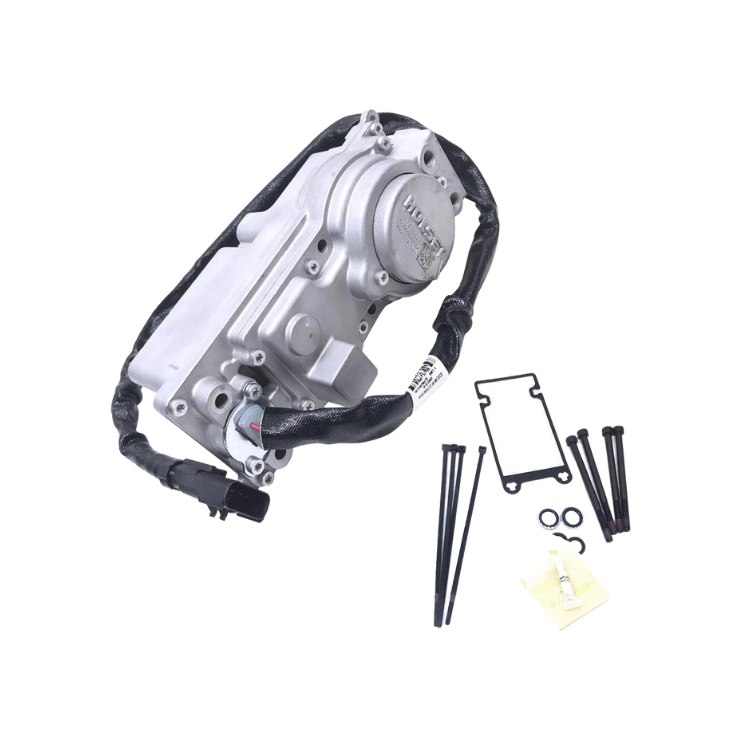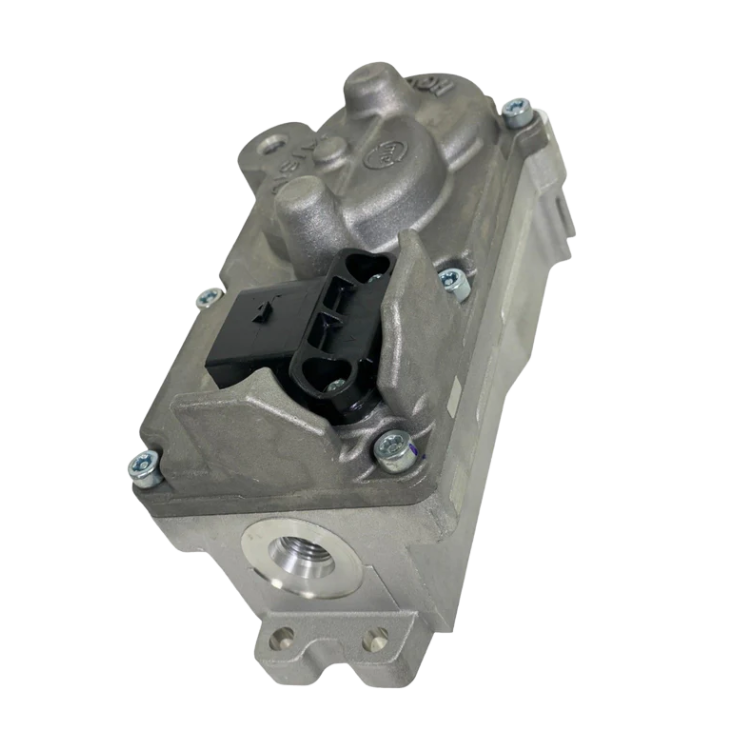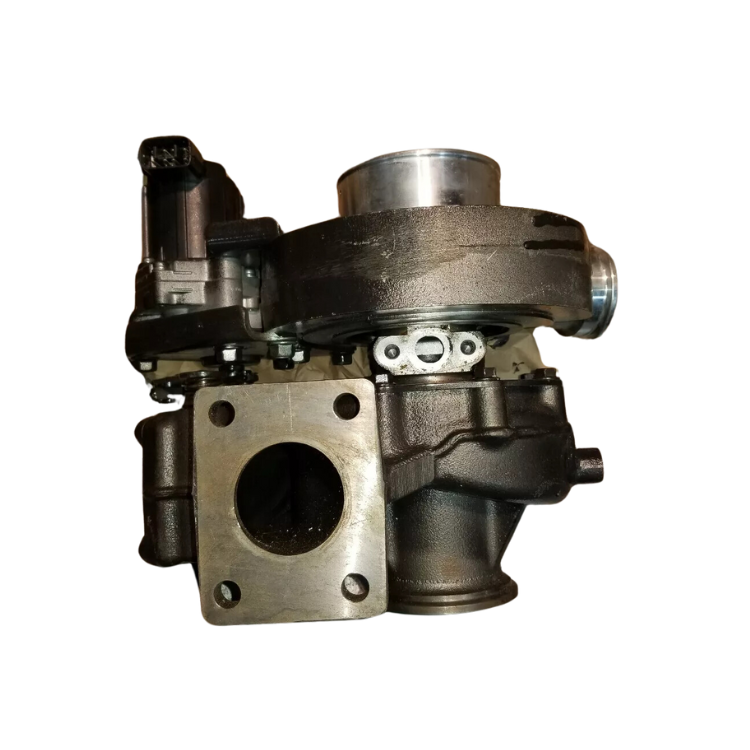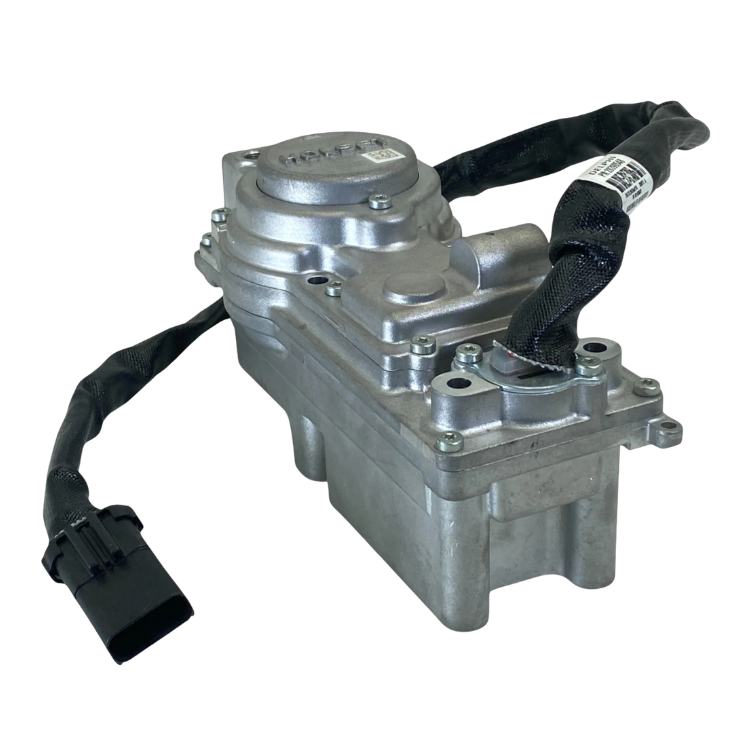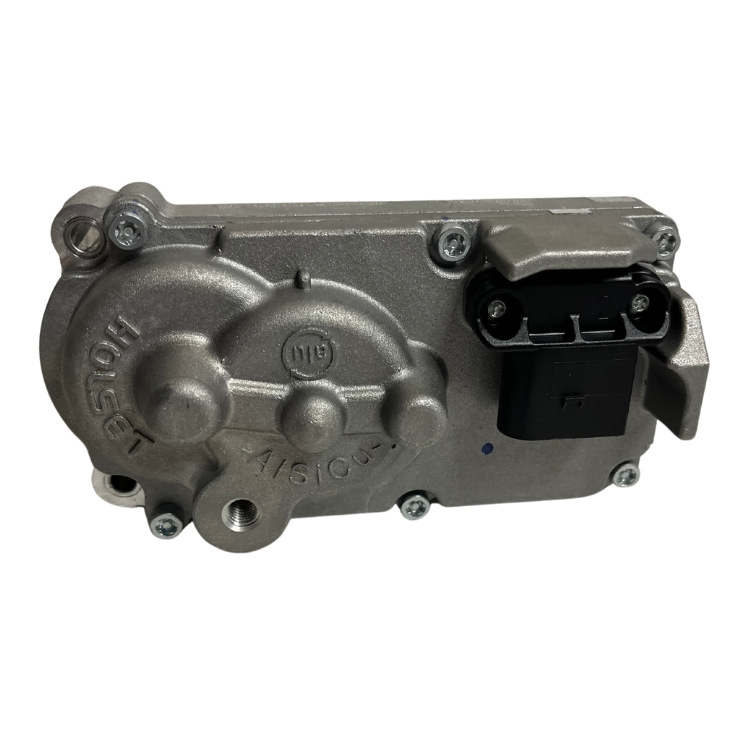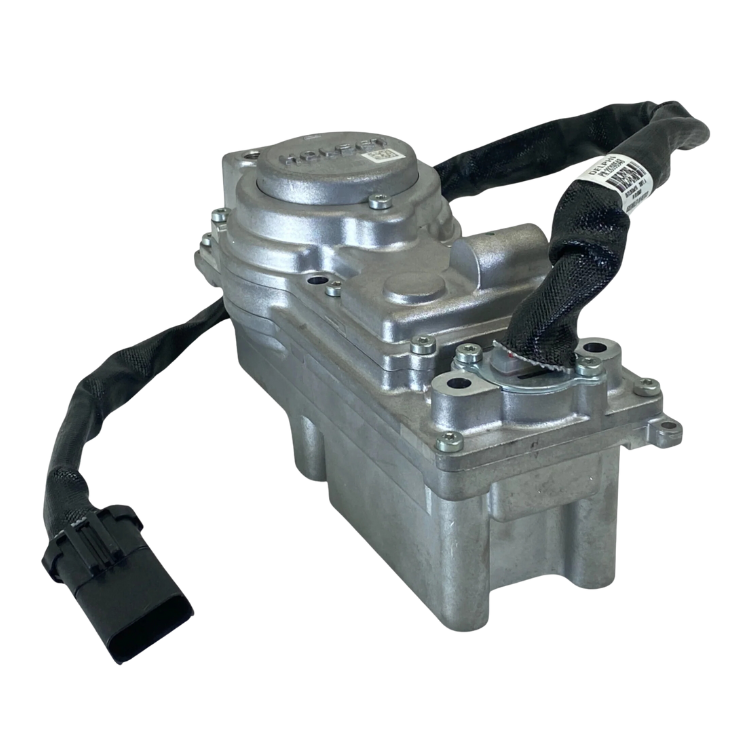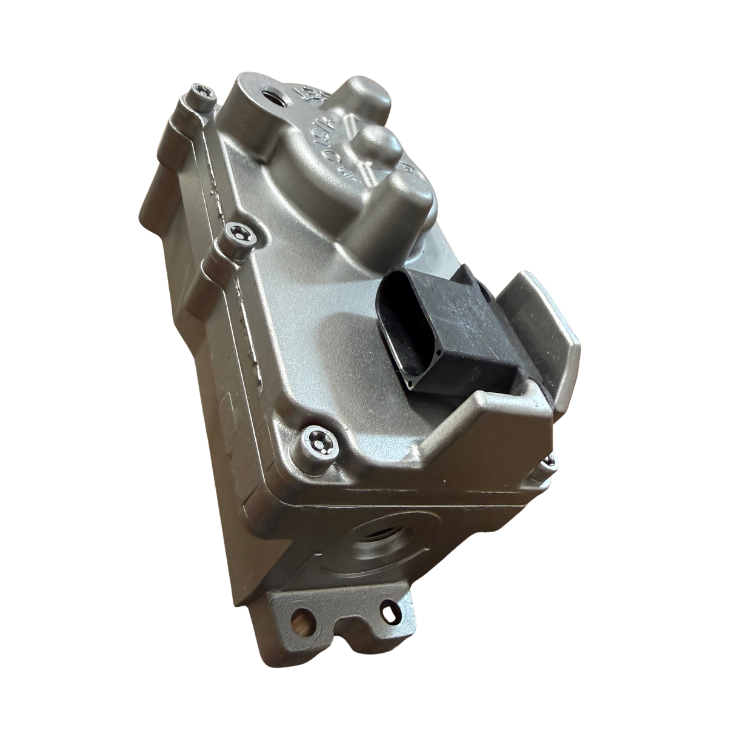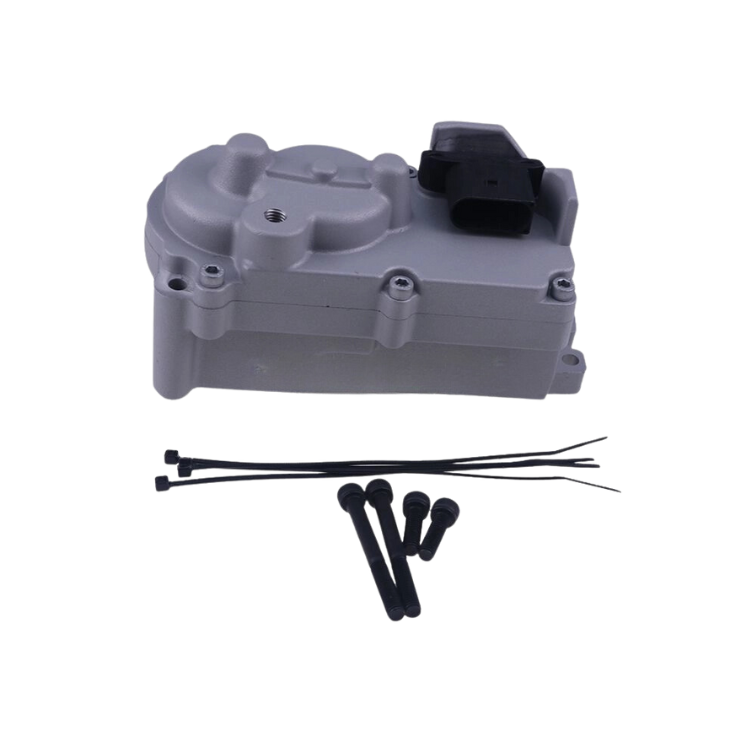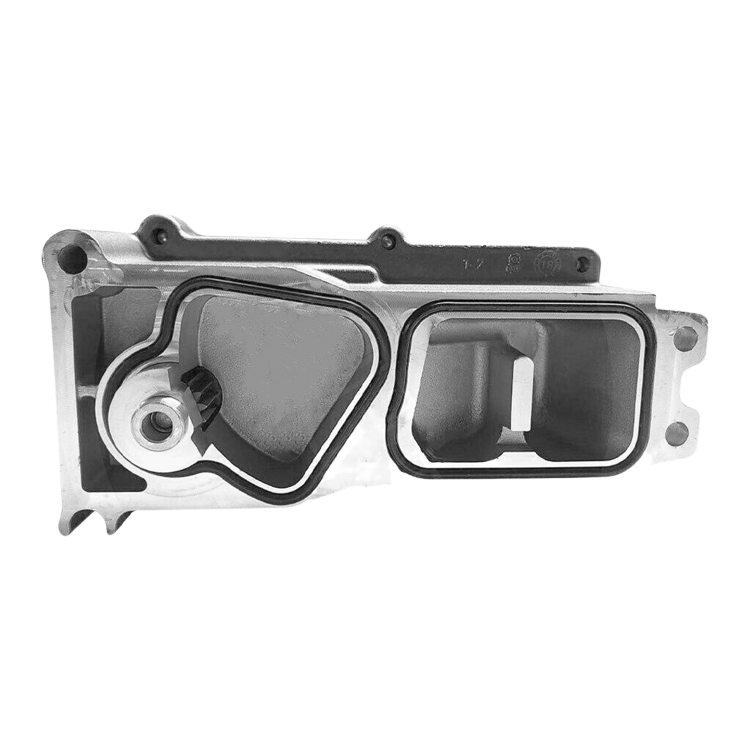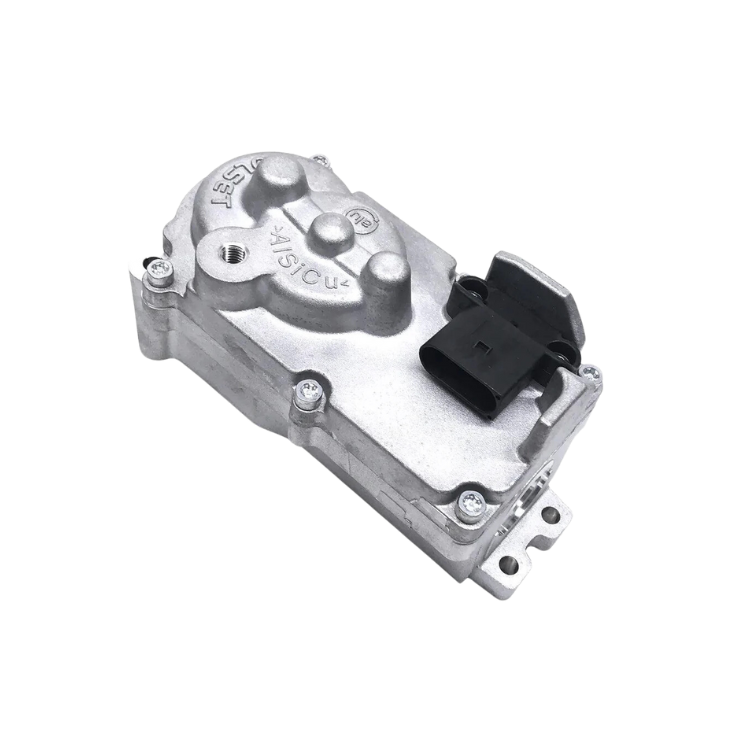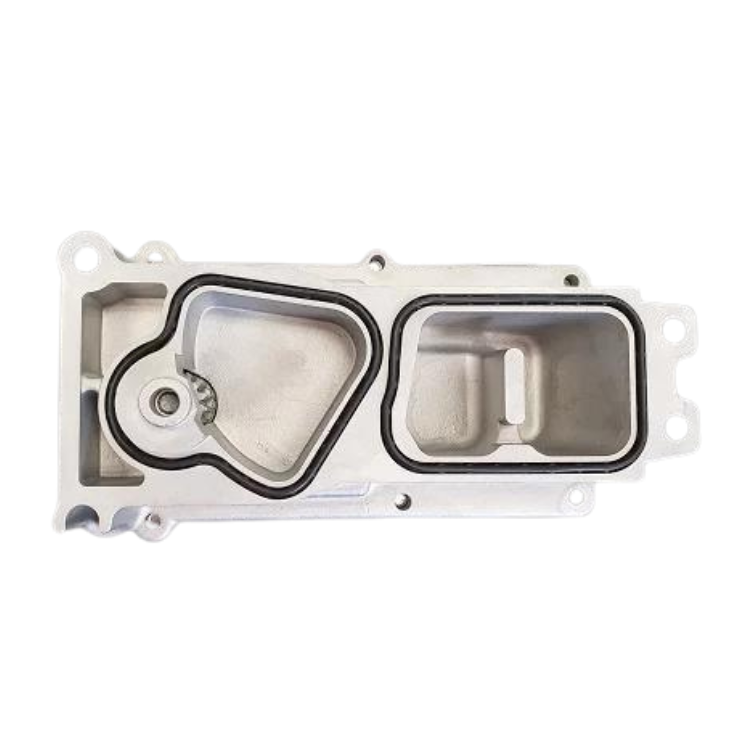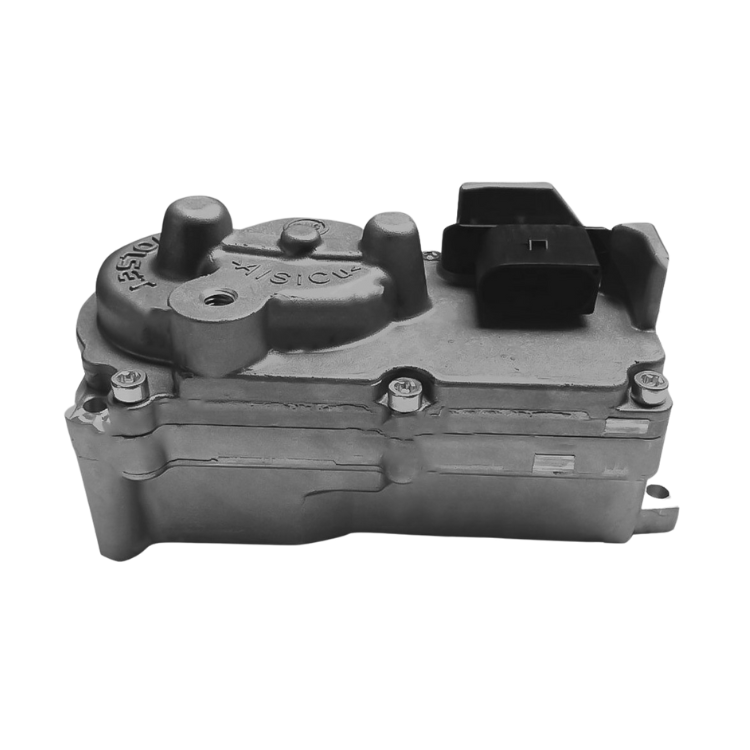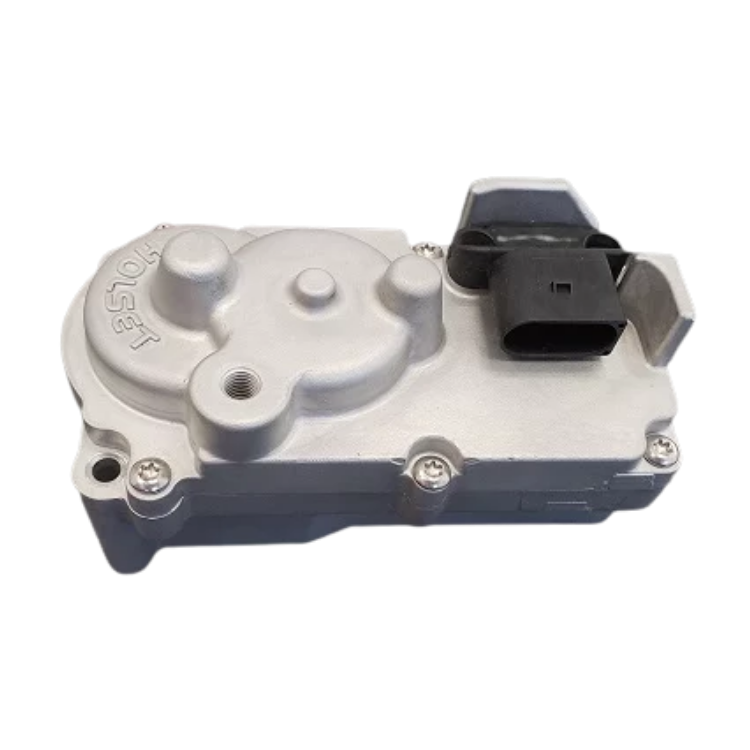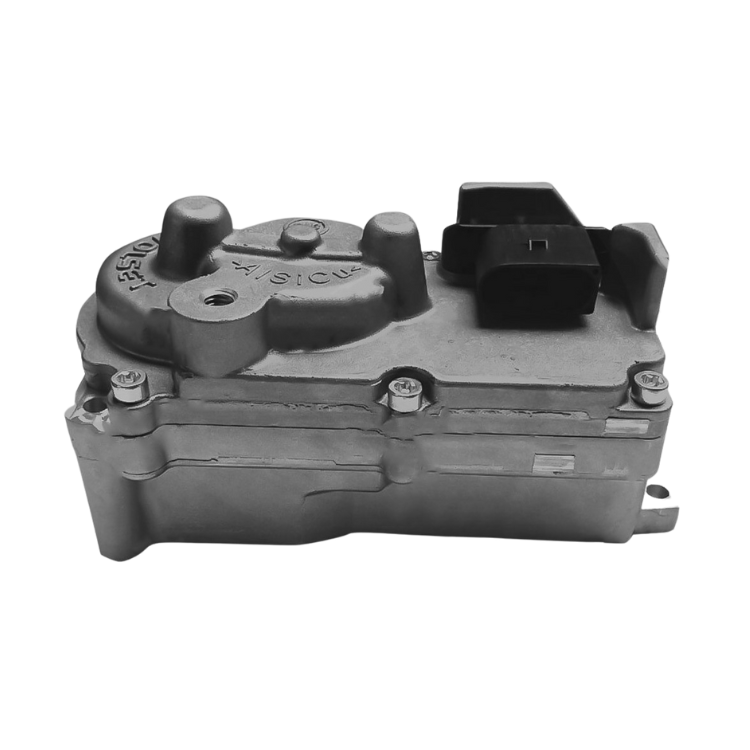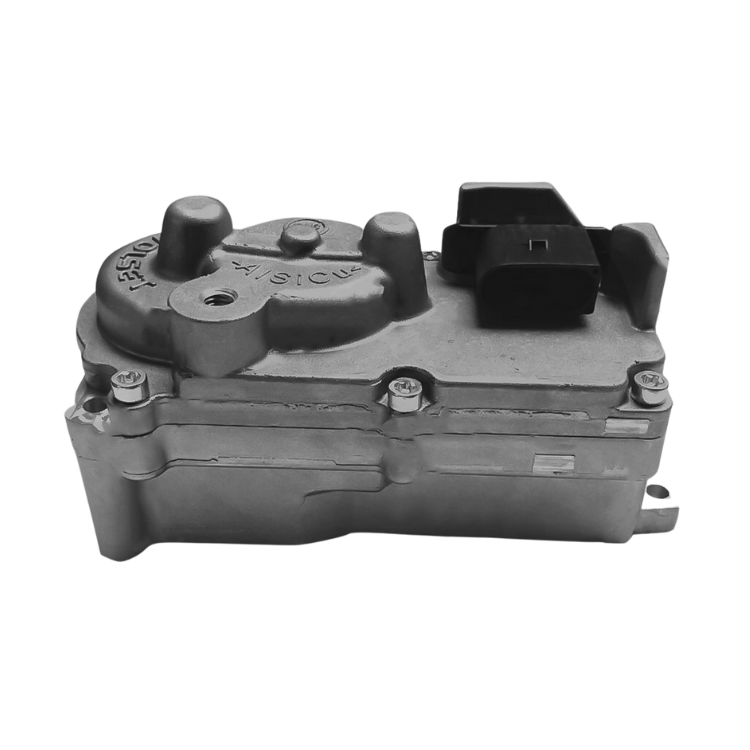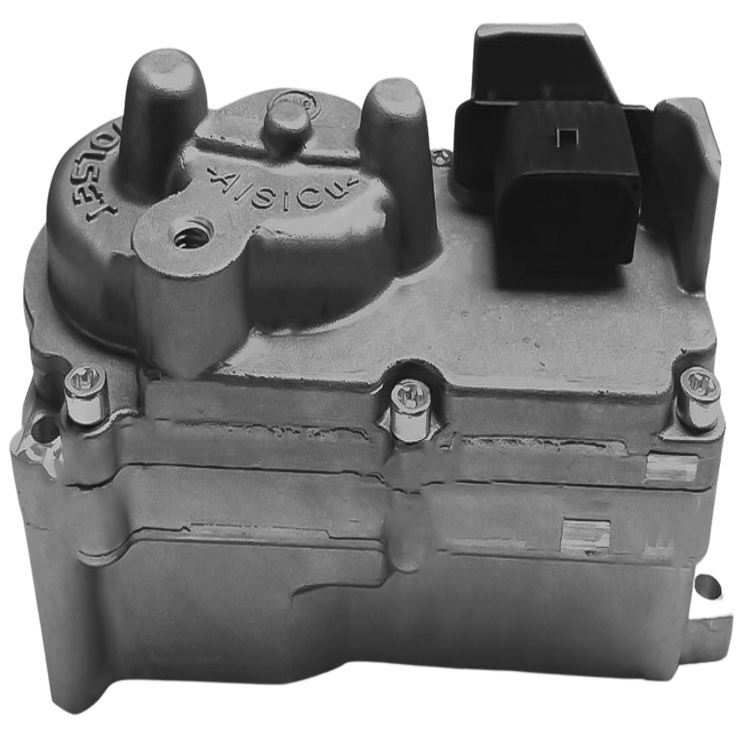




A turbo actuator plays an important role in controlling boost pressure by regulating the turbocharger’s internal components. Whether electronically or vacuum controlled, the actuator ensures the turbo operates within proper limits. When a turbo actuator fails, it can lead to reduced power, poor fuel efficiency, and fault codes. Understanding the common causes of turbo actuator failure can help prevent unexpected downtime.
-
Excessive heat is one of the most common causes. Turbochargers operate in high-temperature environments, and prolonged exposure can damage internal actuator components or electronics.
-
Carbon buildup and soot accumulation can restrict movement inside the turbo mechanism. When the actuator cannot move the vanes or wastegate freely, it may become stuck or overworked.
-
Electrical issues such as damaged wiring, corroded connectors, or failed internal motors can prevent electronic actuators from responding correctly.
-
Moisture intrusion can affect both electronic and vacuum-style actuators. Water contamination may lead to corrosion or internal component failure.
-
Lack of regular maintenance, including delayed oil changes, can contribute to turbo-related wear that places added strain on the actuator.
-
Overboost or underboost conditions caused by sensor problems may force the actuator to constantly compensate, leading to premature wear.
Turbo actuator failure can impact overall engine performance and trigger warning lights. Addressing boost-related issues early, maintaining proper service intervals, and ensuring clean oil and air systems can help extend the life of both the turbocharger and its actuator.