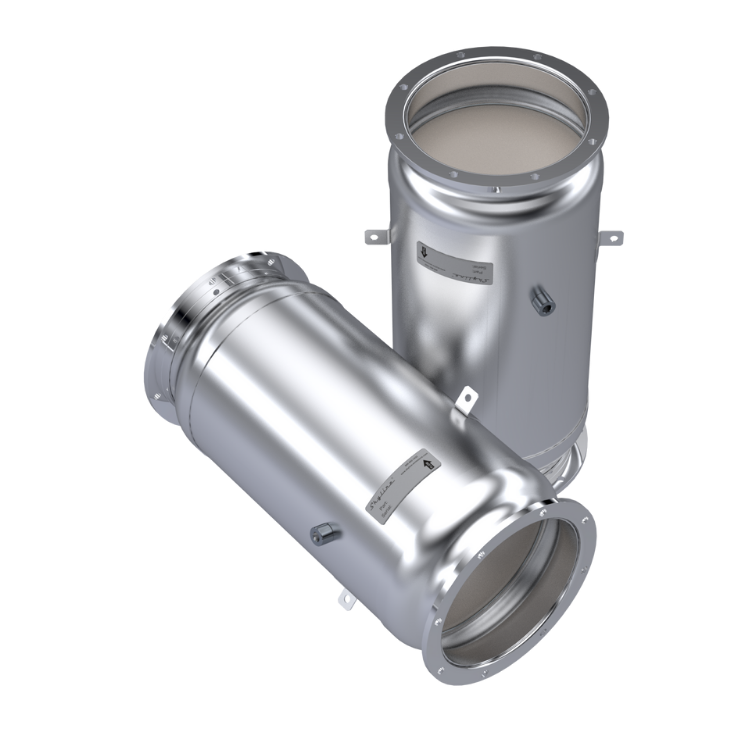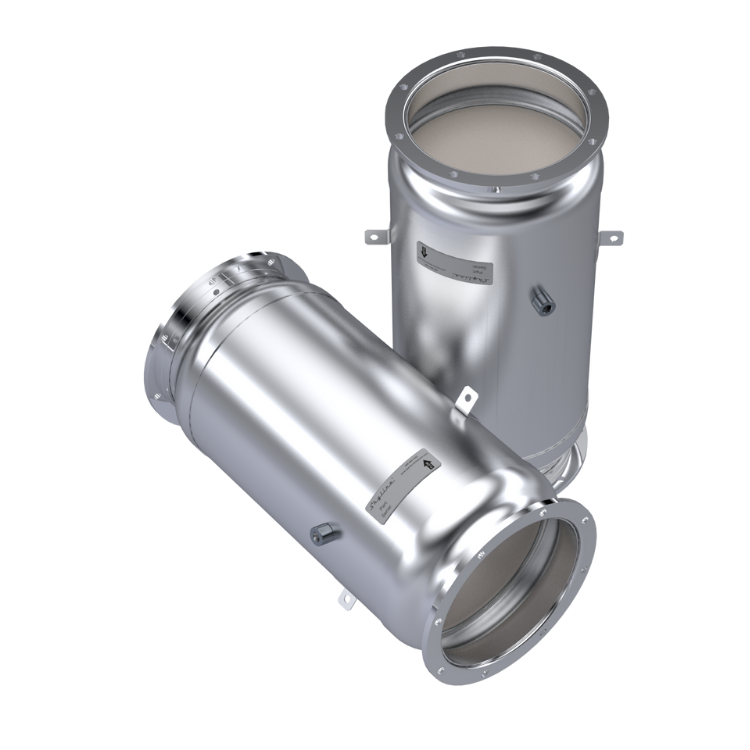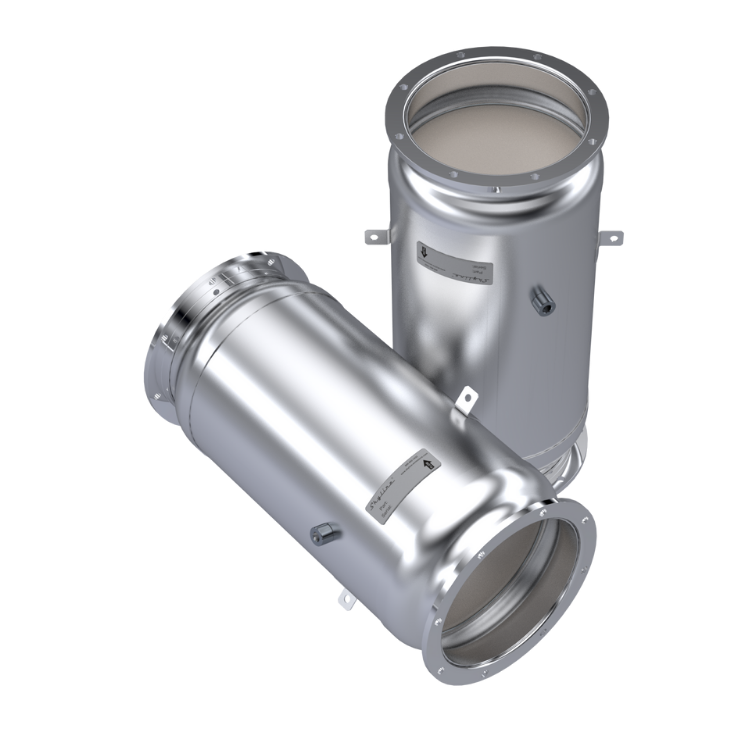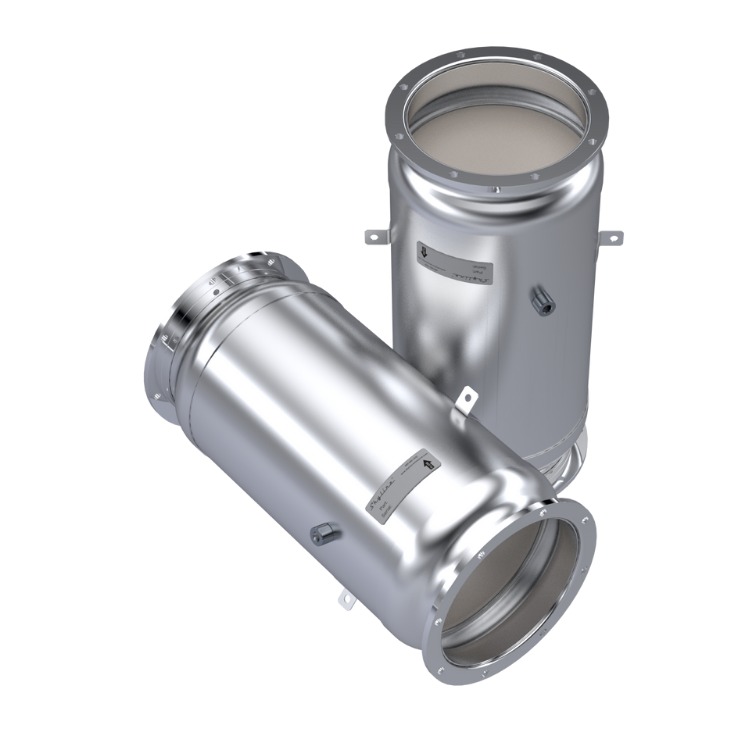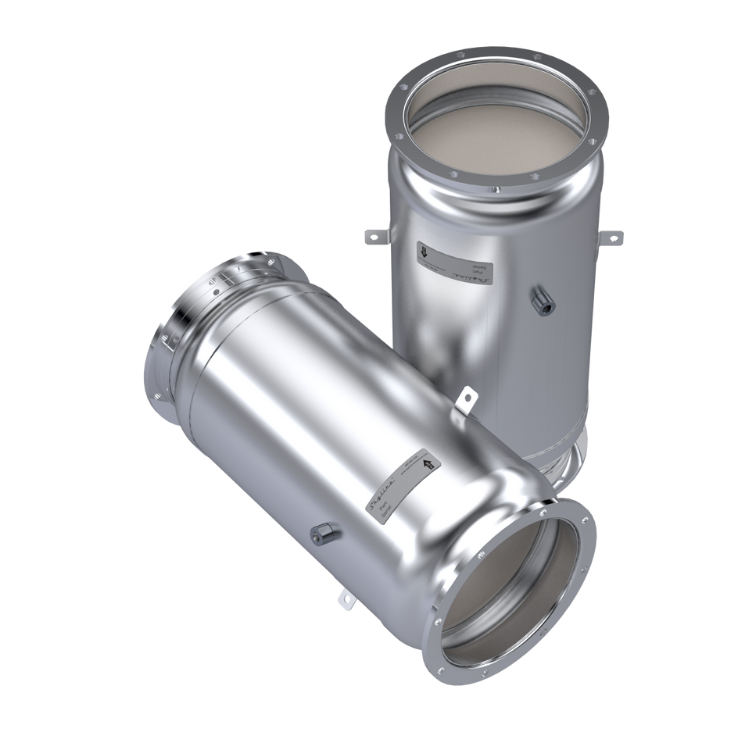




The Diesel Oxidation Catalyst (DOC) and Diesel Particulate Filter (DPF) work together to reduce harmful emissions and maintain proper exhaust flow. While both components are designed for long-term durability, certain engine conditions and maintenance issues can lead to contamination, restriction, or premature failure. Identifying the root causes early helps prevent costly repairs and downtime.
-
Excessive soot production: Faulty injectors, poor combustion, or air intake issues can overload the DPF.
-
Incomplete regeneration cycles: Frequent short trips or extended idling prevent proper soot burn-off.
-
Oil consumption problems: Burning oil introduces ash that cannot be burned off during regeneration.
-
Use of incorrect engine oil: High-ash oil accelerates ash accumulation inside the DPF.
-
Poor fuel quality: Contaminated or low-grade fuel can contribute to deposits and catalyst contamination.
-
Upstream component failures: Turbocharger, EGR, or sensor issues can increase soot and exhaust residue.
-
Ignored warning lights: Delaying repairs allows minor restrictions to become severe blockages.
DOC and DPF failure or blockage is often caused by underlying engine or maintenance problems rather than the components themselves. Proactive care, proper oil and fuel selection, and early diagnostics help extend system life and maintain reliable emissions performance.