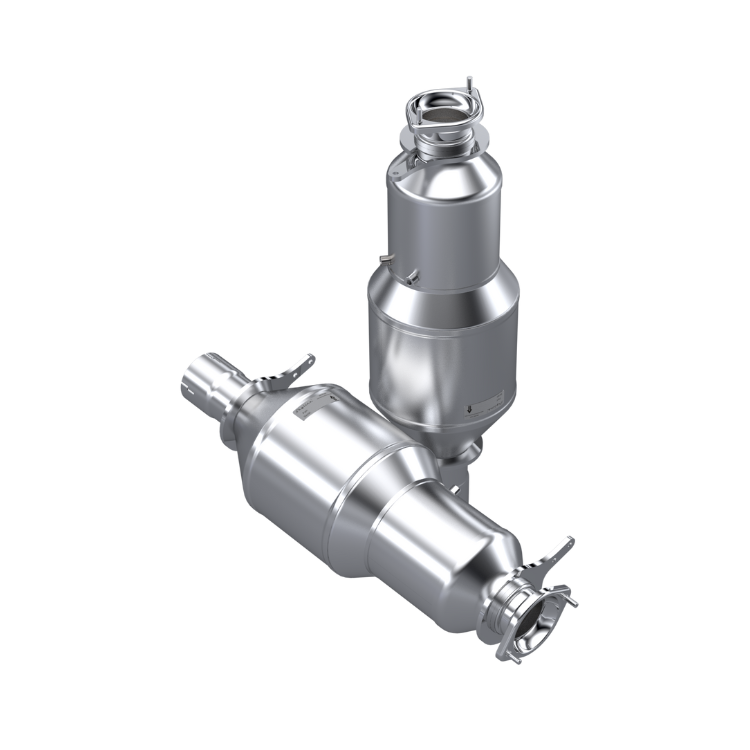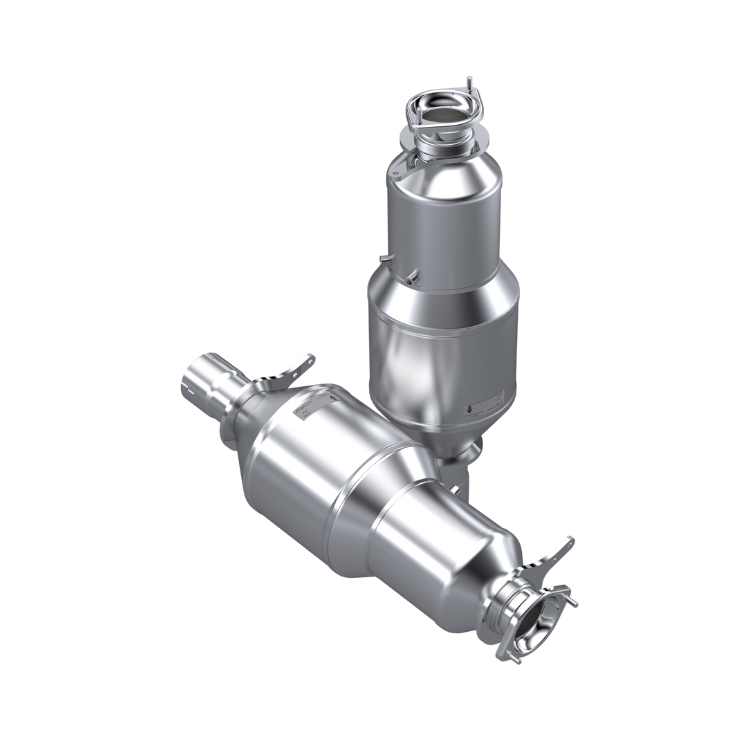




The Diesel Oxidation Catalyst (DOC) and Diesel Particulate Filter (DPF) are essential components of a modern diesel exhaust system. The DOC helps reduce harmful gases, while the DPF captures and burns off soot particles. When either component begins to fail or becomes restricted, the engine will often show clear warning signs. Identifying these symptoms early can help prevent costly repairs and extended downtime.
-
An illuminated check engine light or DPF warning light is one of the most common indicators. The system monitors exhaust pressure and temperature, and irregular readings can trigger fault codes.
-
Frequent or failed regeneration cycles may occur. If the DPF cannot properly burn off accumulated soot, the system may attempt repeated regens or display a regeneration failure message.
-
Reduced engine power or derate mode can happen when excessive backpressure builds up in the exhaust system. This limits performance to protect the engine and emissions components.
-
Increased fuel consumption may result from repeated regeneration attempts or restricted exhaust flow.
-
Excessive exhaust smoke or unusual exhaust odor can indicate that the DOC is not effectively oxidizing hydrocarbons or that the DPF is overloaded with soot.
-
Higher exhaust temperatures or abnormal pressure readings may signal a clogged or damaged filter.
If you notice any of these symptoms, prompt diagnosis is important. Addressing DOC or DPF issues early helps maintain proper exhaust flow, ensure emissions compliance, and prevent more serious damage to the diesel engine and aftertreatment system.