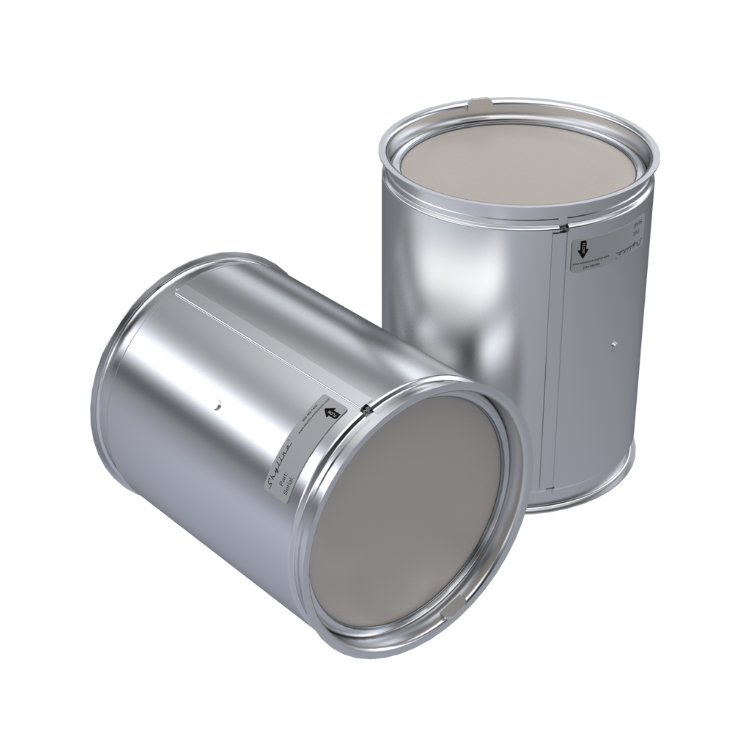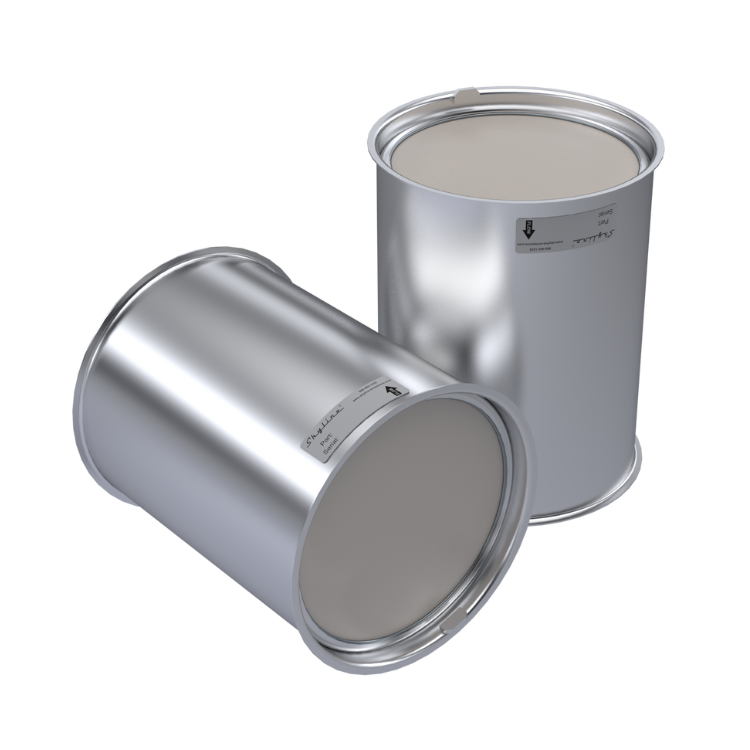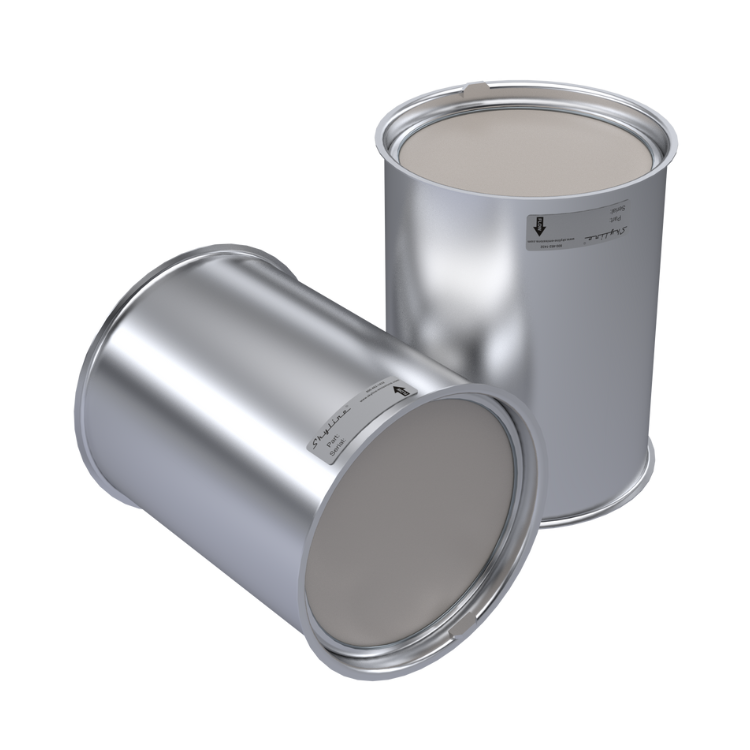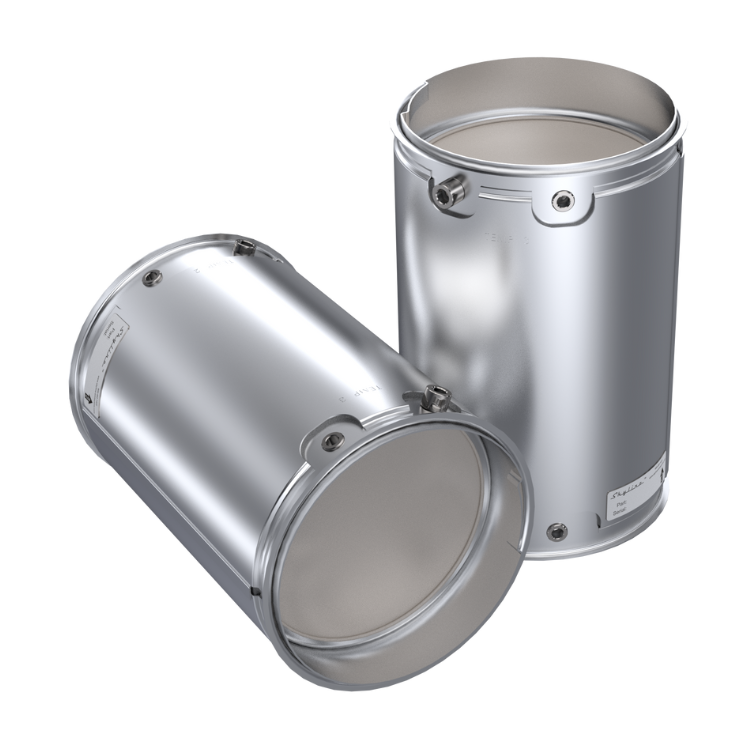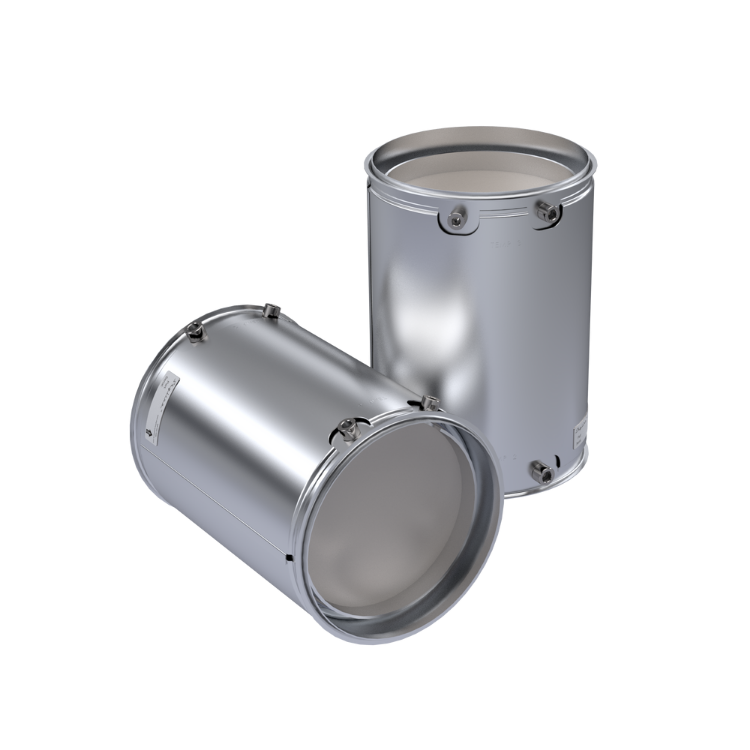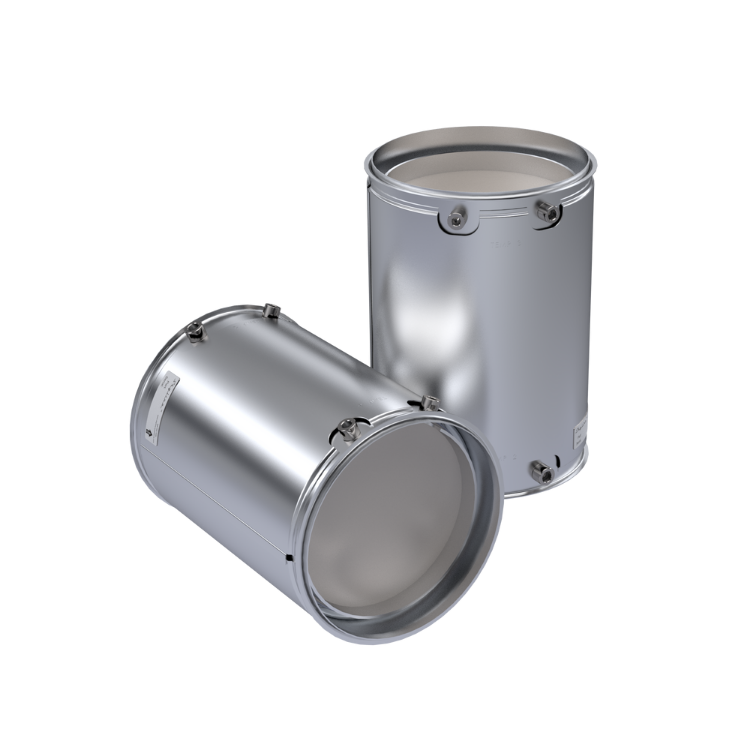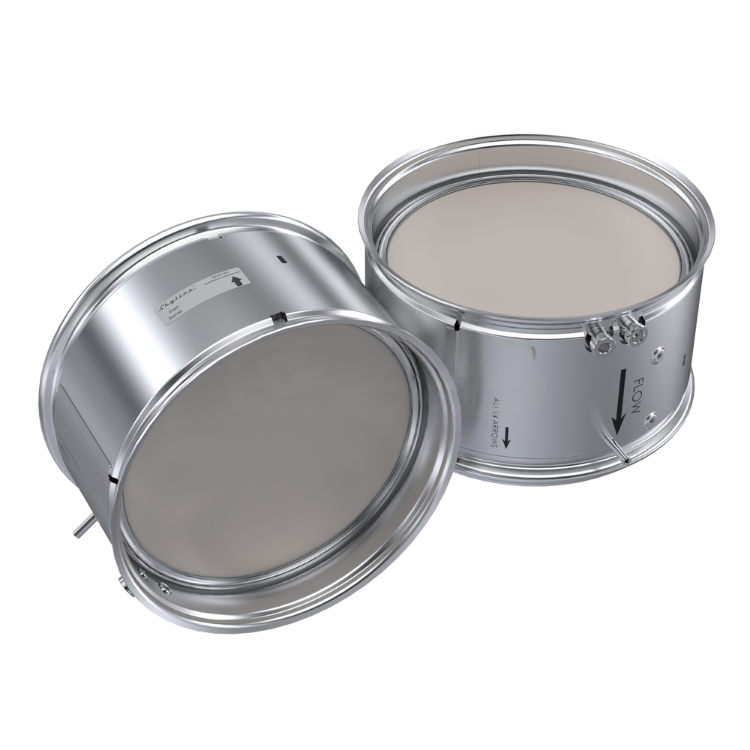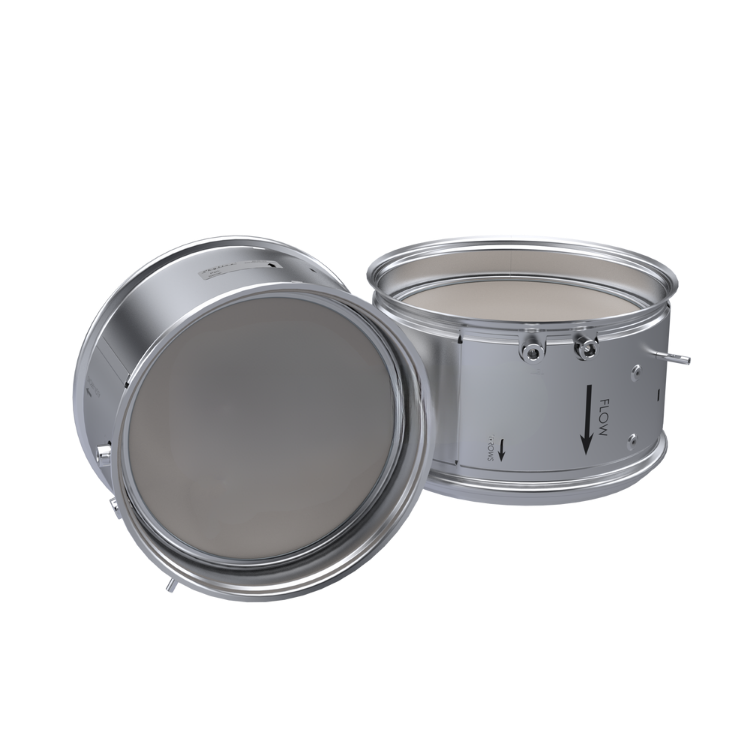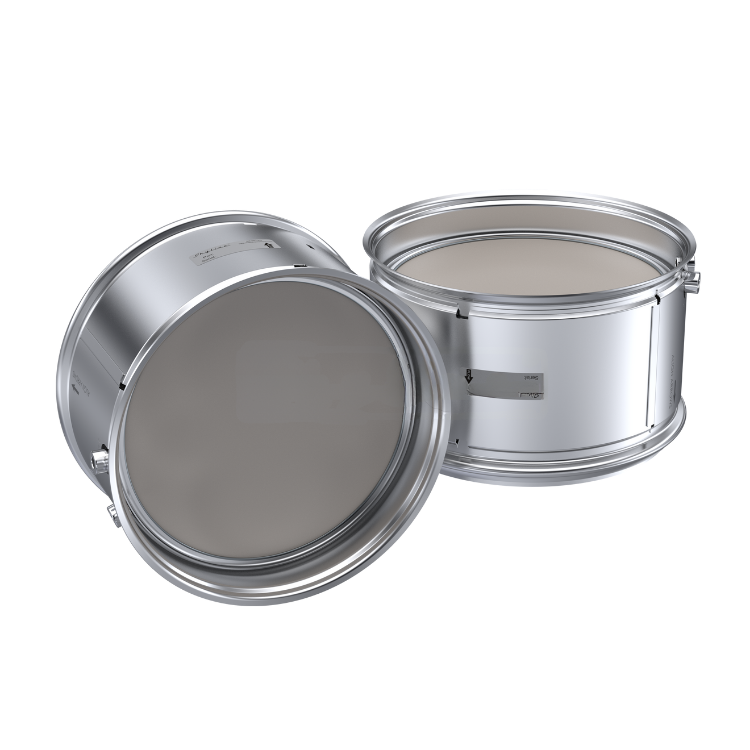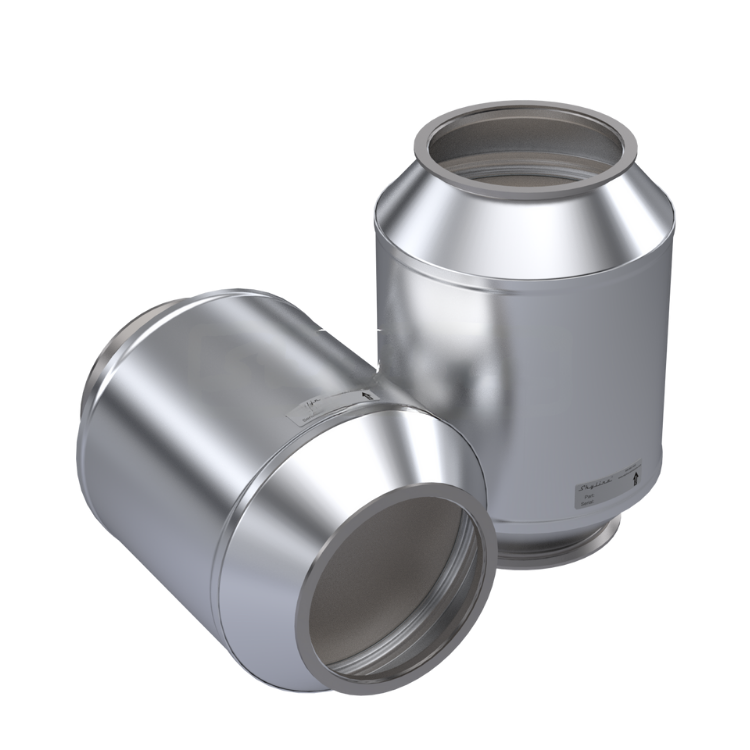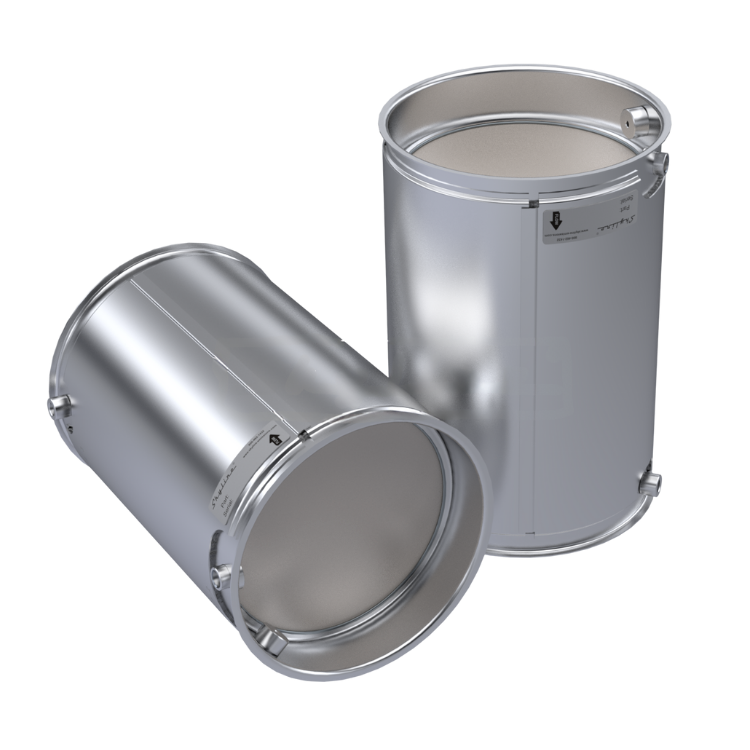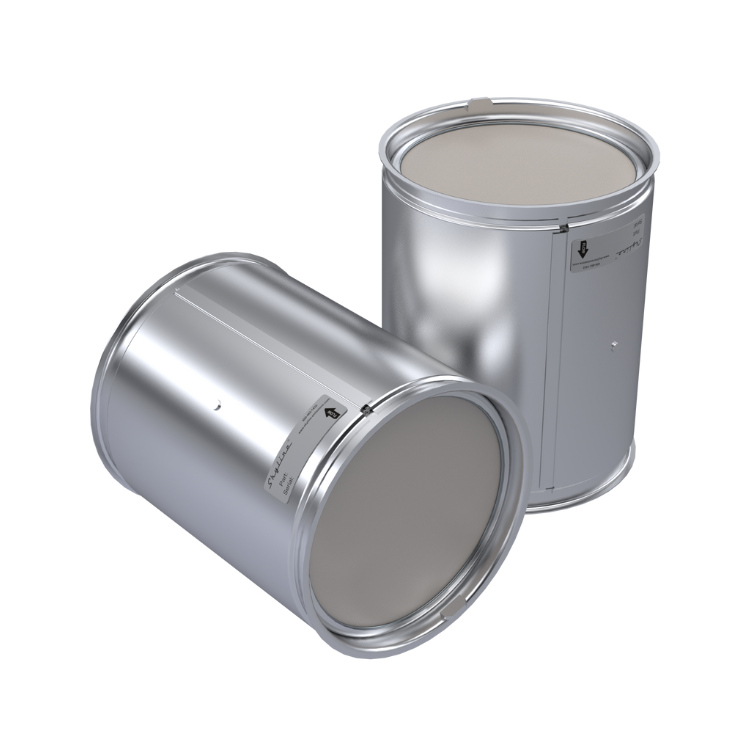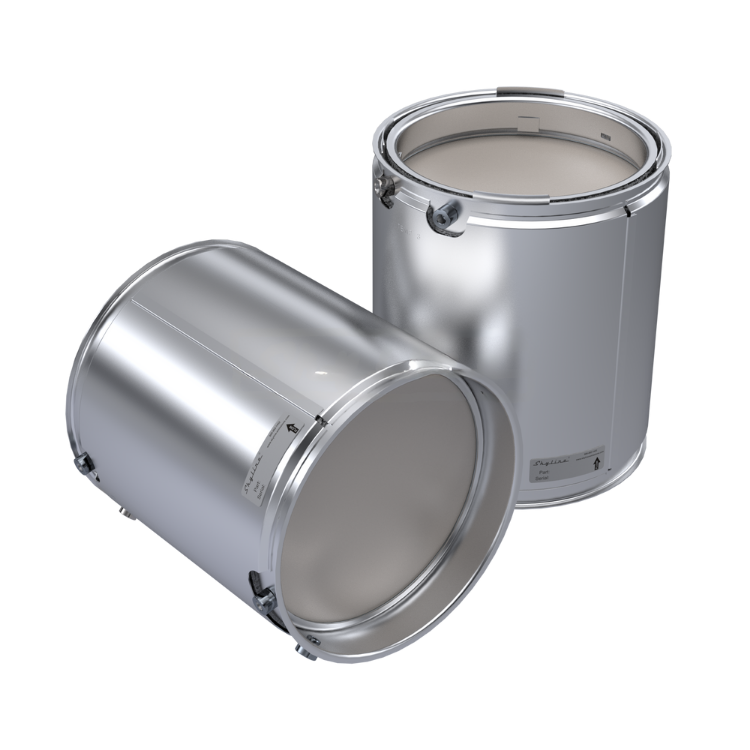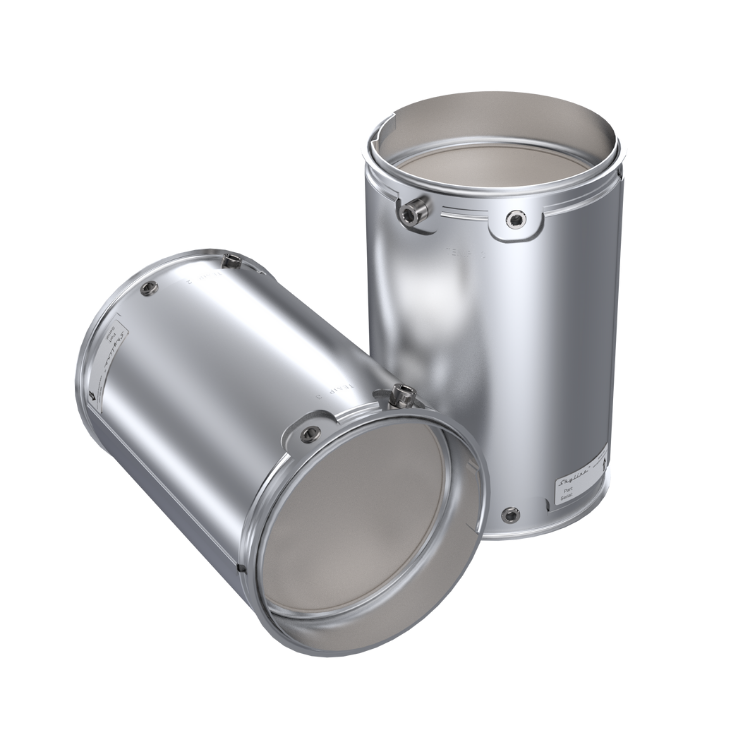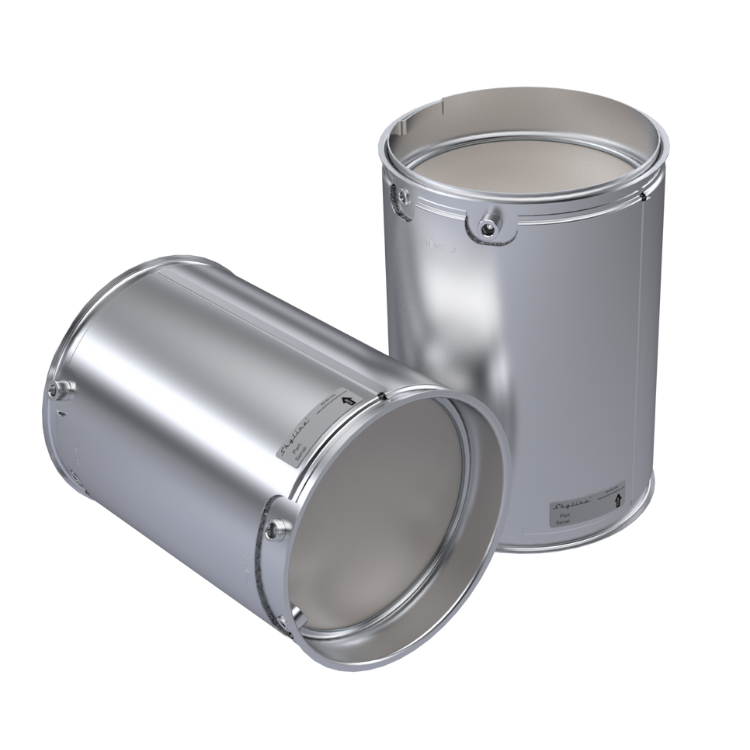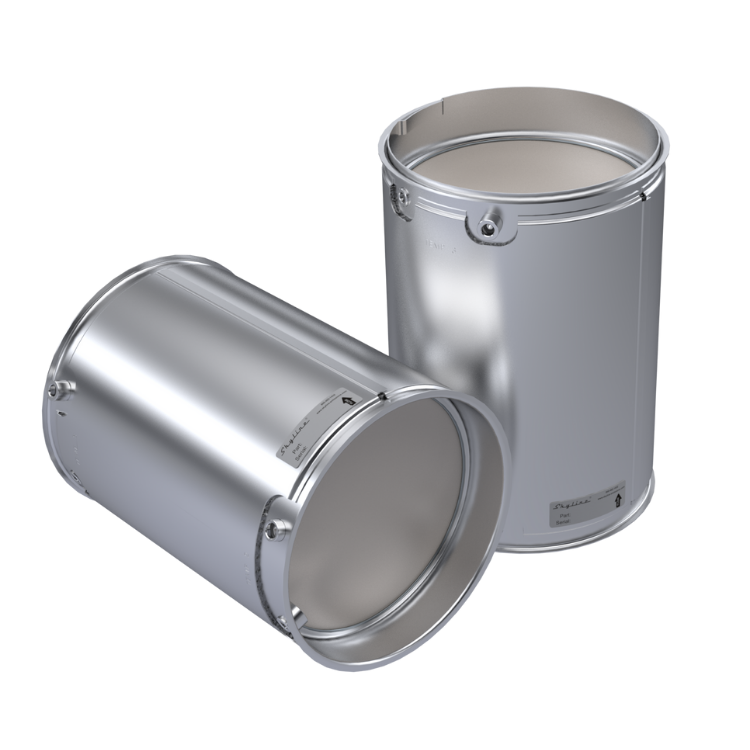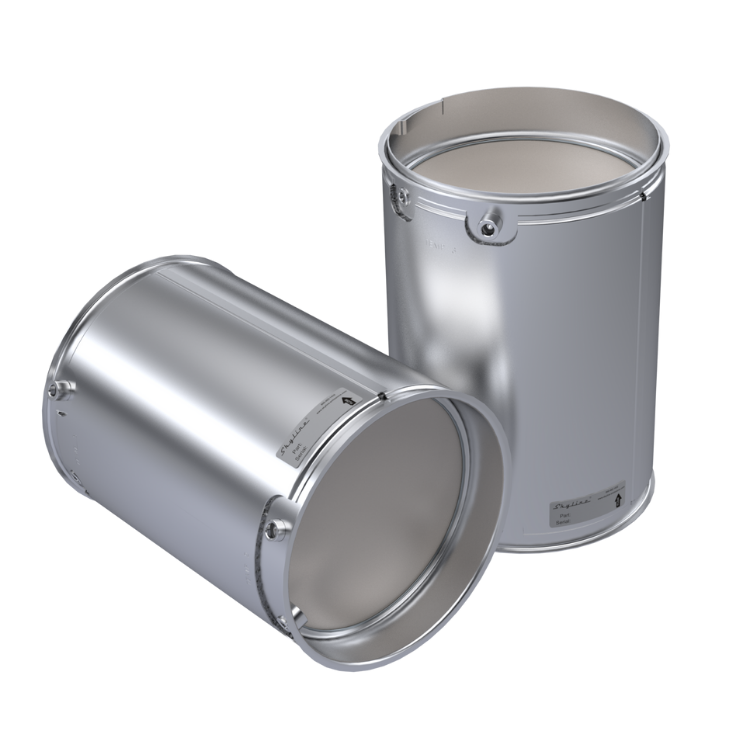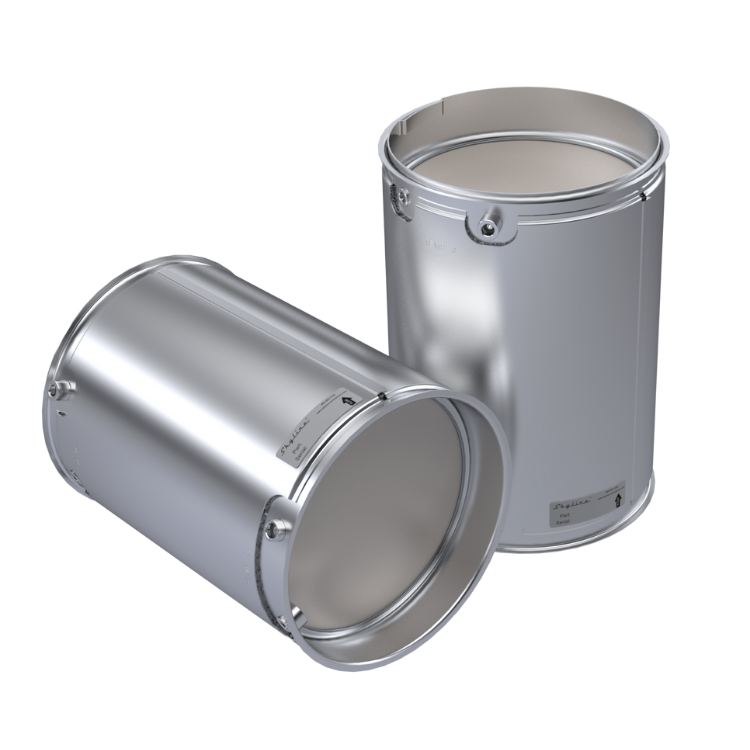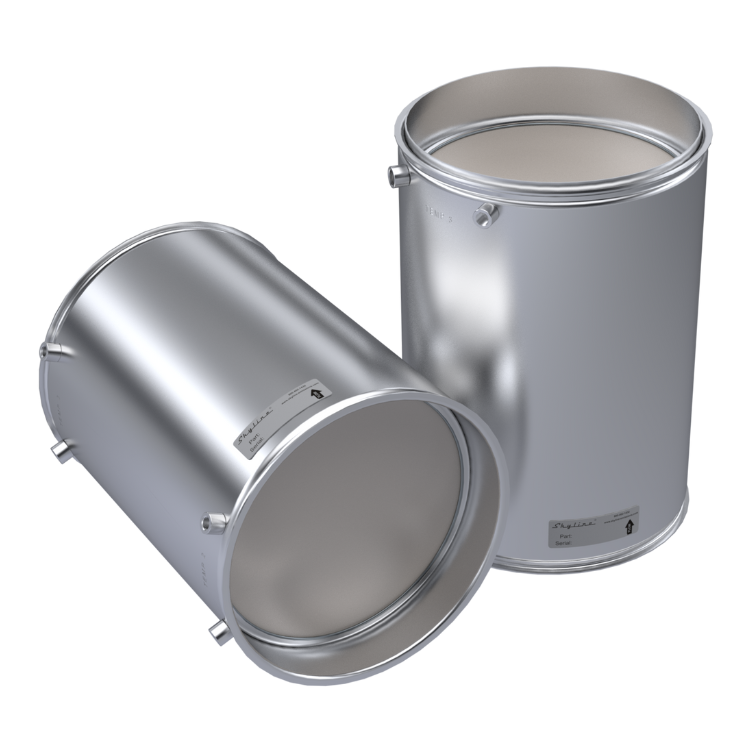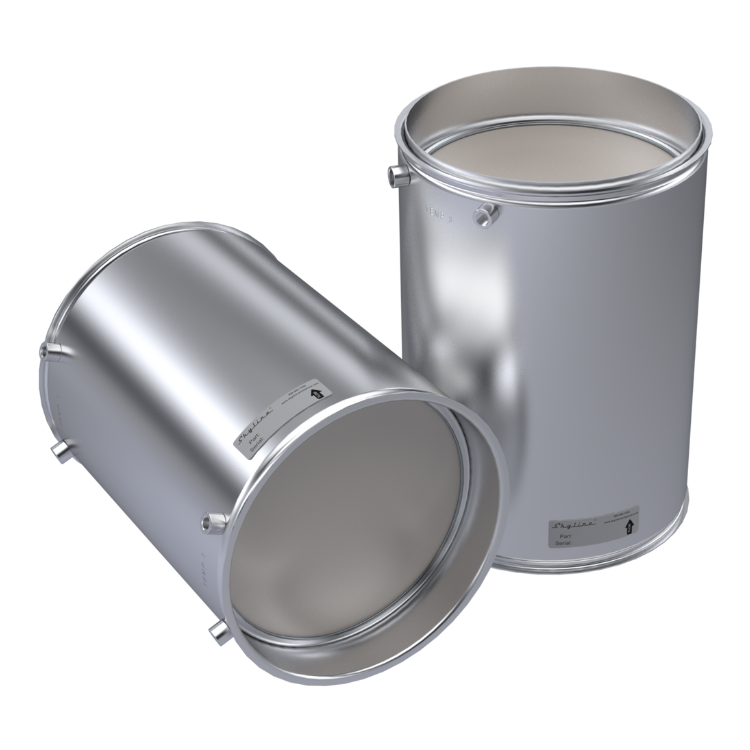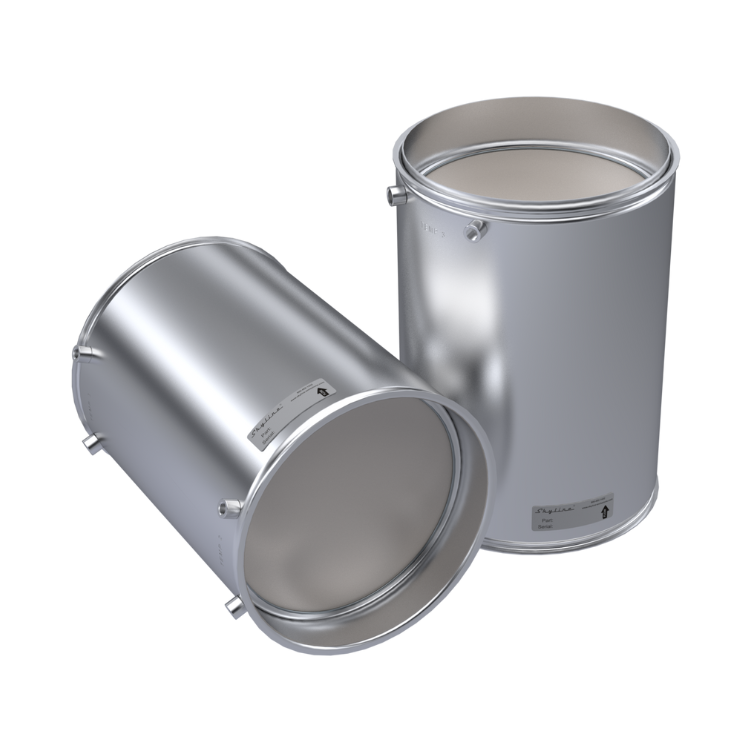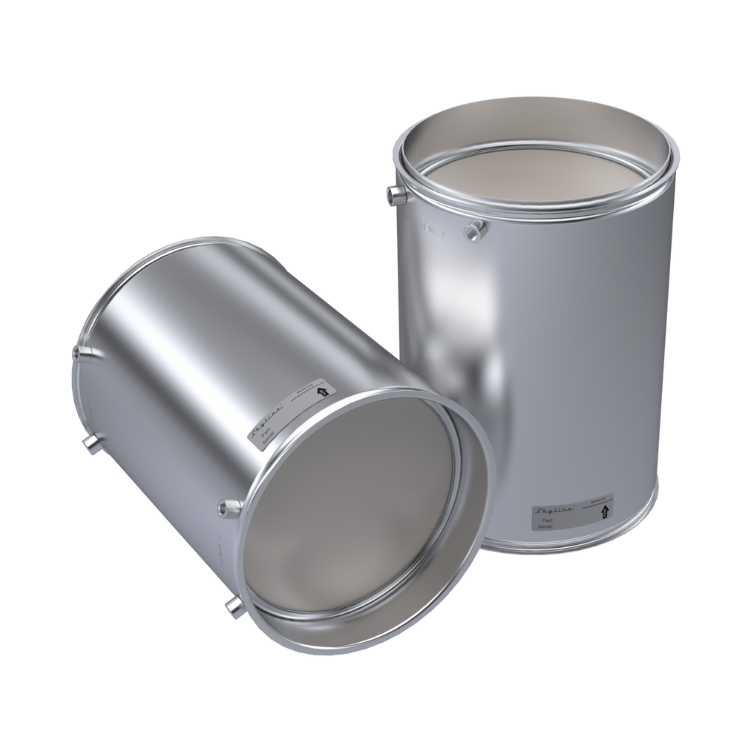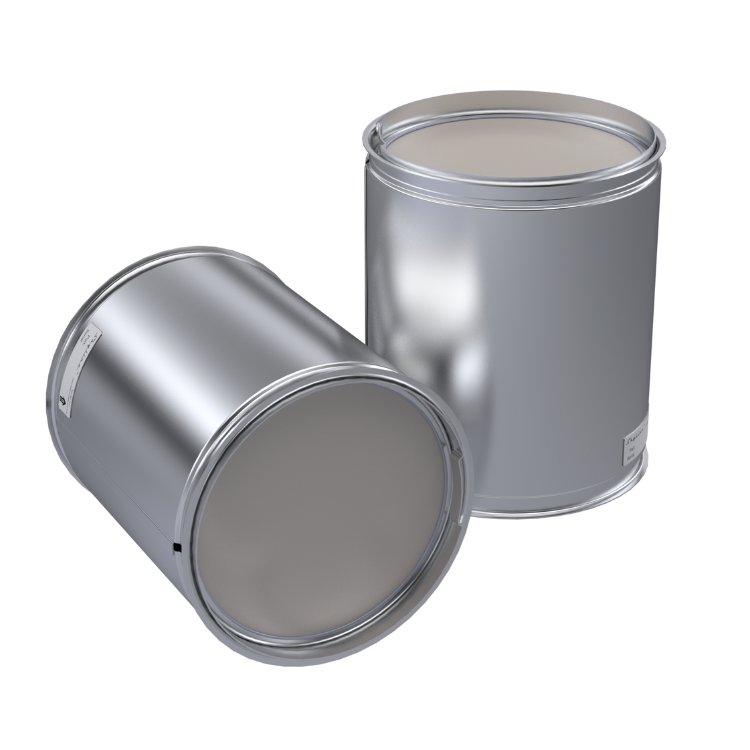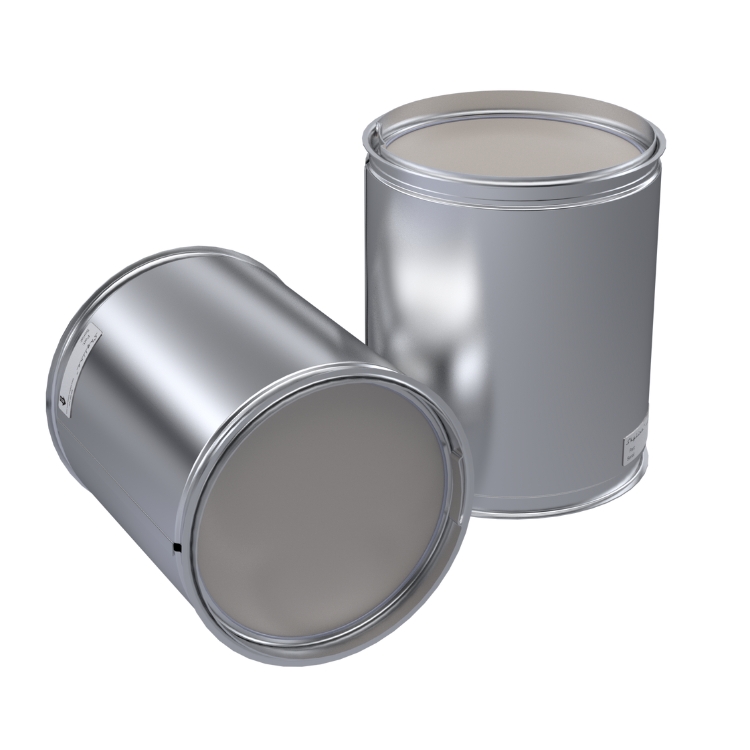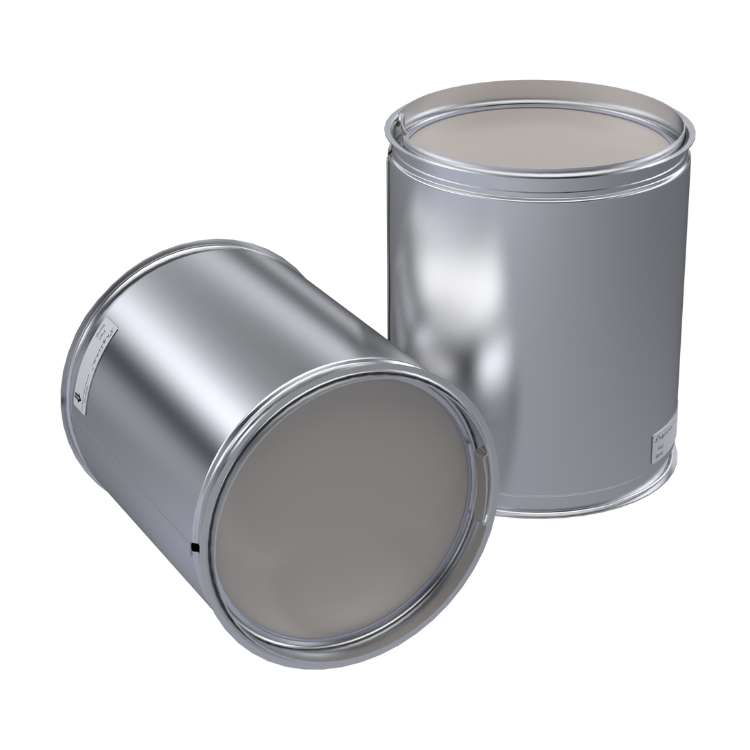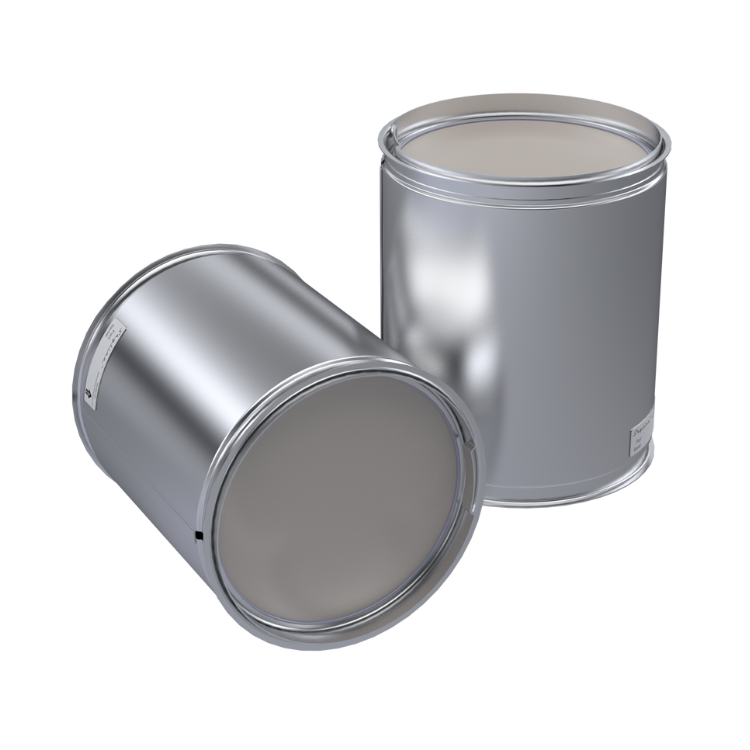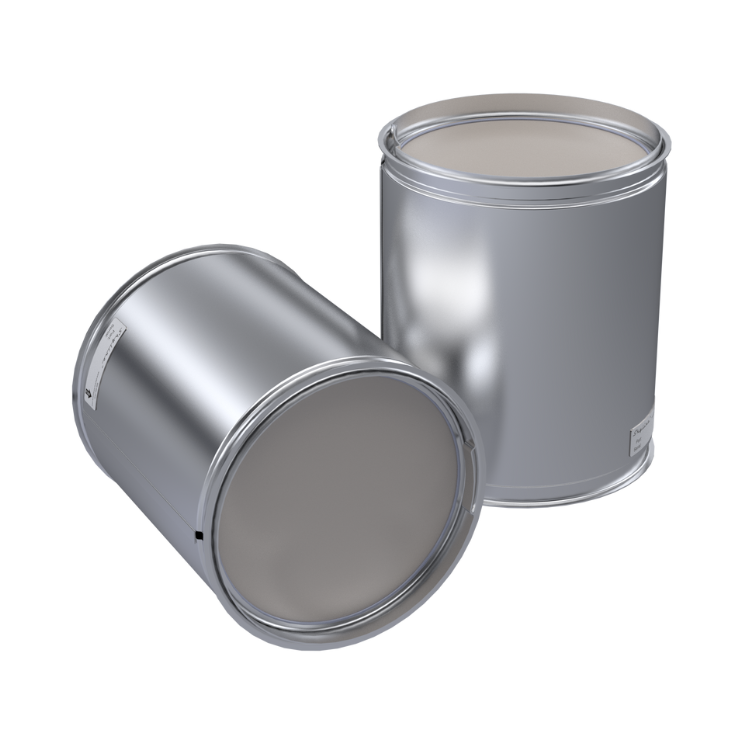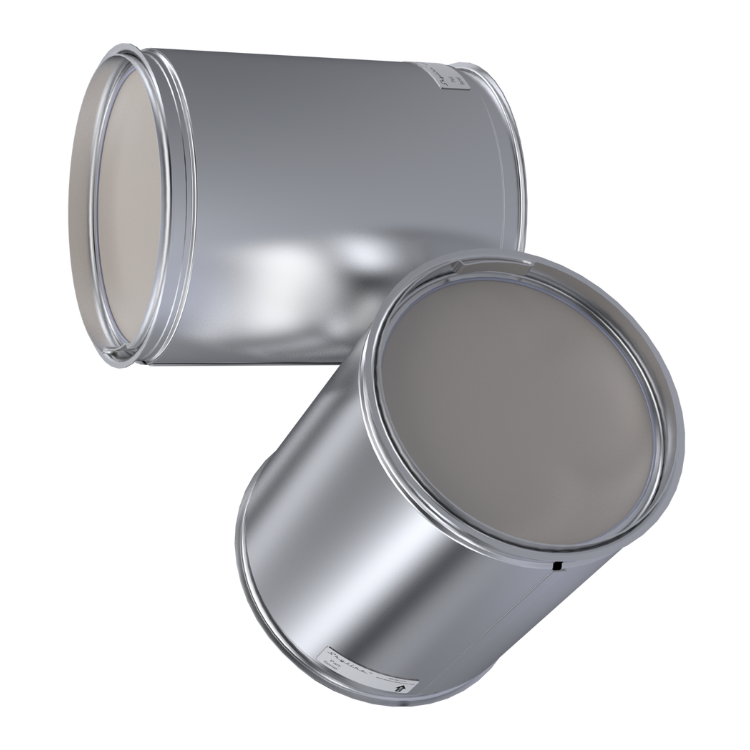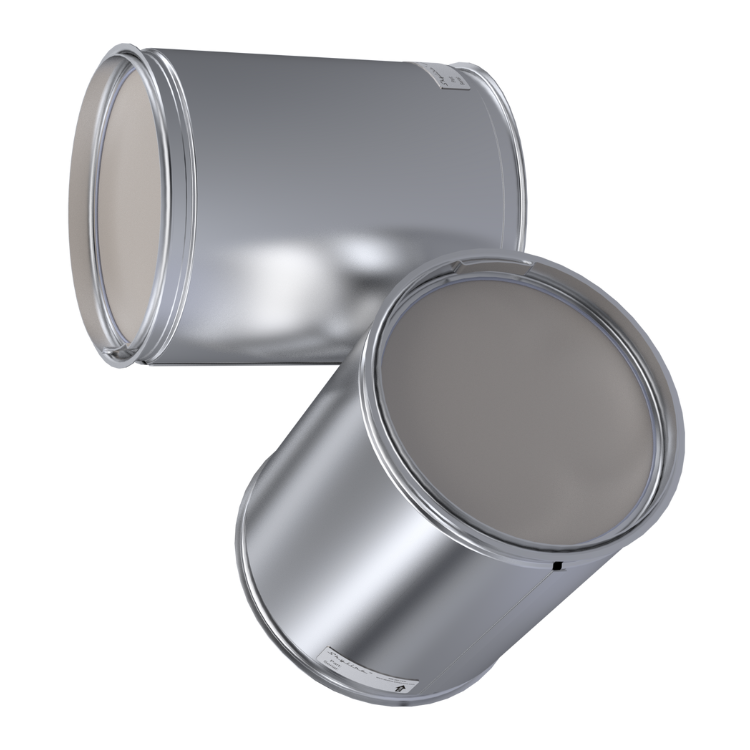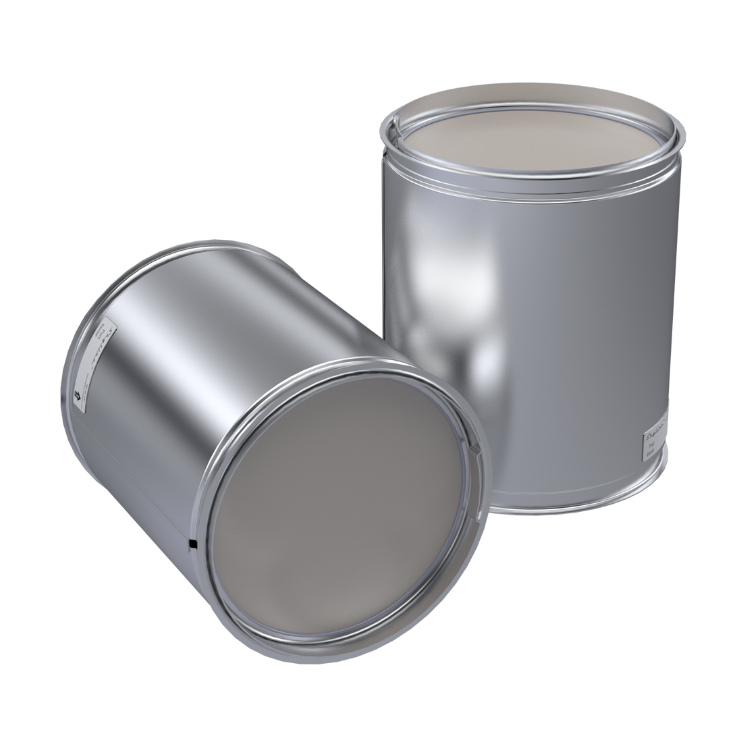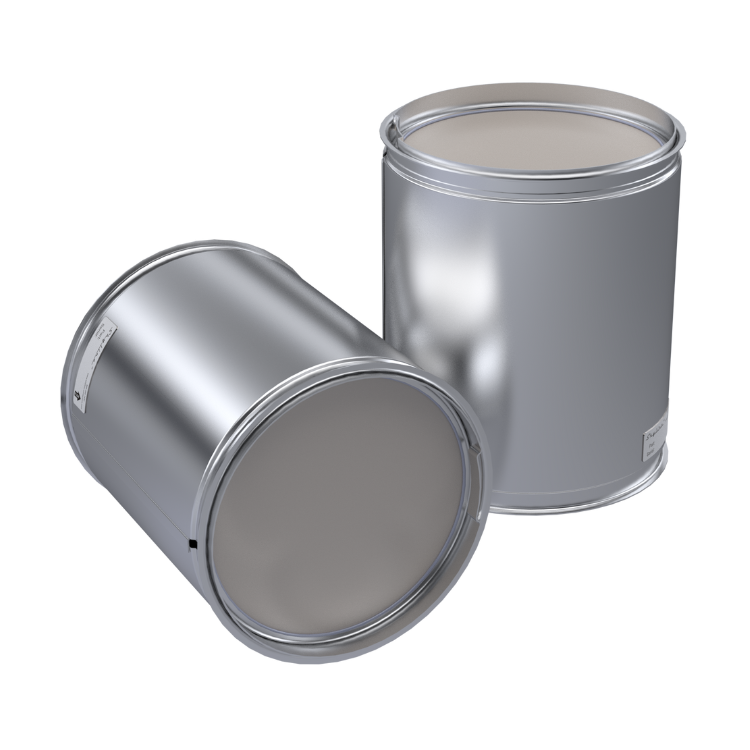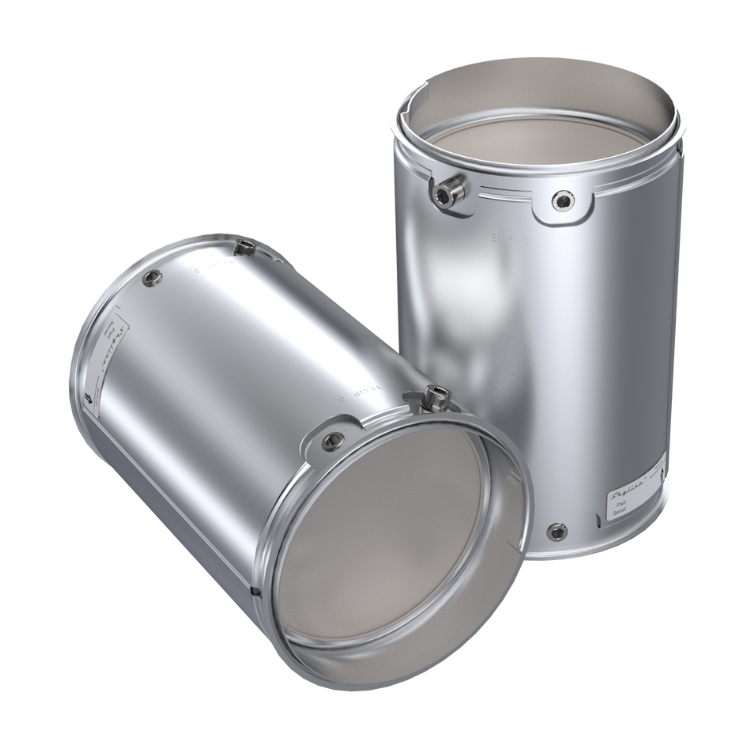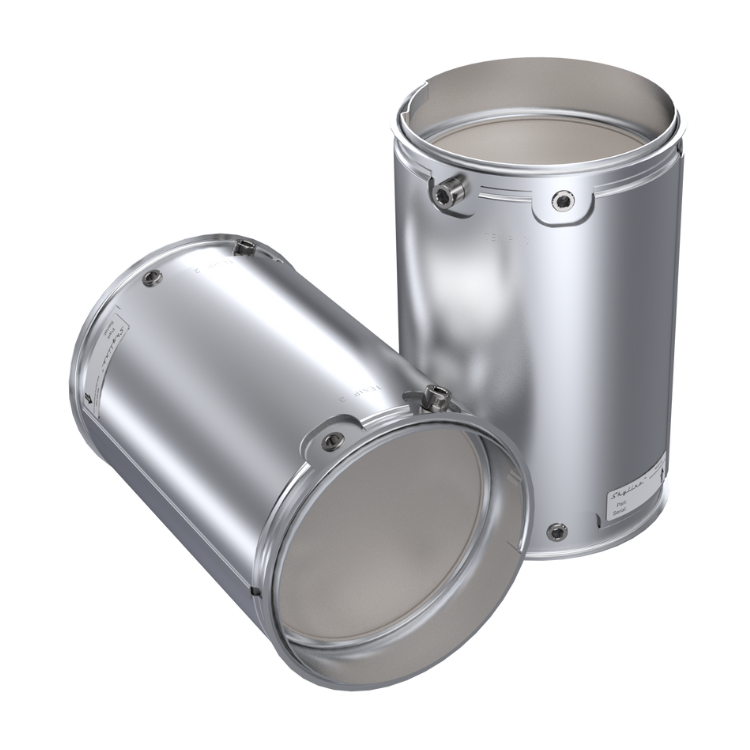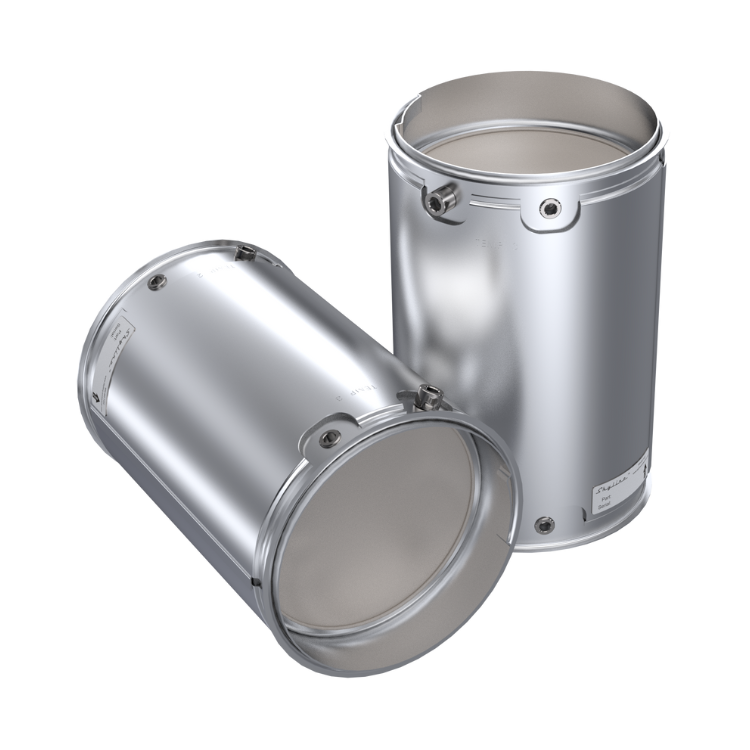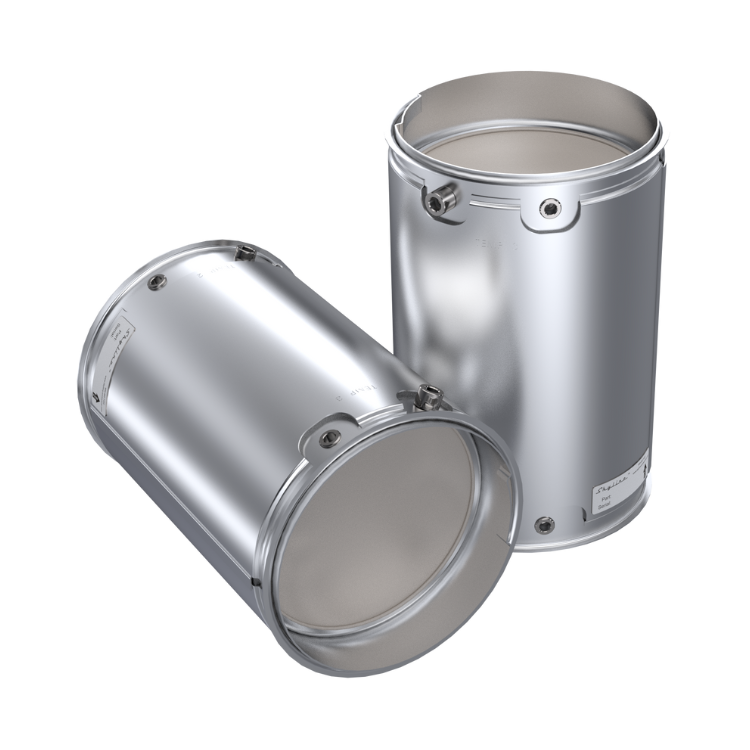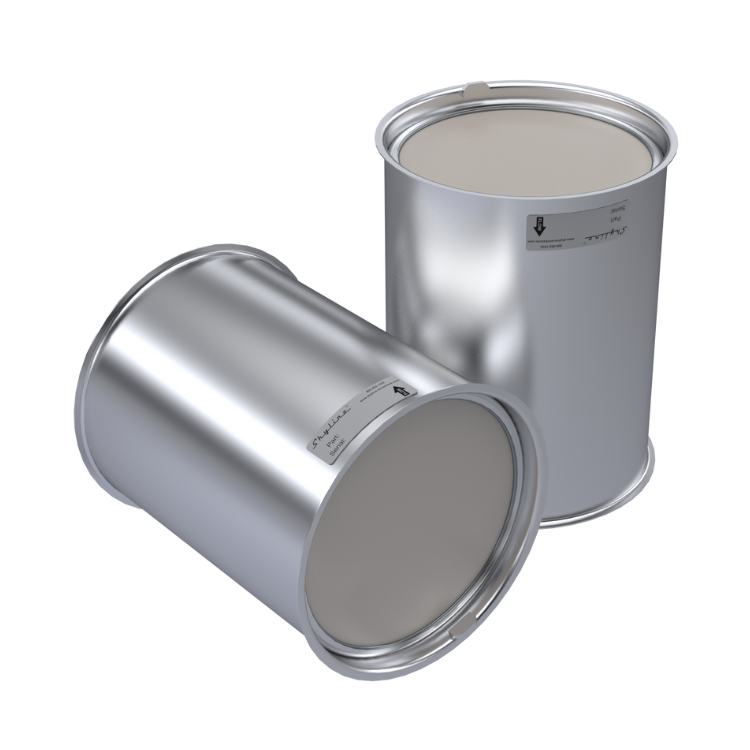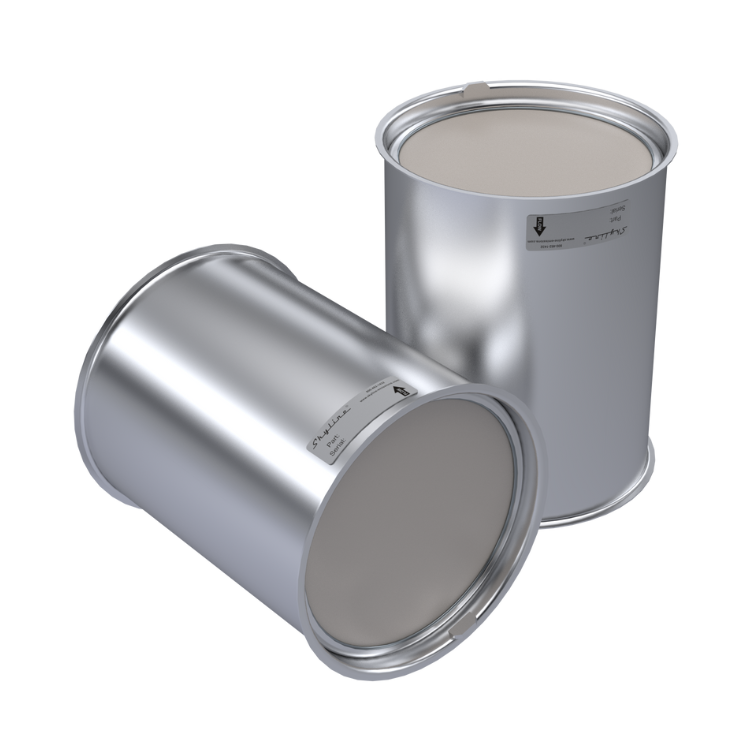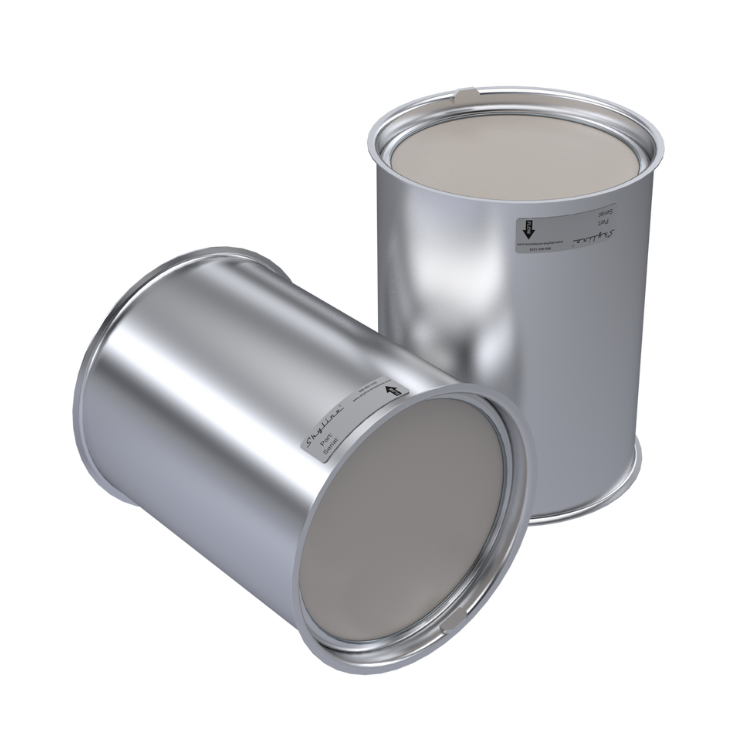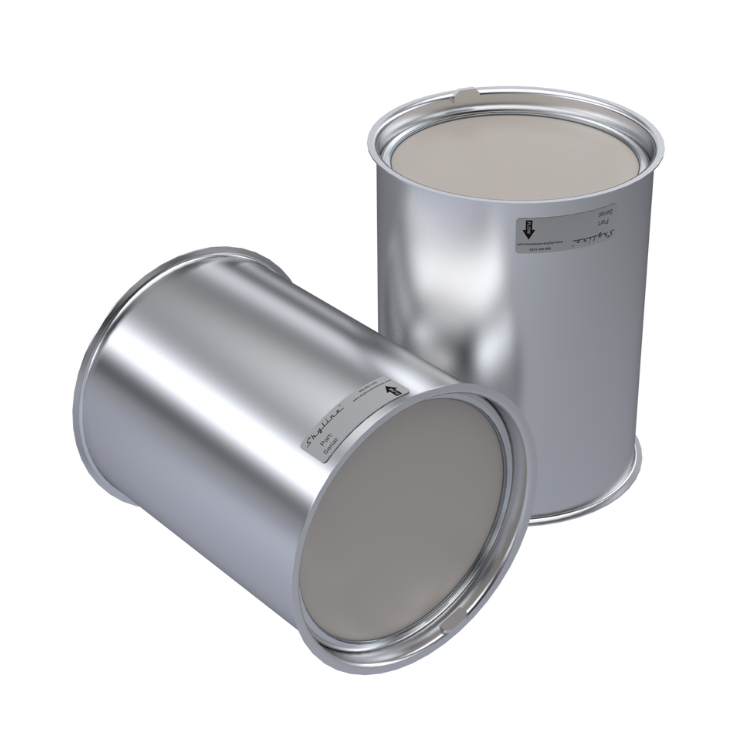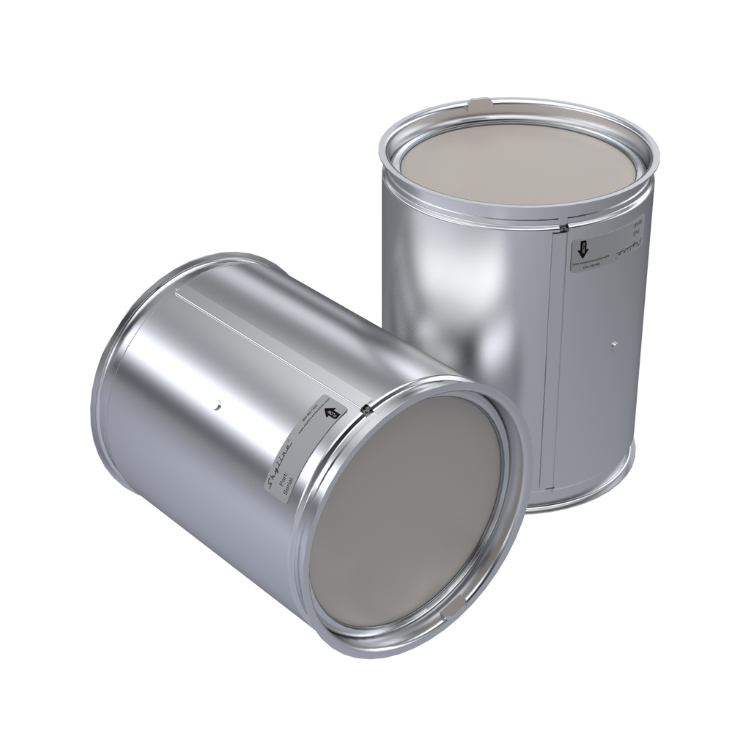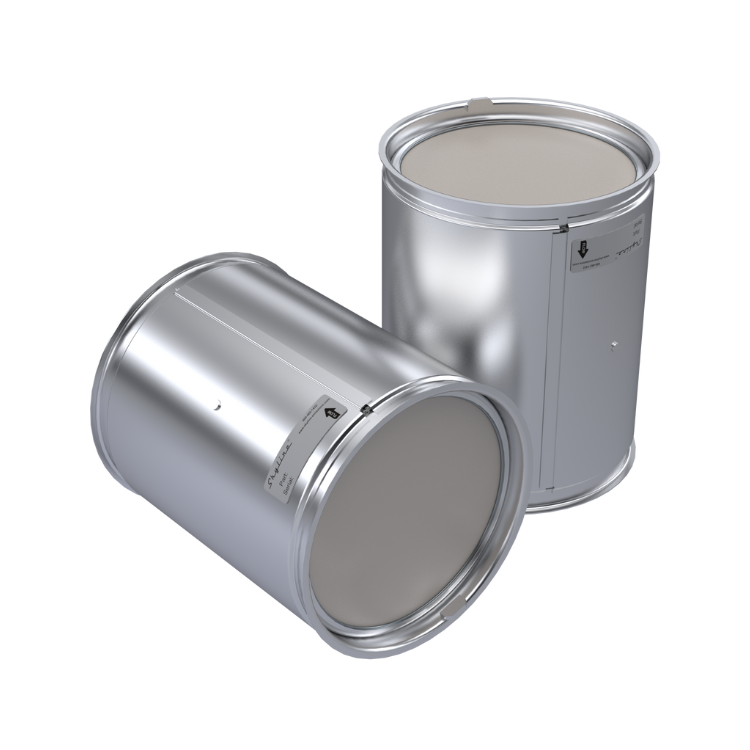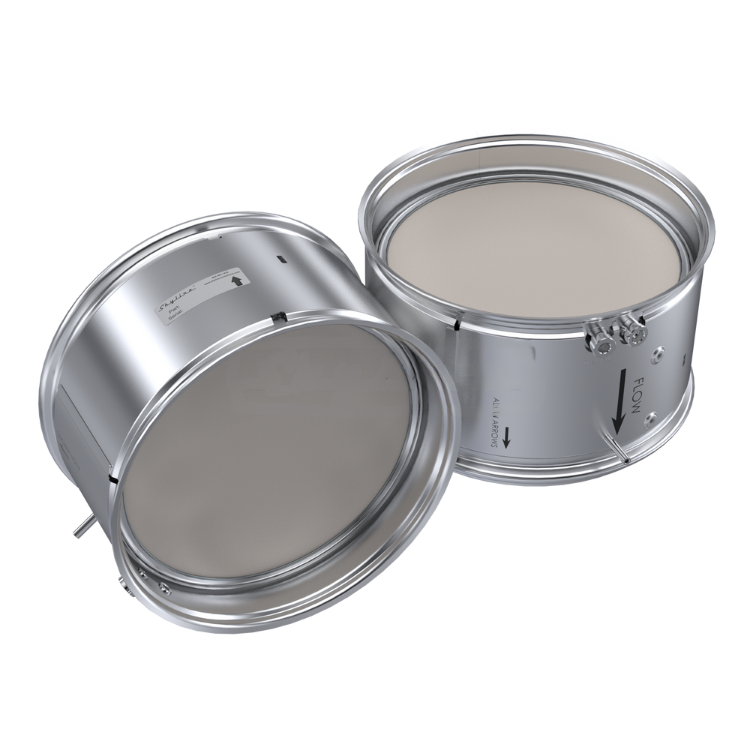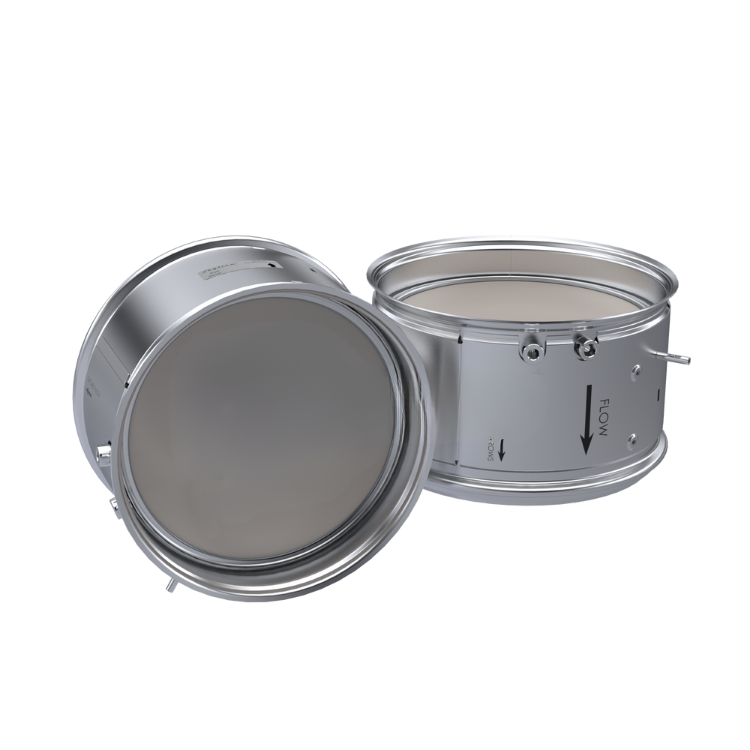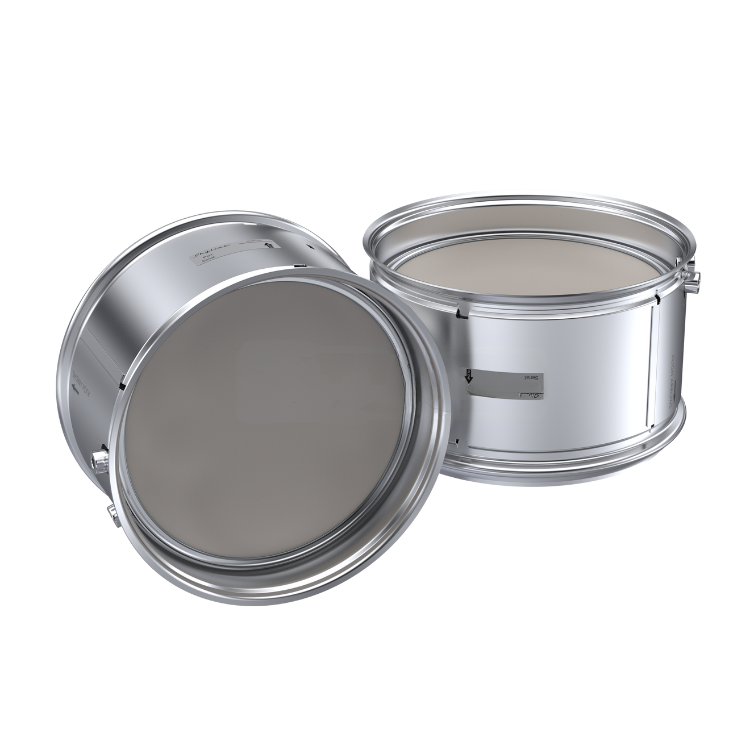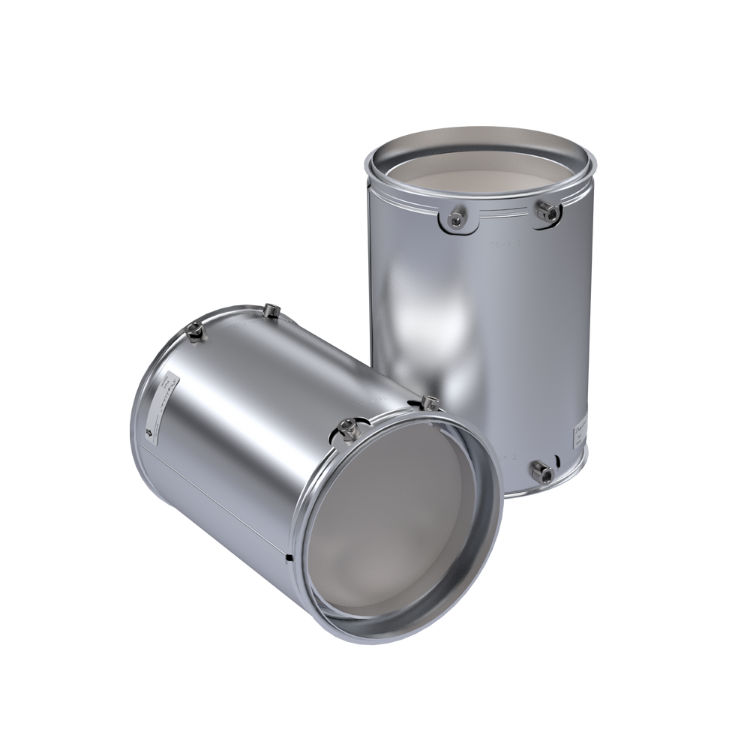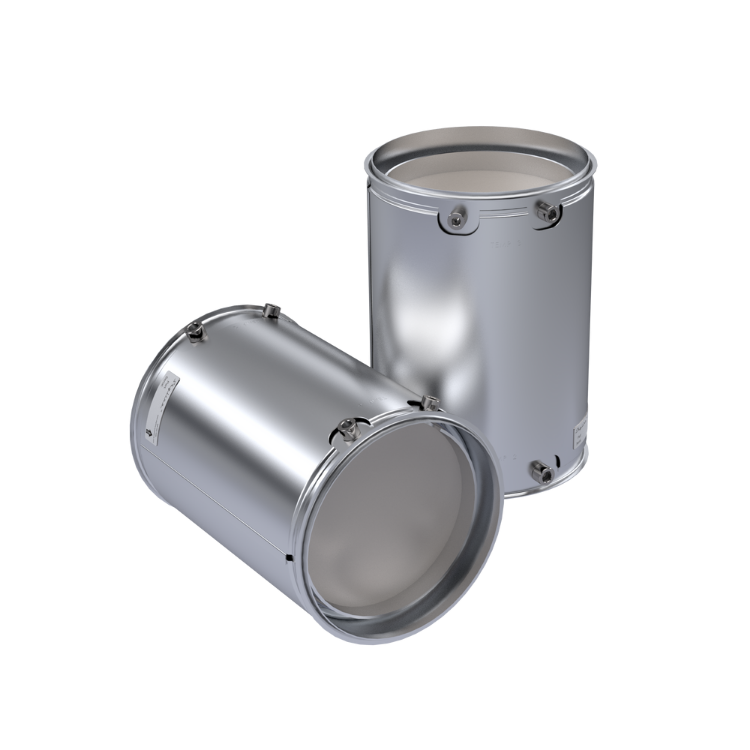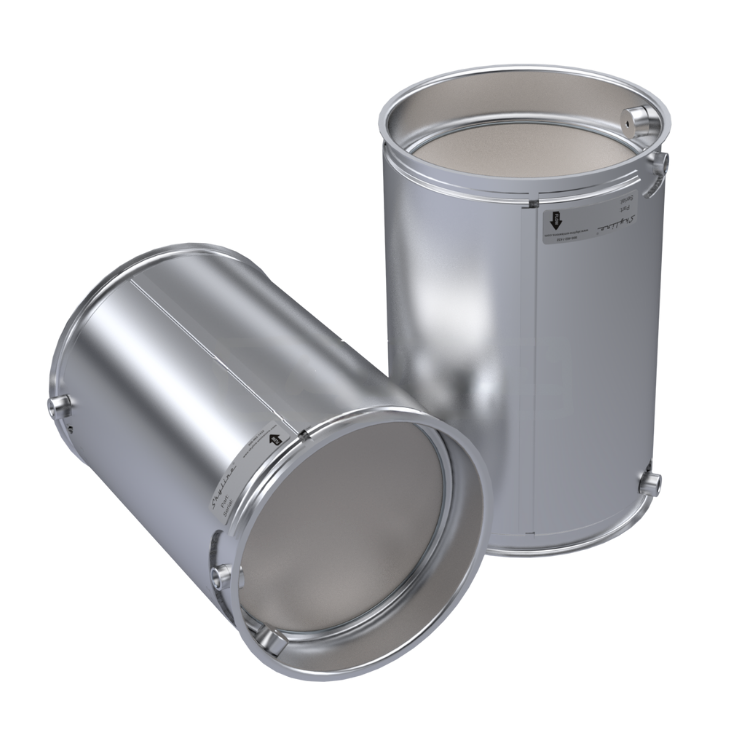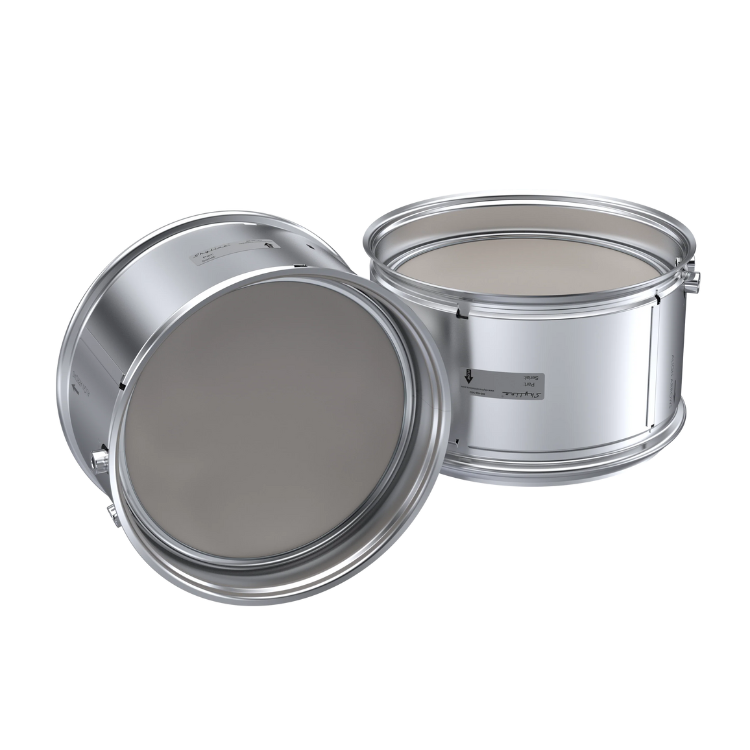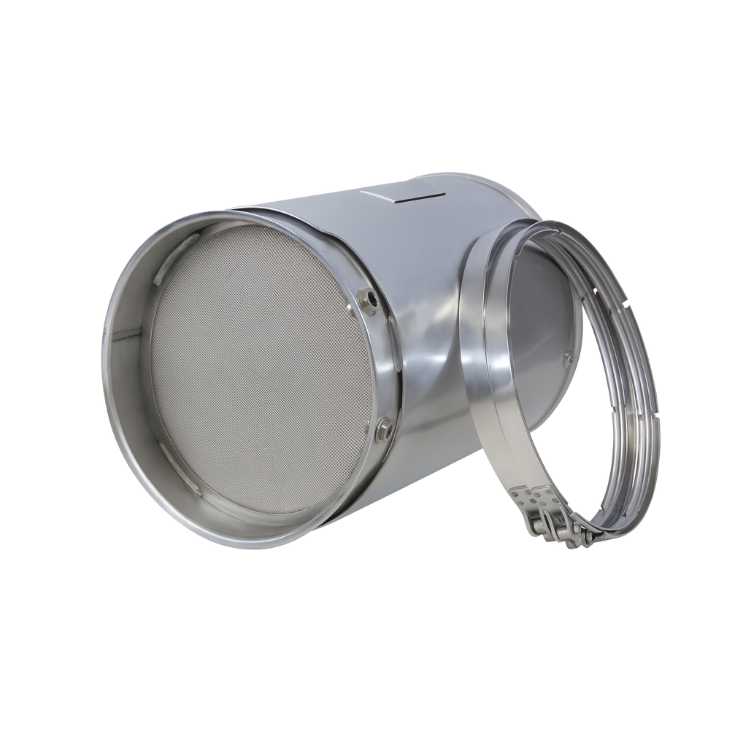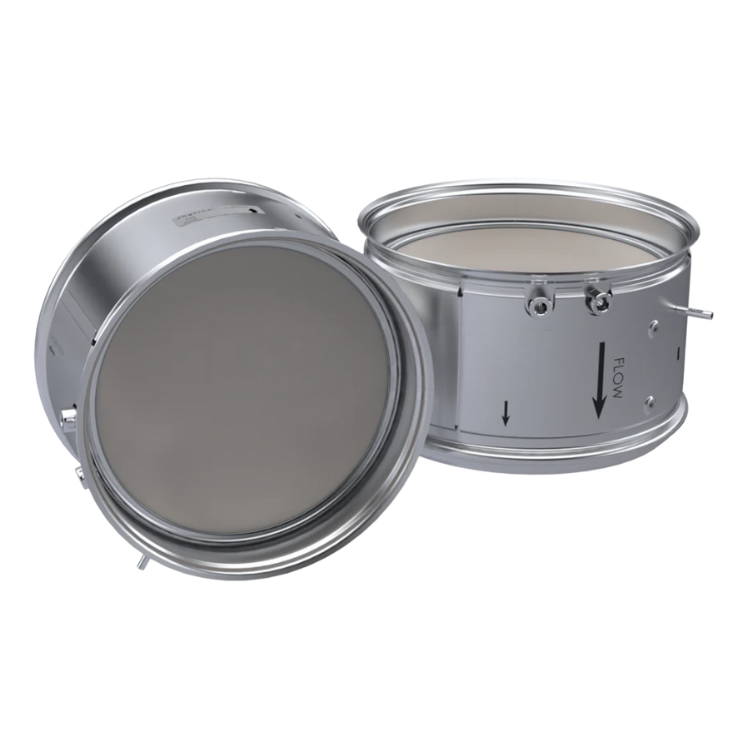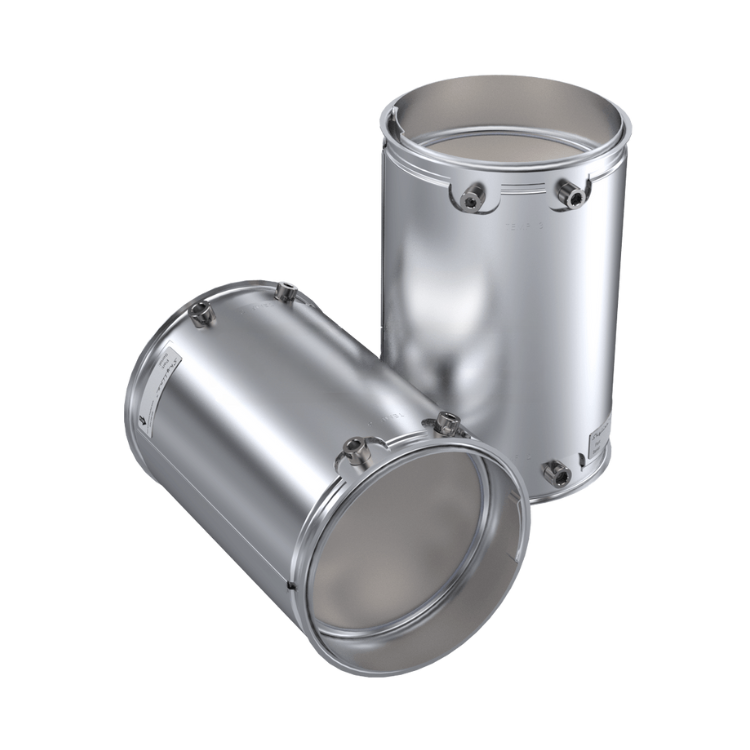




A Diesel Particulate Filter (DPF) is designed to capture soot and reduce emissions through regular regeneration. While it does not require constant attention, periodic servicing is necessary to maintain proper function and prevent premature failure. Service intervals depend on driving conditions, engine health, and overall usage.
-
Regular monitoring during routine maintenance: DPF condition should be checked whenever emissions or exhaust systems are inspected.
-
Cleaning is mileage- or condition-based: Many DPFs require professional cleaning after high mileage or extended operating hours.
-
Warning lights signal service needs: DPF or check engine lights often indicate excessive soot or ash buildup.
-
Regeneration handles soot, not ash: Over time, non-combustible ash accumulates and requires cleaning.
-
Driving habits affect service frequency: Short trips and low-speed operation may increase the need for servicing.
-
Engine health plays a role: Issues with injectors, turbochargers, or EGR systems can accelerate DPF loading.
DPF servicing is not tied to a strict schedule but is based on system condition and usage. Regular monitoring, proper driving conditions, and timely maintenance help extend DPF life and reduce the risk of costly replacements.