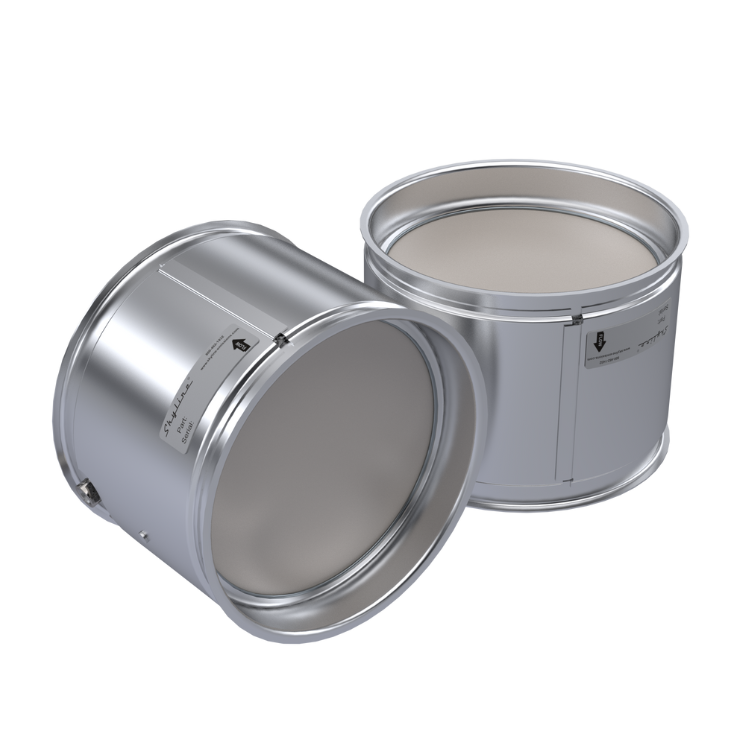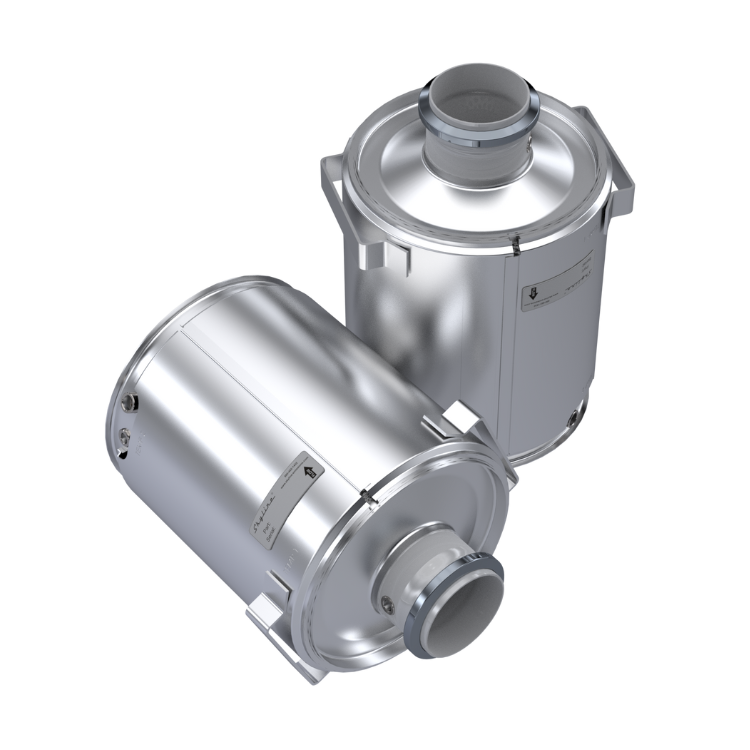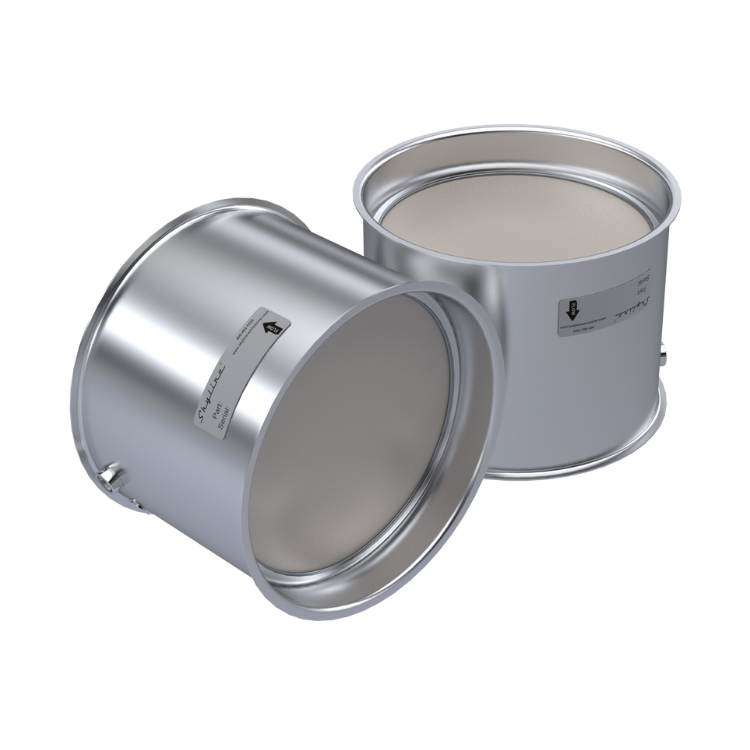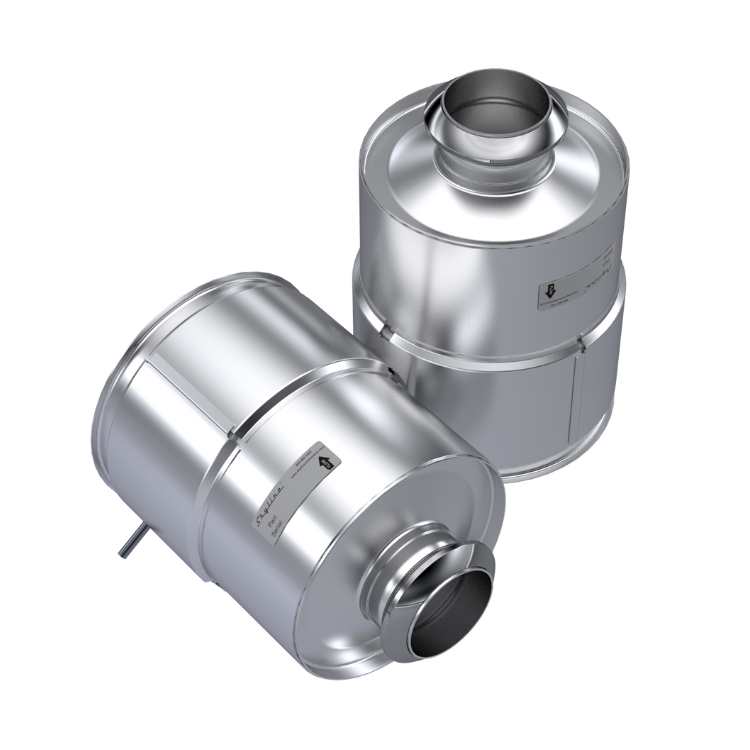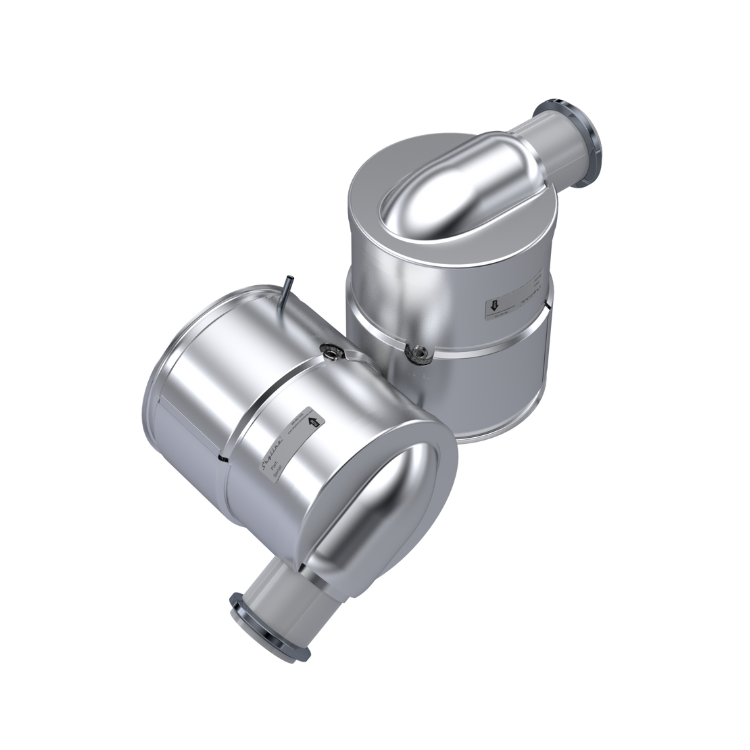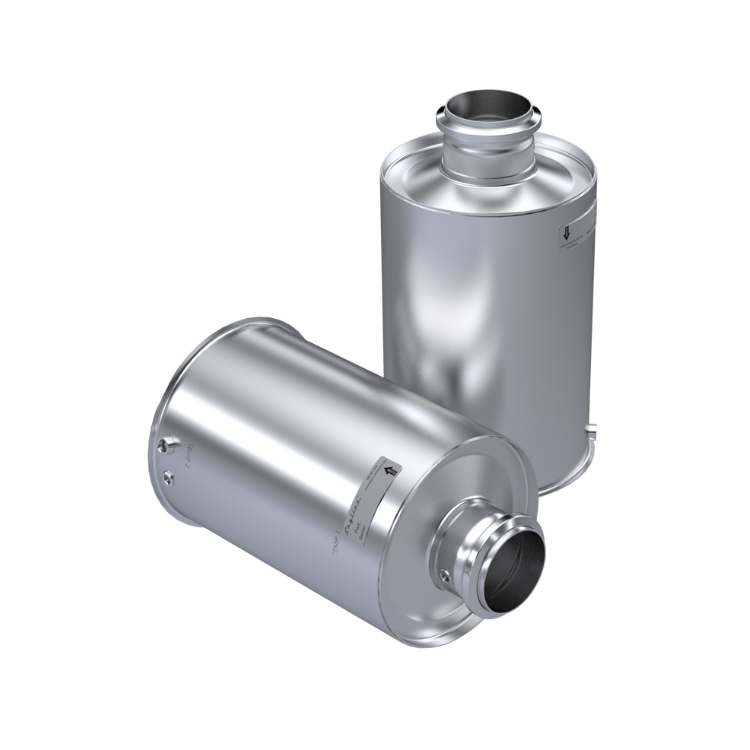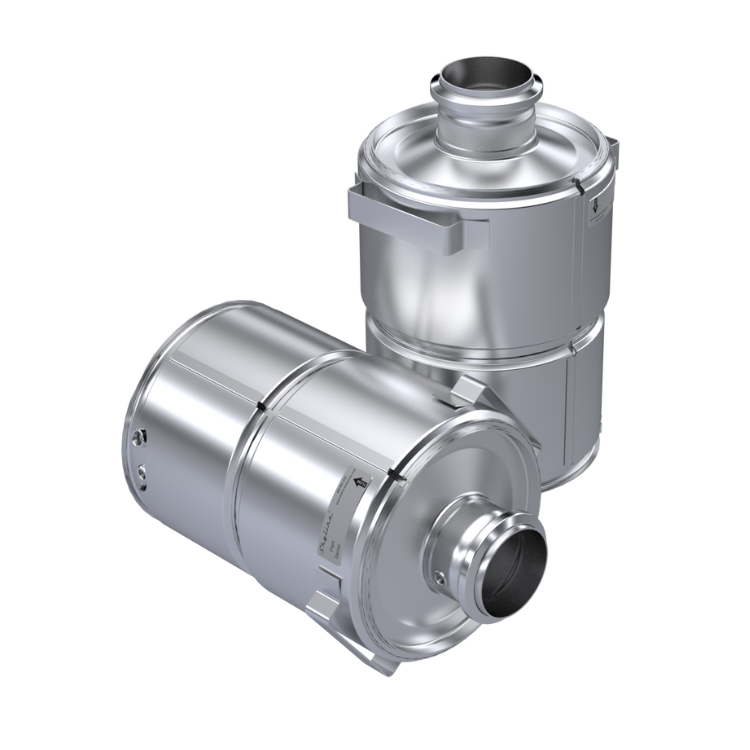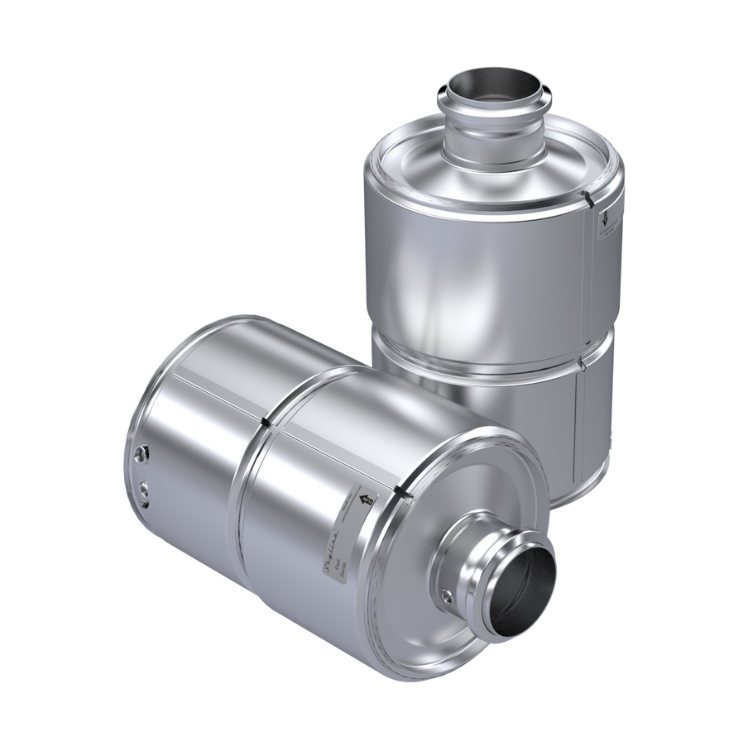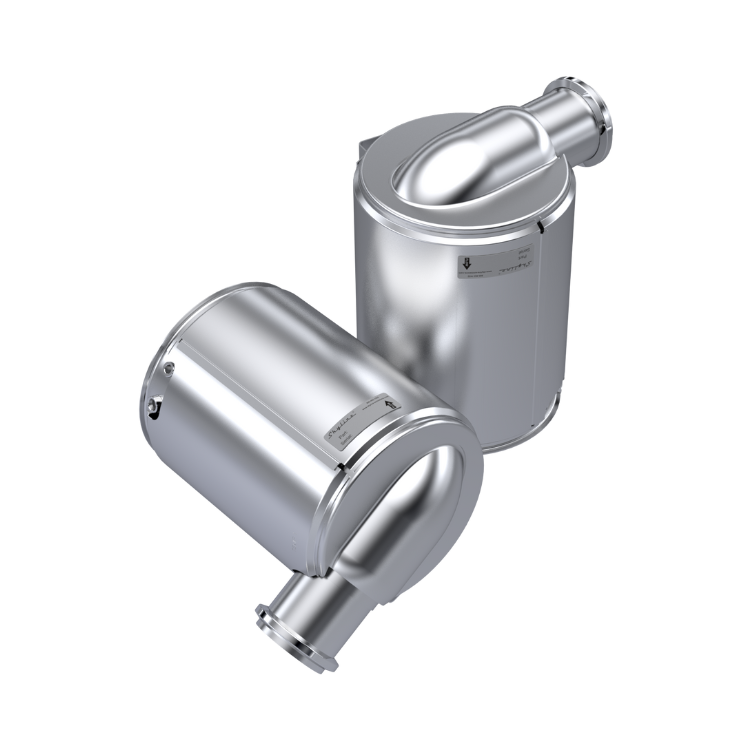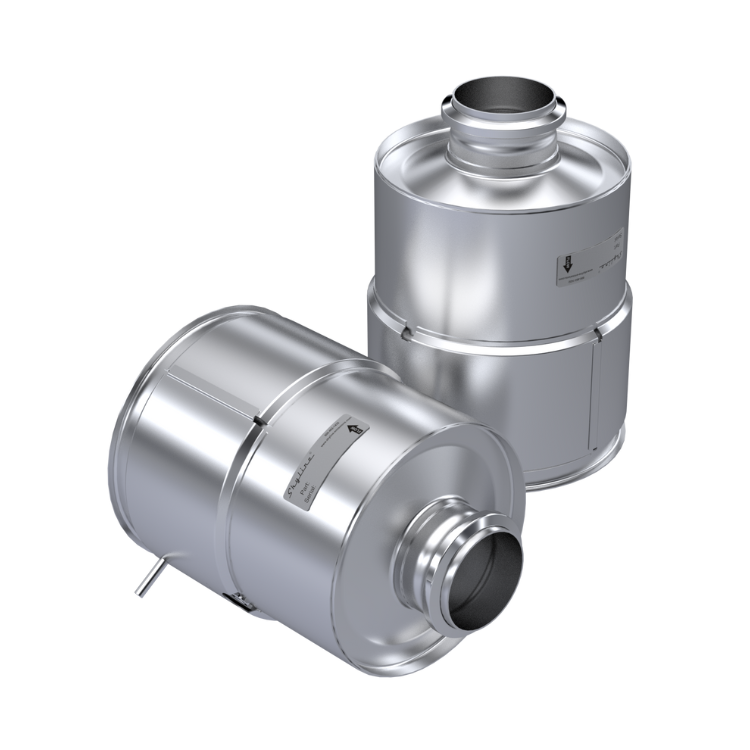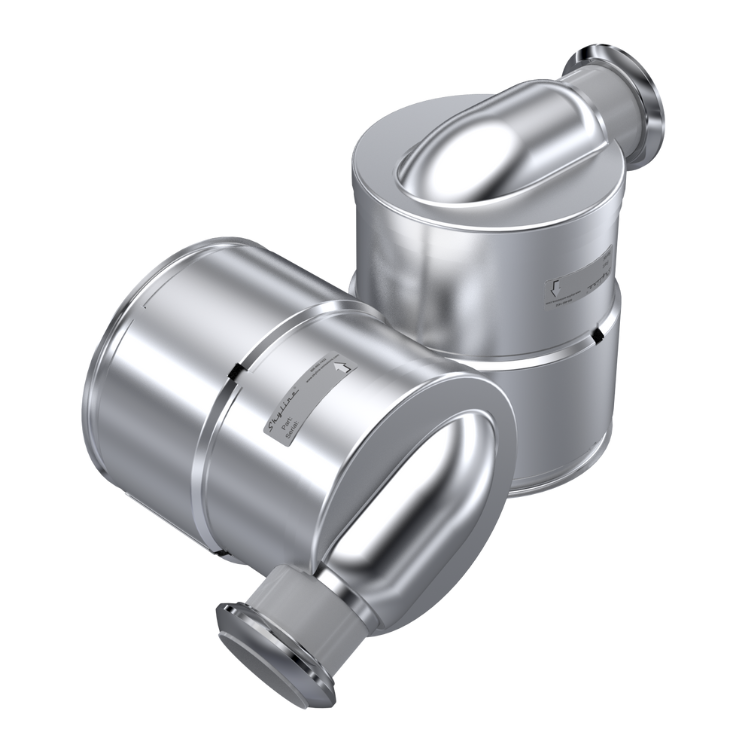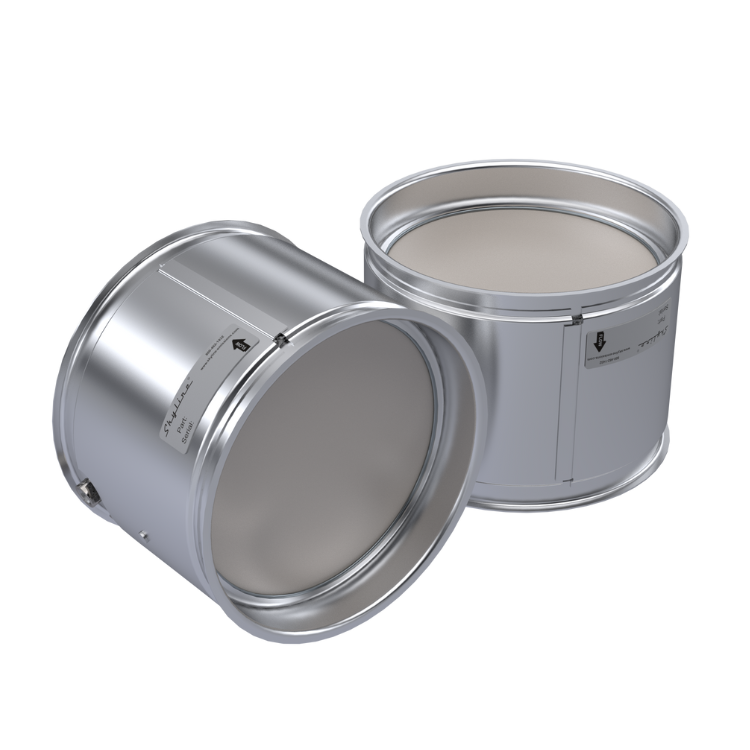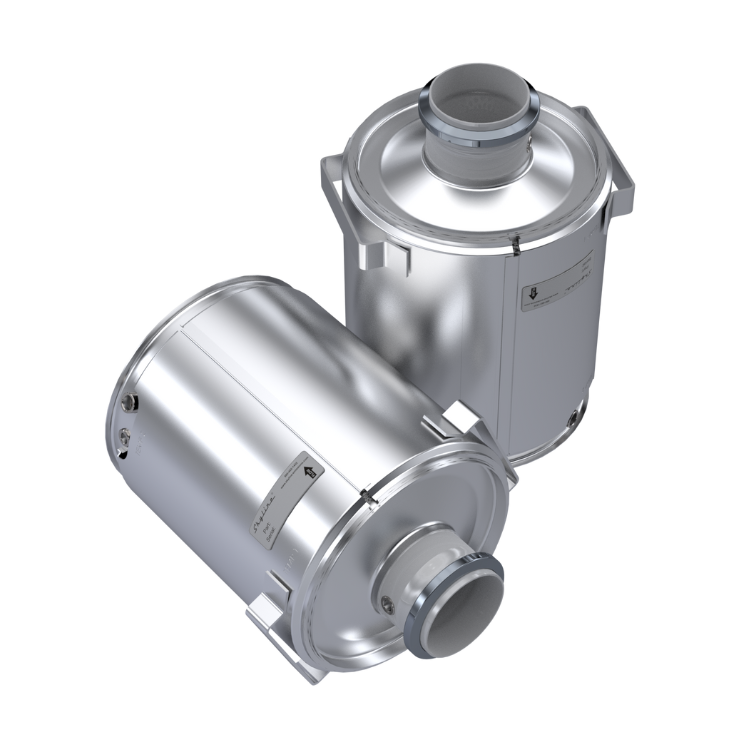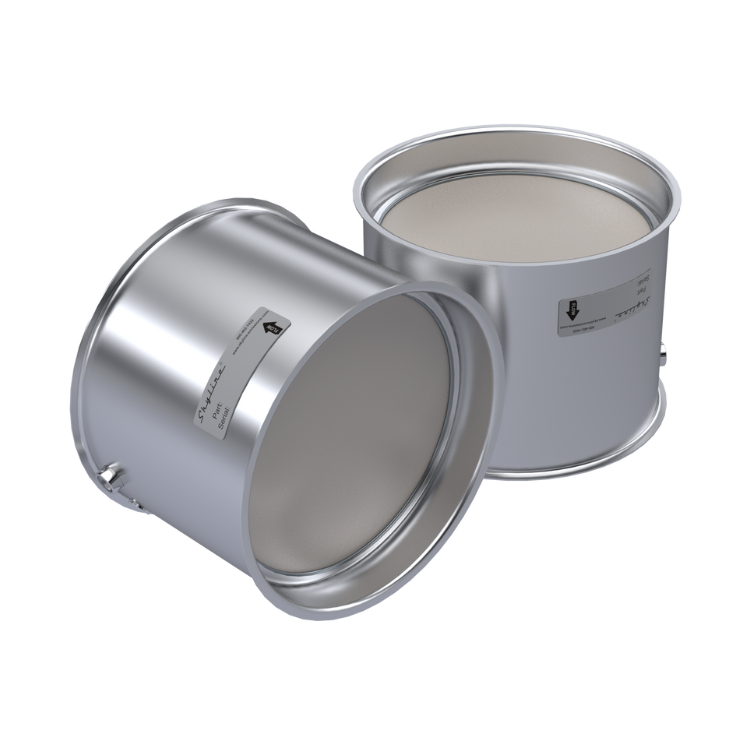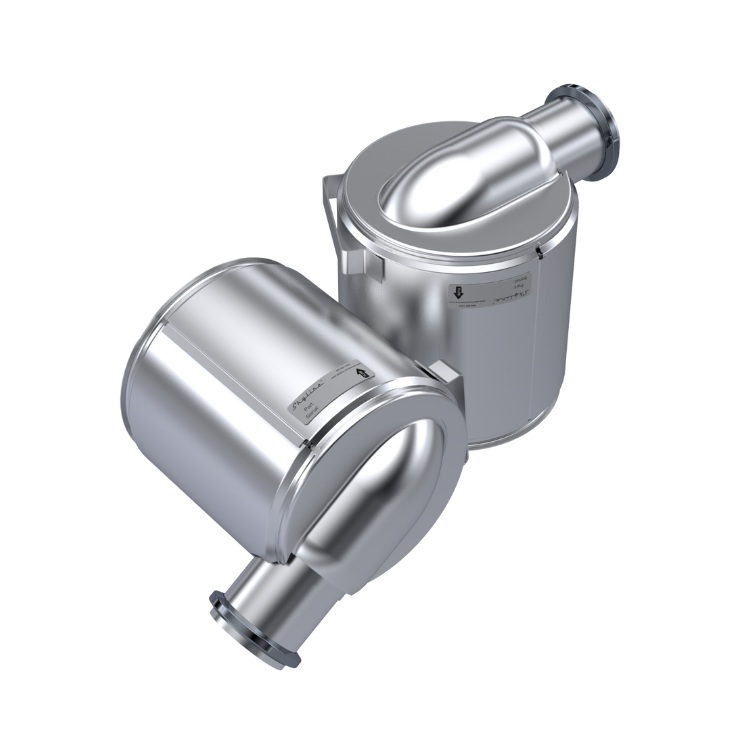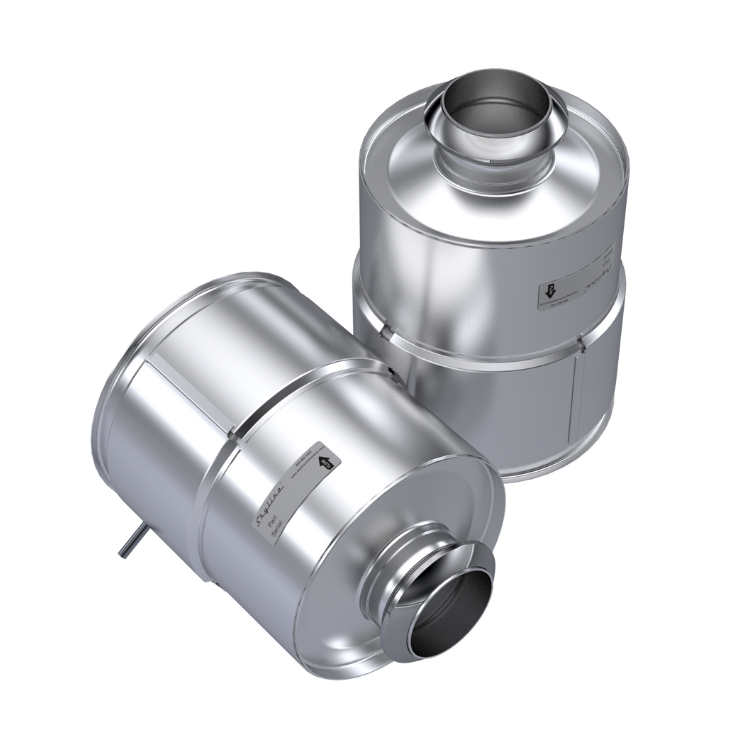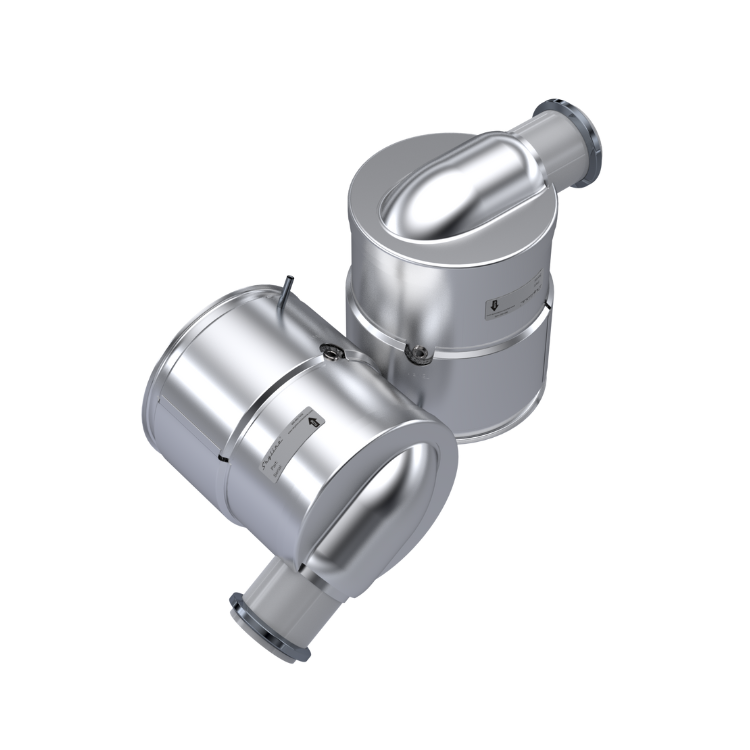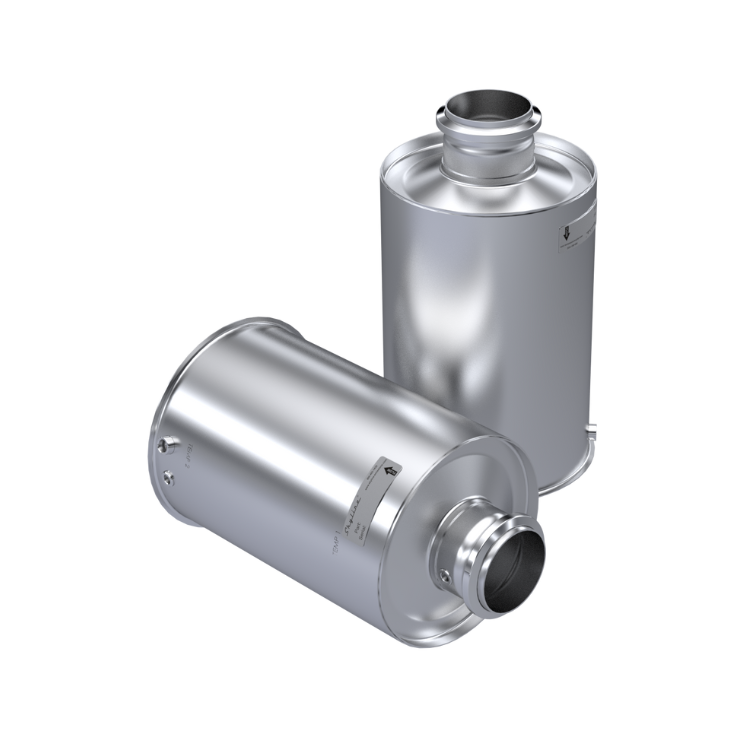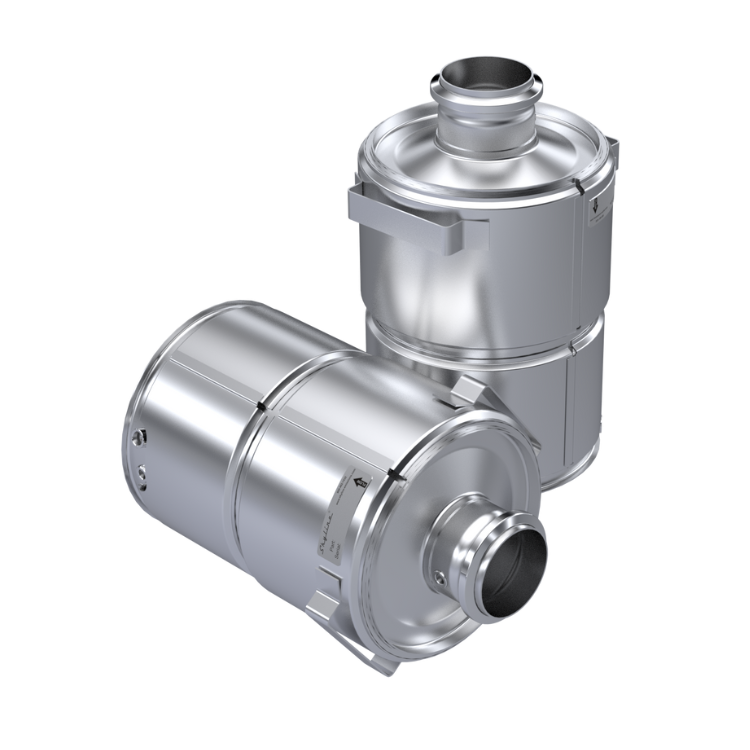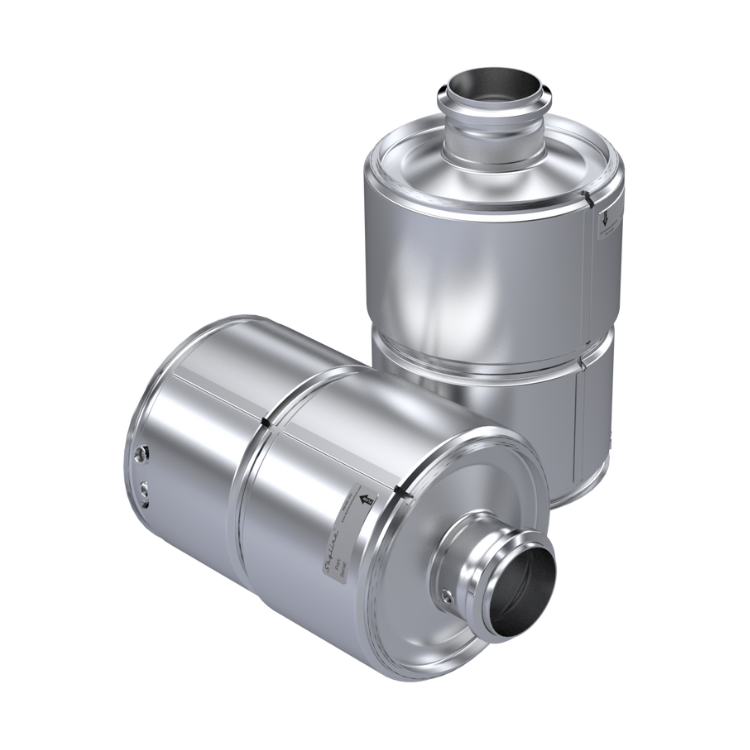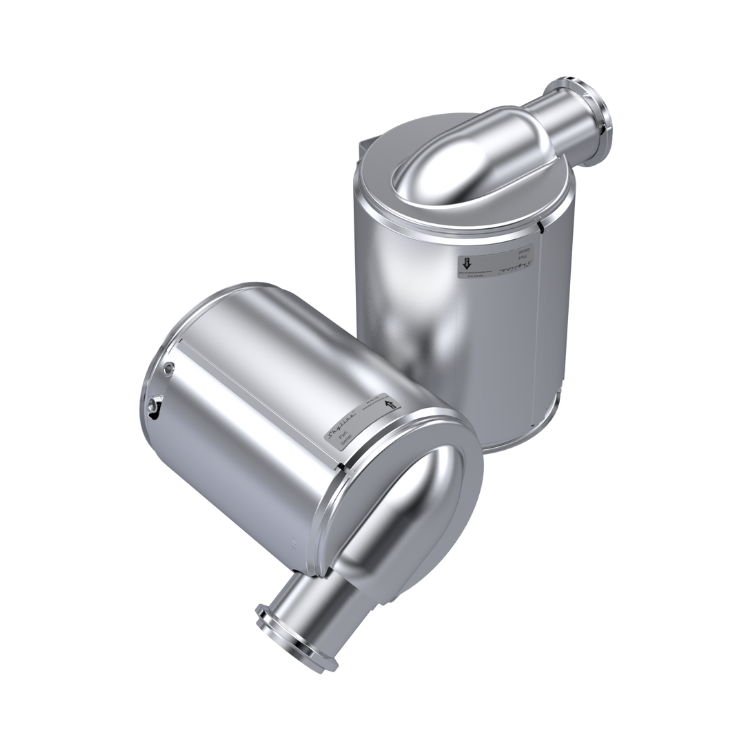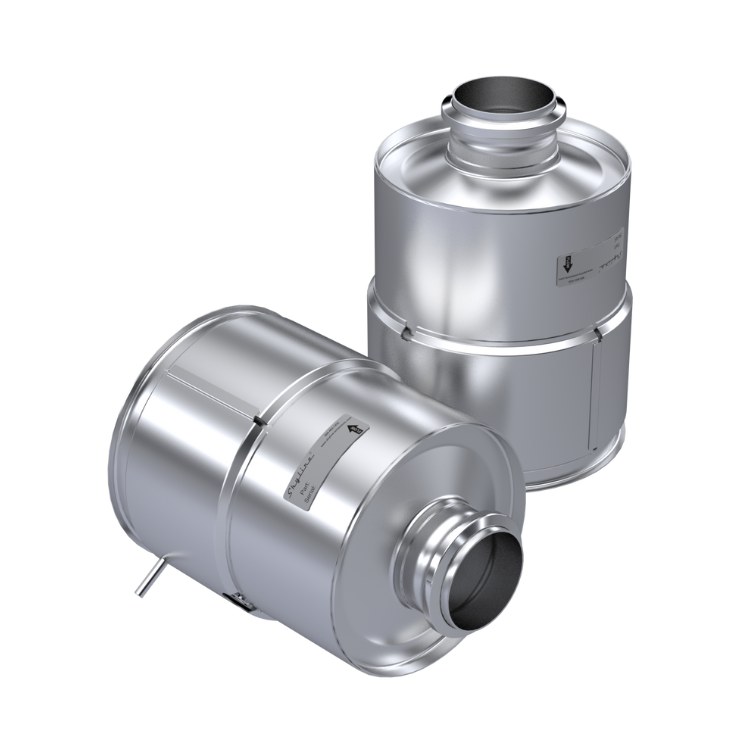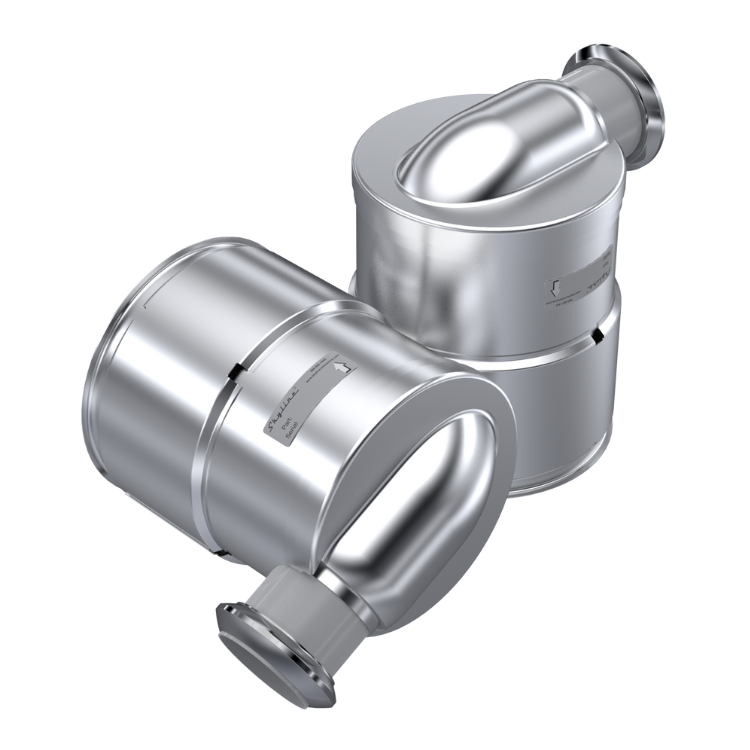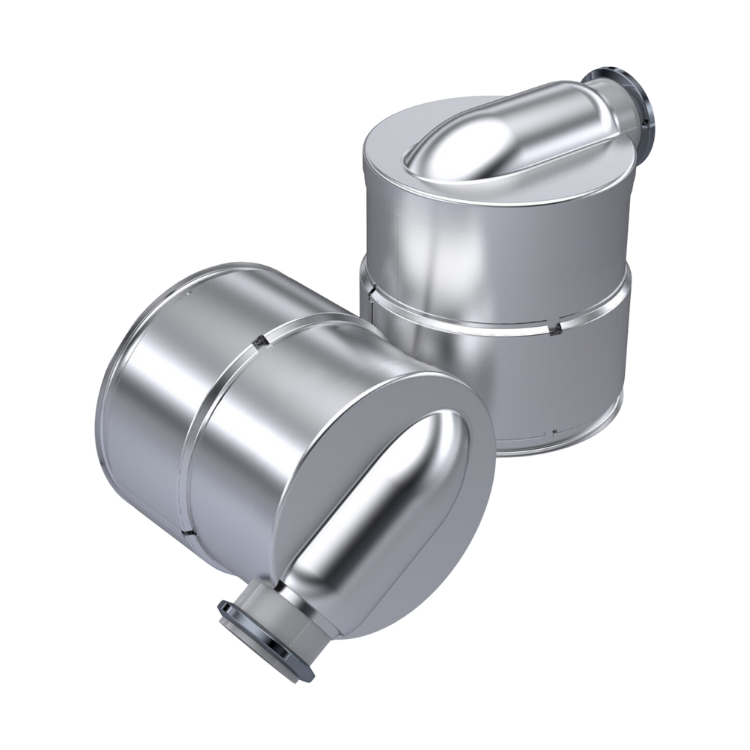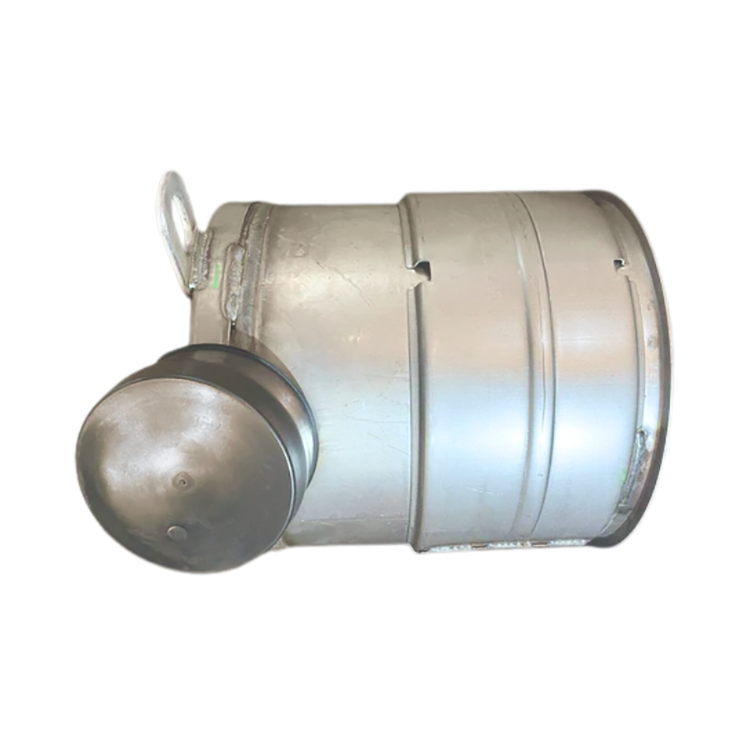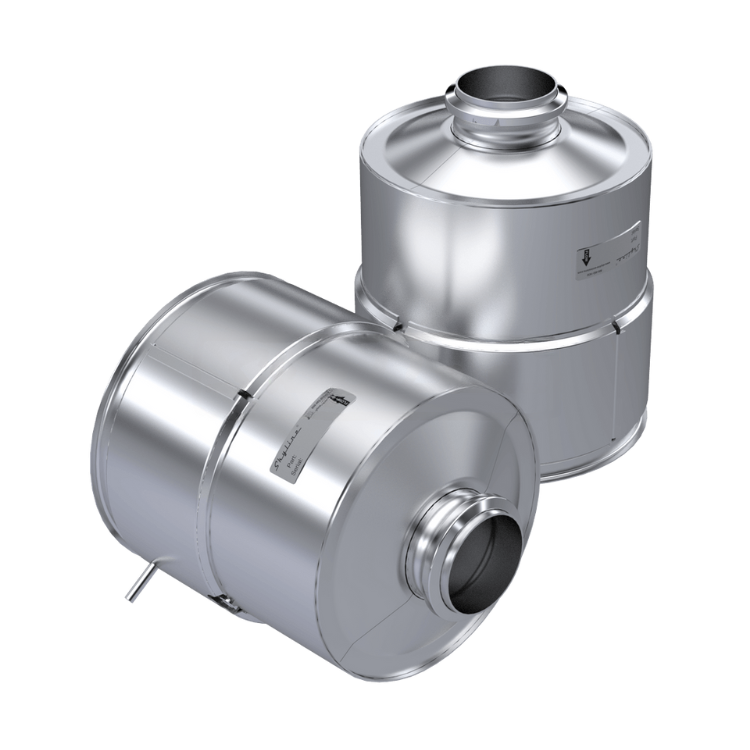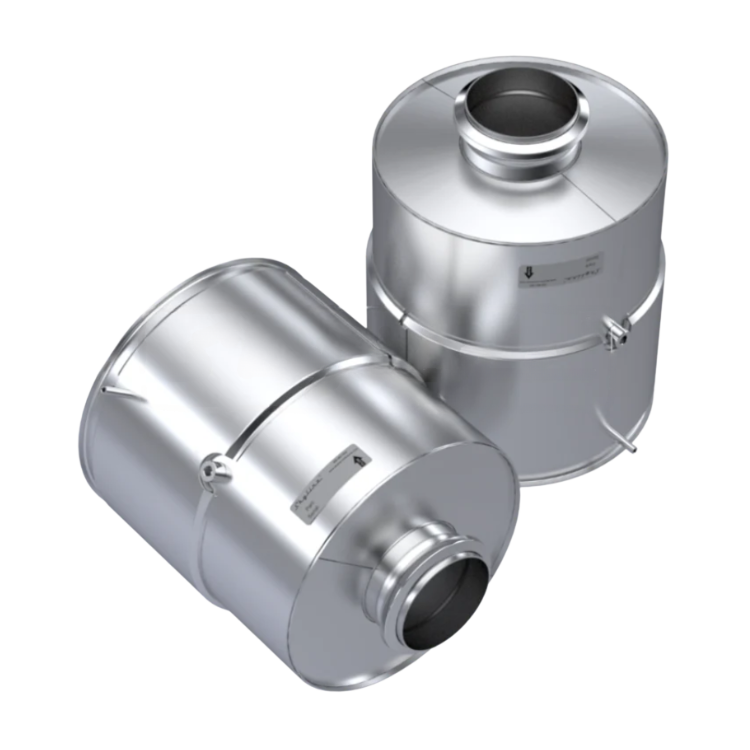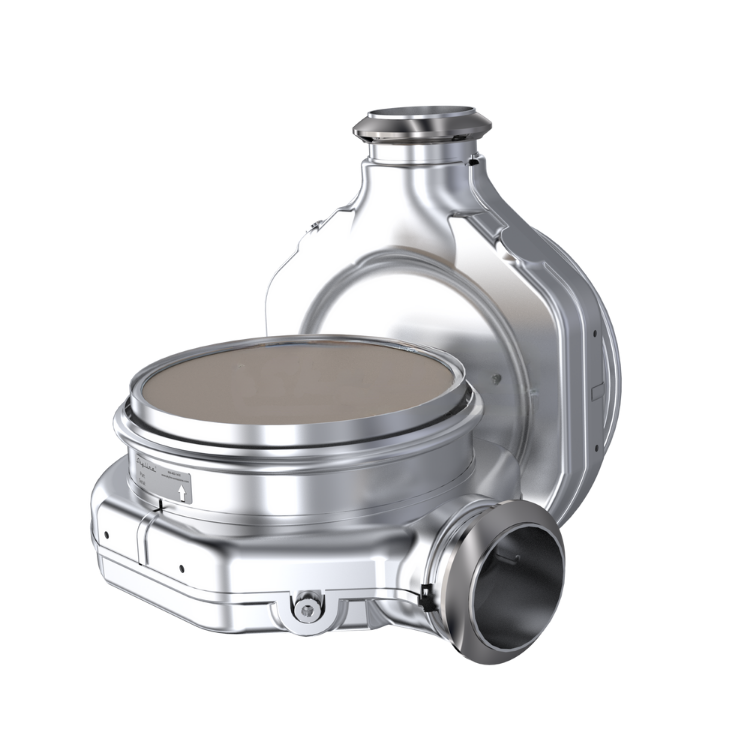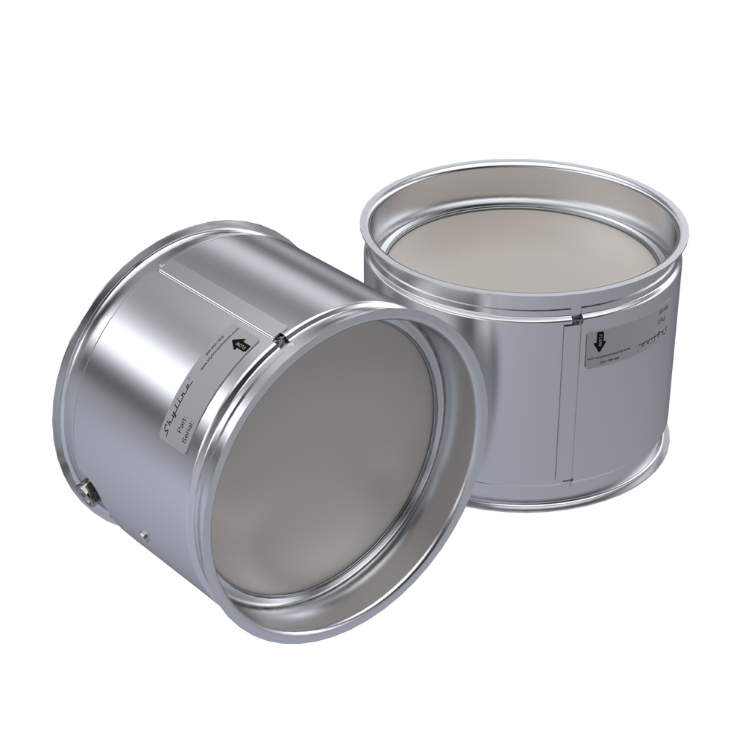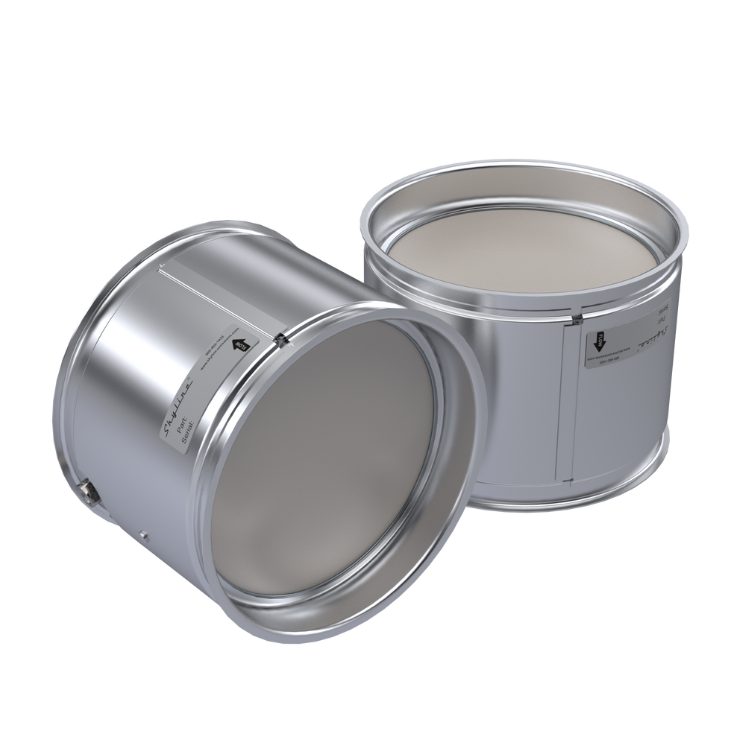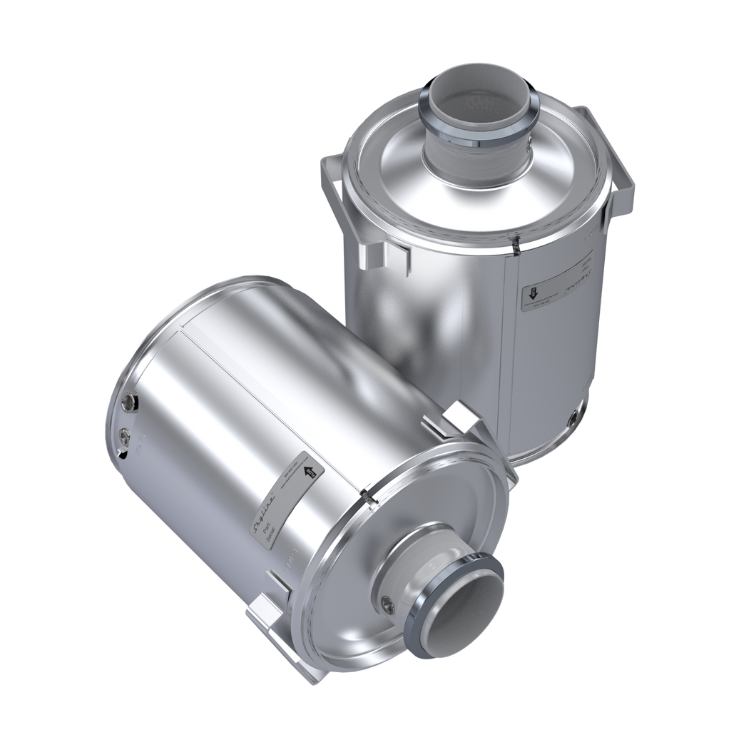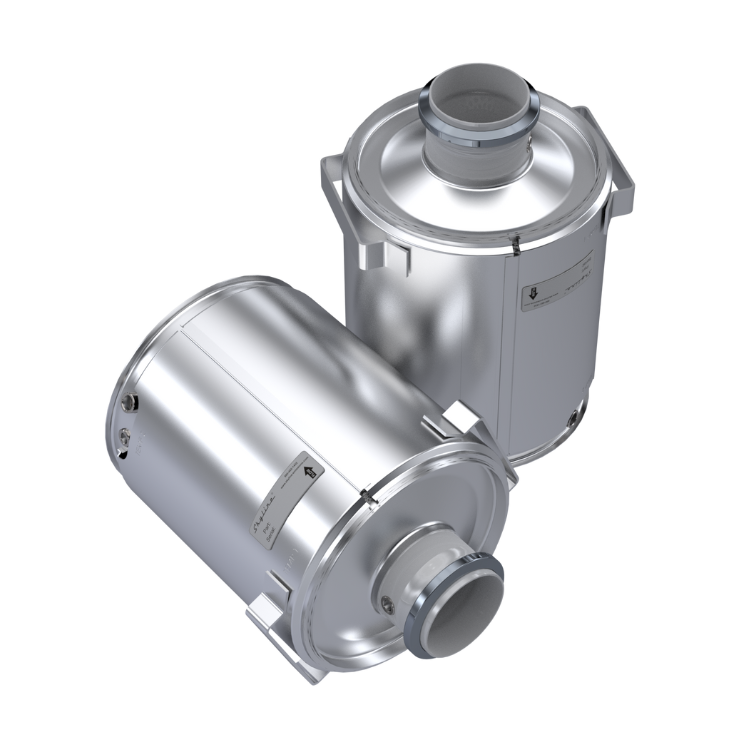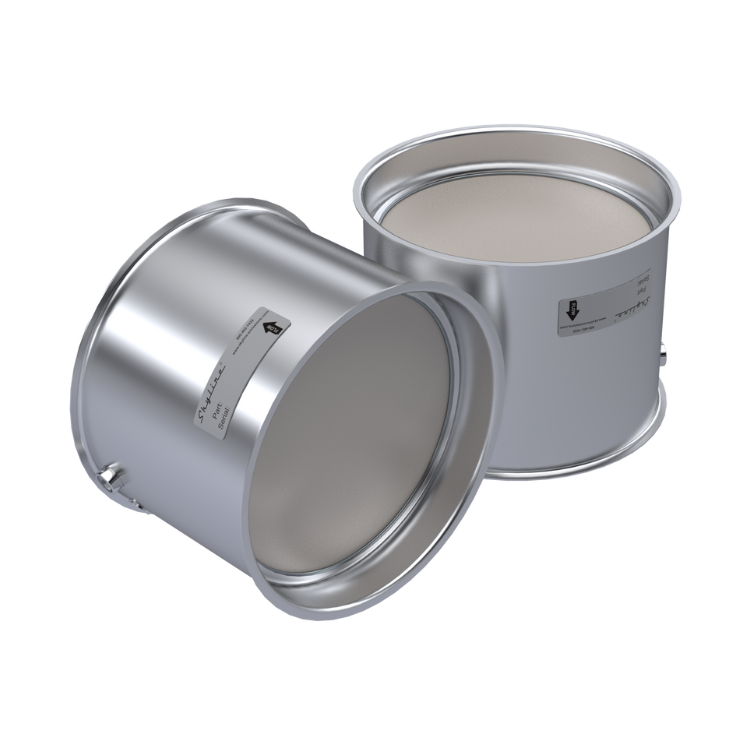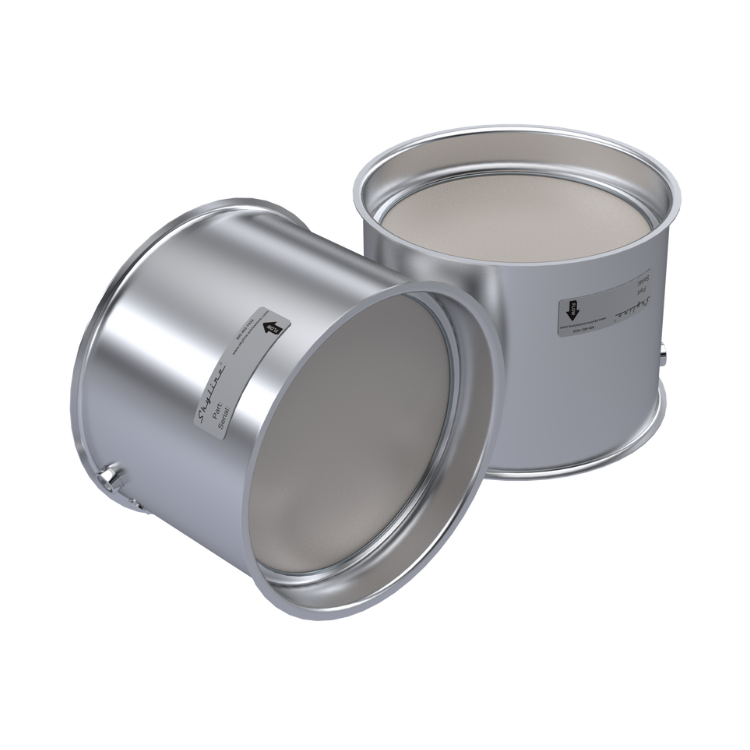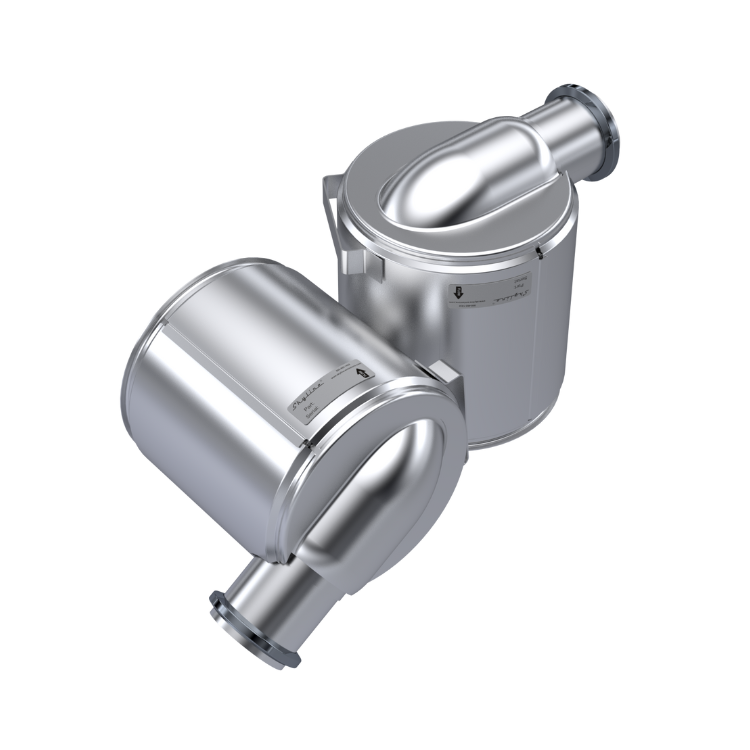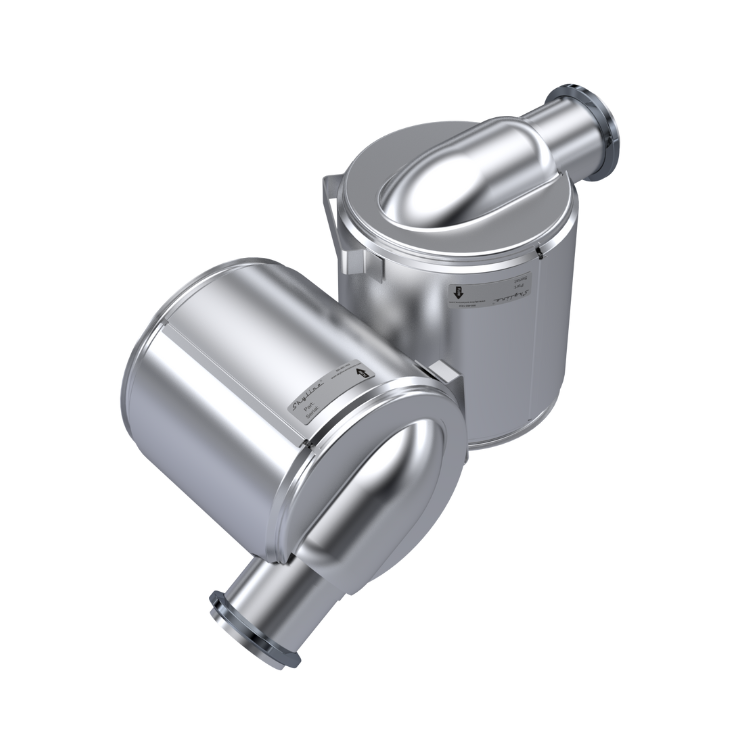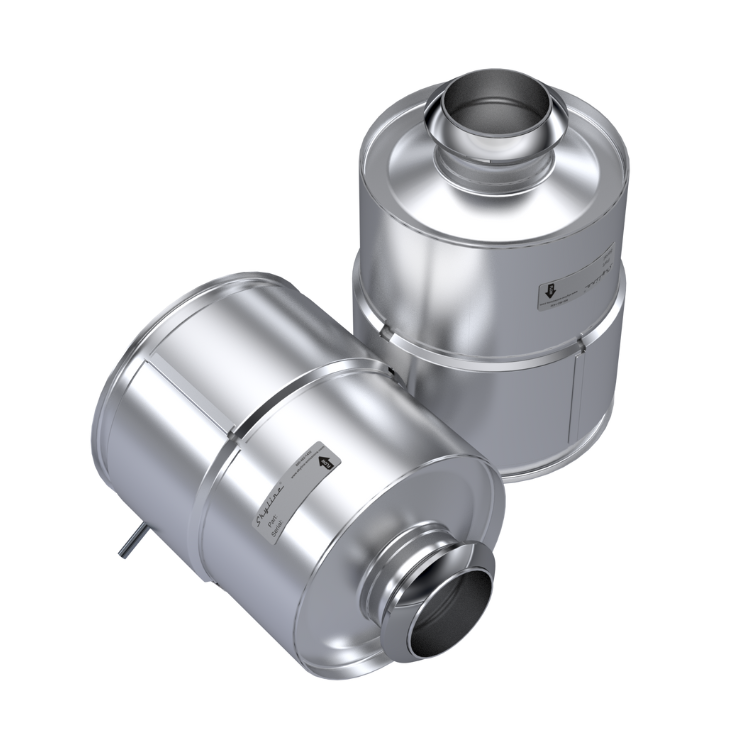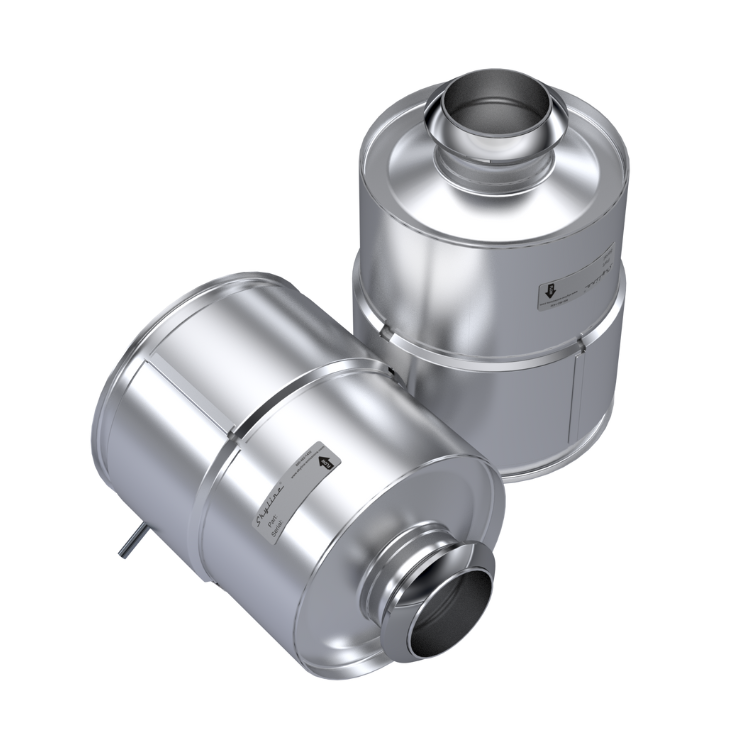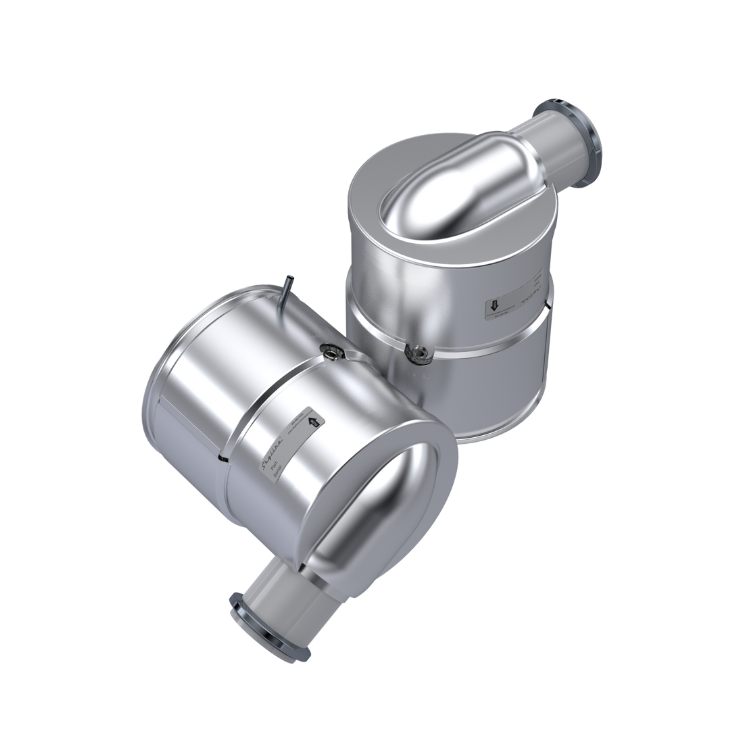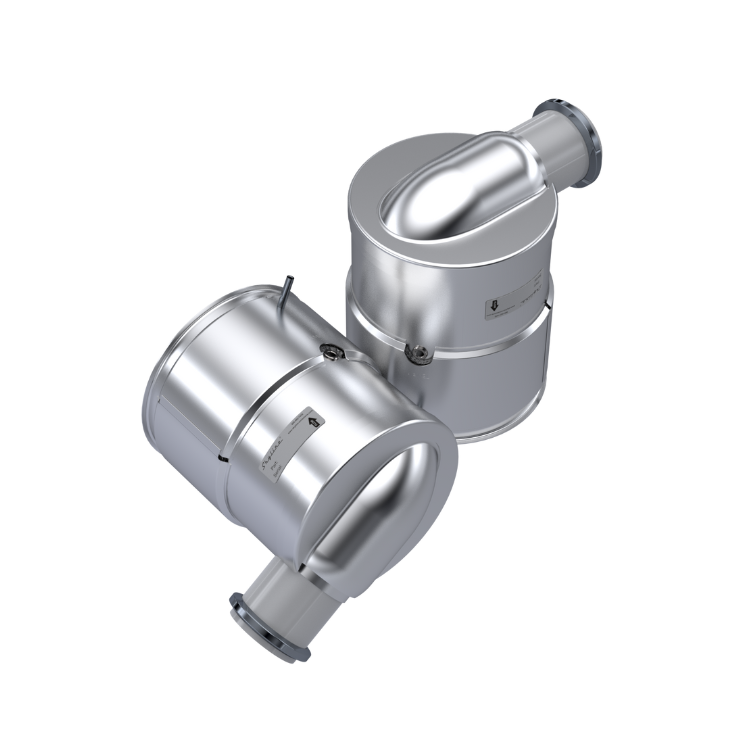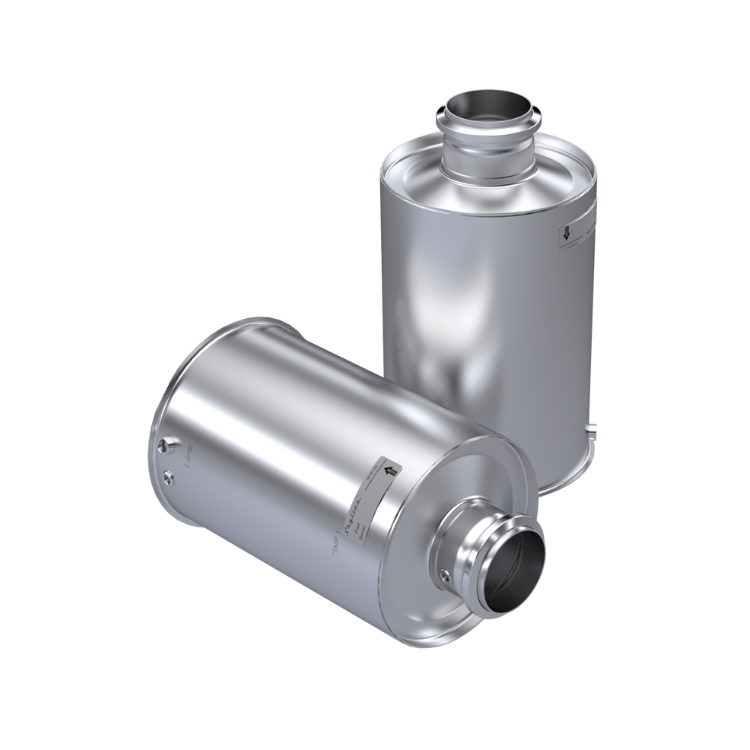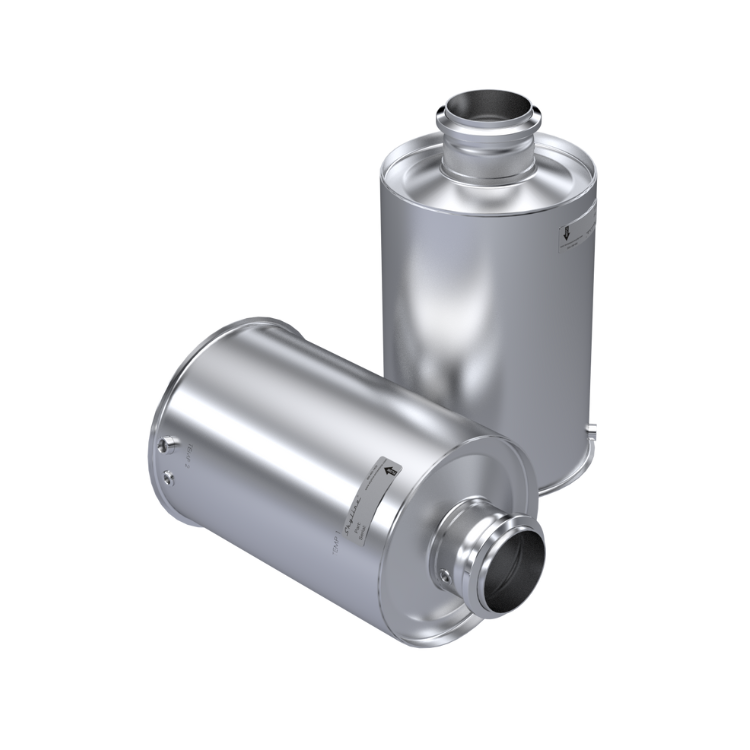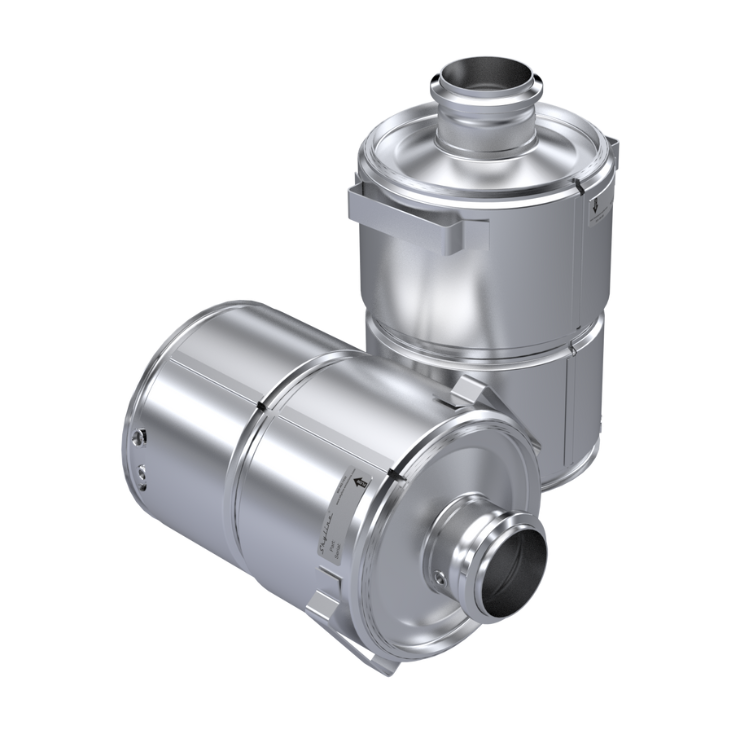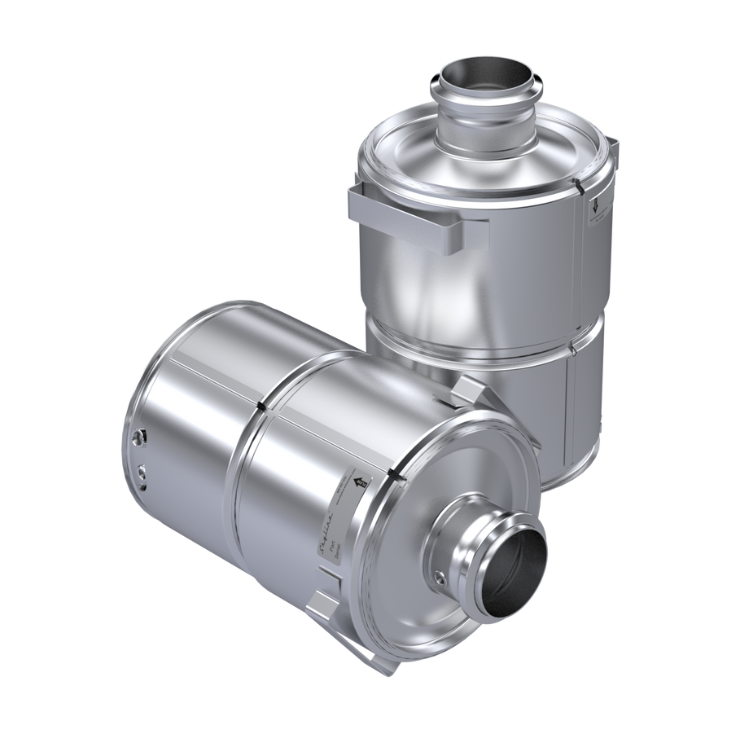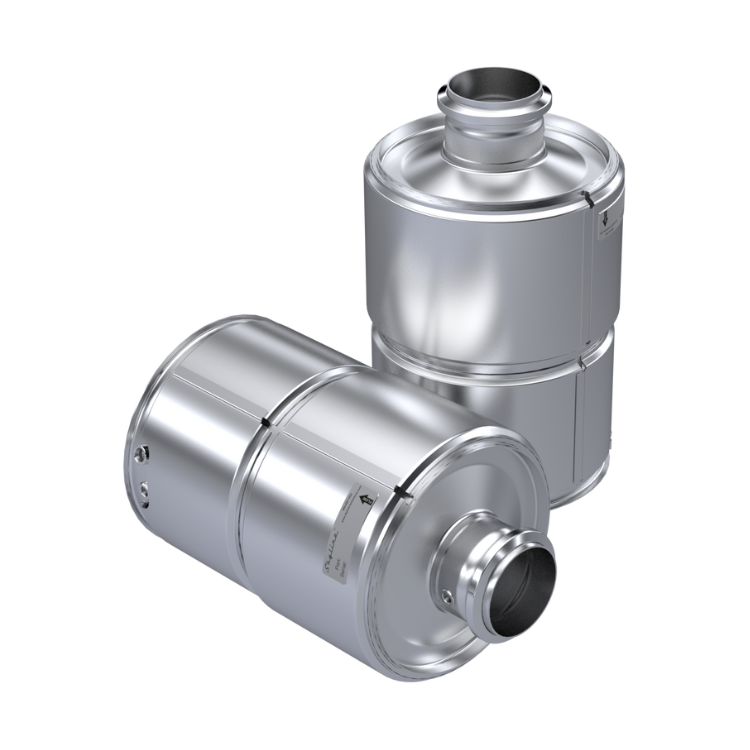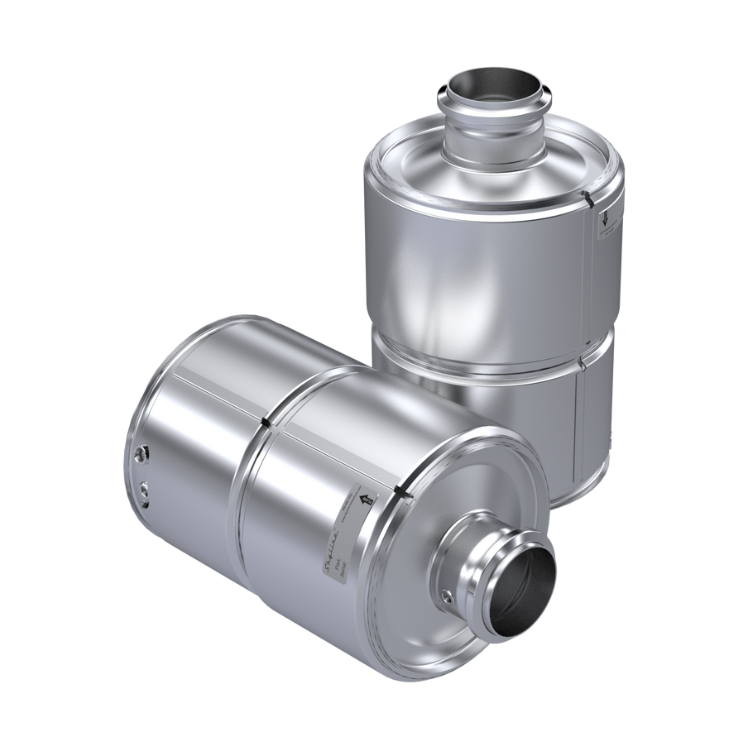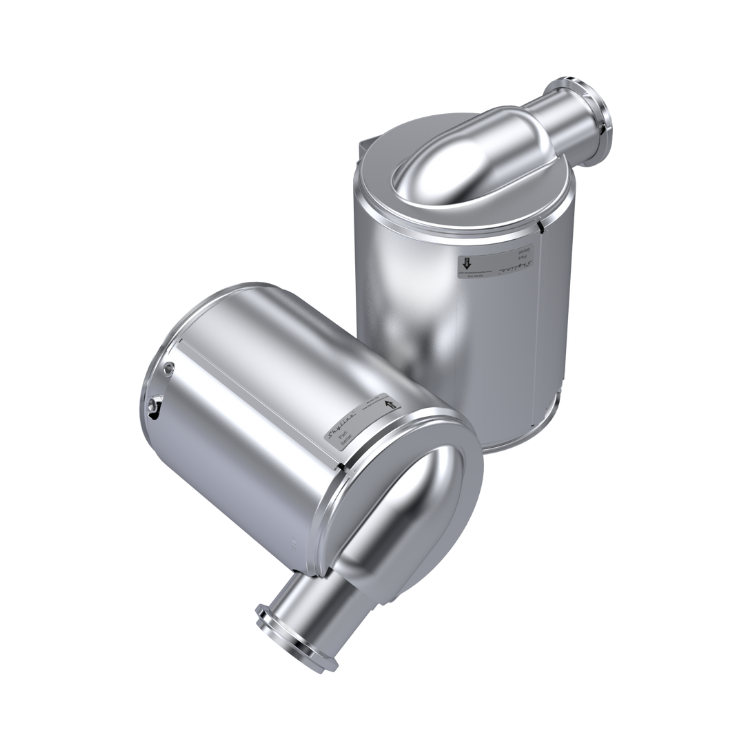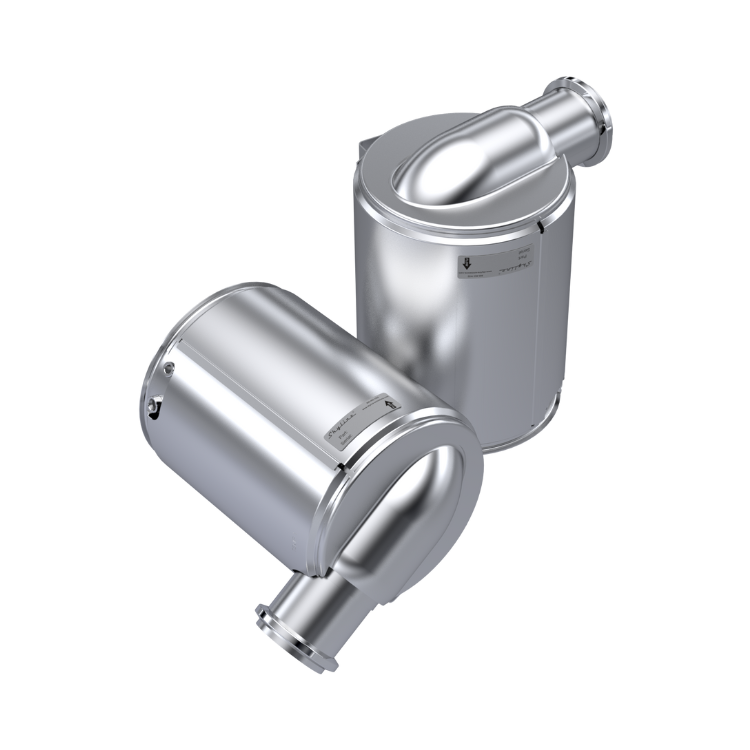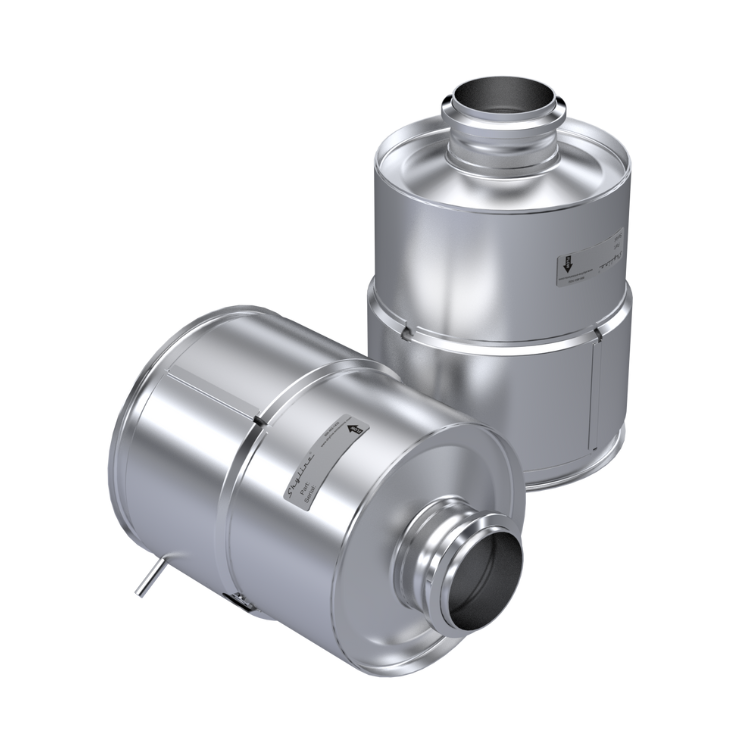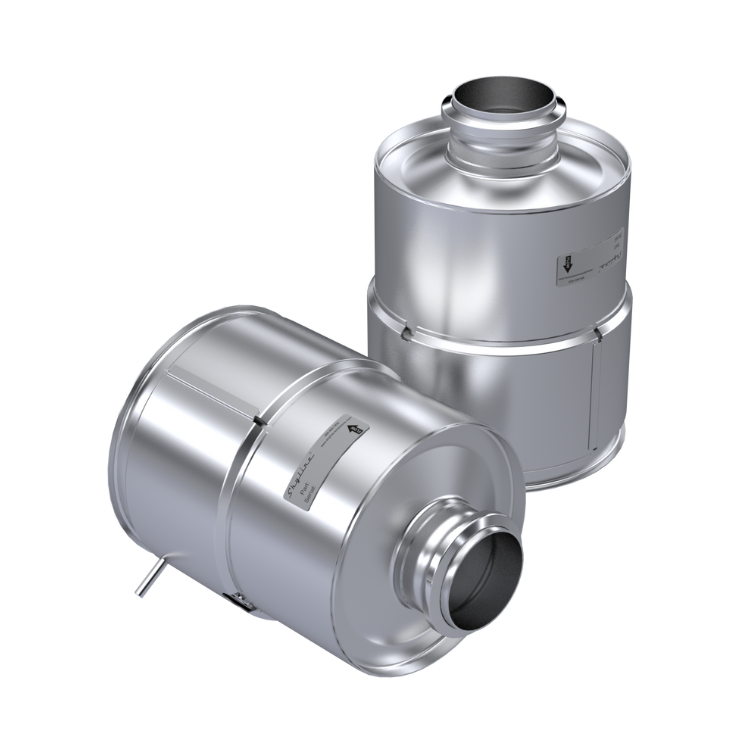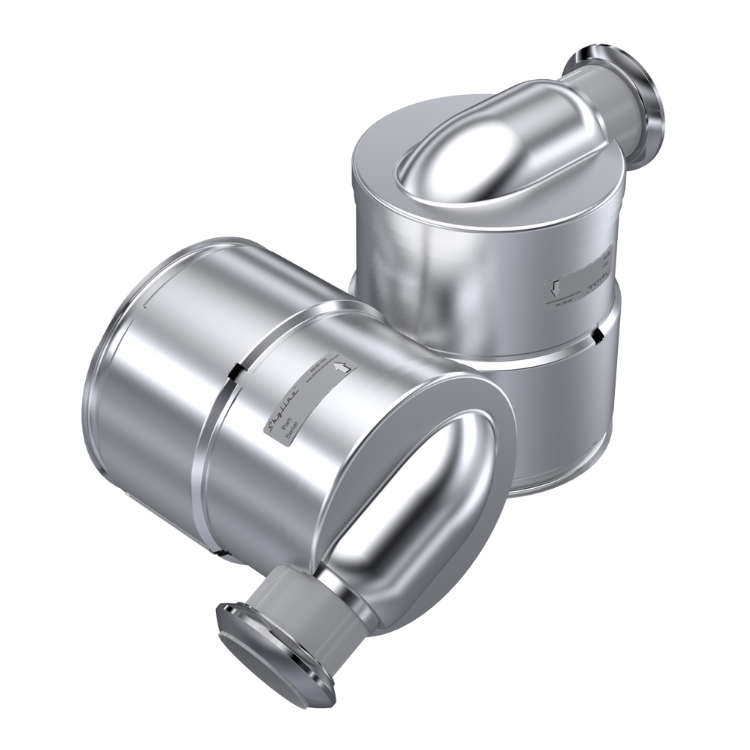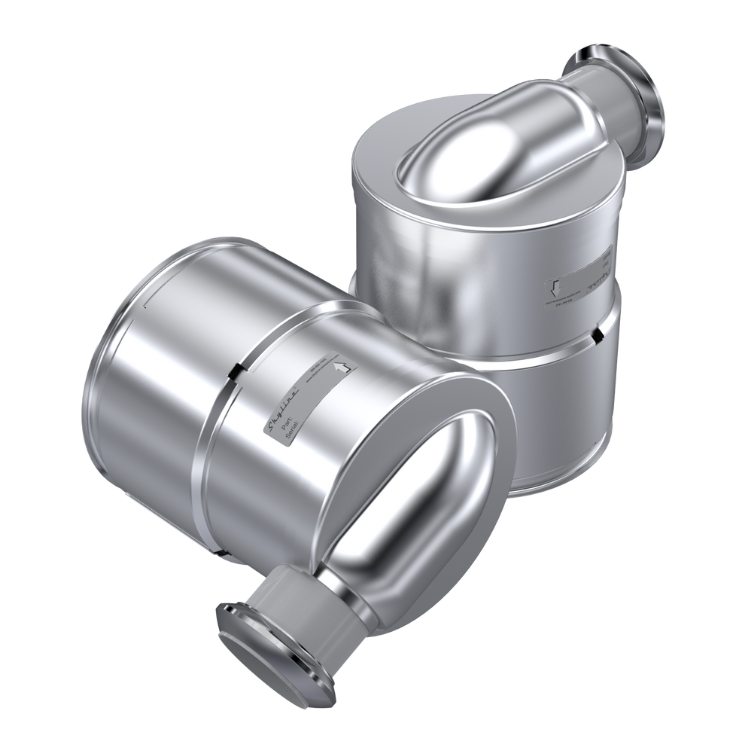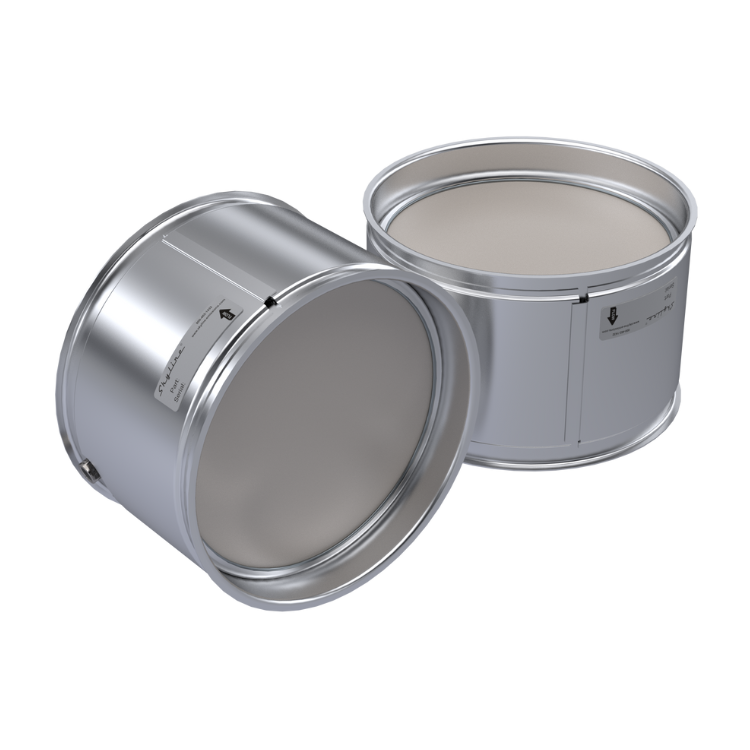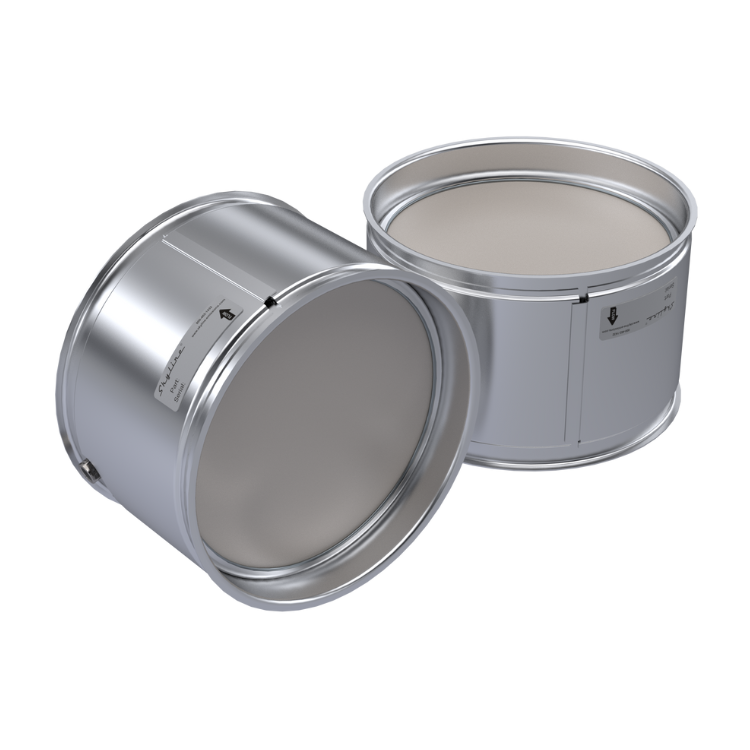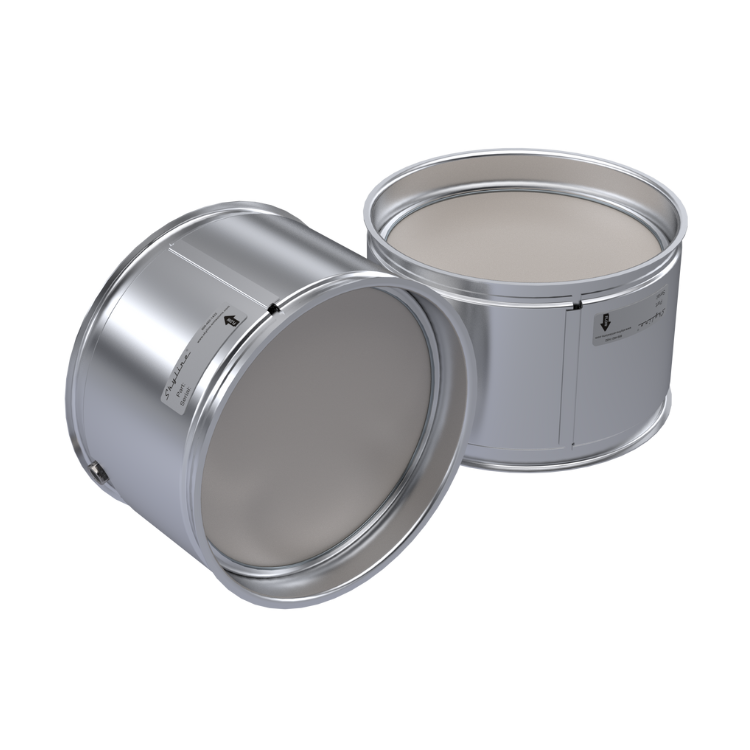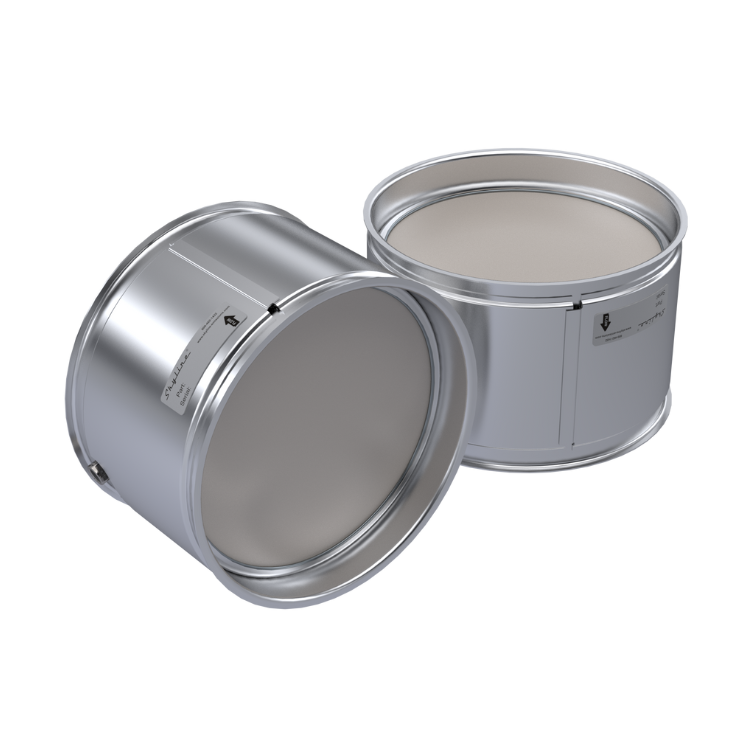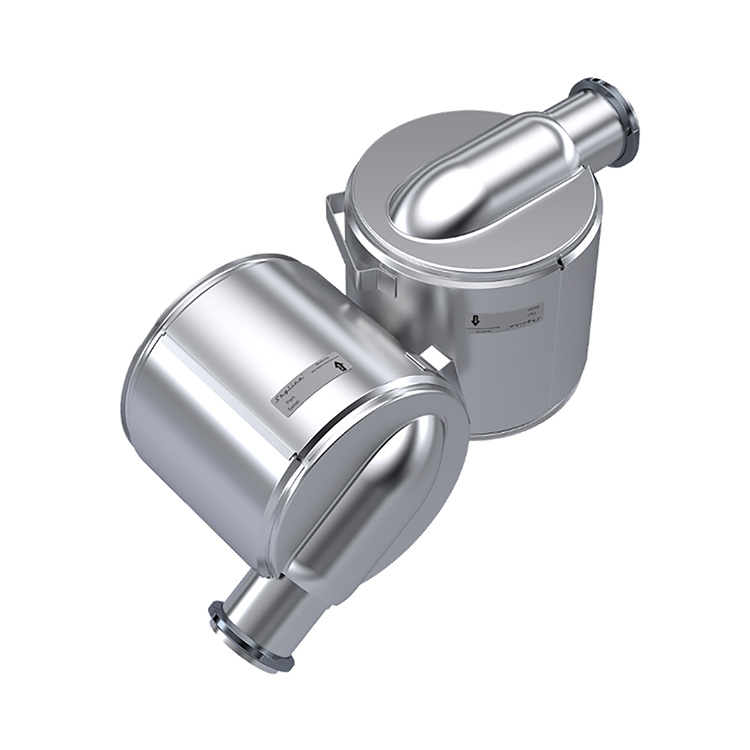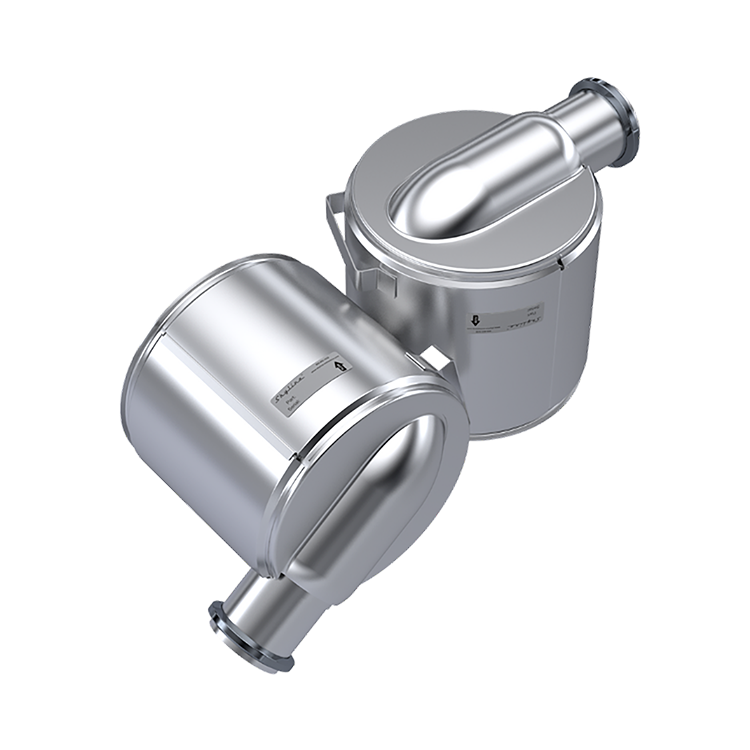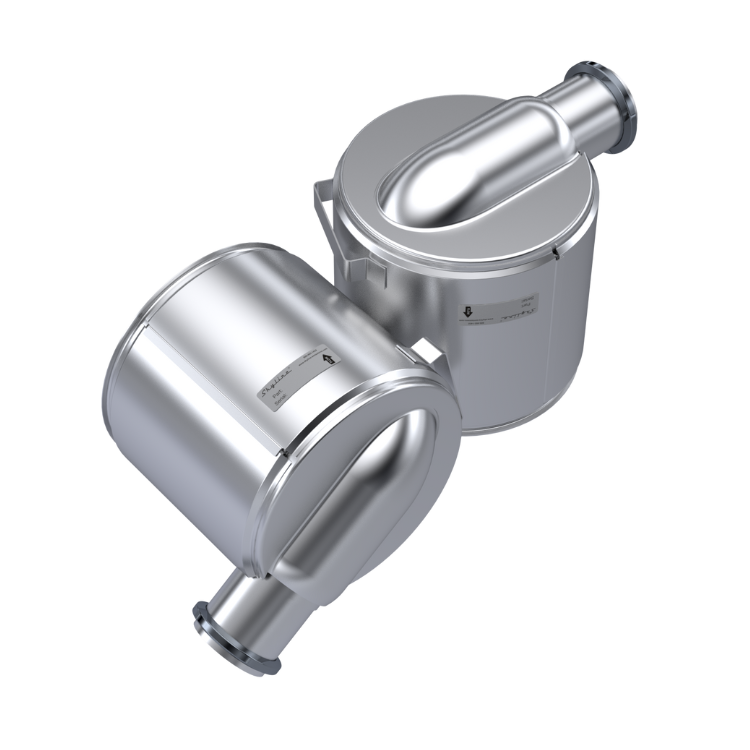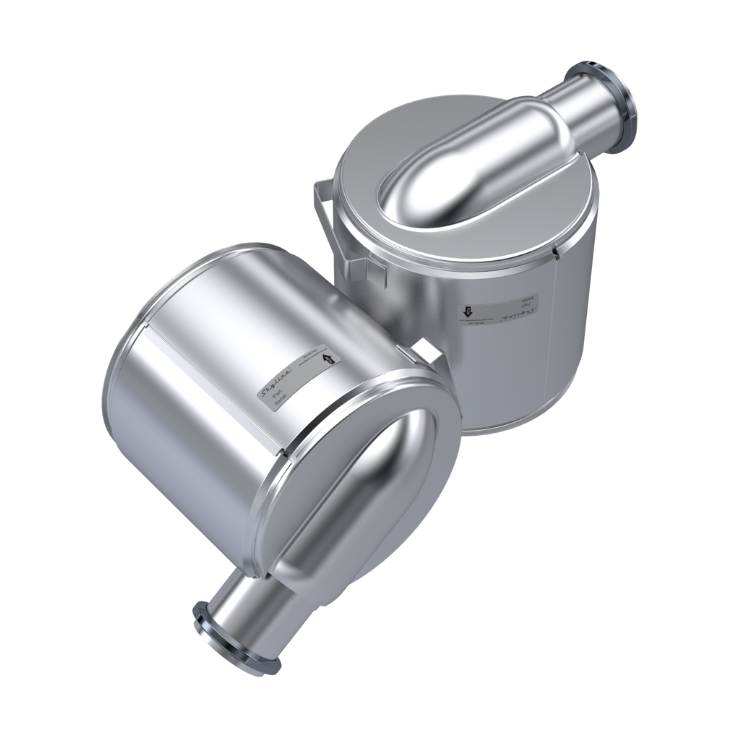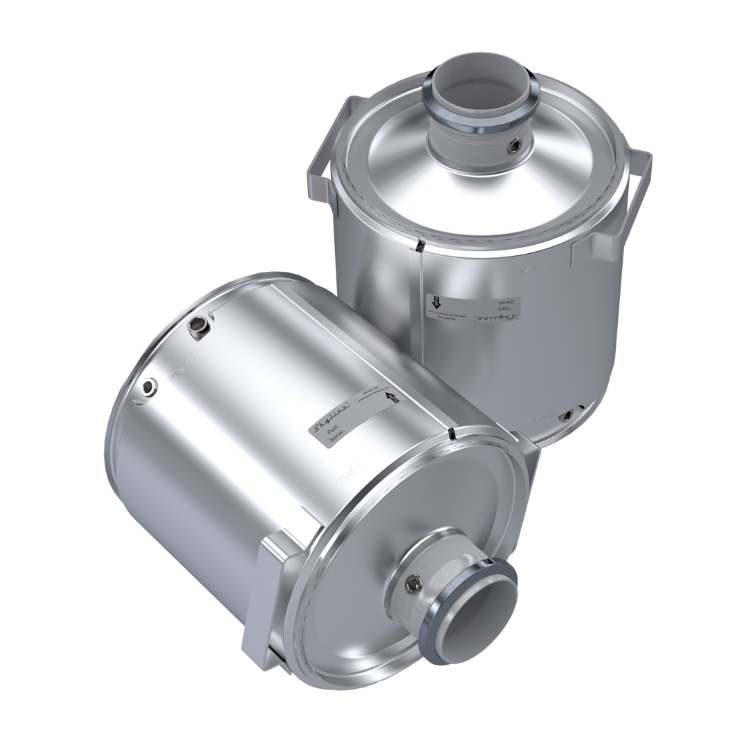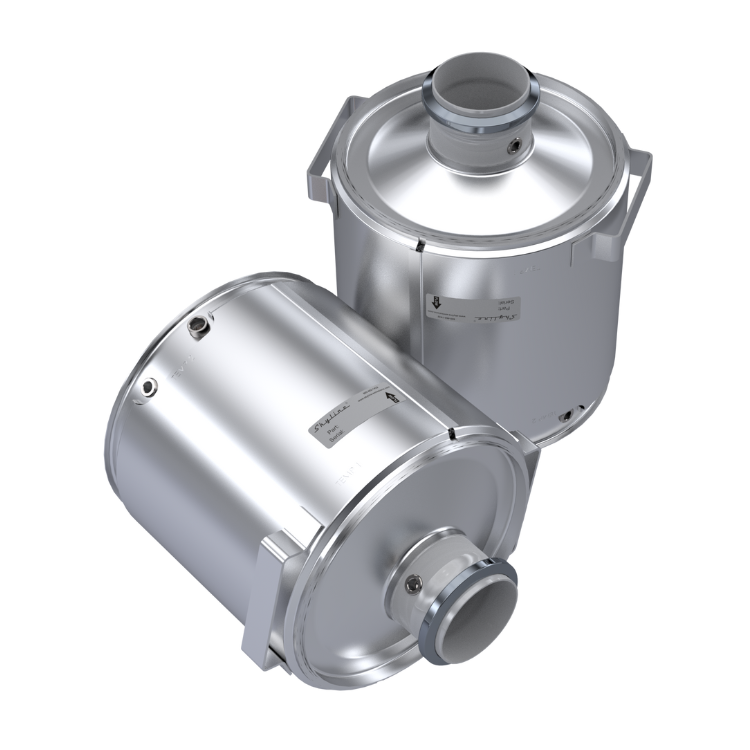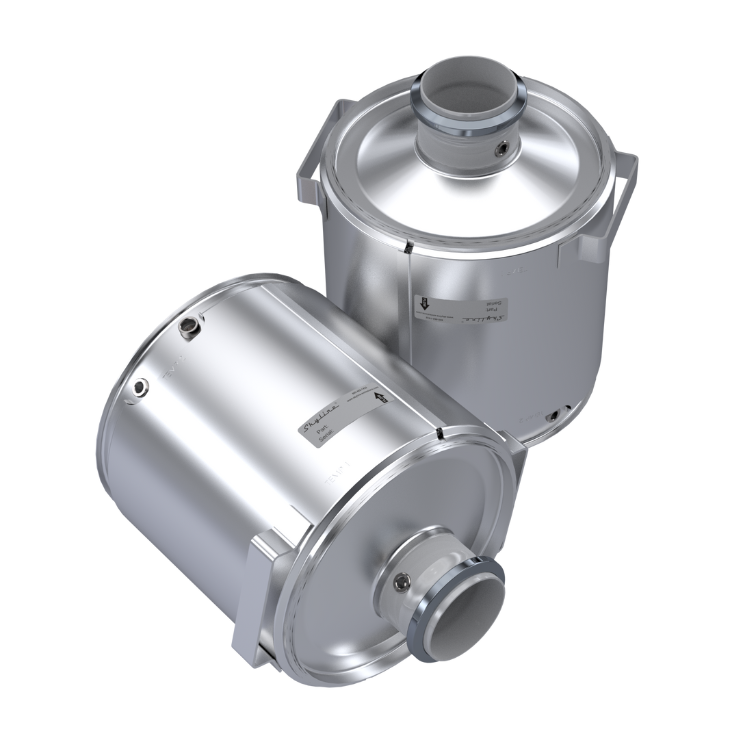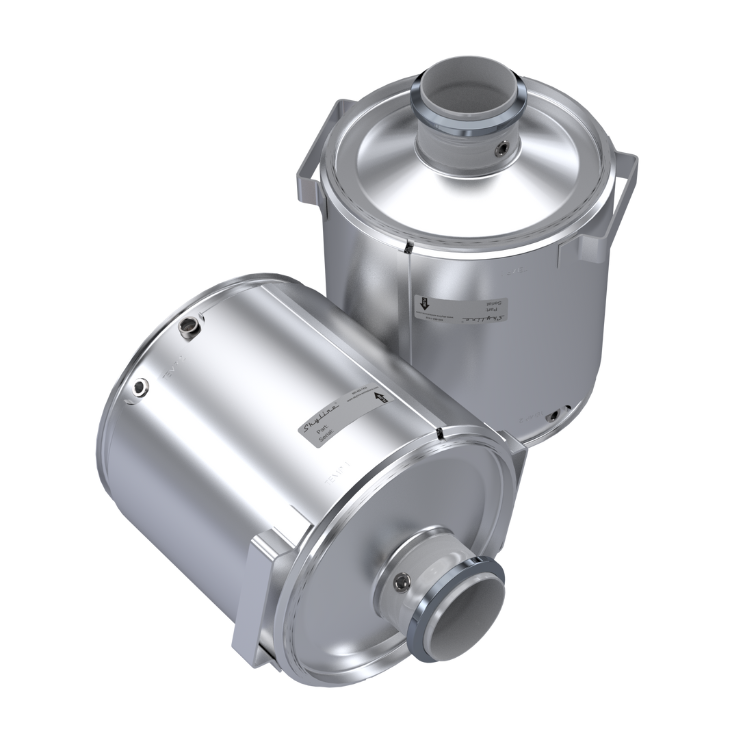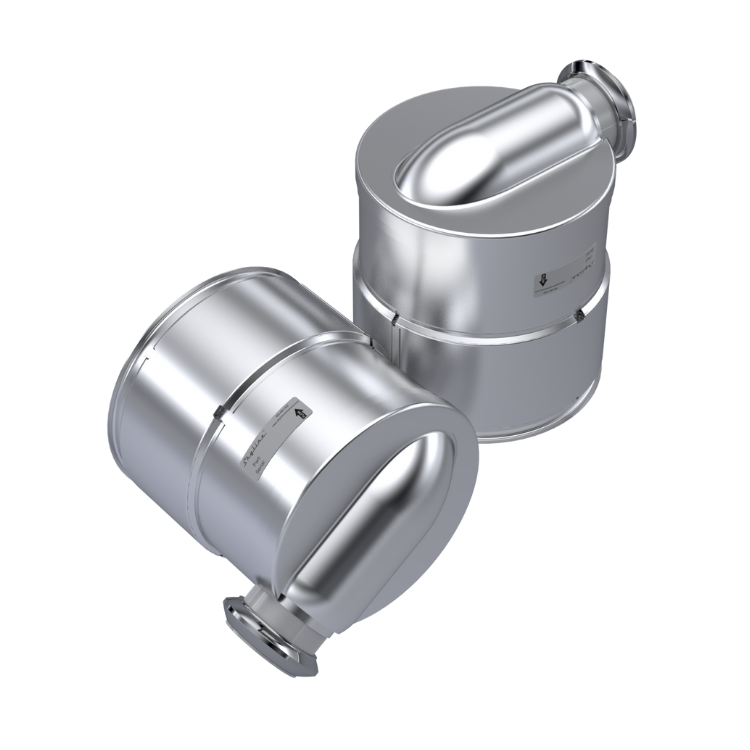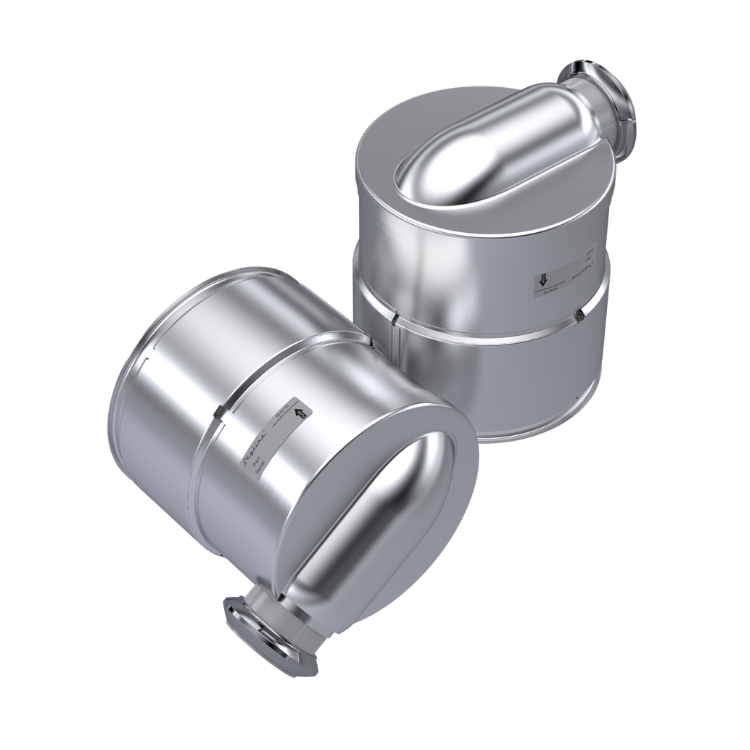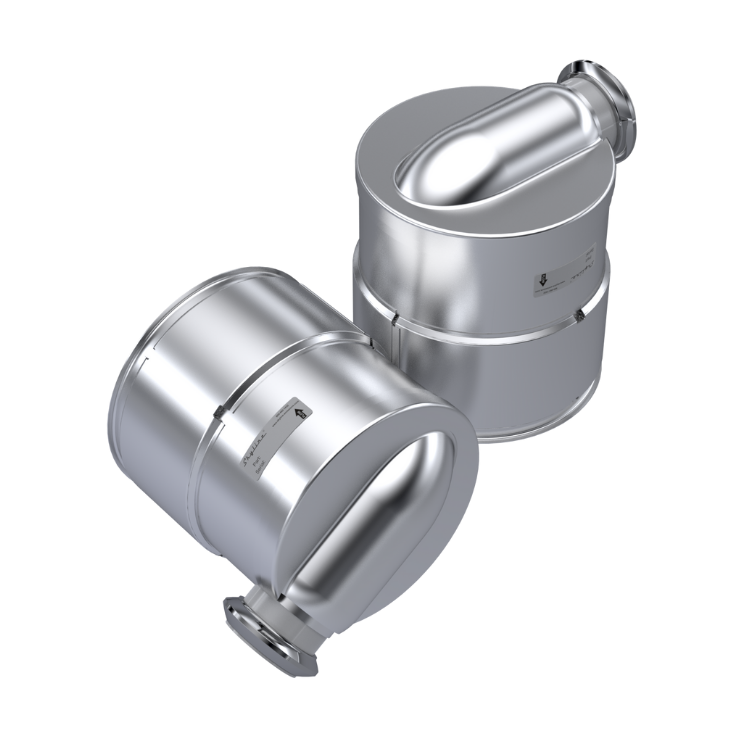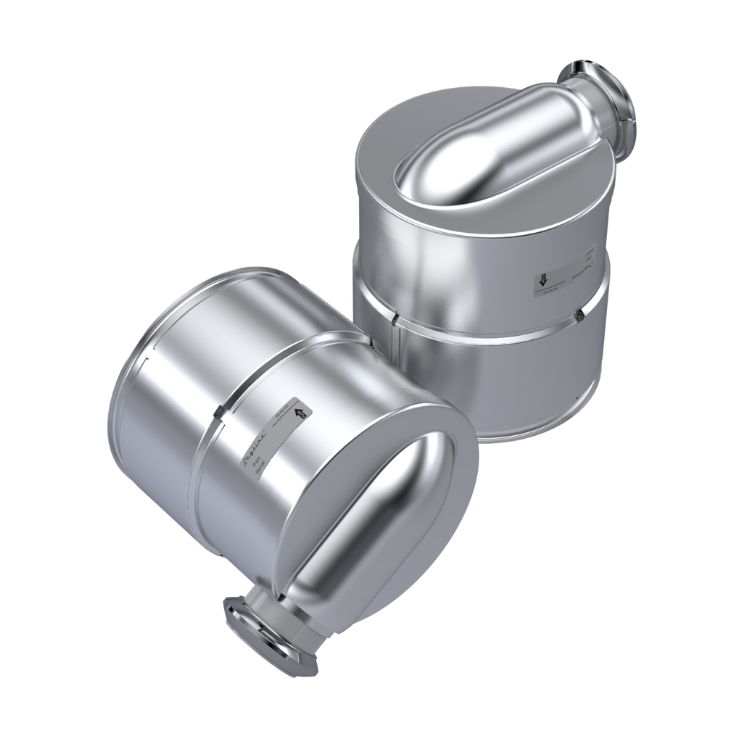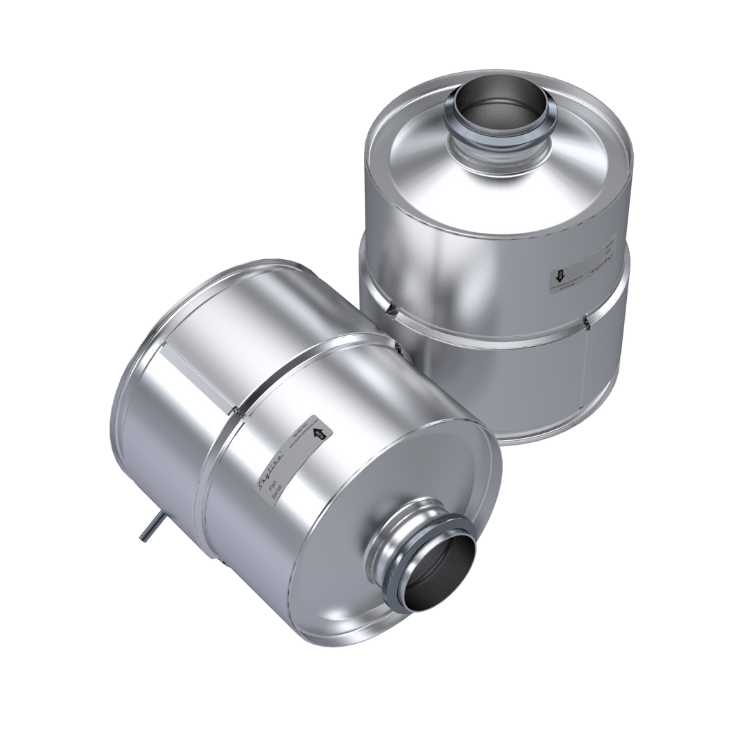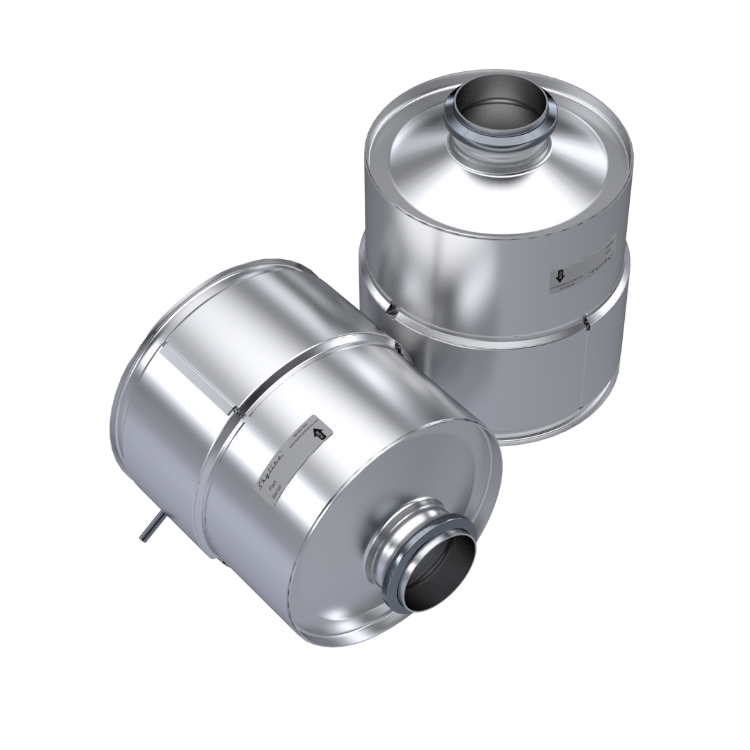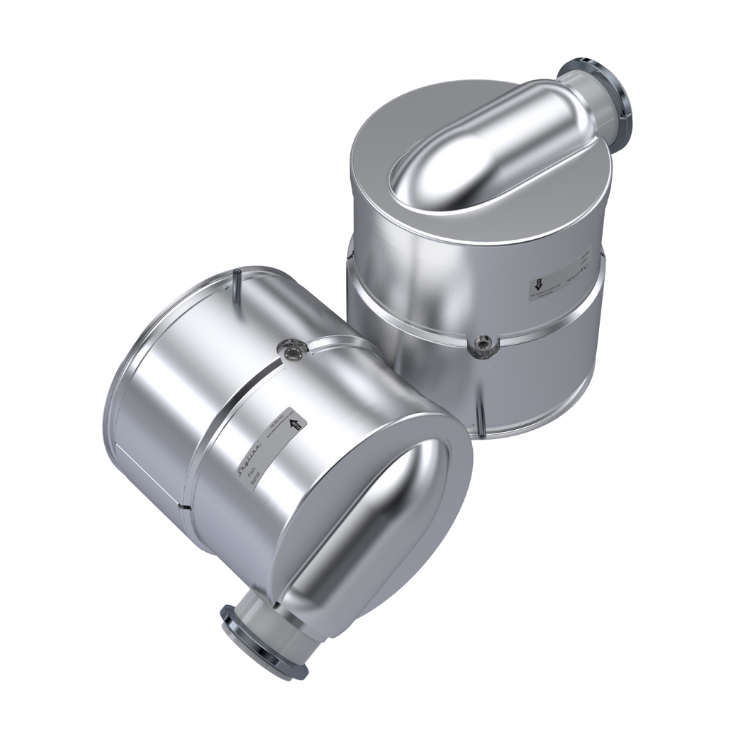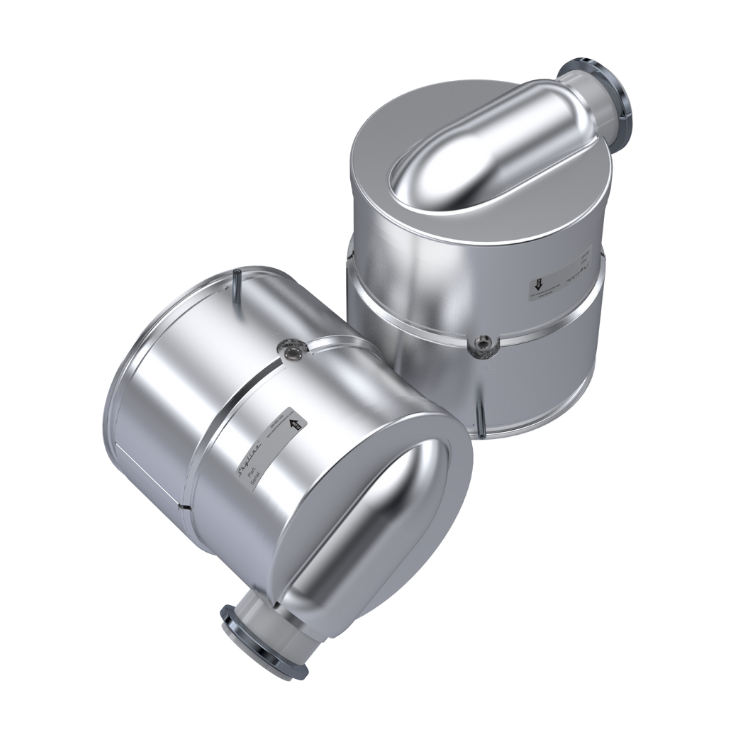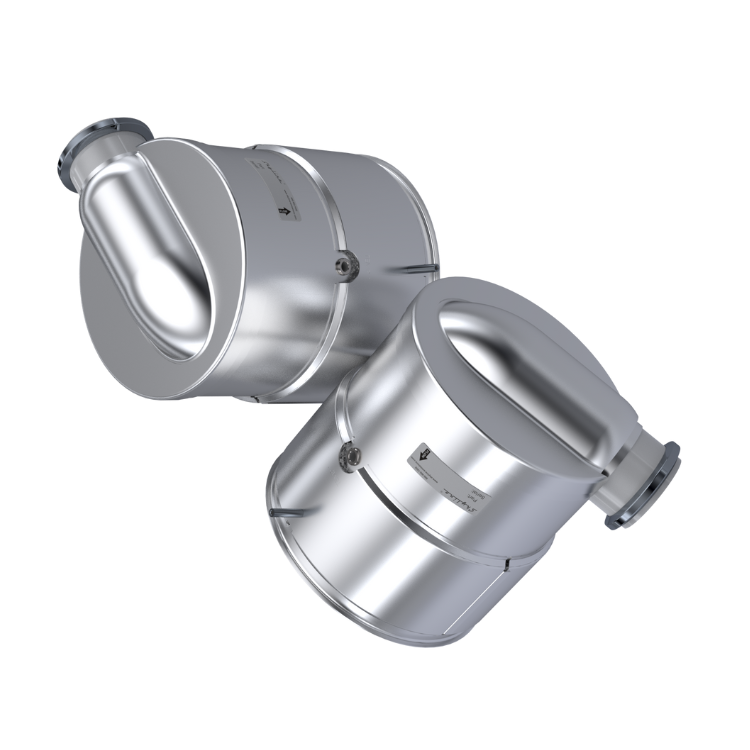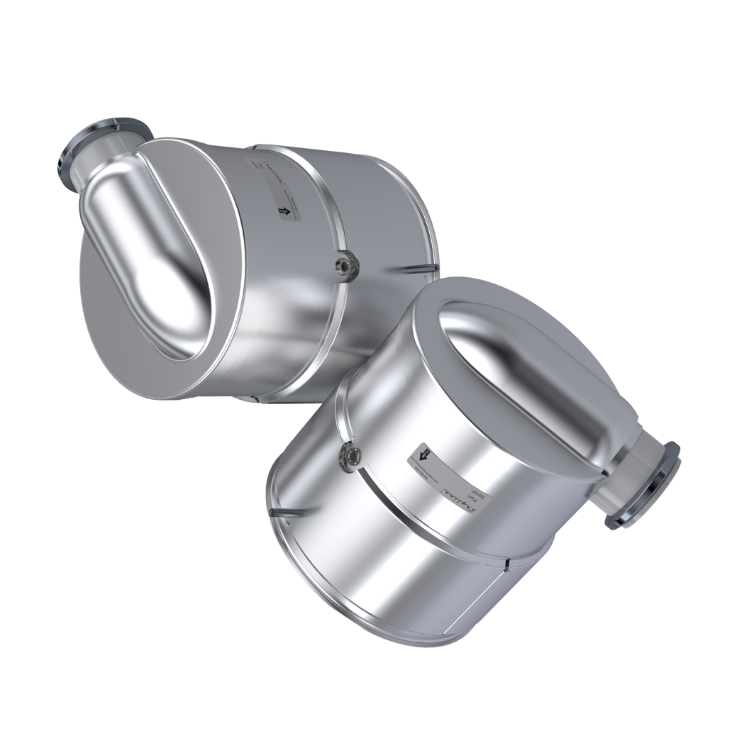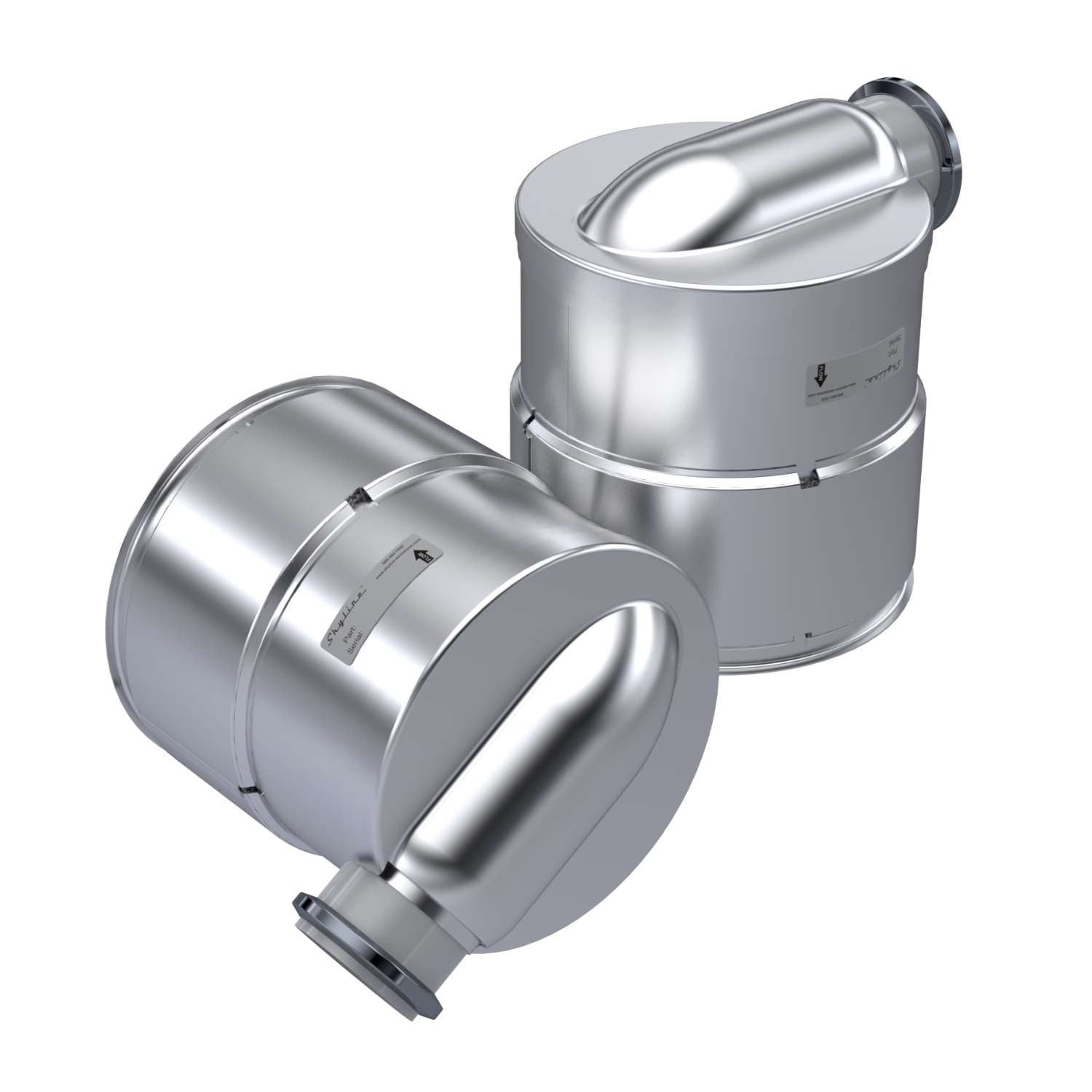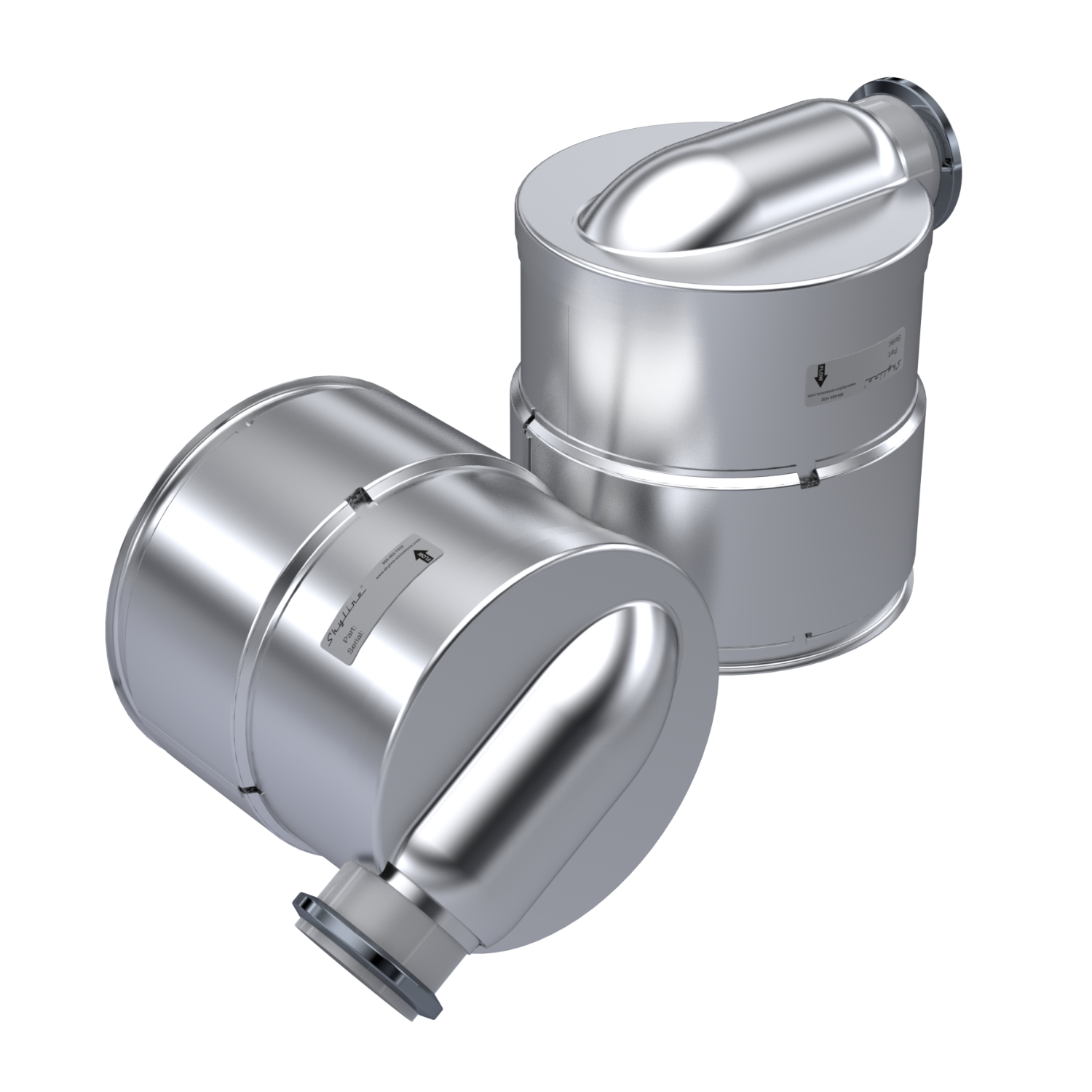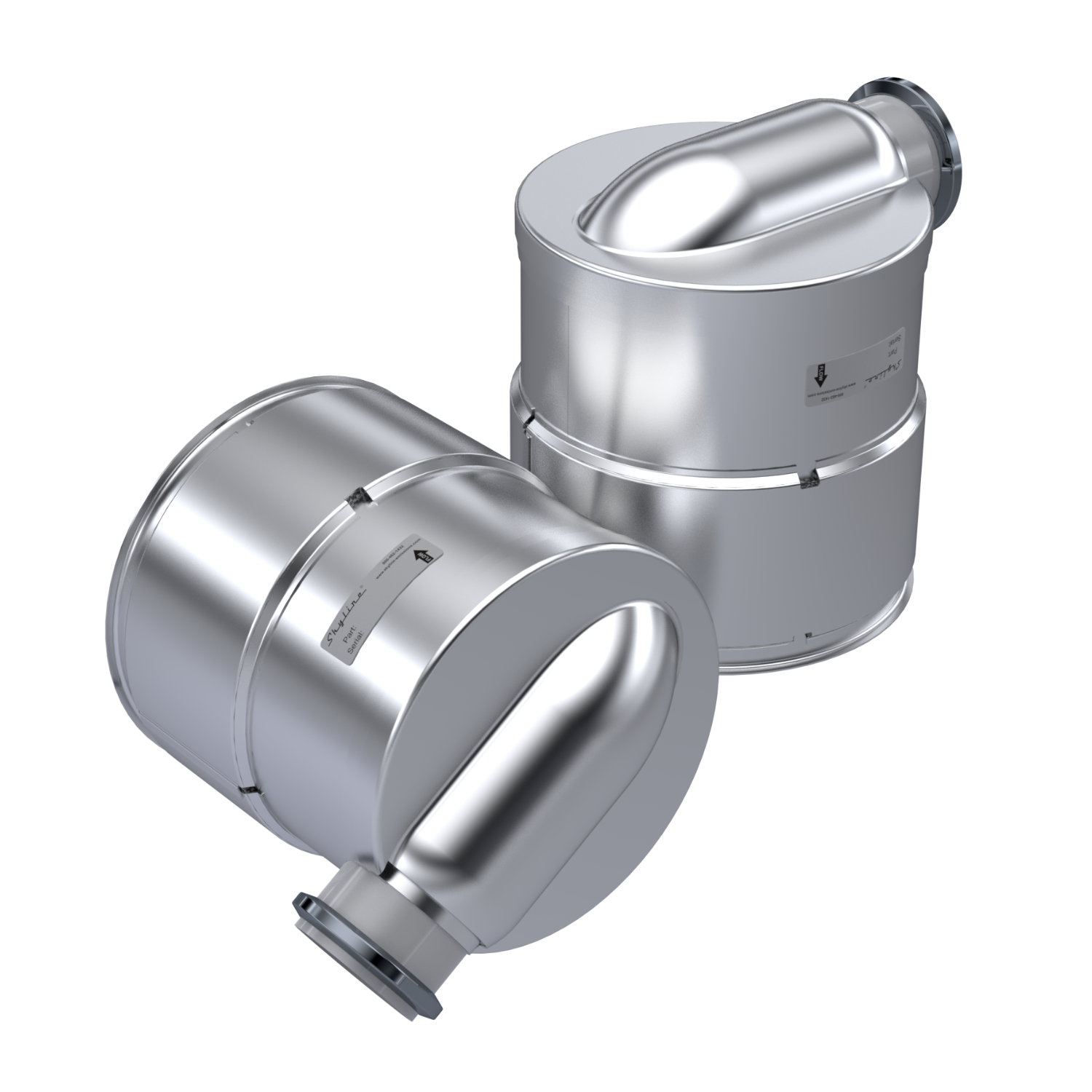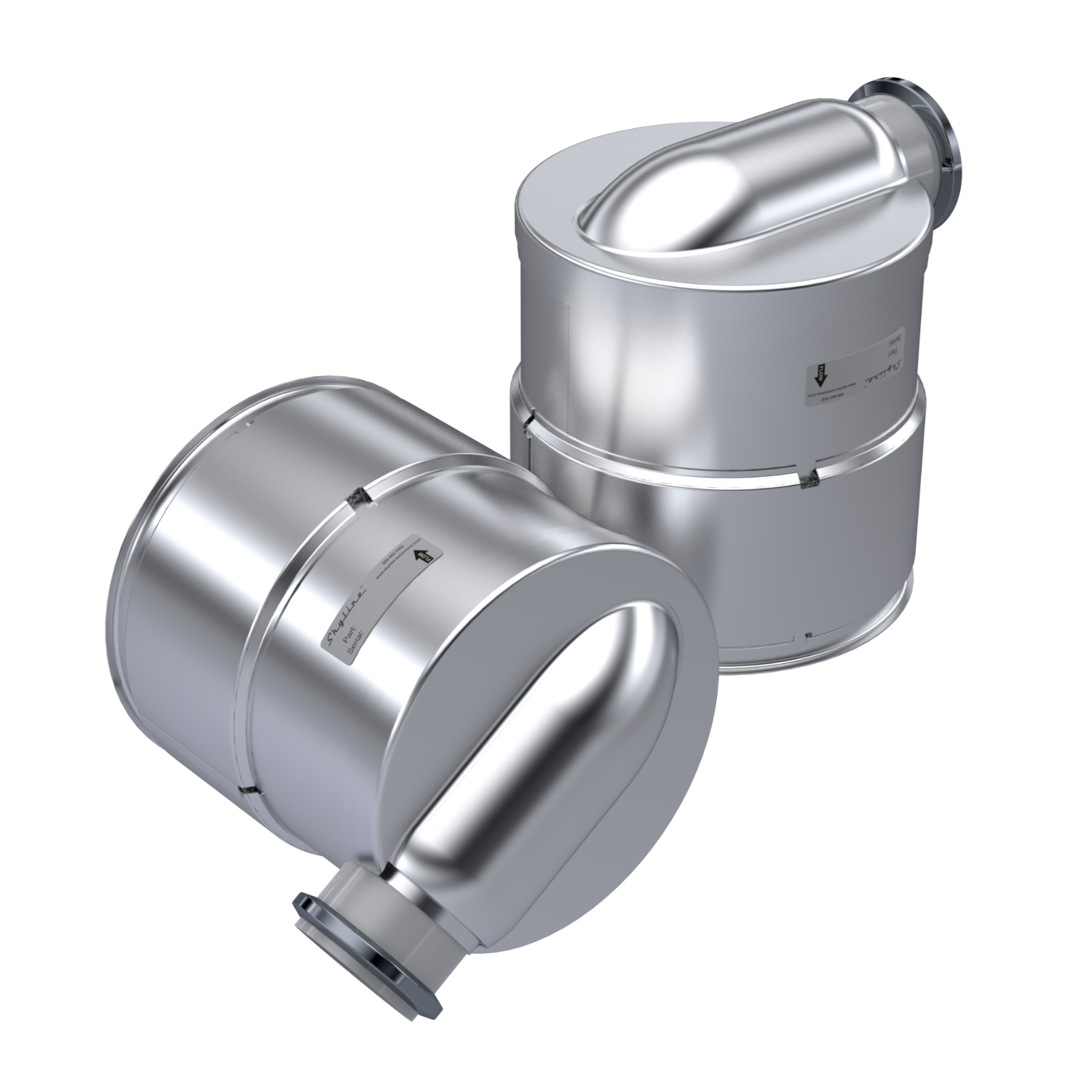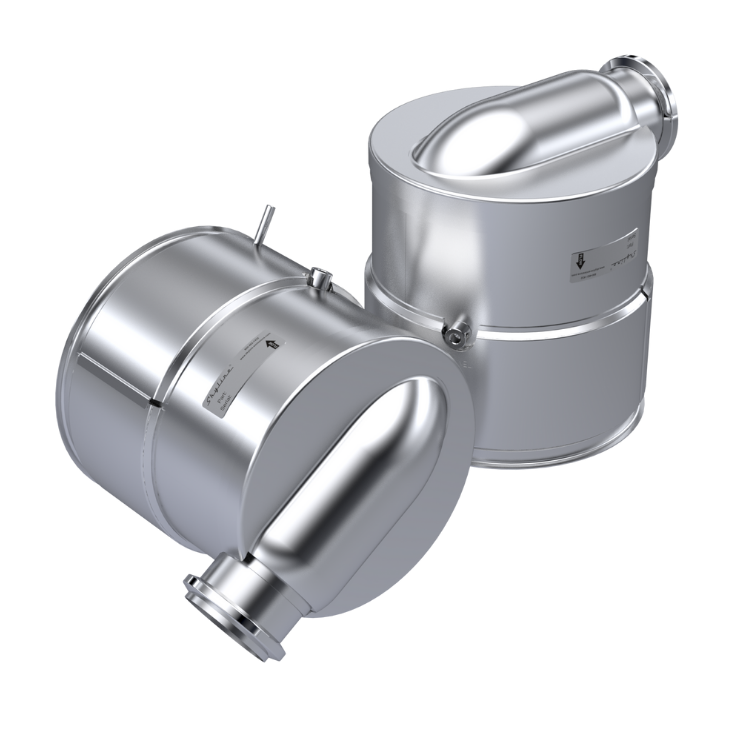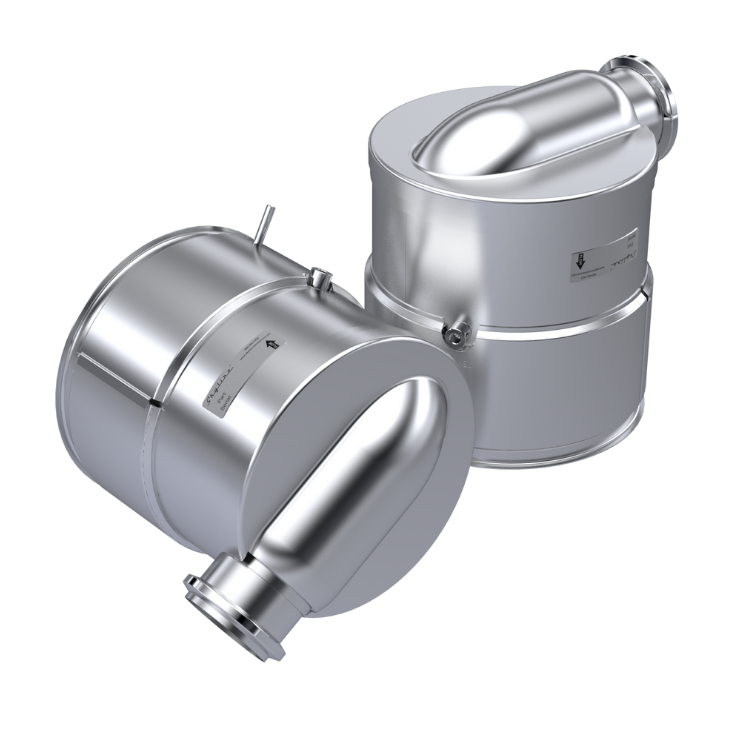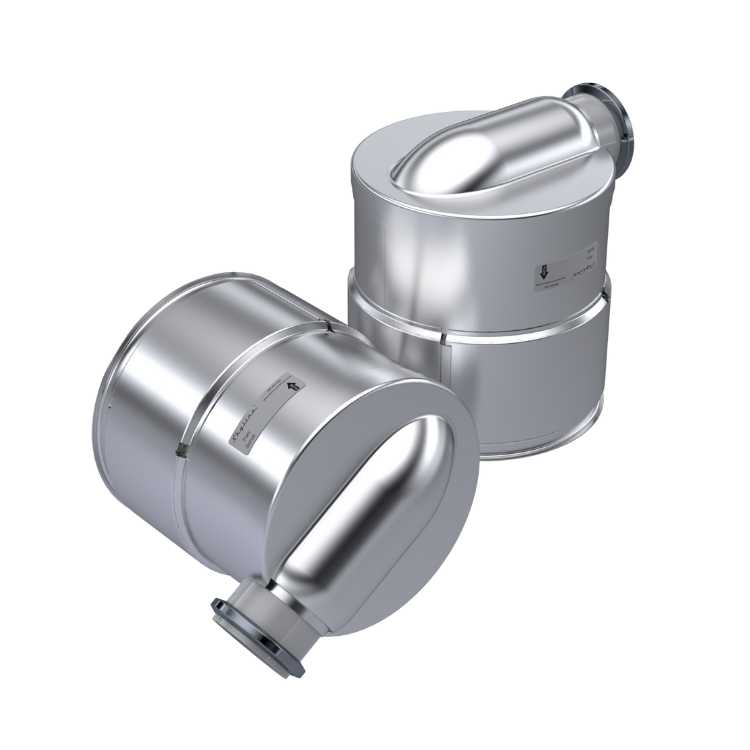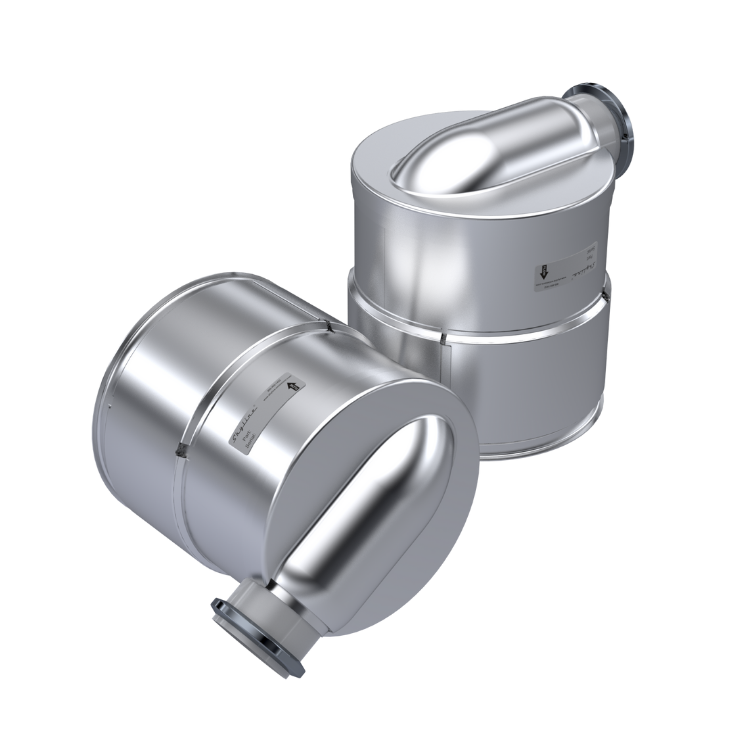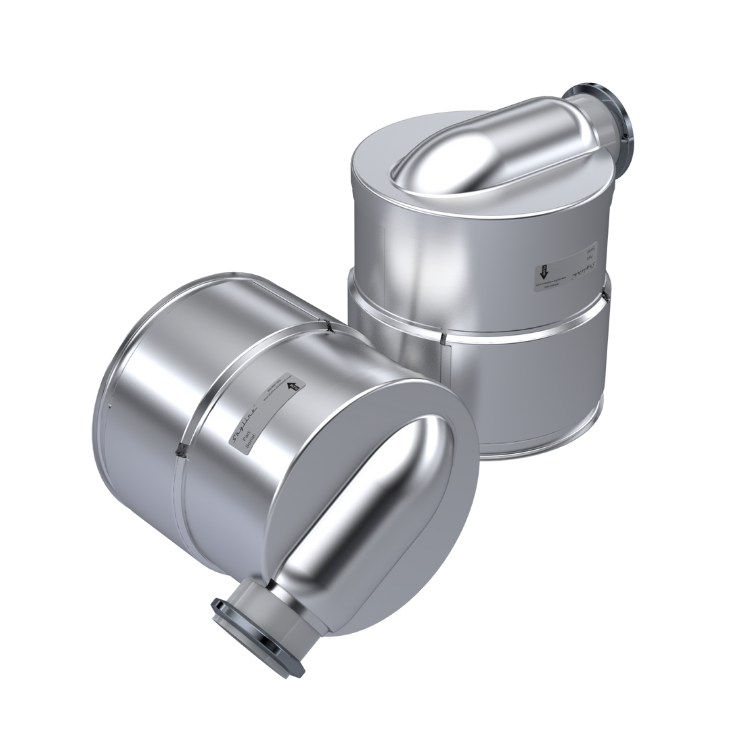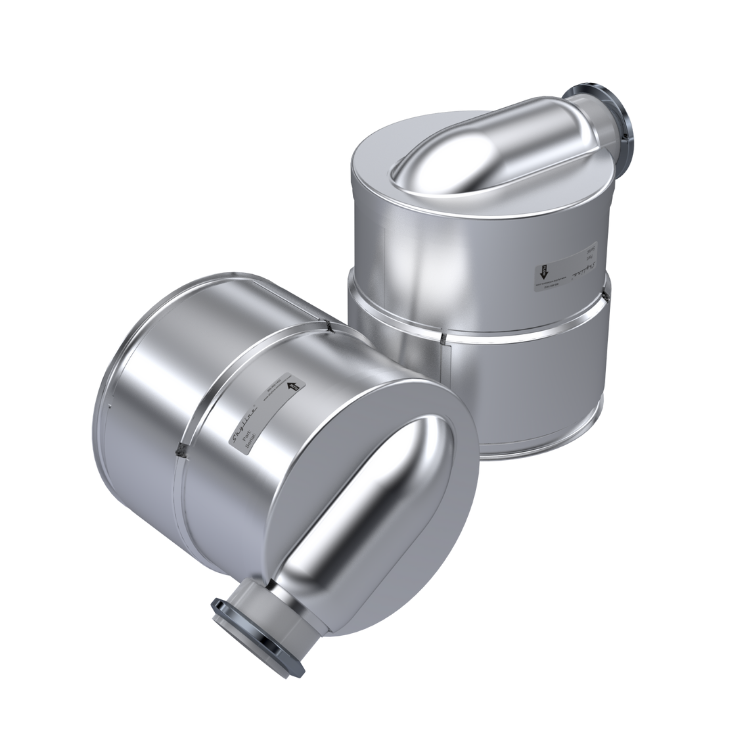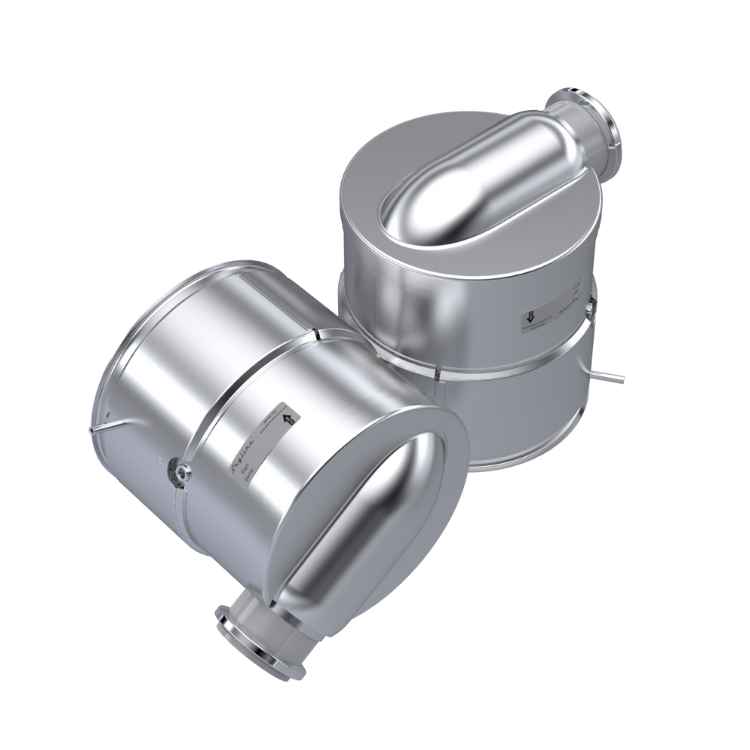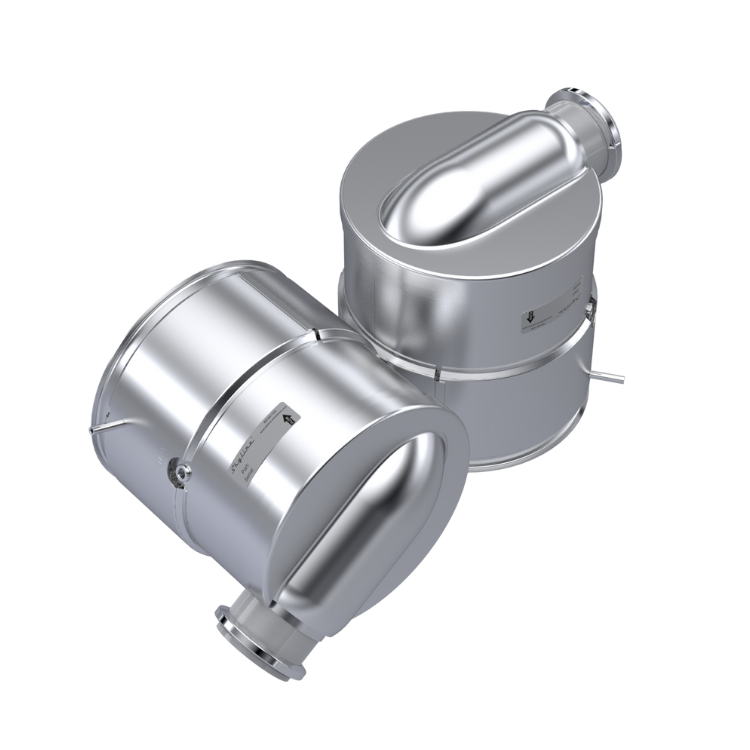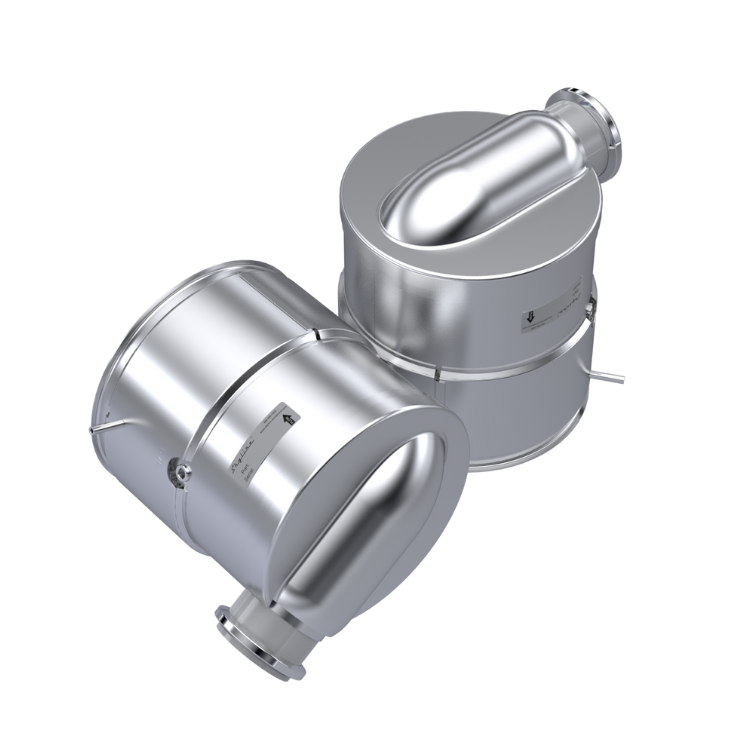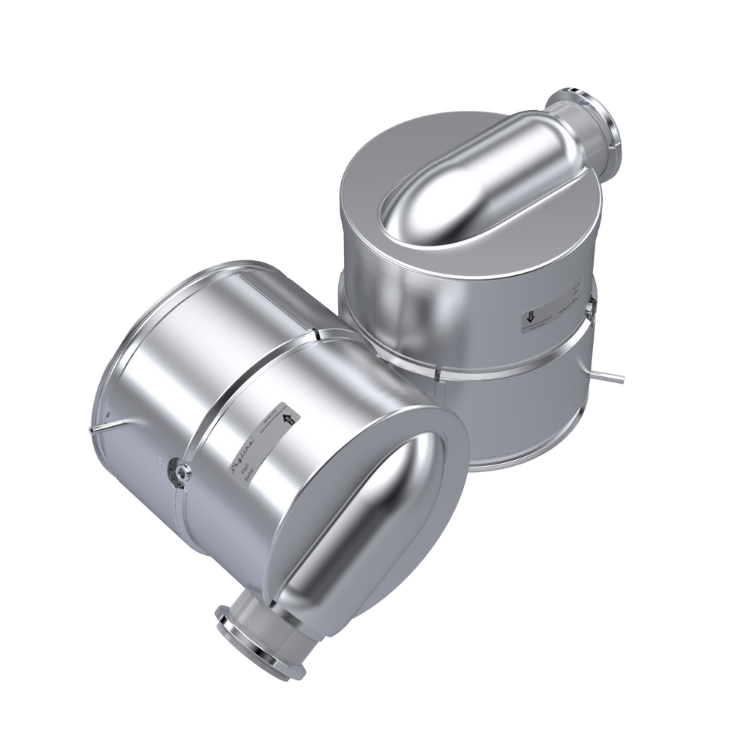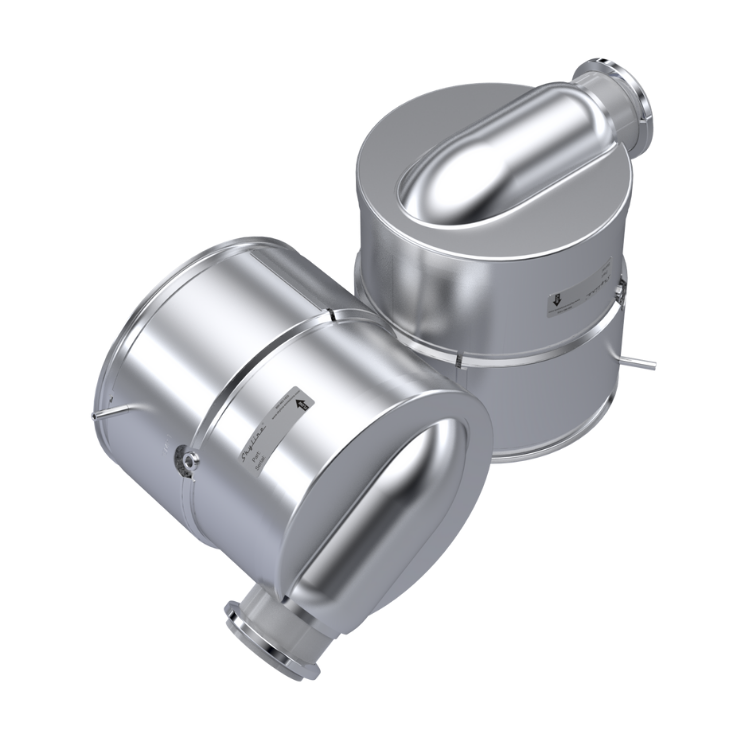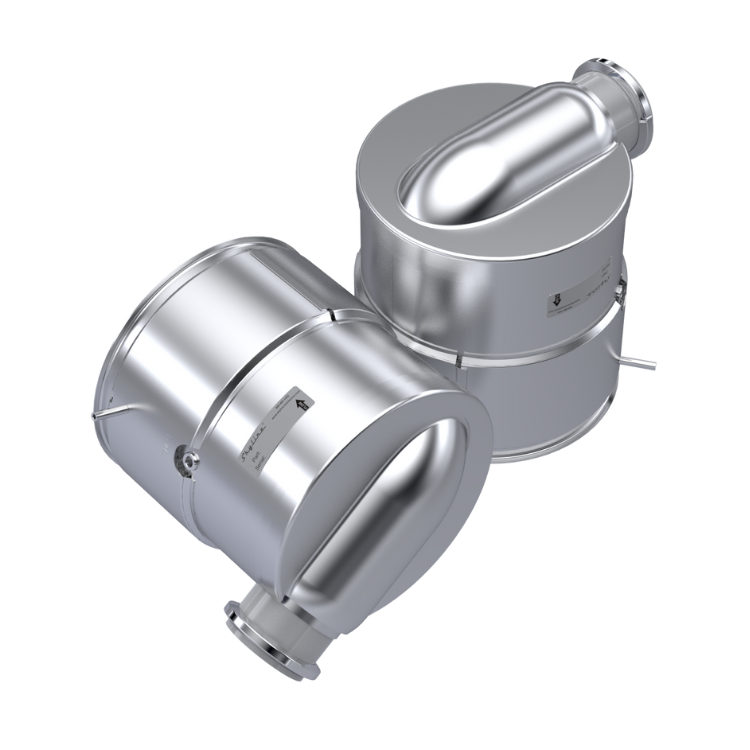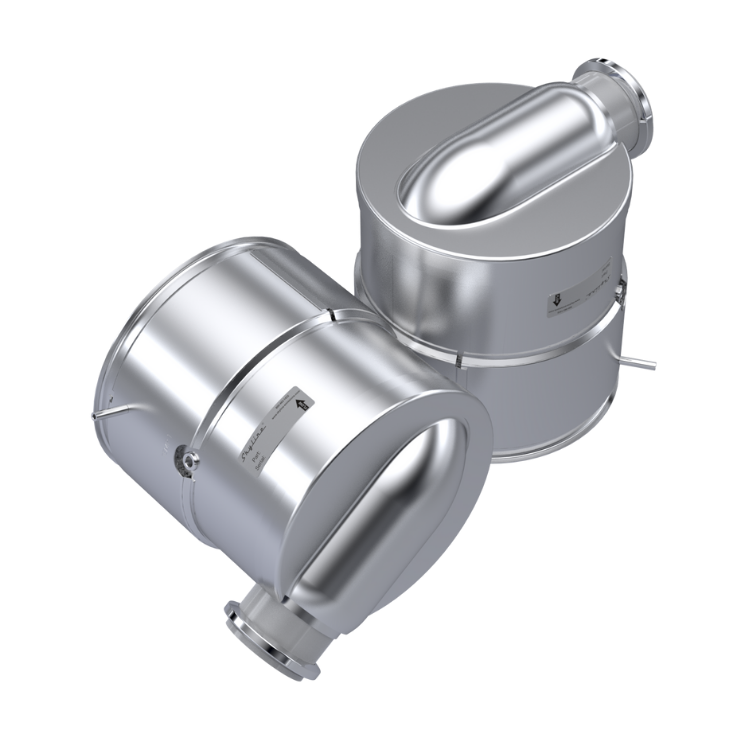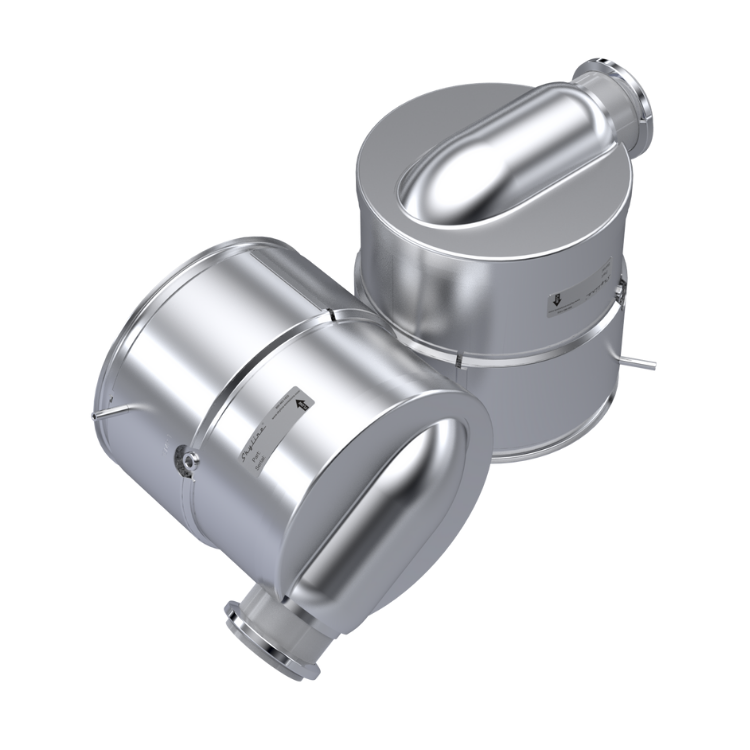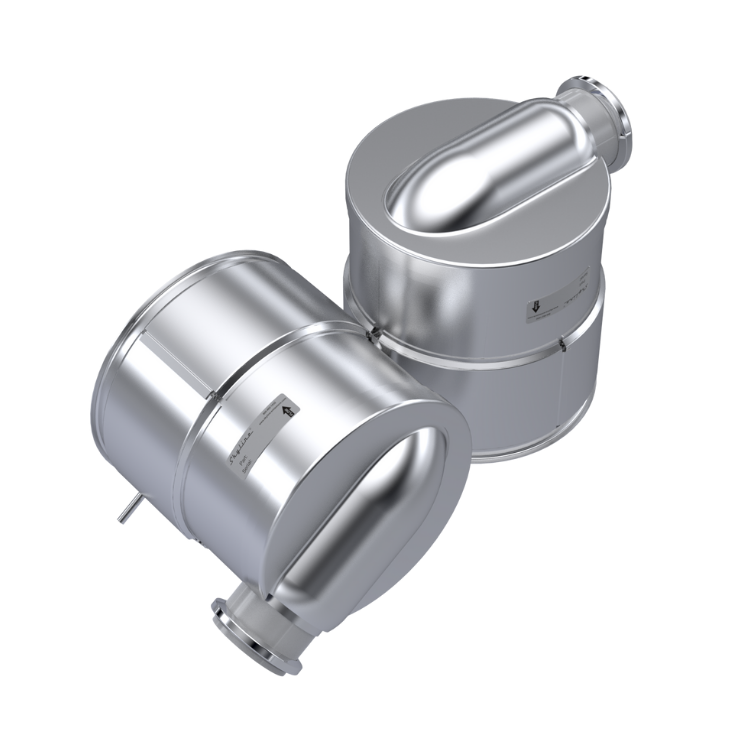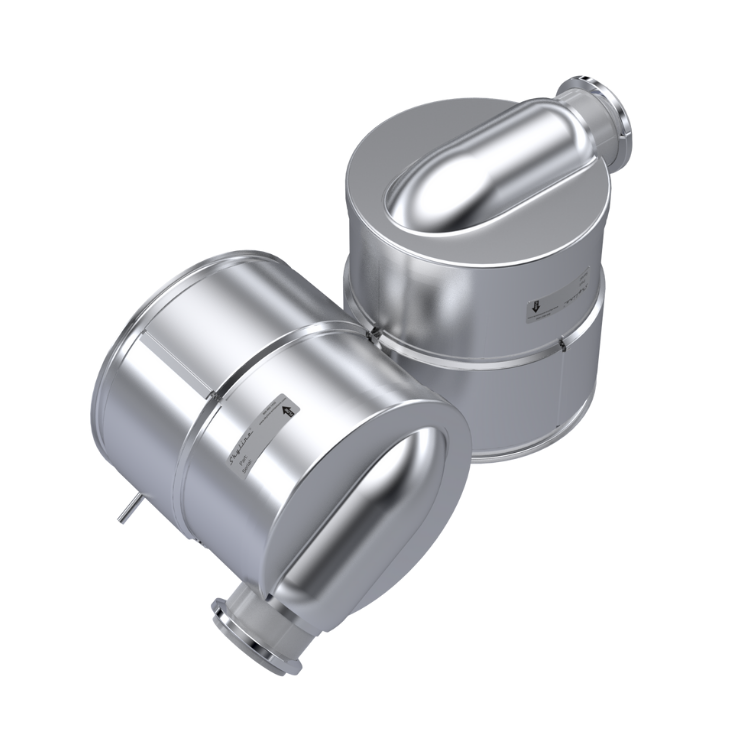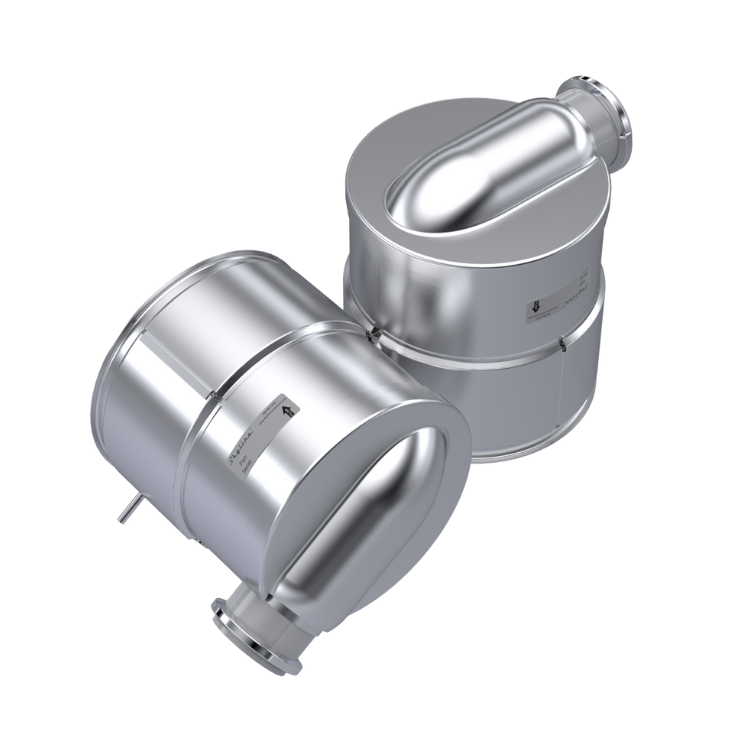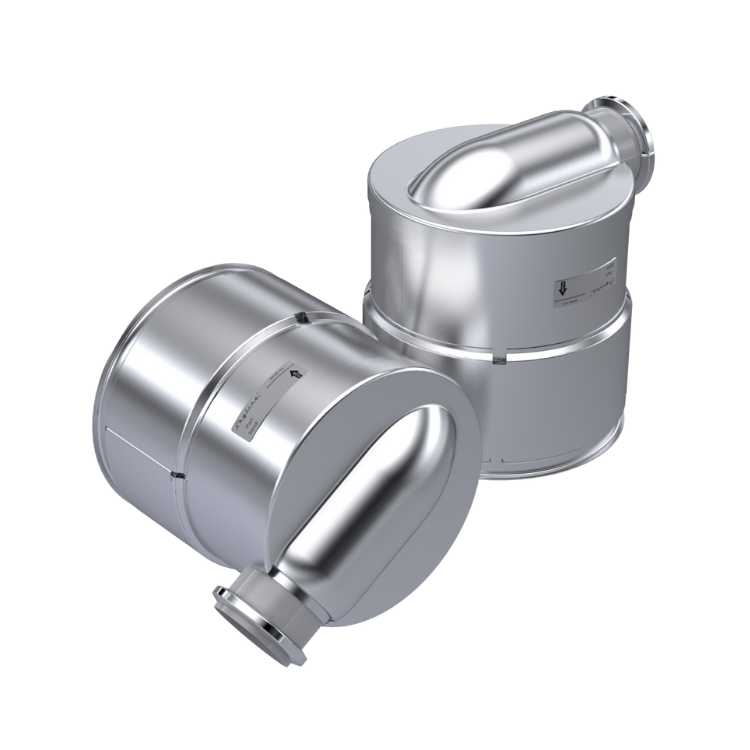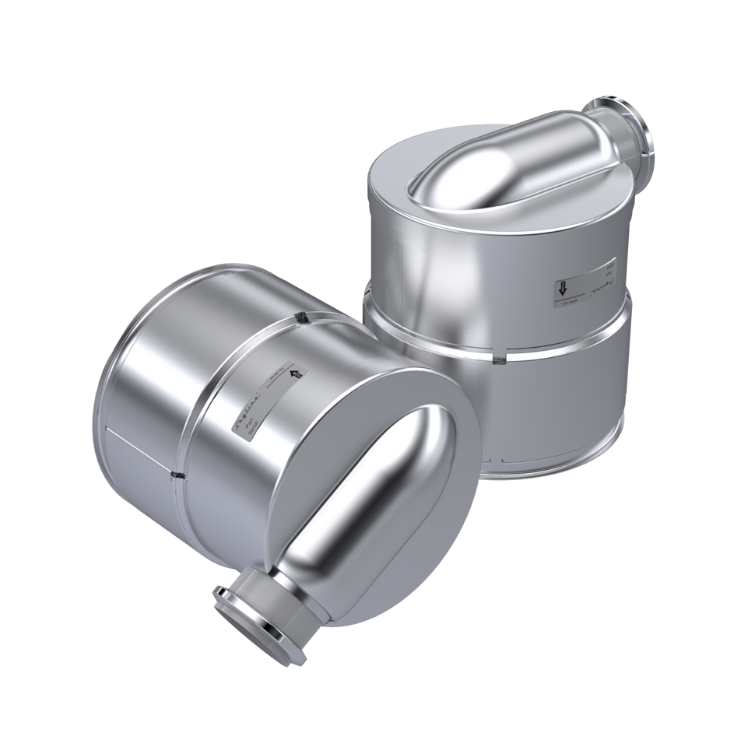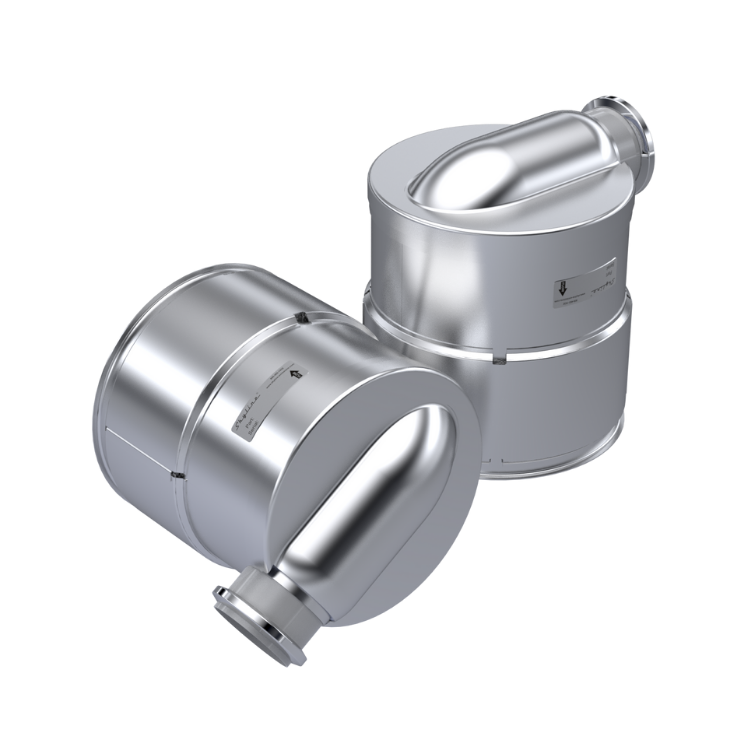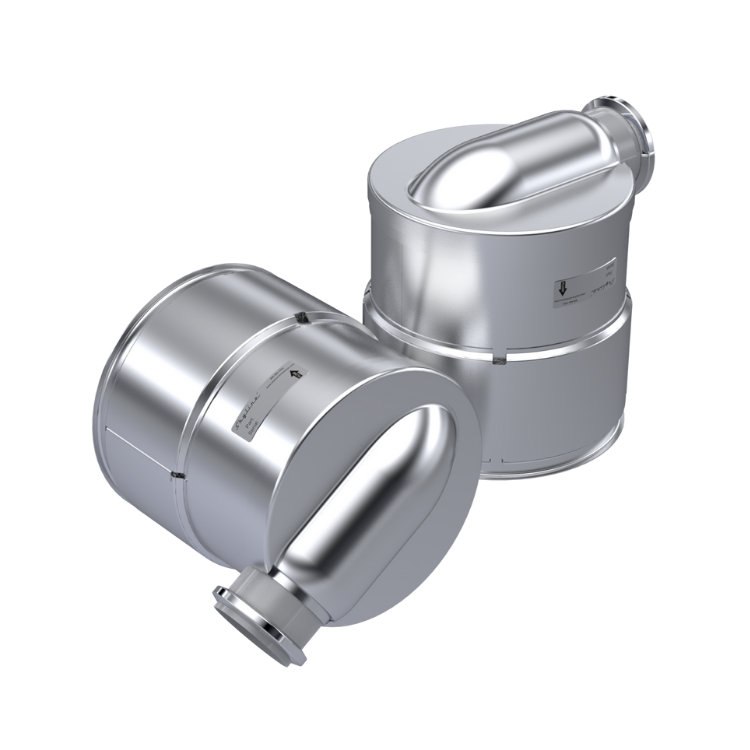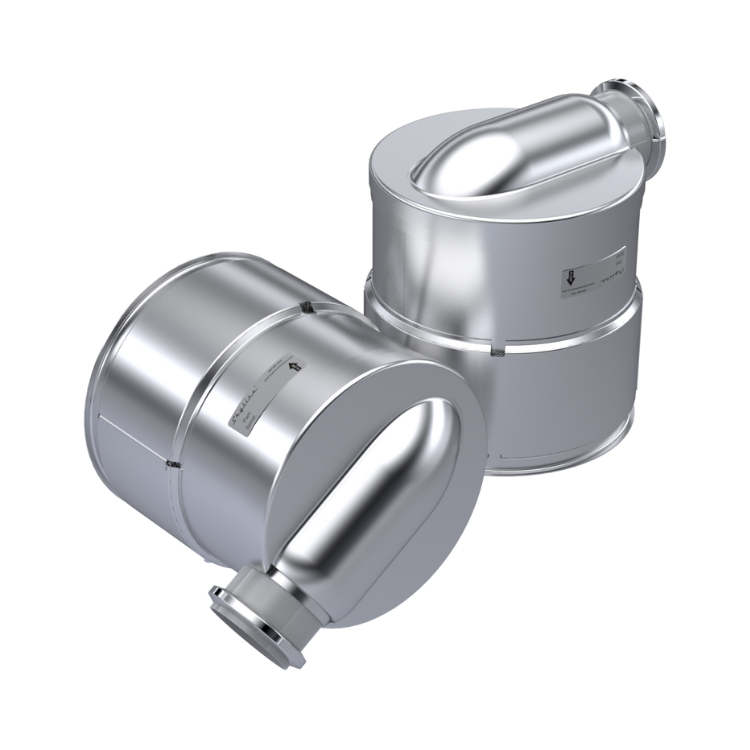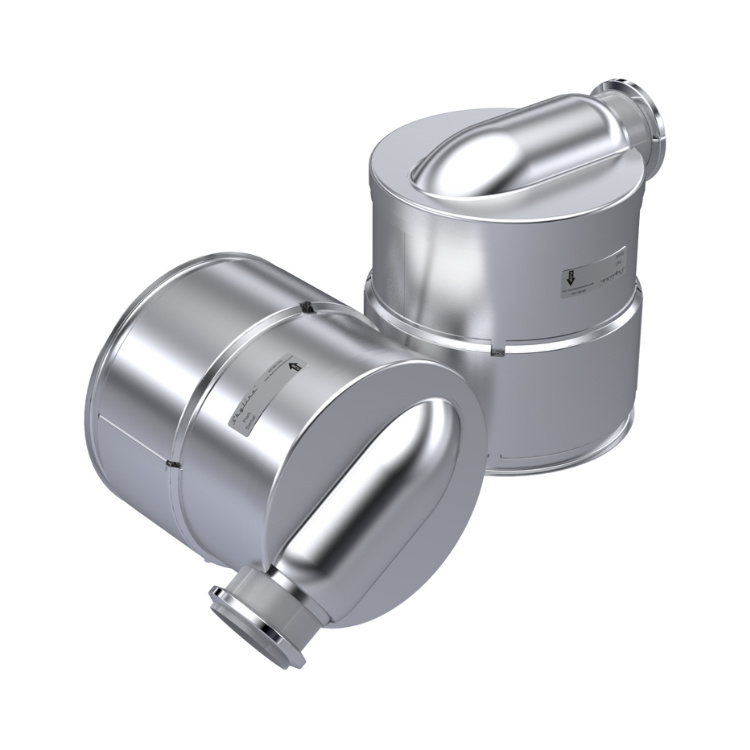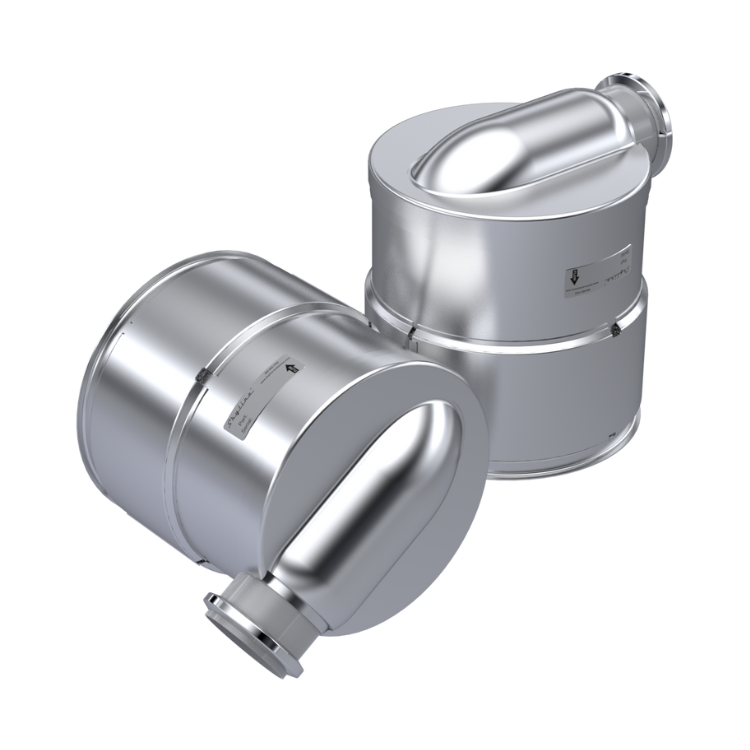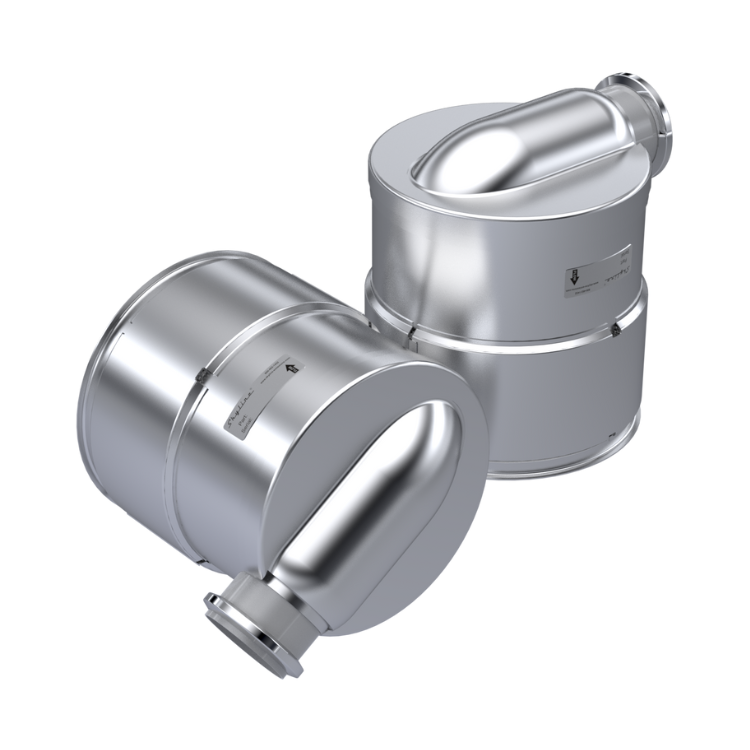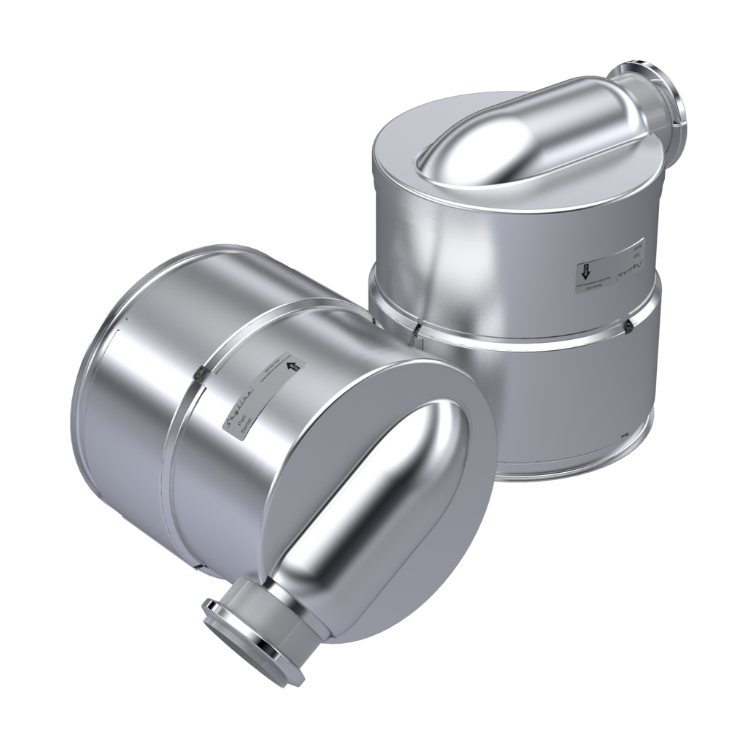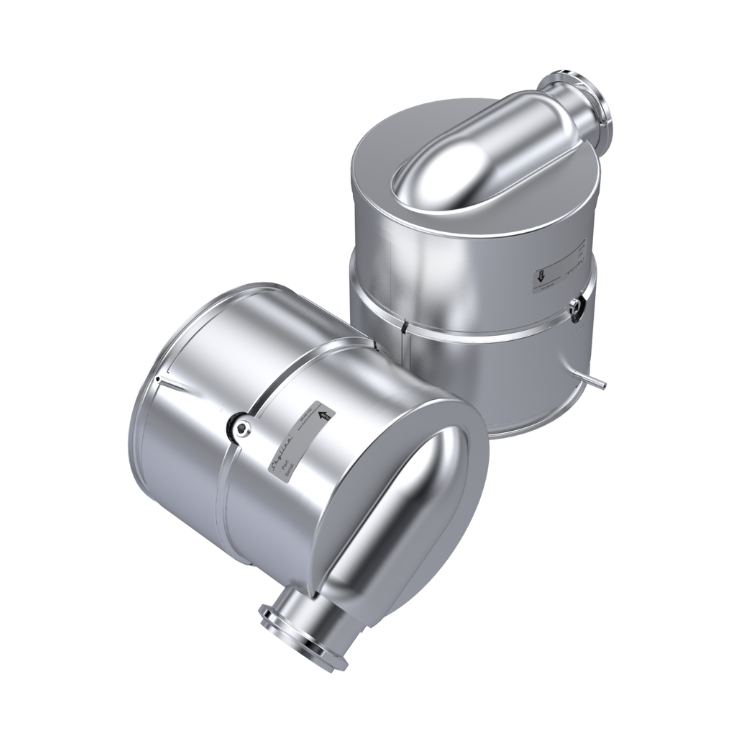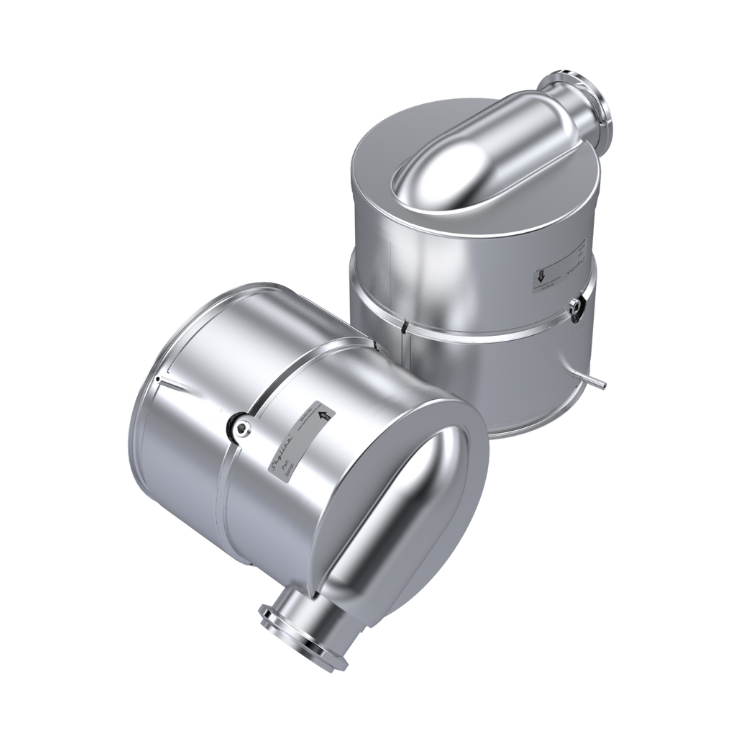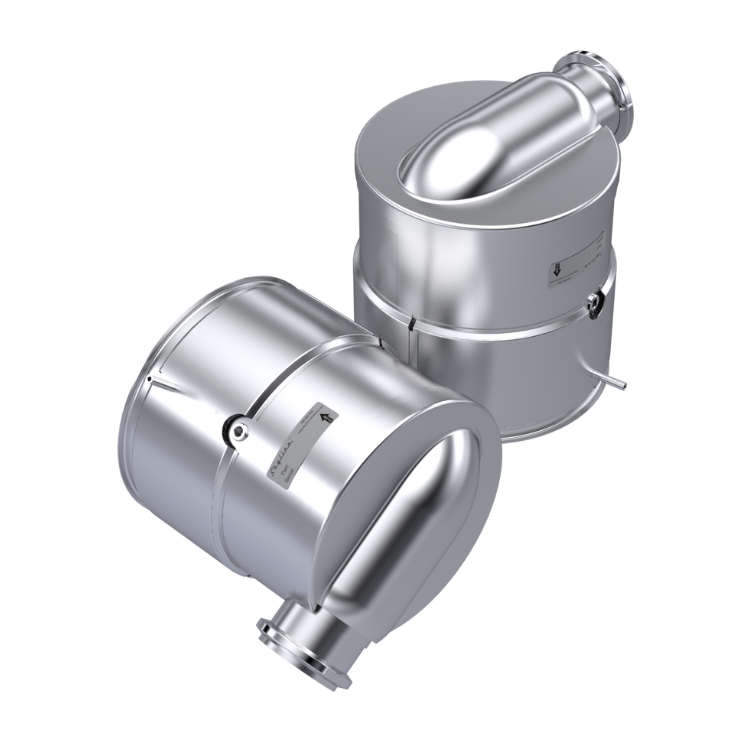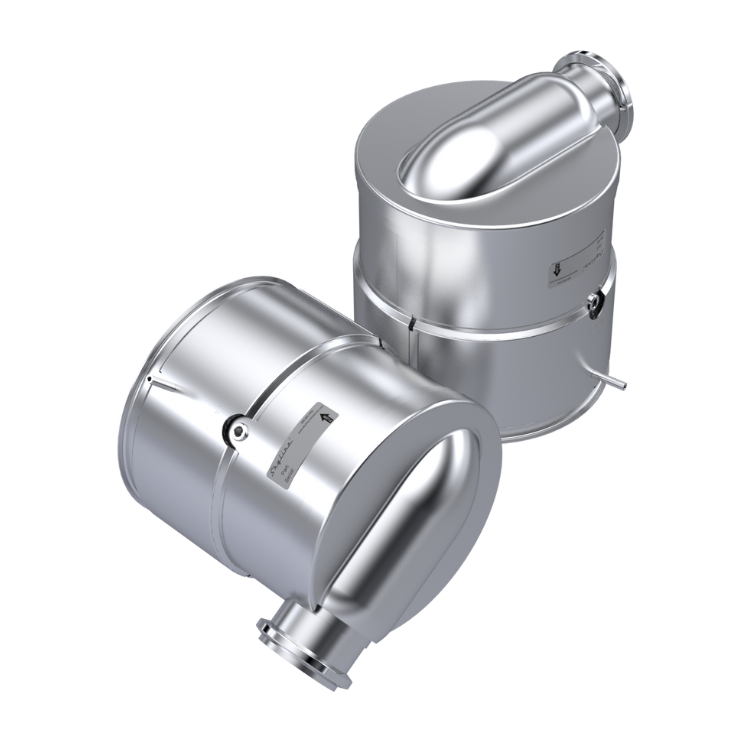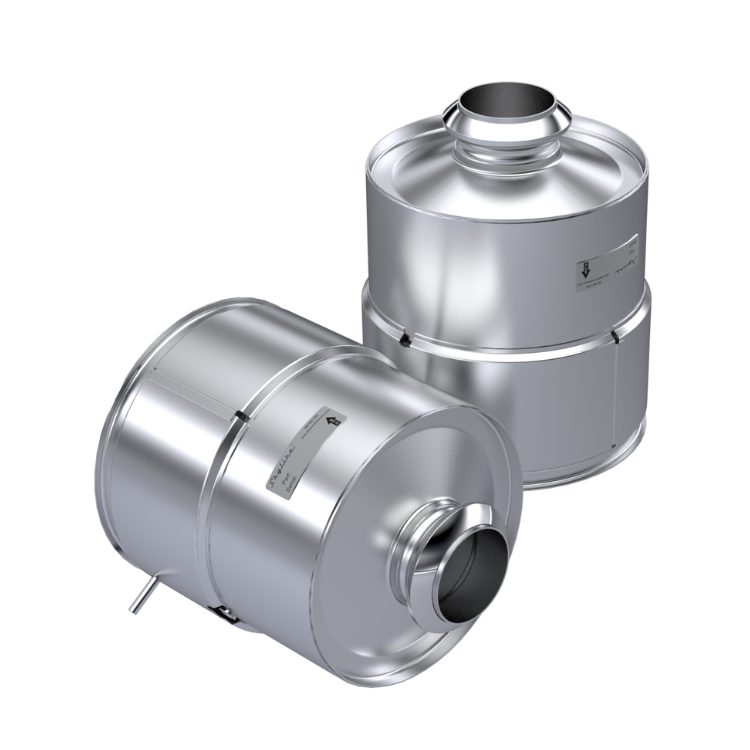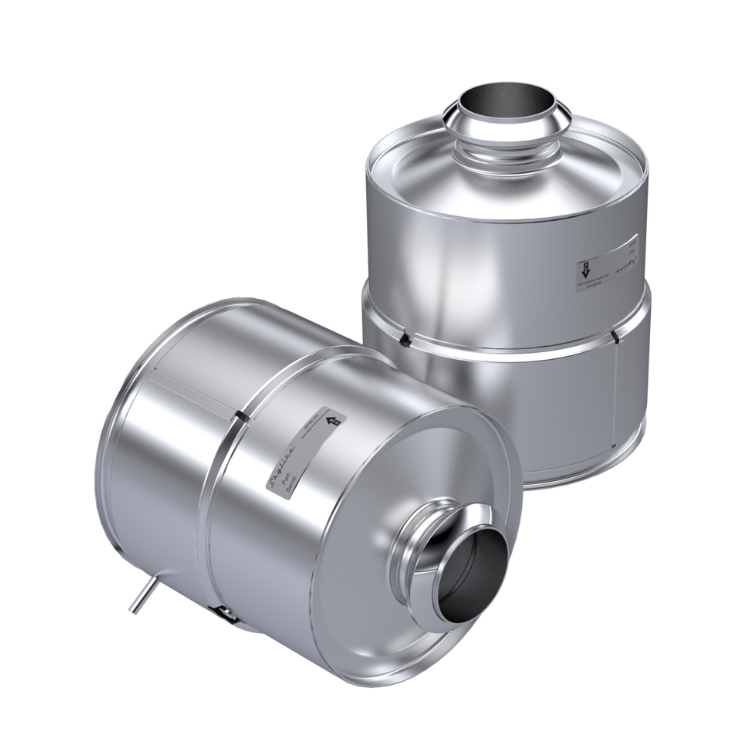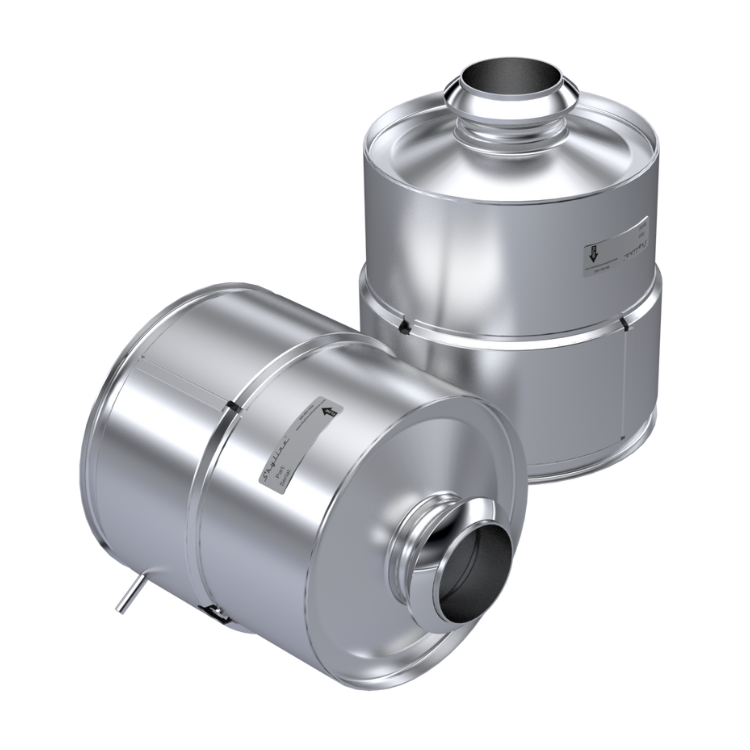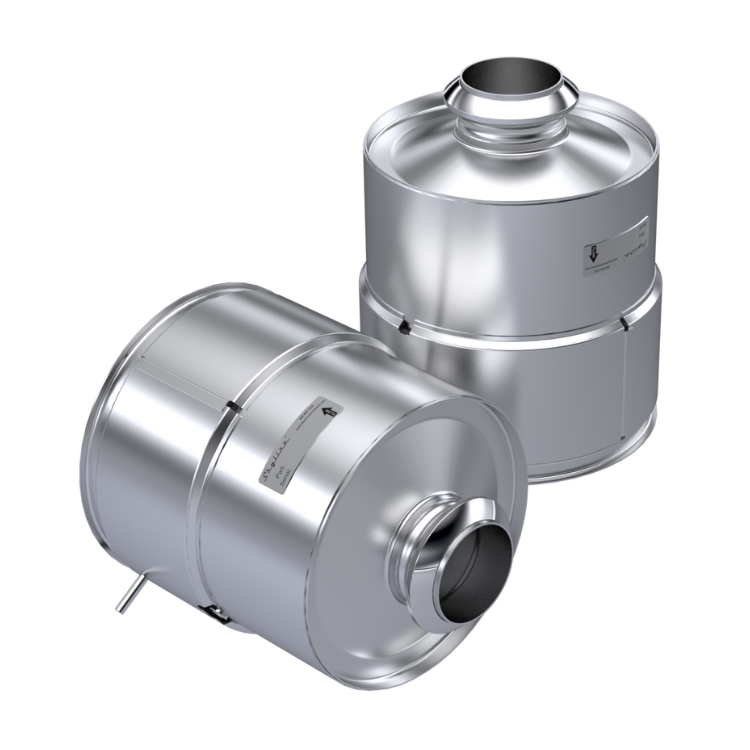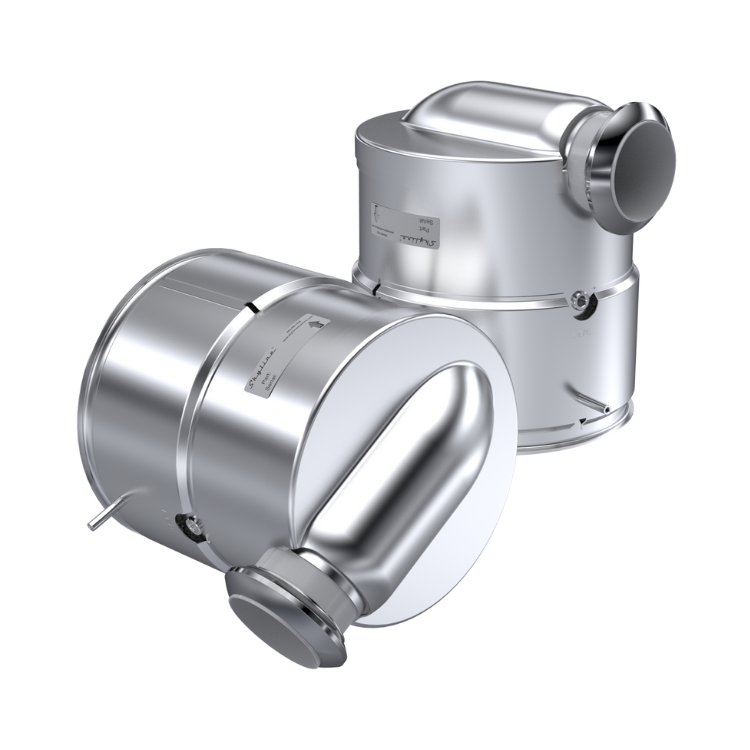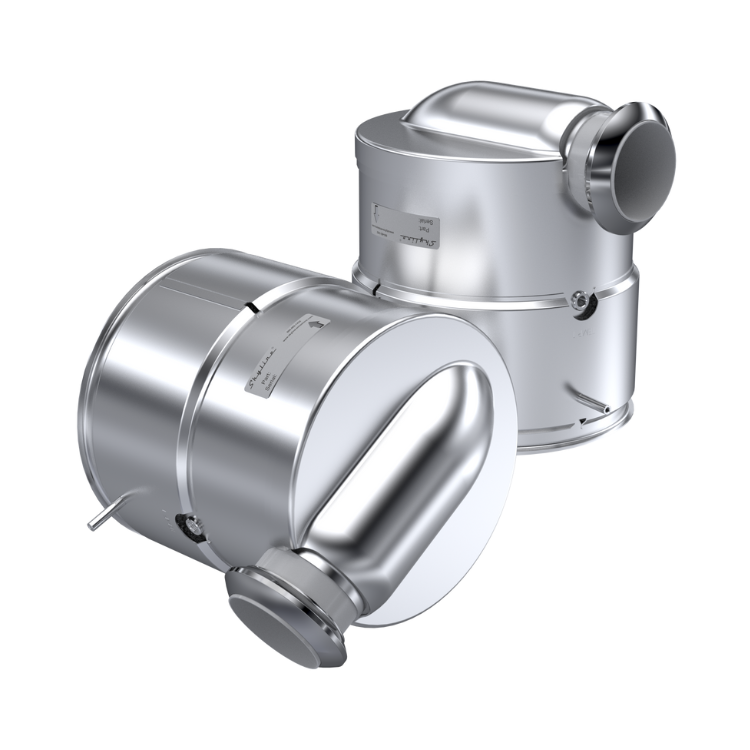




The Diesel Oxidation Catalyst (DOC) is an essential component of the emissions system, responsible for oxidizing harmful gases and supporting proper DPF operation. Like any emissions-related part, the DOC requires periodic inspection to ensure it continues performing effectively. Knowing when to service or inspect the DOC helps prevent costly failures and maintains smooth engine operation.
Recommended DOC Inspection and Service Intervals
-
Every 50,000 to 100,000 Miles
Most manufacturers recommend inspecting the DOC within this range, depending on driving conditions and engine duty cycles. -
During Routine Emission System Checks
Include DOC inspection whenever servicing the DPF, EGR system, or NOx sensors, since these components work closely together. -
If Excessive Regeneration Cycles Occur
Frequent or incomplete DPF regens may indicate DOC efficiency issues and should prompt an inspection. -
After Fuel or Oil System Problems
Leaky injectors, turbo seal failures, or oil consumption issues can contaminate the DOC, requiring immediate evaluation. -
For High-Idle or Severe-Duty Applications
Vehicles used for construction, delivery, or long idle periods should have the DOC inspected more frequently. -
When Emission Fault Codes Appear
Codes related to catalyst efficiency, exhaust temperature sensors, or NOx performance often signal DOC issues needing attention.
Inspecting the DOC regularly—especially during major emission system service—helps maintain optimal catalyst performance and prevents downstream problems like DPF clogging. By following recommended intervals and watching for early warning signs, you can keep your DOC functioning efficiently and extend the life of your entire emissions system.