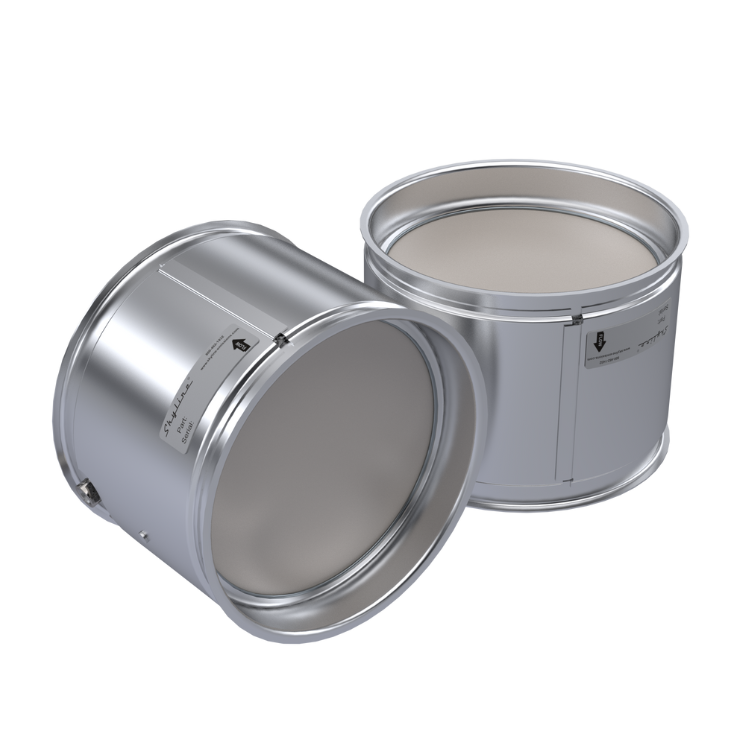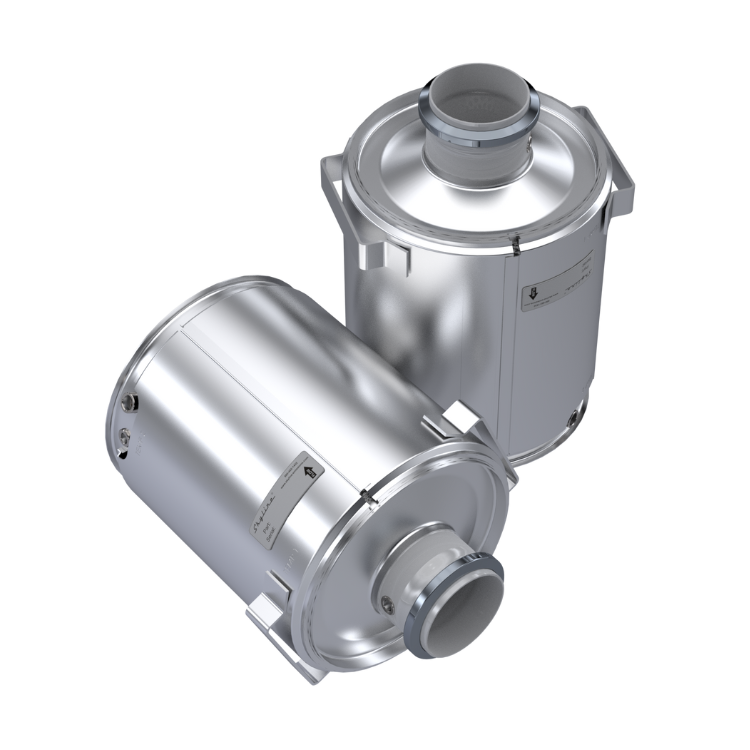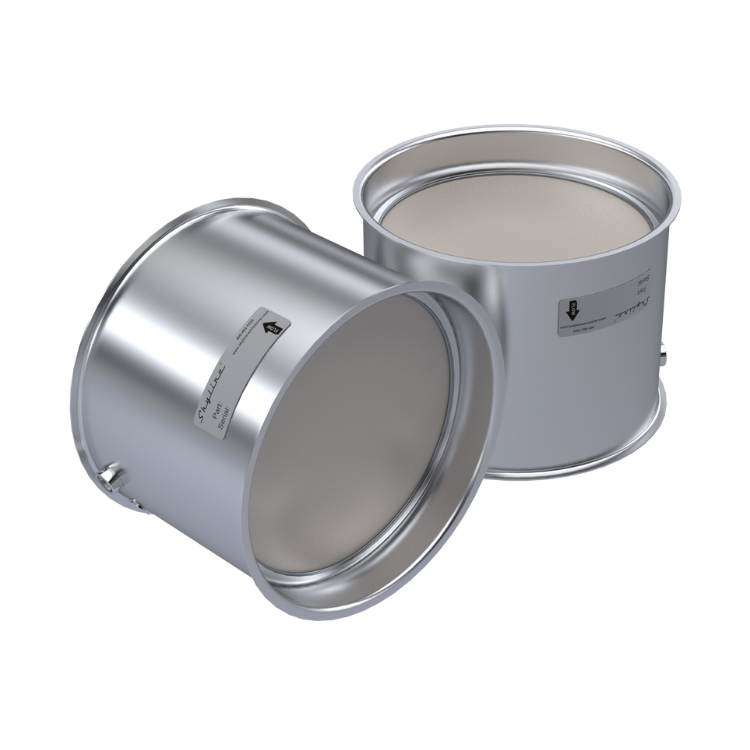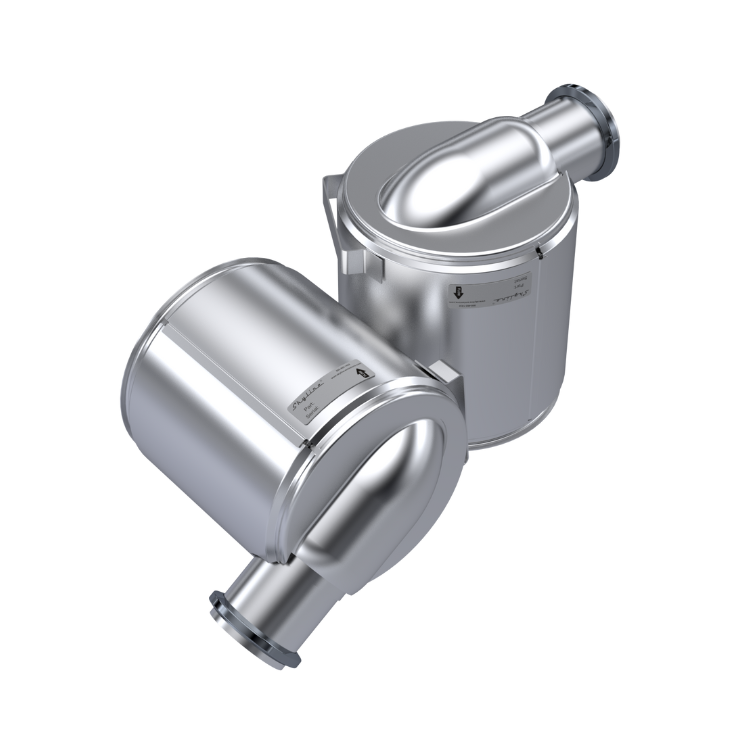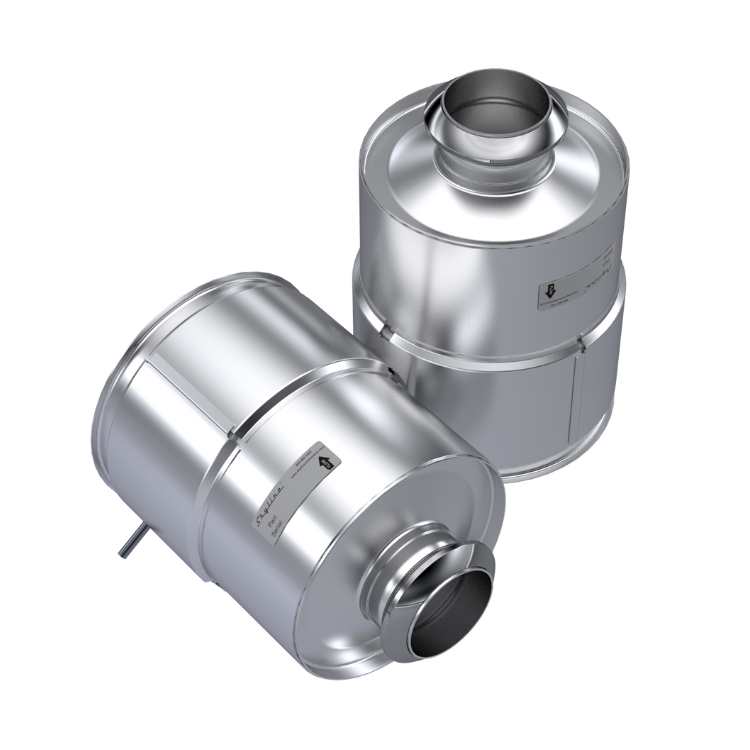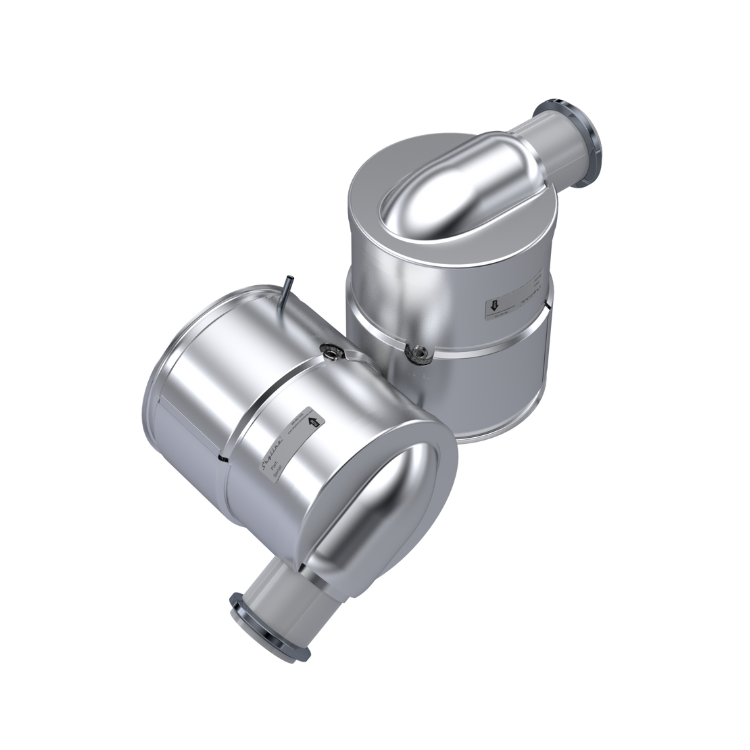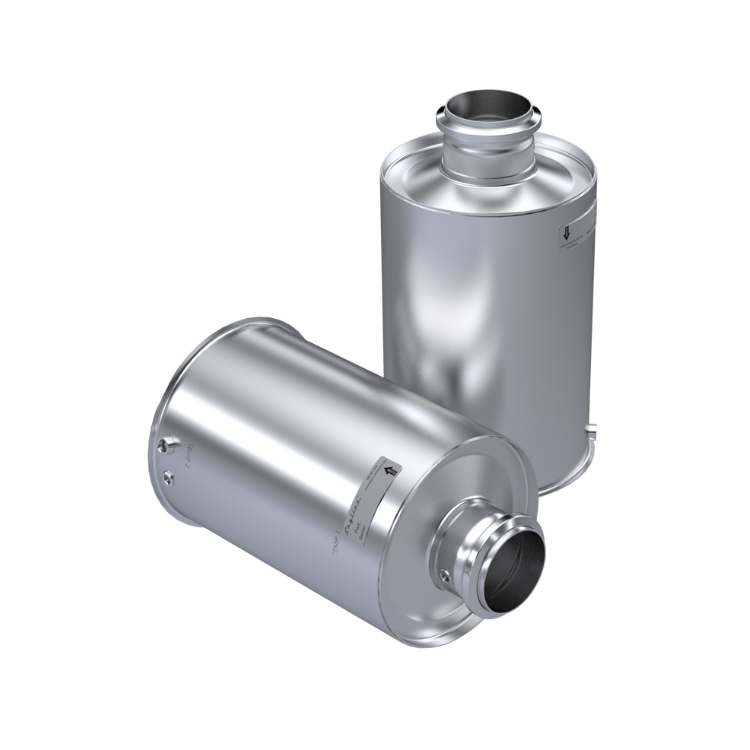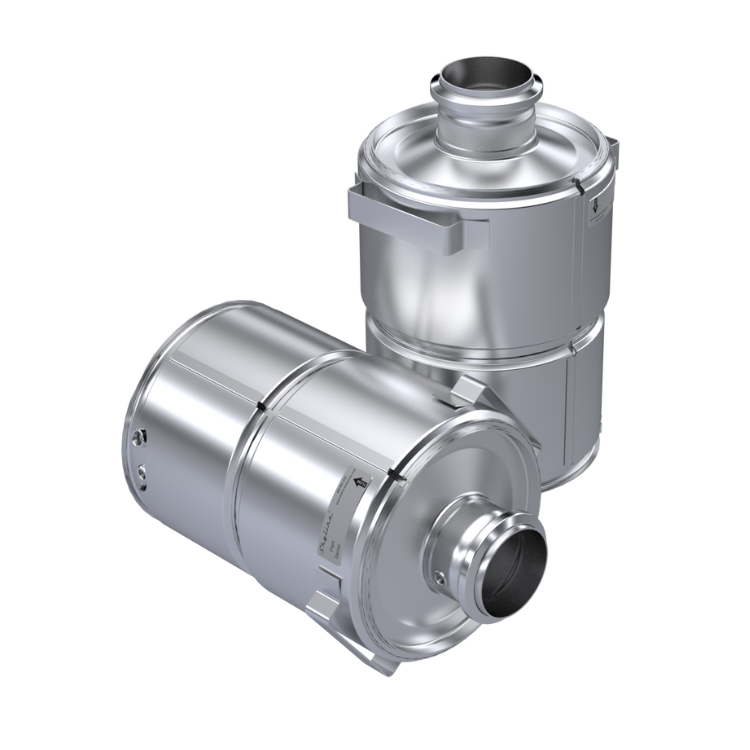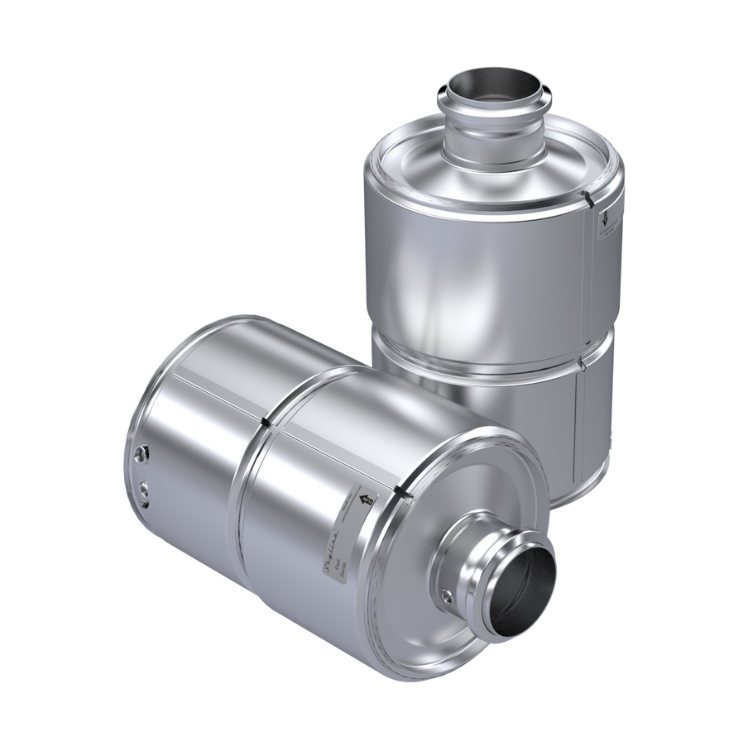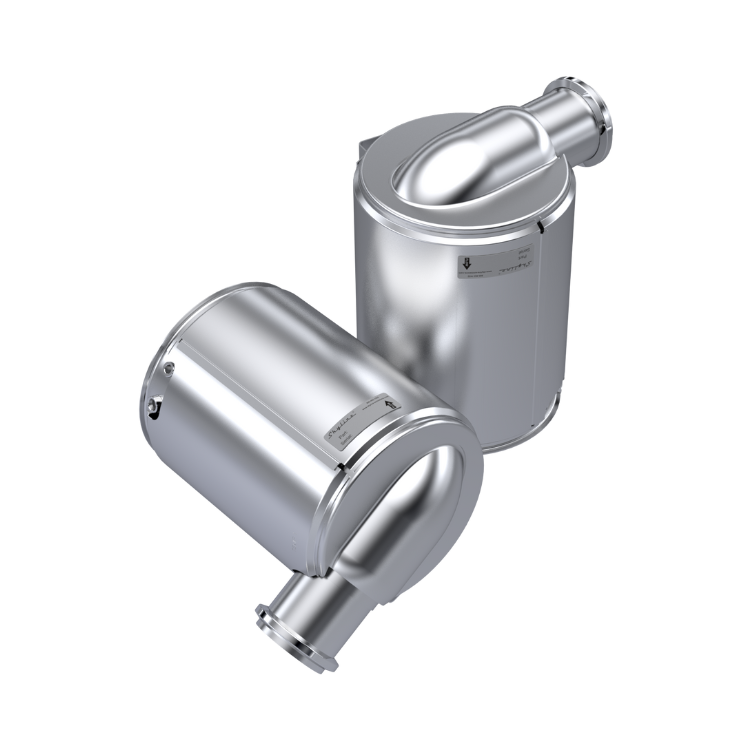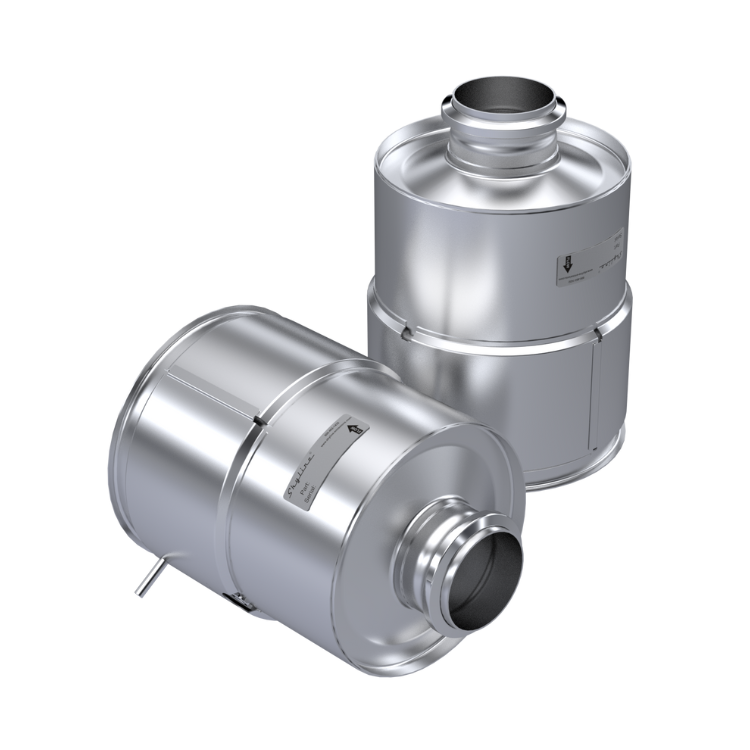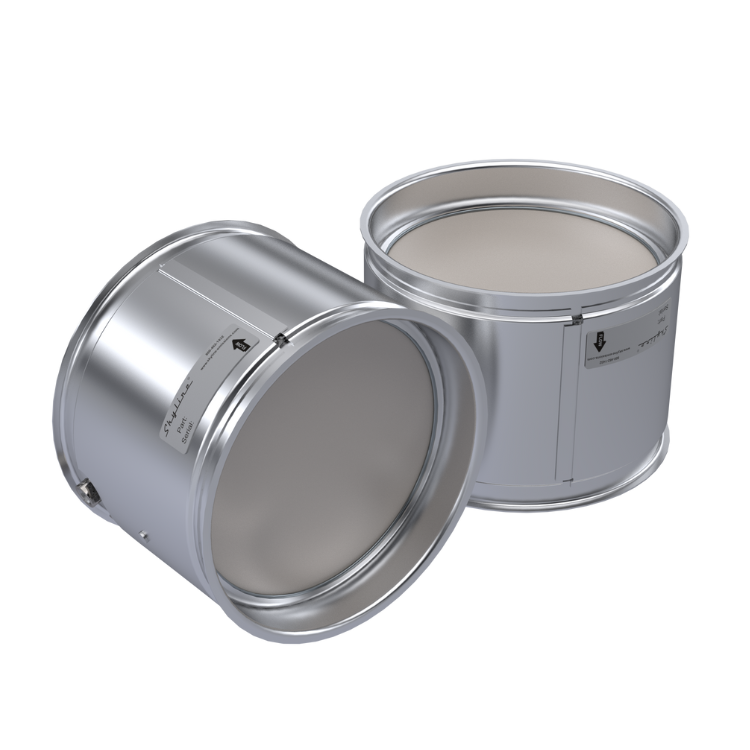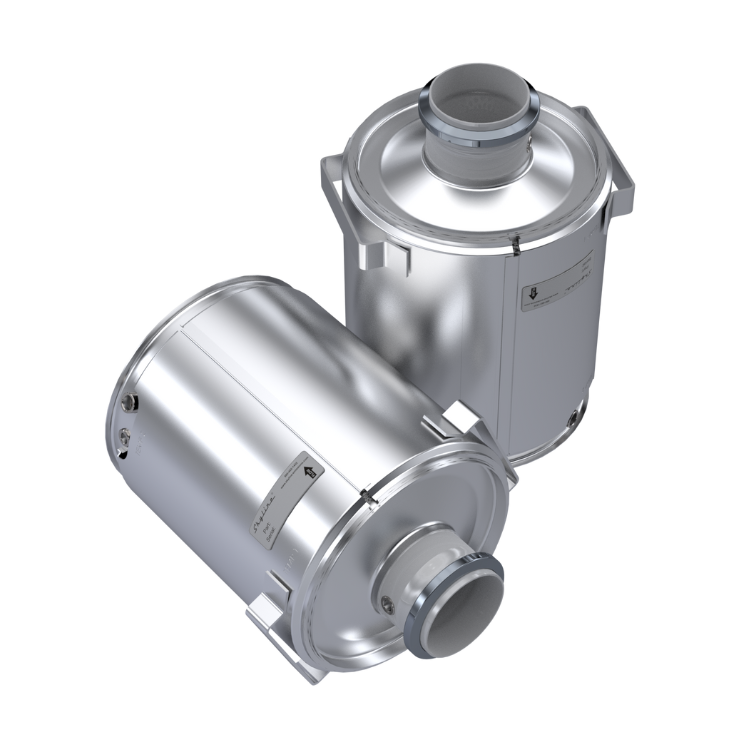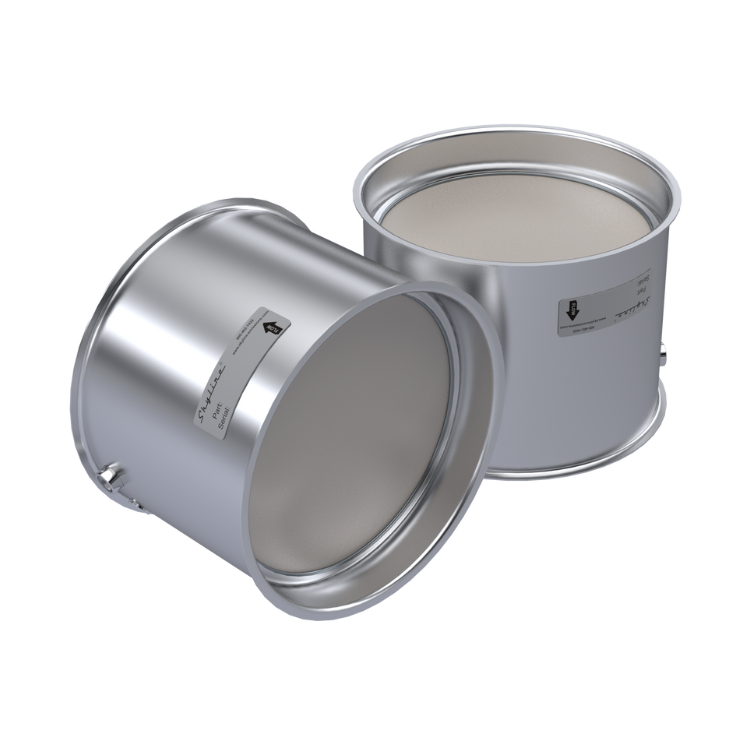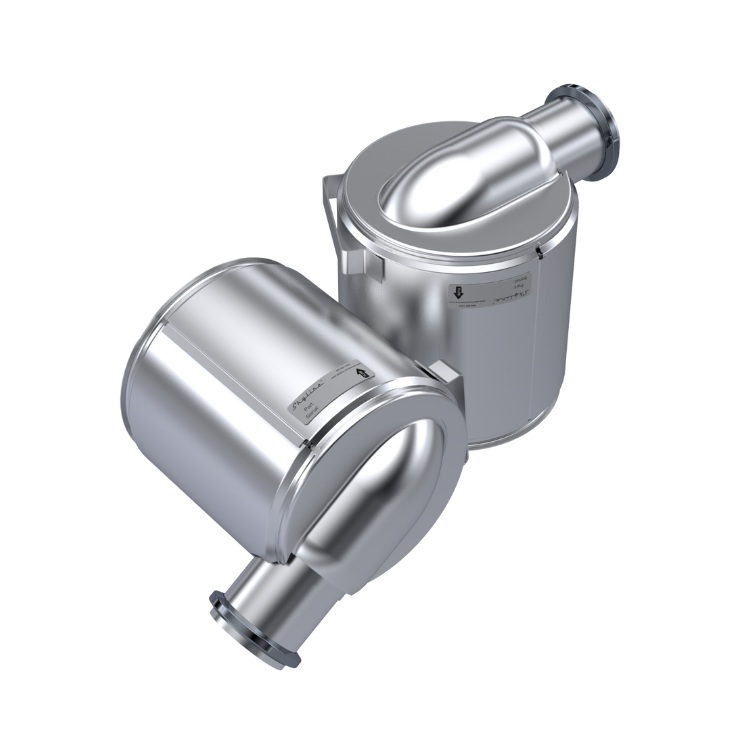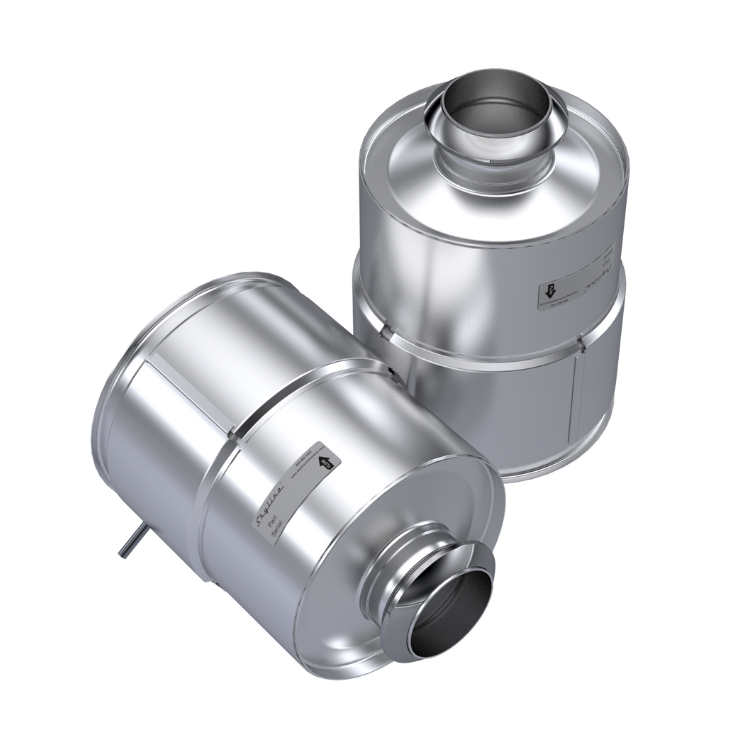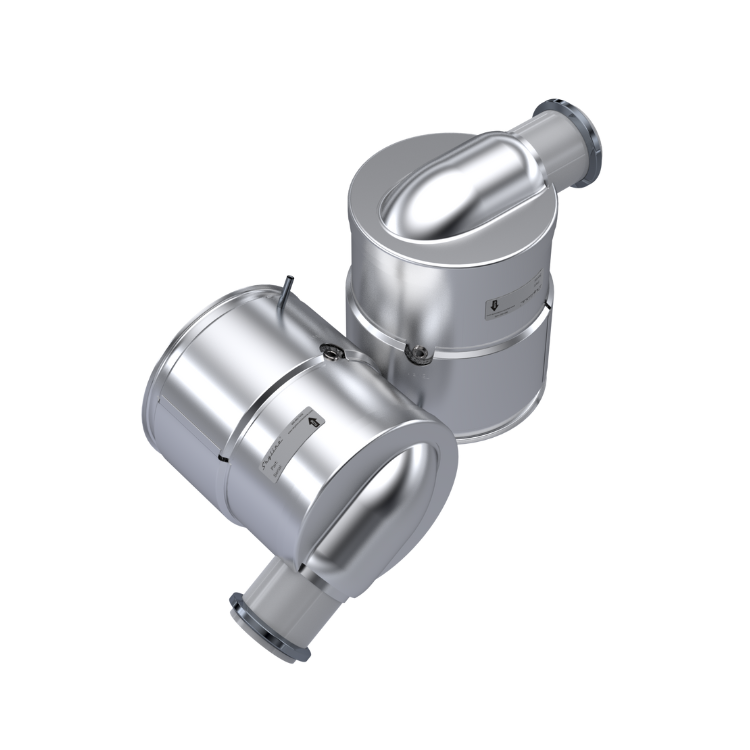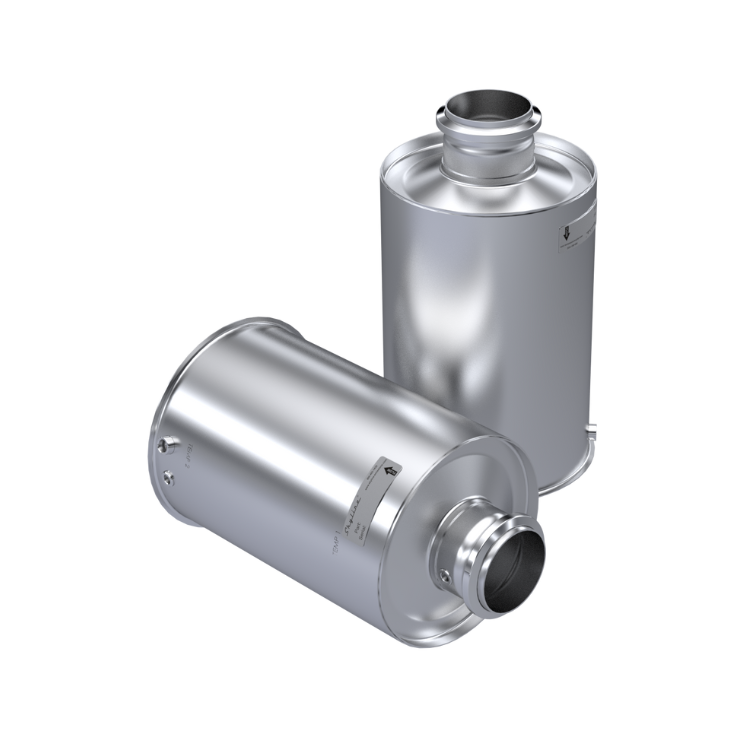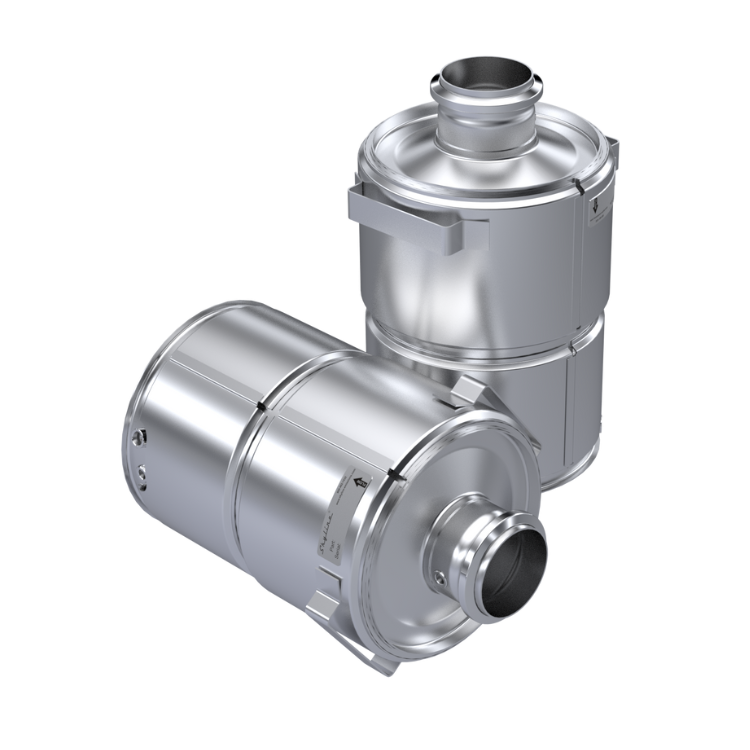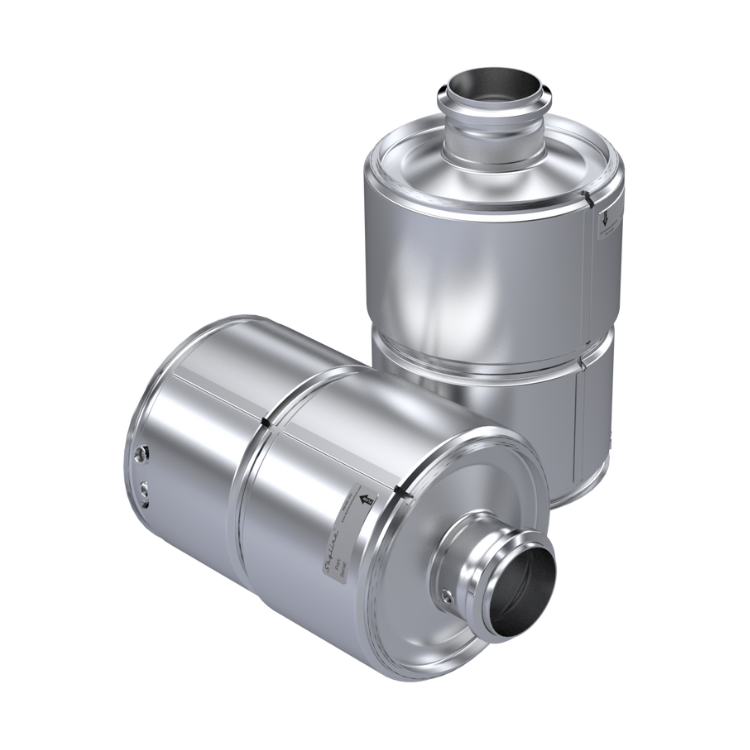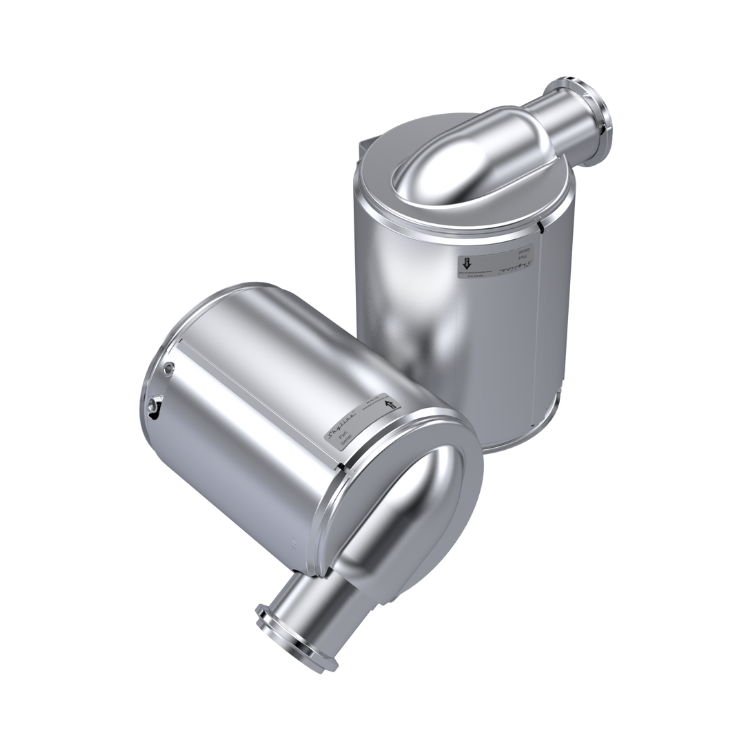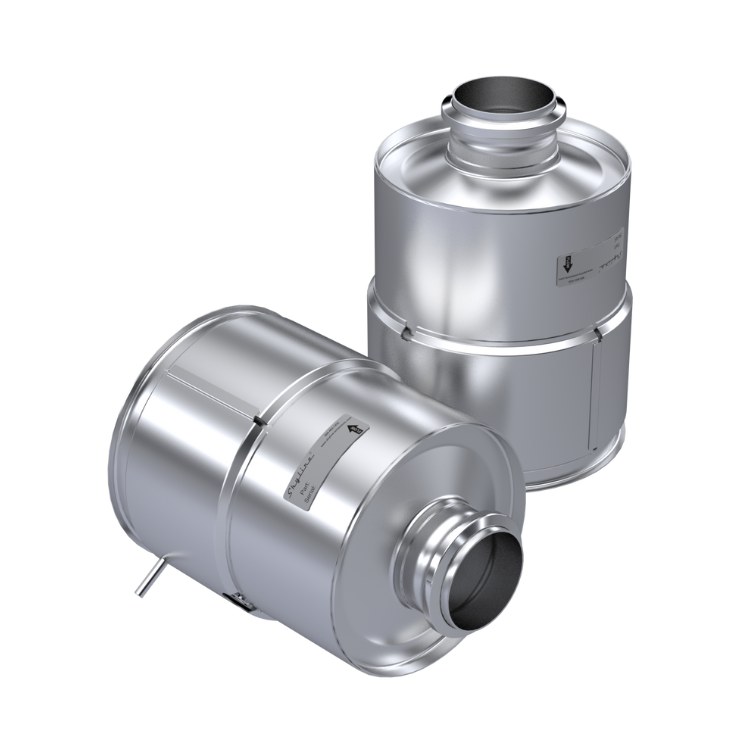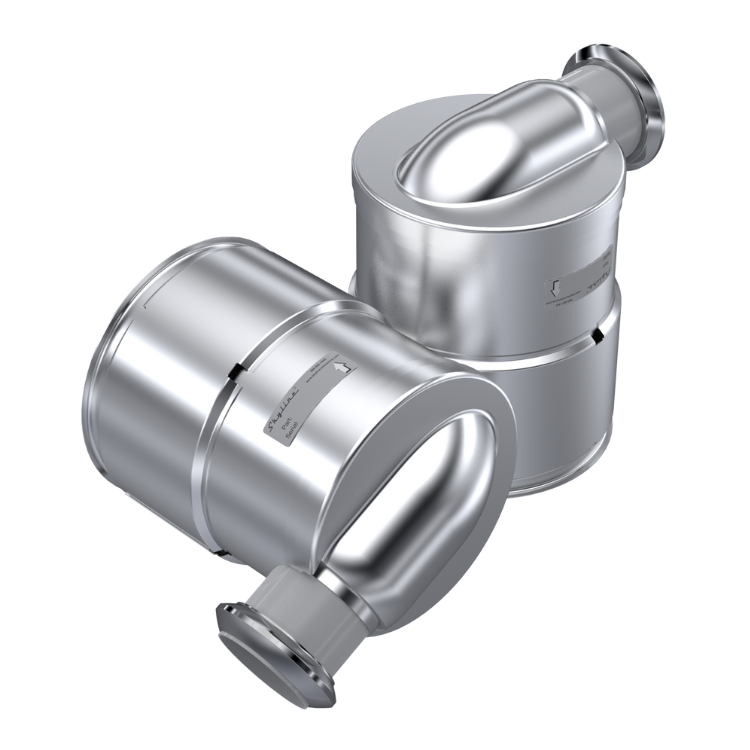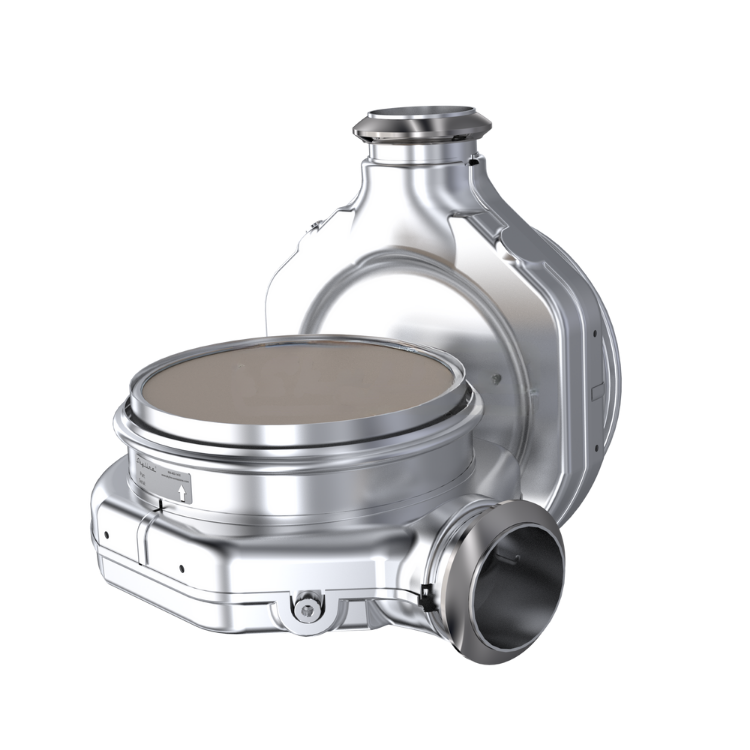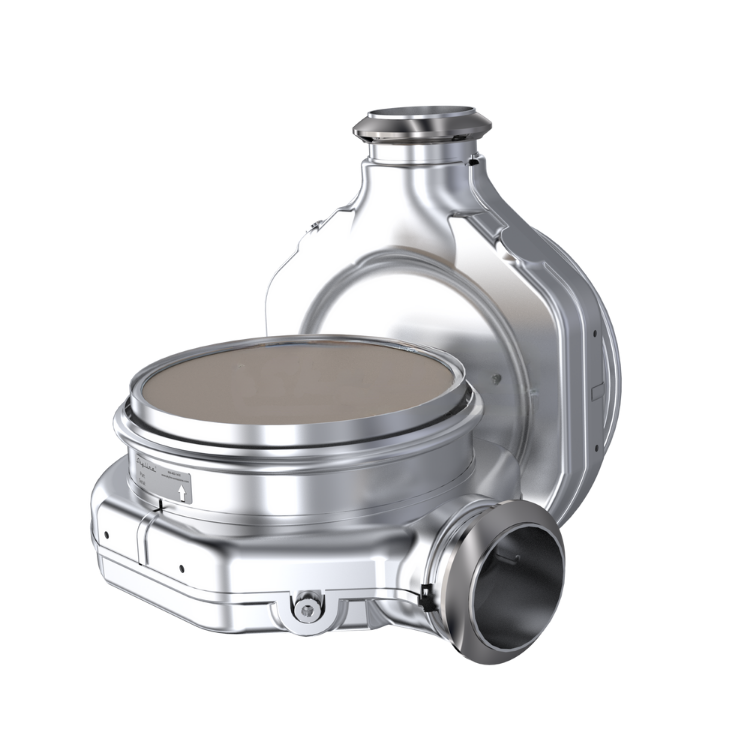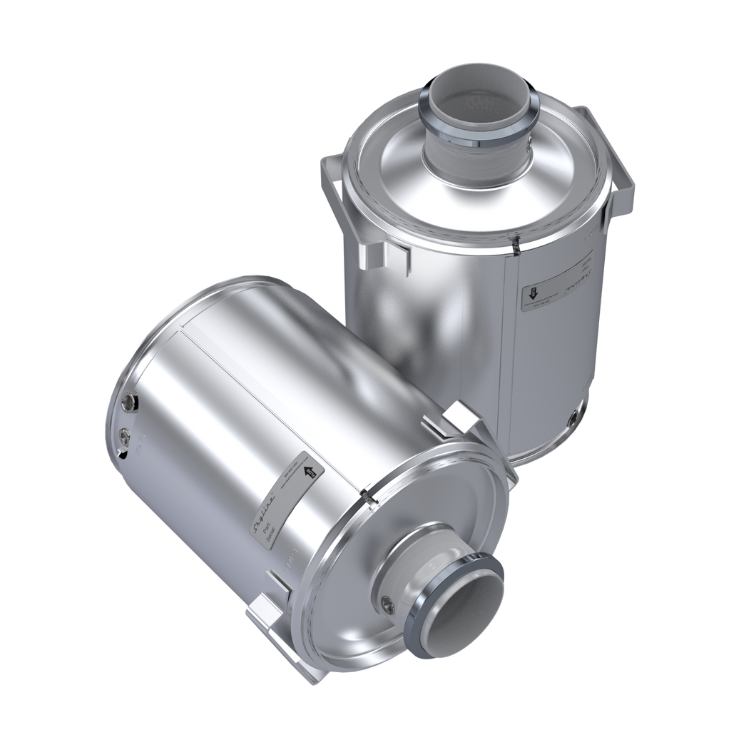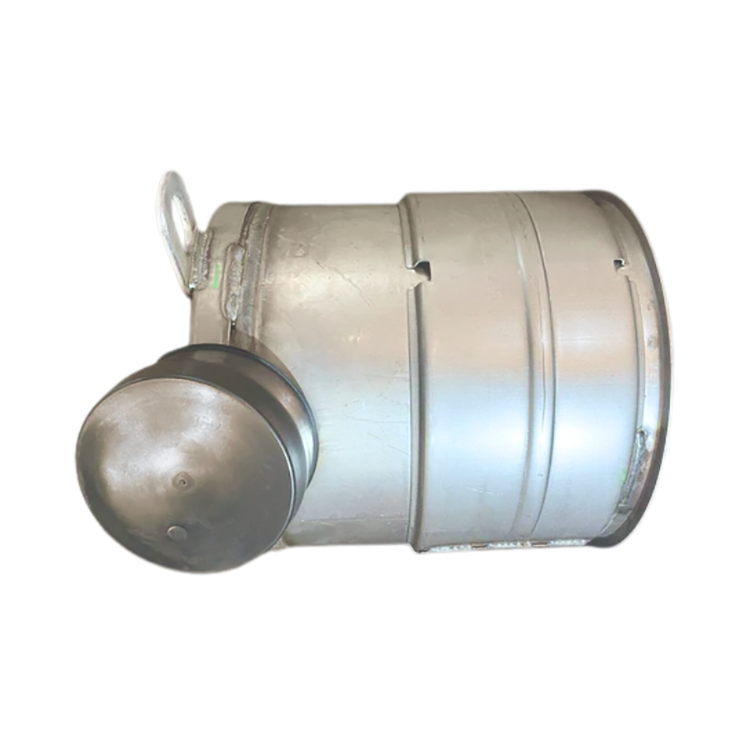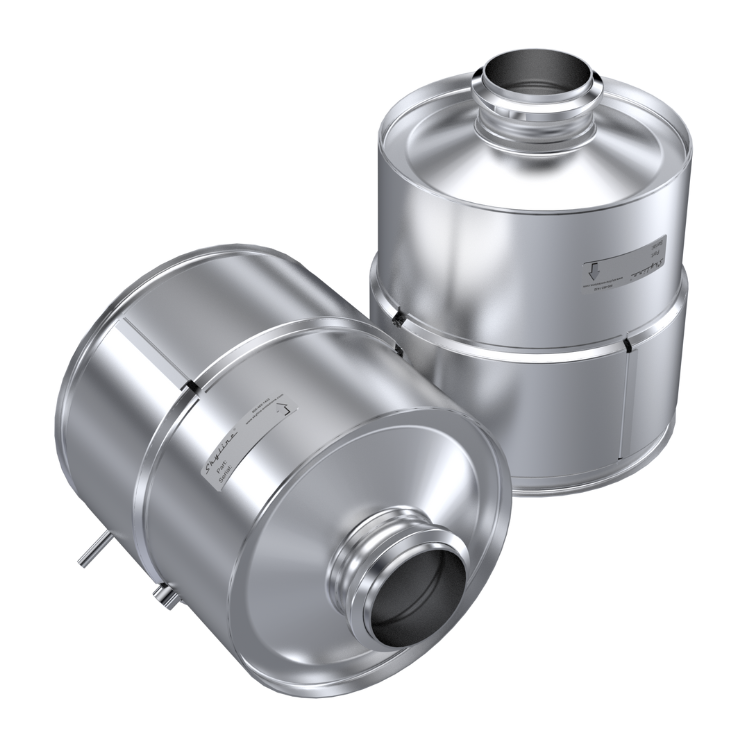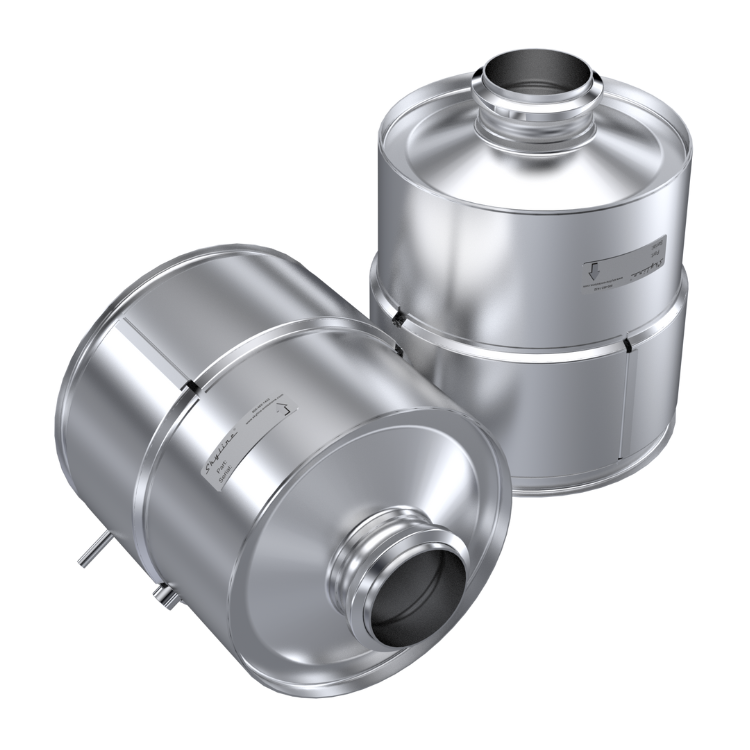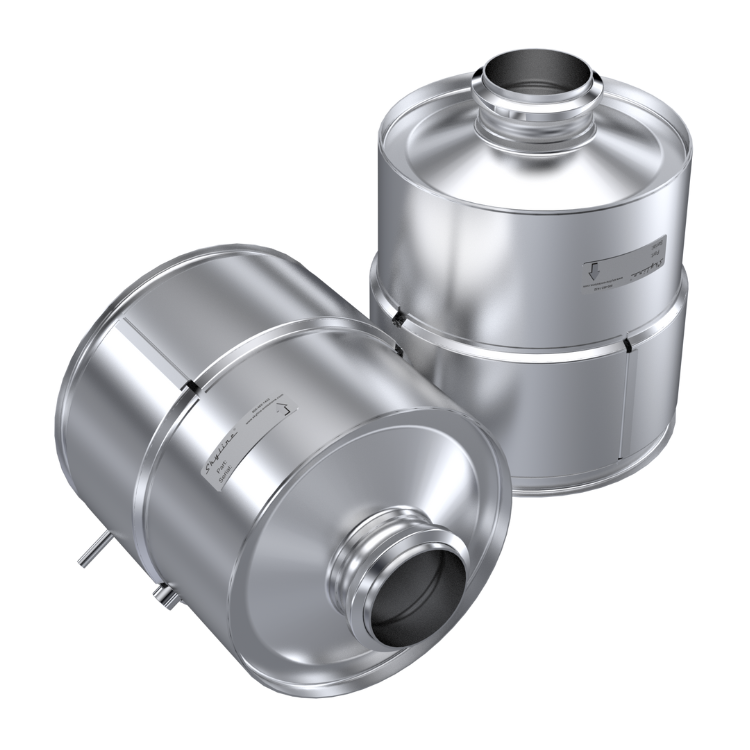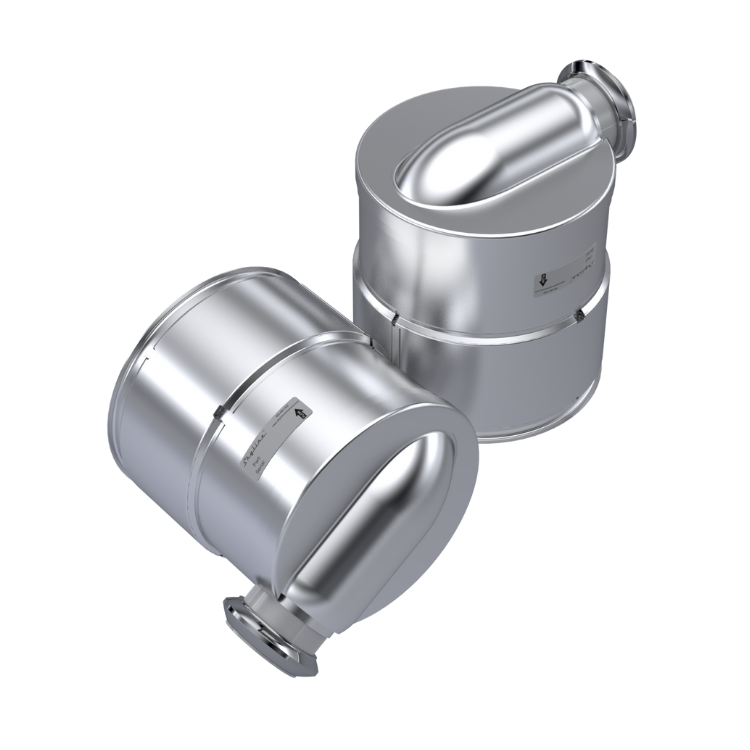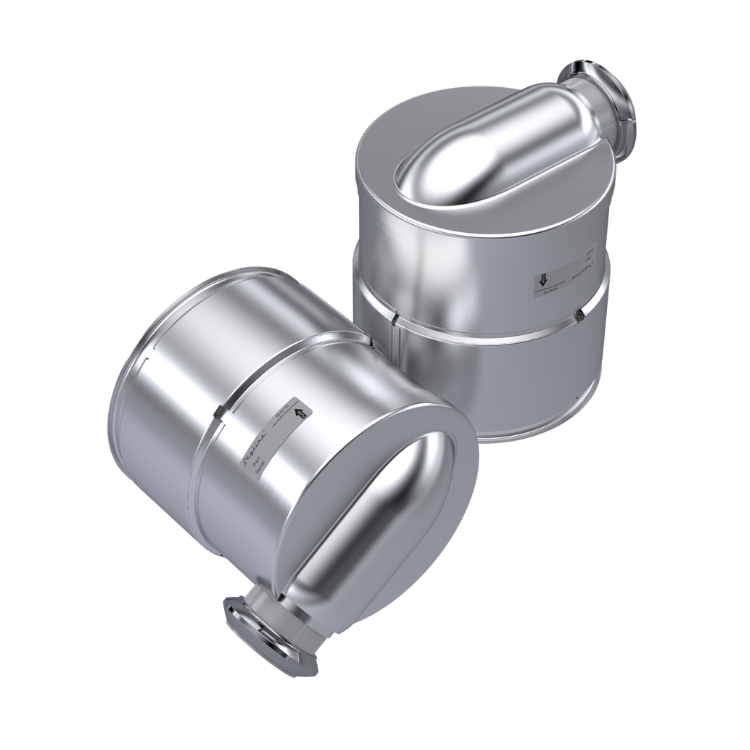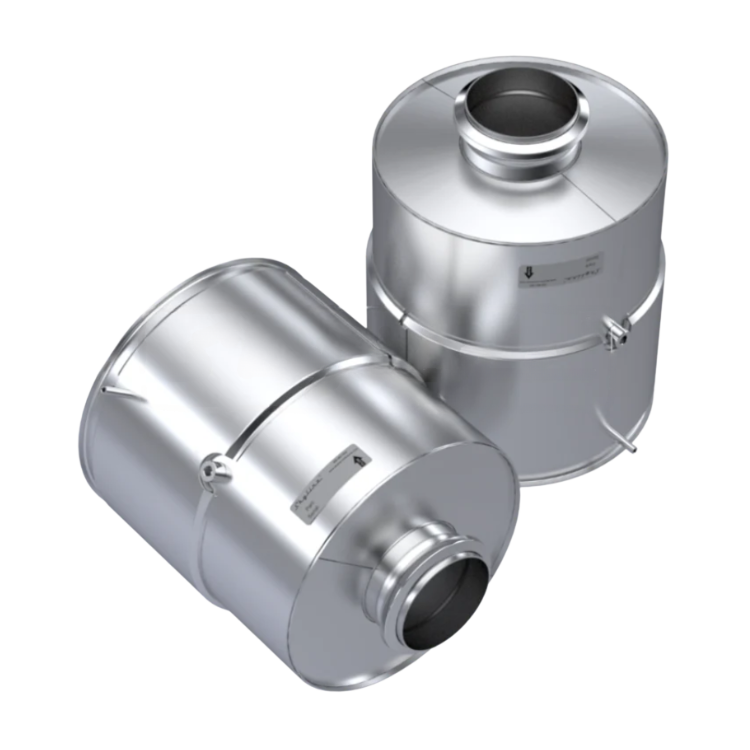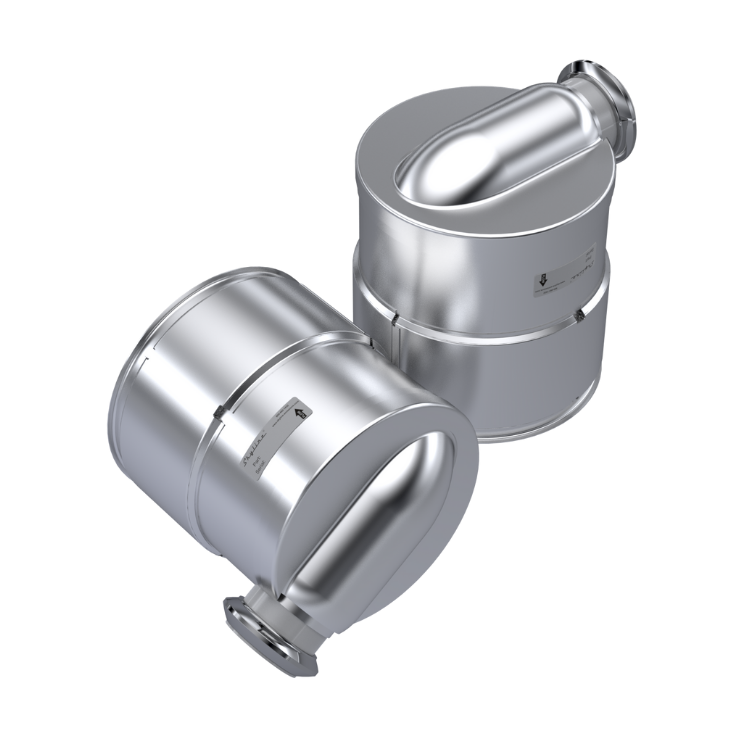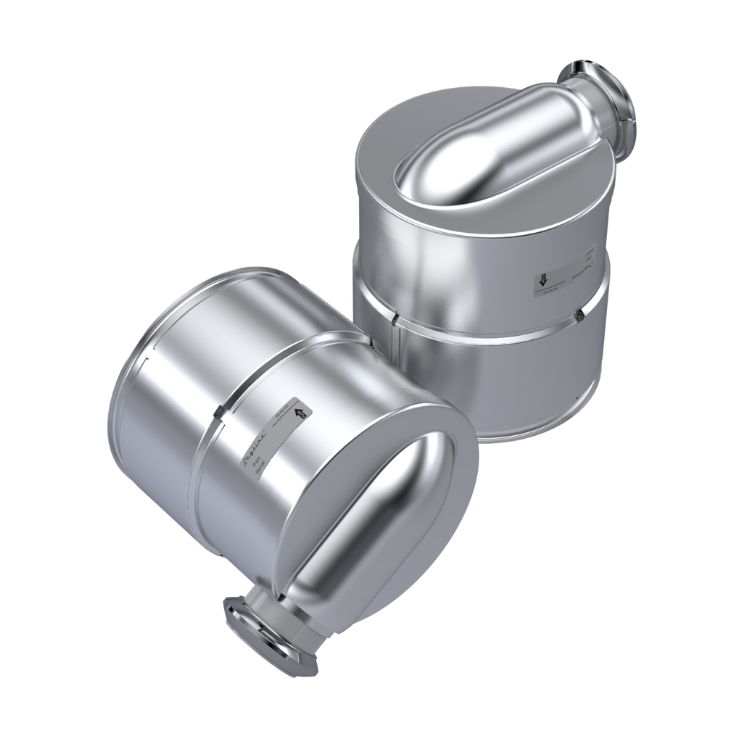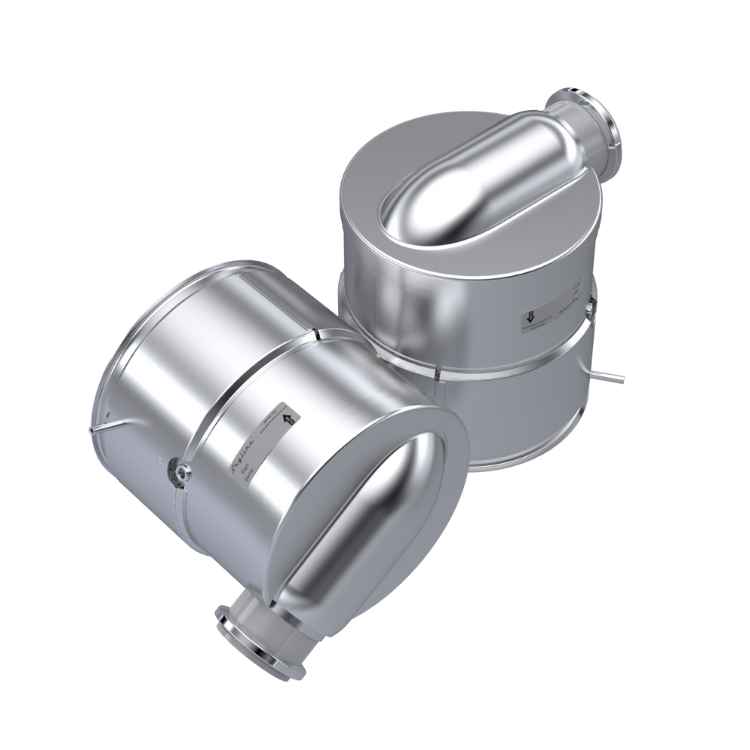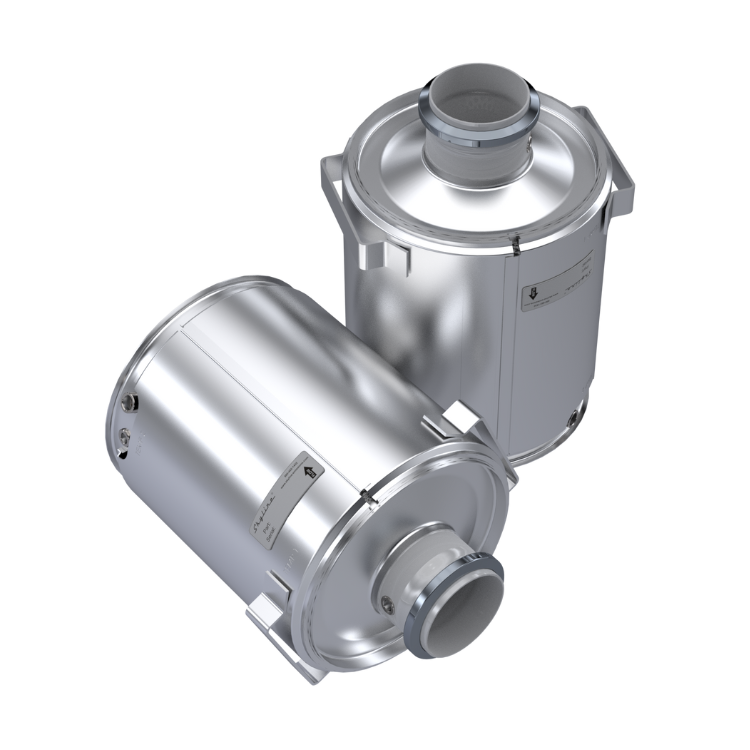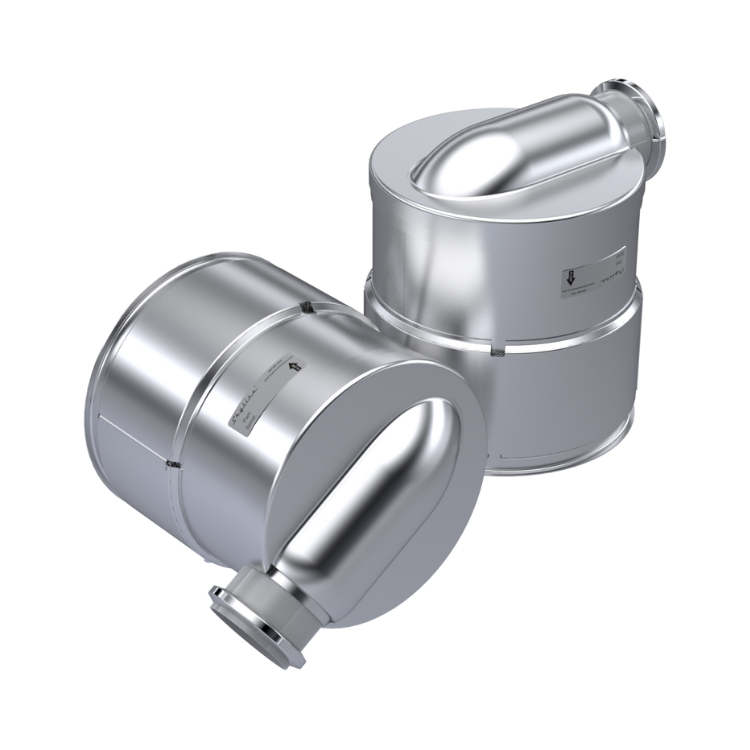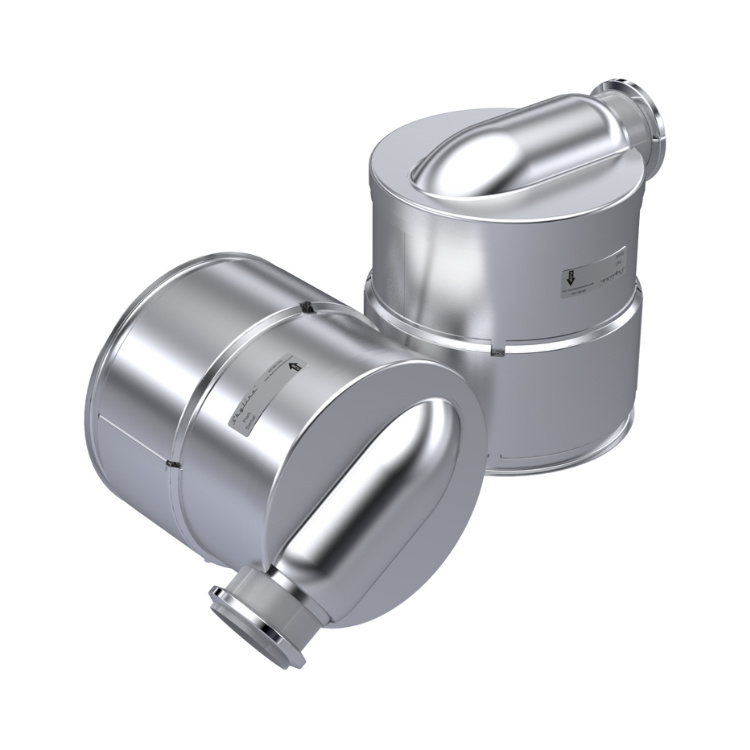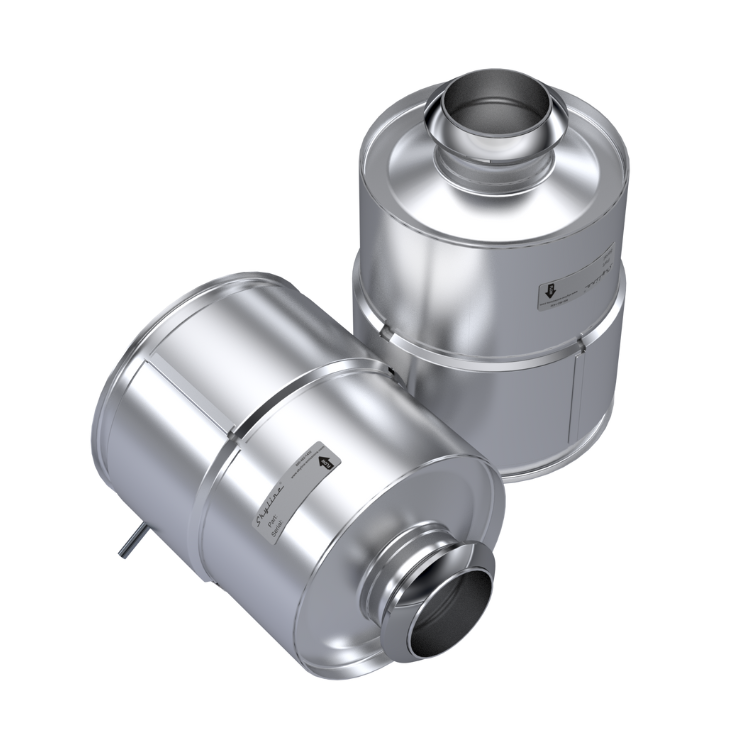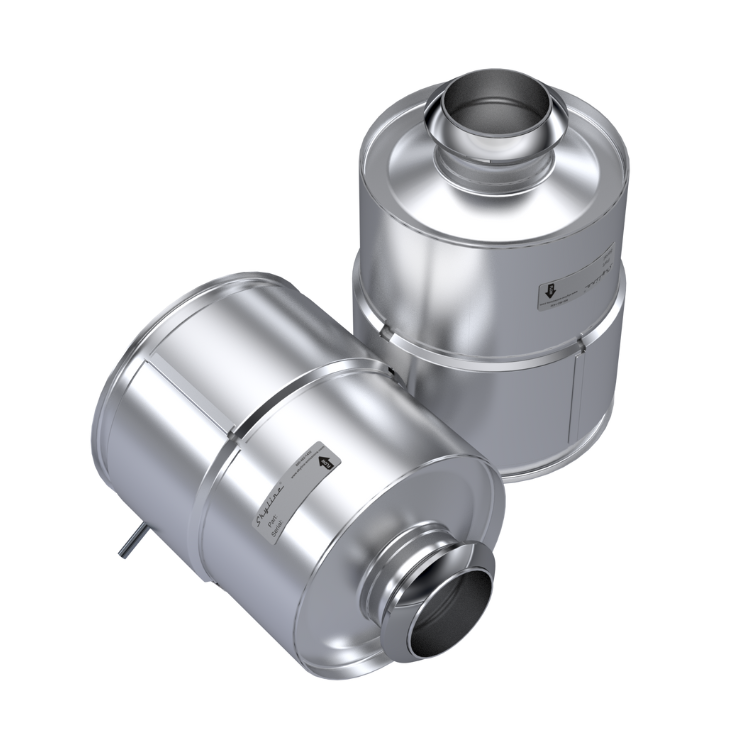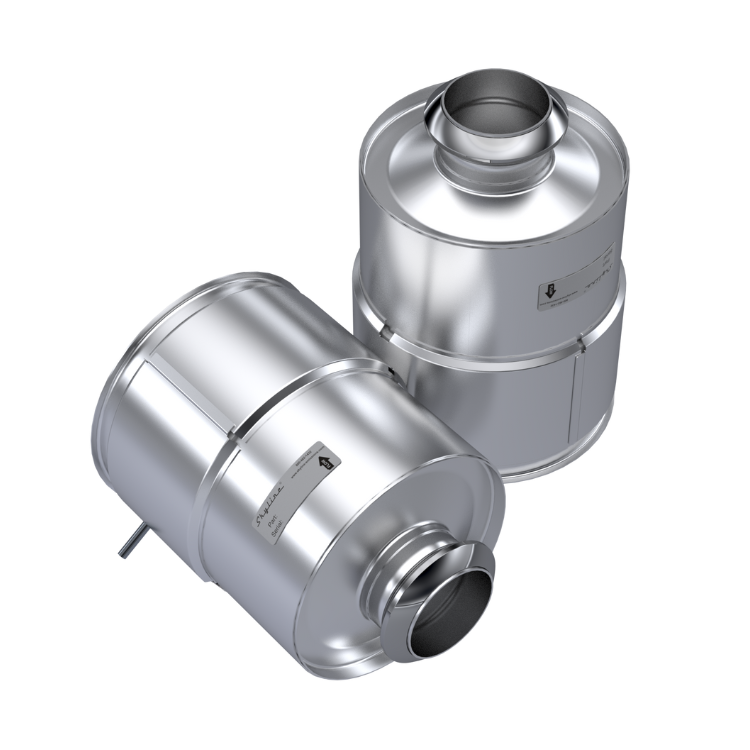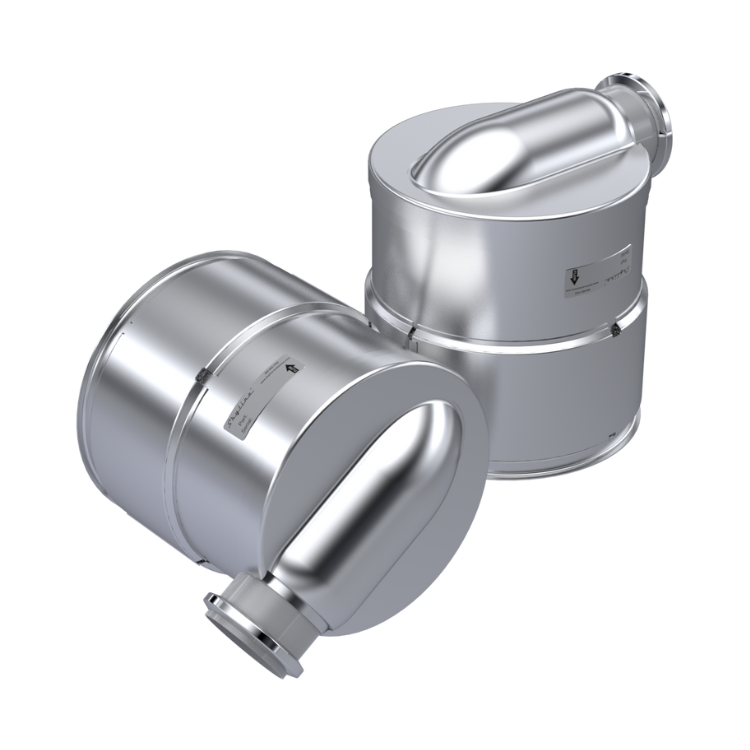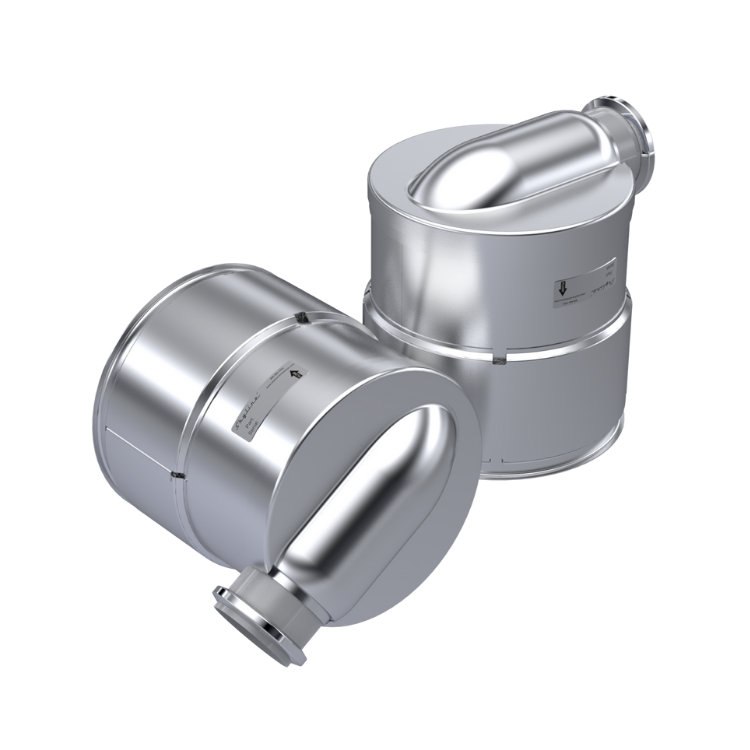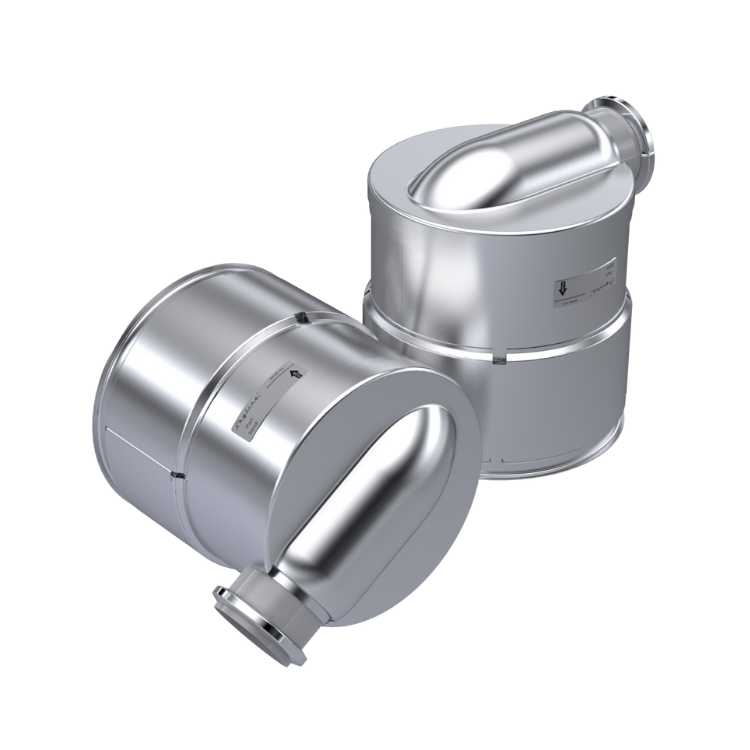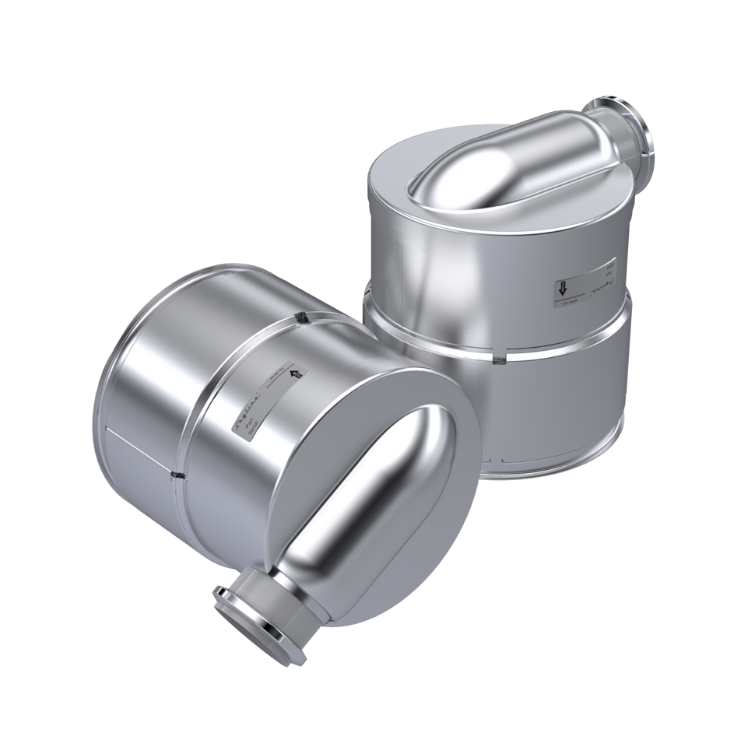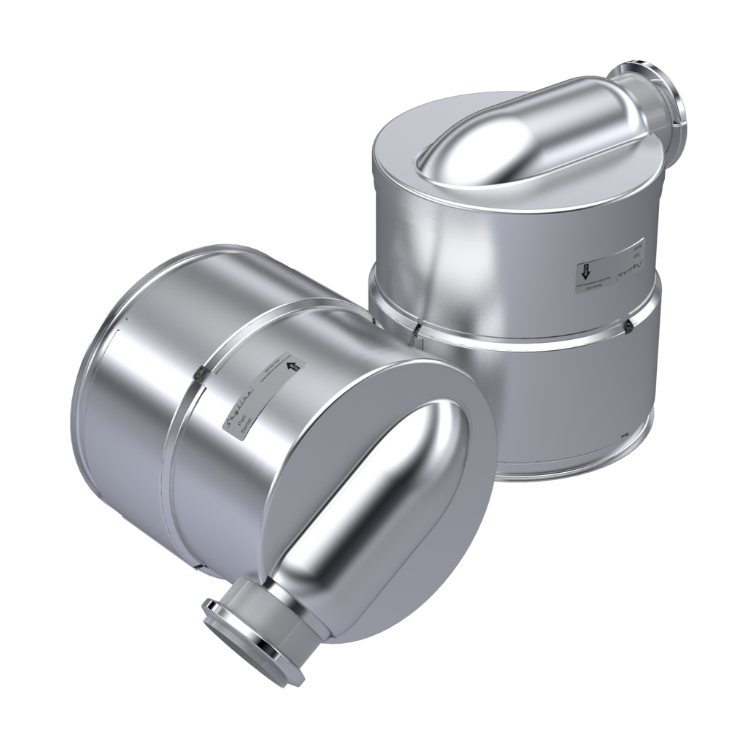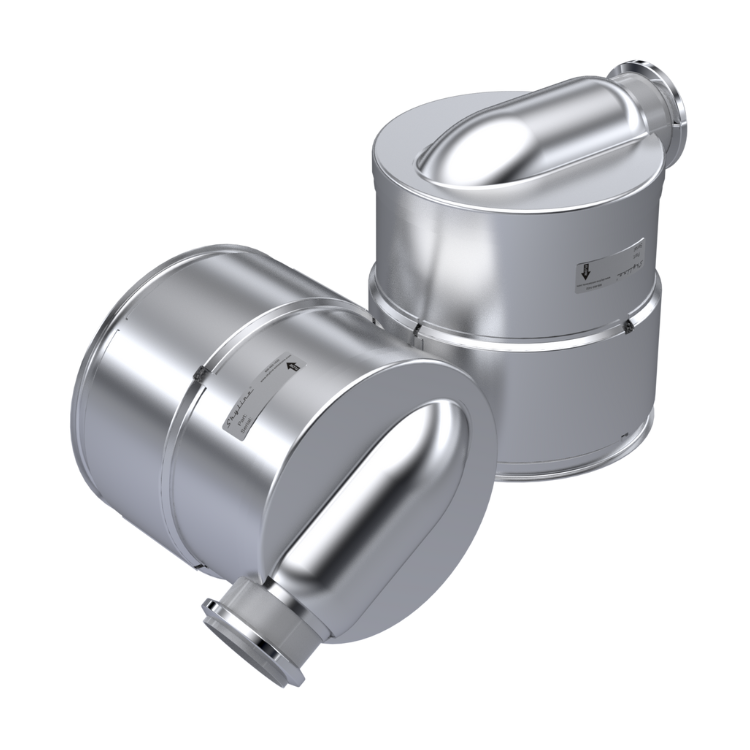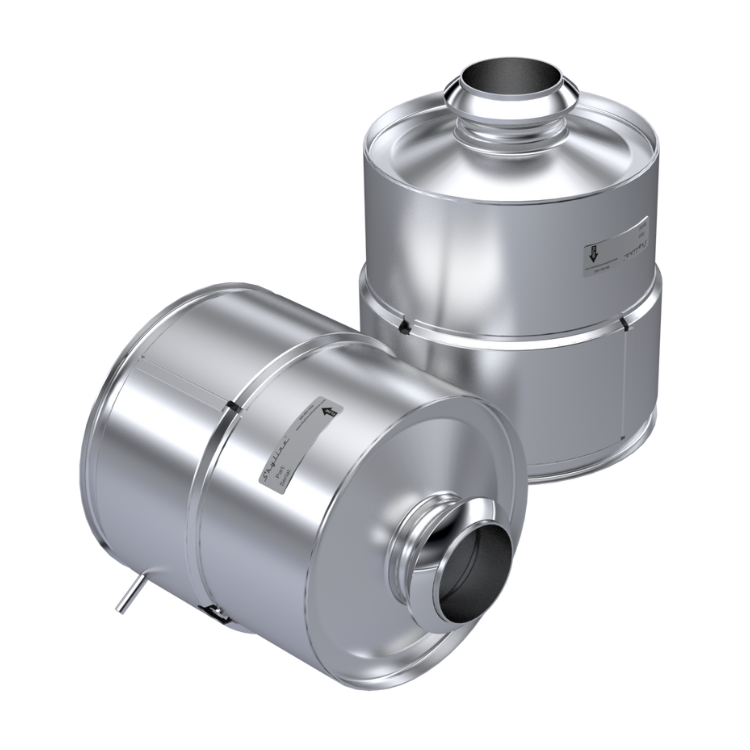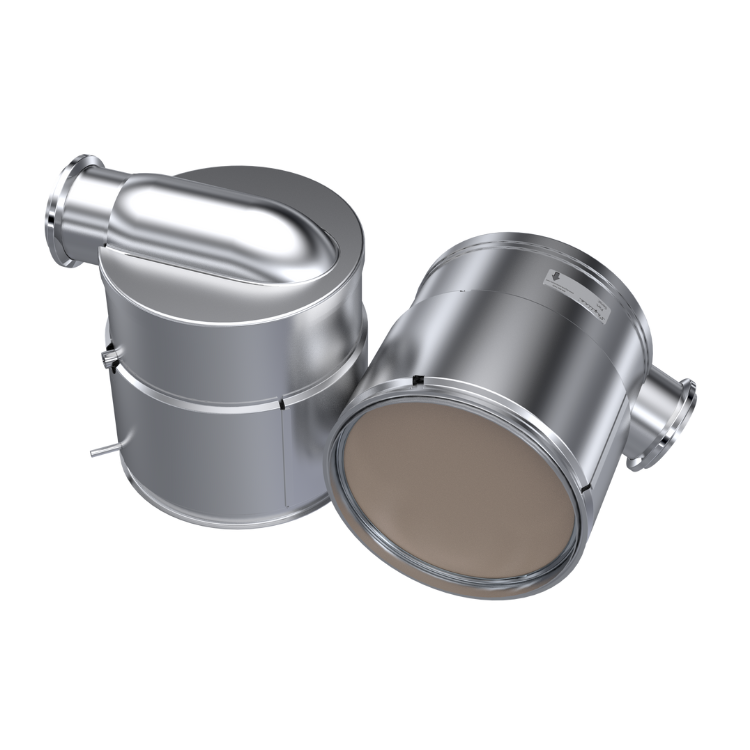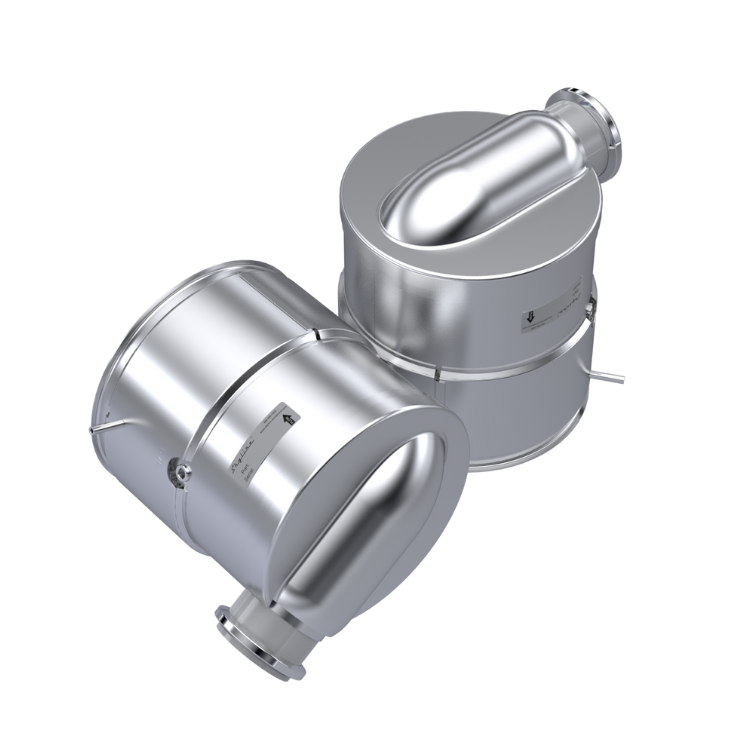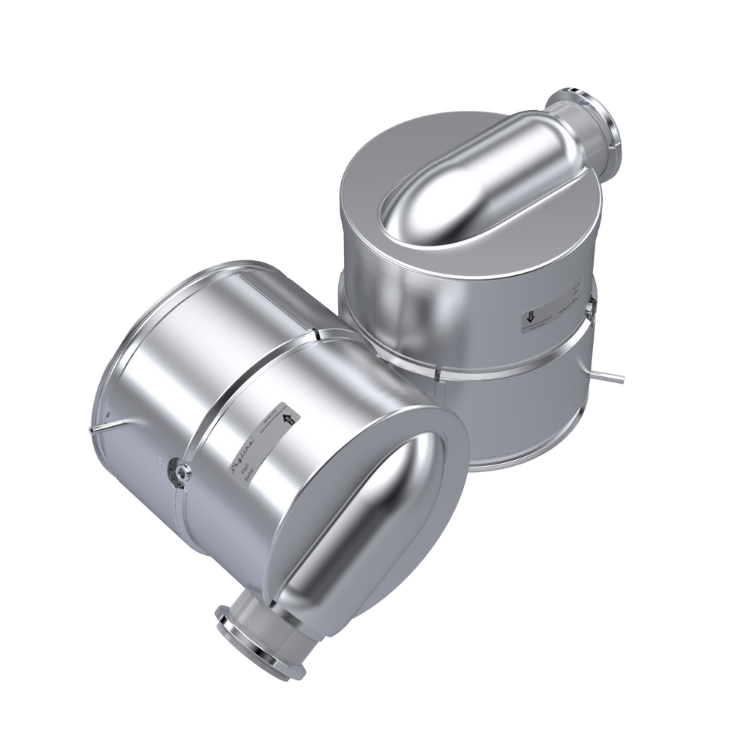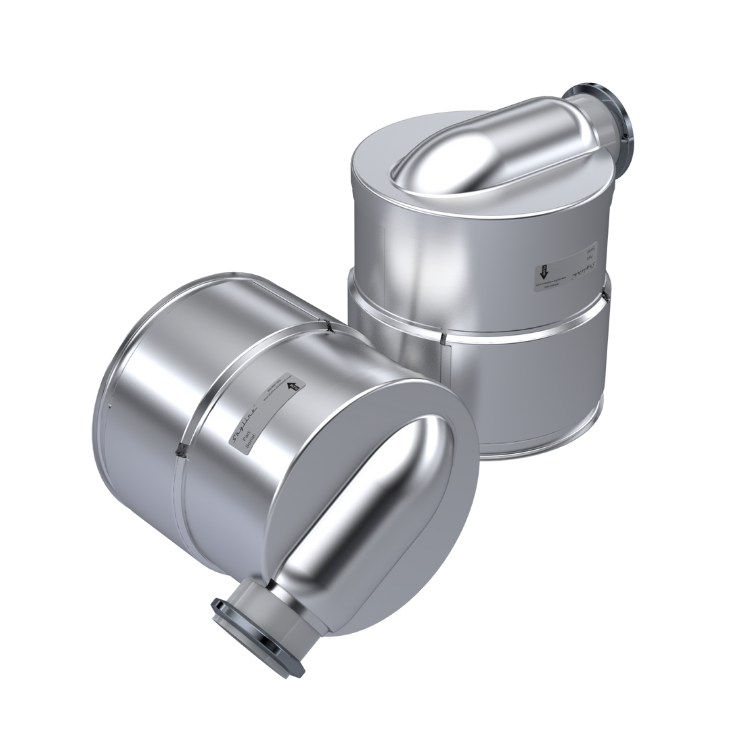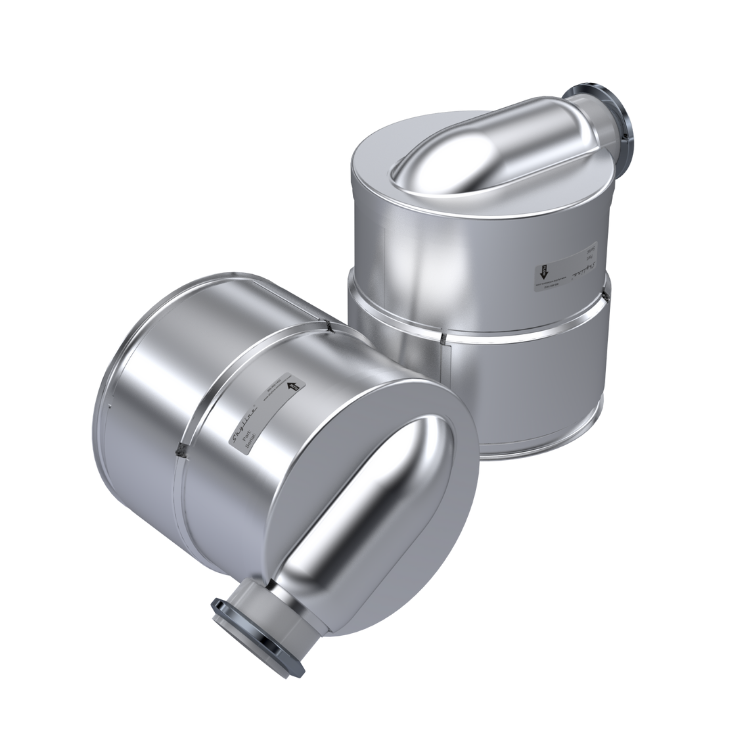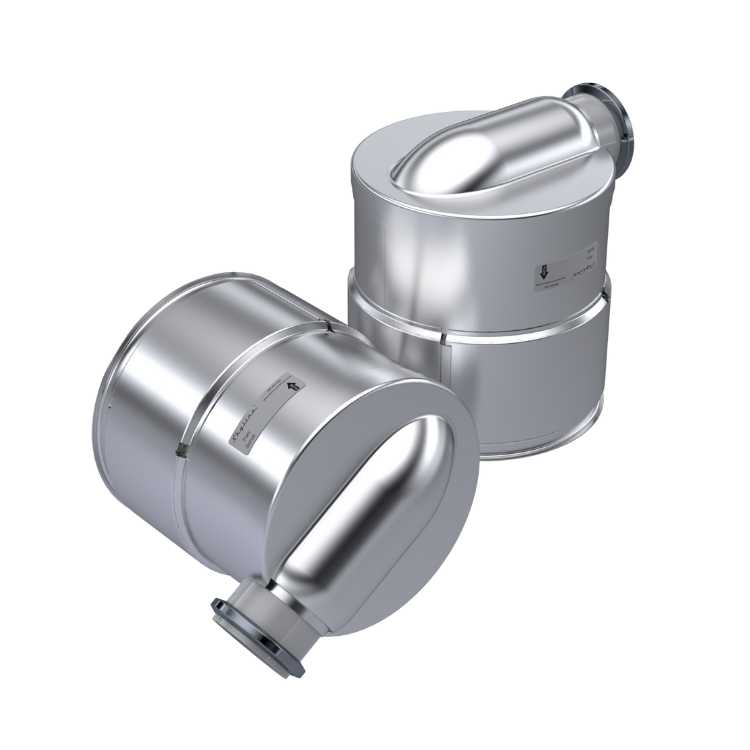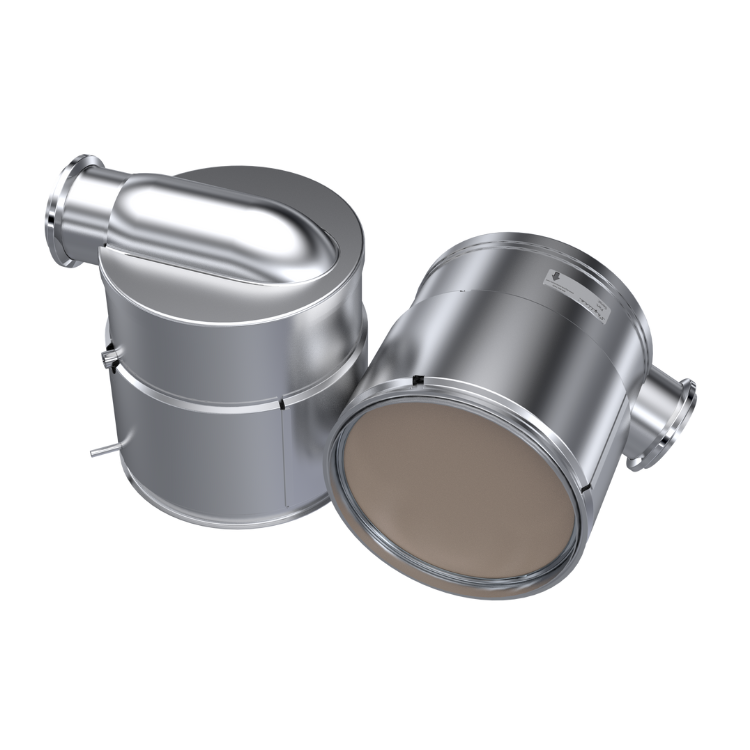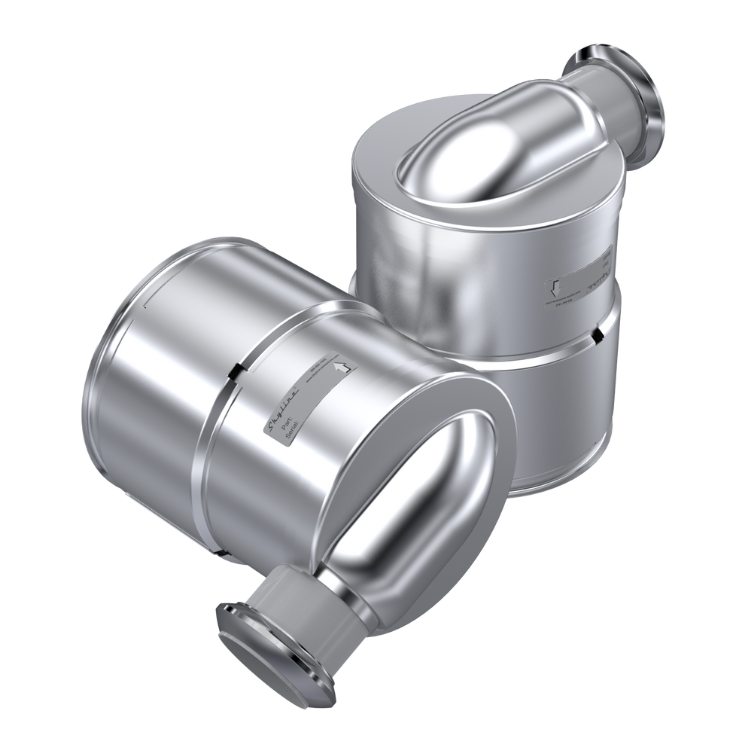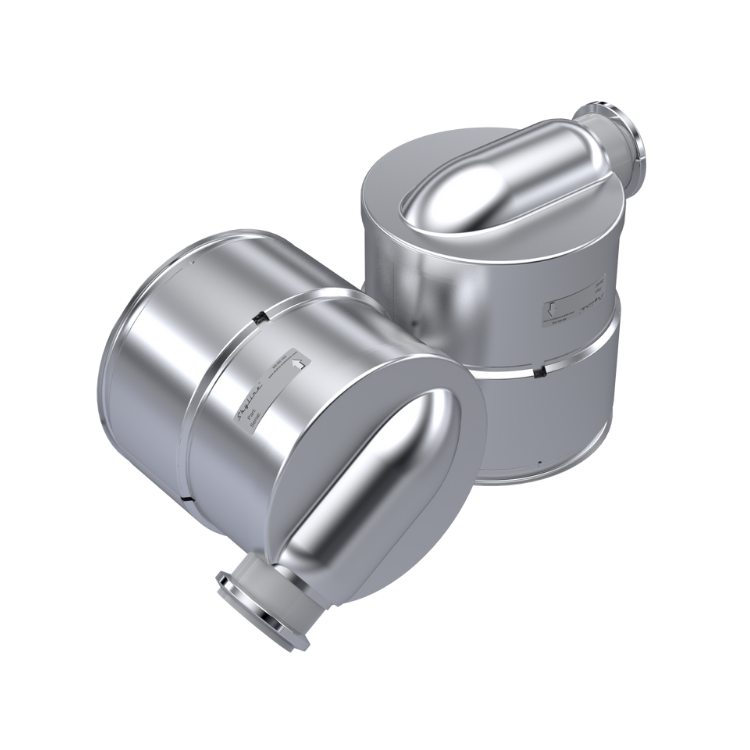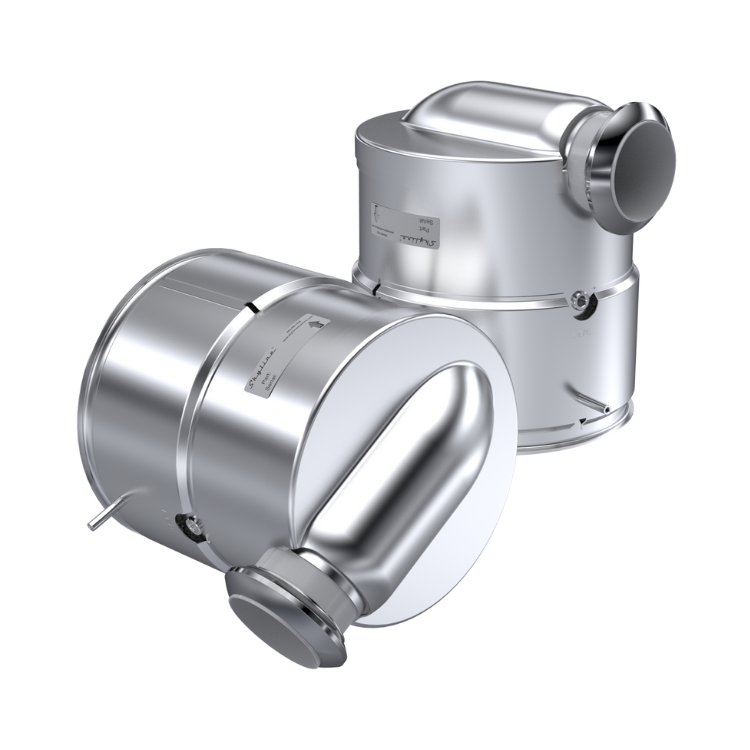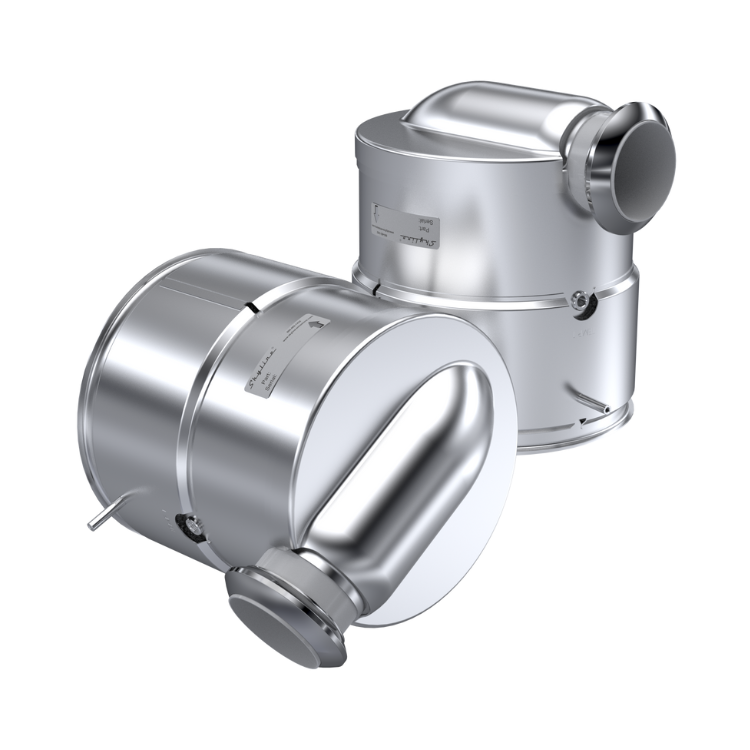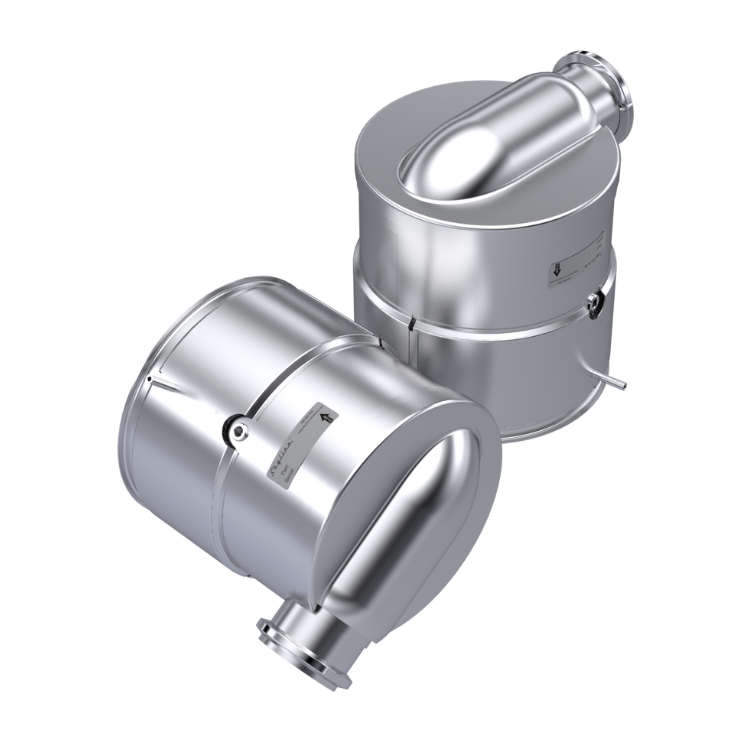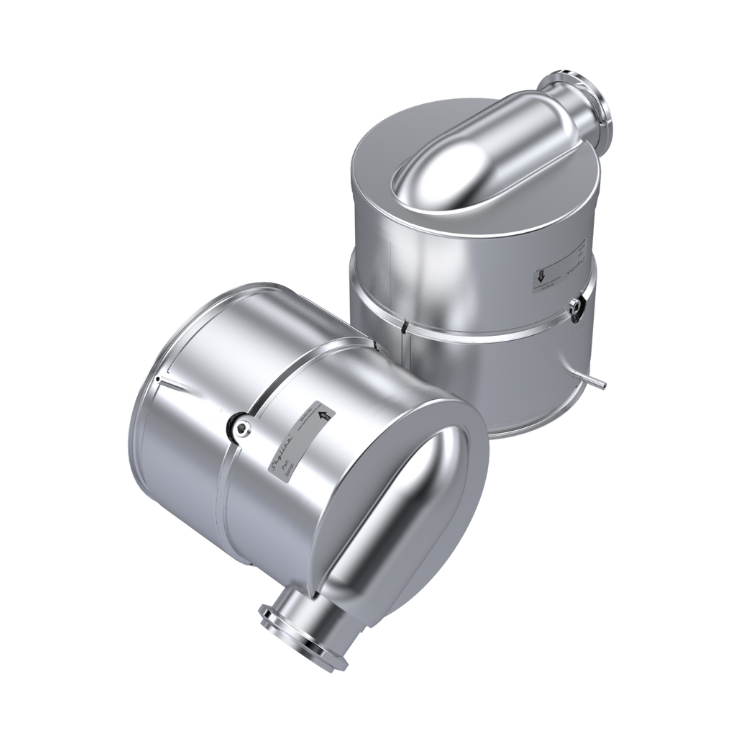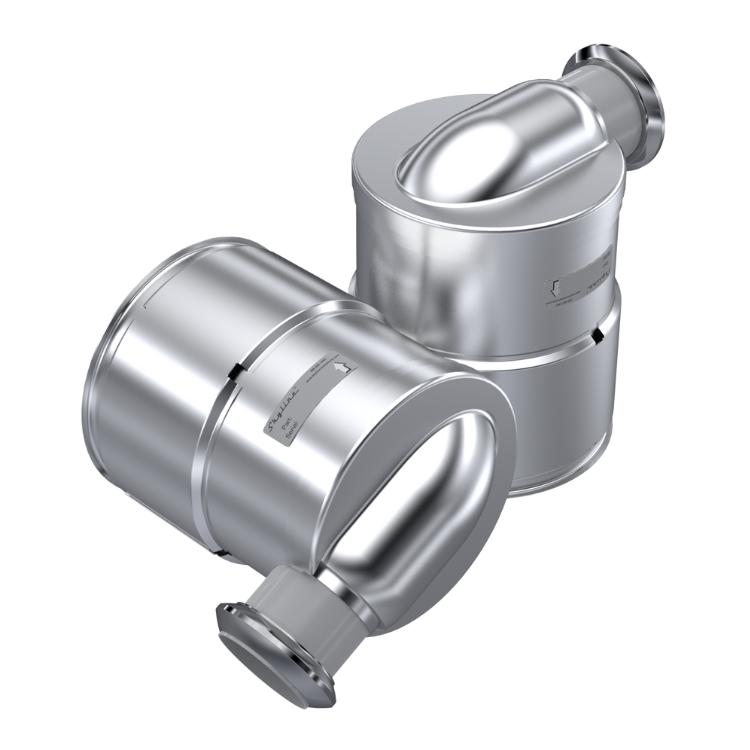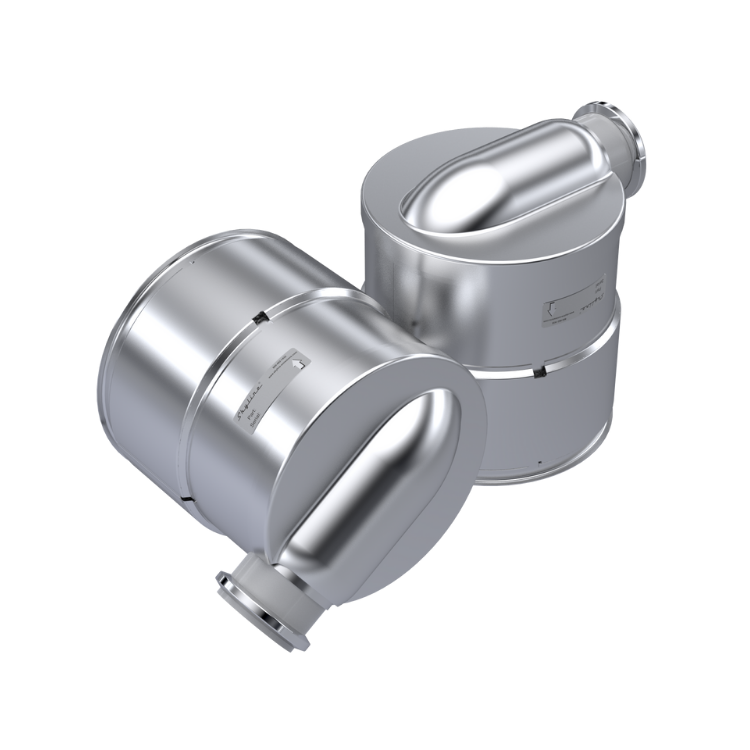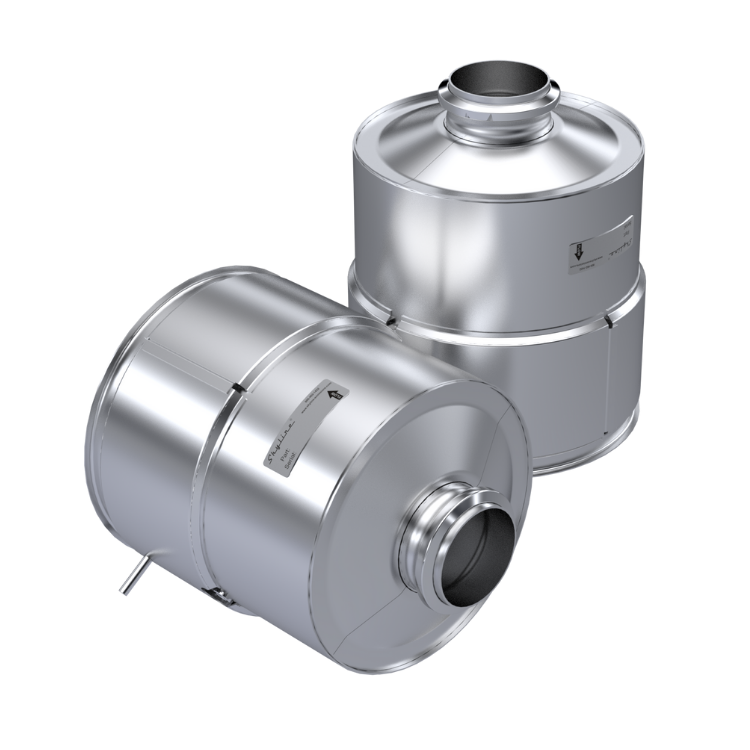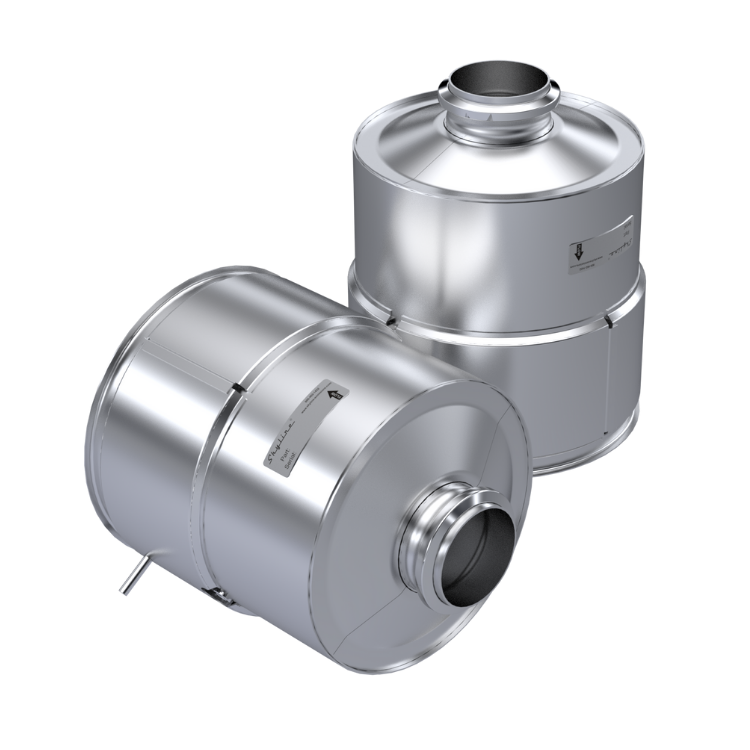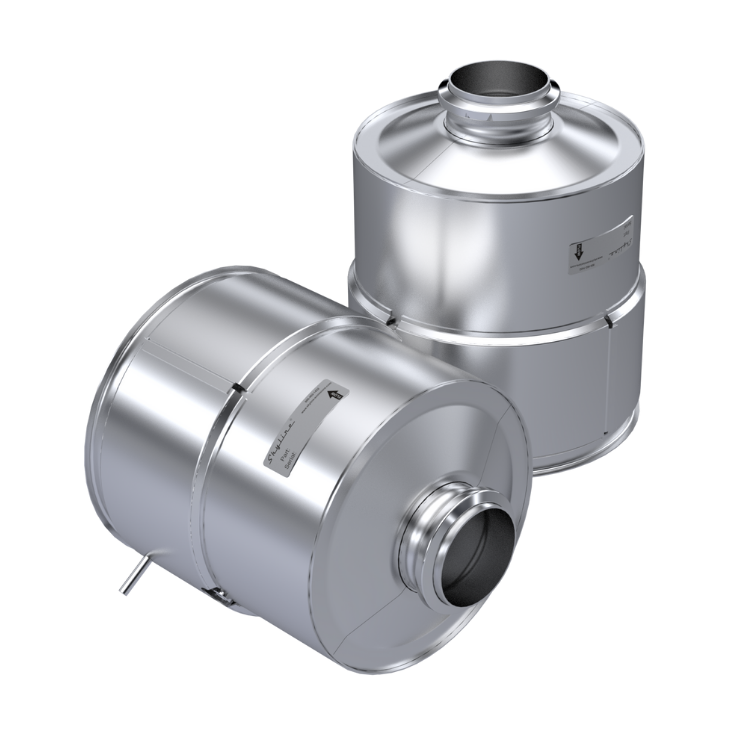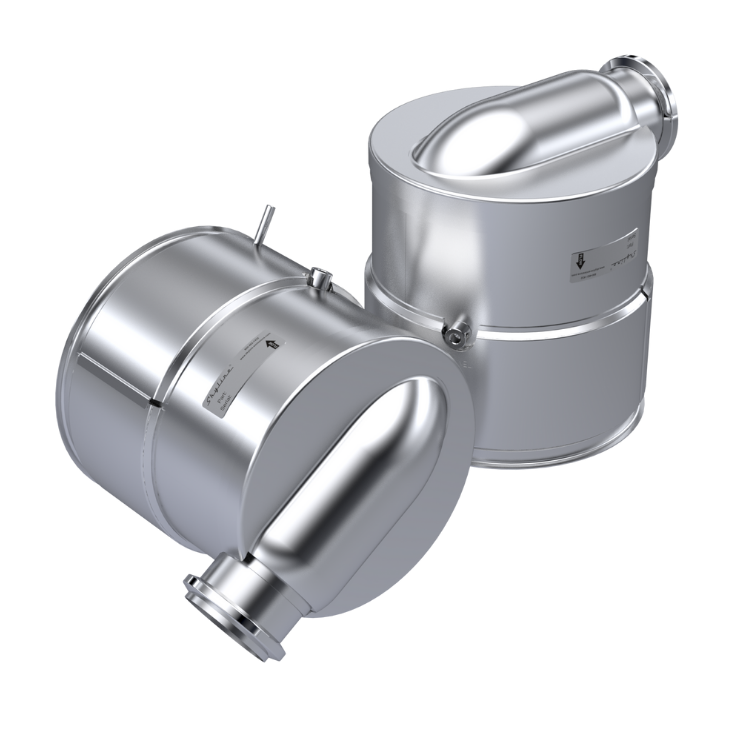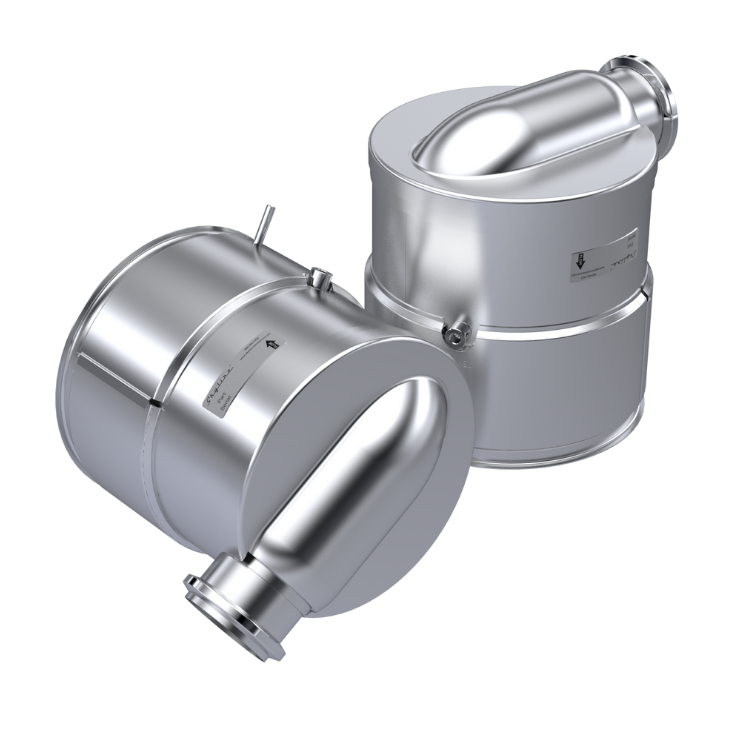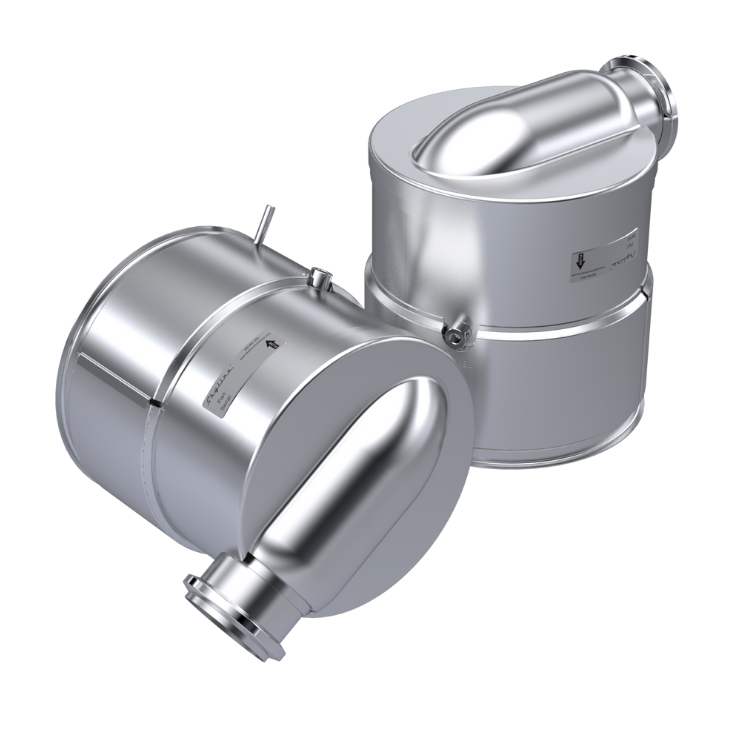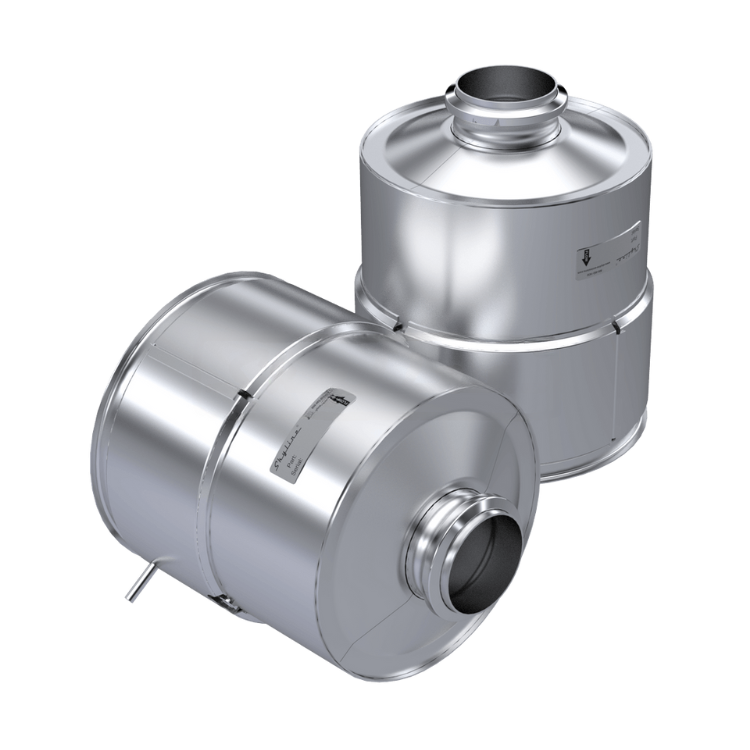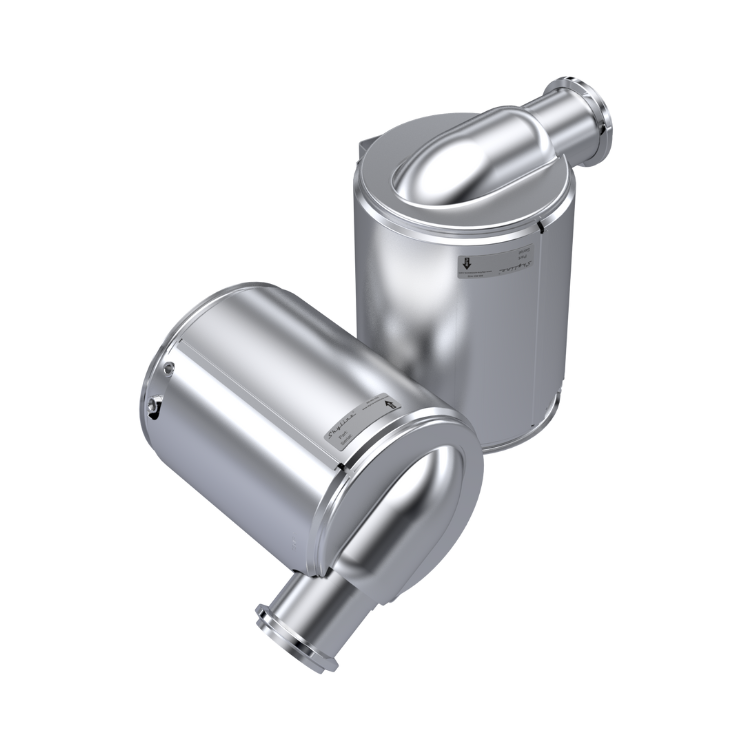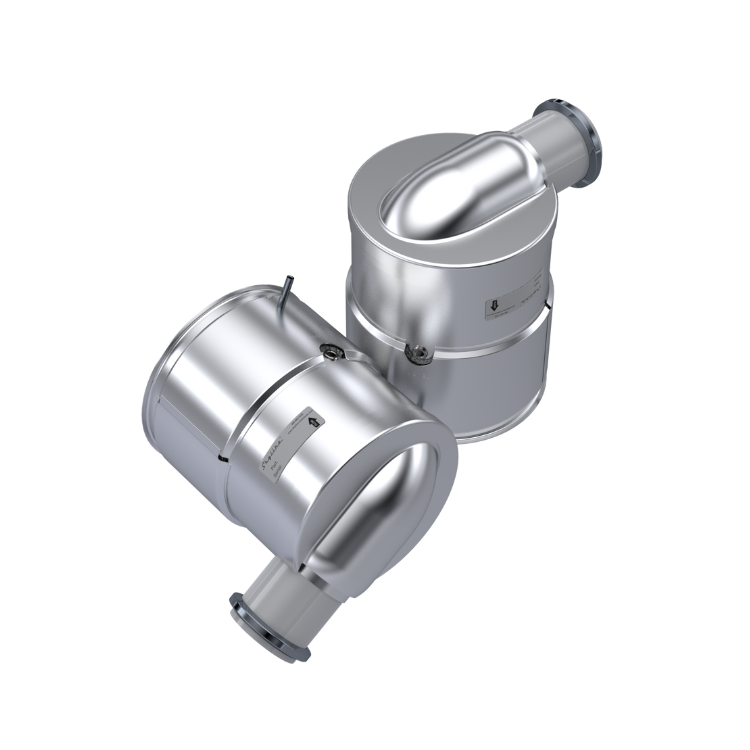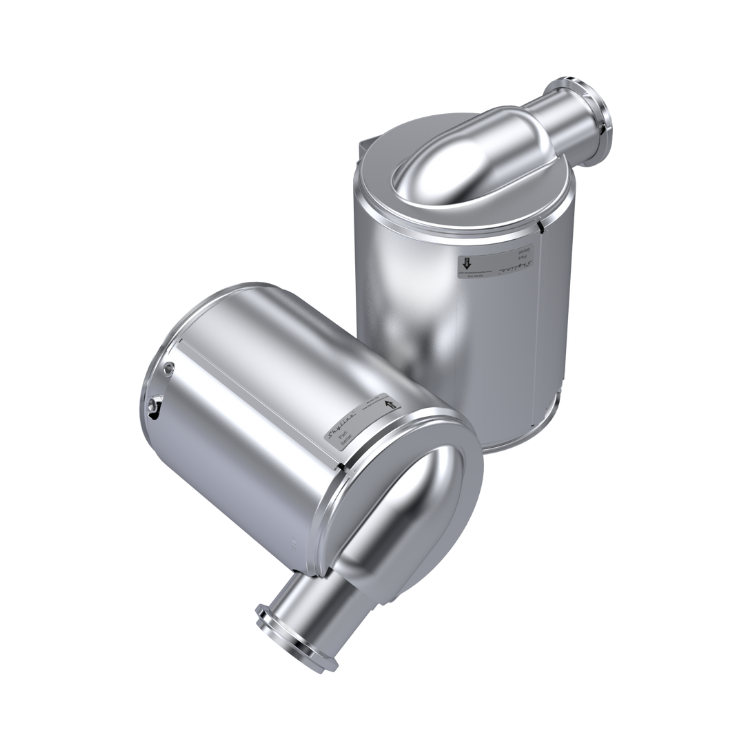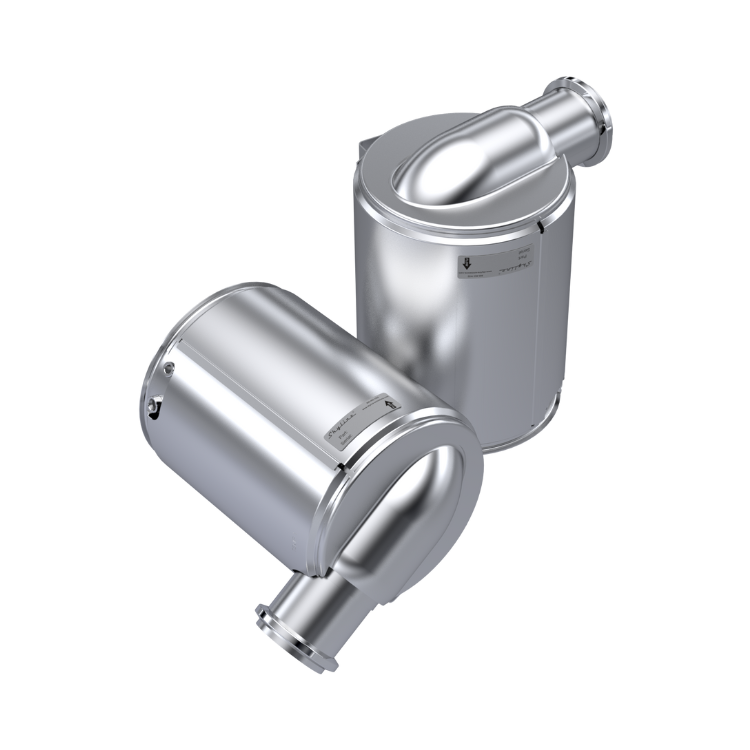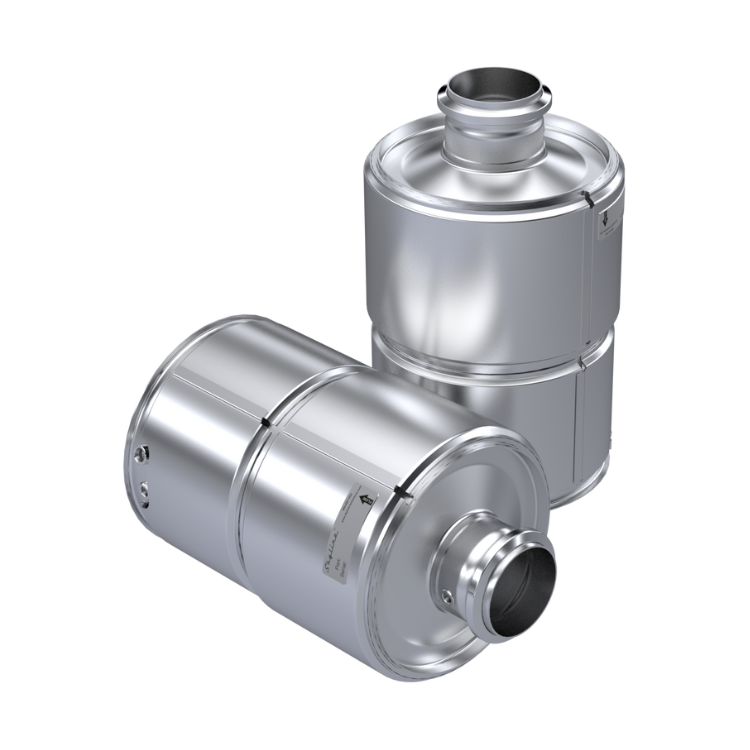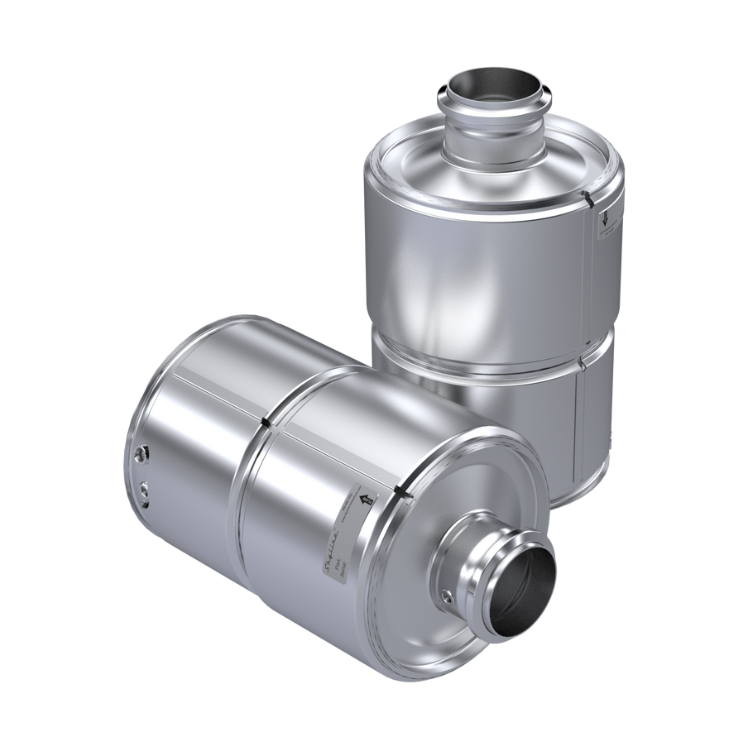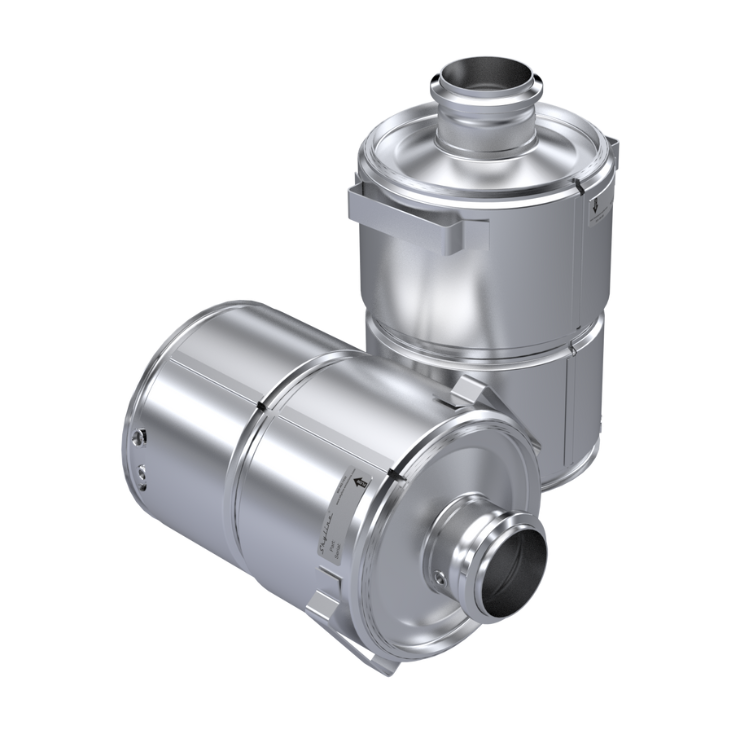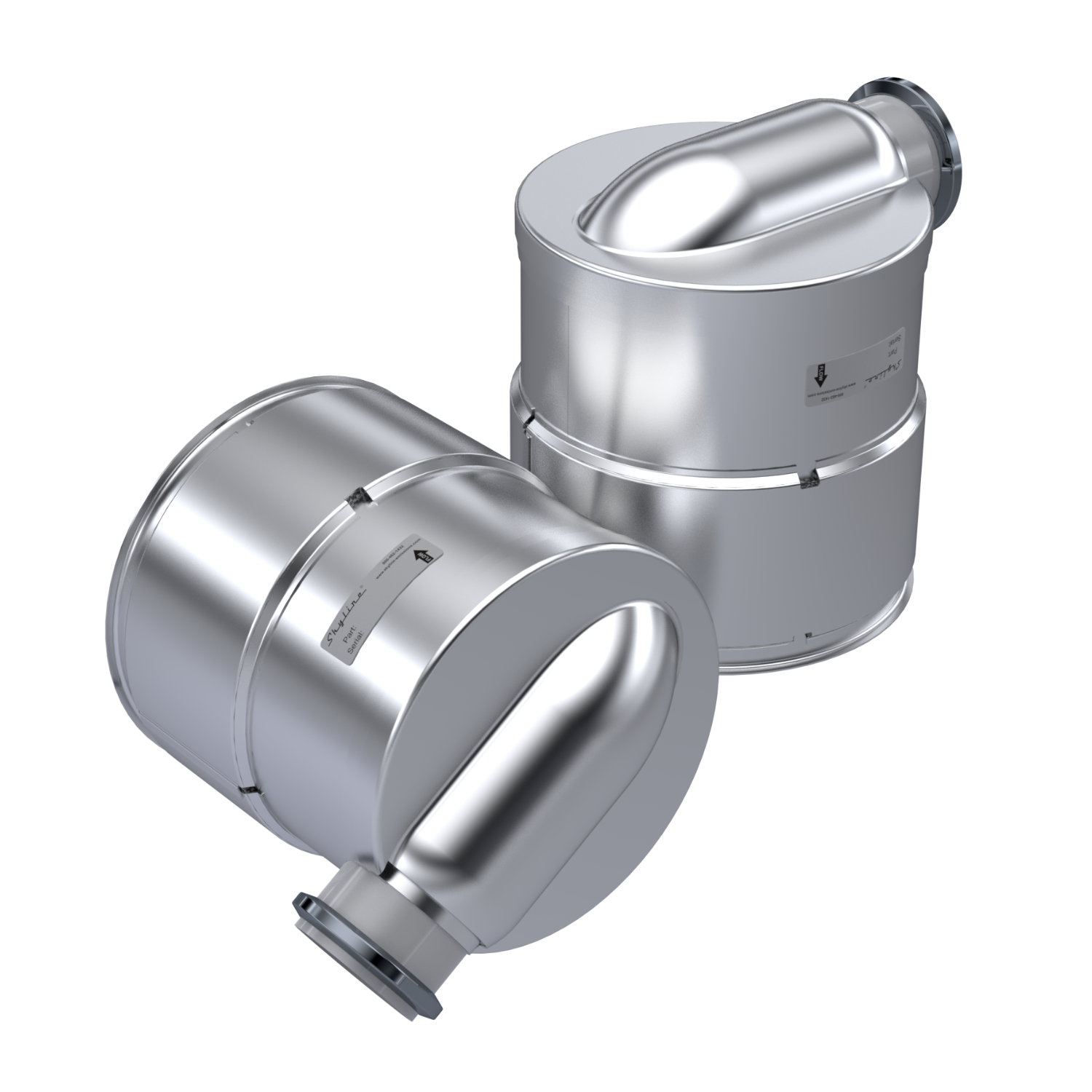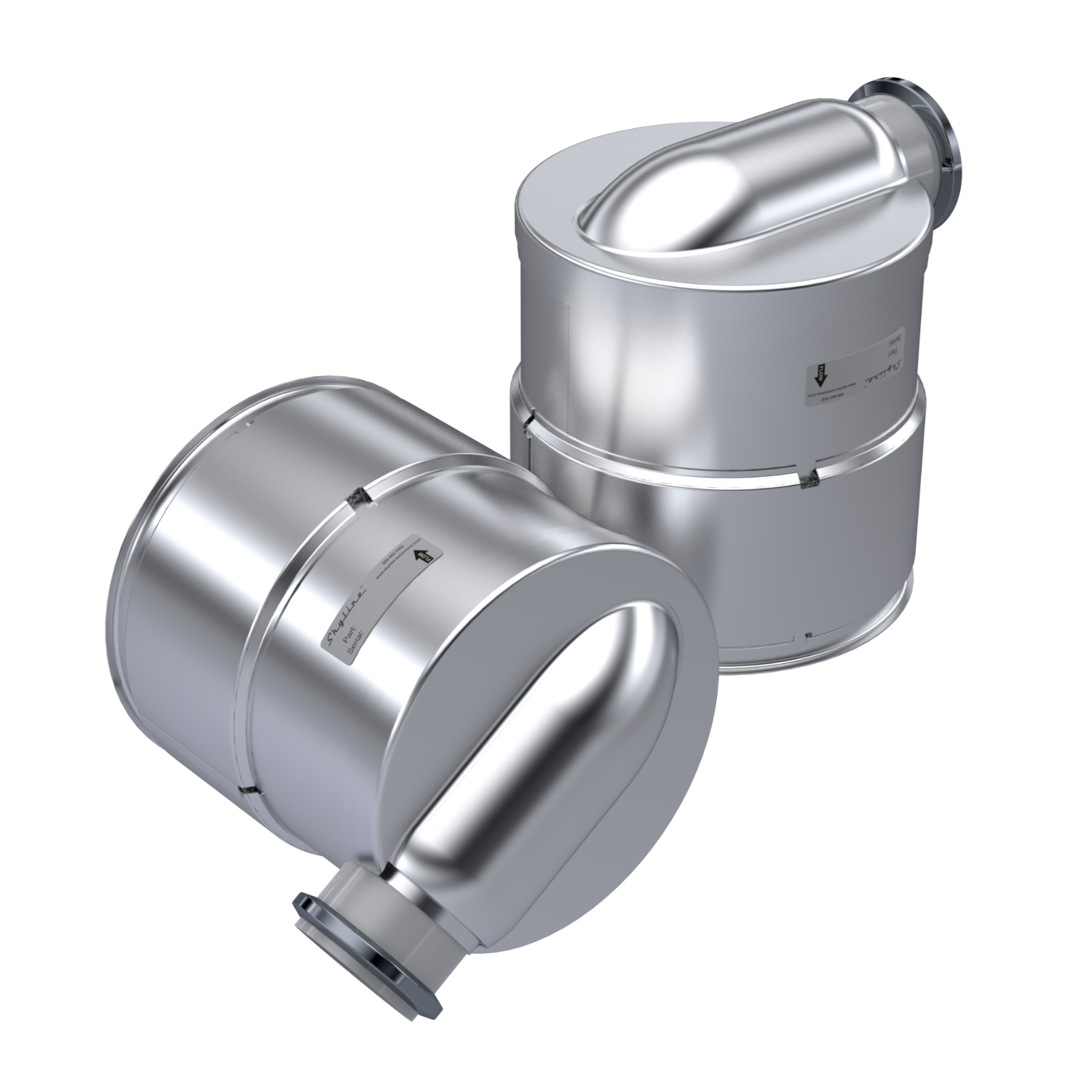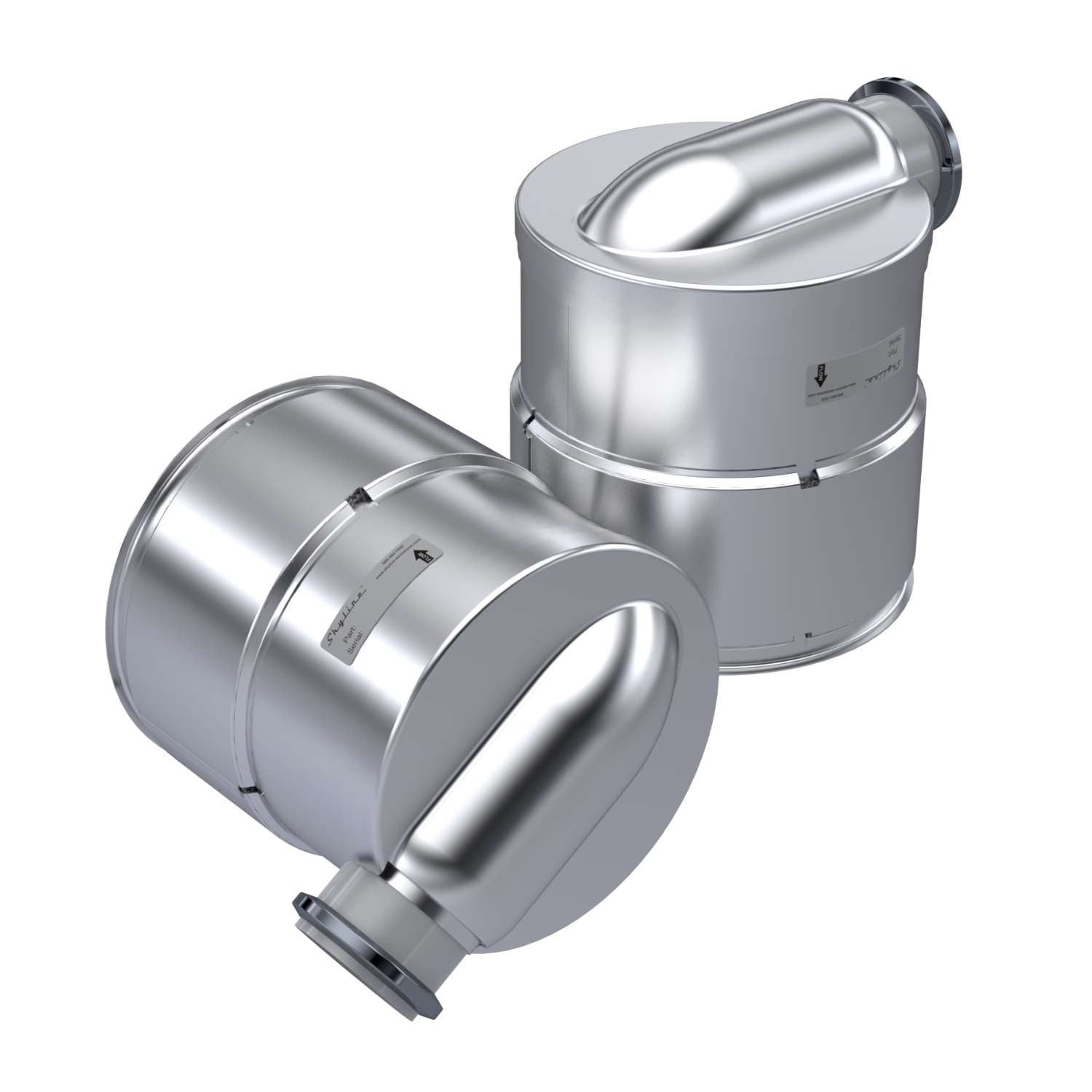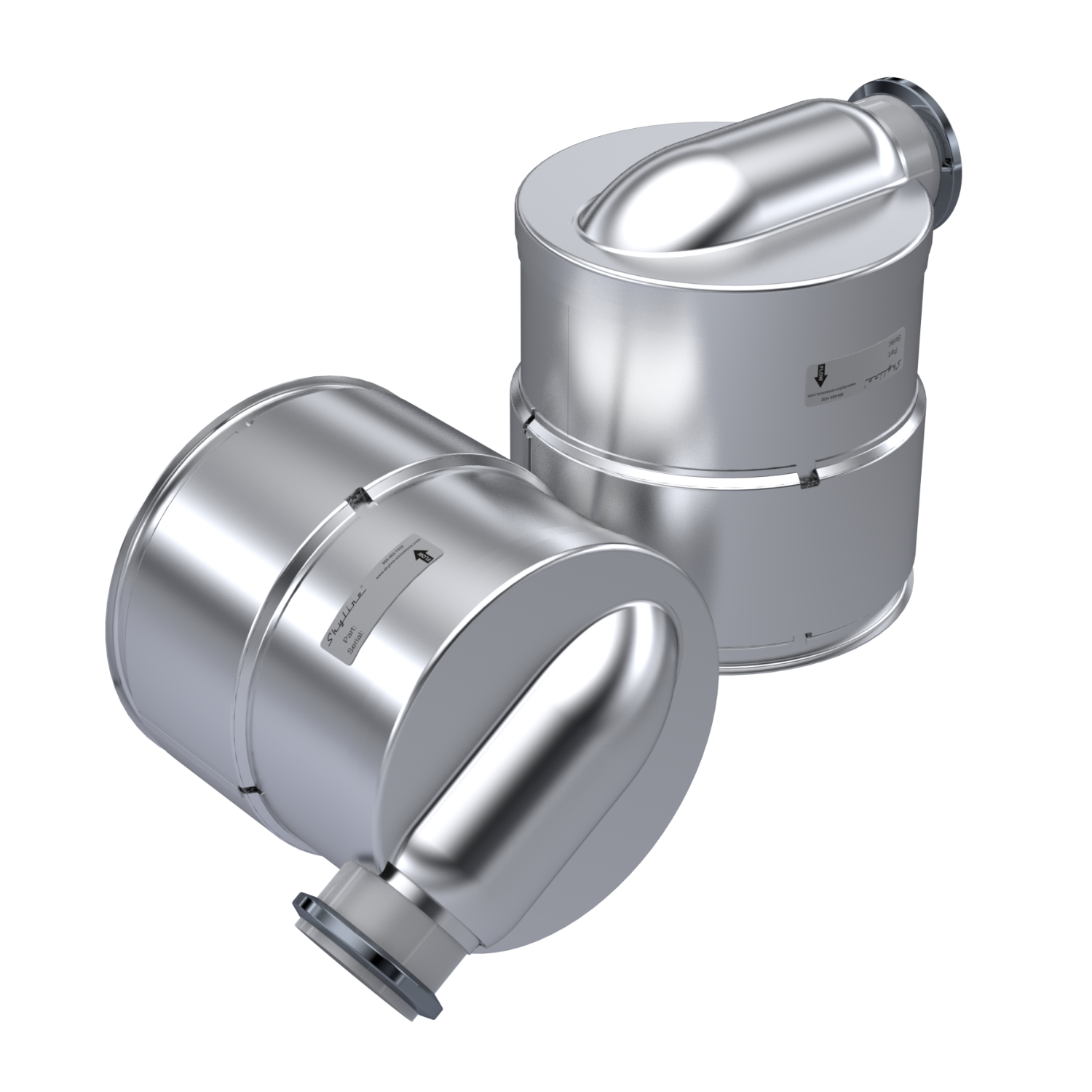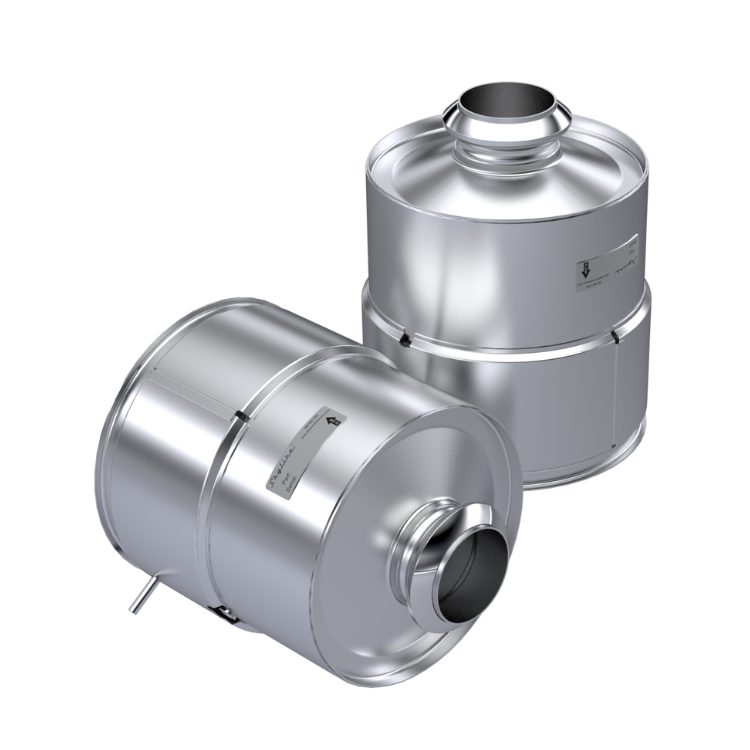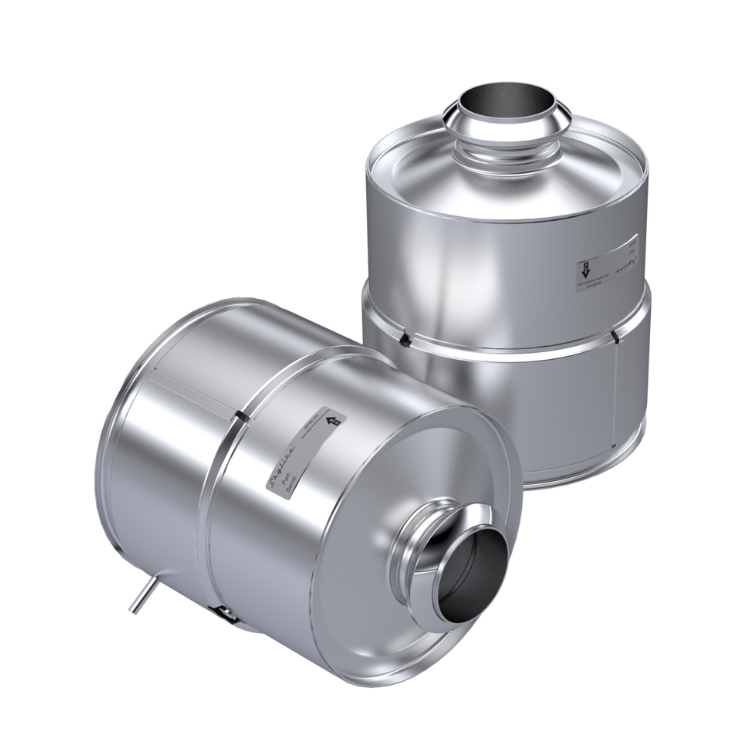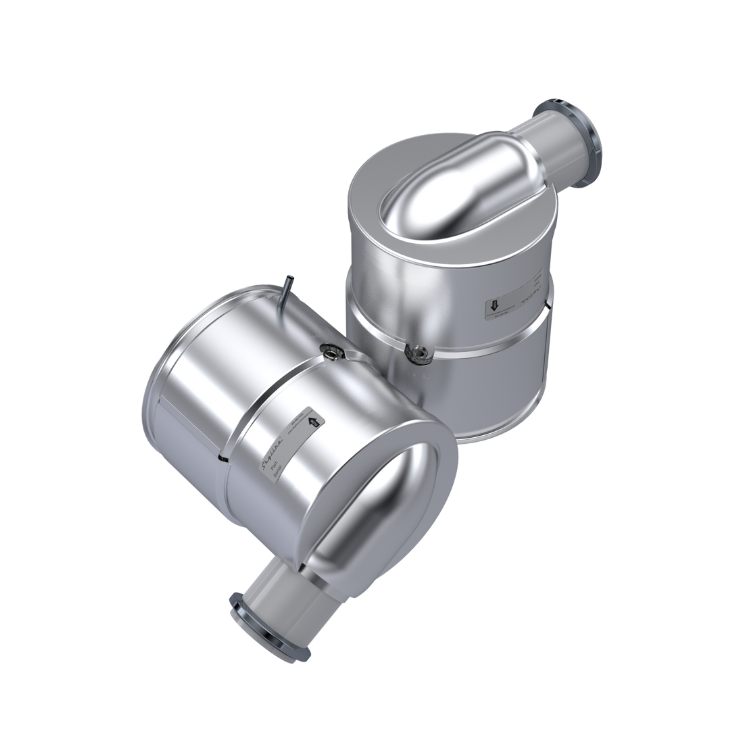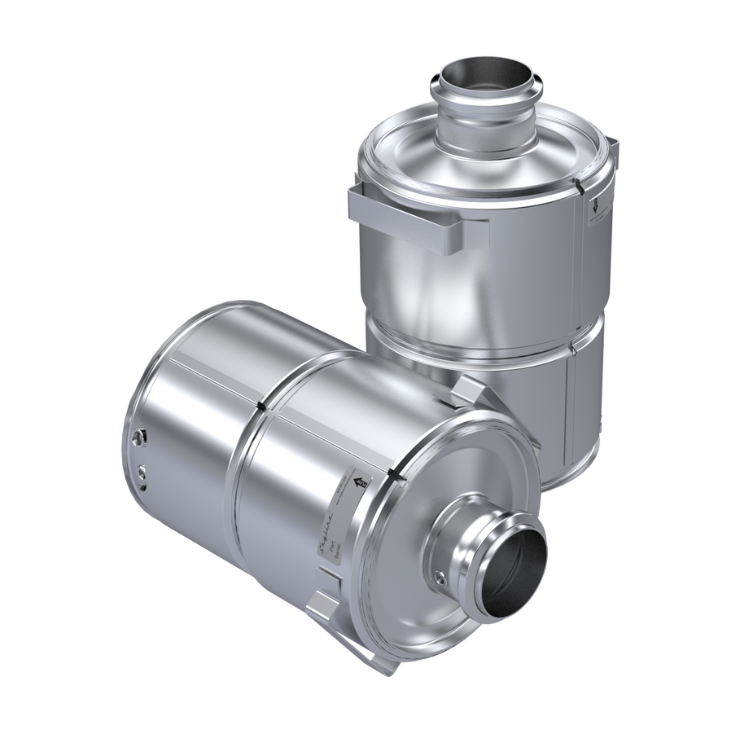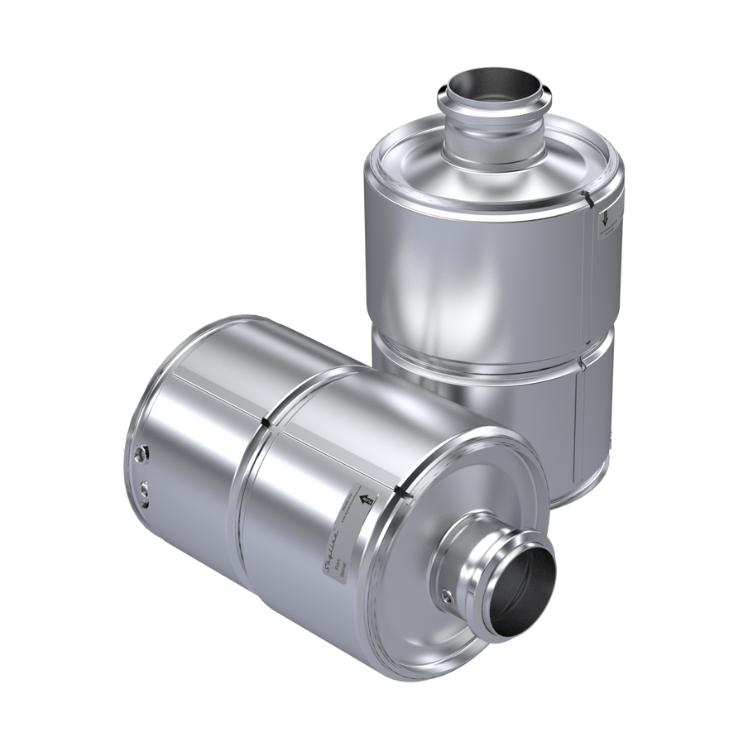




The Diesel Oxidation Catalyst (DOC) relies on clean, well-controlled exhaust flow to operate correctly. When upstream engine components begin to fail—such as injectors, turbochargers, sensors, or sealing systems—they can send contaminants or excess fuel into the DOC. Over time, this can significantly reduce catalyst efficiency, increase emissions, and lead to costly repairs.
How Upstream Engine Problems Can Damage the DOC
-
Fuel System Issues
Leaking injectors, over-fueling, or poor combustion can allow unburned fuel to reach the DOC, overheating or coating the catalyst. -
Oil Leaks or High Oil Consumption
Oil entering the exhaust stream from worn turbo seals, valve guides, or piston rings can clog the catalyst substrate. -
Coolant Intrusion
A cracked EGR cooler or head gasket failure may send coolant vapor into the DOC, contaminating the catalyst material. -
Sensor Failures (EGR, Temperature, O2, NOx)
Faulty sensors can mislead the ECM, causing improper fueling or regeneration events that stress the DOC. -
Turbocharger Problems
A failing turbo may cause low boost, poor air-fuel mixture, or oil leakage—all of which degrade DOC performance. -
Excessive Soot Production
Engine misfires, clogged air filters, or improper tuning create heavy soot loads that overwhelm the DOC’s oxidation capacity.
Yes—upstream engine problems can absolutely damage the DOC. Because the DOC depends on clean, well-managed exhaust flow, any issue affecting combustion, sealing, or airflow can lead to contamination or catalyst failure. Addressing engine problems early, performing regular inspections, and maintaining fuel and air systems help protect the DOC and the entire emissions system.