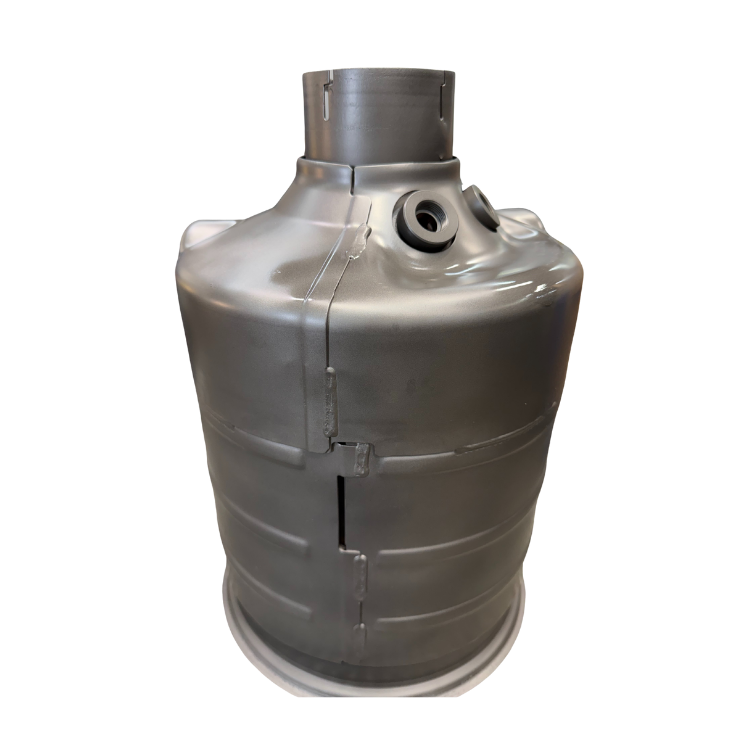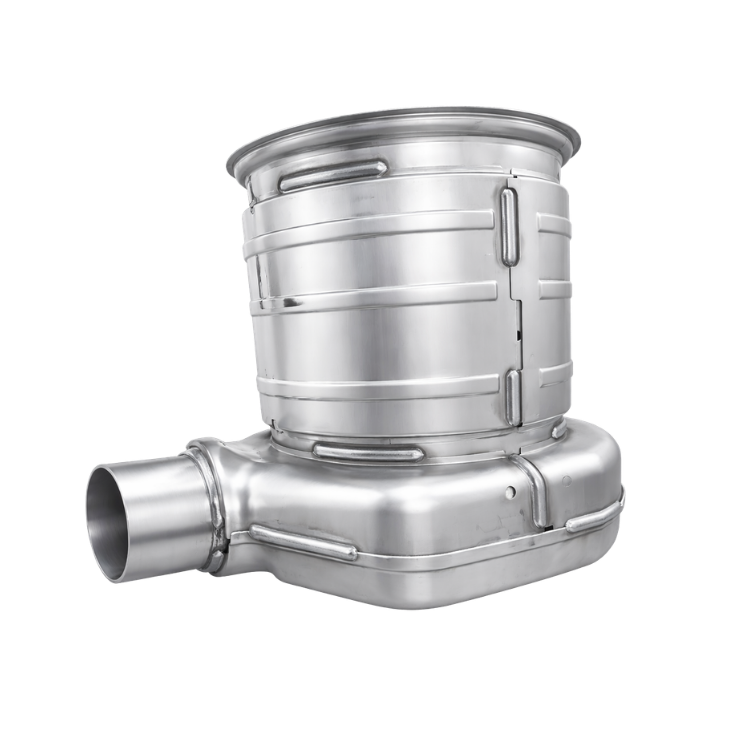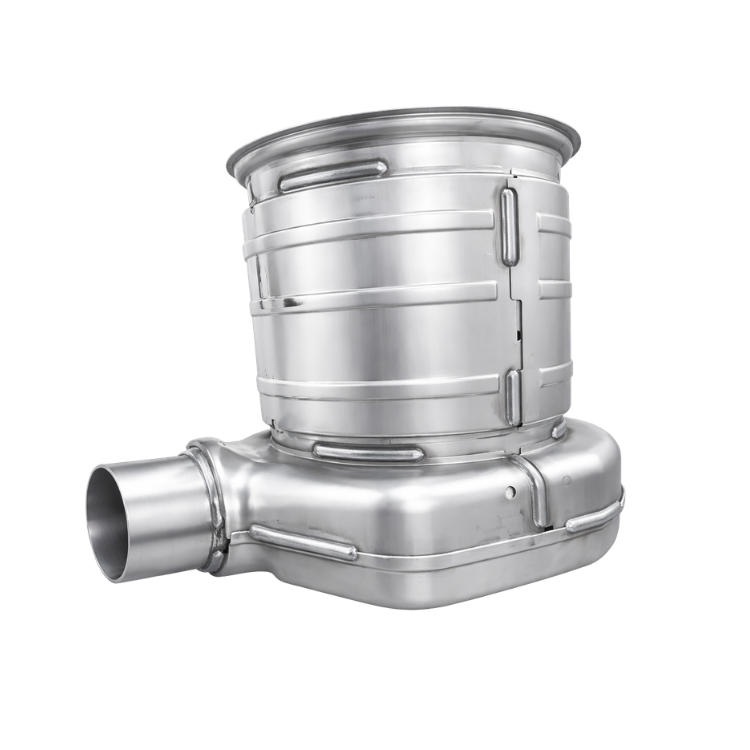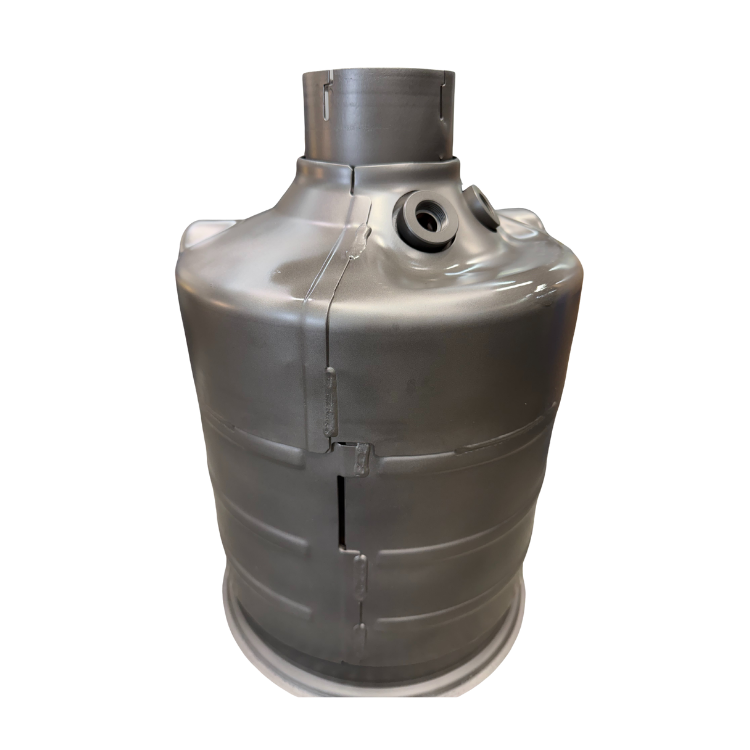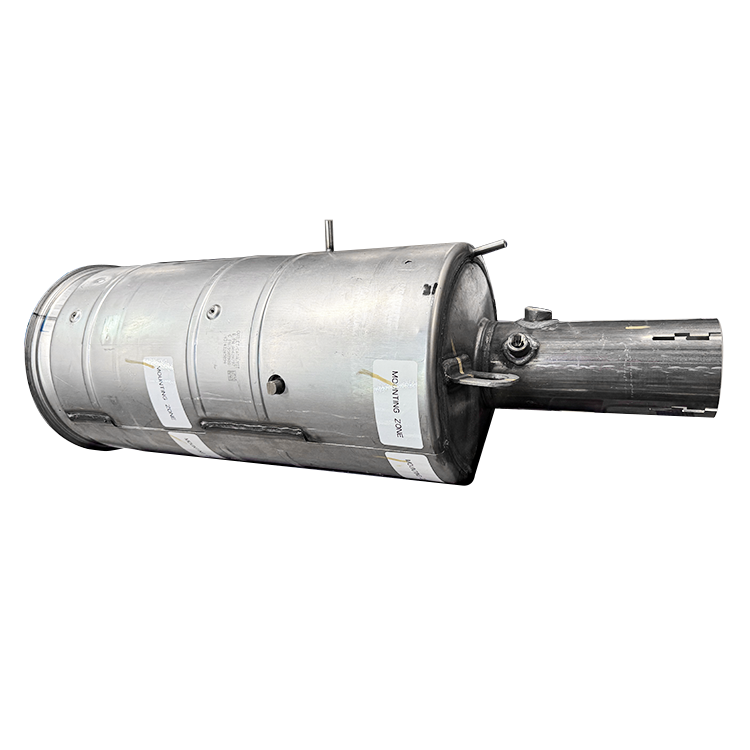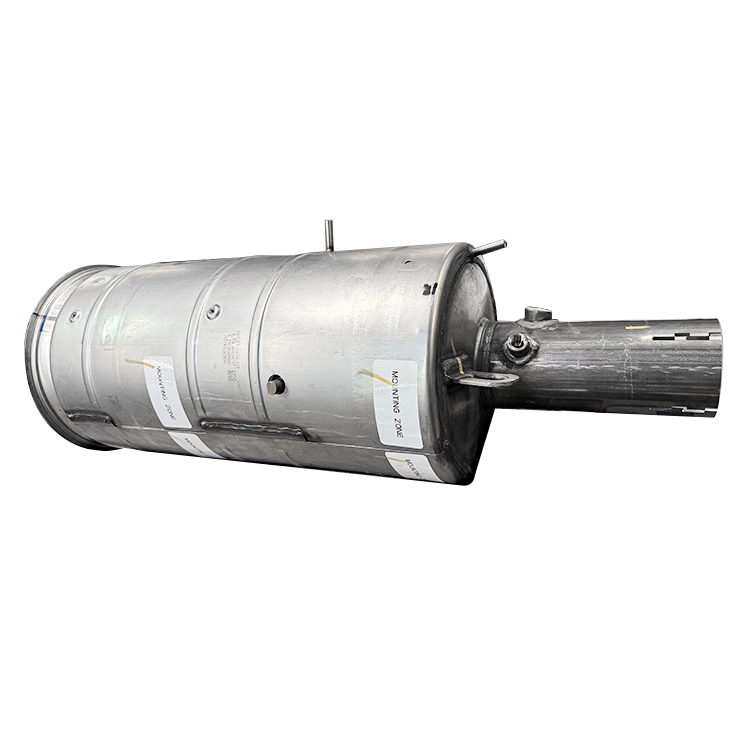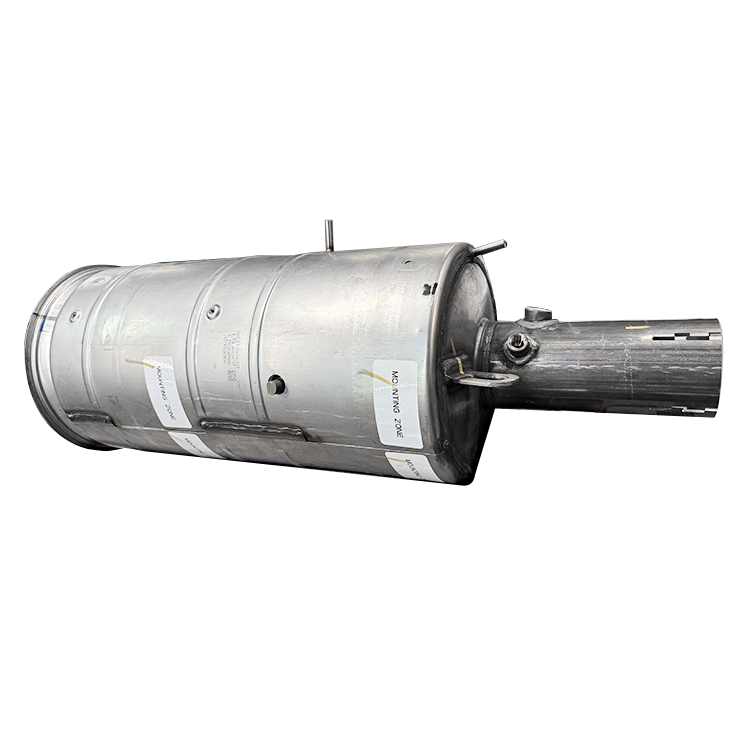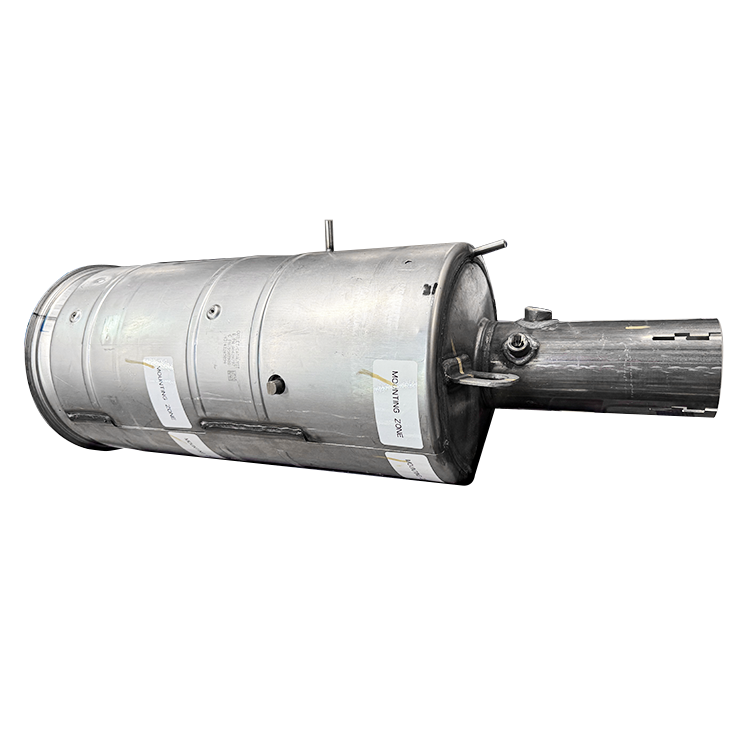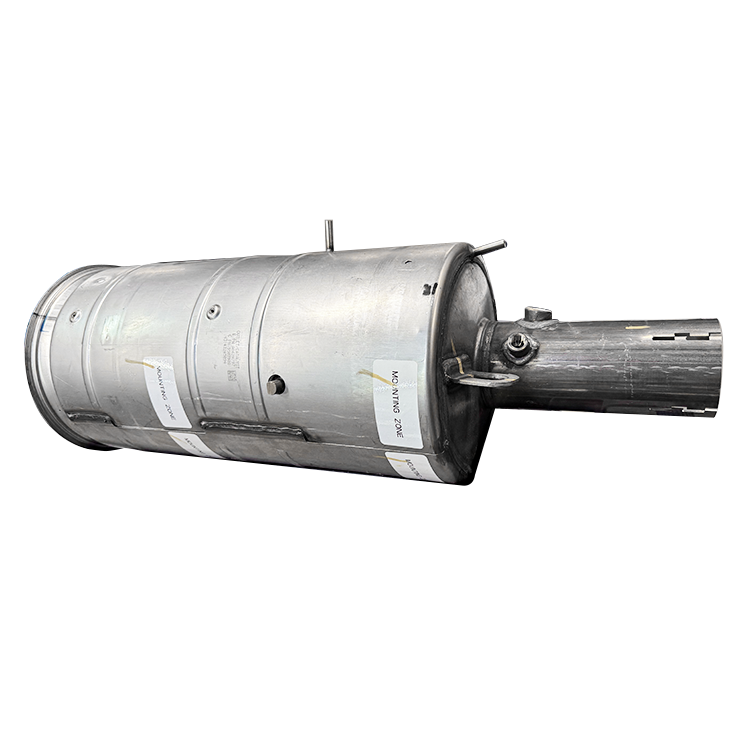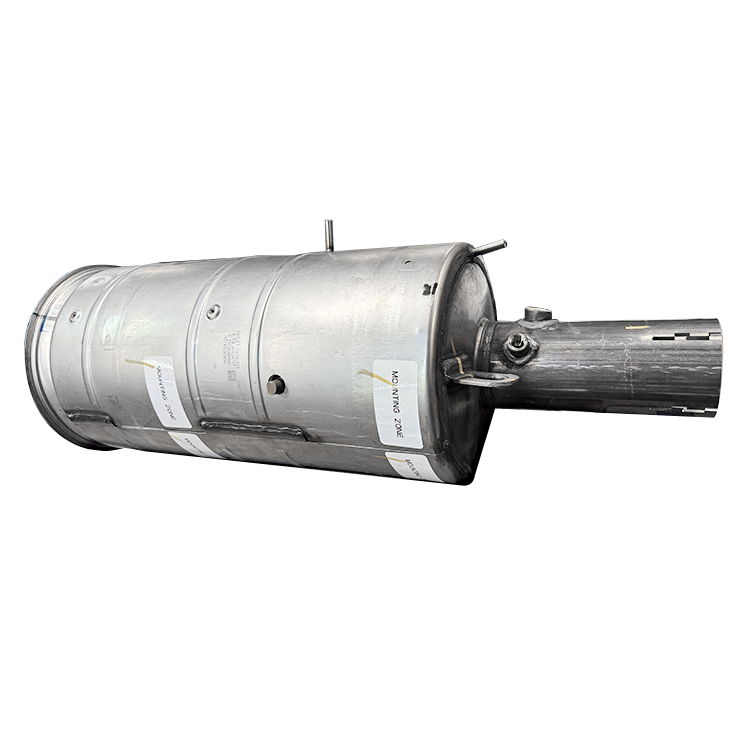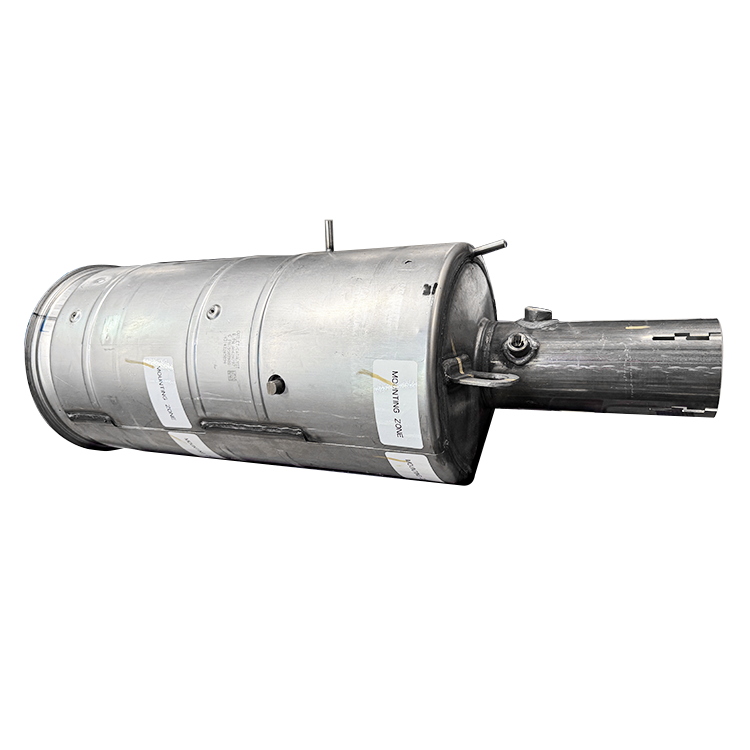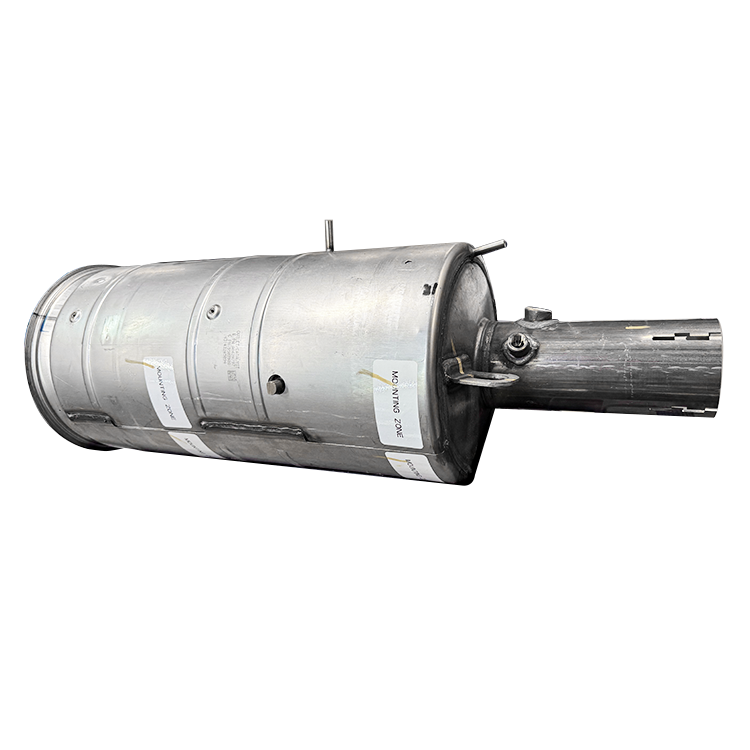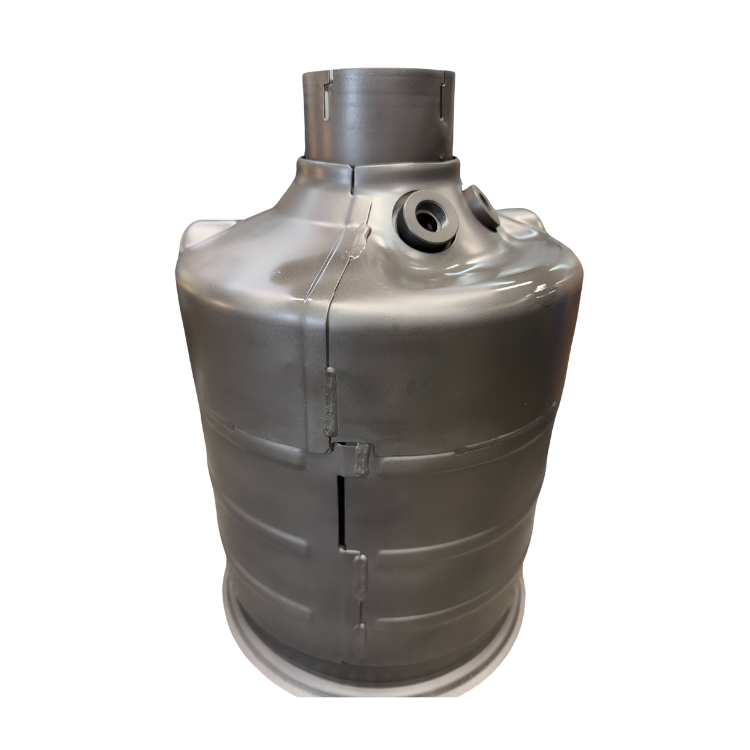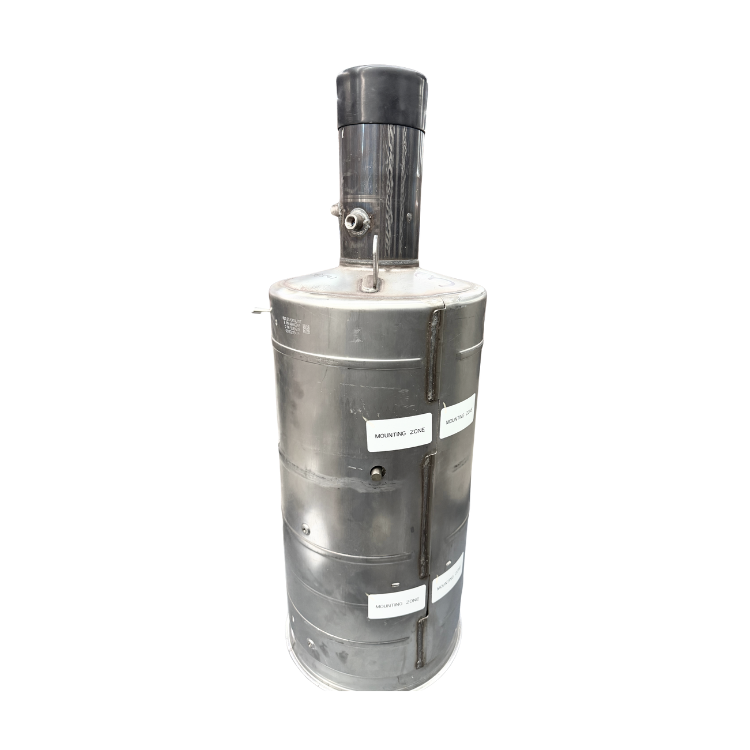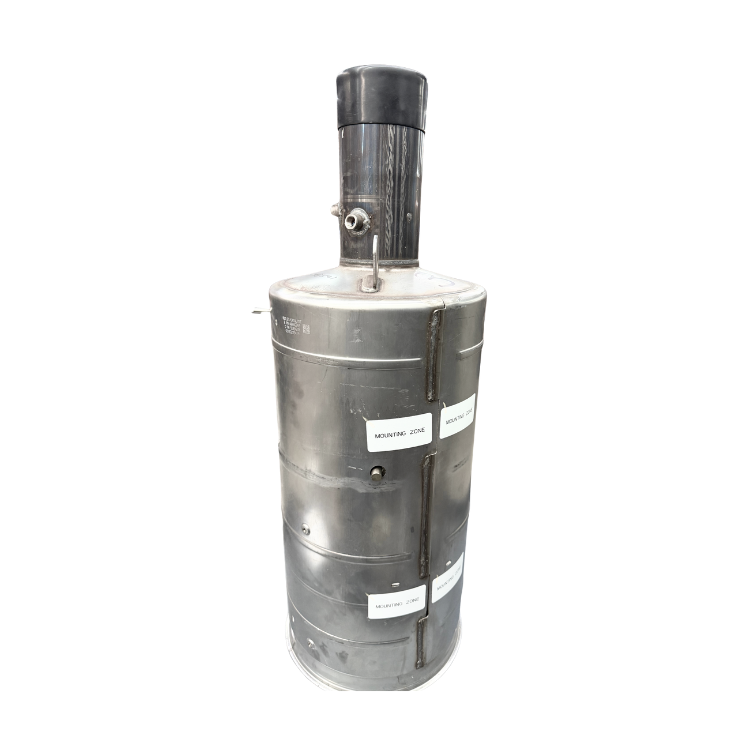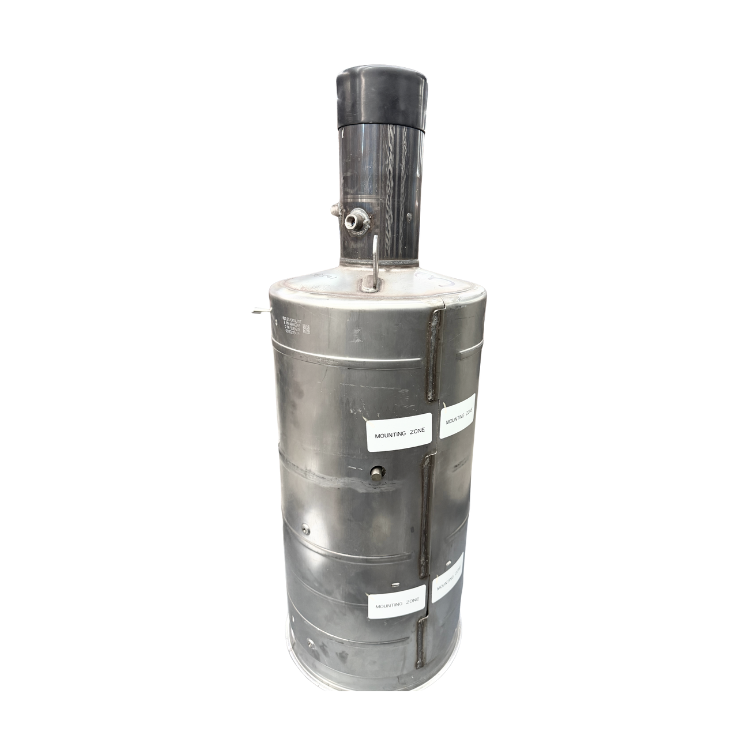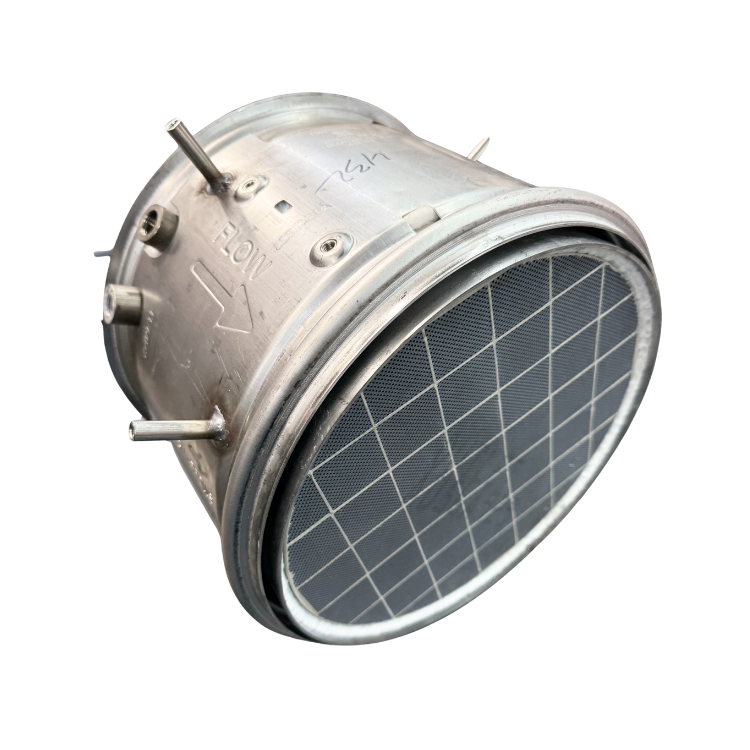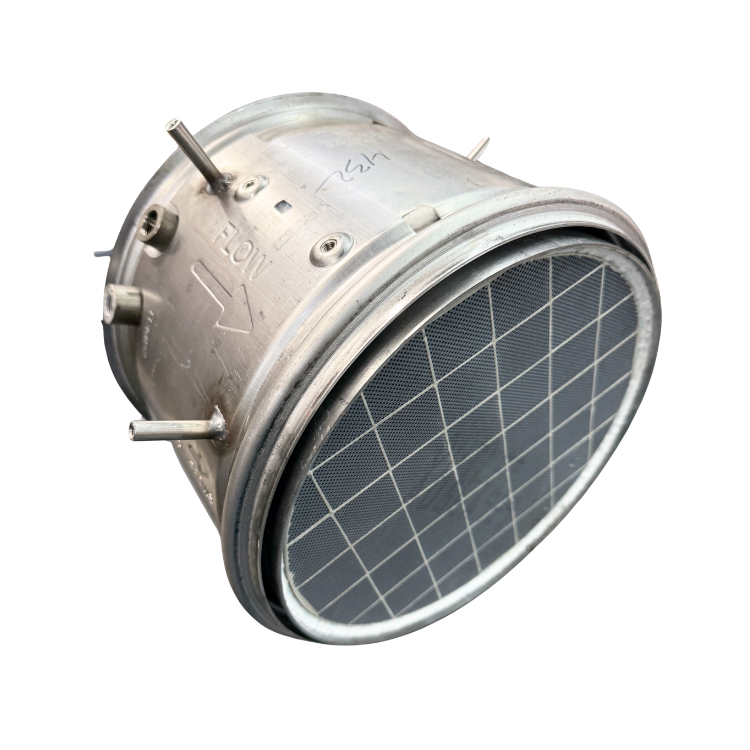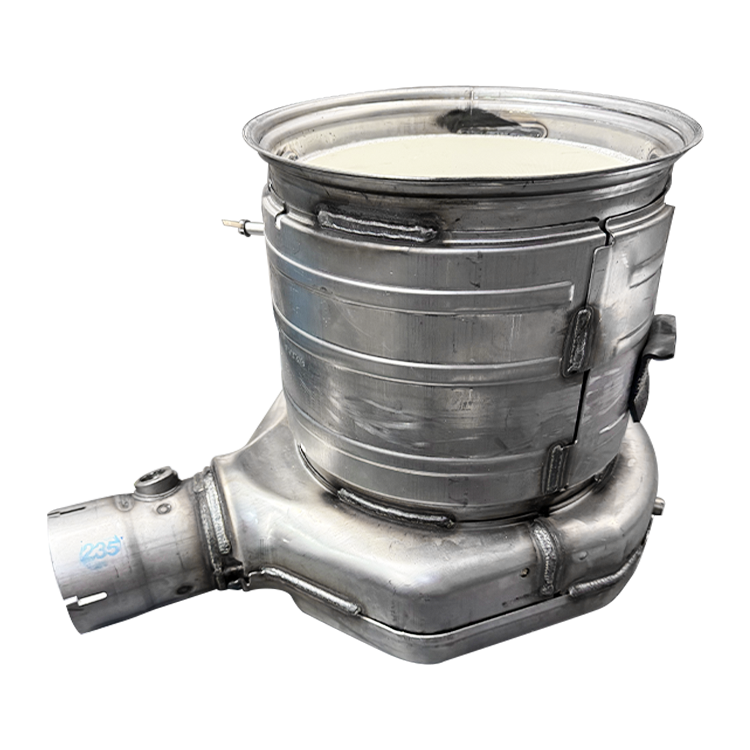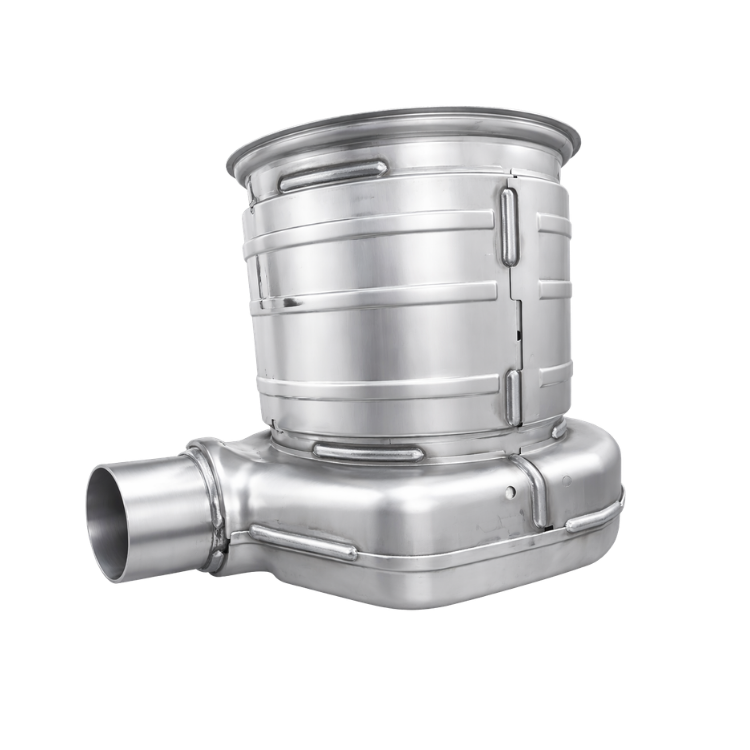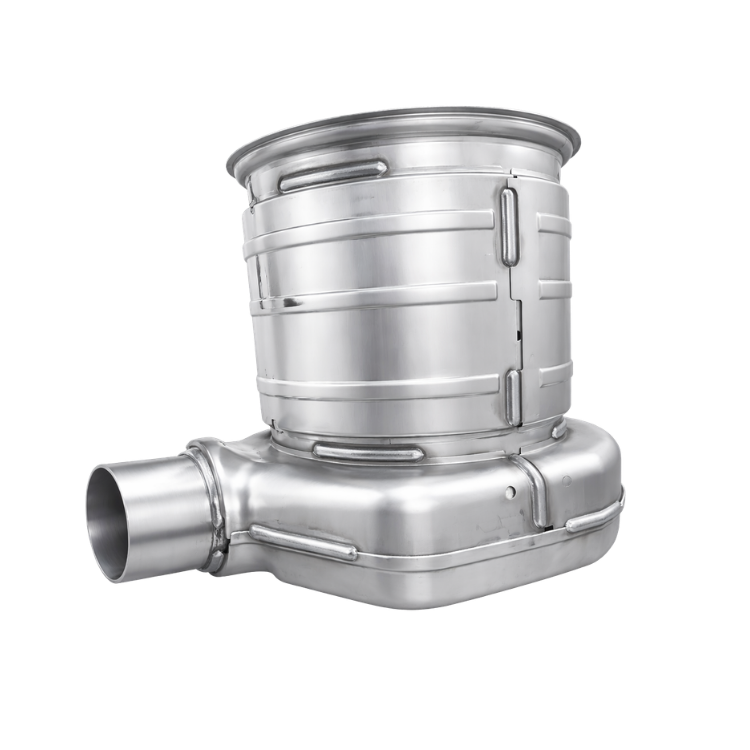



The Selective Catalytic Reduction (SCR) system relies on a clean catalyst surface and proper Diesel Exhaust Fluid (DEF) dosing to effectively reduce nitrogen oxide (NOx) emissions. When buildup develops inside the system, it can interfere with normal operation and reduce overall efficiency. Over time, even minor contamination can lead to warning lights and performance concerns.
-
Deposits on the catalyst surface can block the chemical reaction needed to convert NOx into less harmful gases.
-
DEF crystallization around the injector may disrupt proper spray patterns, leading to uneven dosing.
-
Oil contamination from engine issues can coat the catalyst substrate and permanently reduce its effectiveness.
-
Coolant leaks can leave residue inside the exhaust system, contributing to internal blockage.
-
Excessive soot from unresolved Diesel Particulate Filter (DPF) problems may restrict exhaust flow and increase internal temperatures.
-
Restricted flow within the SCR can trigger catalyst efficiency fault codes and potentially cause engine derate.
As buildup increases, the SCR system must work harder to maintain emissions control. Early detection, proper DEF handling, and prompt repair of engine or exhaust issues are key to preventing buildup and preserving long-term SCR performance.