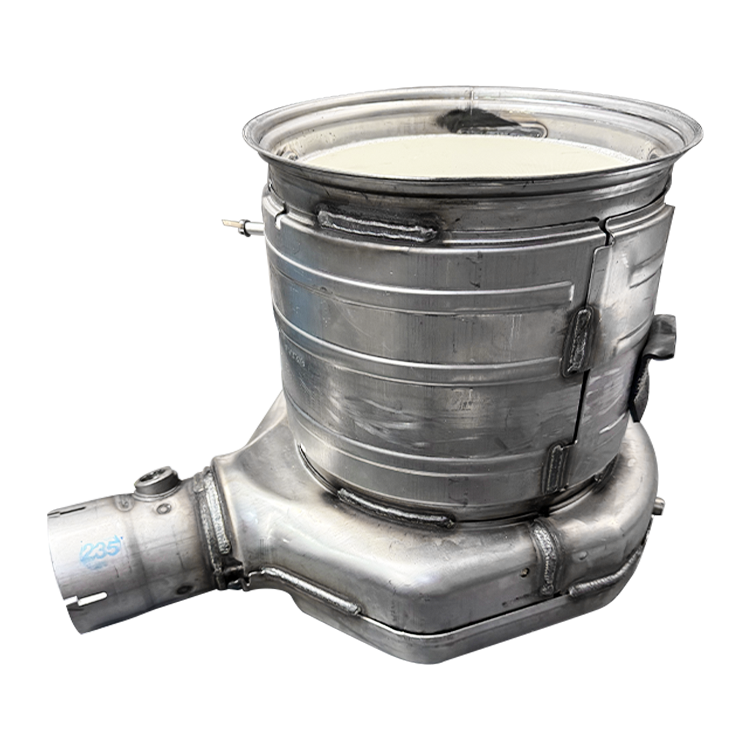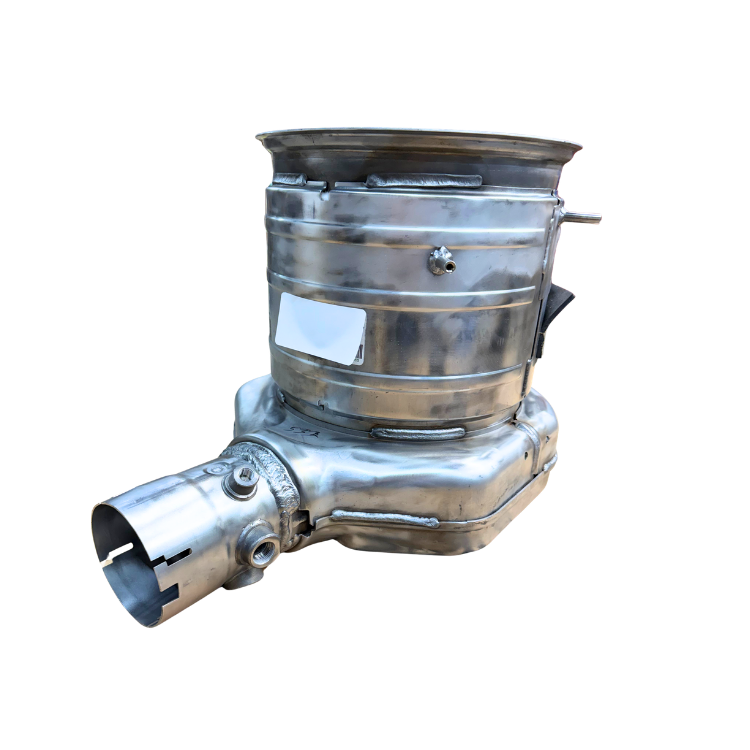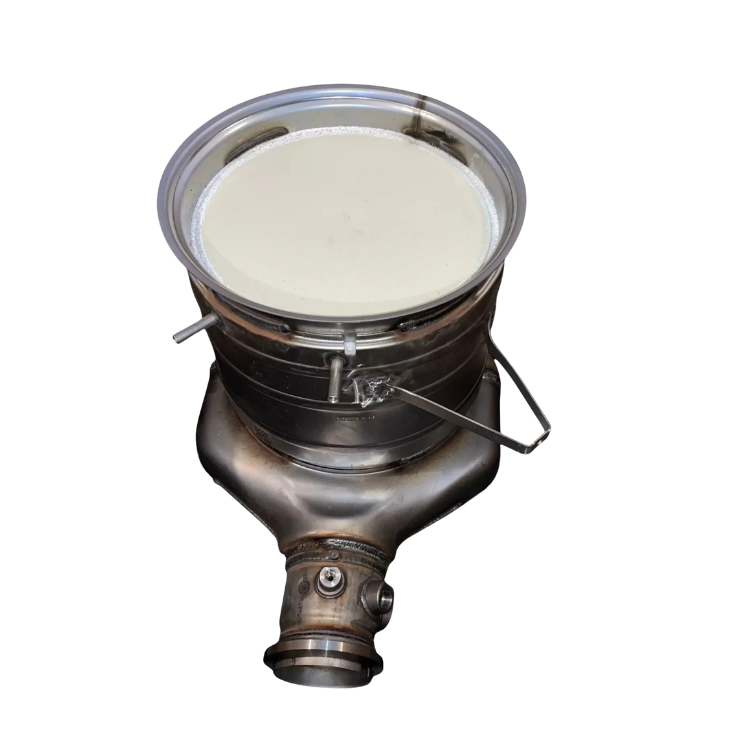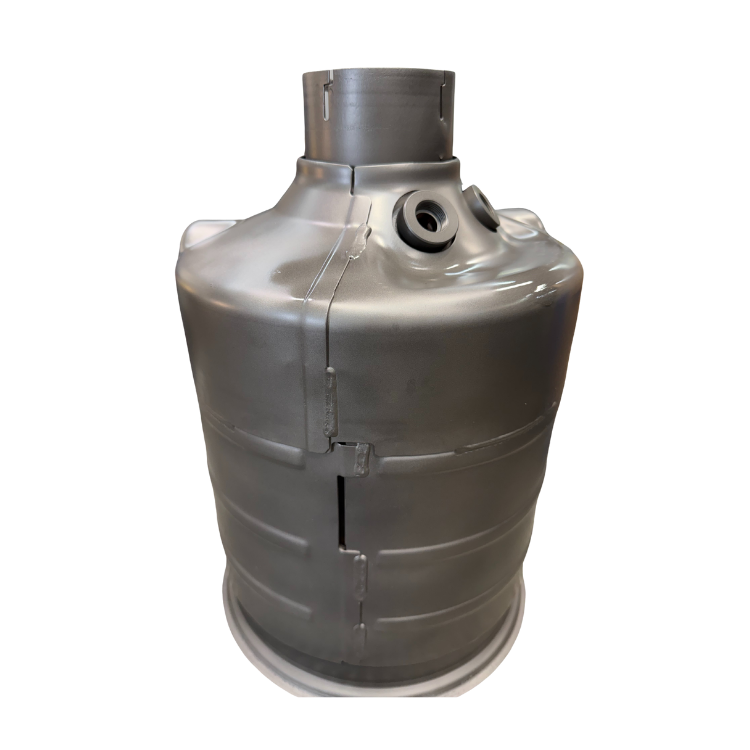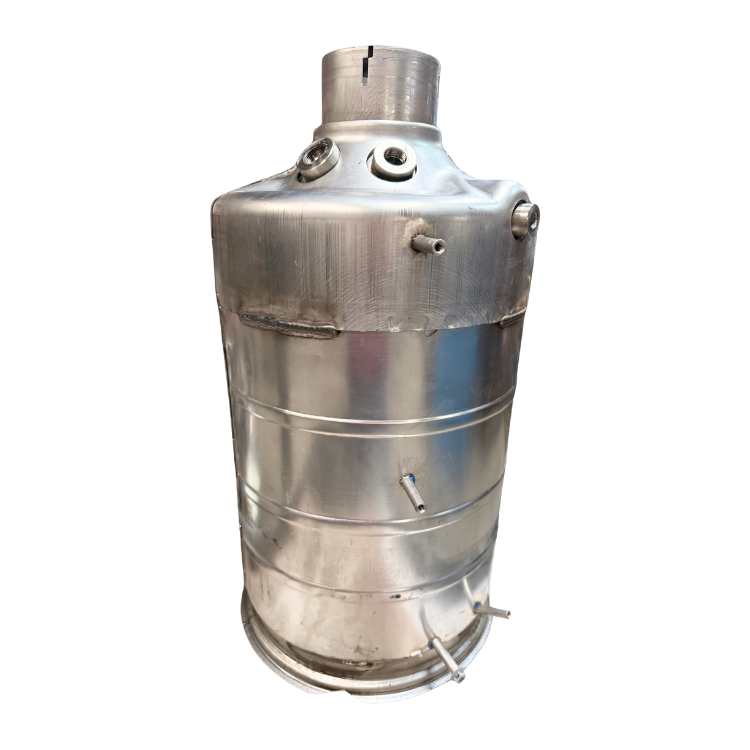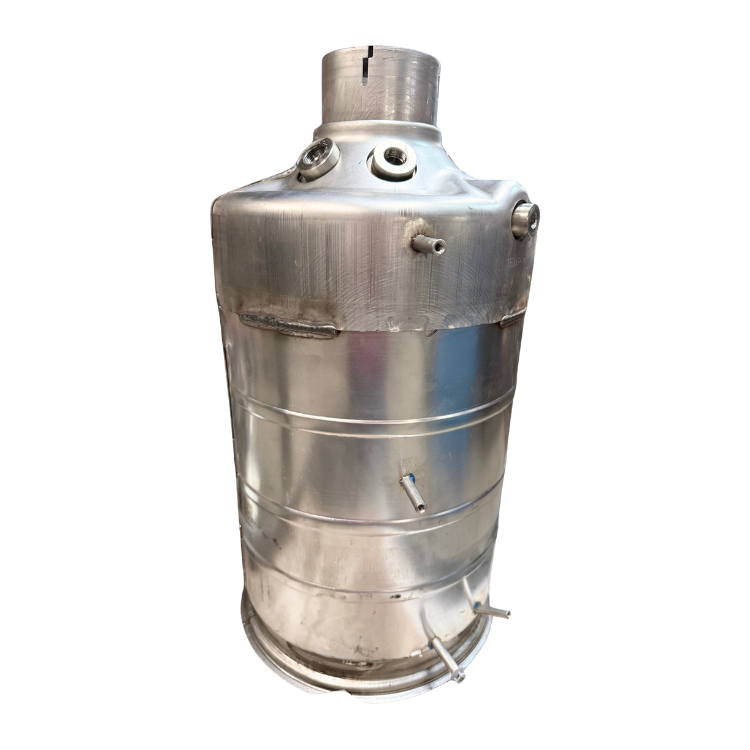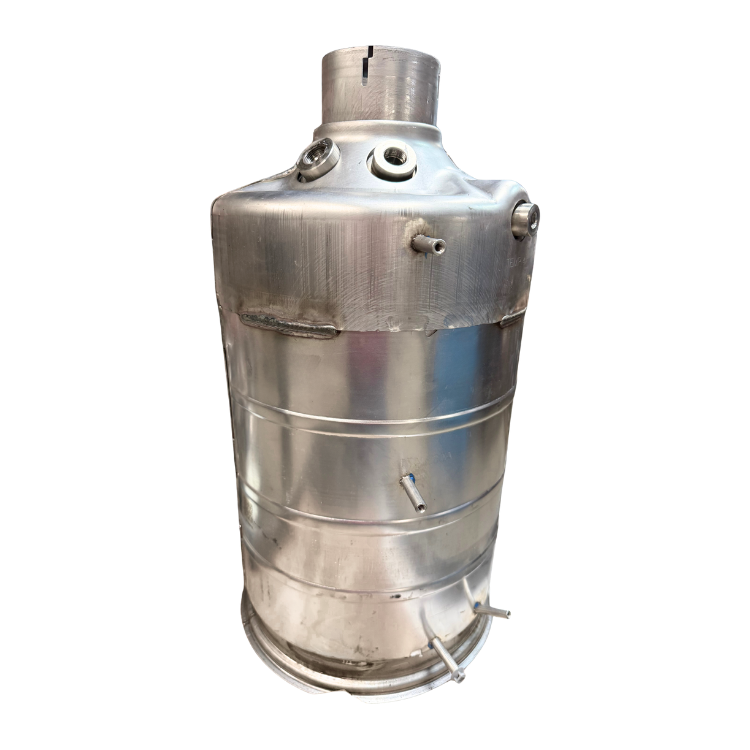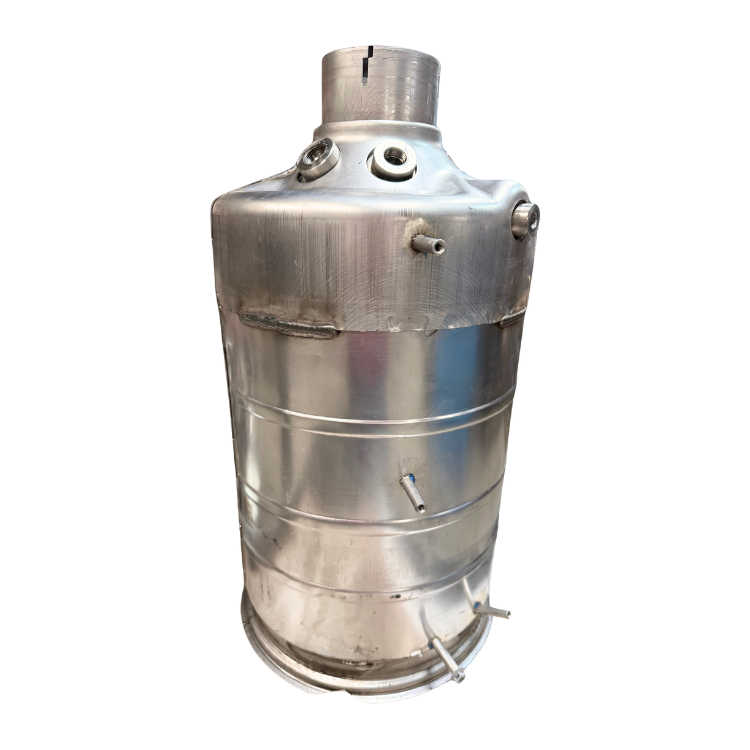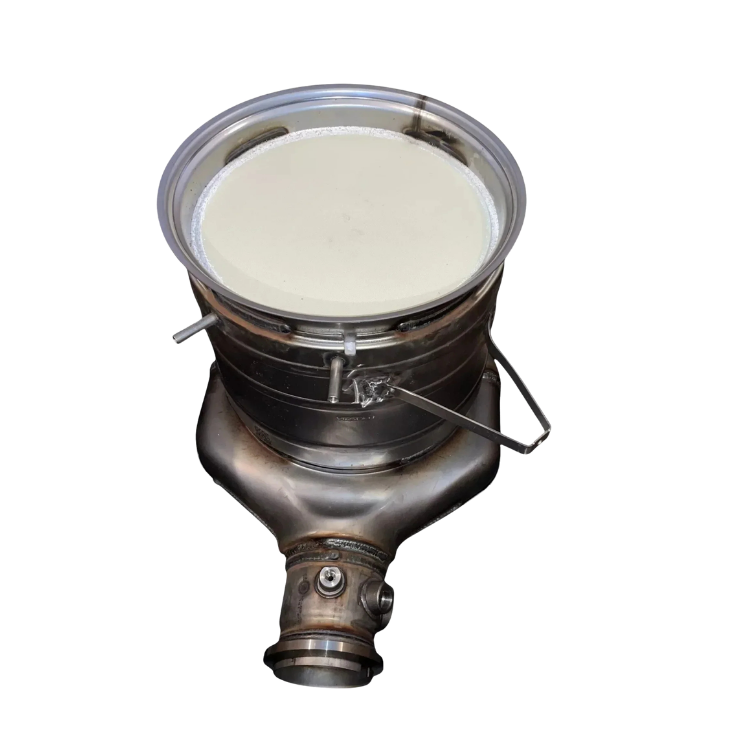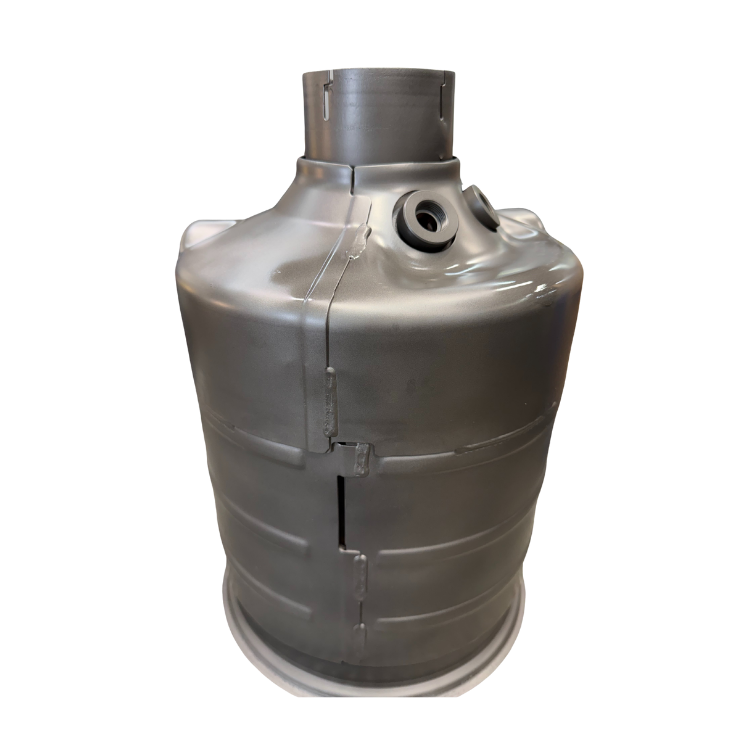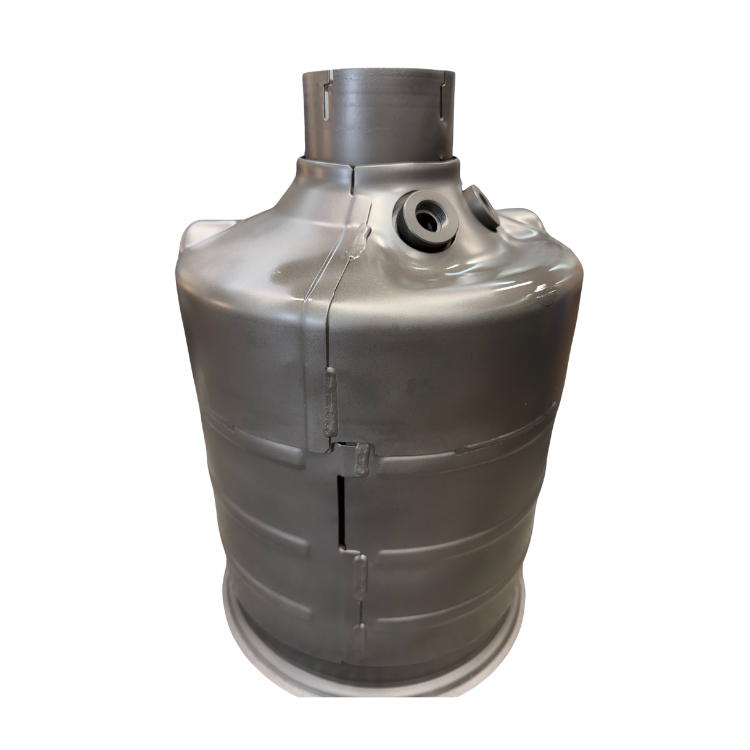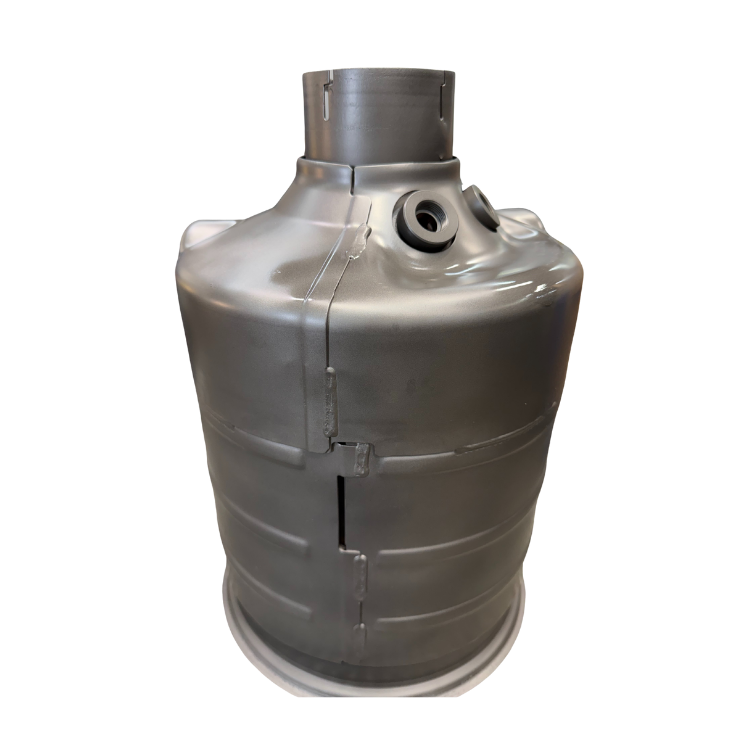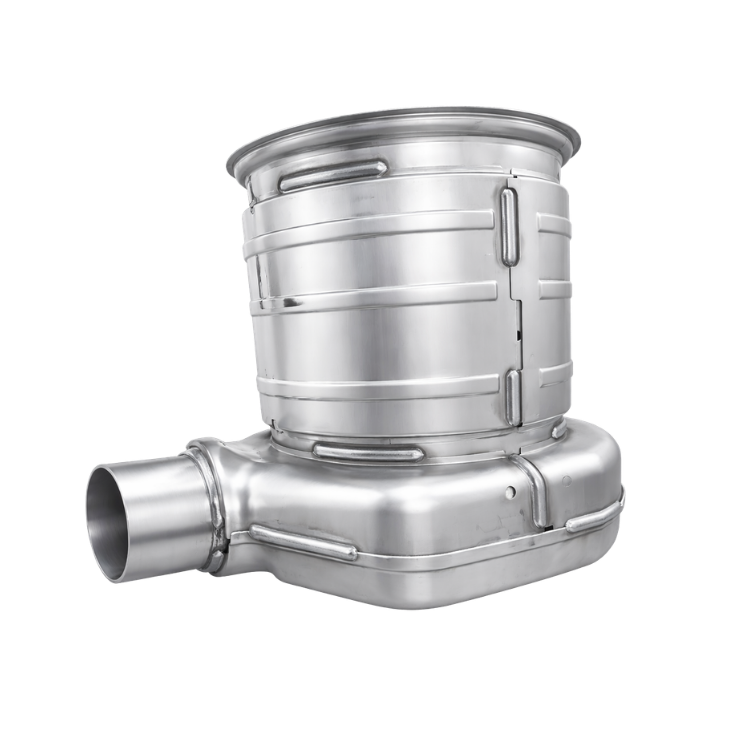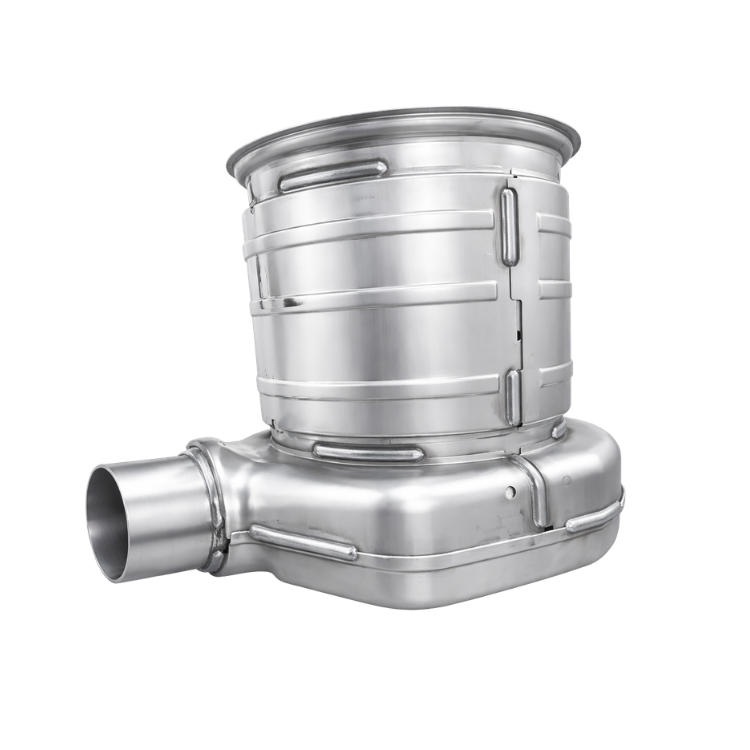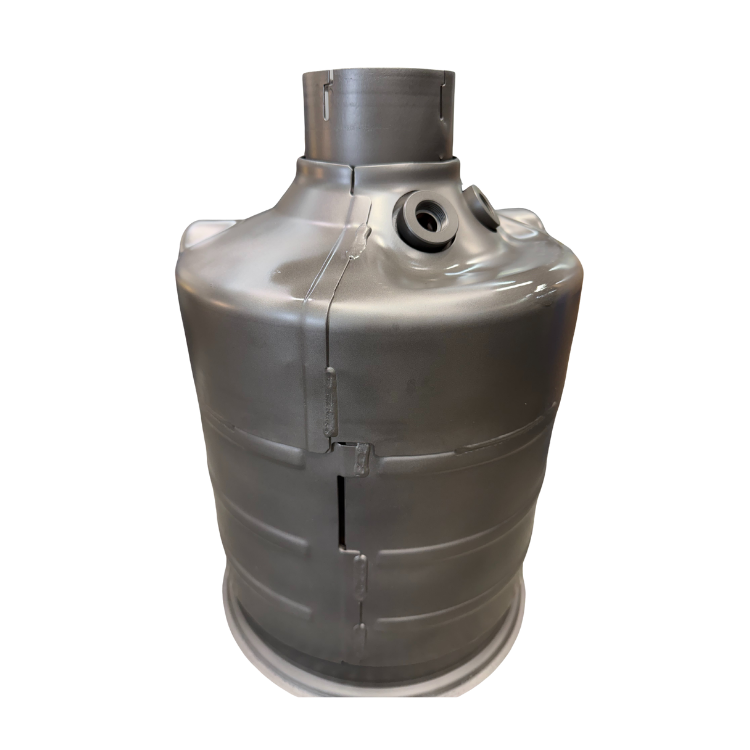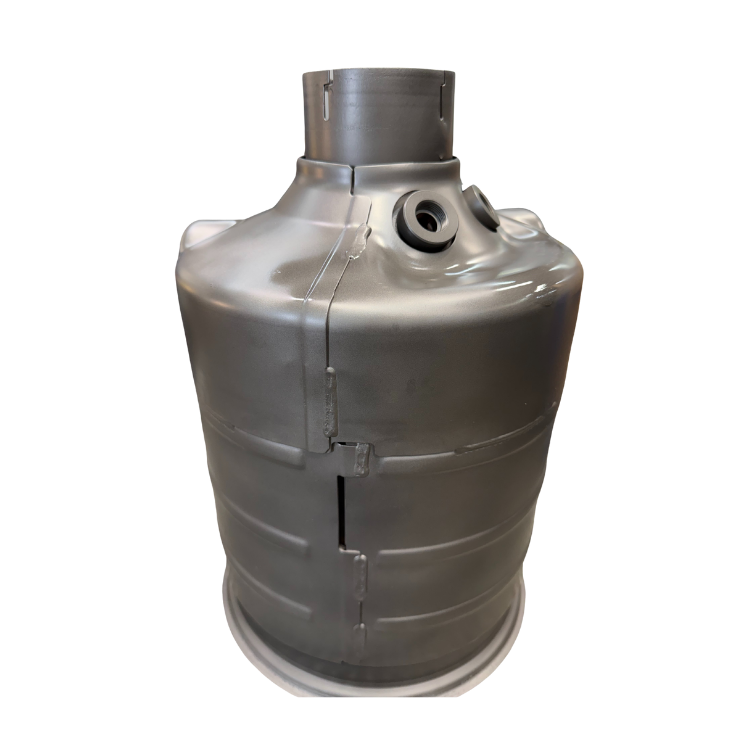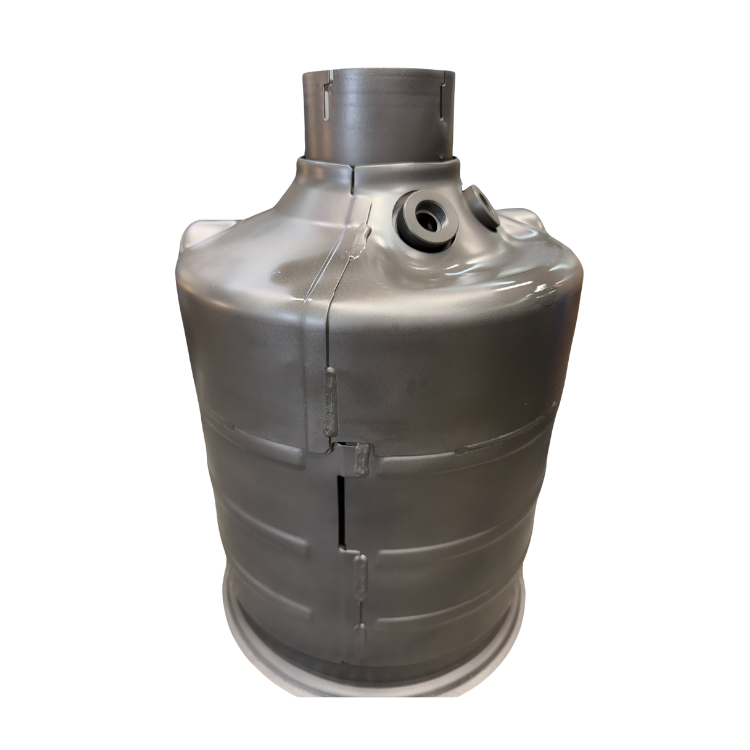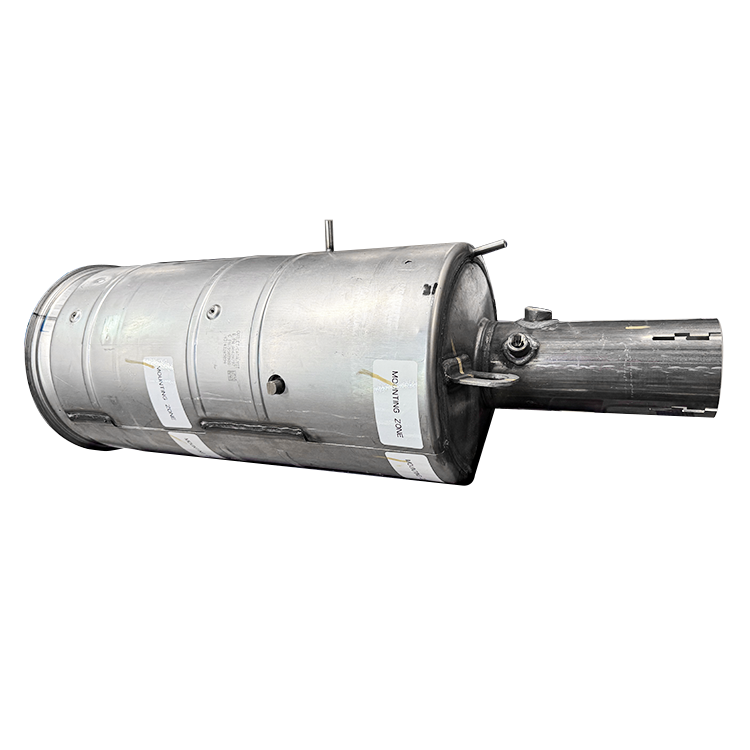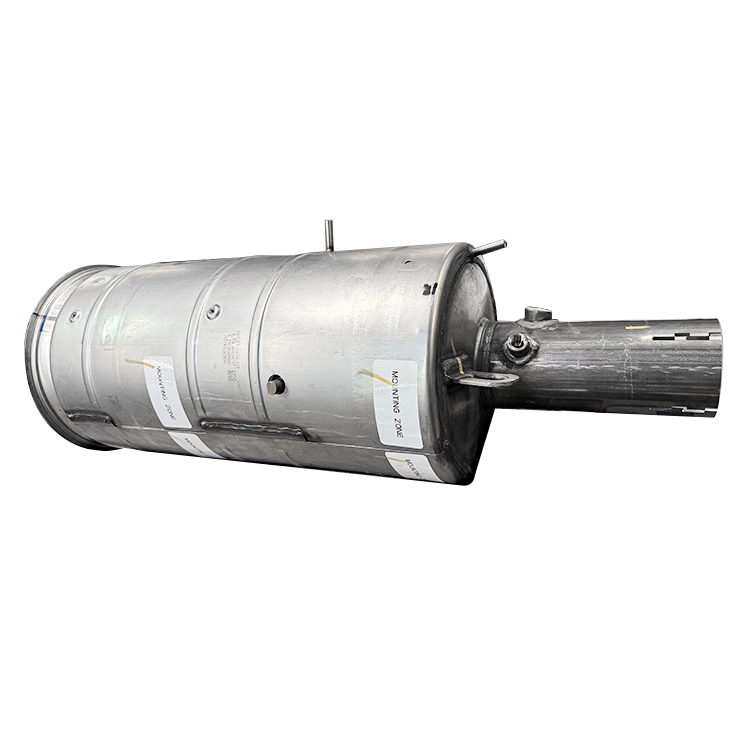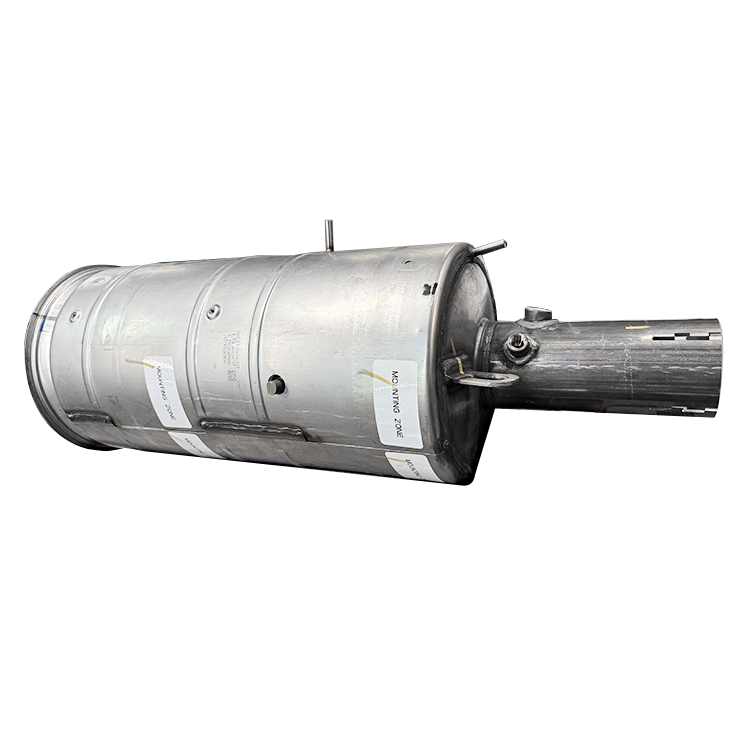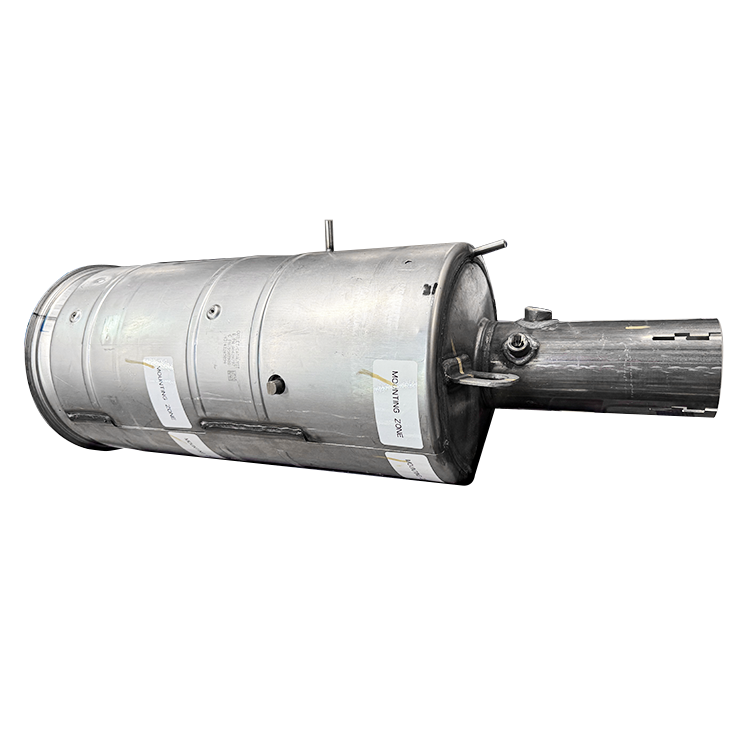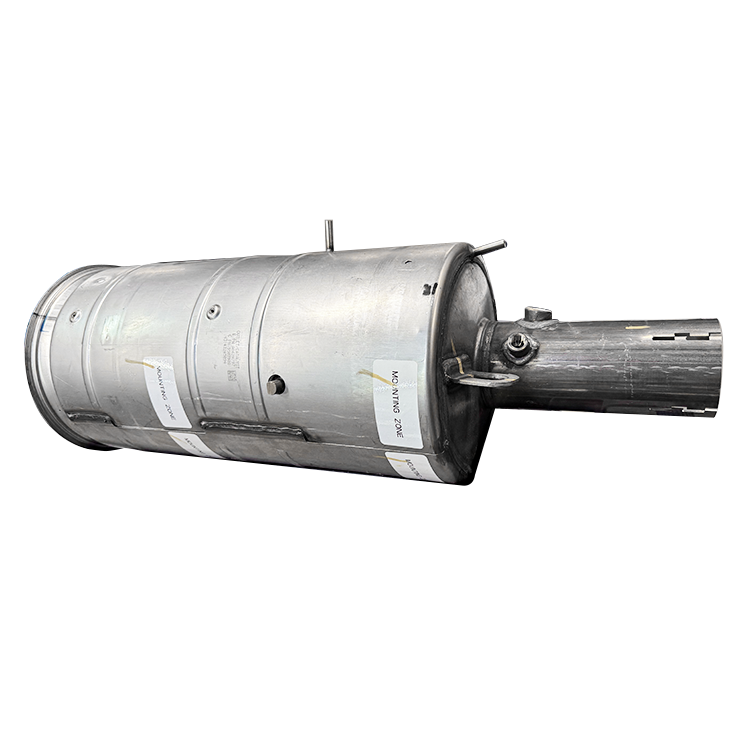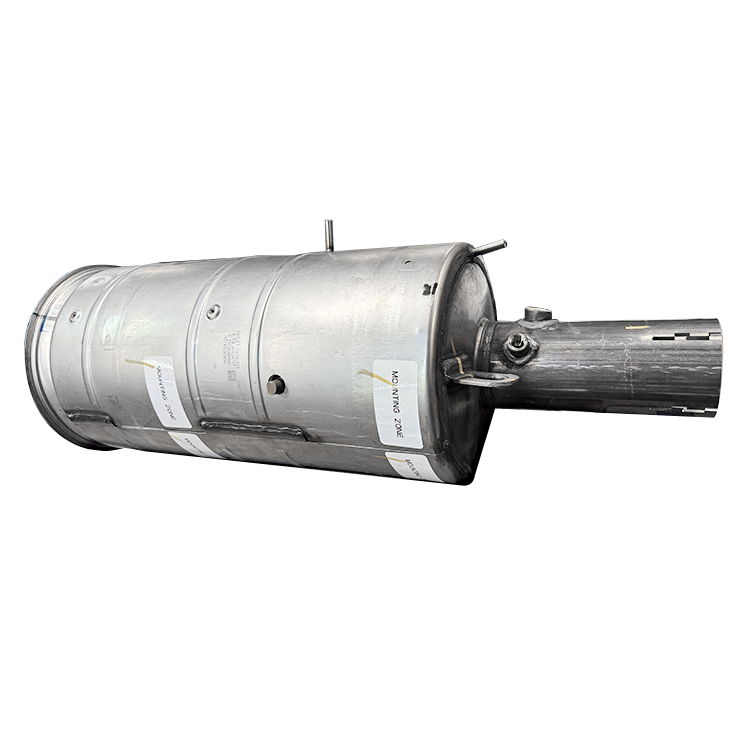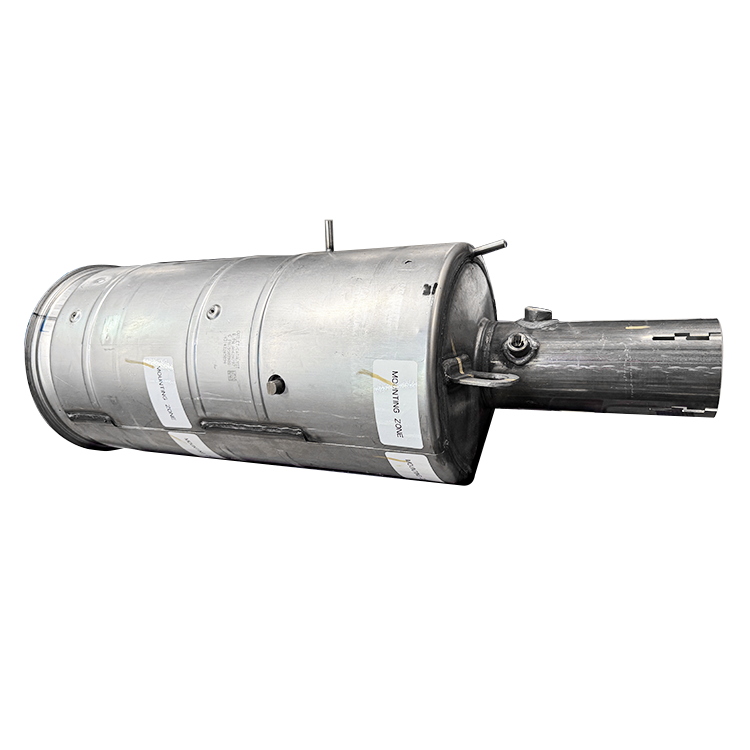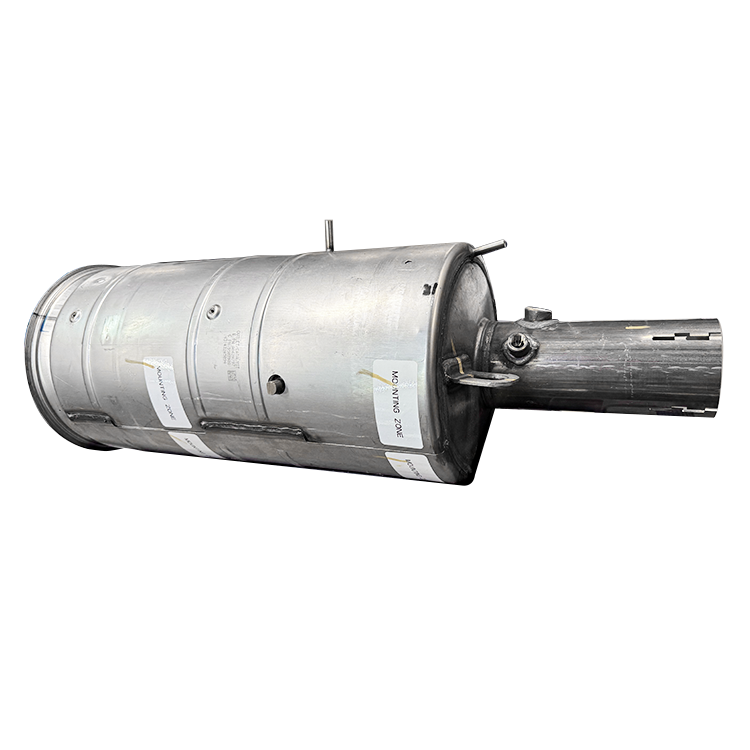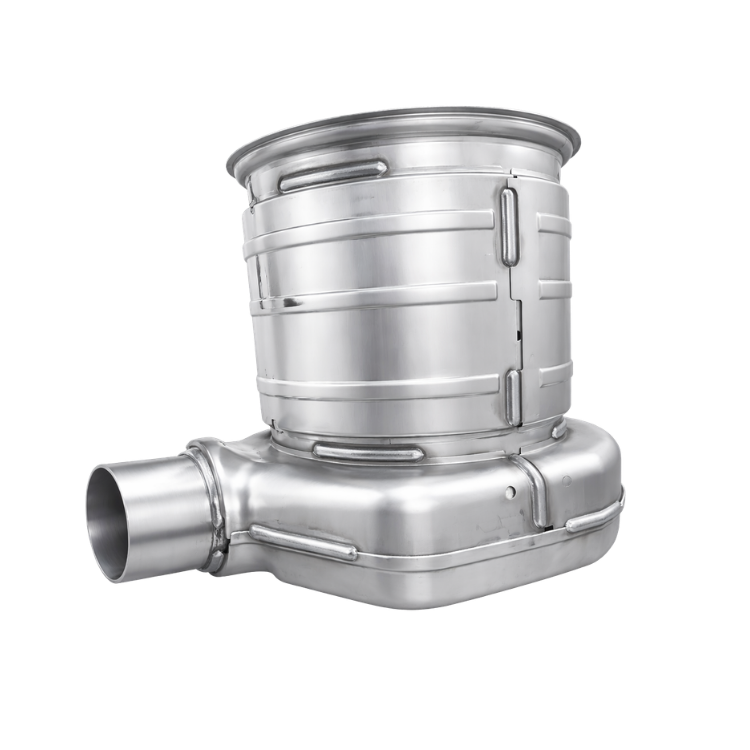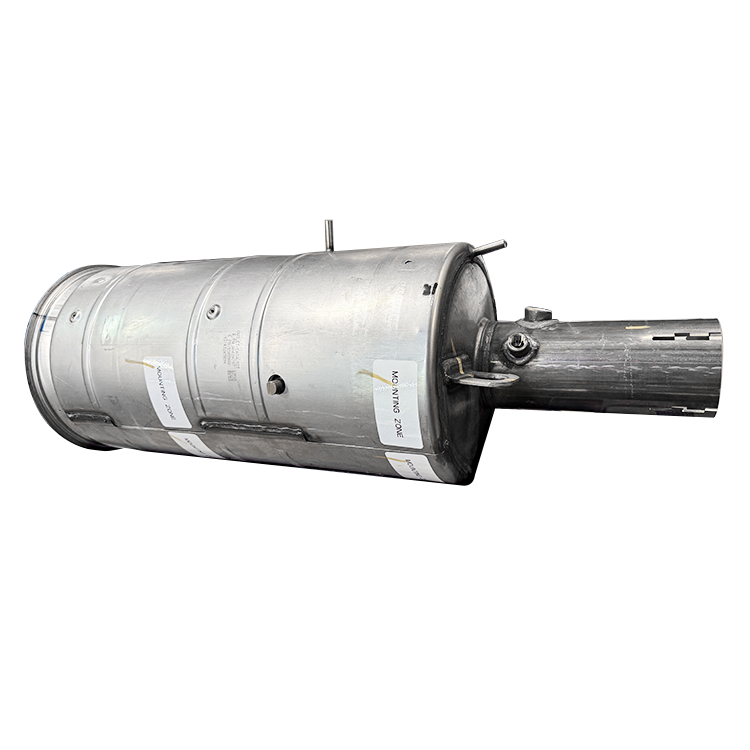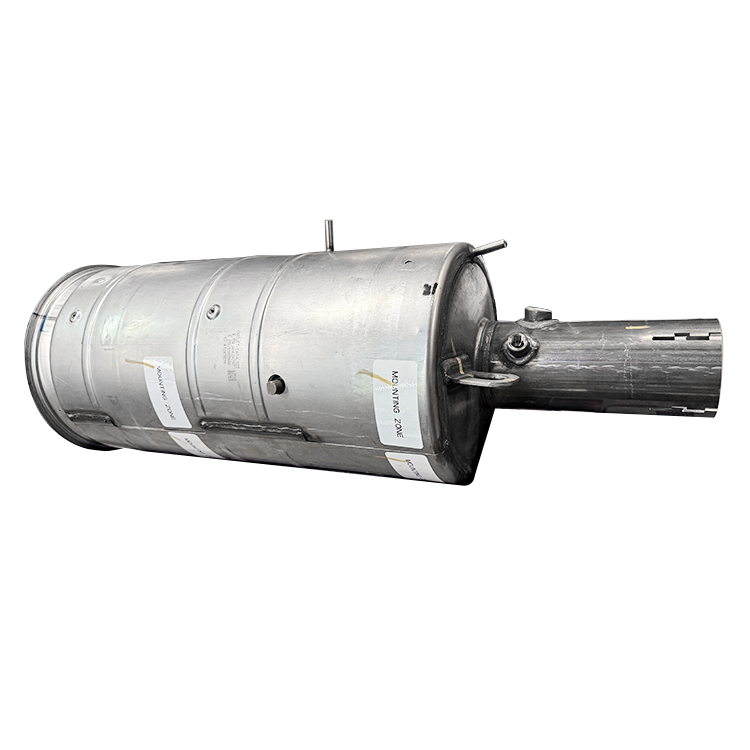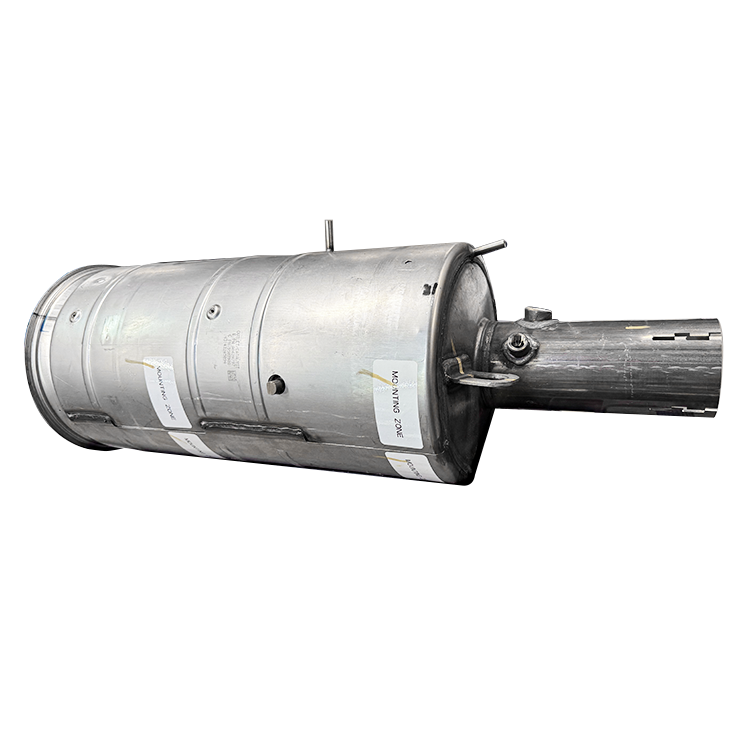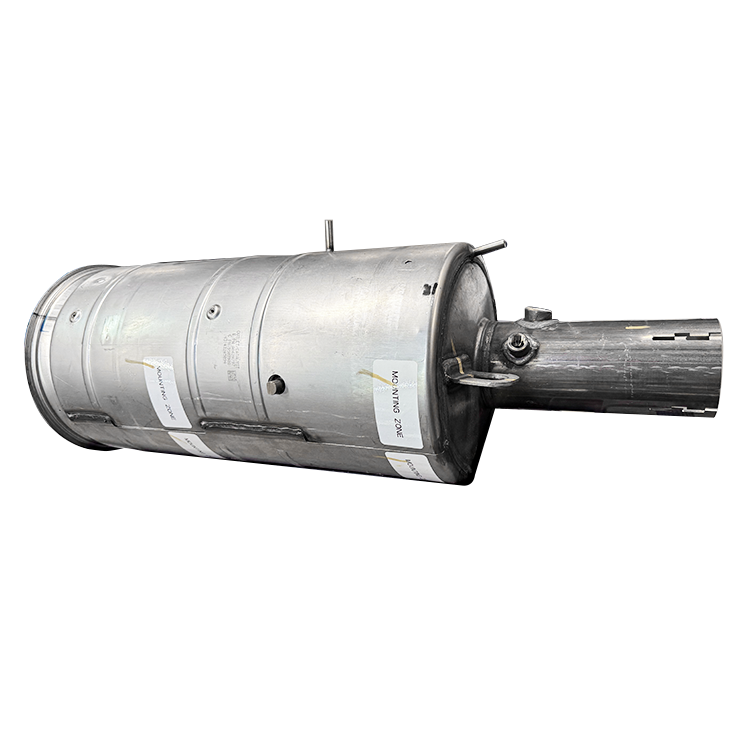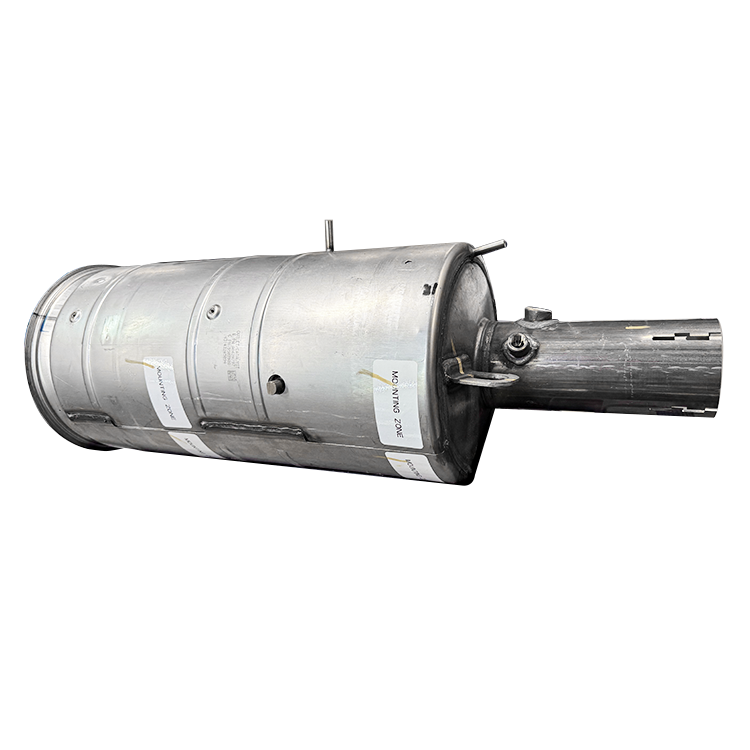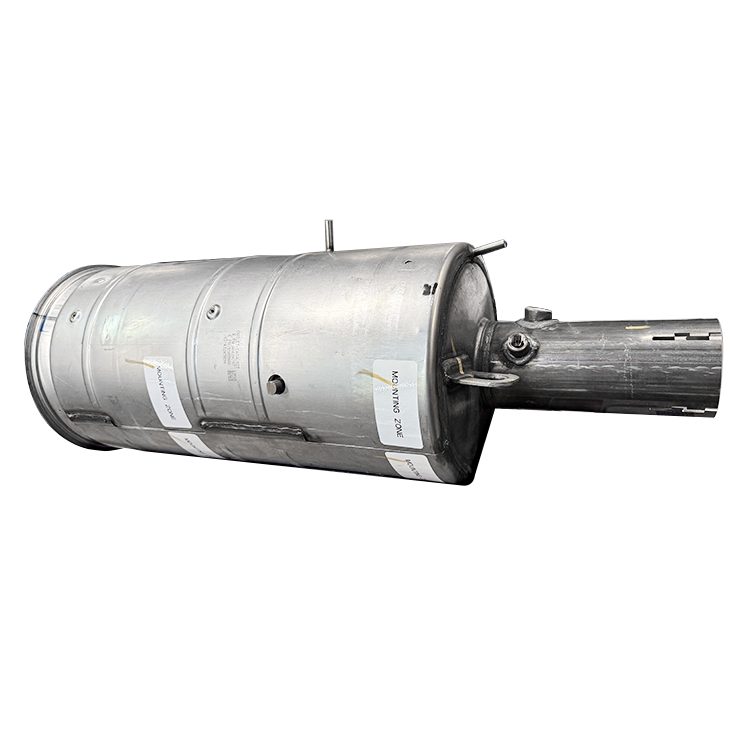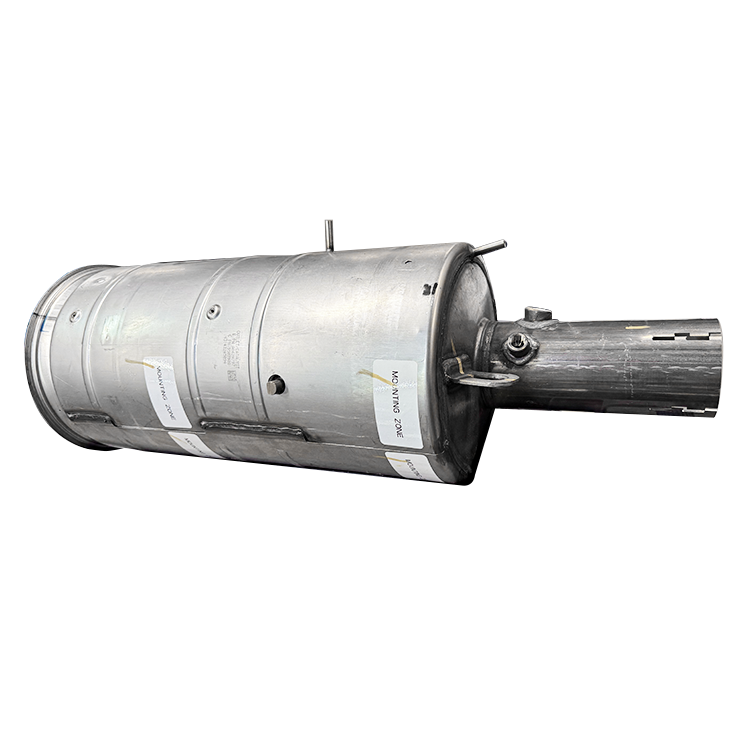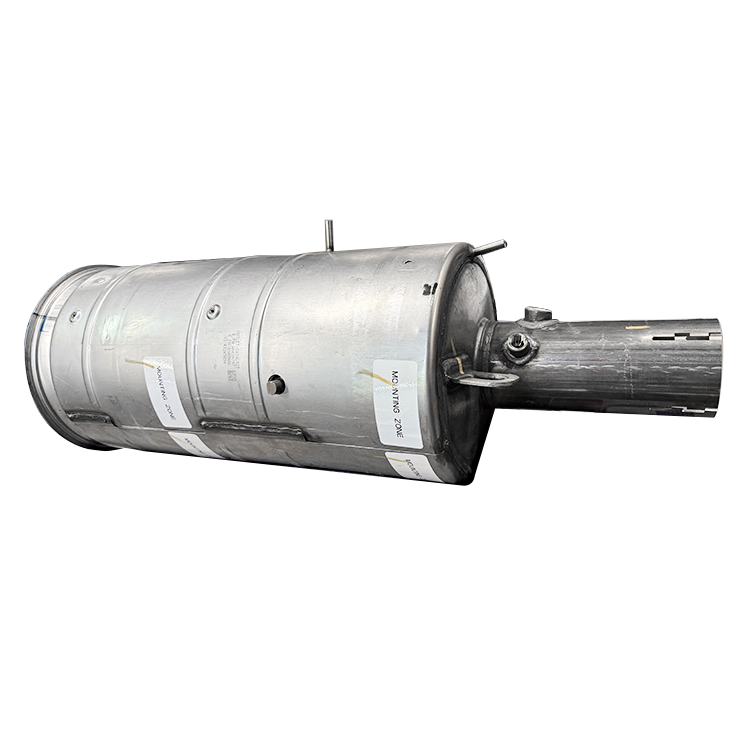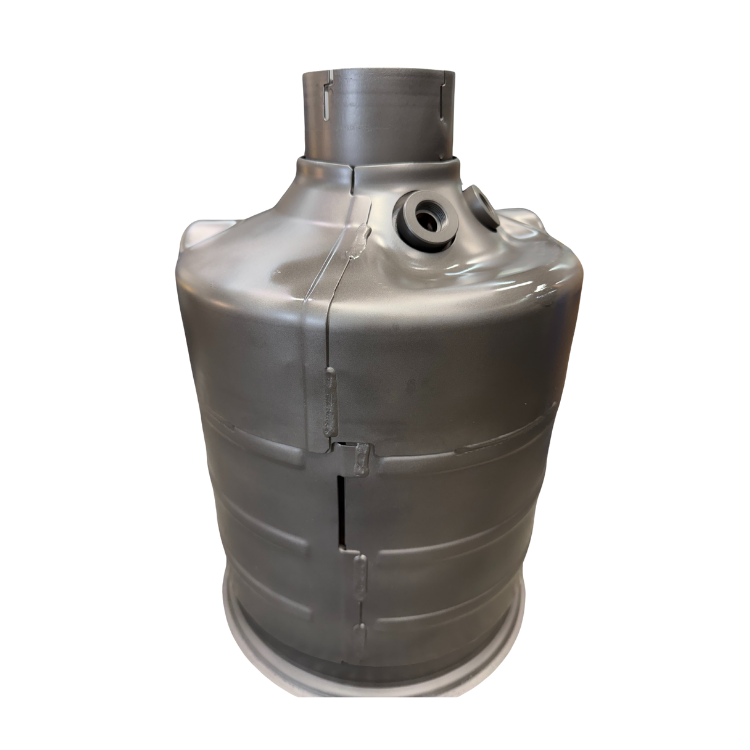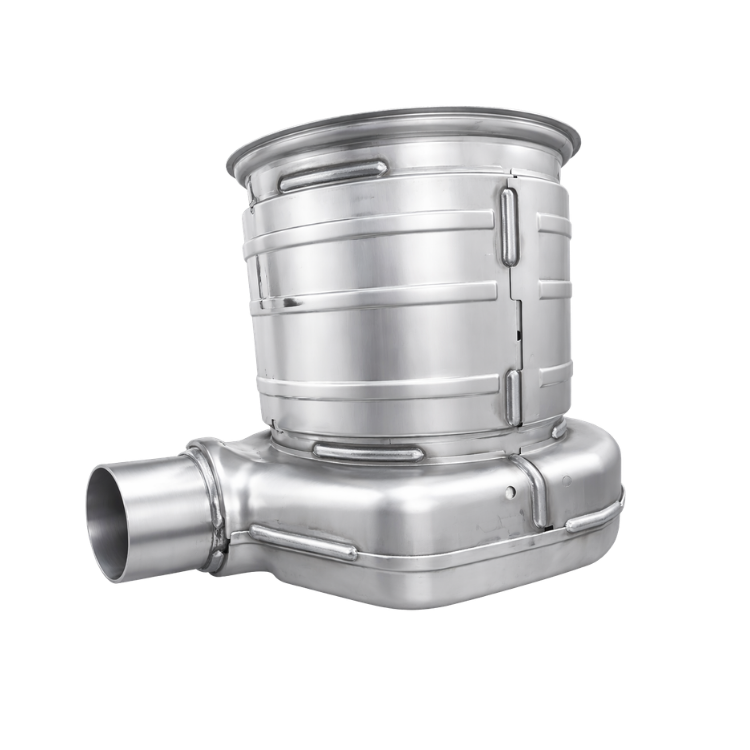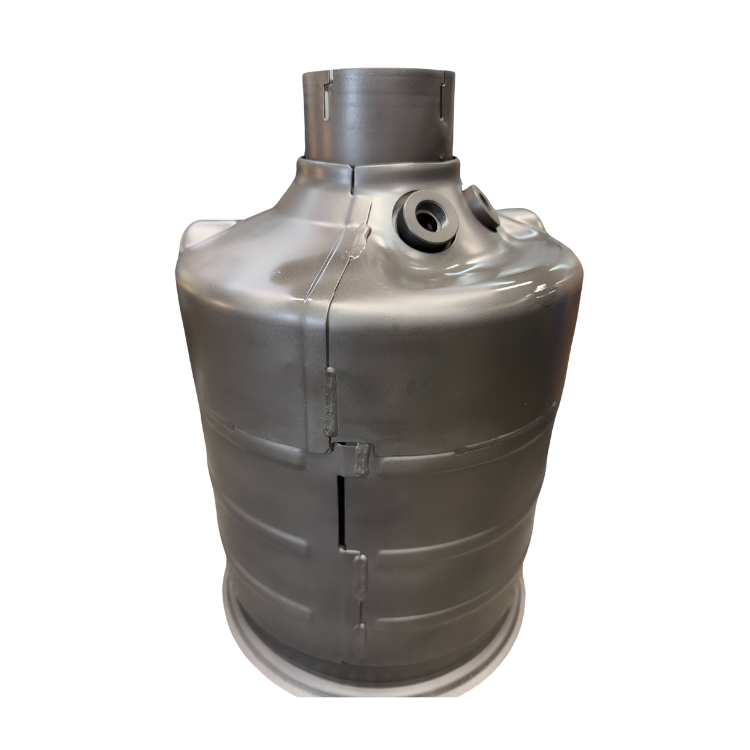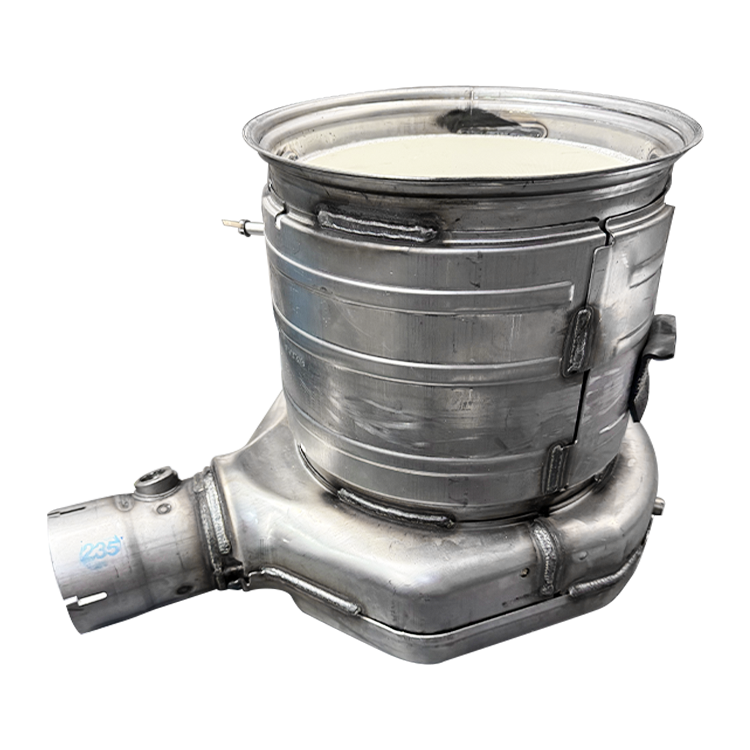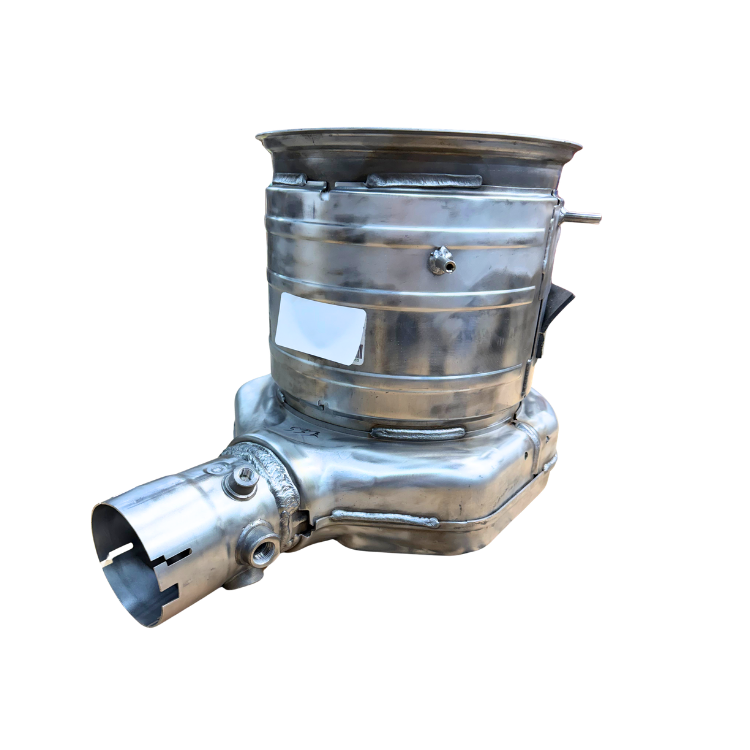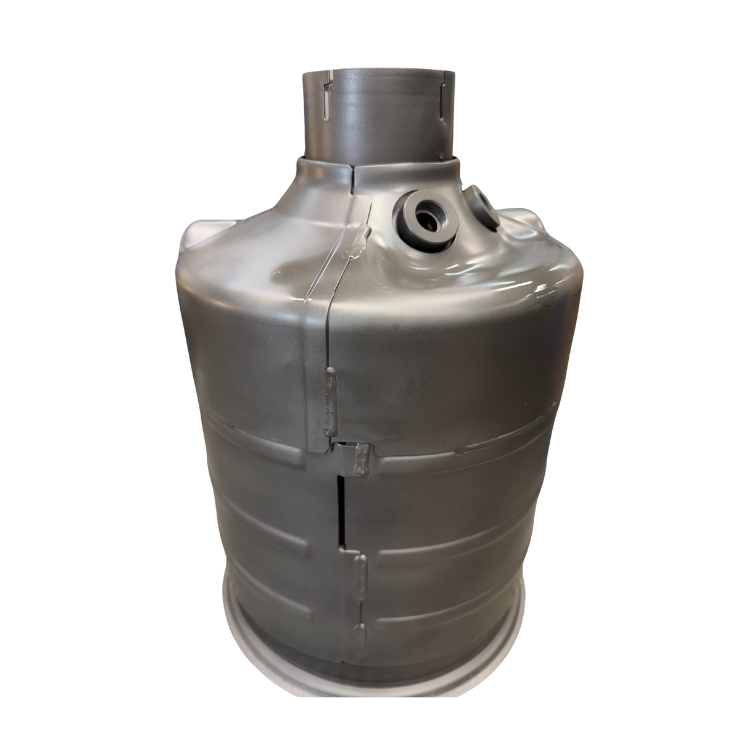



The Selective Catalytic Reduction (SCR) system is designed to reduce nitrogen oxide (NOx) emissions in modern diesel engines. When an SCR filter fault appears, it means the system is not functioning as intended. While the vehicle may still run, continuing to drive without addressing the issue can lead to additional complications.
-
An SCR filter fault often triggers a warning light on the dashboard. This indicates the system has detected improper DEF dosing, restricted flow, or reduced catalyst efficiency.
-
In many cases, the engine will continue operating normally at first. However, if the issue persists, the vehicle may enter a derate mode that limits speed and engine power.
-
Increased NOx emissions occur when the SCR system is not working properly. This can result in failed emissions tests or non-compliance with regulations.
-
Ignoring the fault may place additional strain on related components such as NOx sensors, DEF injectors, and the Diesel Particulate Filter (DPF).
-
Over time, unresolved SCR issues can lead to more expensive repairs and extended downtime.
While it may be possible to drive short distances with an SCR filter fault, it is not recommended to ignore the warning. Prompt inspection and repair help maintain emissions compliance, prevent power reduction, and avoid further damage to the diesel exhaust system.