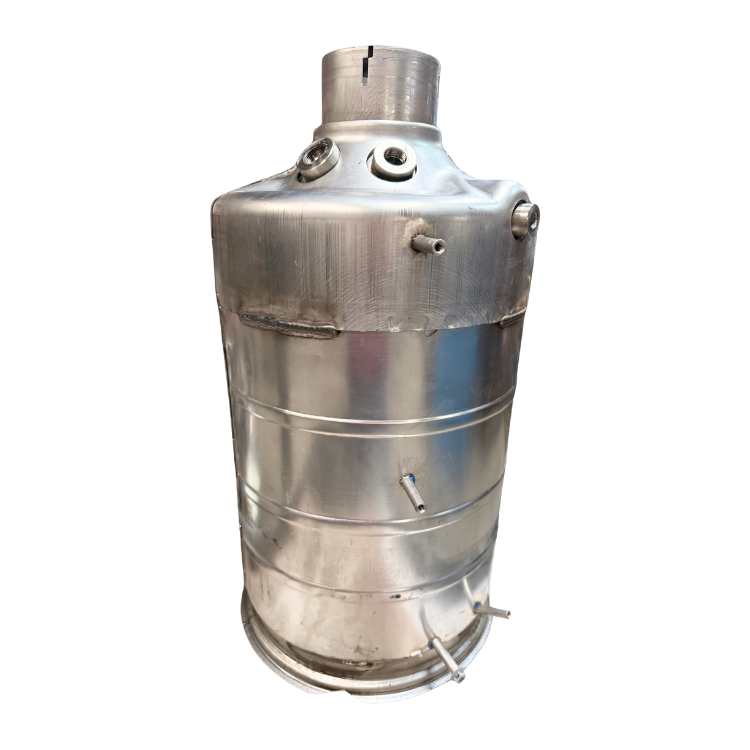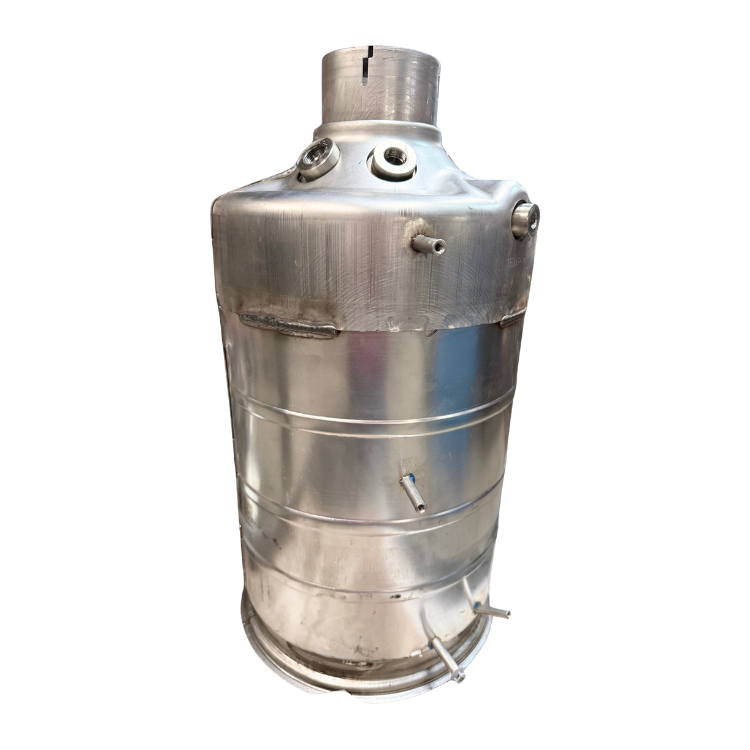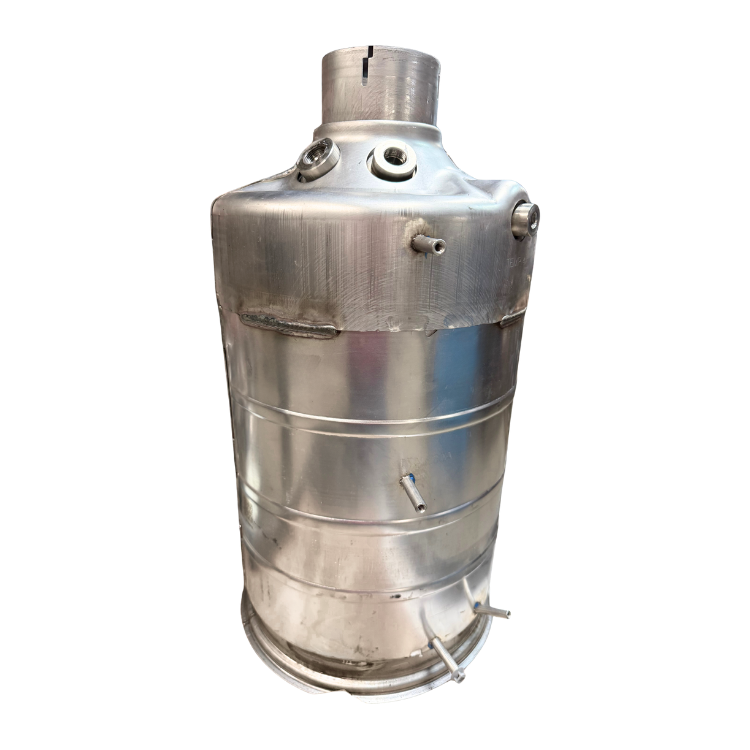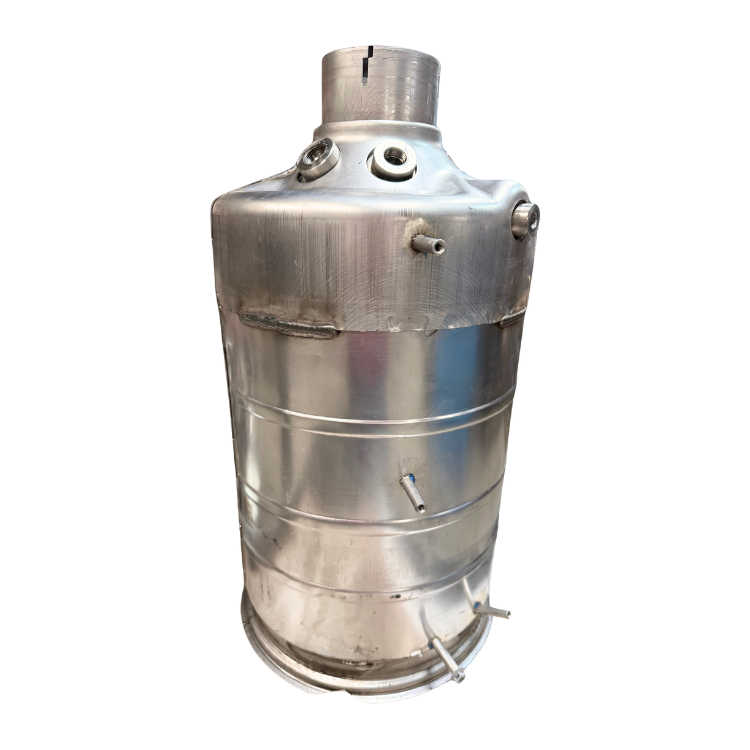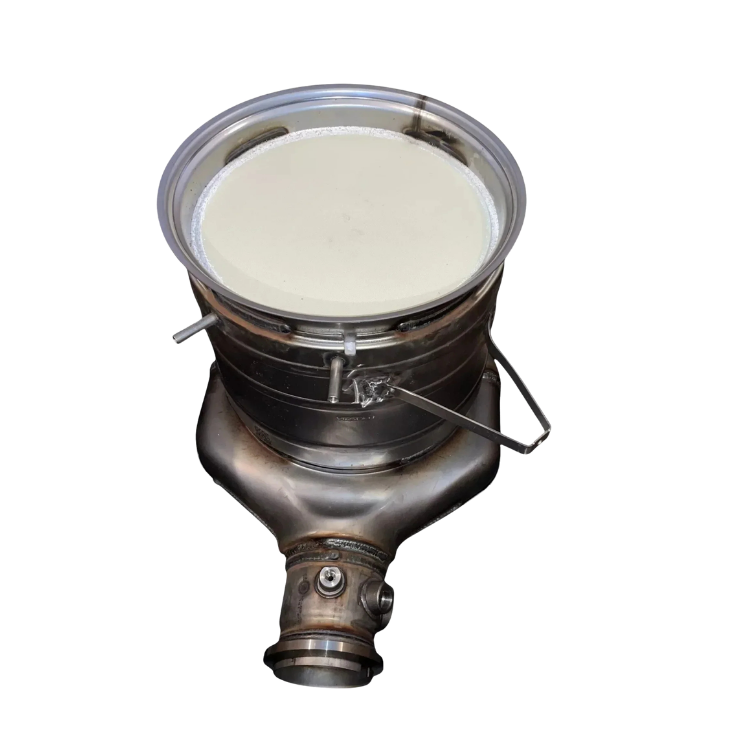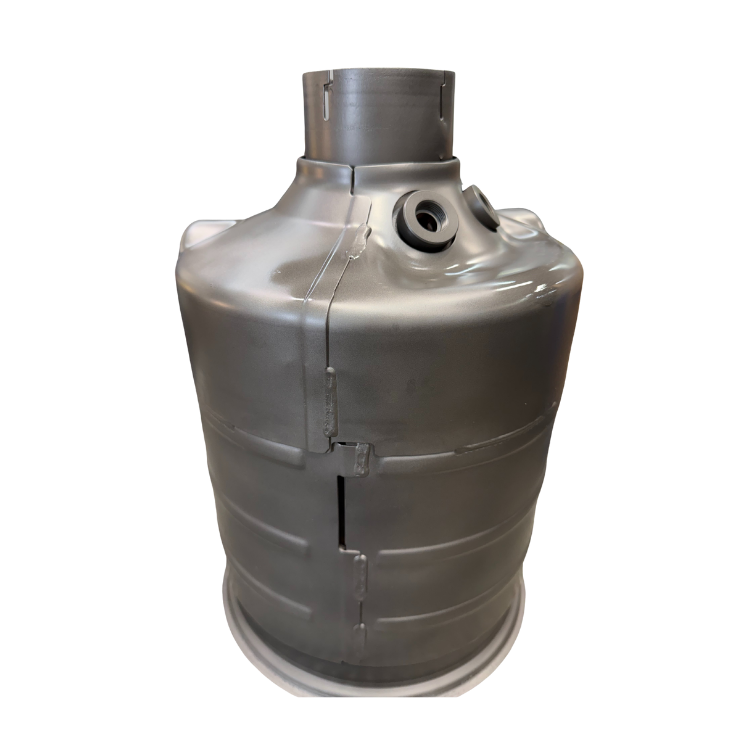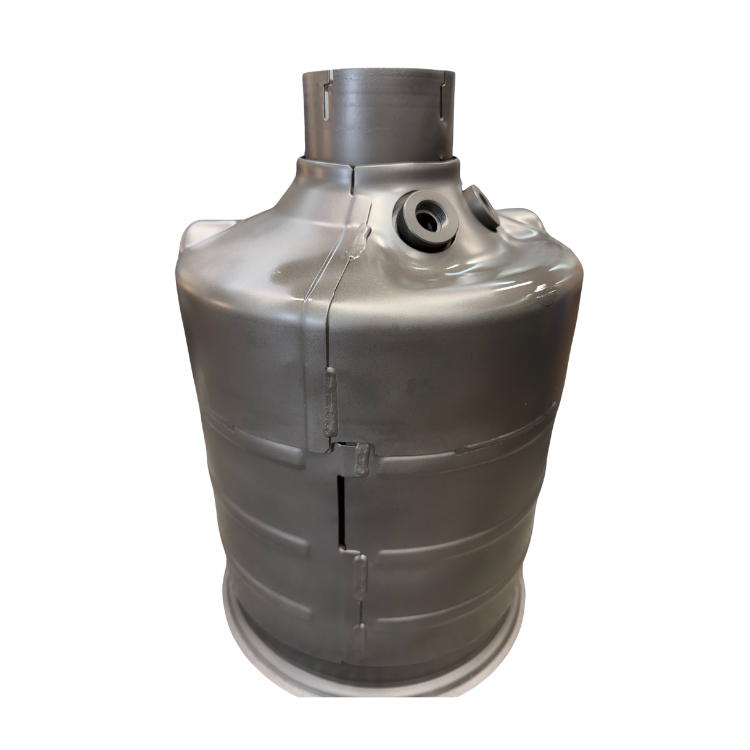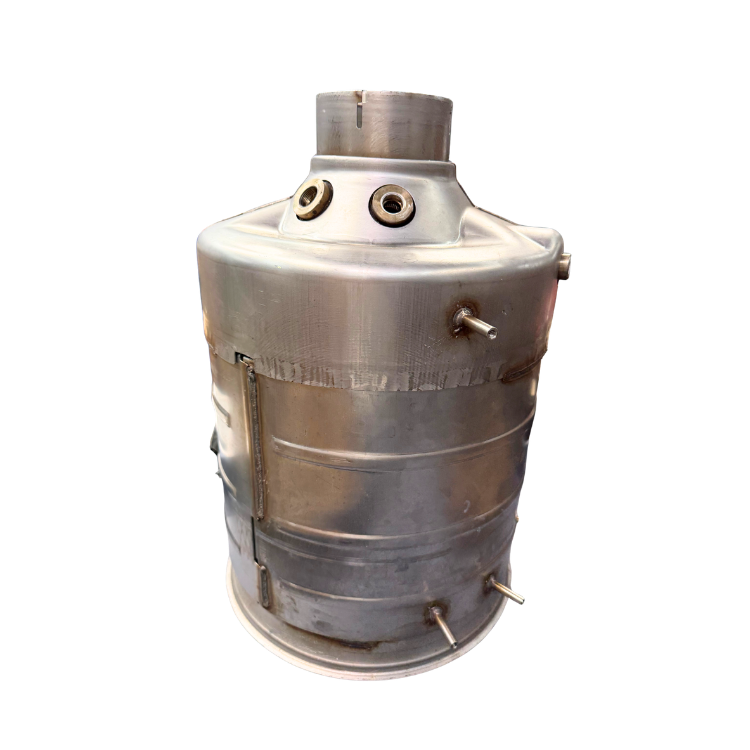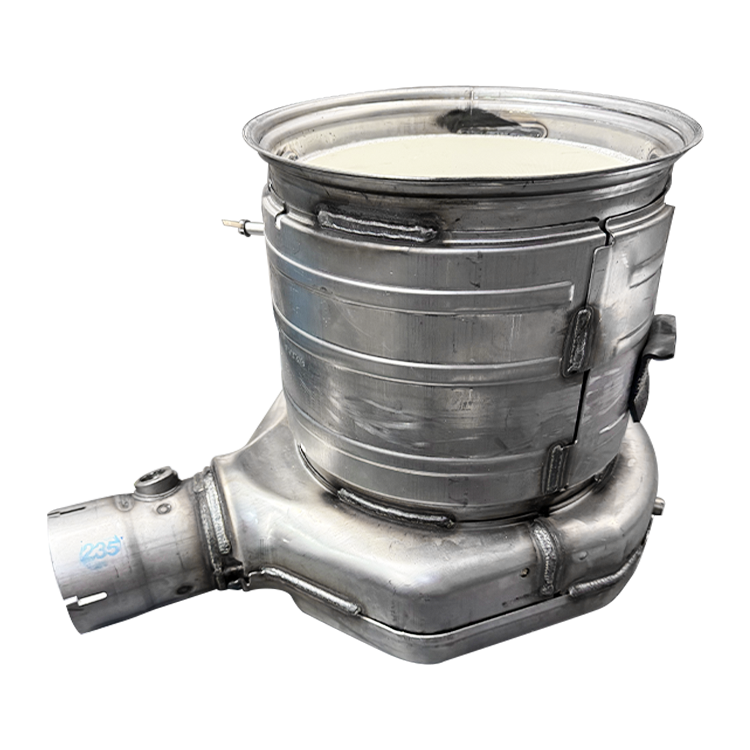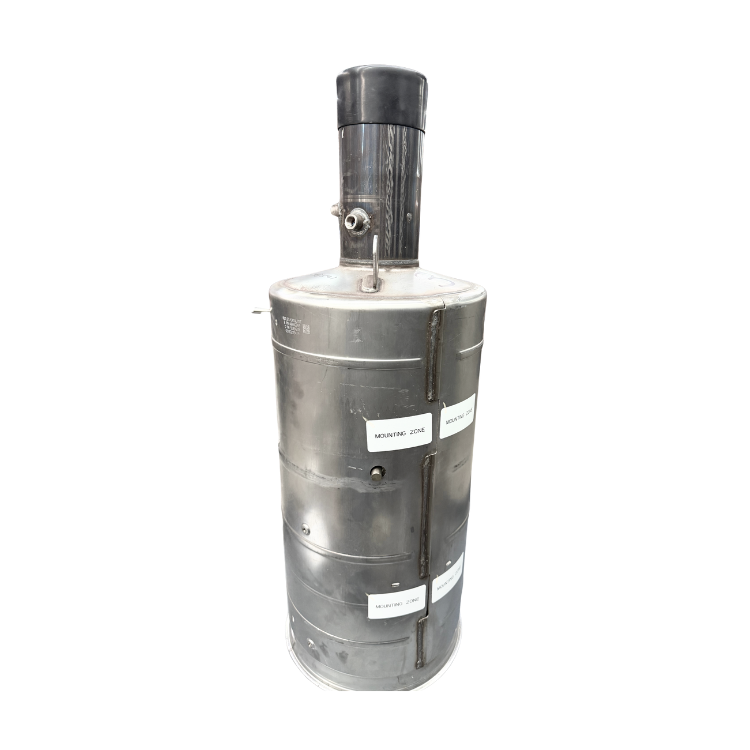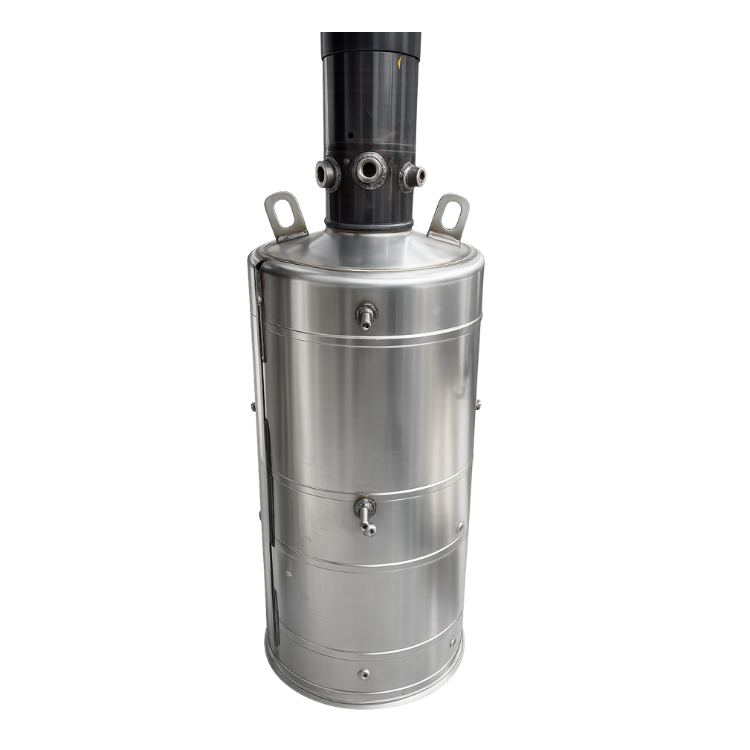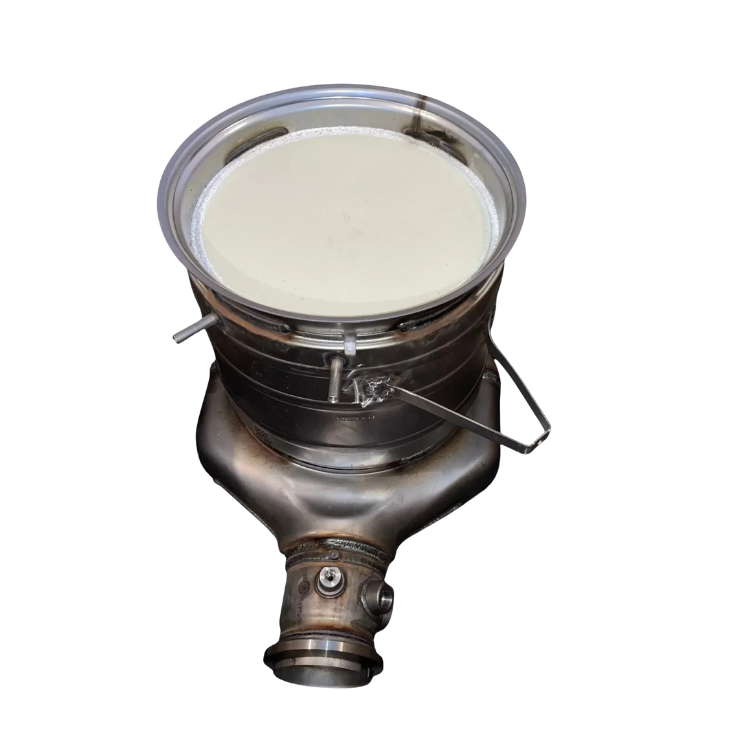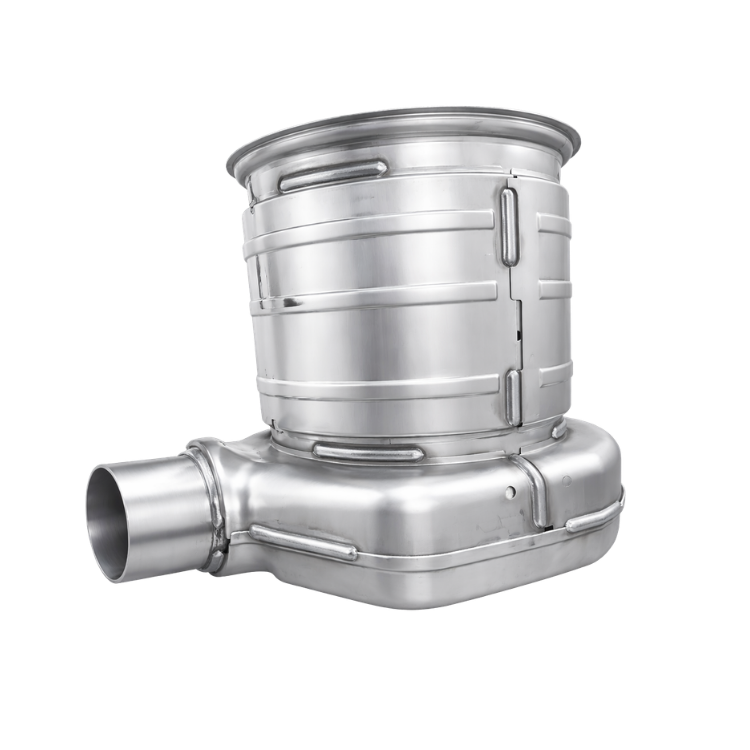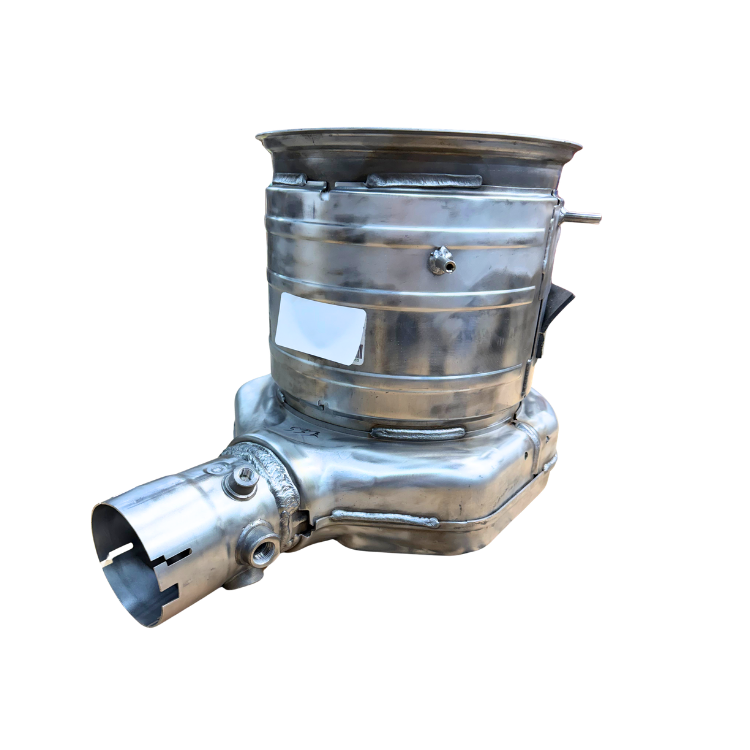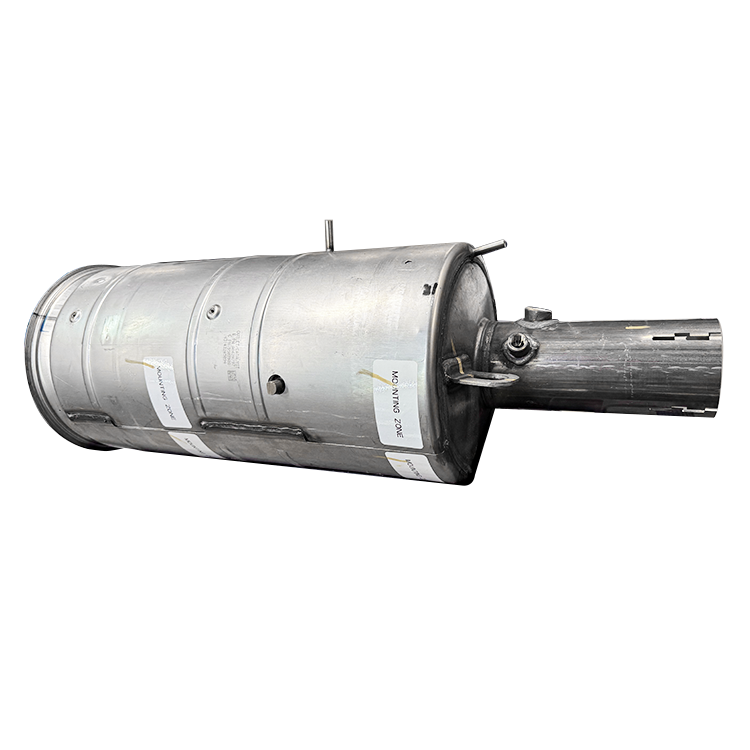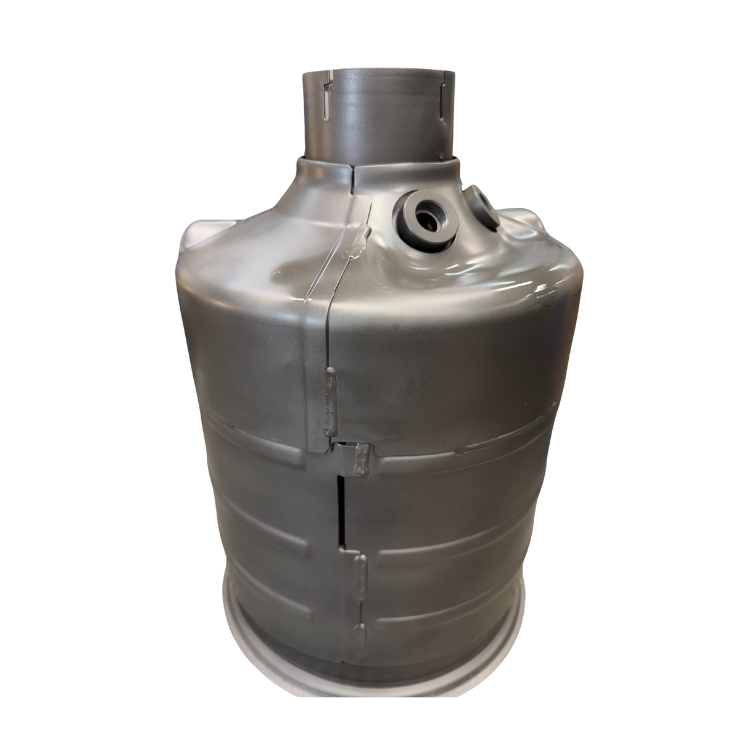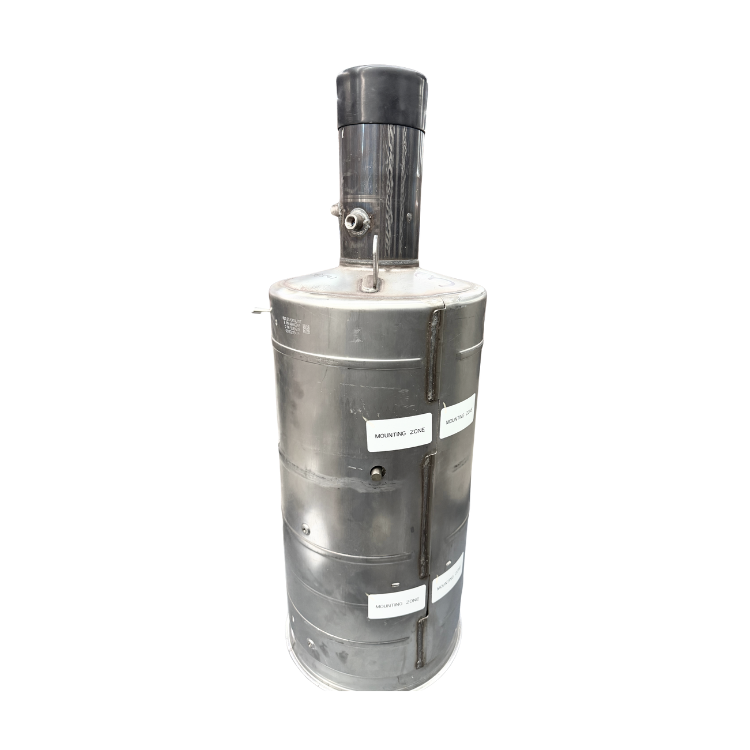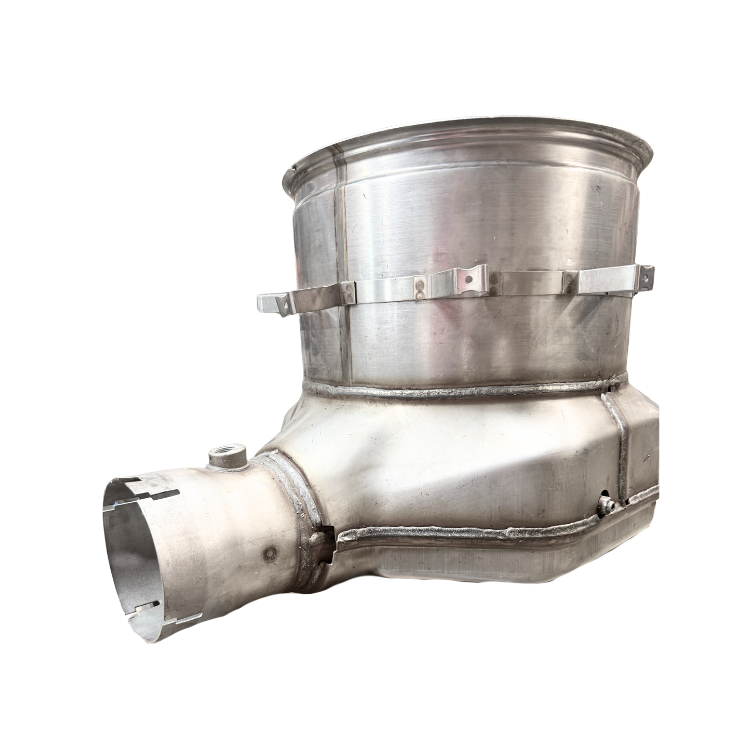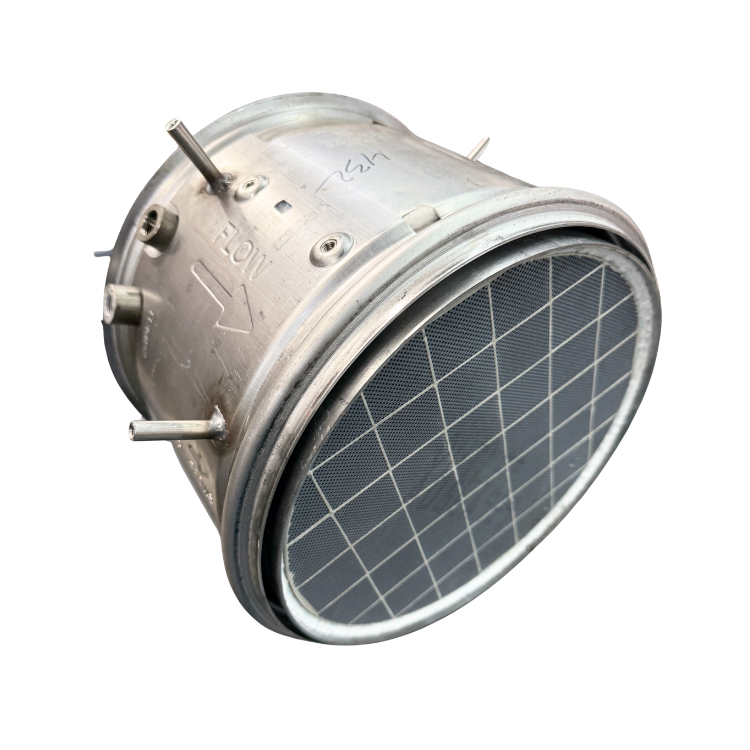



The Selective Catalytic Reduction (SCR) system depends on Diesel Exhaust Fluid (DEF) to properly reduce nitrogen oxide (NOx) emissions. Because the chemical reaction inside the SCR catalyst relies on precise fluid composition, the system is highly sensitive to DEF quality. Using the wrong or contaminated fluid can quickly lead to performance issues and warning lights.
-
DEF must meet strict specifications to ensure the correct urea concentration. Incorrect mixtures can prevent proper NOx reduction and trigger fault codes.
-
Contaminated DEF containing dirt, fuel, oil, or water can damage the DEF injector and affect the catalyst internally.
-
Low-grade or expired DEF may break down over time, reducing its effectiveness in the chemical conversion process.
-
Crystallization caused by improper storage or contamination can clog the DEF injector and disrupt dosing.
-
Poor fluid quality can lead to increased DEF consumption as the system attempts to compensate for reduced efficiency.
-
Persistent use of incorrect DEF may result in catalyst damage, engine derate, or costly SCR replacement.
The SCR system is designed to operate with clean, manufacturer-approved DEF. Proper storage, careful handling, and using only high-quality fluid are essential to maintaining reliable emissions control and protecting the longevity of the SCR system.