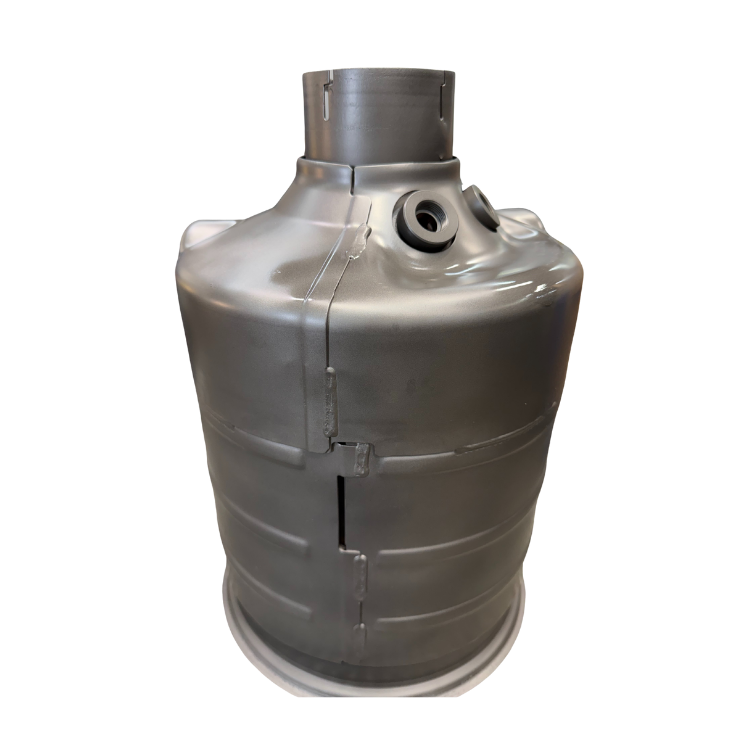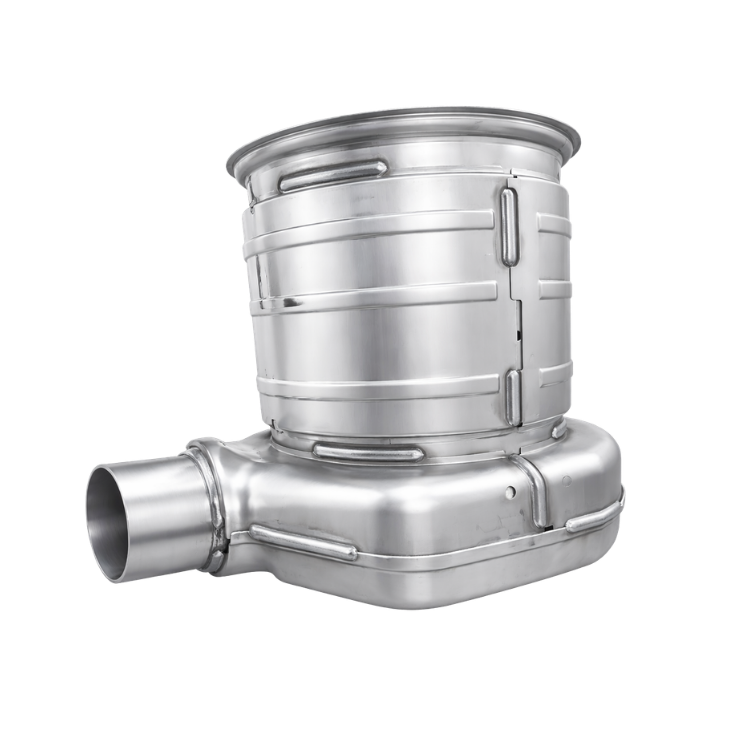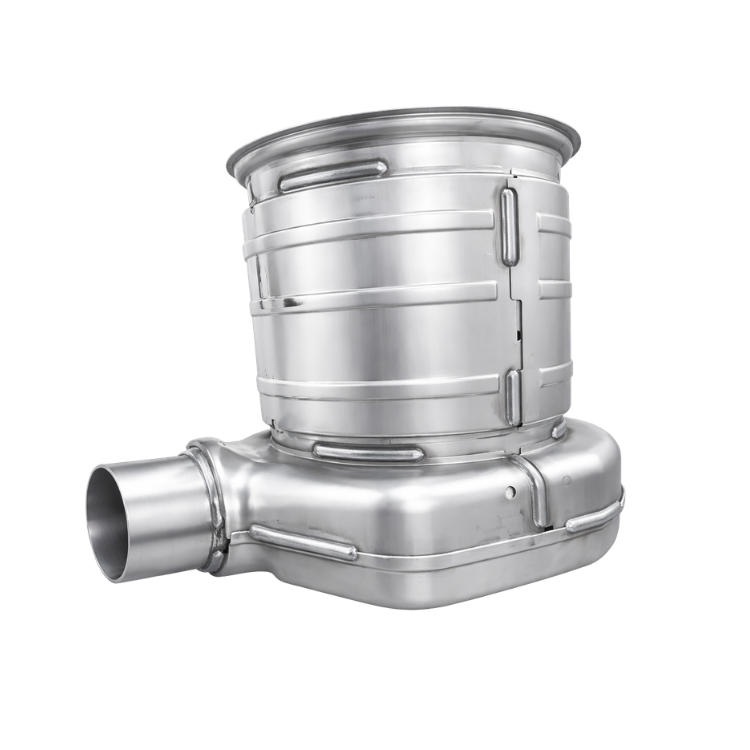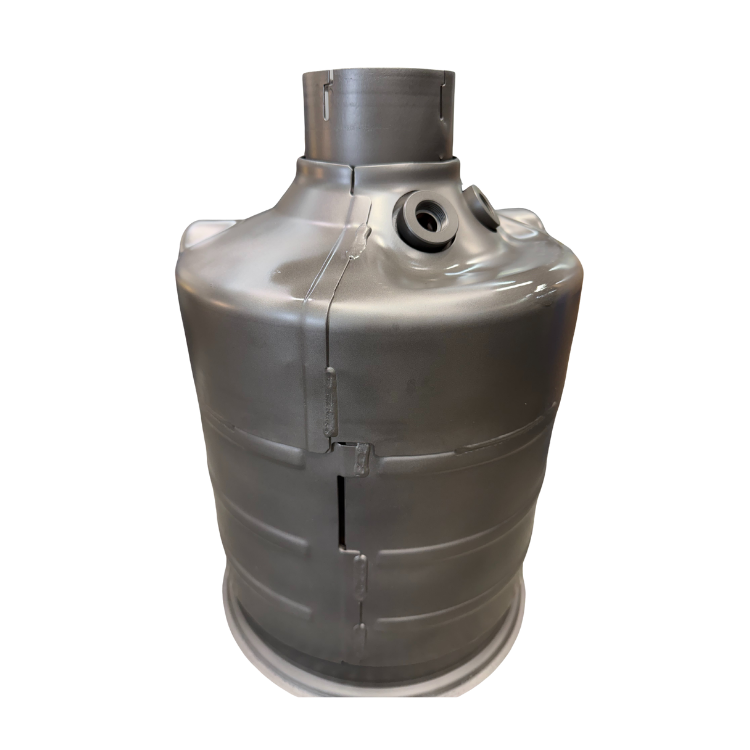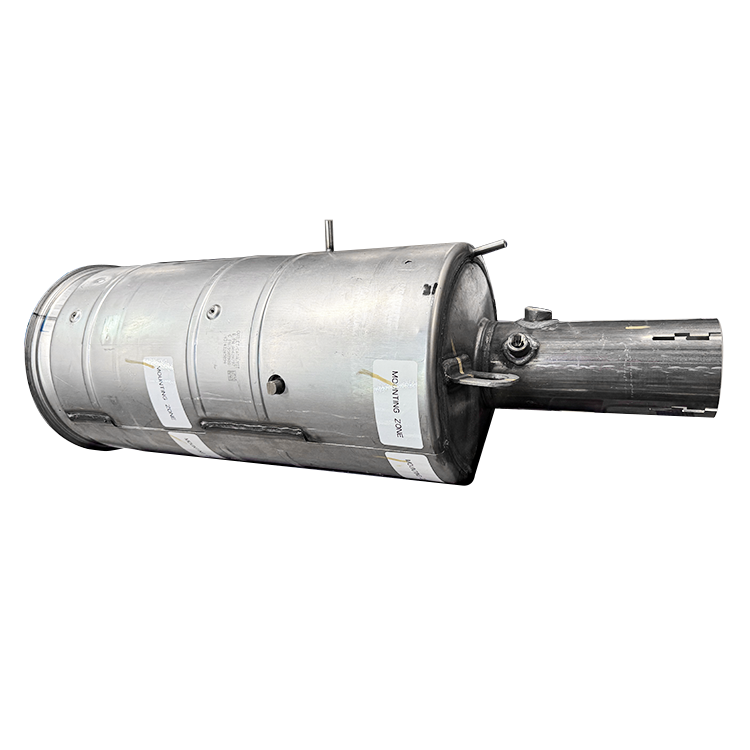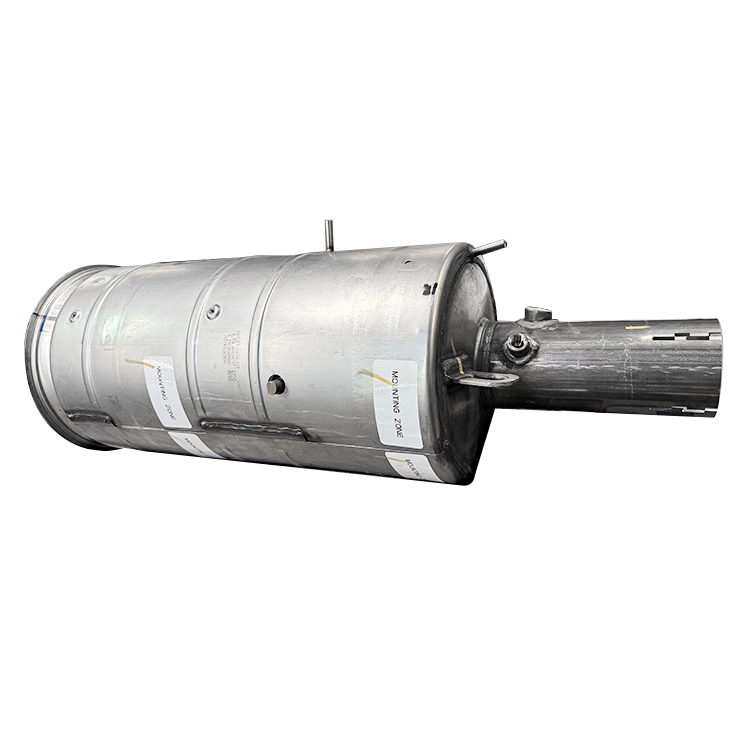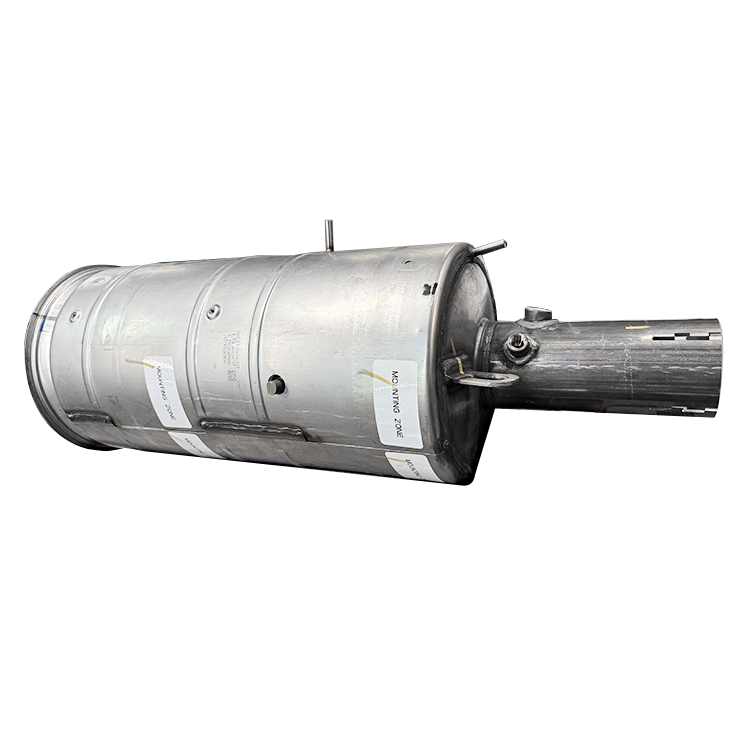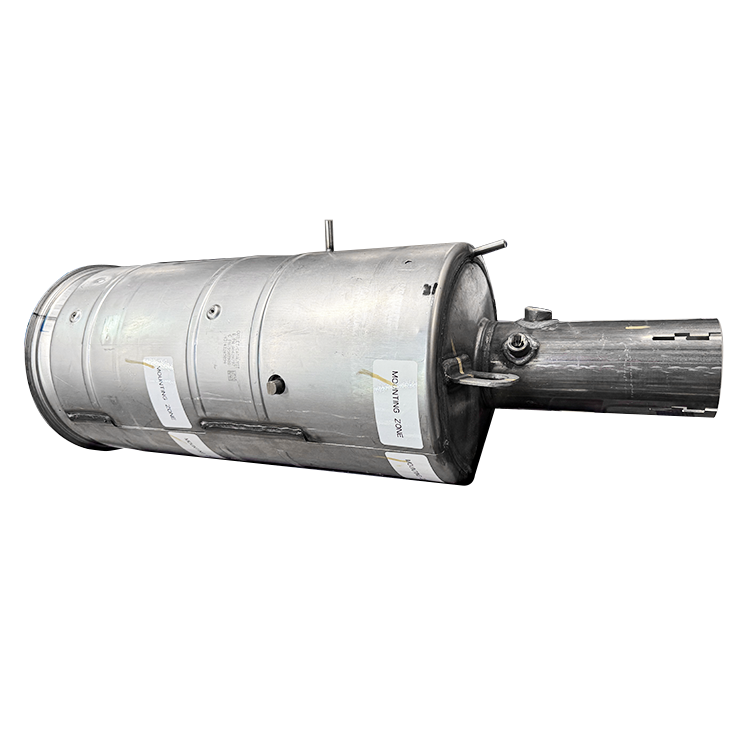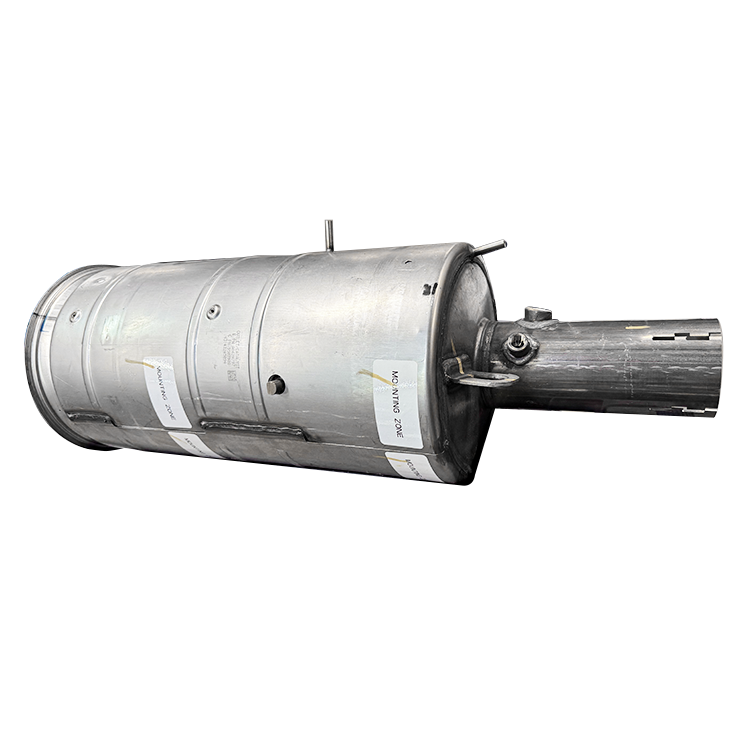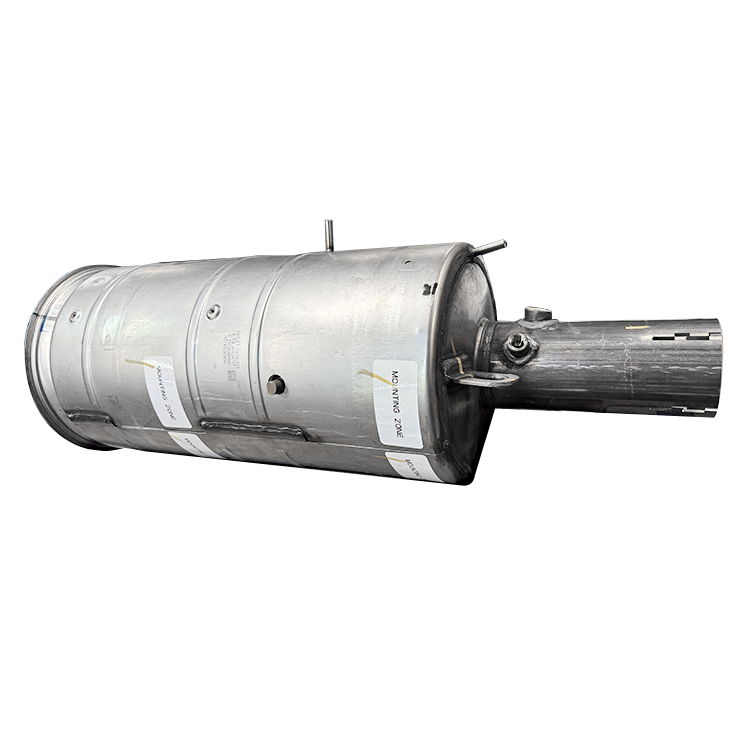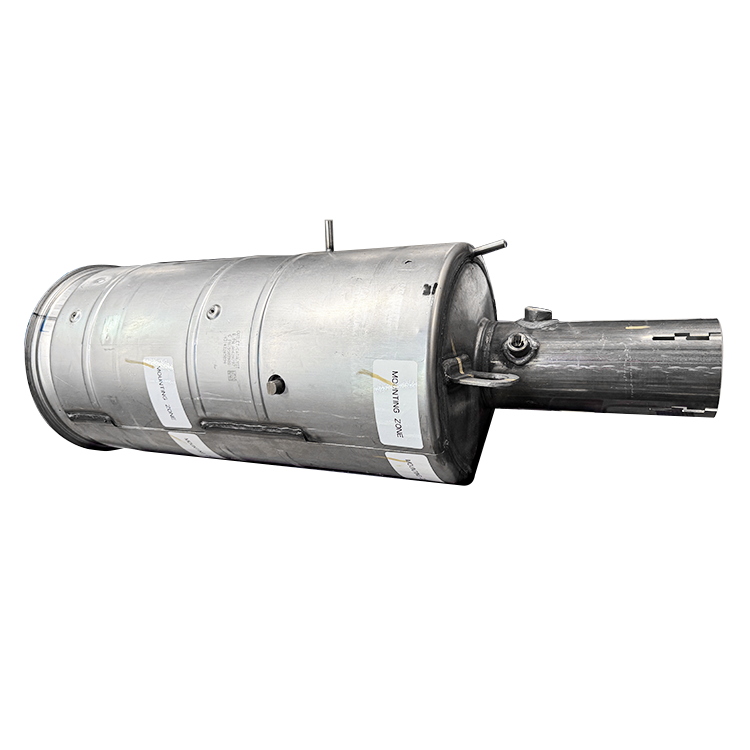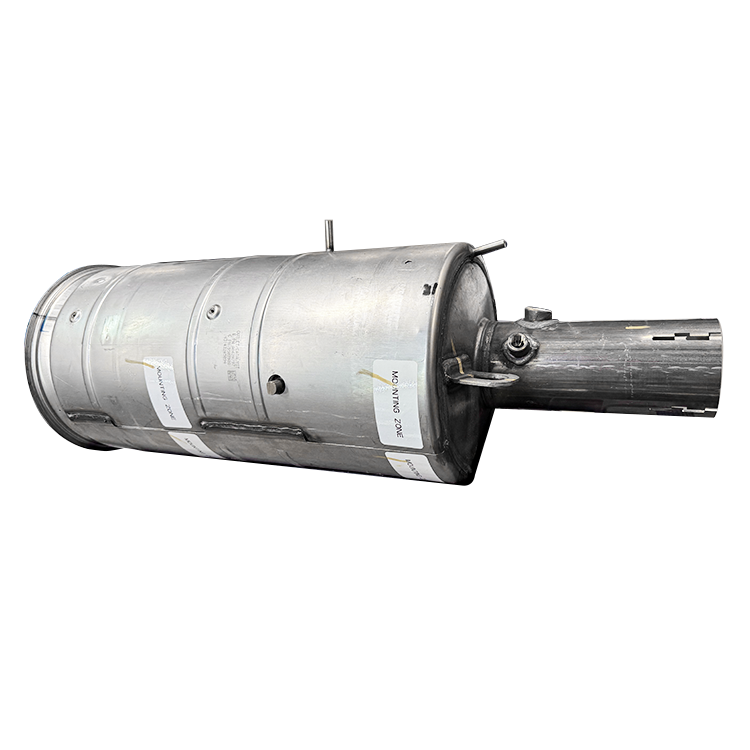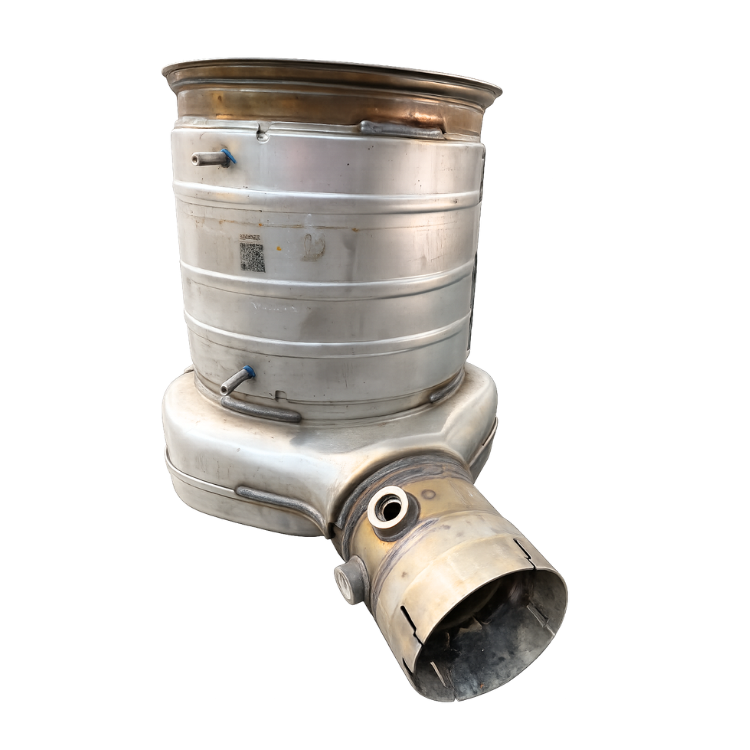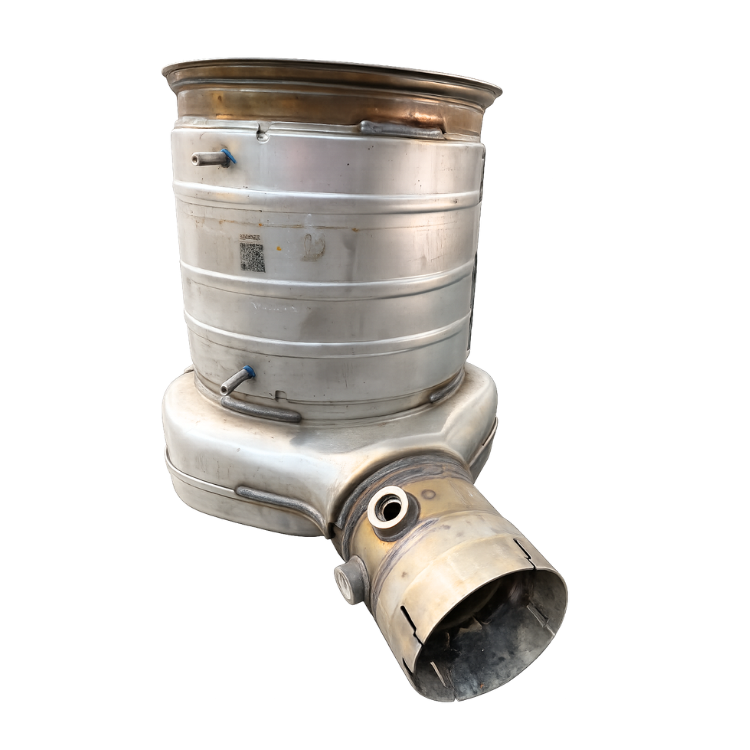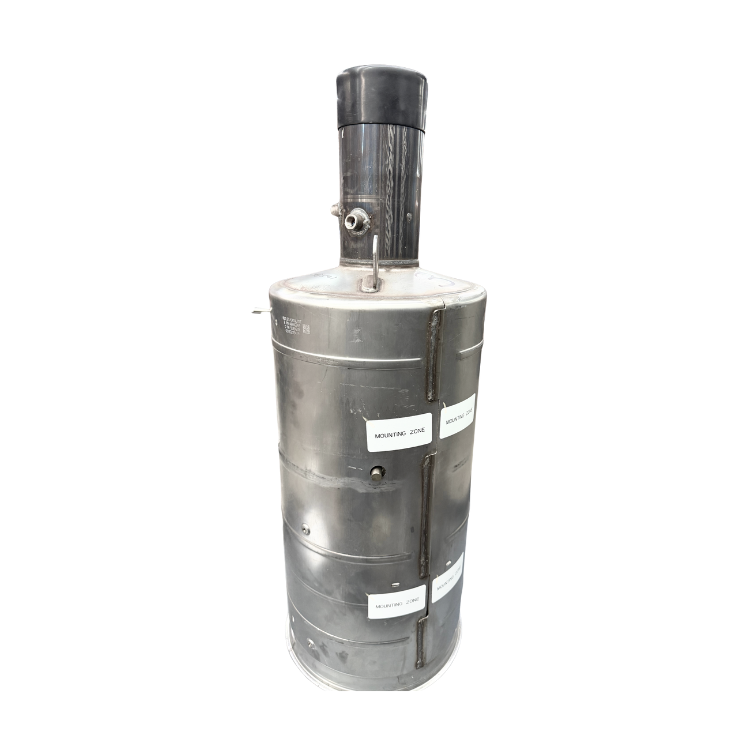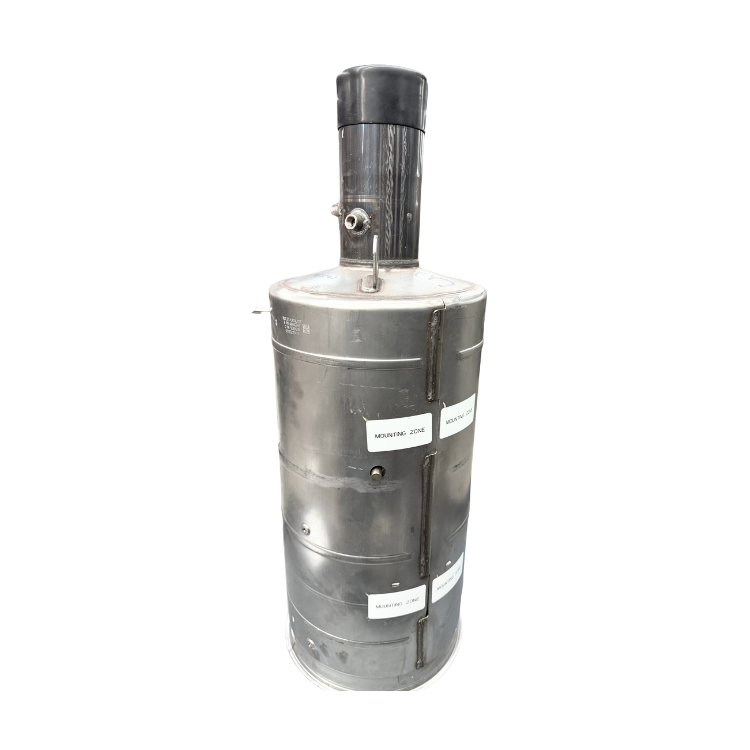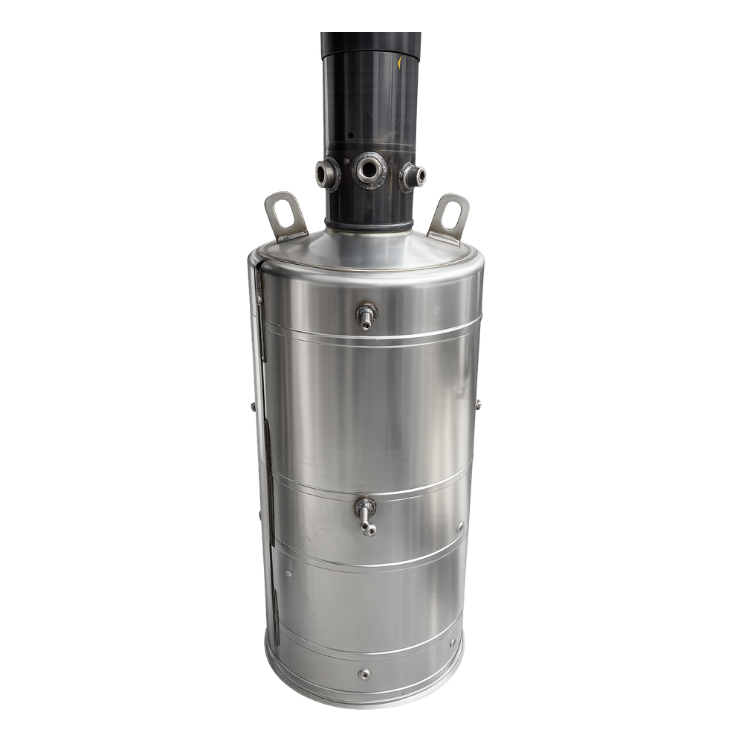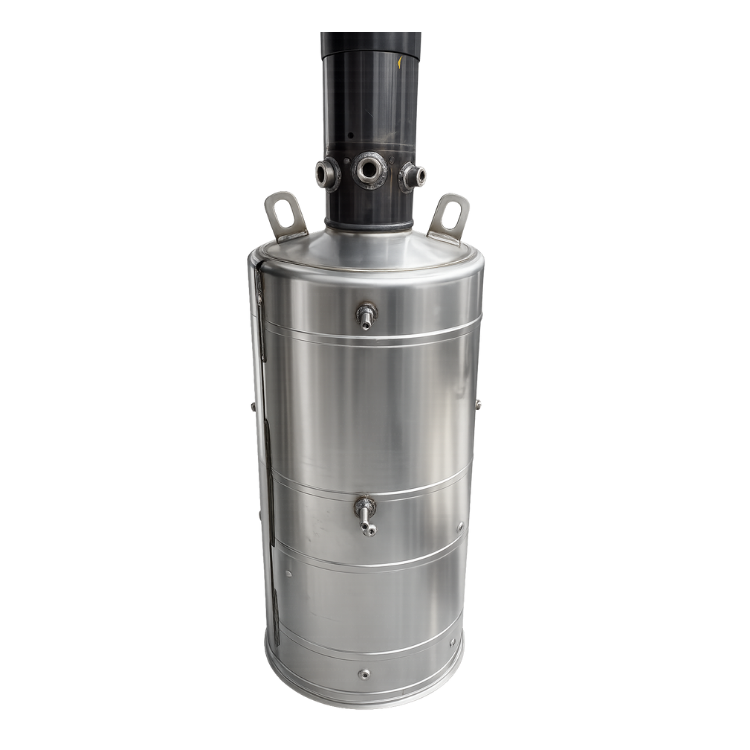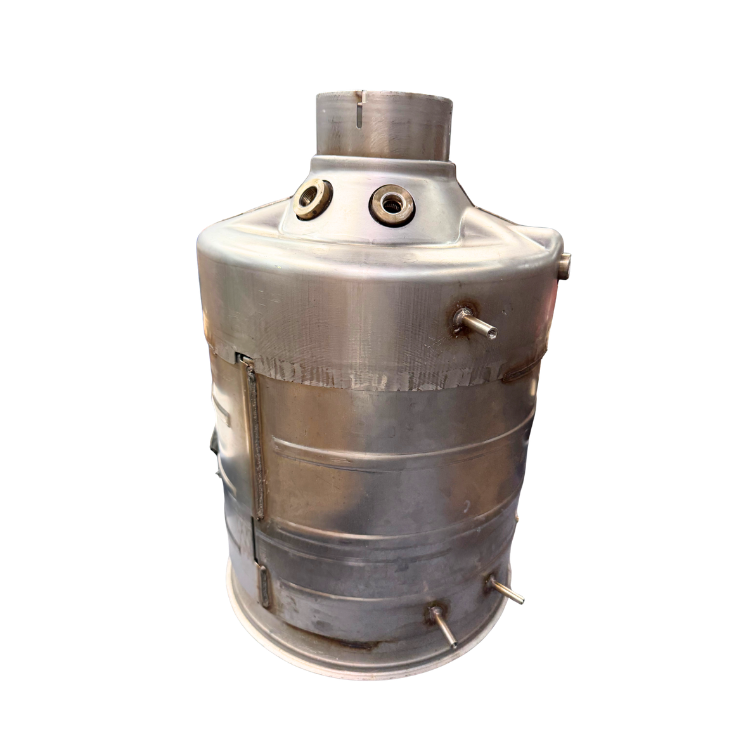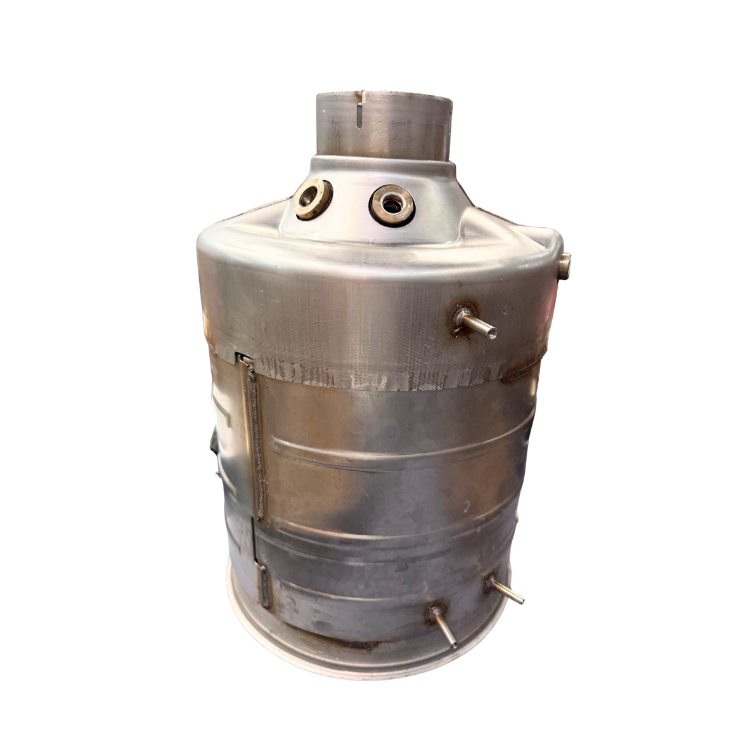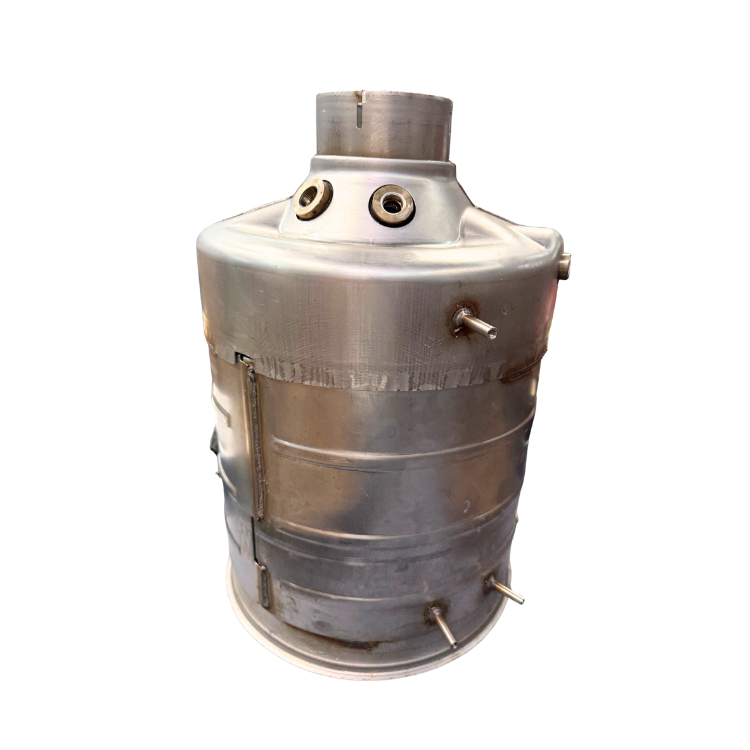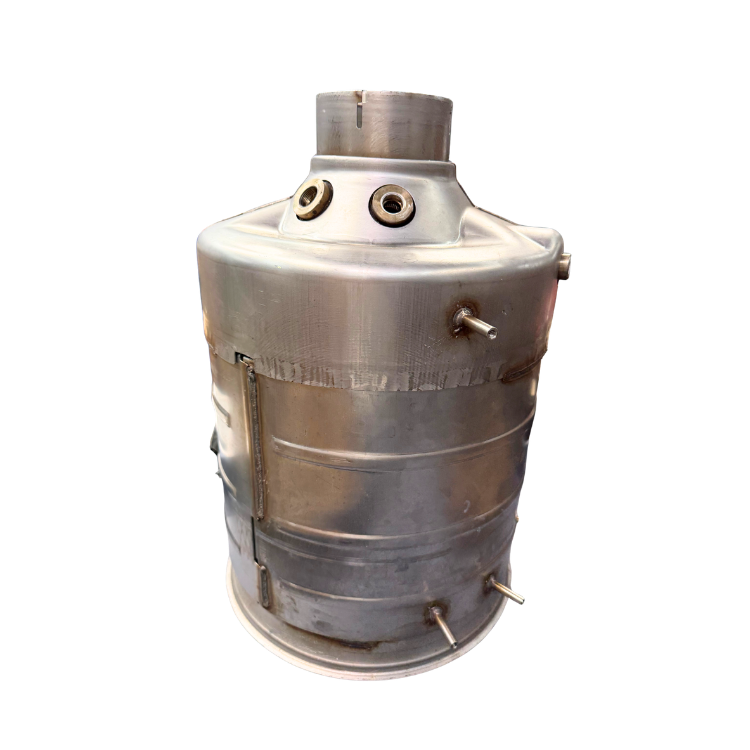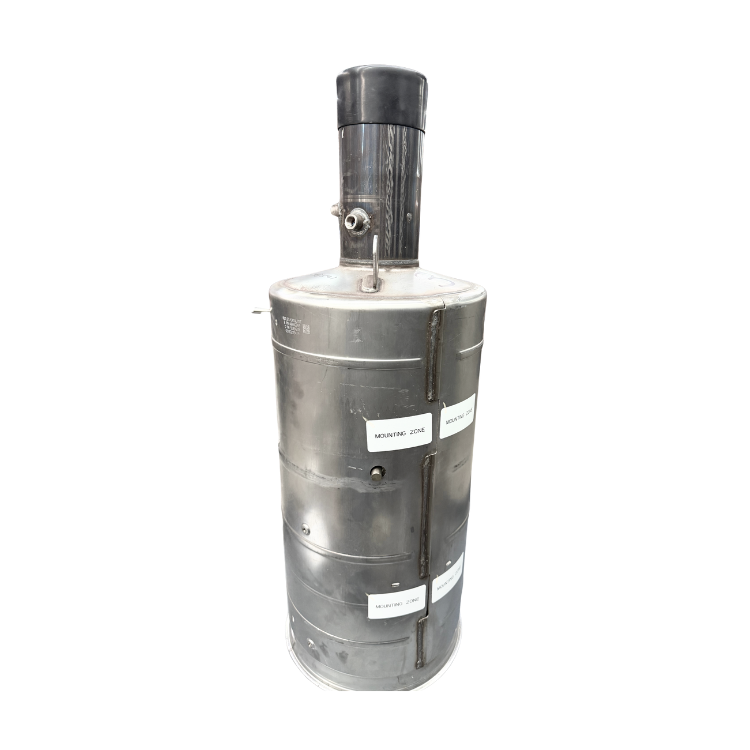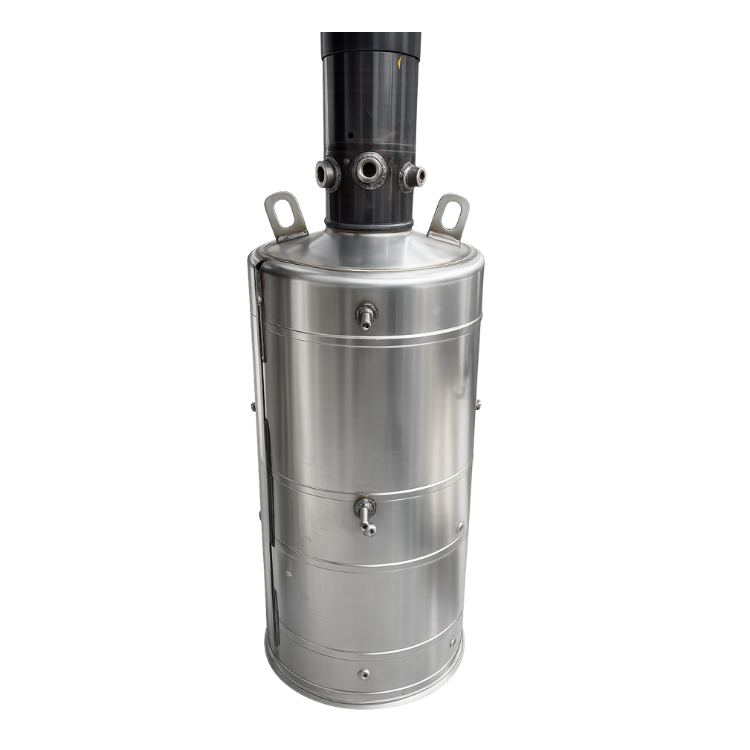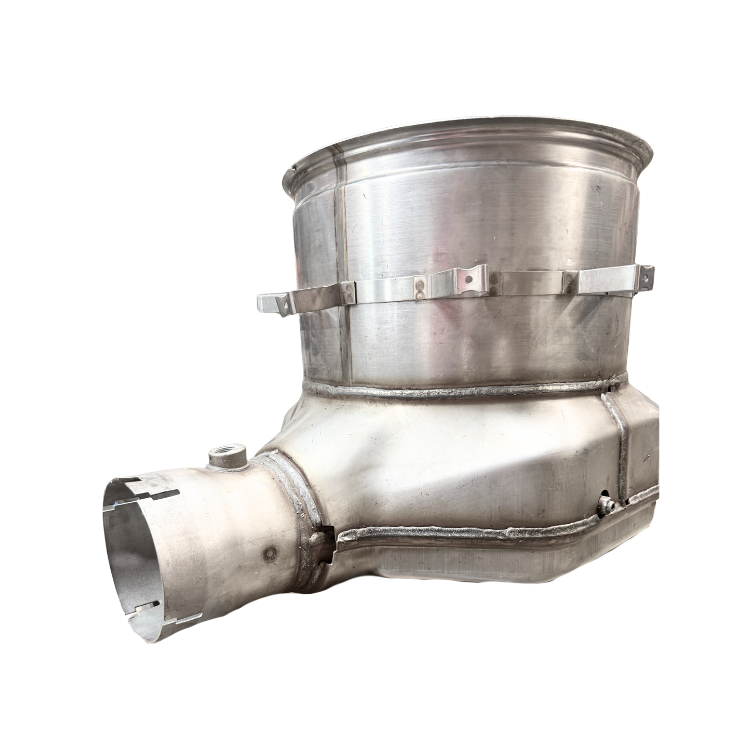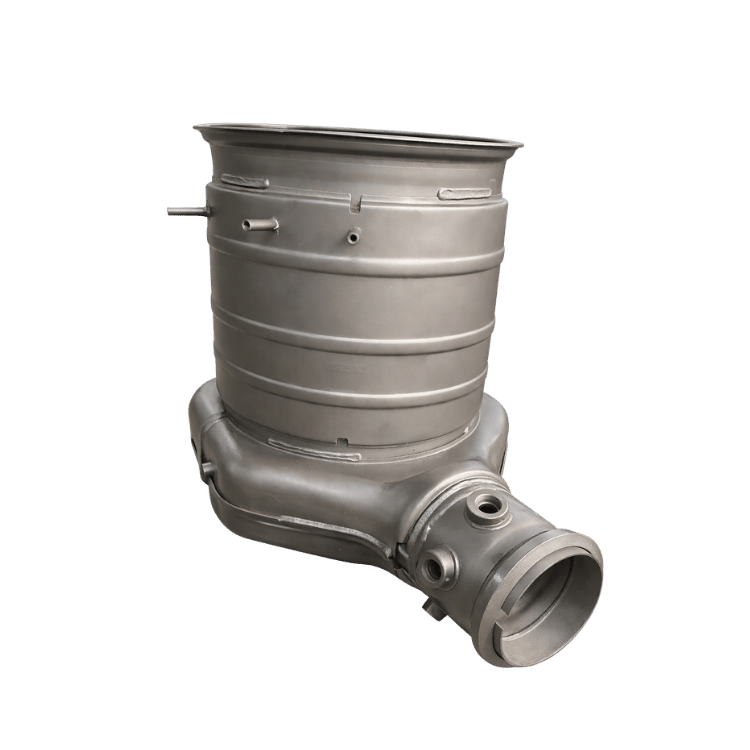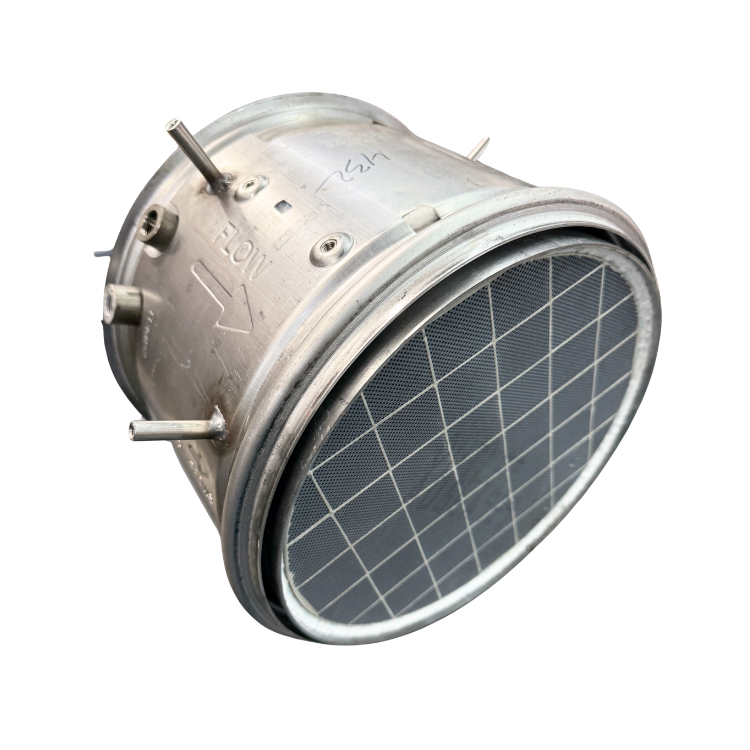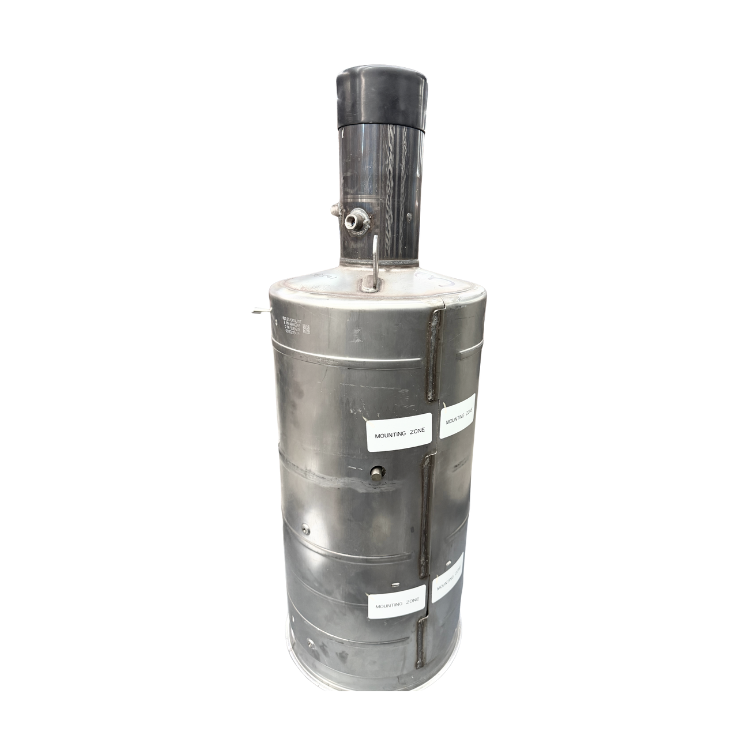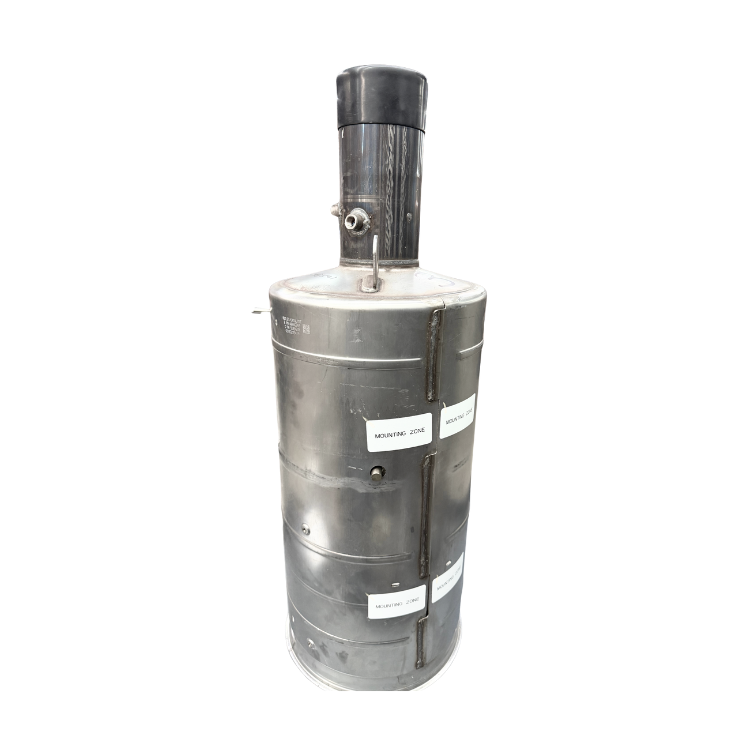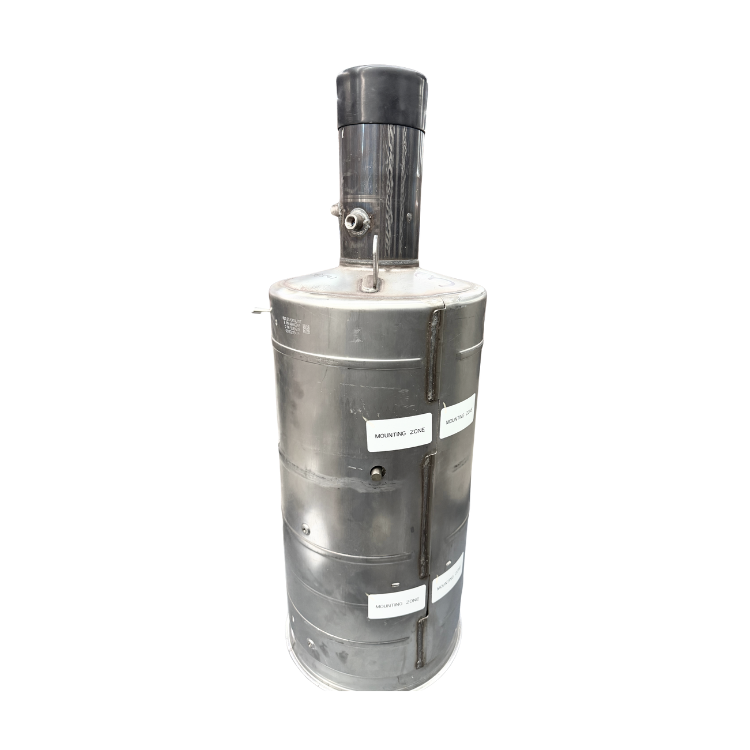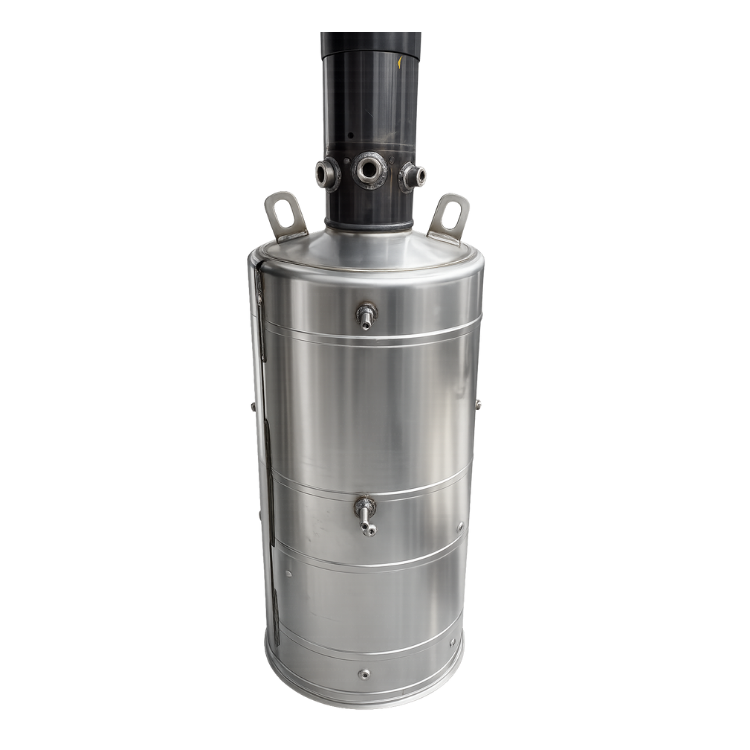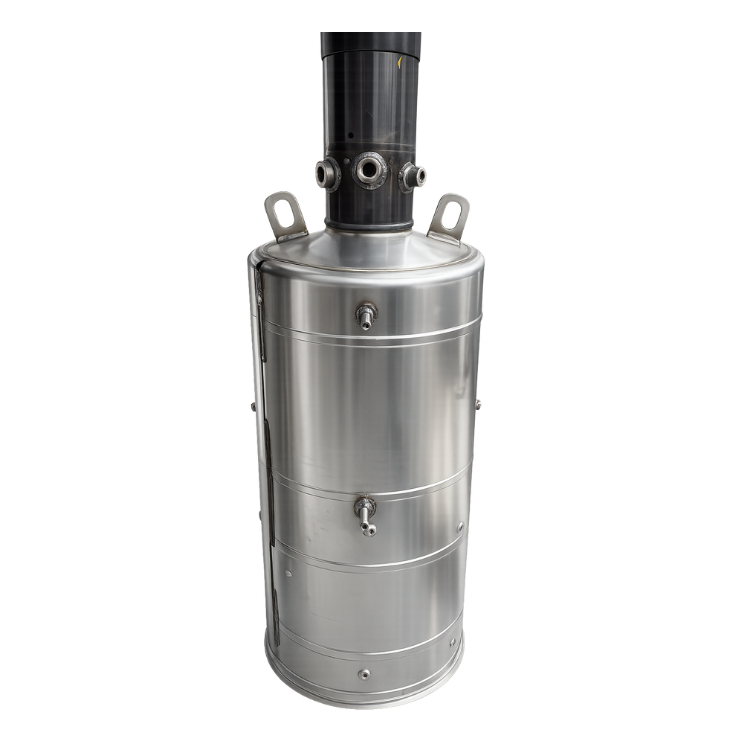



The Selective Catalytic Reduction (SCR) system plays a key role in controlling nitrogen oxide (NOx) emissions in diesel engines. When the system malfunctions, it can trigger warning lights, reduce engine power, or cause emissions failures. Proper diagnosis is essential to determine whether the issue is related to the catalyst itself, the DEF system, or a supporting sensor.
-
Begin by scanning the vehicle with a diagnostic tool to retrieve fault codes. Codes related to NOx sensors, DEF dosing, temperature sensors, or catalyst efficiency can help narrow down the problem.
-
Check DEF levels and quality. Low, contaminated, or incorrect Diesel Exhaust Fluid can cause improper dosing and trigger SCR-related warnings.
-
Inspect the DEF injector for crystallization or blockage. Restricted flow can prevent proper chemical reaction inside the SCR.
-
Test NOx sensors and temperature sensors to ensure they are sending accurate readings to the engine control module.
-
Review exhaust backpressure and look for related Diesel Particulate Filter (DPF) issues, as upstream problems can affect SCR performance.
-
Examine wiring and connectors for corrosion, loose connections, or electrical faults that may interfere with system communication.
Accurate SCR diagnosis requires addressing both mechanical and electronic components of the aftertreatment system. Prompt troubleshooting and repair help restore proper emissions control, prevent engine derate, and extend the lifespan of the SCR system.