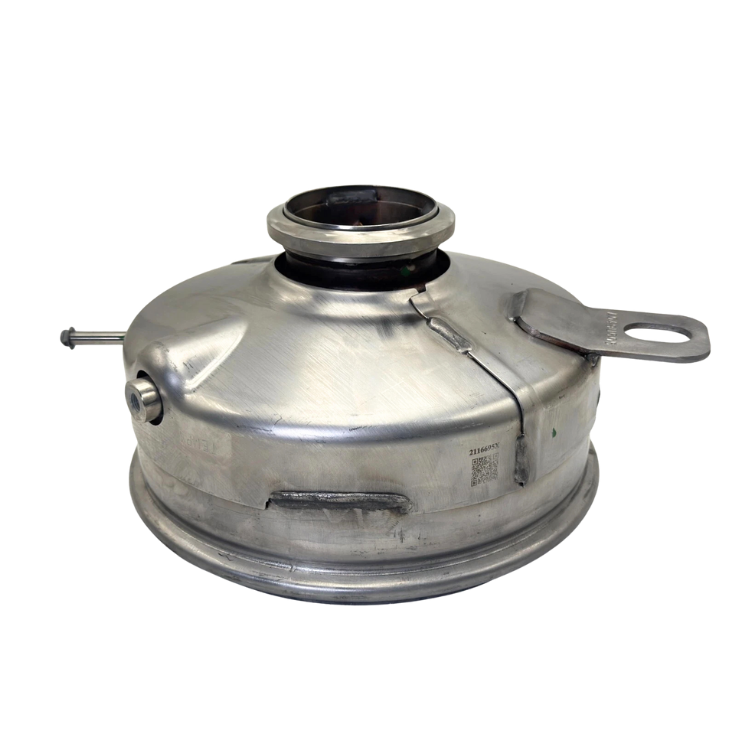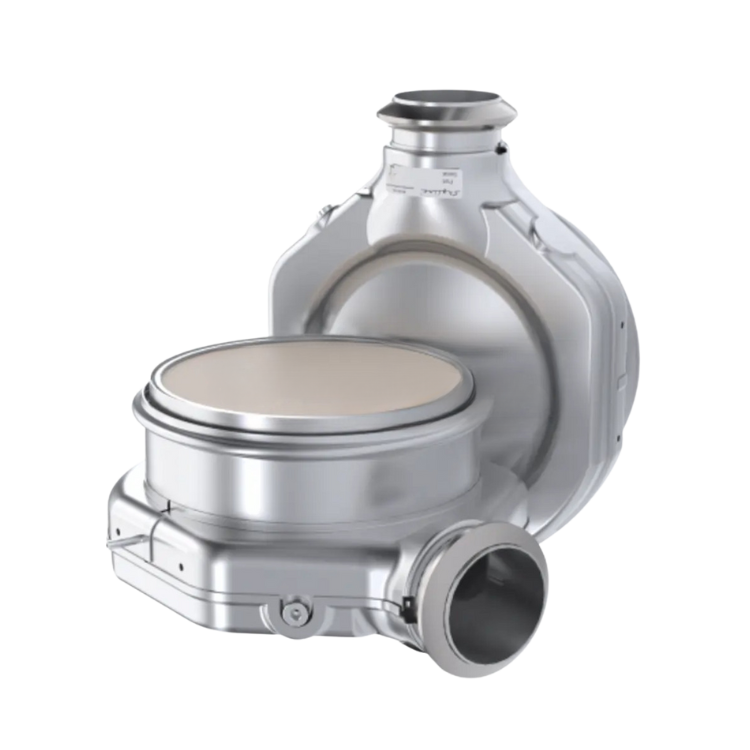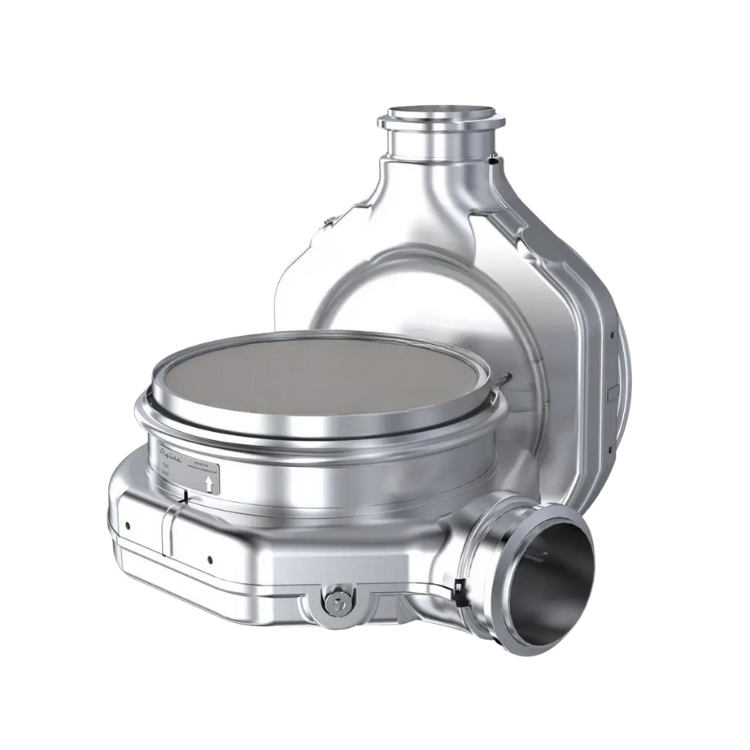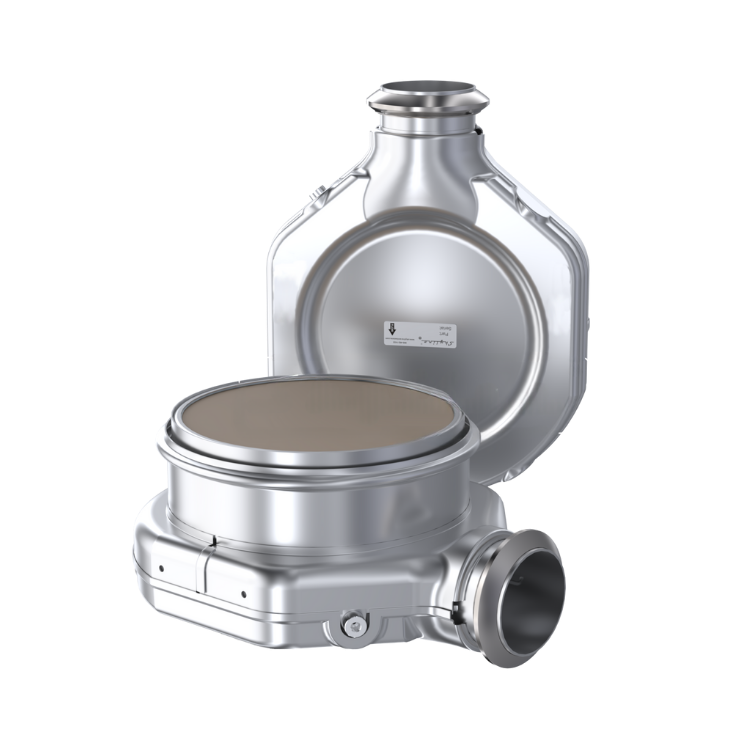




A Diesel Oxidation Catalyst (DOC) filter plays an important role in reducing harmful exhaust emissions in diesel-powered vehicles. While it doesn’t require the same level of attention as some other emissions components, proper oil selection and routine maintenance are still essential to ensure long-term reliability and compliance.
-
No special oil required, but quality matters: DOC filters do not require a unique or dedicated oil type, but using manufacturer-approved, low-ash engine oil helps minimize soot and residue buildup.
-
Routine engine maintenance is key: Regular oil changes, proper fuel system care, and timely engine service reduce contaminants that could affect the DOC filter.
-
Clean fuel supports DOC health: High-quality diesel fuel helps limit excessive hydrocarbons and particulates entering the exhaust system.
-
Monitor exhaust system conditions: Addressing engine issues early, such as incomplete combustion or injector problems, helps prevent unnecessary strain on the DOC filter.
-
No manual cleaning needed: Unlike some emissions components, DOC filters are maintenance-free under normal operating conditions and do not require periodic removal or cleaning.
A DOC filter does not demand special oil or complex upkeep, but it does rely on proper engine care to function effectively. By following recommended oil guidelines and maintaining the engine and fuel system, vehicle owners can support the DOC filter’s role in emissions control and help extend the life of the entire exhaust system.