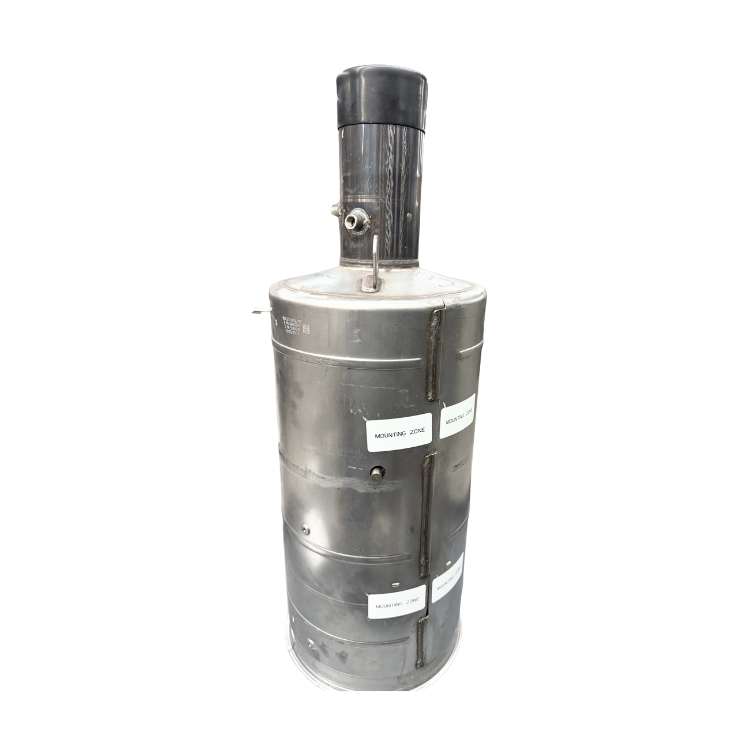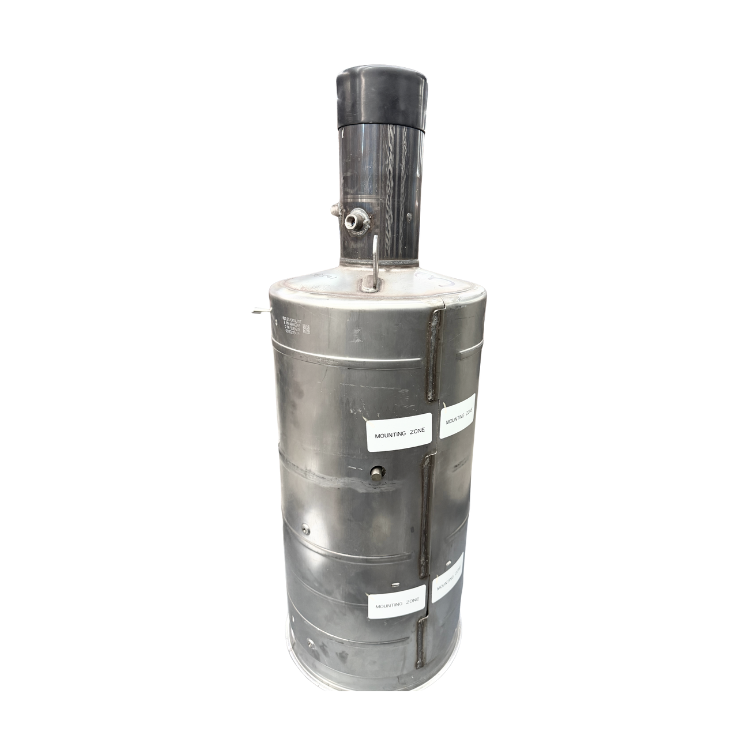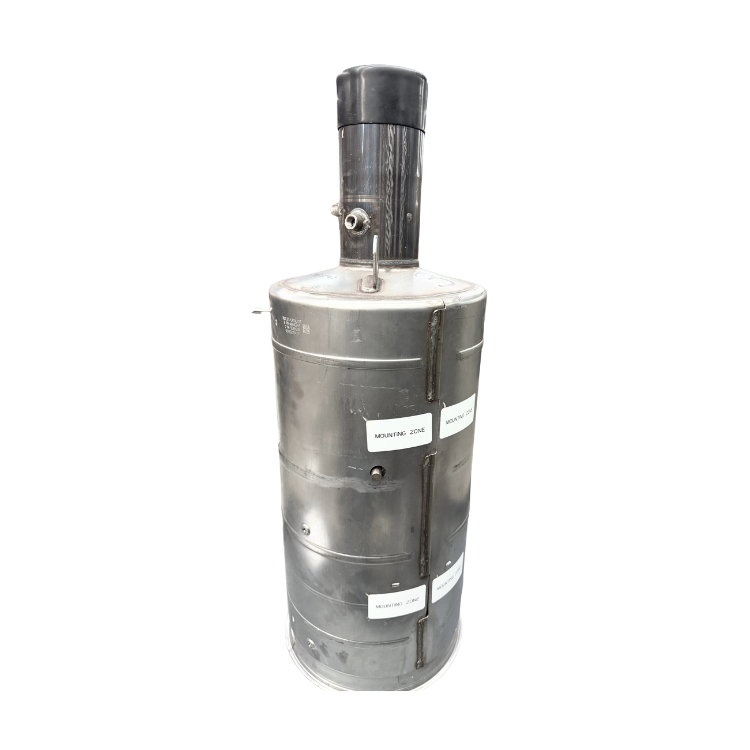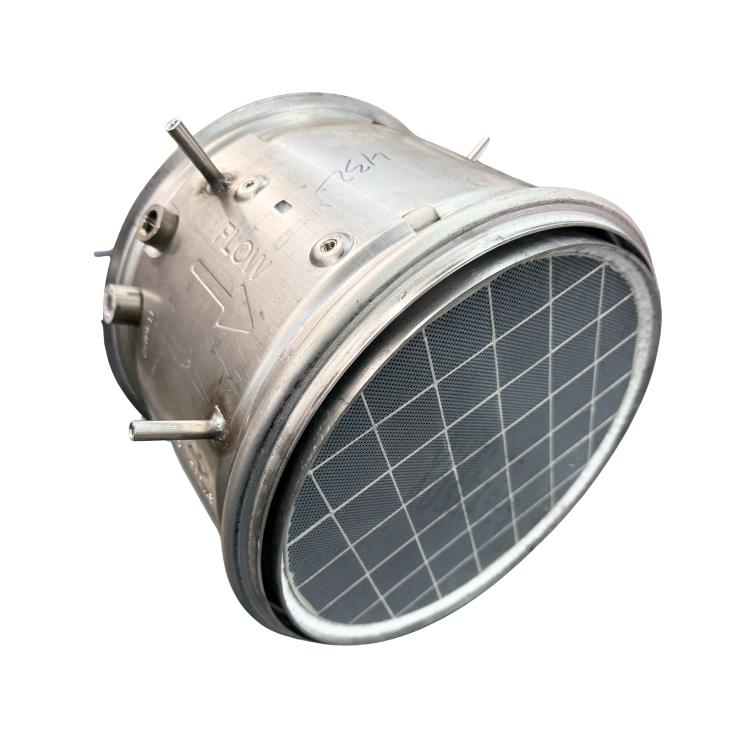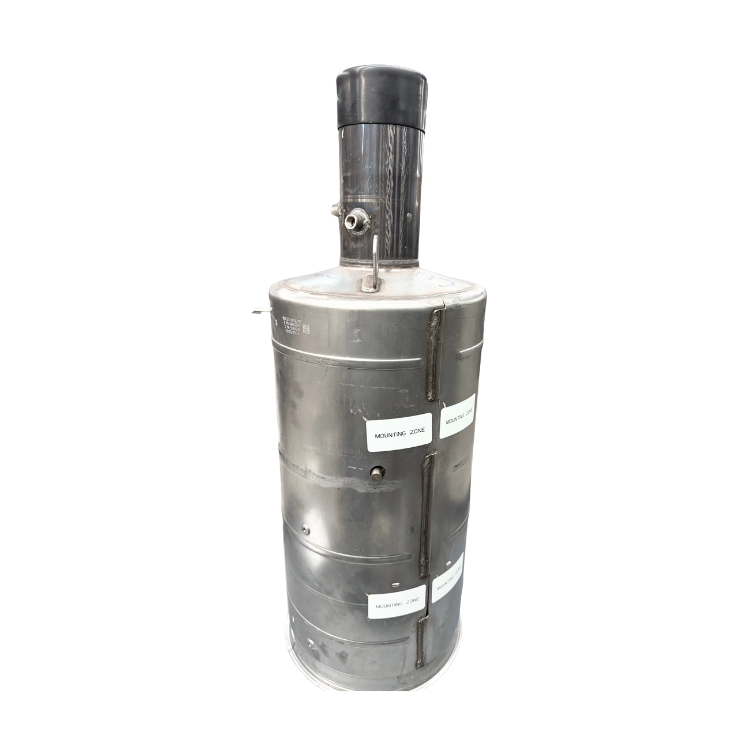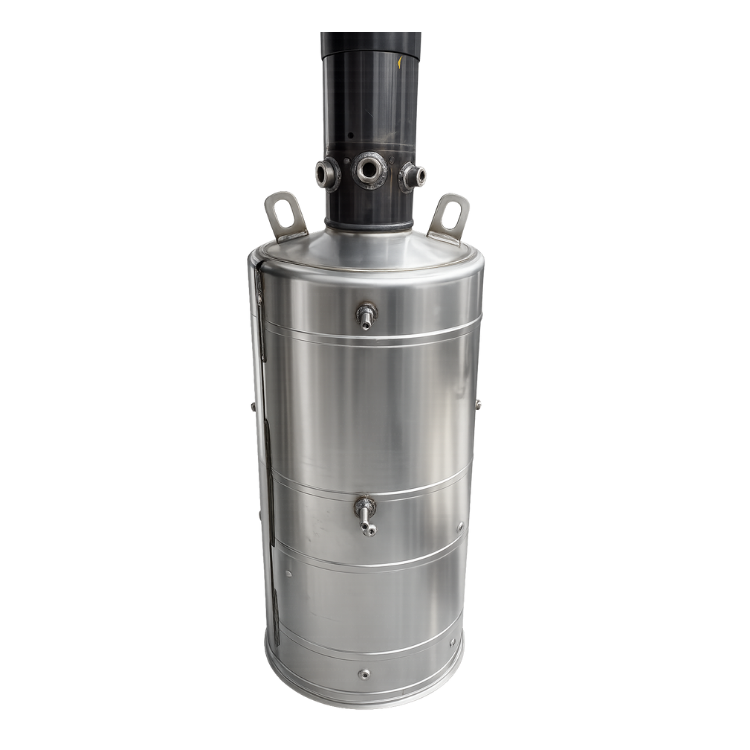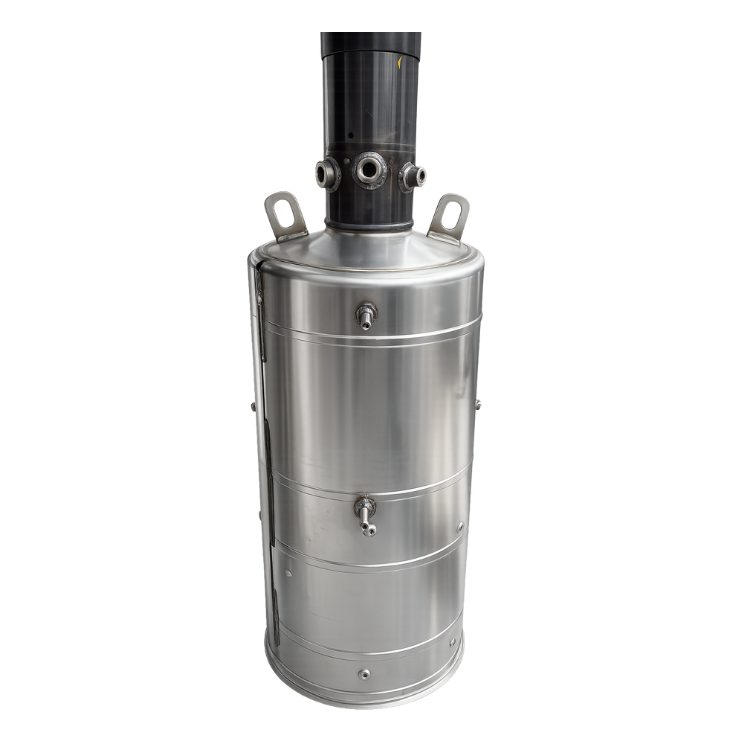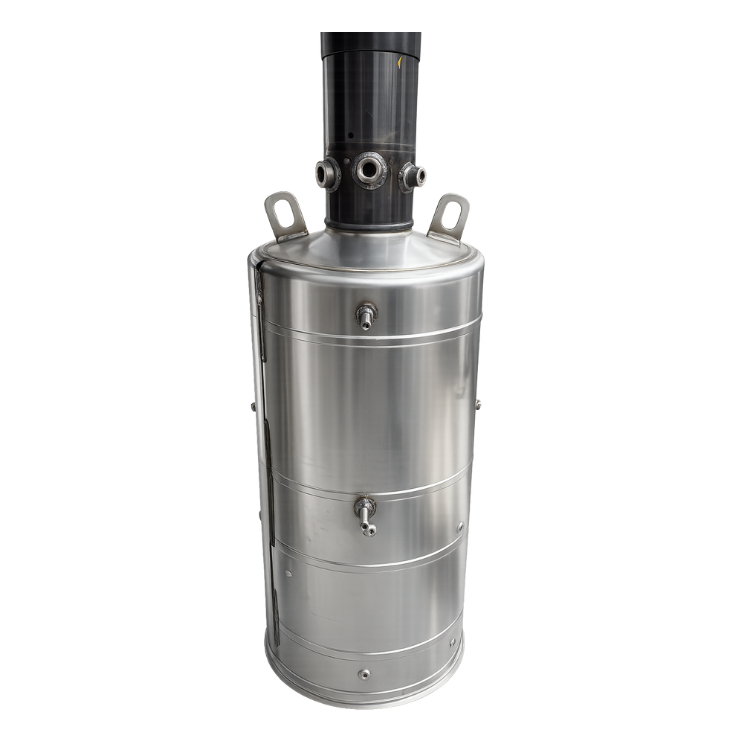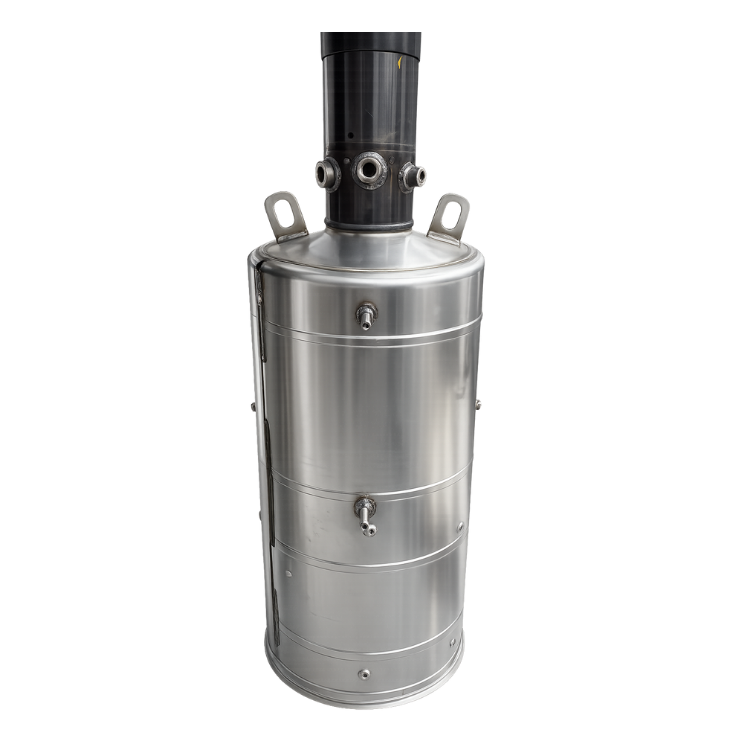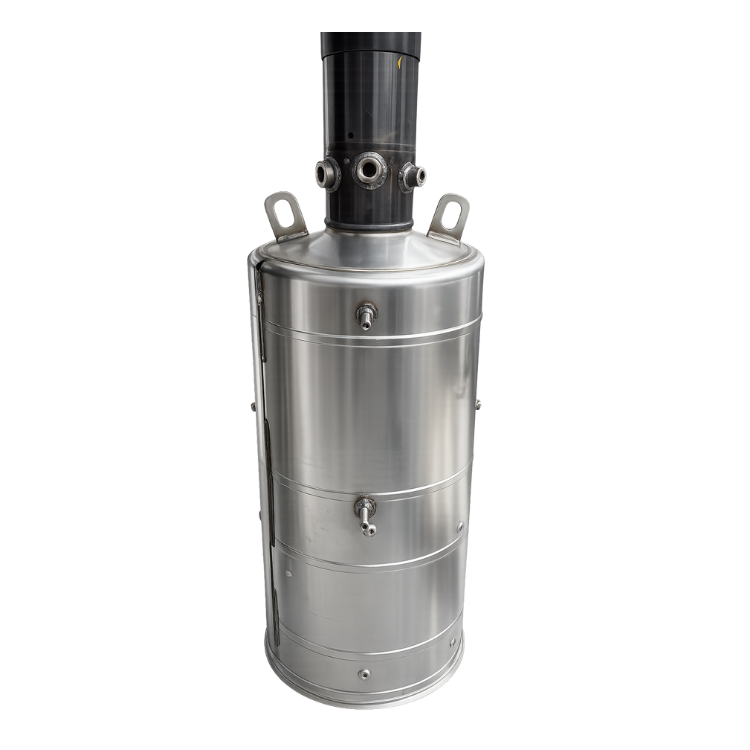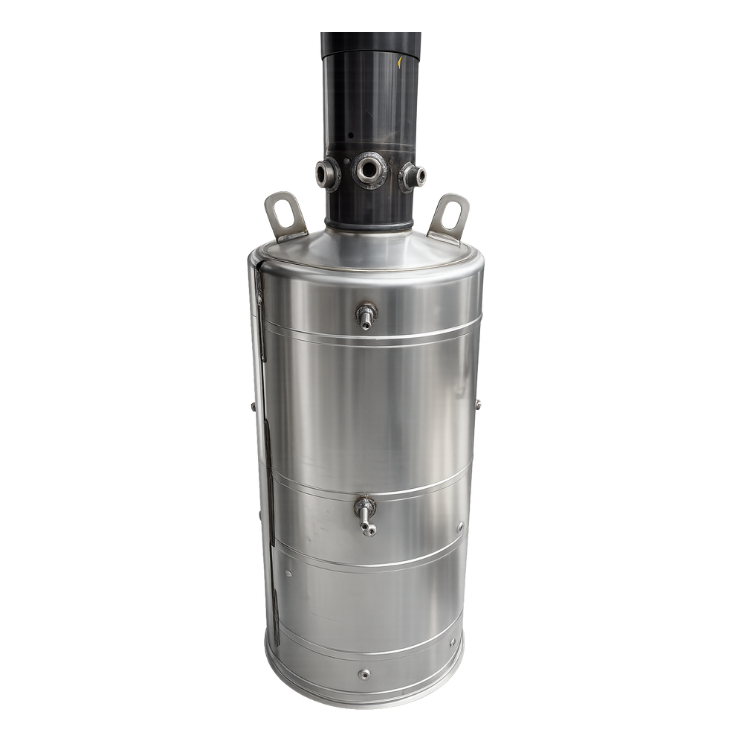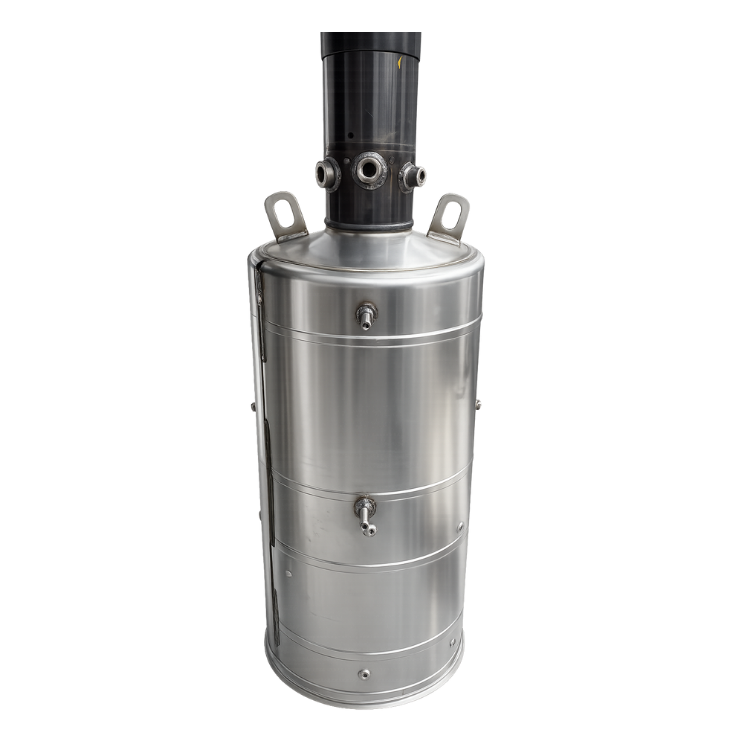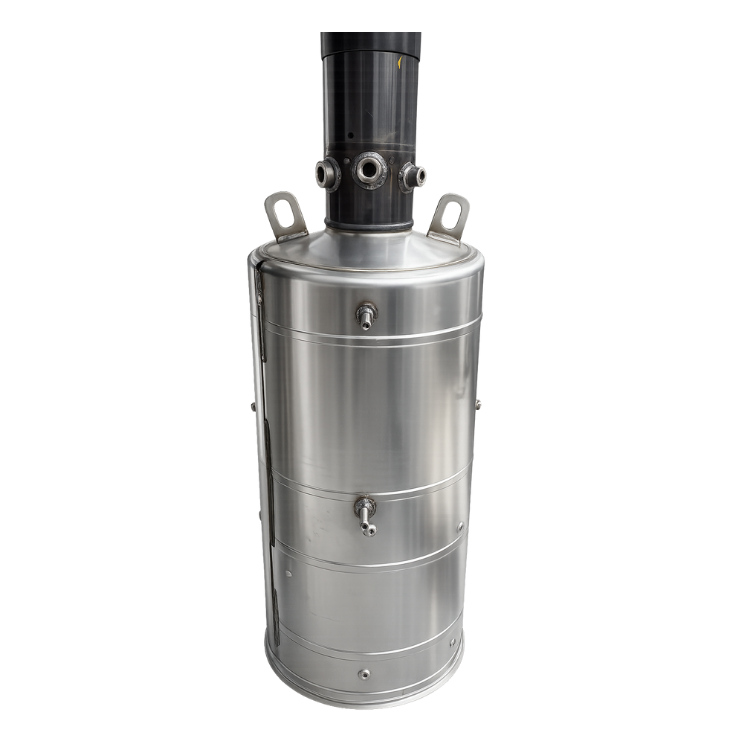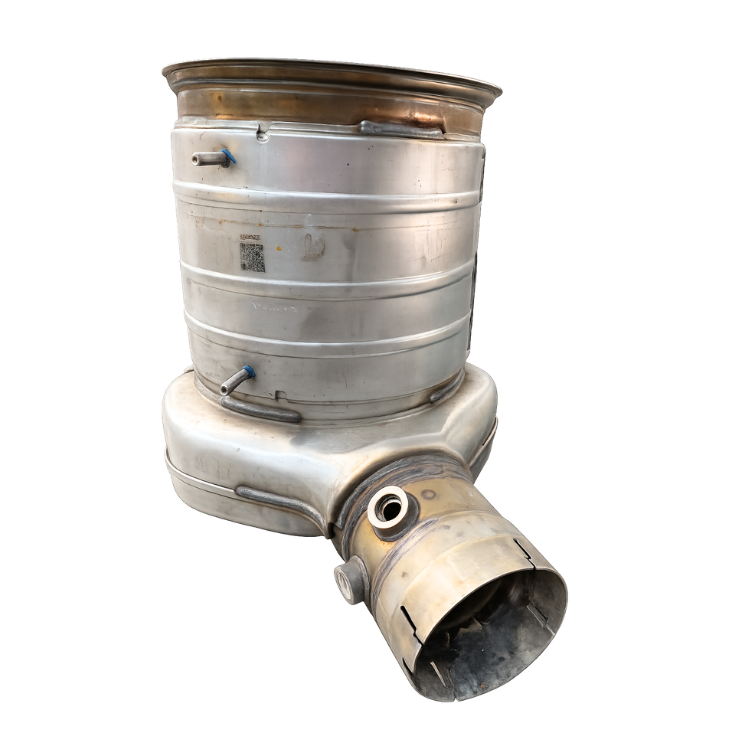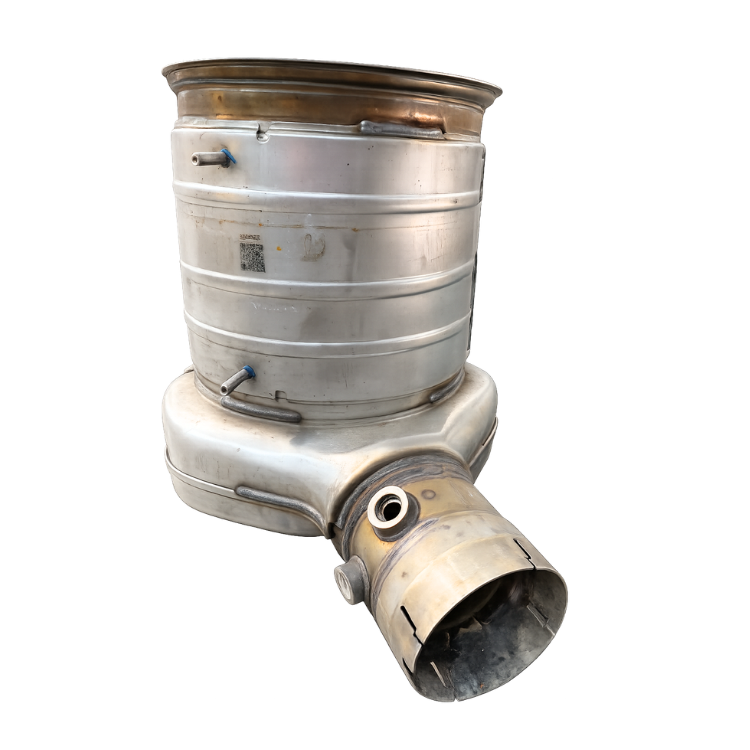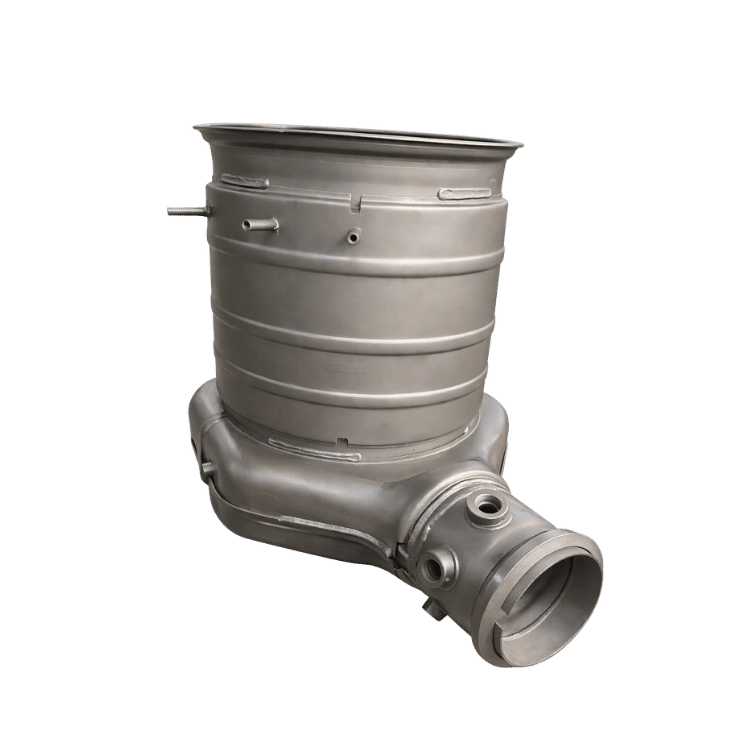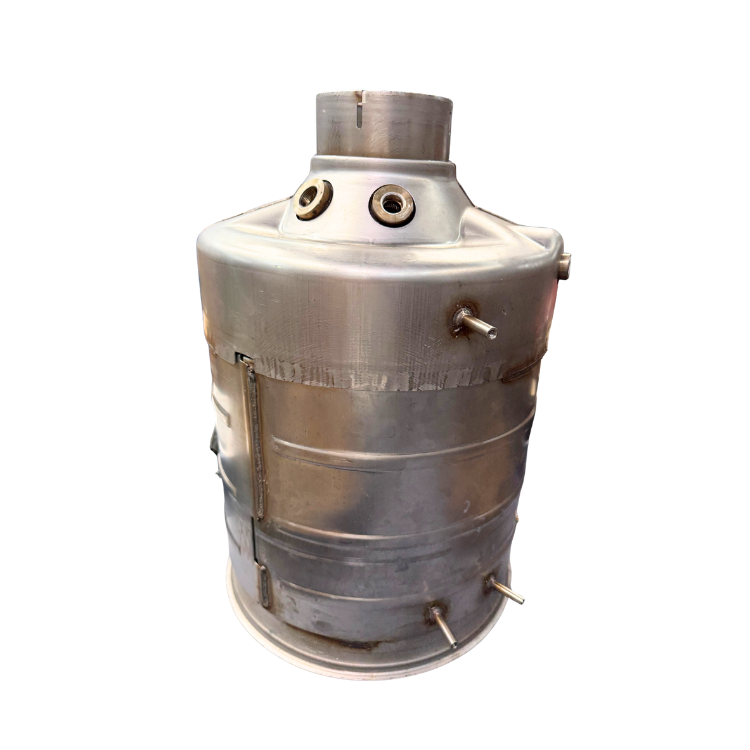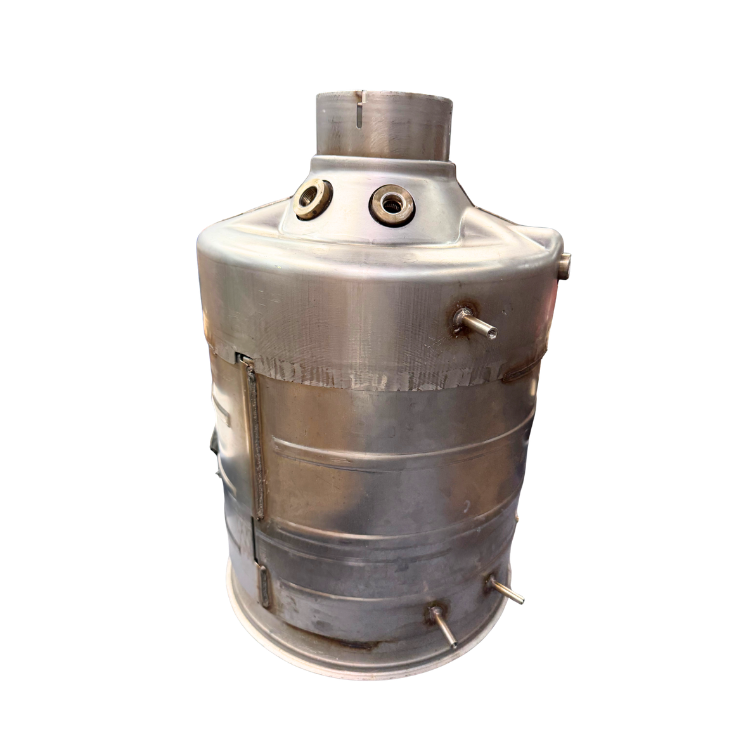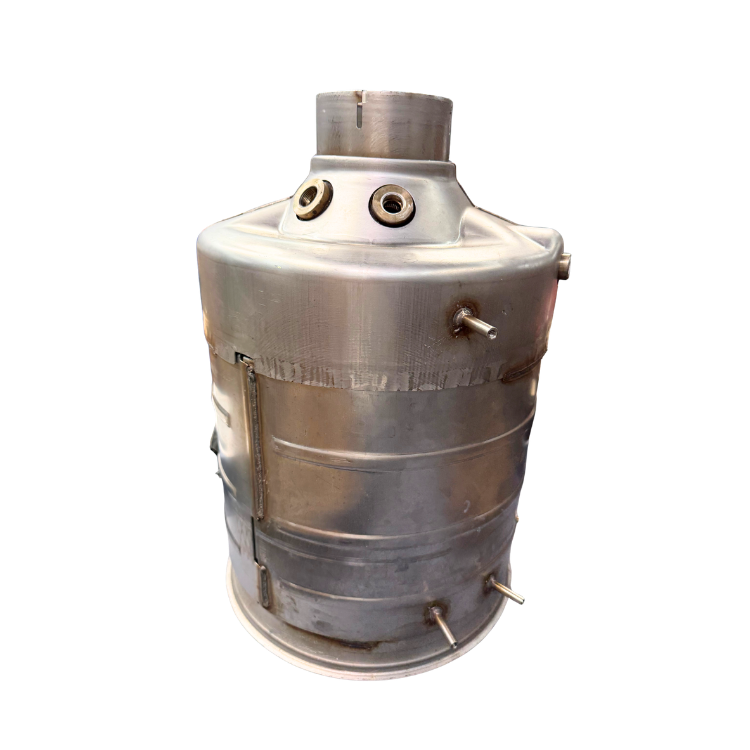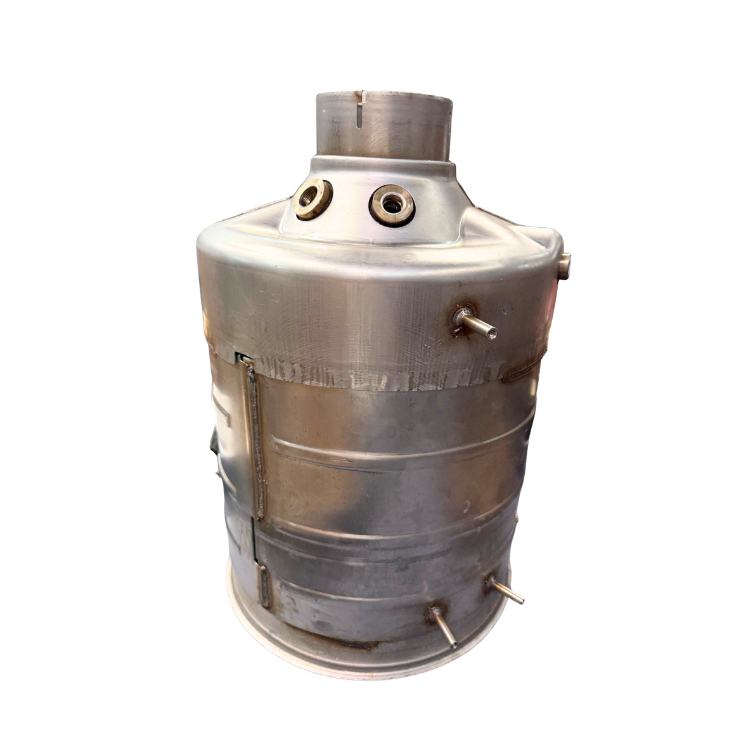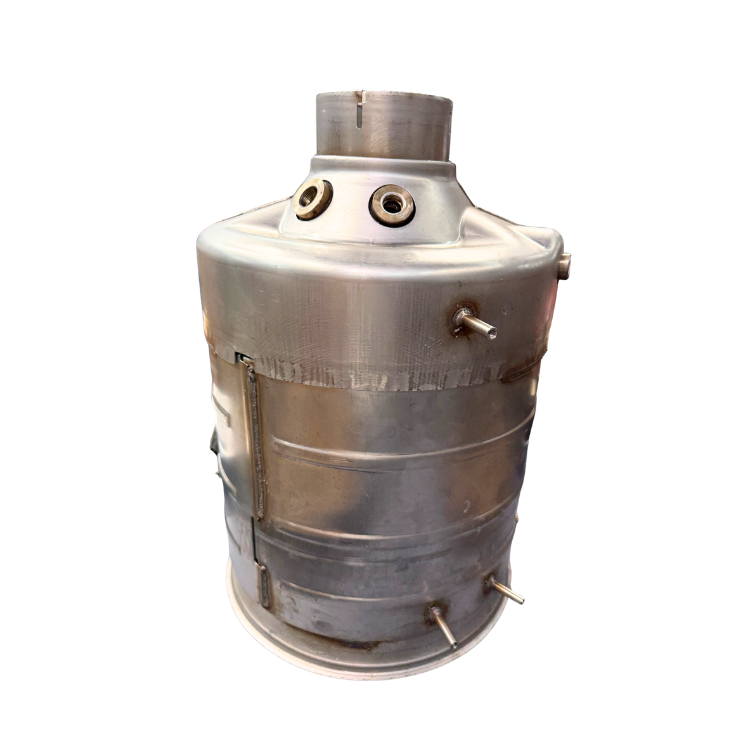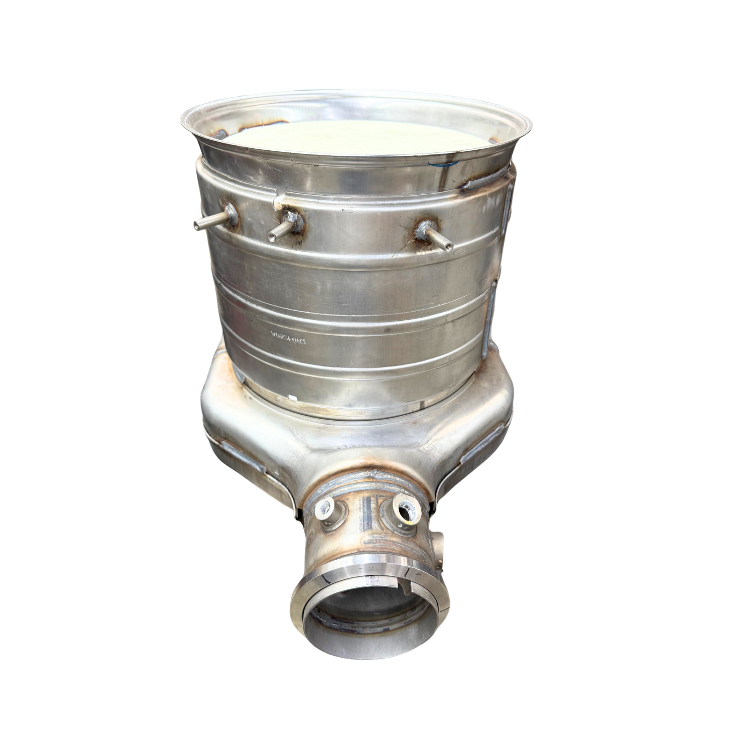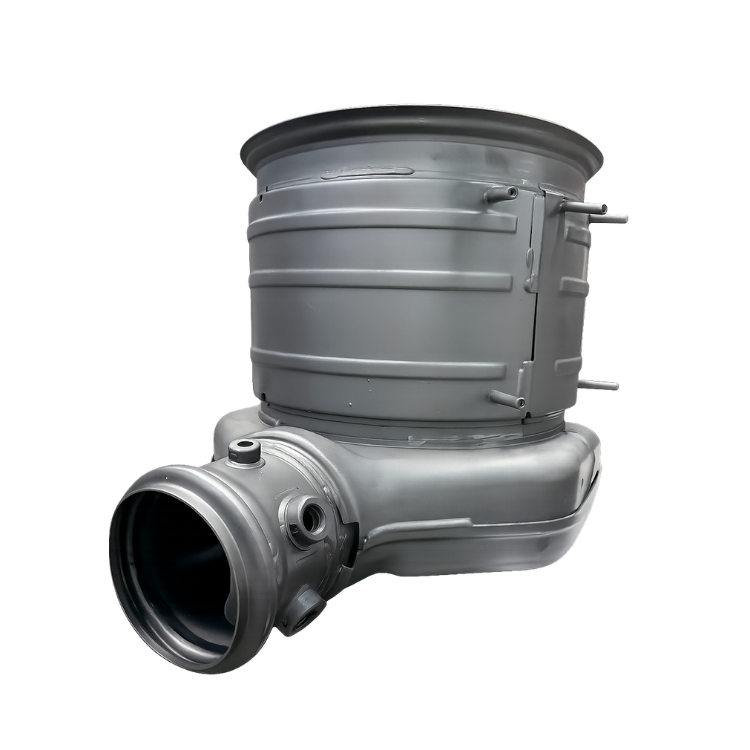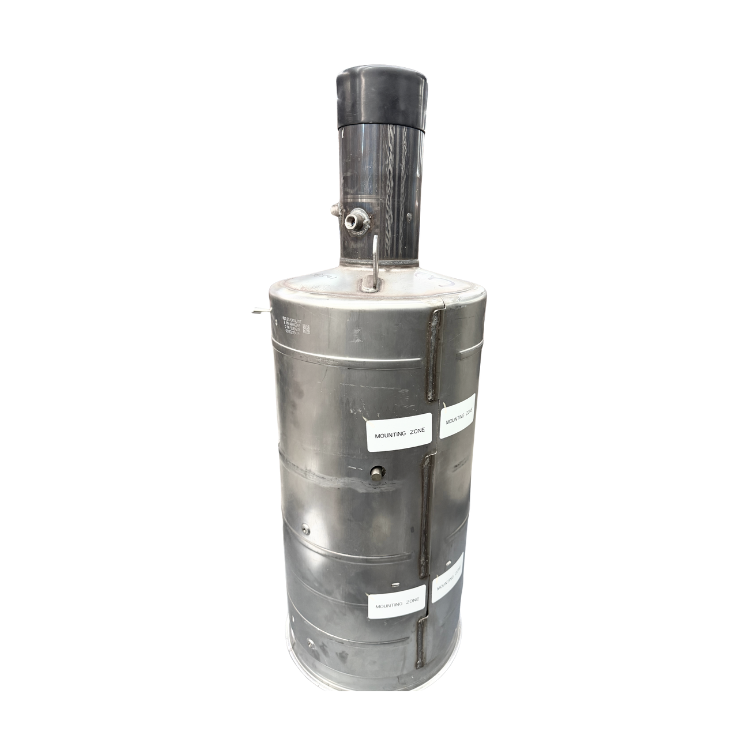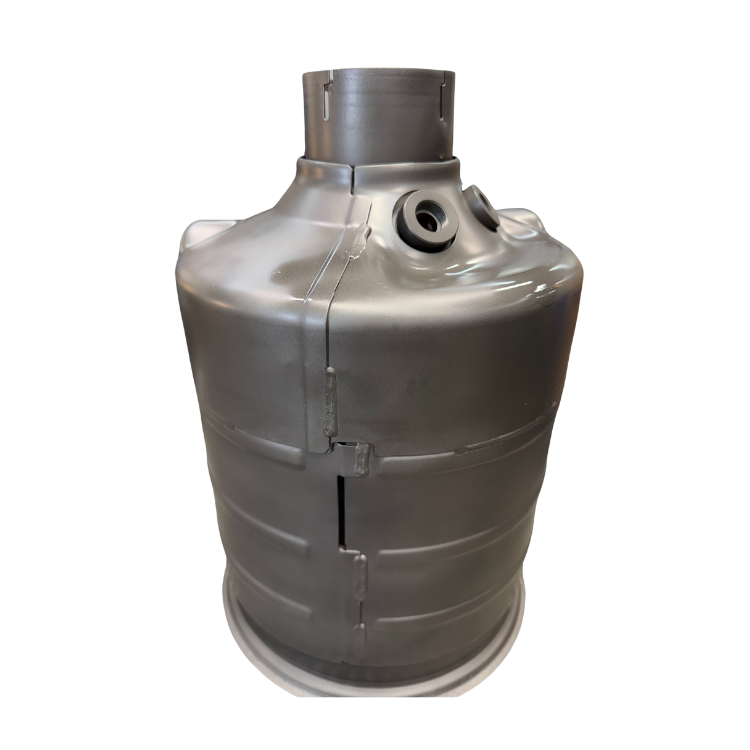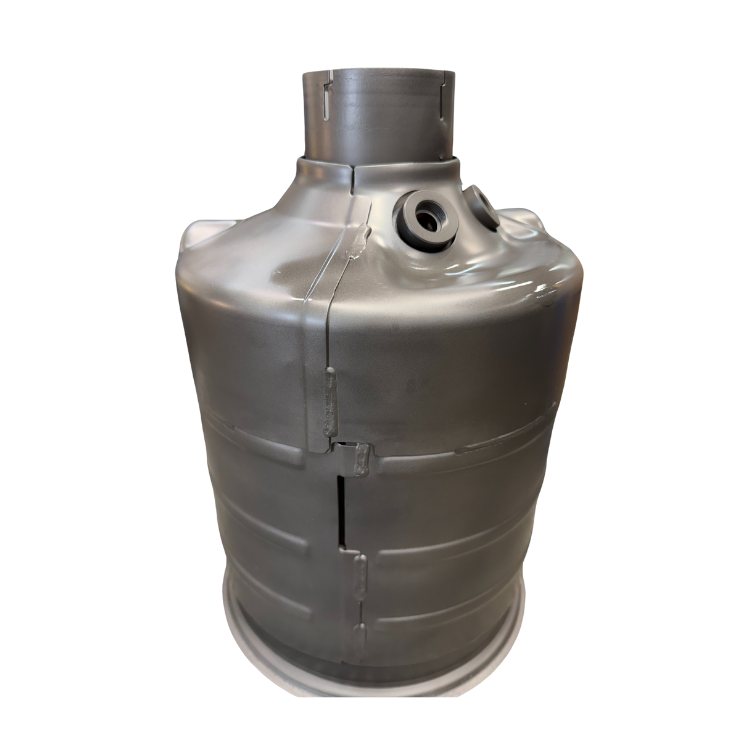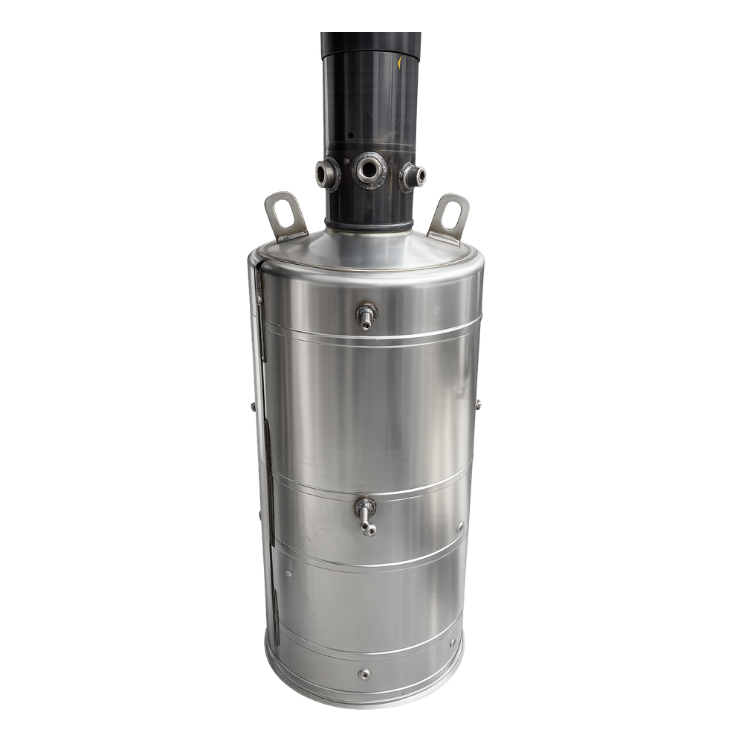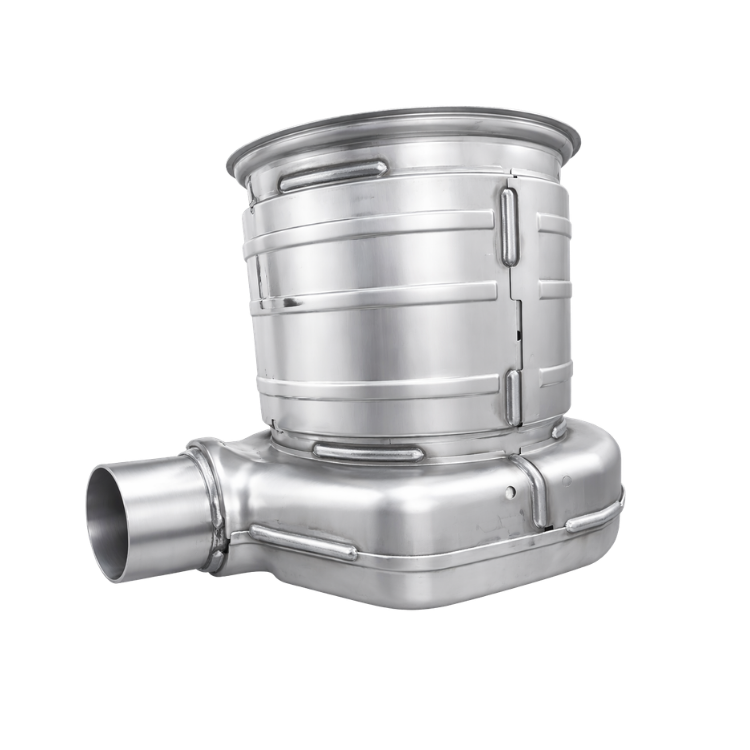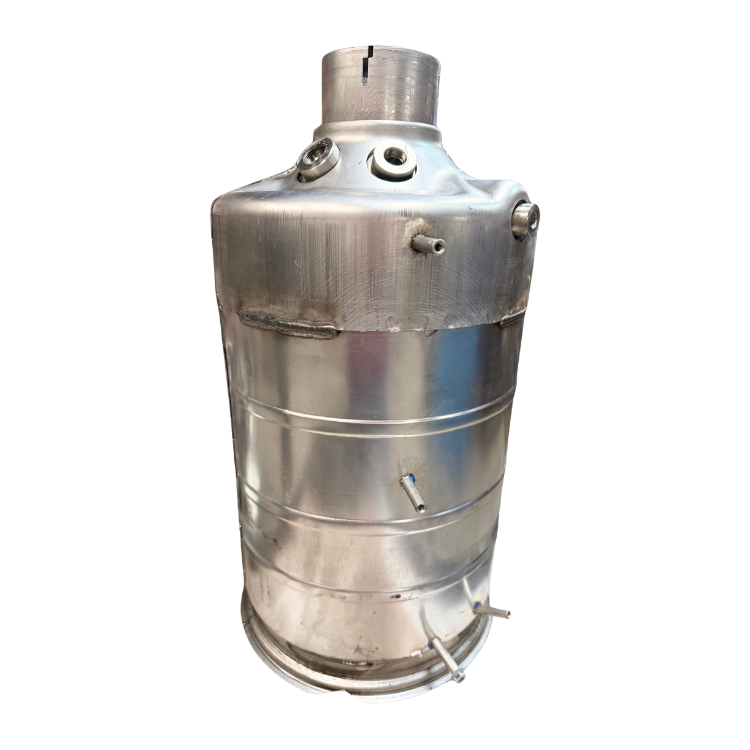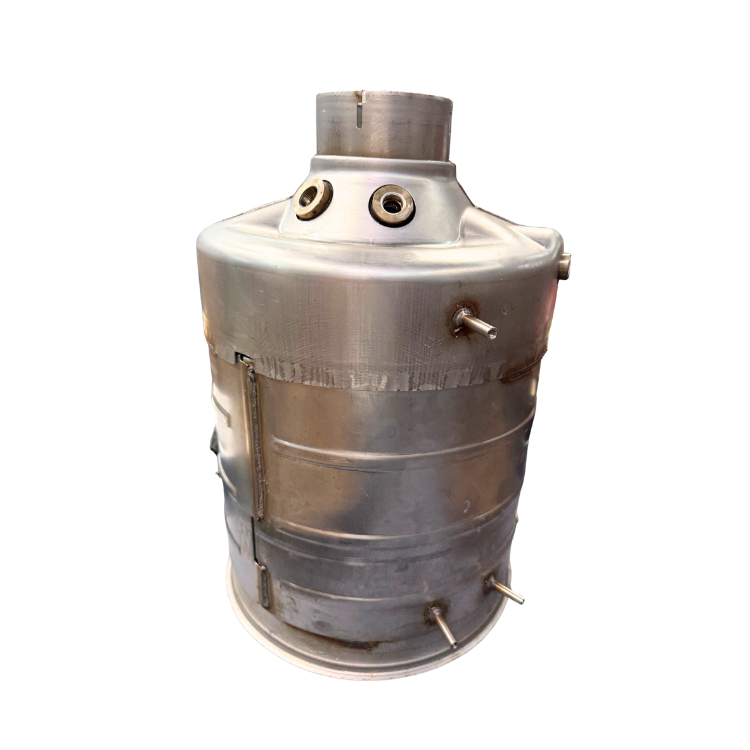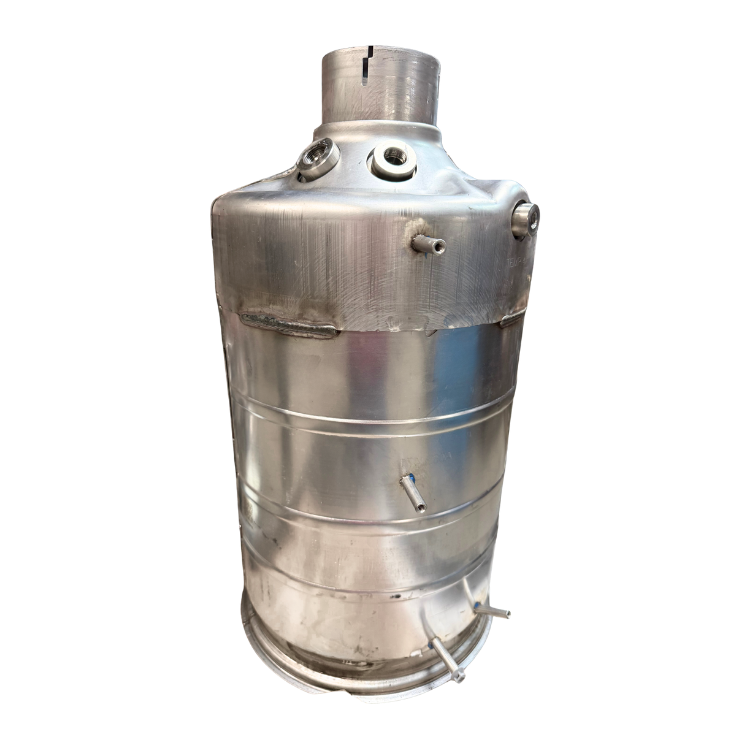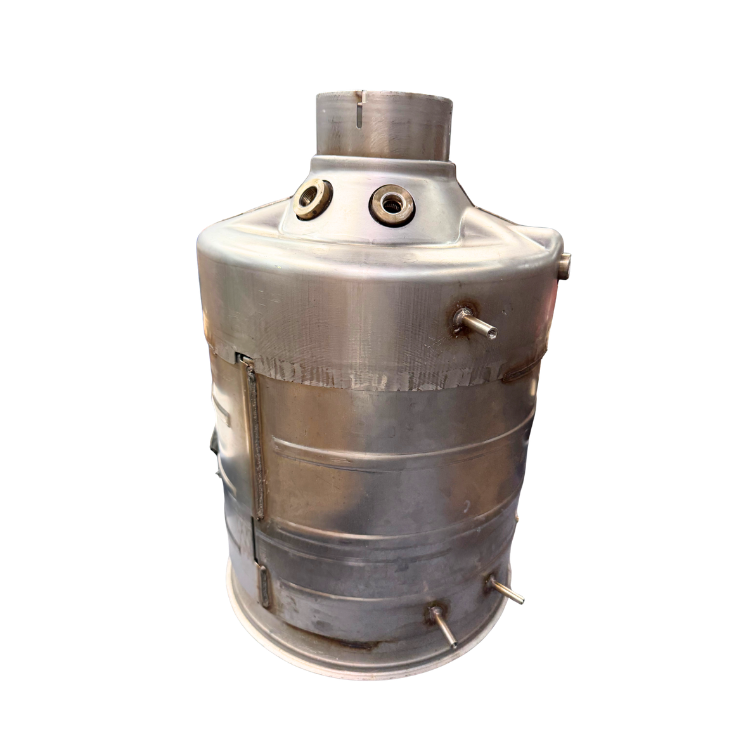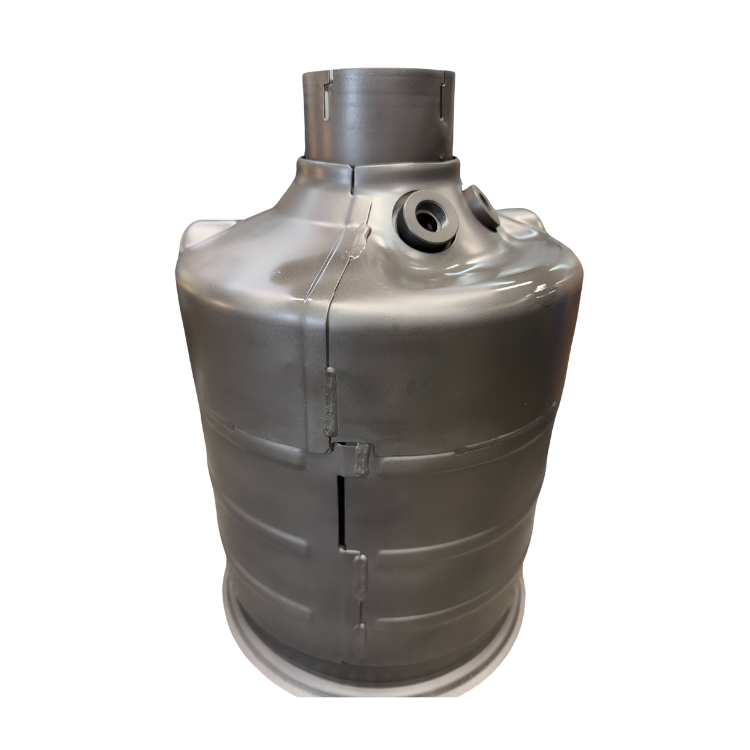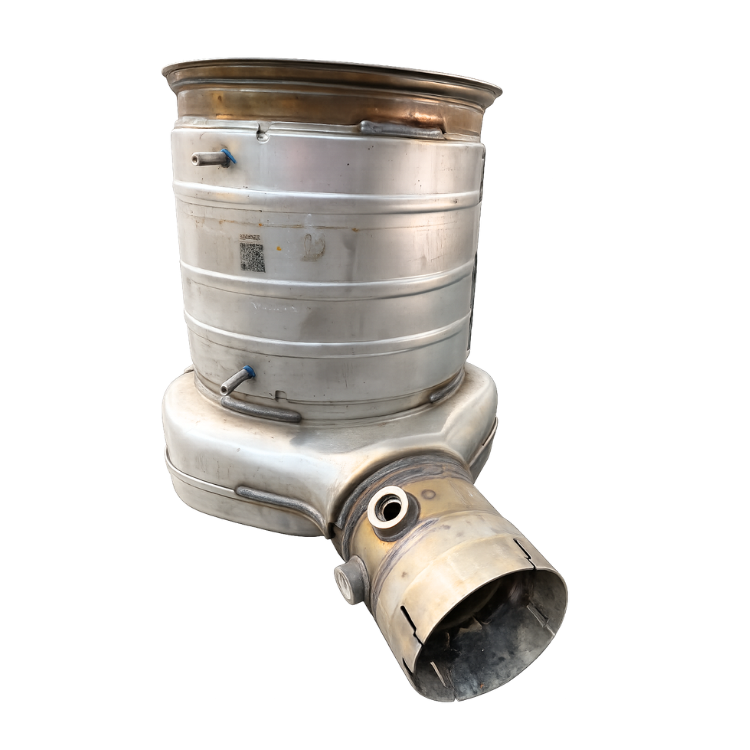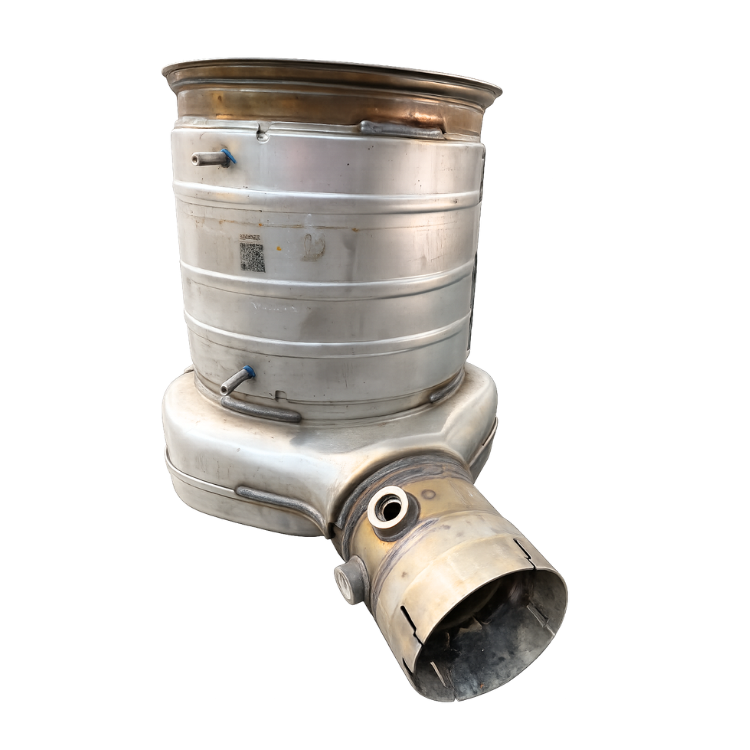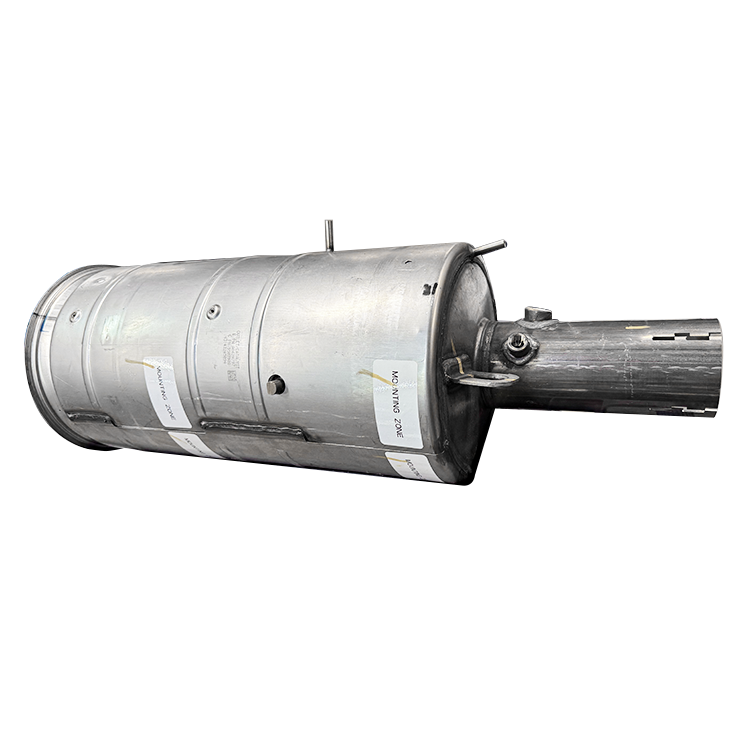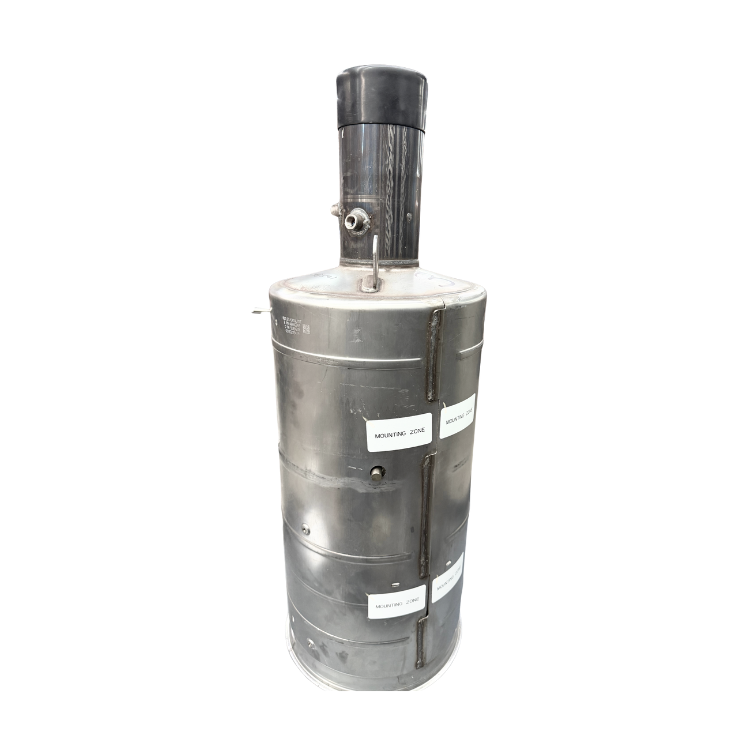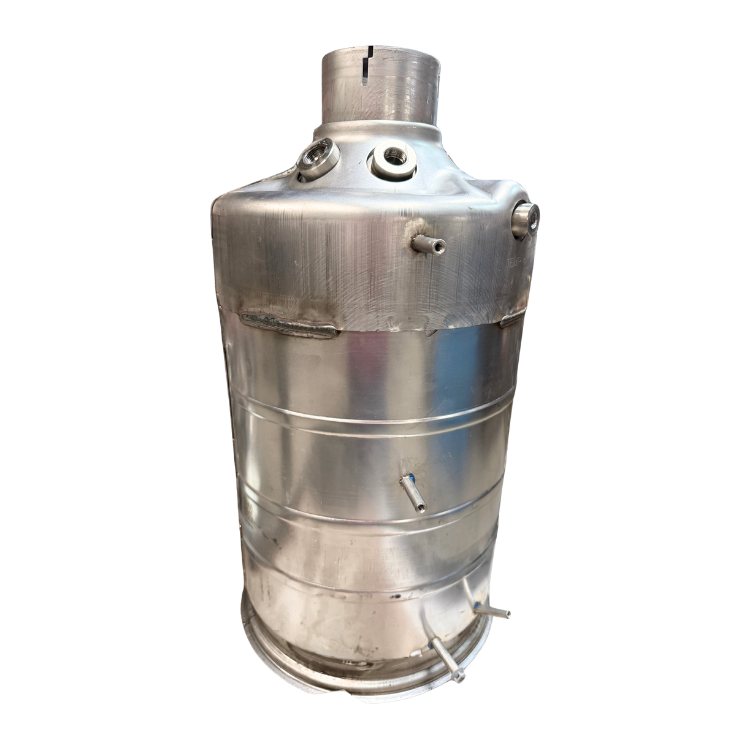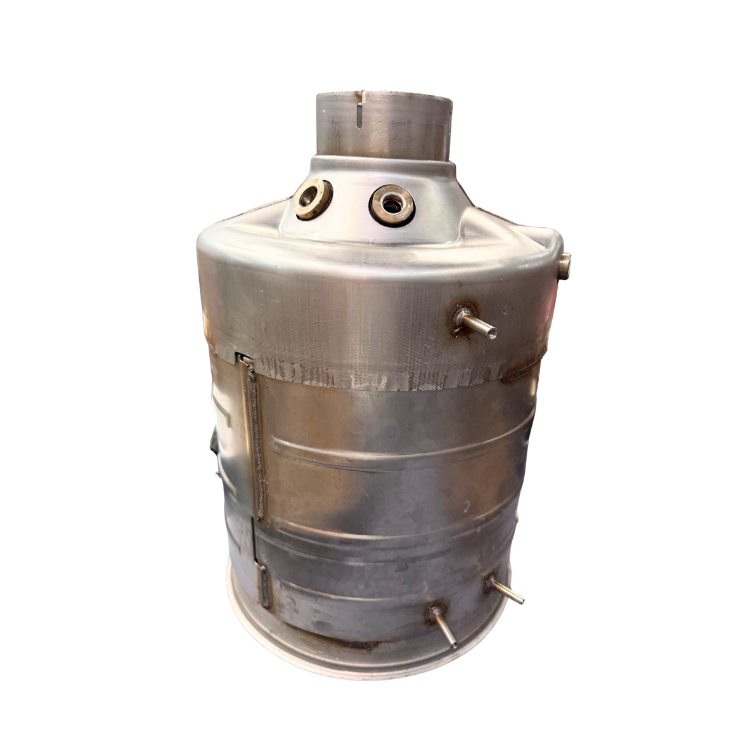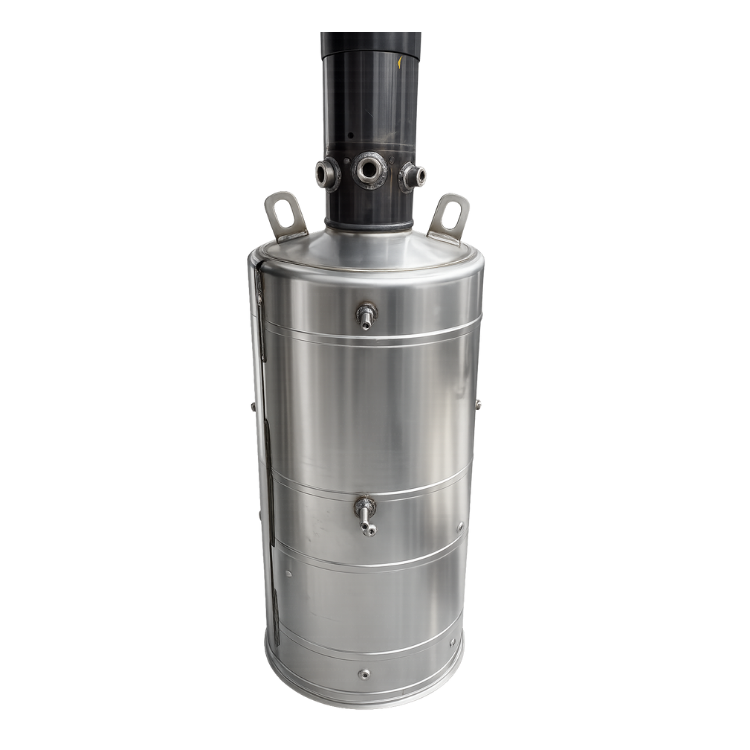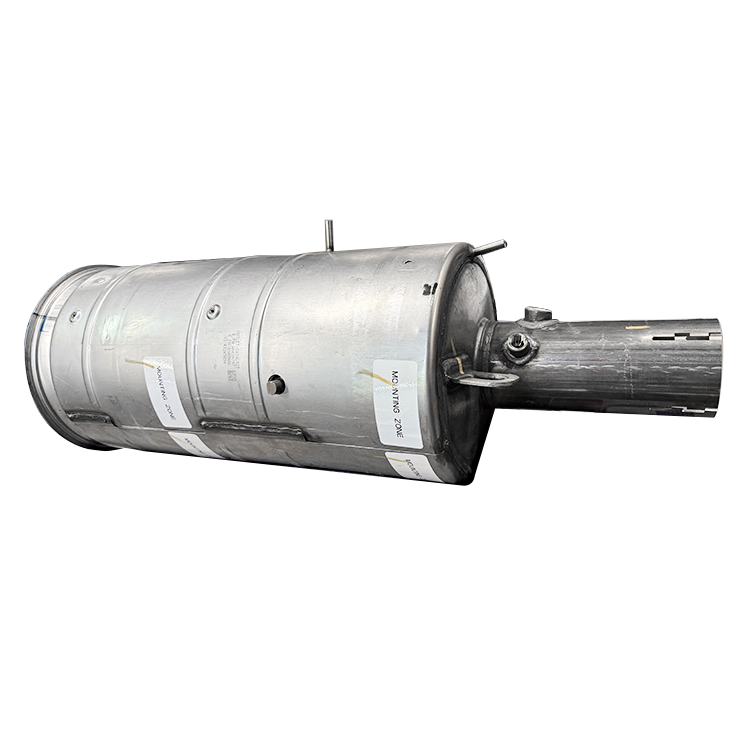




A Selective Catalytic Reduction (SCR) system is a critical part of modern diesel emissions control, designed to reduce nitrogen oxide emissions using diesel exhaust fluid (DEF). When the SCR system fails, it can affect emissions compliance, engine performance, and overall vehicle reliability. Understanding the consequences helps highlight the importance of early diagnosis and repair.
-
Check engine and emissions warning lights: SCR failure typically triggers dashboard alerts and stored fault codes.
-
Engine derate or limp mode: The vehicle may limit power output to maintain emissions compliance.
-
Increased DEF consumption: The system may attempt to compensate with excessive DEF dosing.
-
Poor fuel economy: Engine adjustments related to emissions faults can increase fuel usage.
-
Failed emissions inspections: A malfunctioning SCR system often results in non-compliance with regulations.
-
Potential damage to related components: Continued operation can strain NOx sensors, DEF injectors, and downstream exhaust parts.
If the SCR fails, the vehicle may still operate briefly, but performance limitations and compliance issues will follow. Prompt repair helps restore proper emissions control, prevent costly damage, and ensure reliable engine operation.