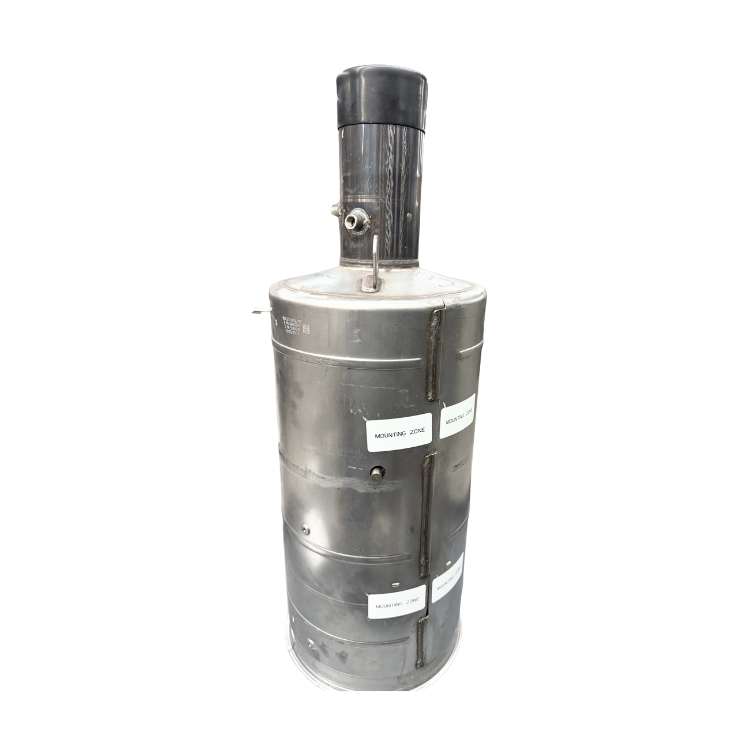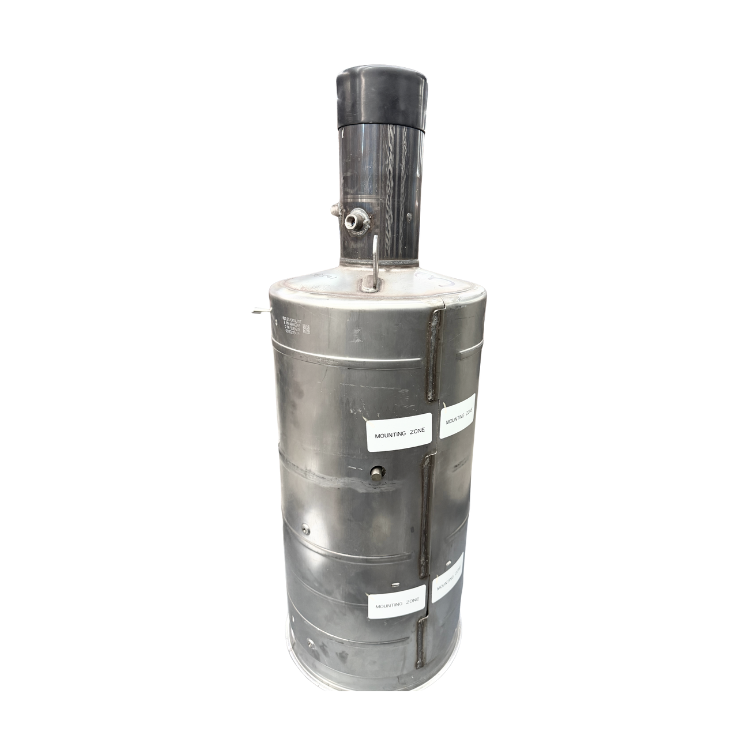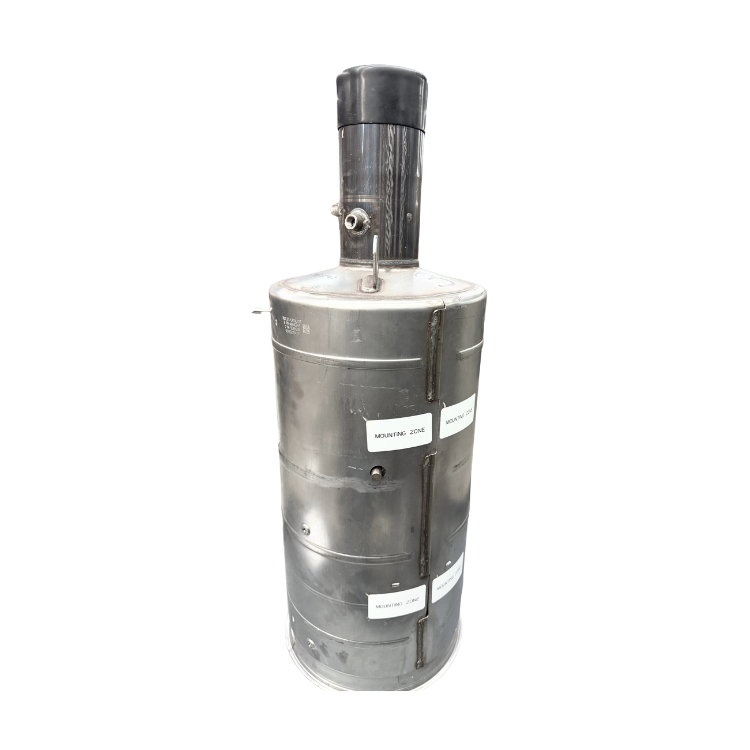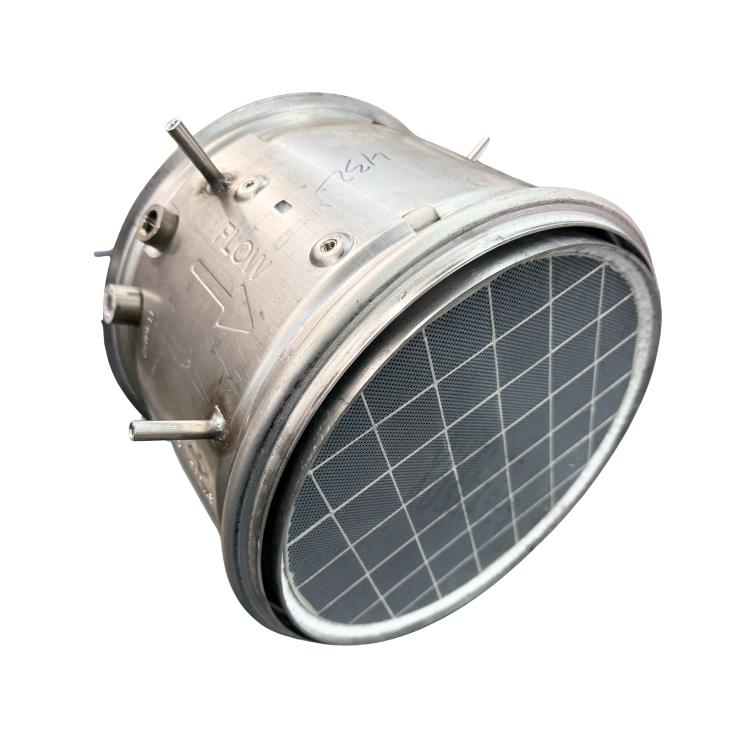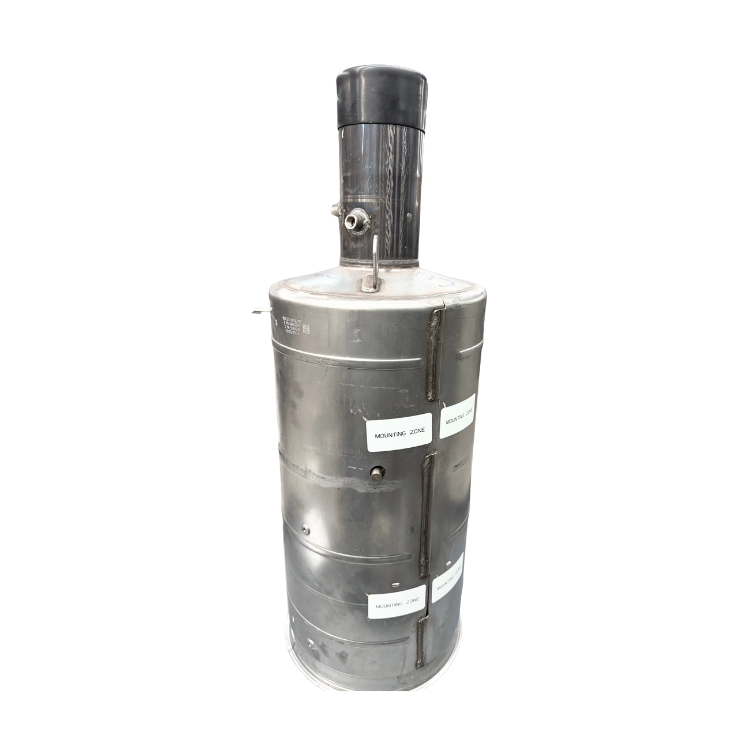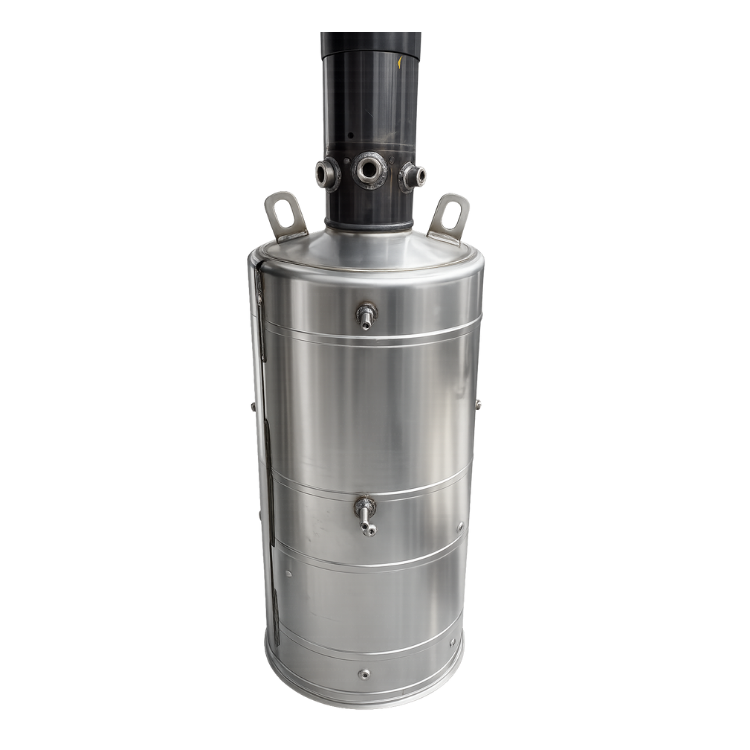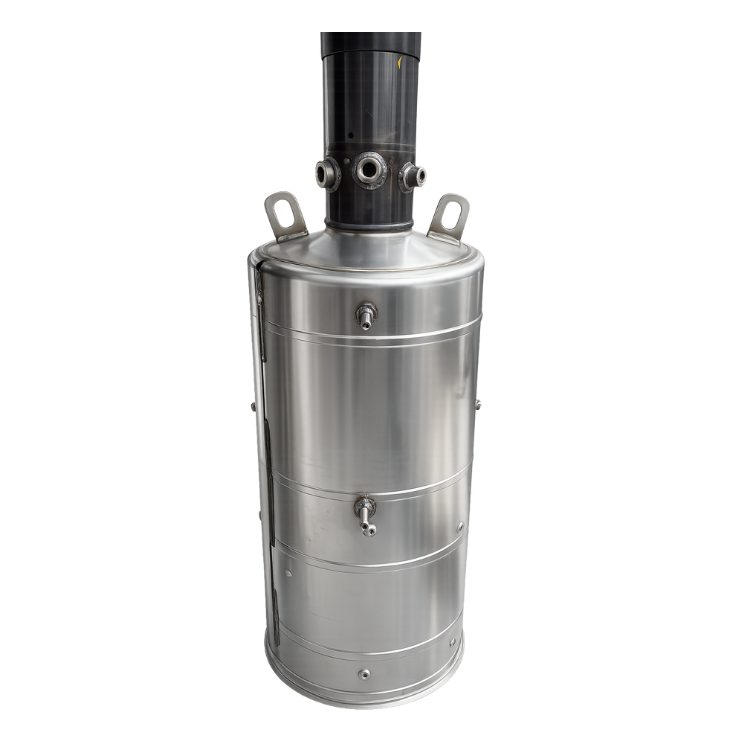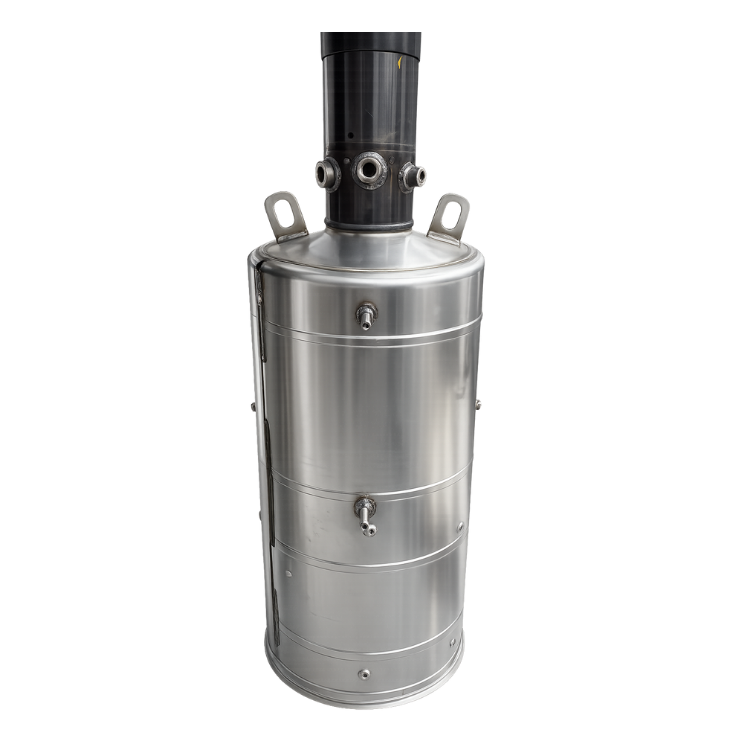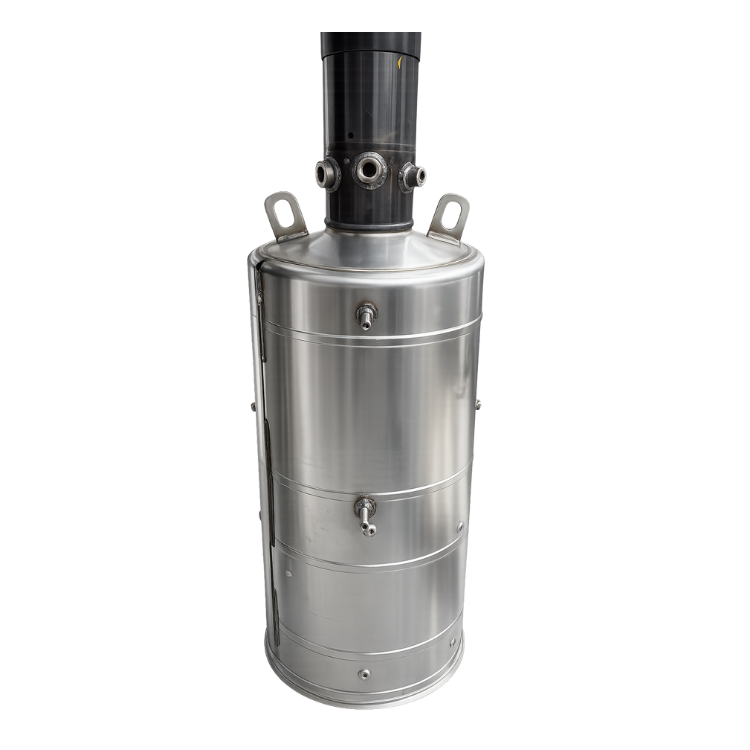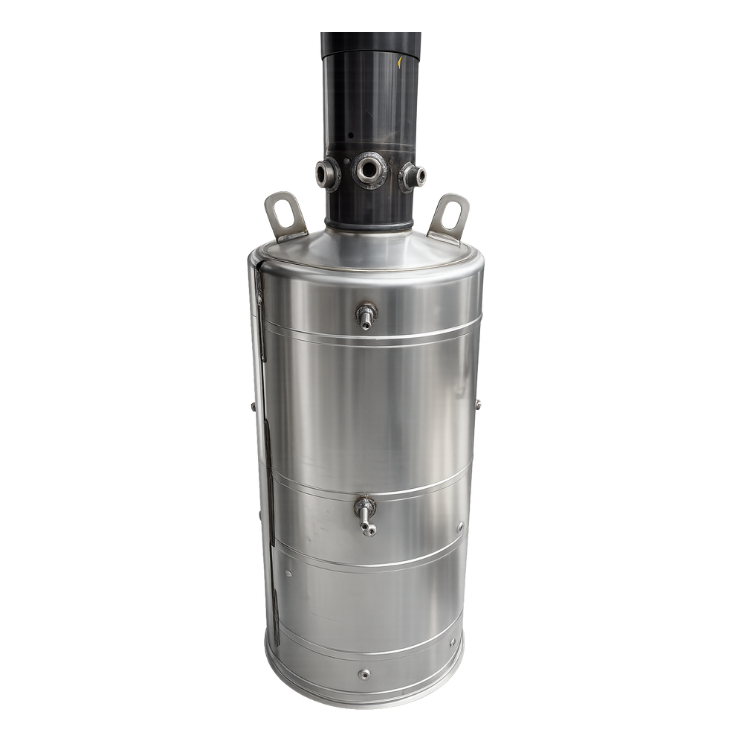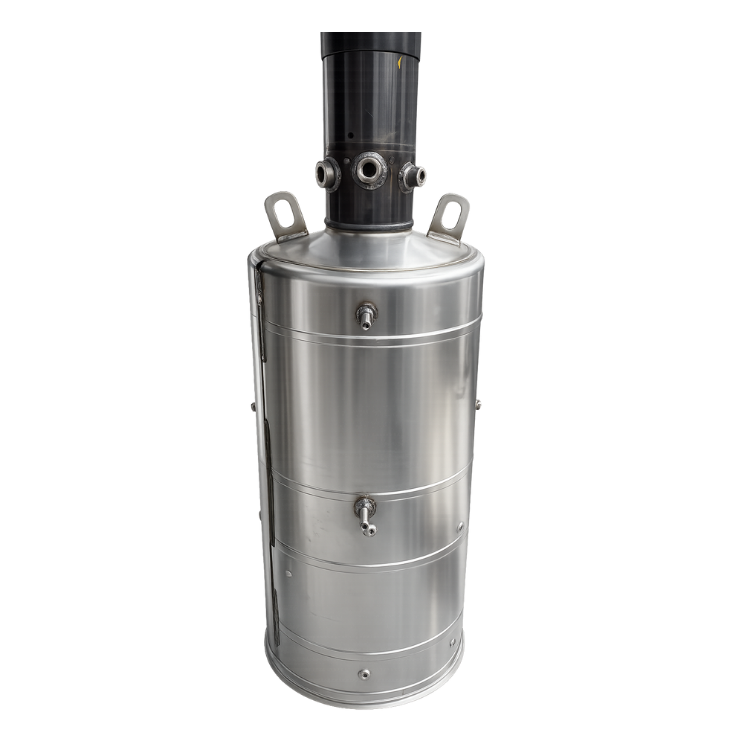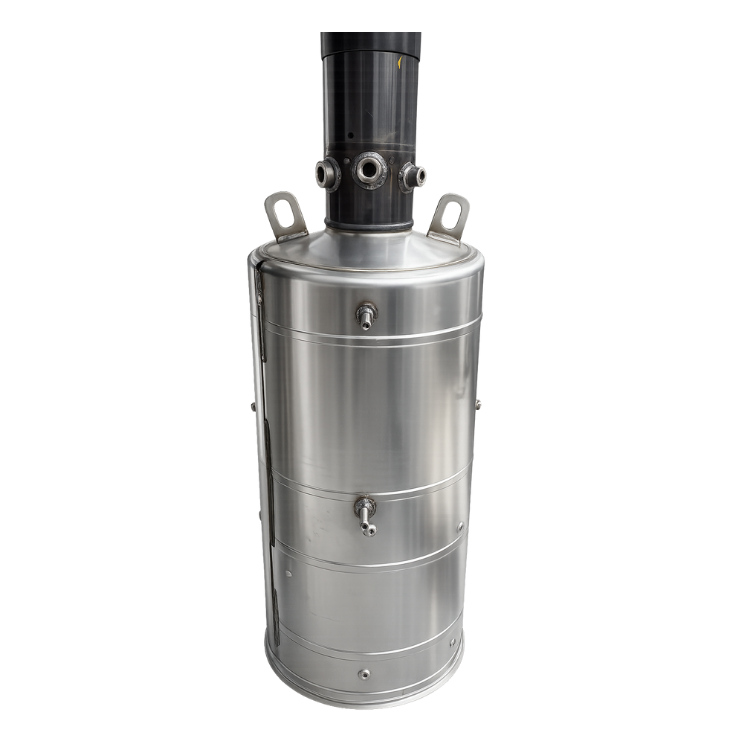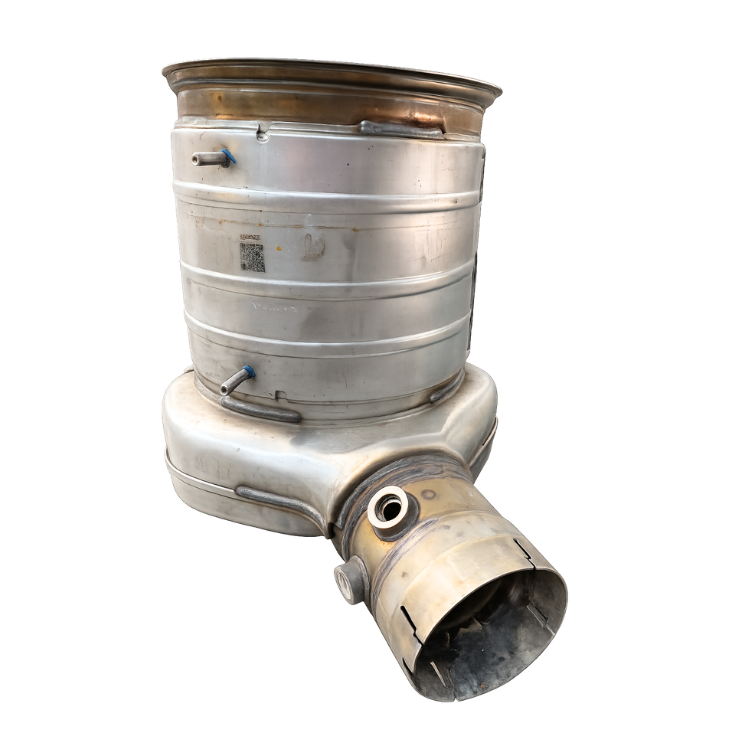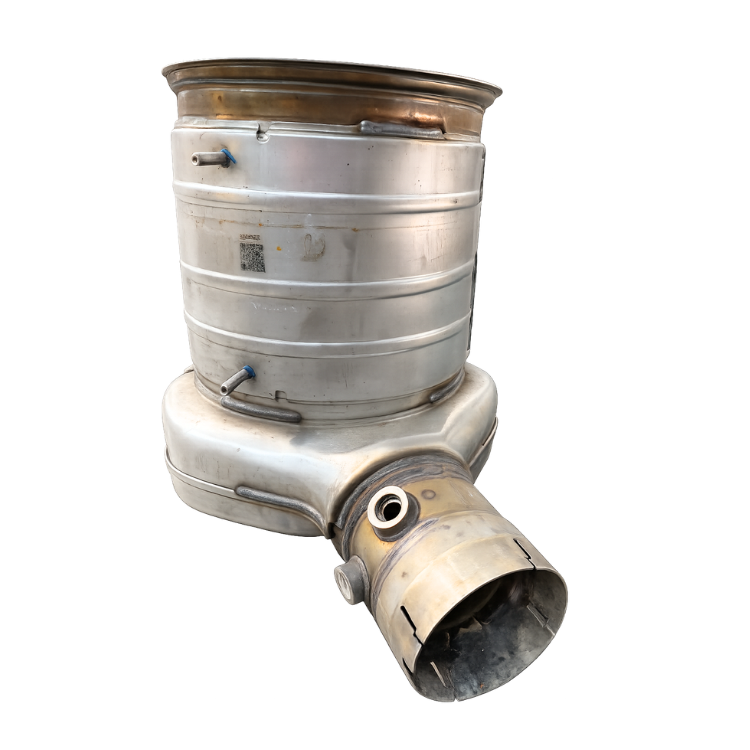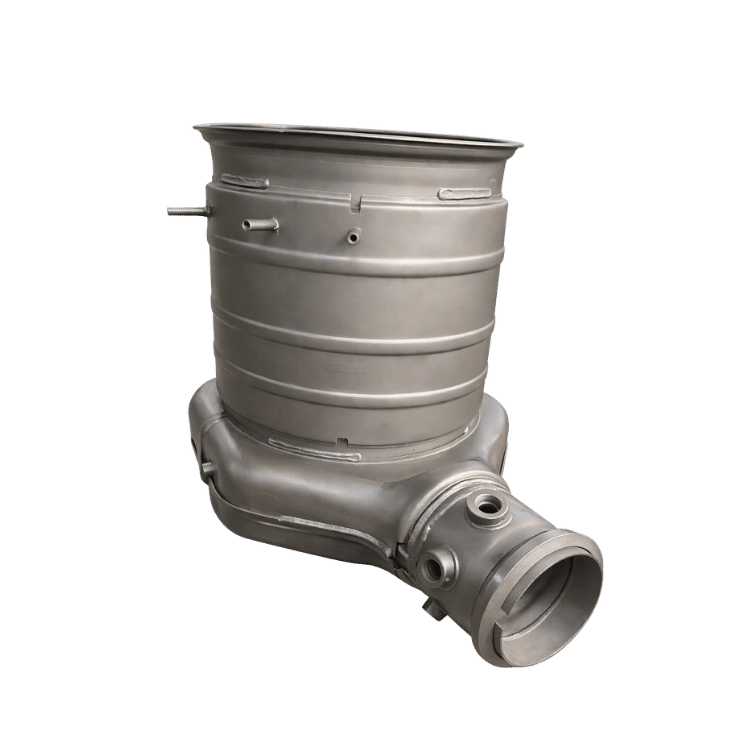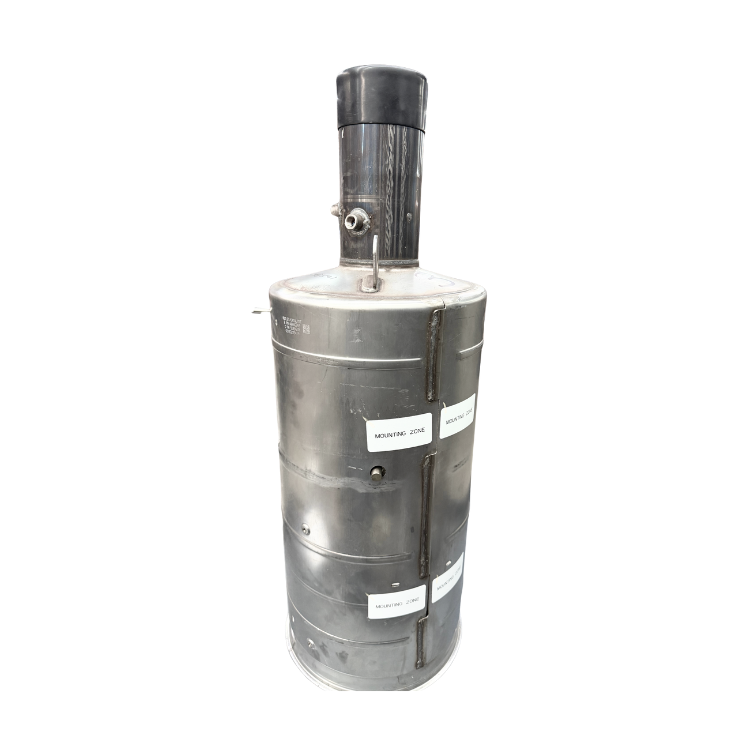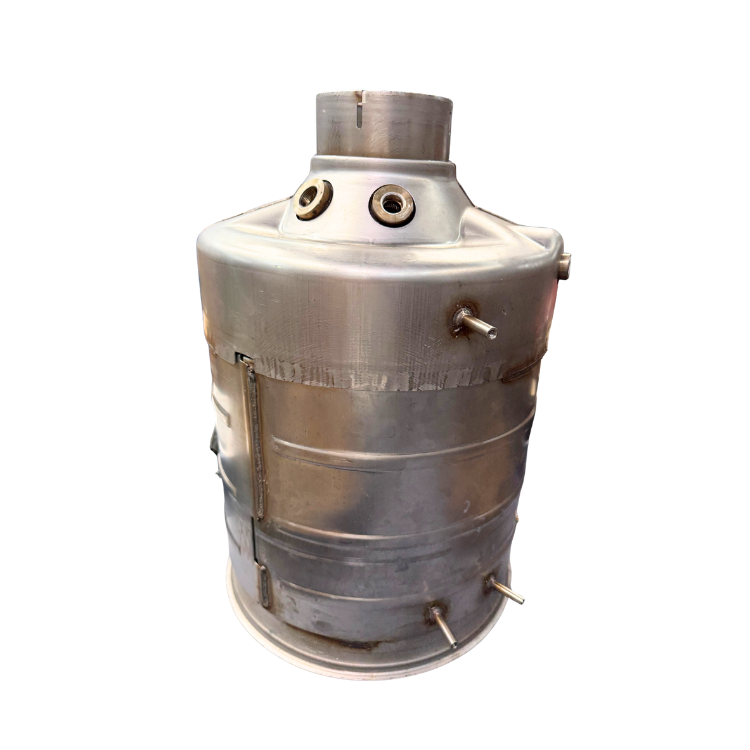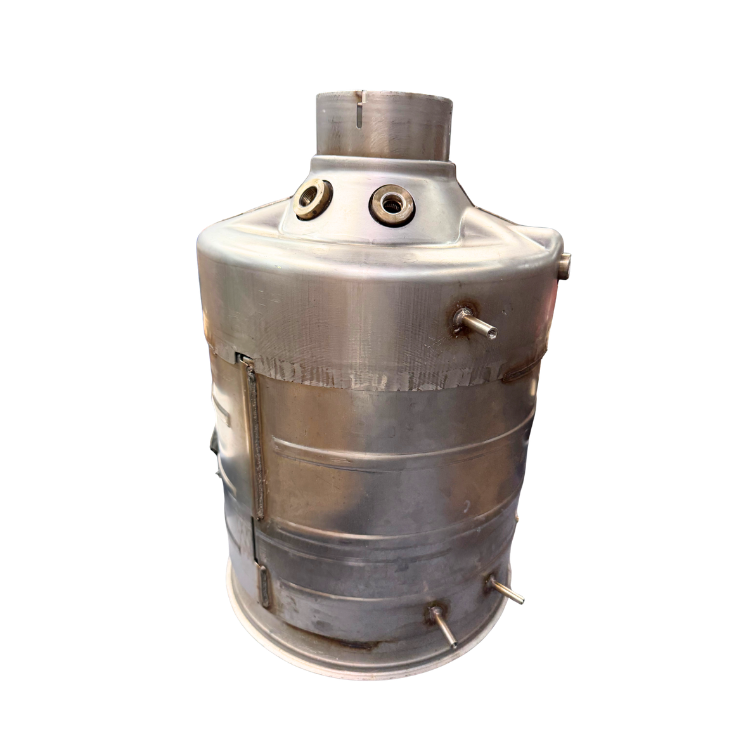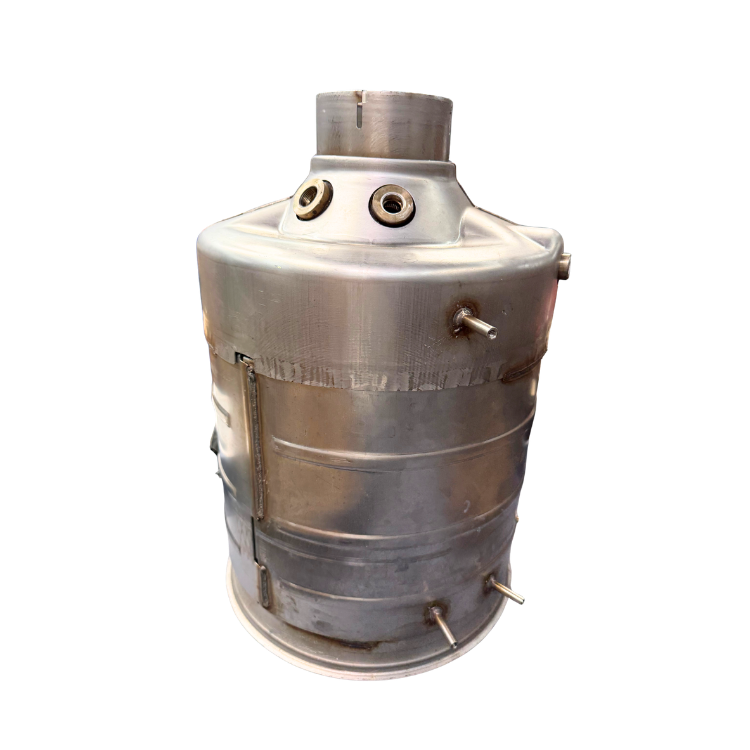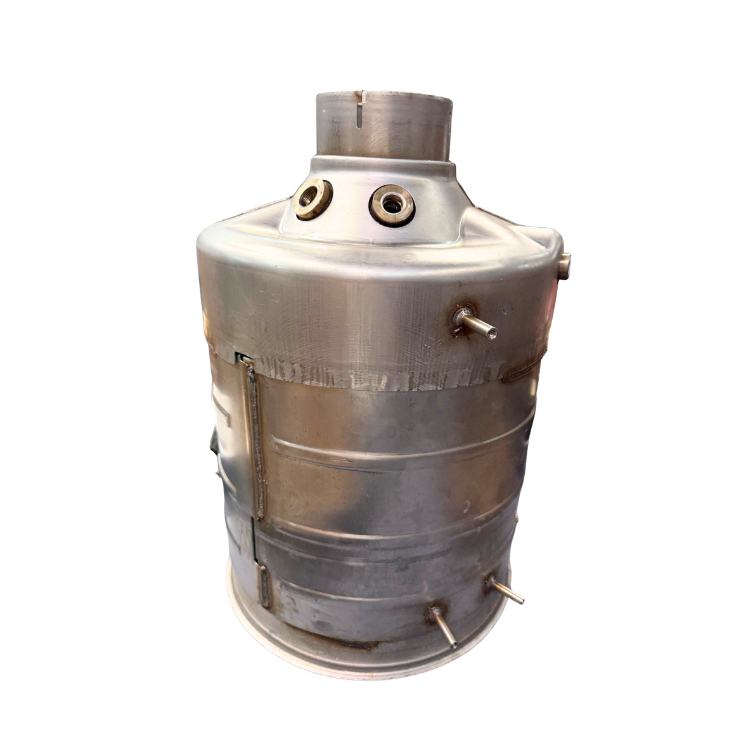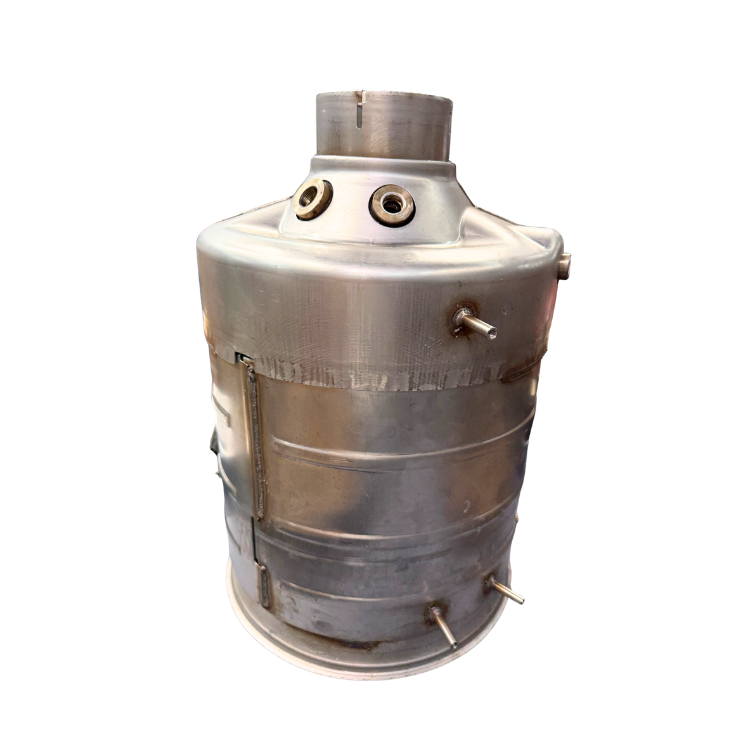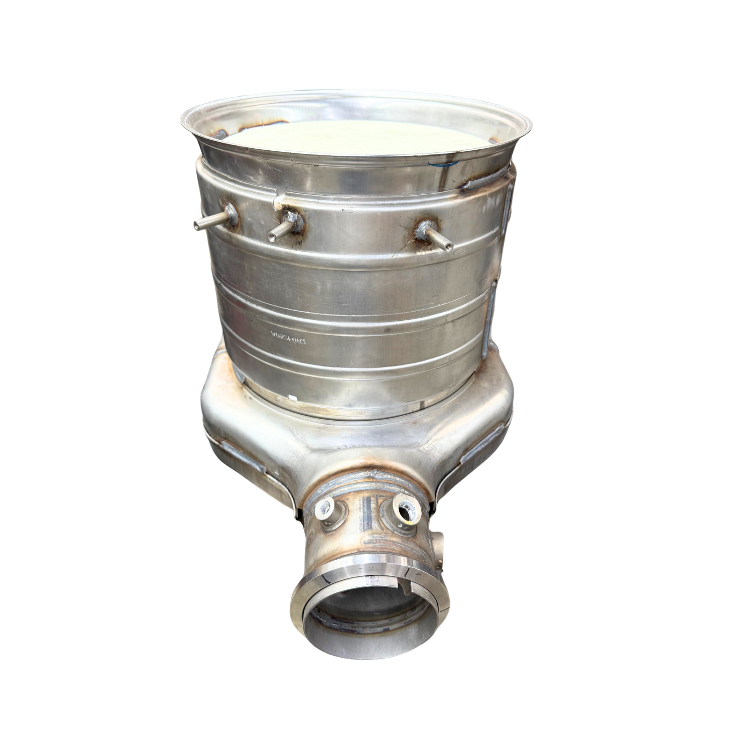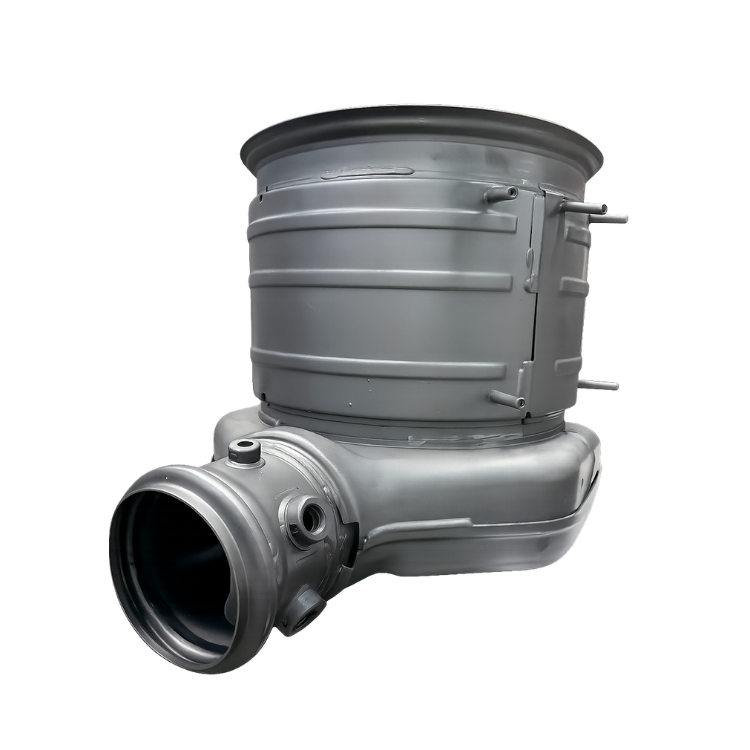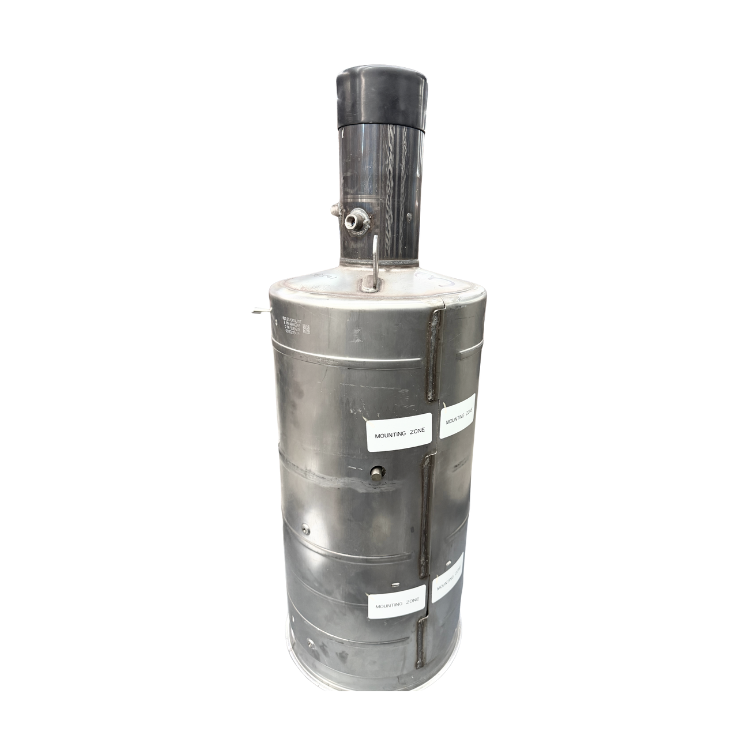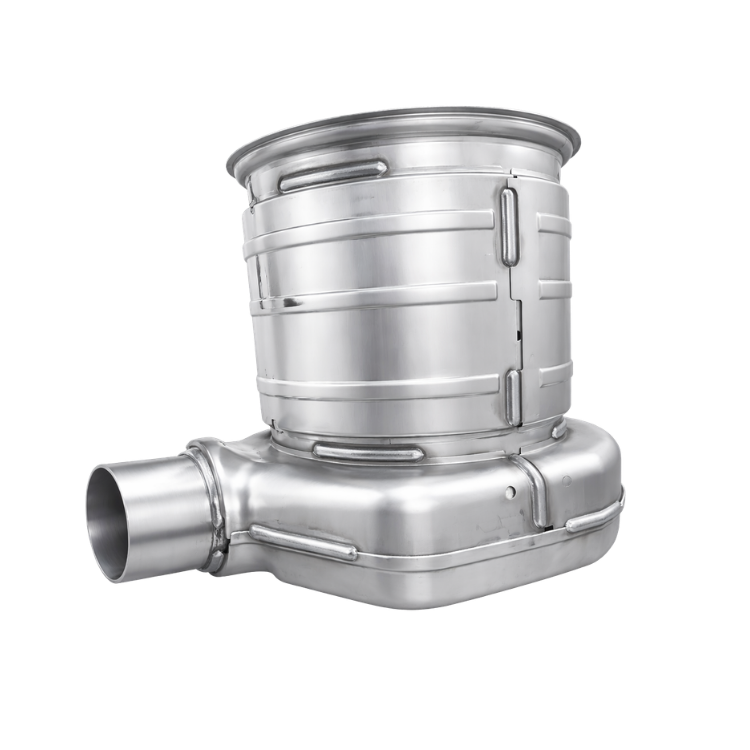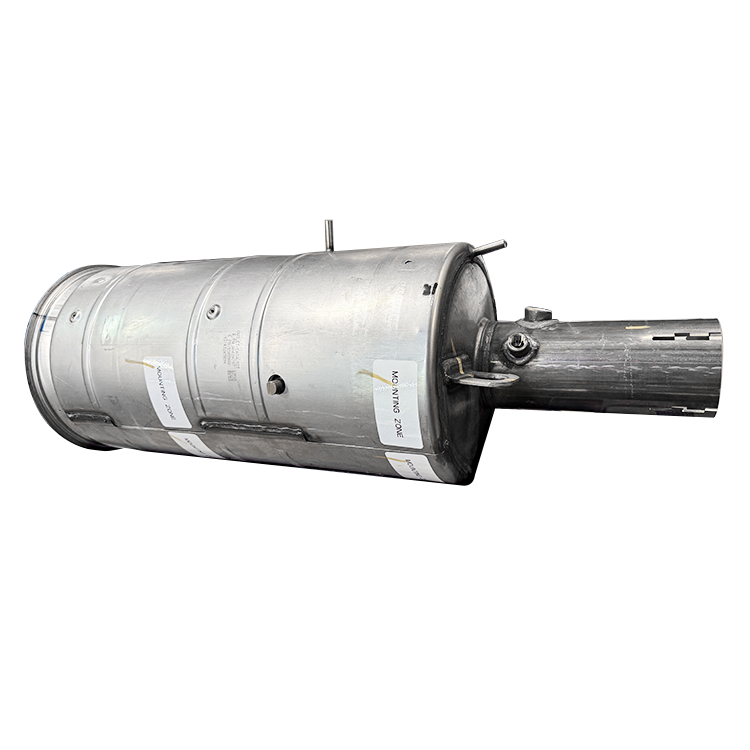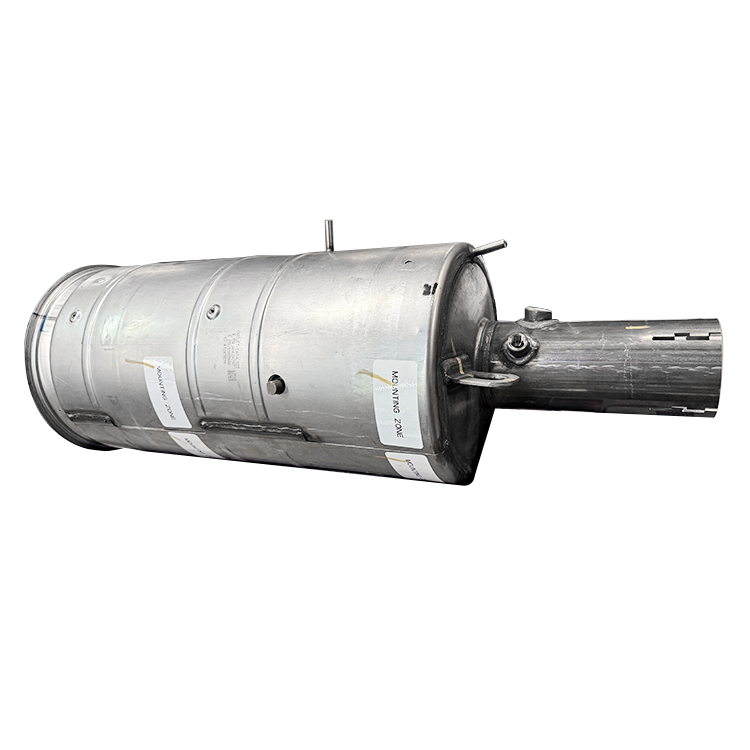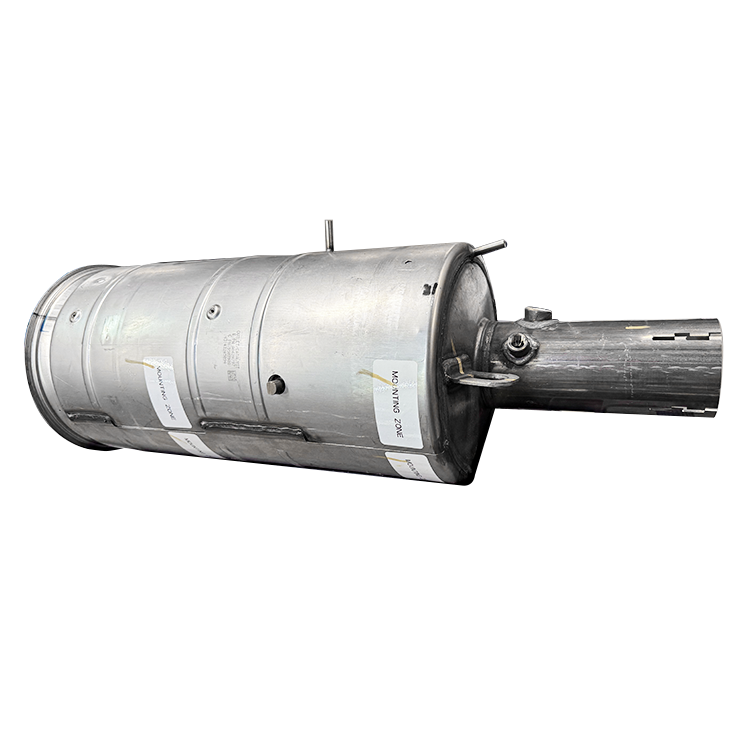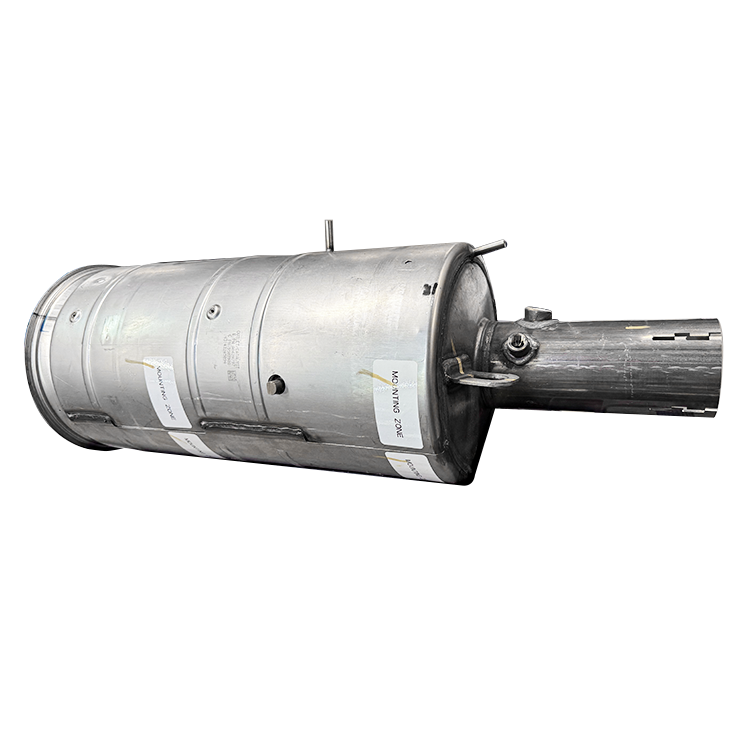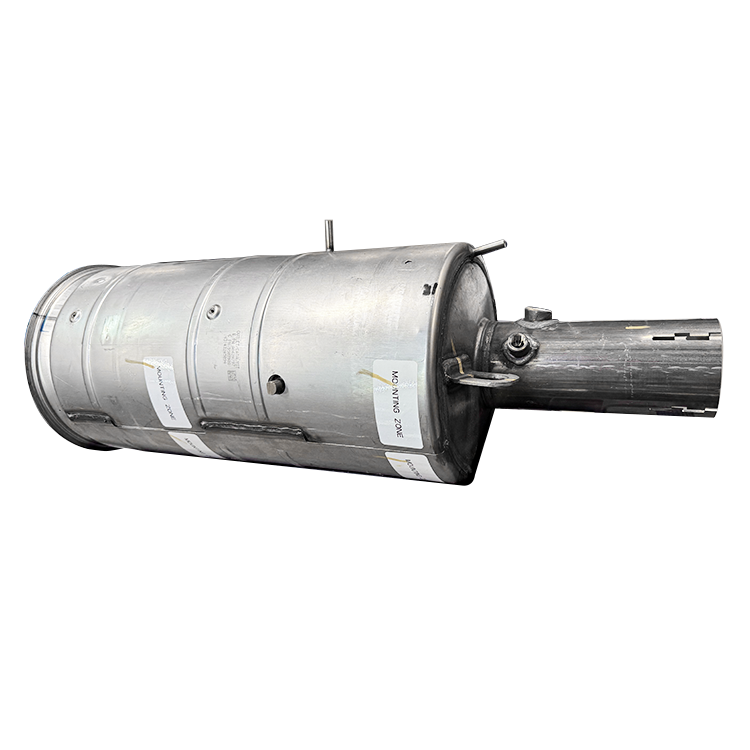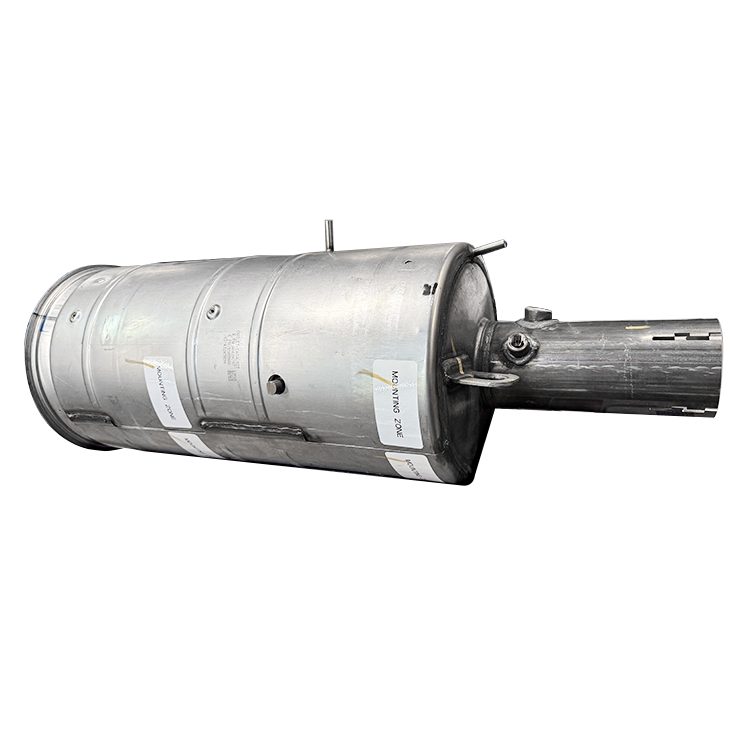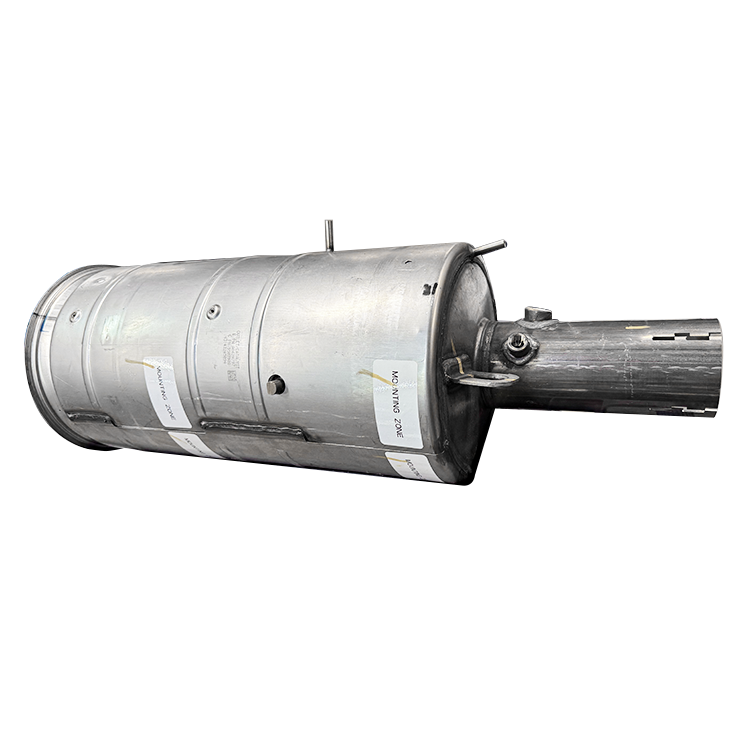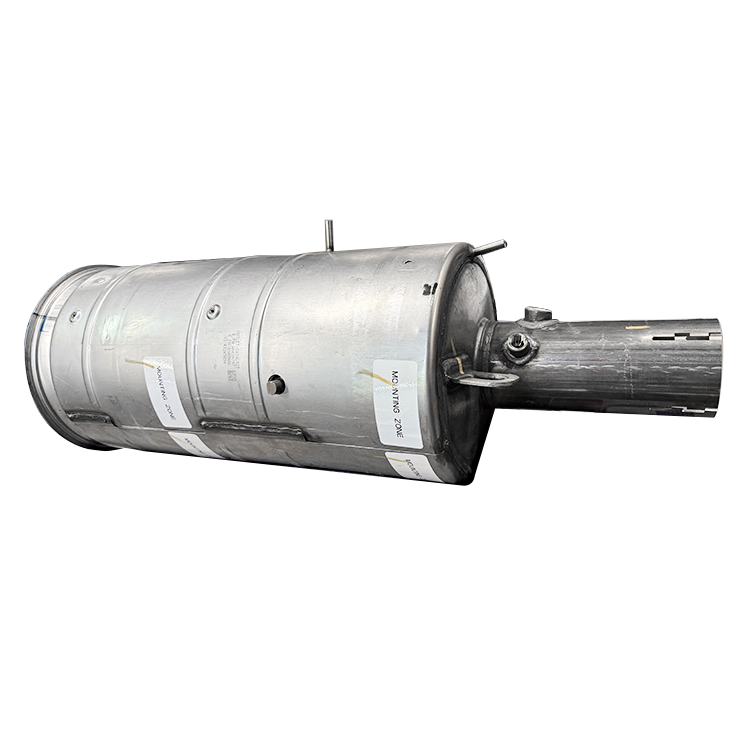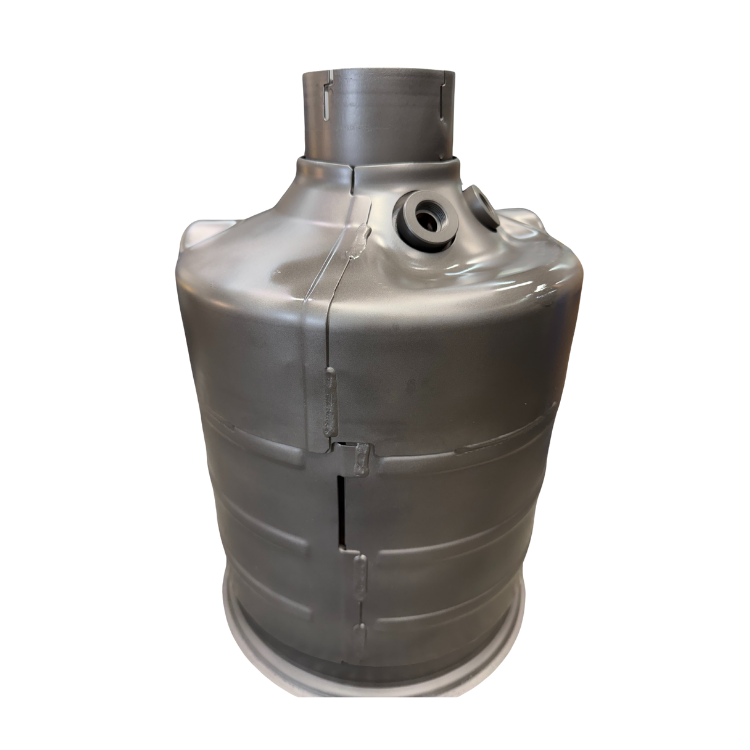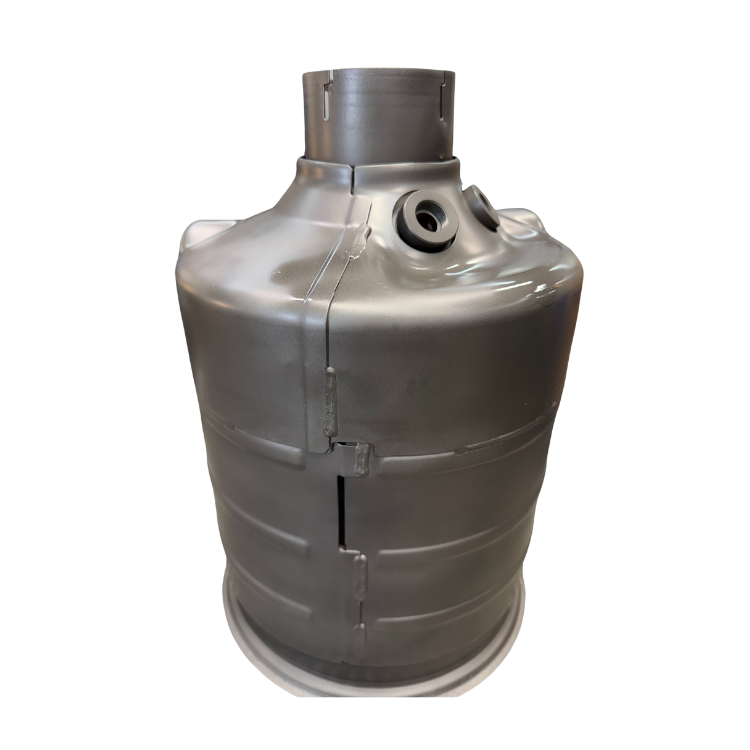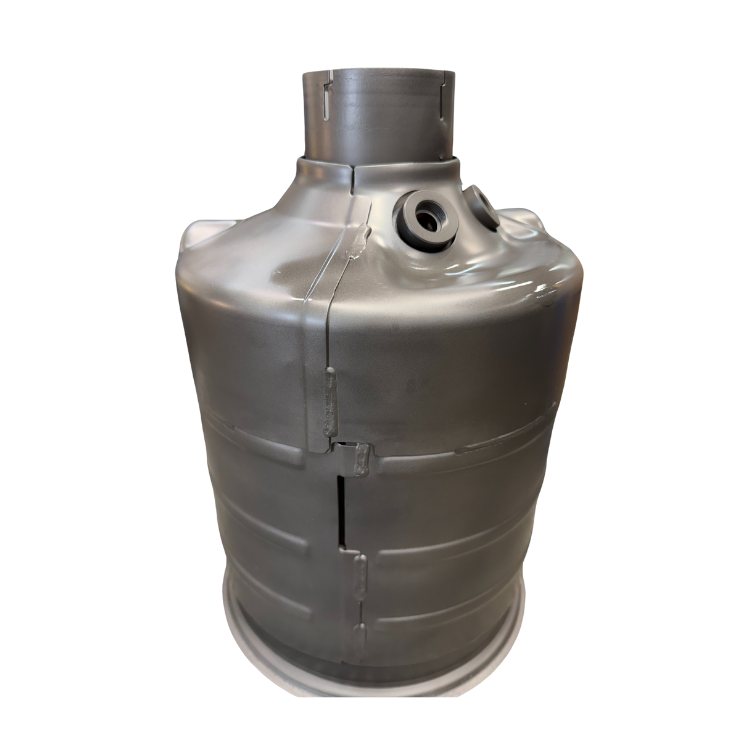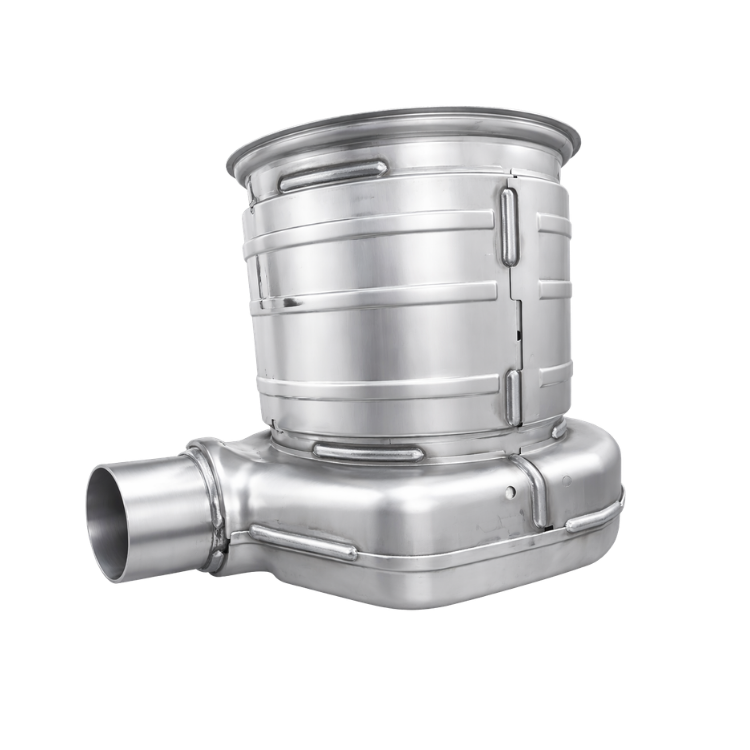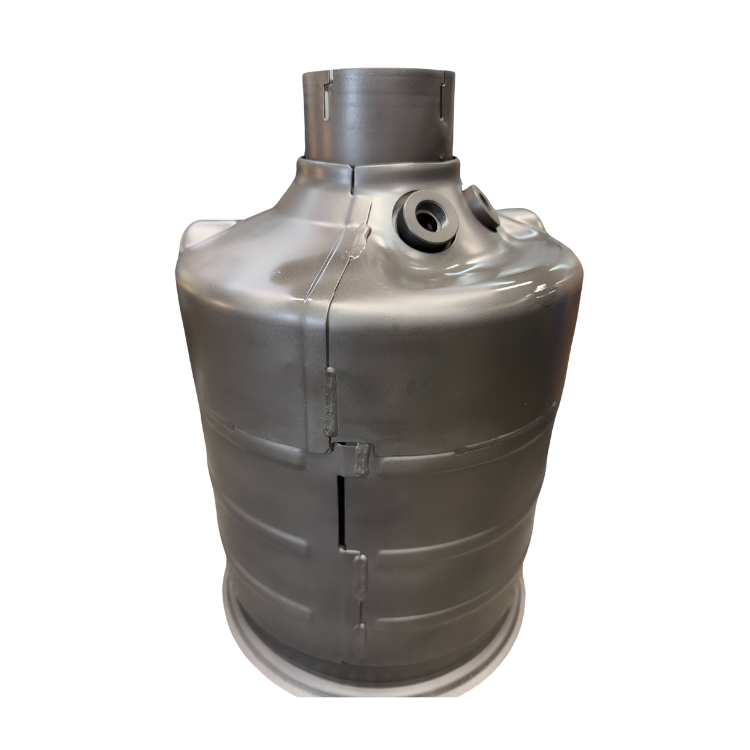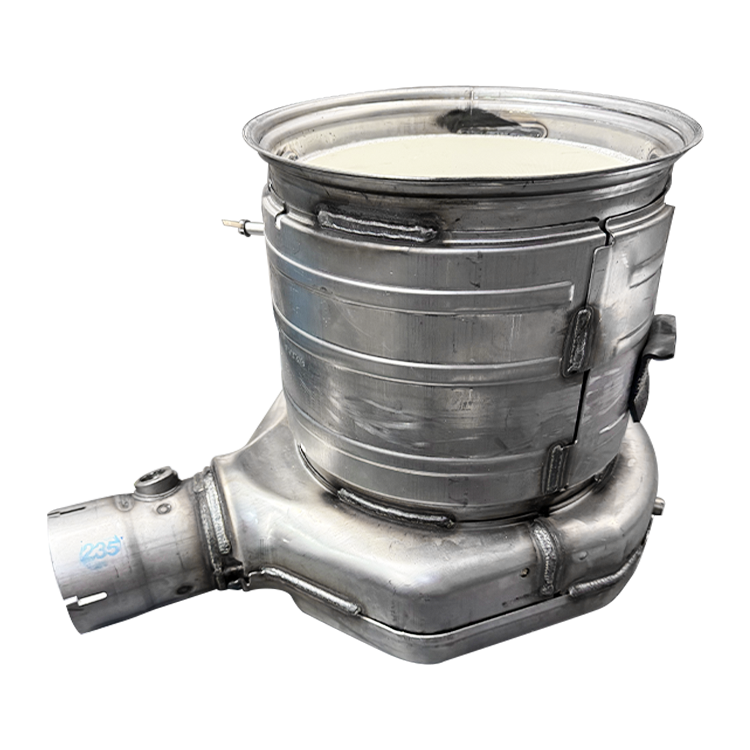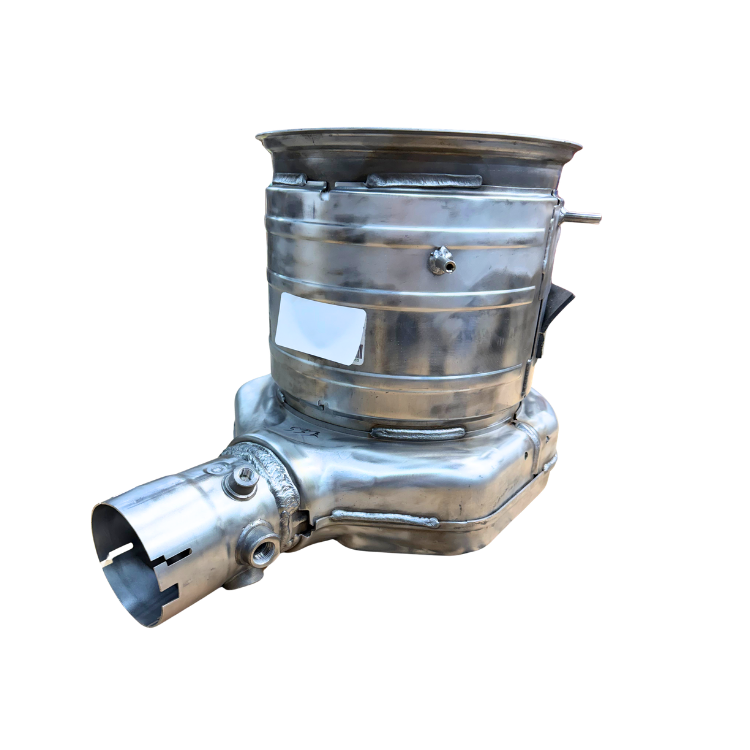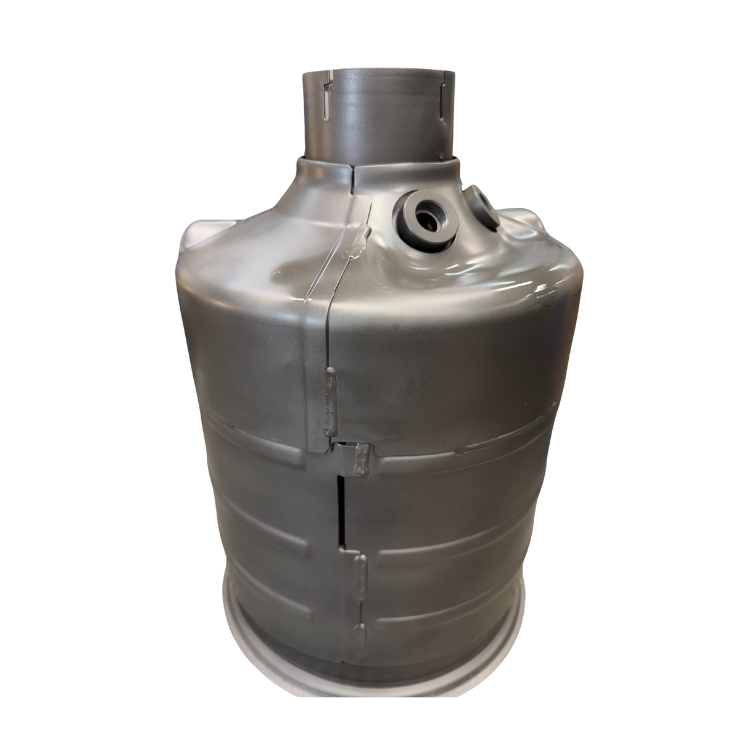




A Selective Catalytic Reduction (SCR) system is designed to reduce nitrogen oxide emissions by treating exhaust gases with diesel exhaust fluid (DEF). While SCR components are built for long-term durability, certain operating conditions and maintenance issues can cause clogging or premature failure. Understanding these causes helps prevent costly emissions system repairs.
-
DEF crystallization deposits: Low exhaust temperatures or improper dosing can cause hardened DEF buildup that restricts flow.
-
Poor-quality or contaminated DEF: Incorrect fluid can damage the catalyst and create deposits inside the SCR.
-
Upstream DPF or DOC problems: Excess soot and ash entering the SCR system can contaminate the filter.
-
Faulty NOx sensors or DEF injectors: Incorrect readings or dosing issues disrupt proper SCR operation.
-
Frequent short trips and extended idling: Low-temperature driving prevents DEF from breaking down correctly.
-
Neglected maintenance and ignored warnings: Delaying repairs allows minor issues to develop into major SCR failures.
SCR clogging or failure is often linked to DEF management problems or upstream exhaust system issues. Proactive maintenance, quality DEF use, and early diagnostics help protect the SCR system and ensure reliable emissions control.