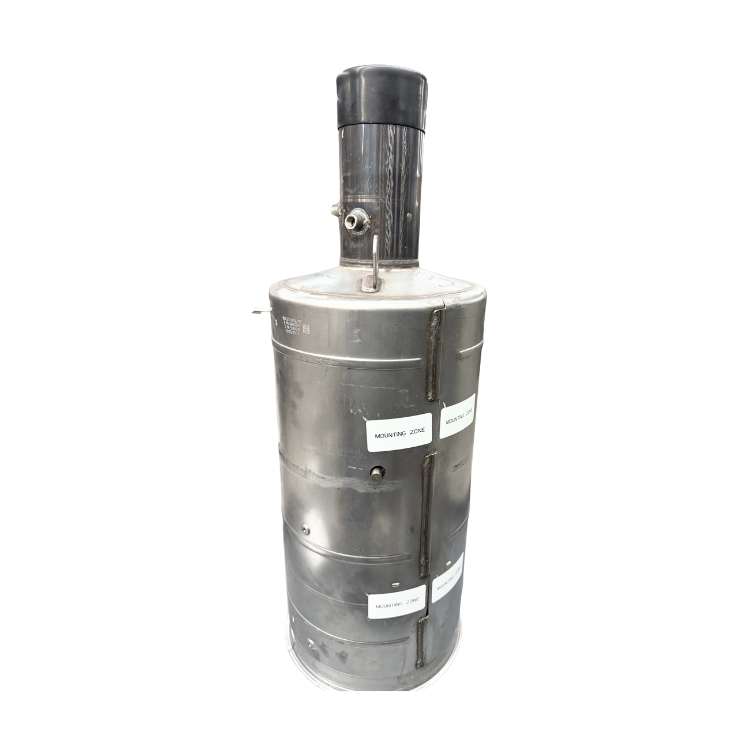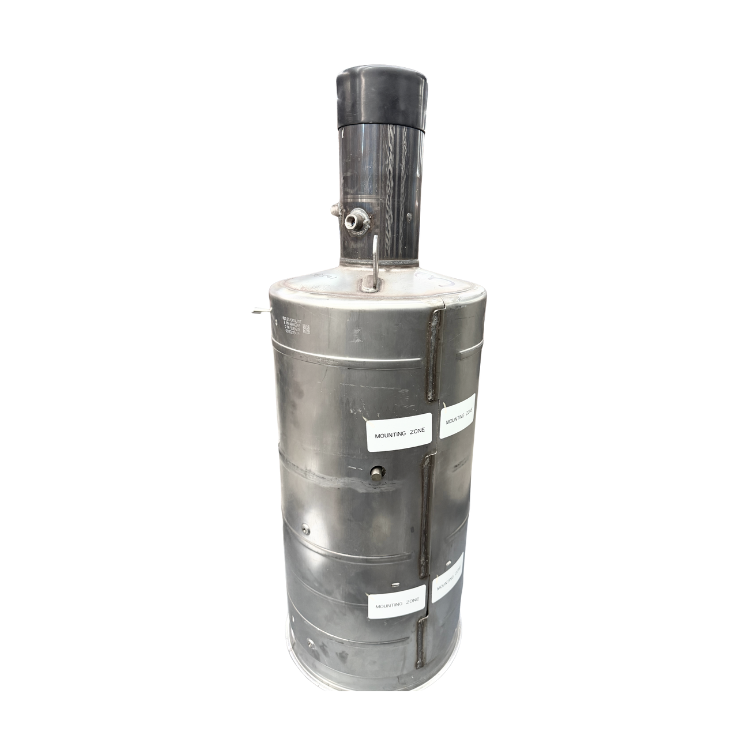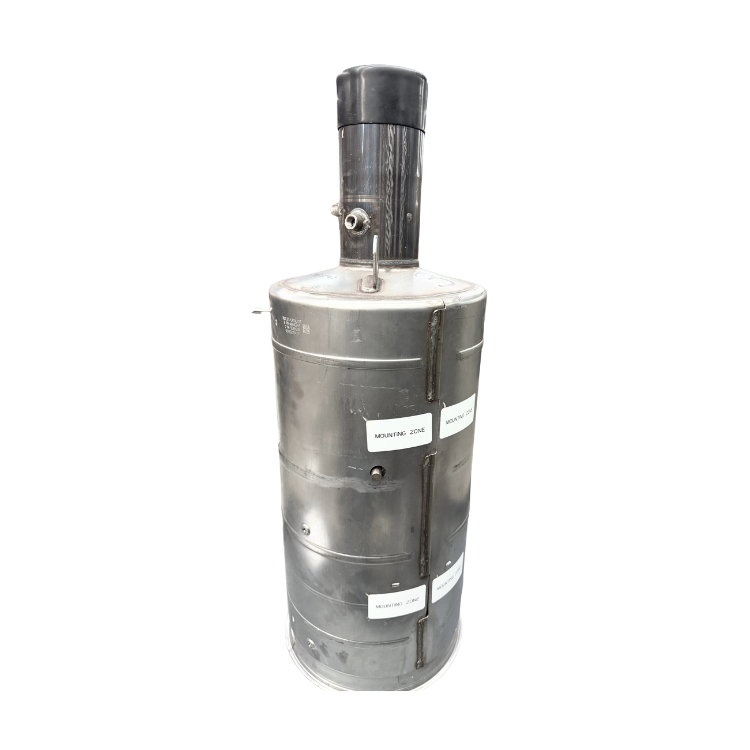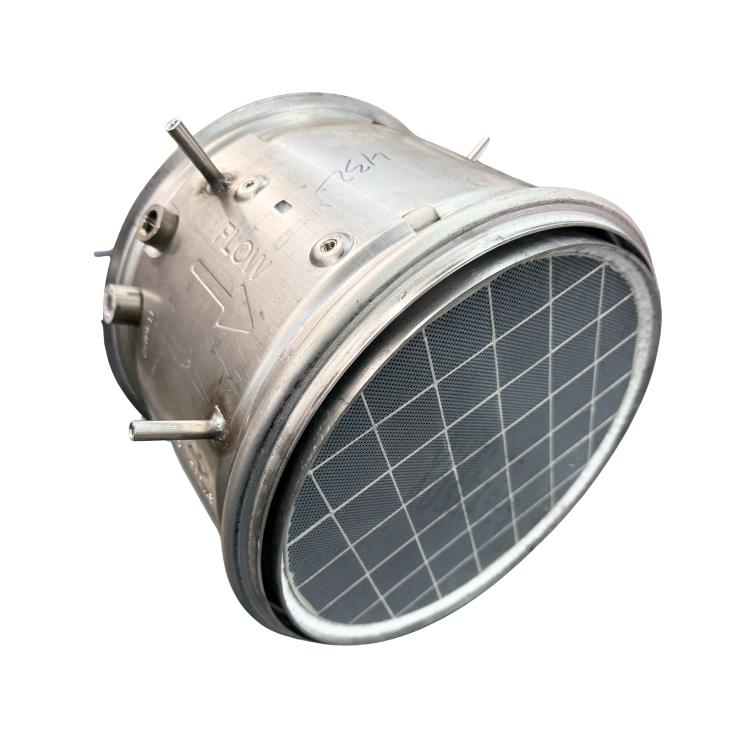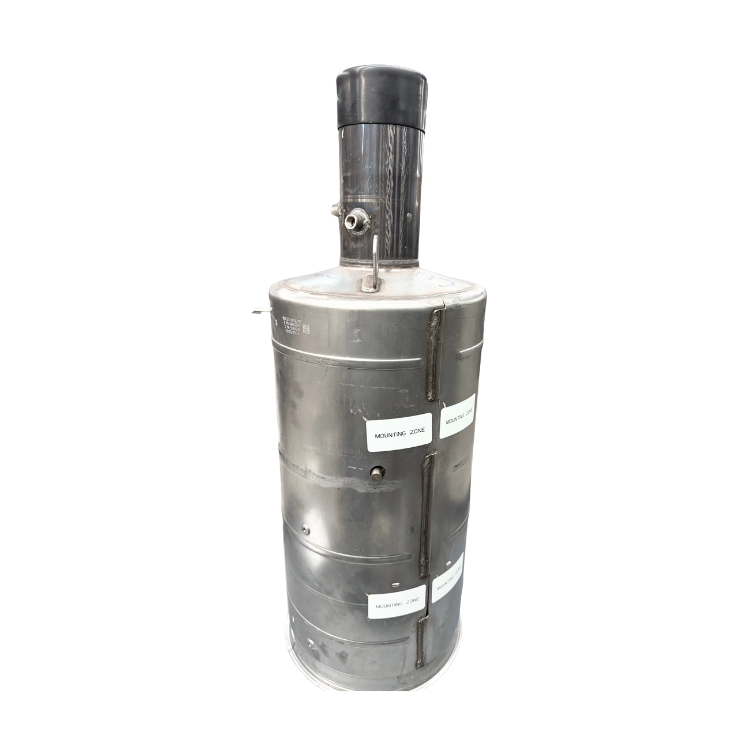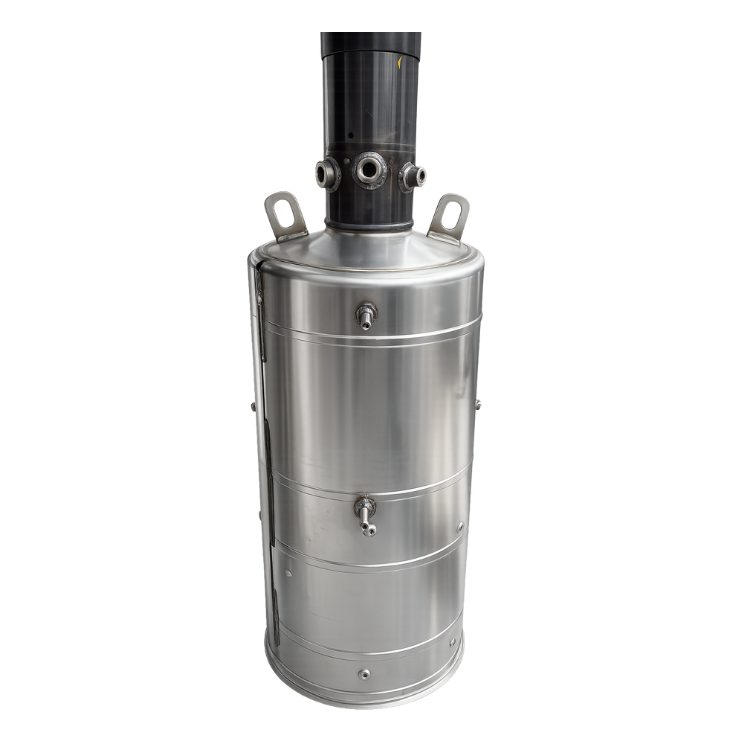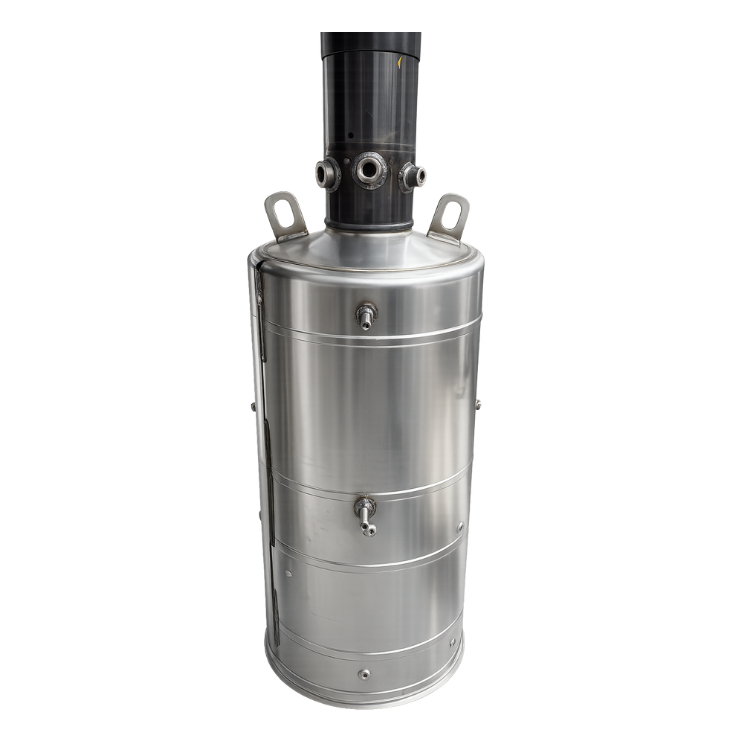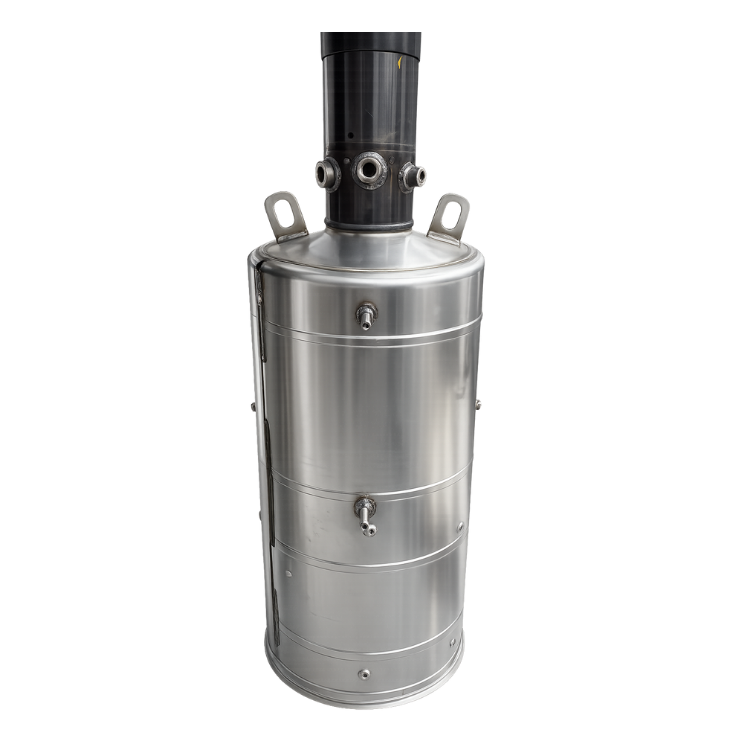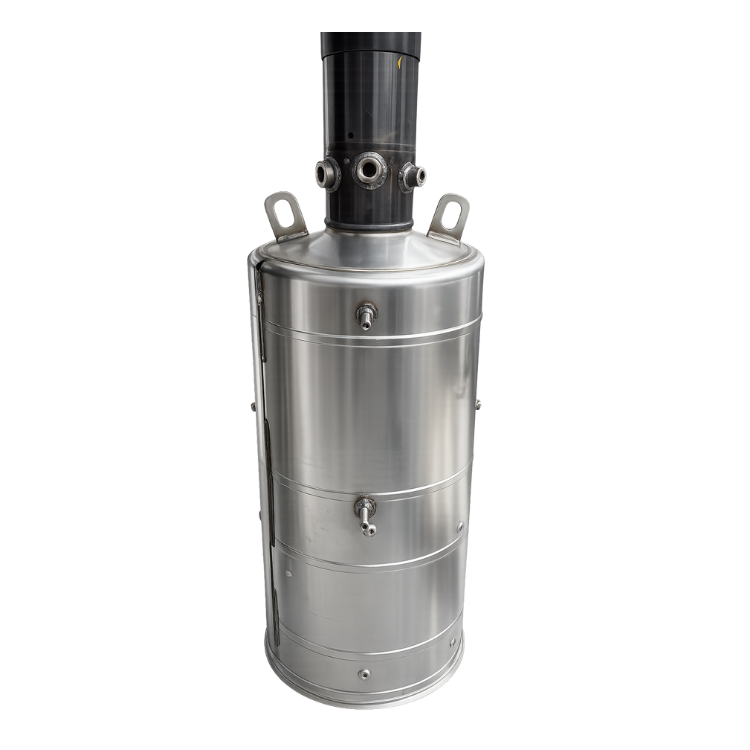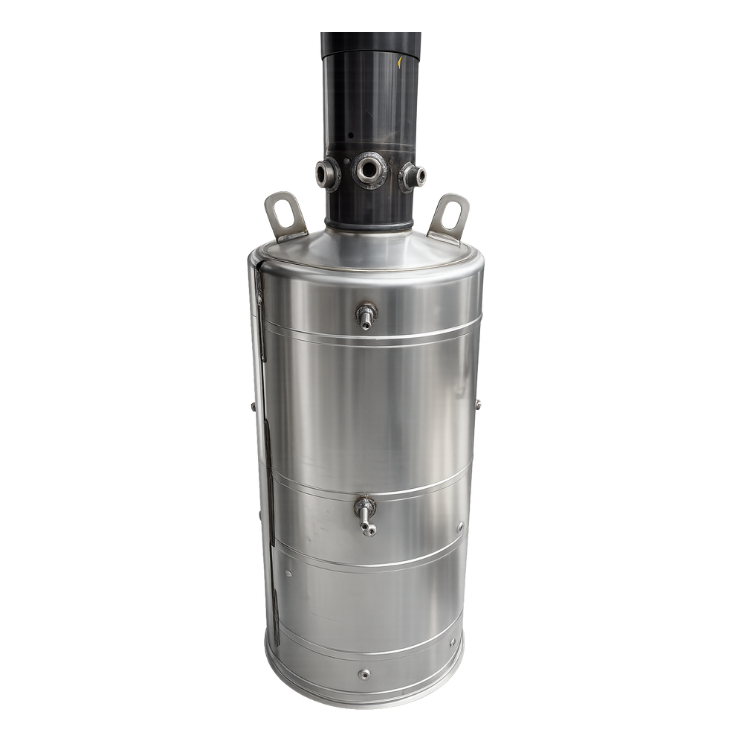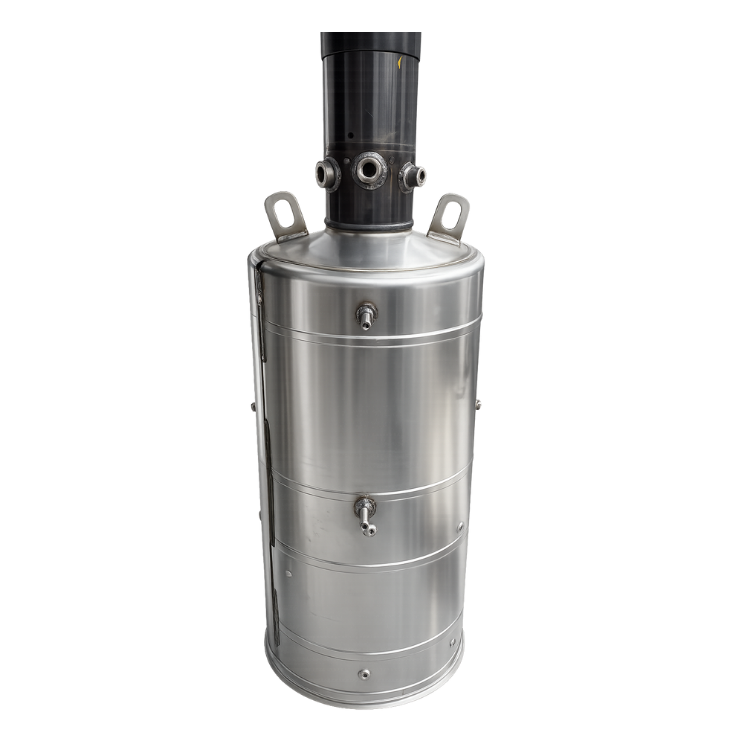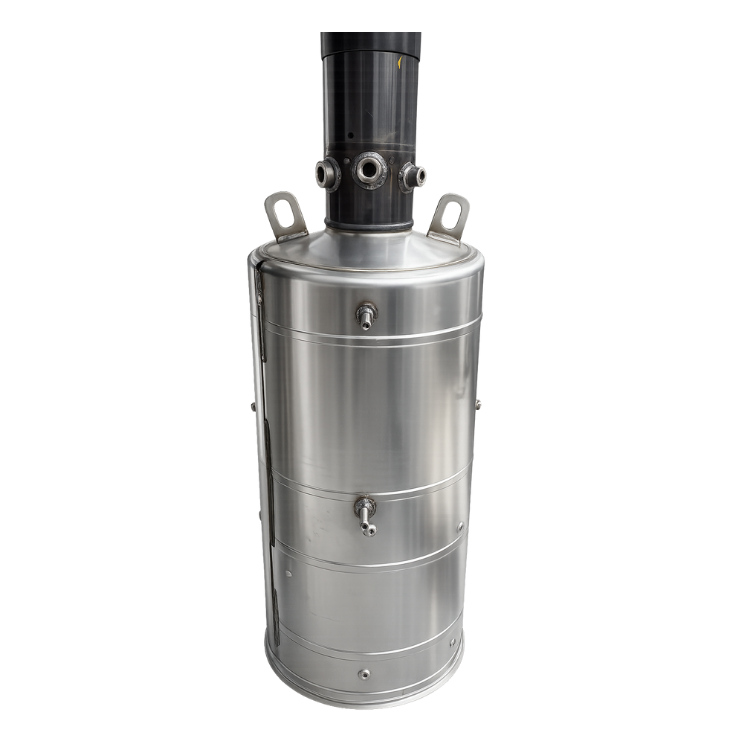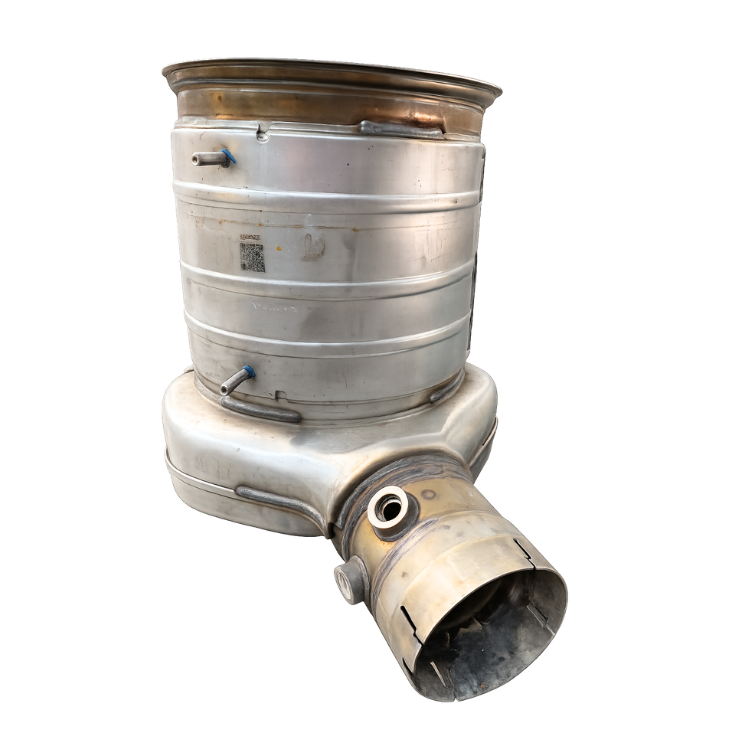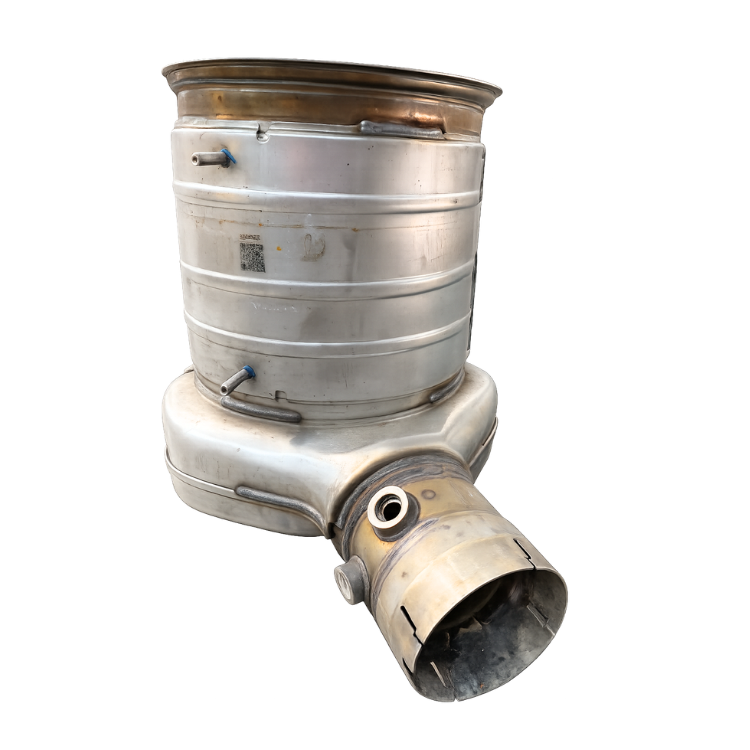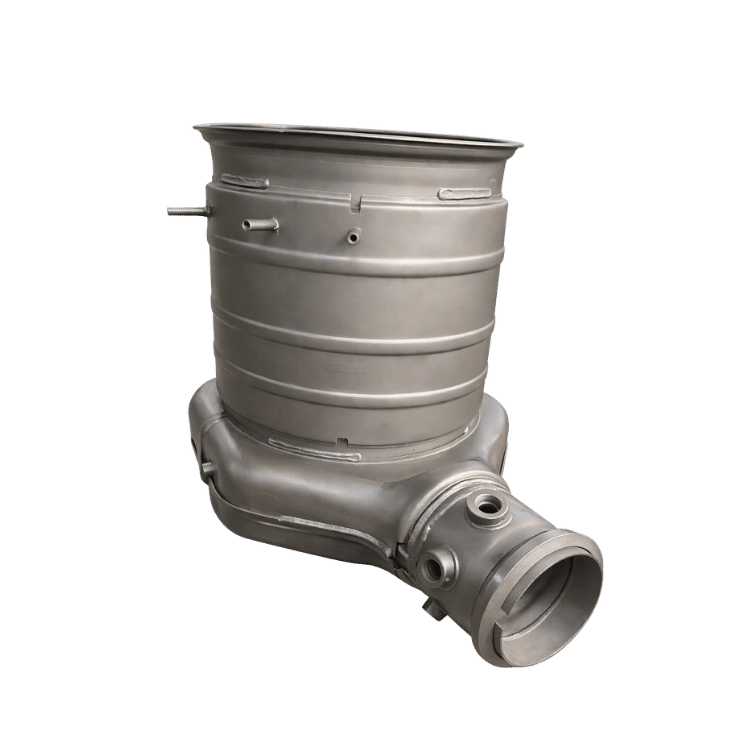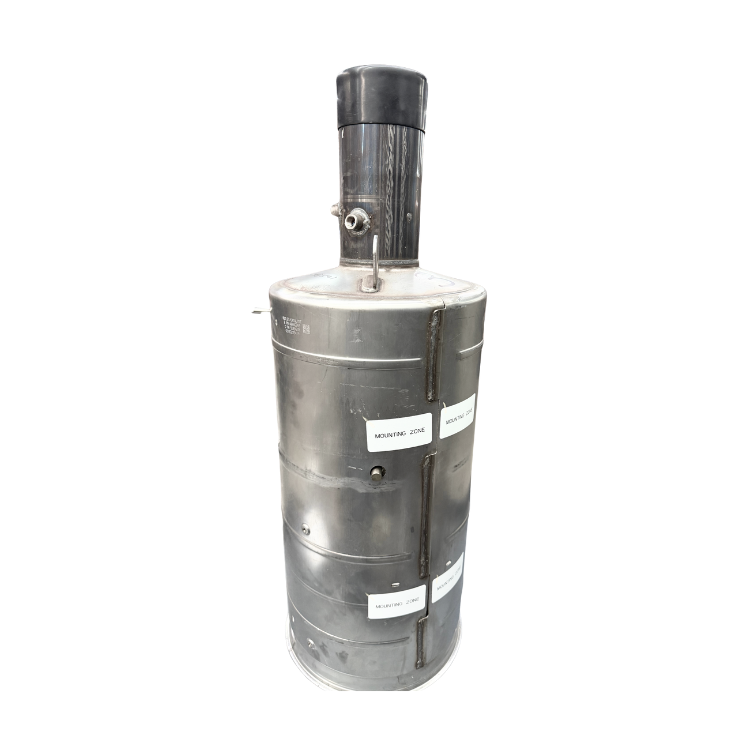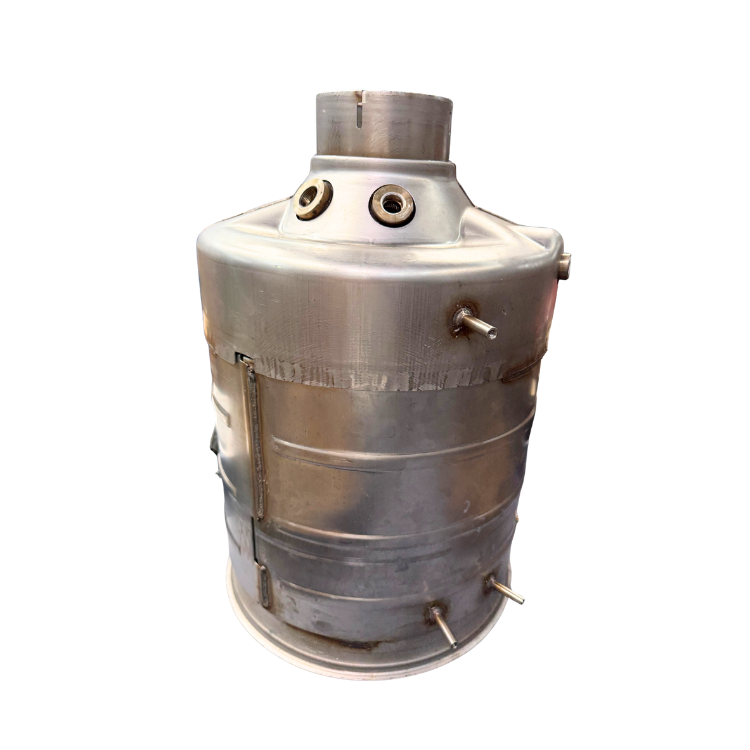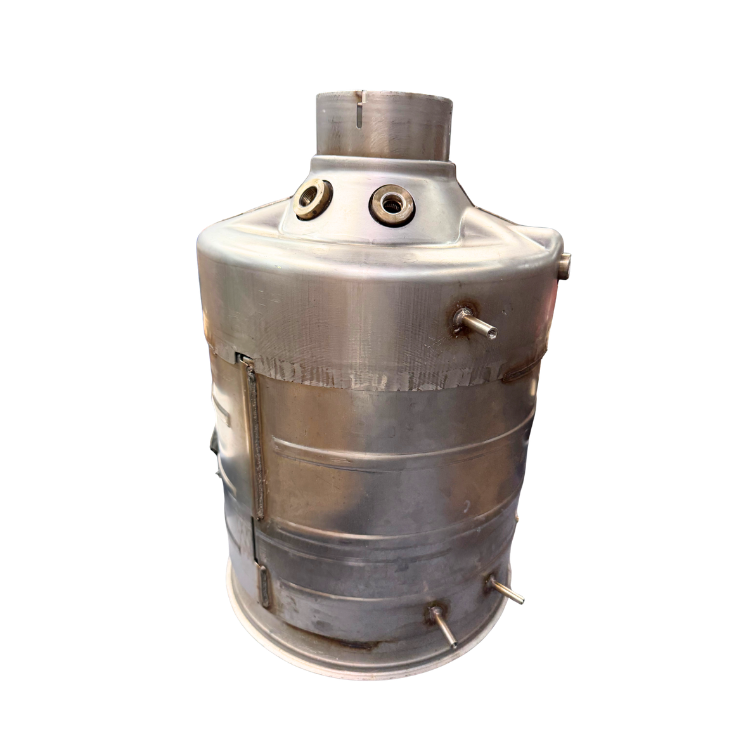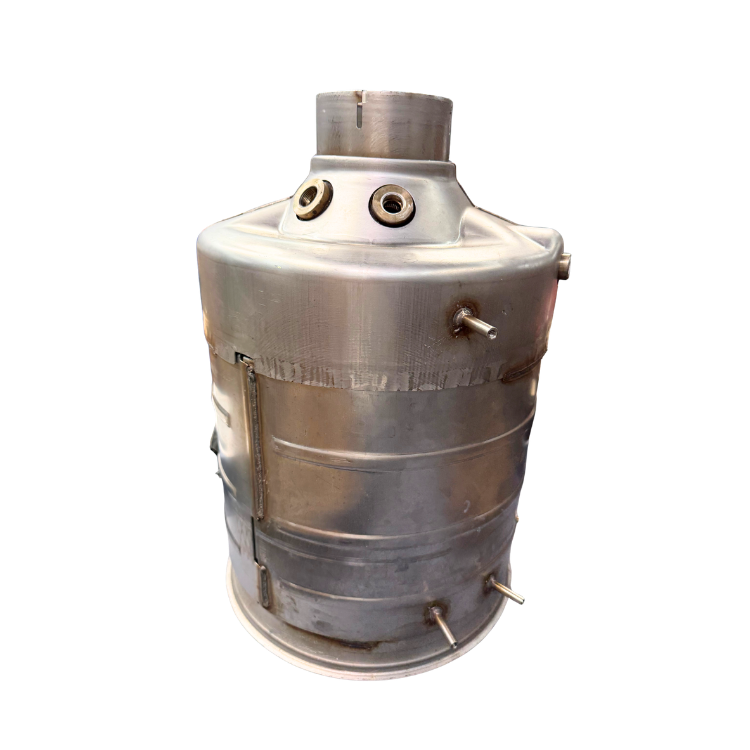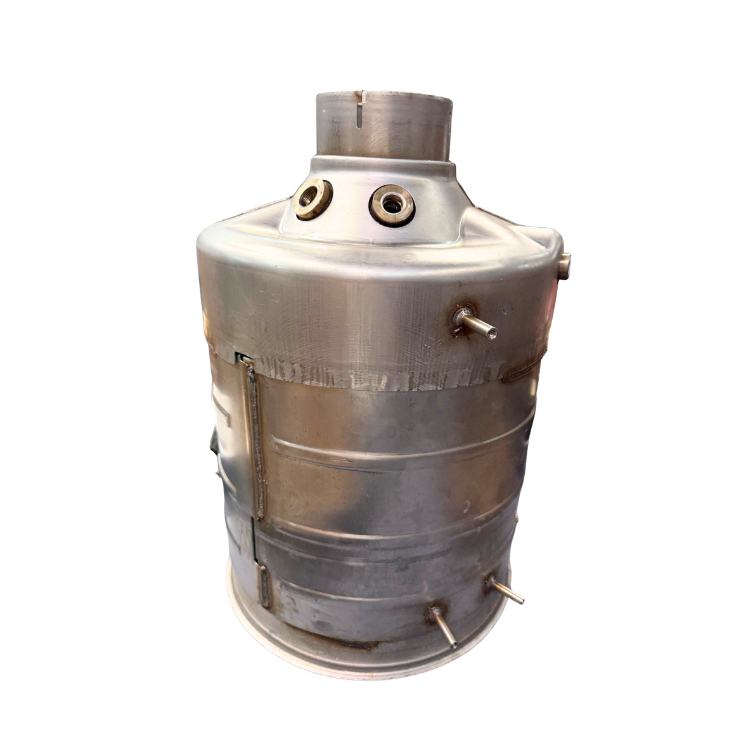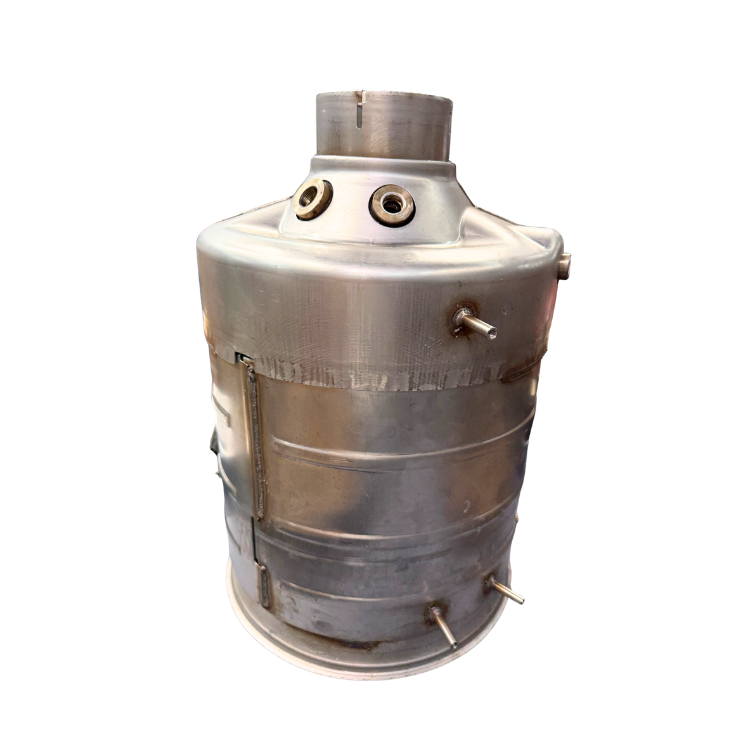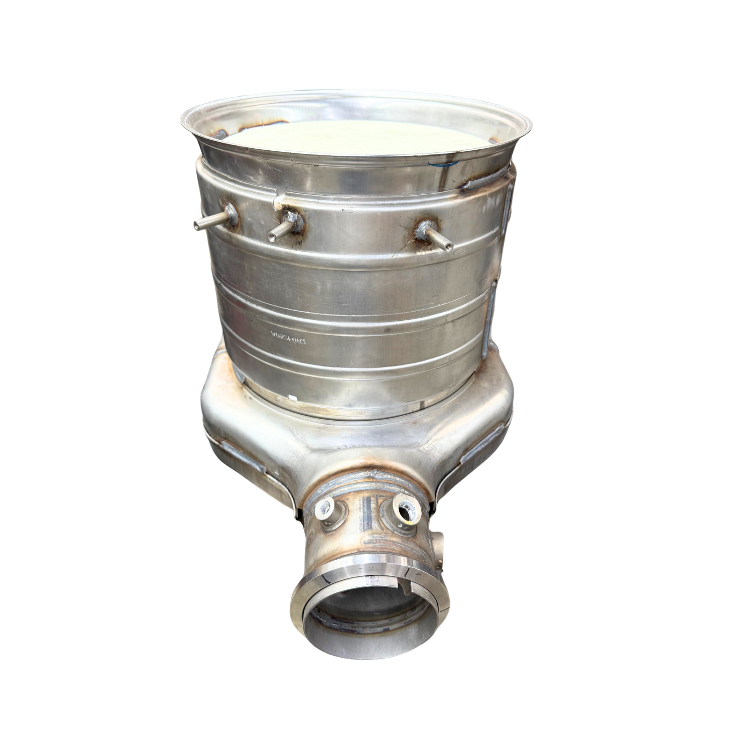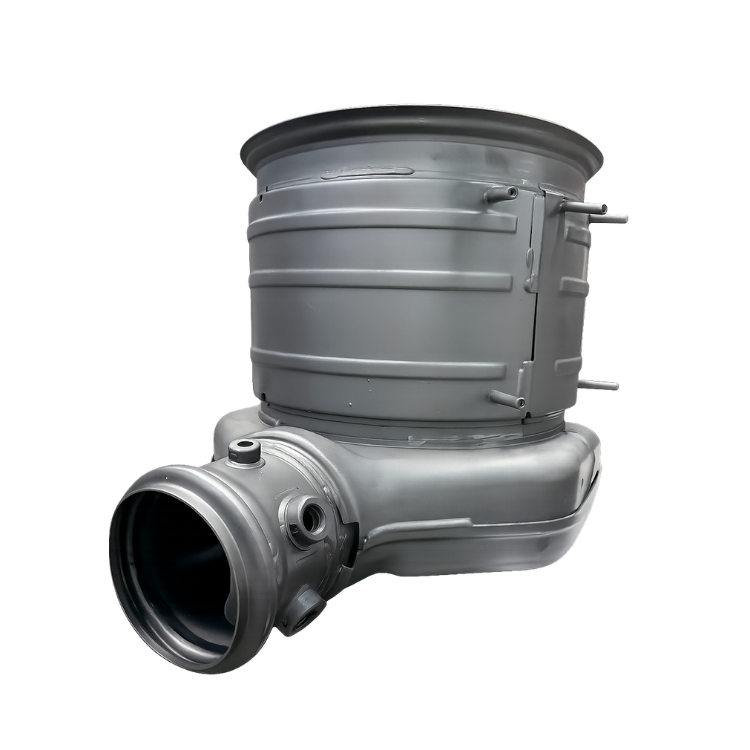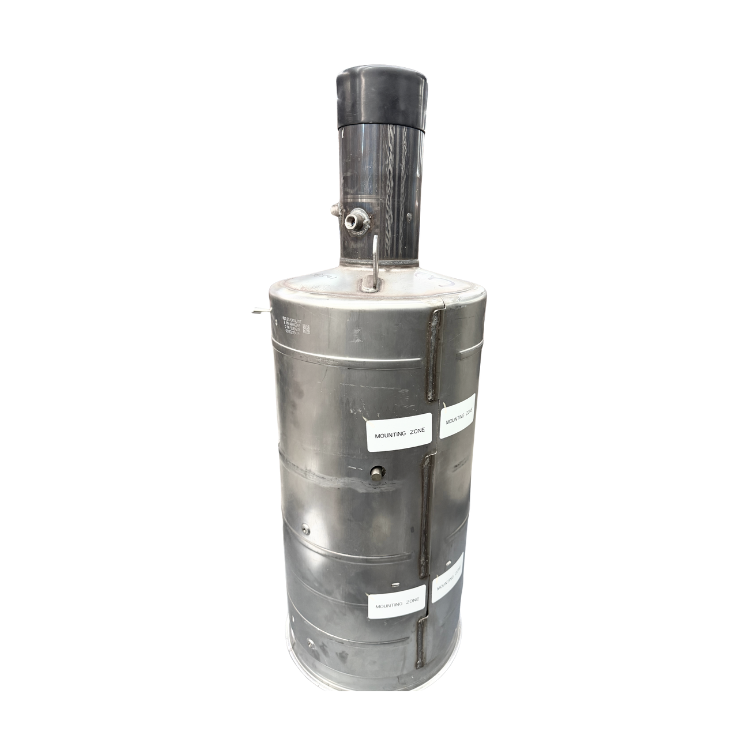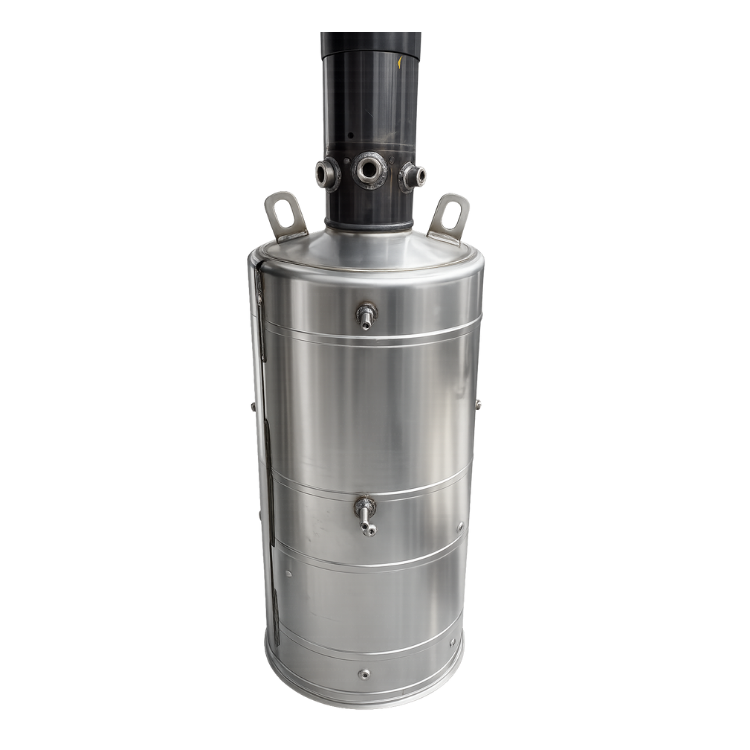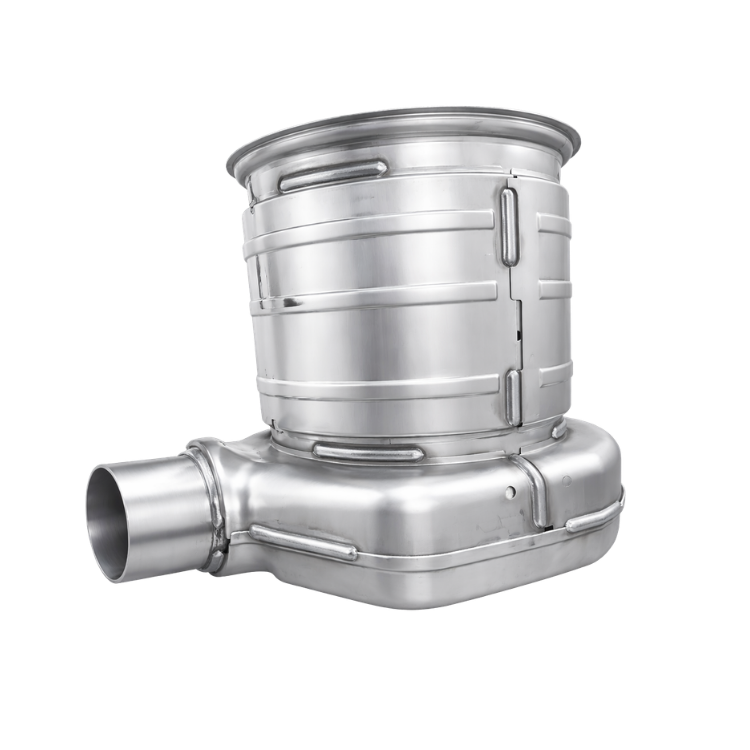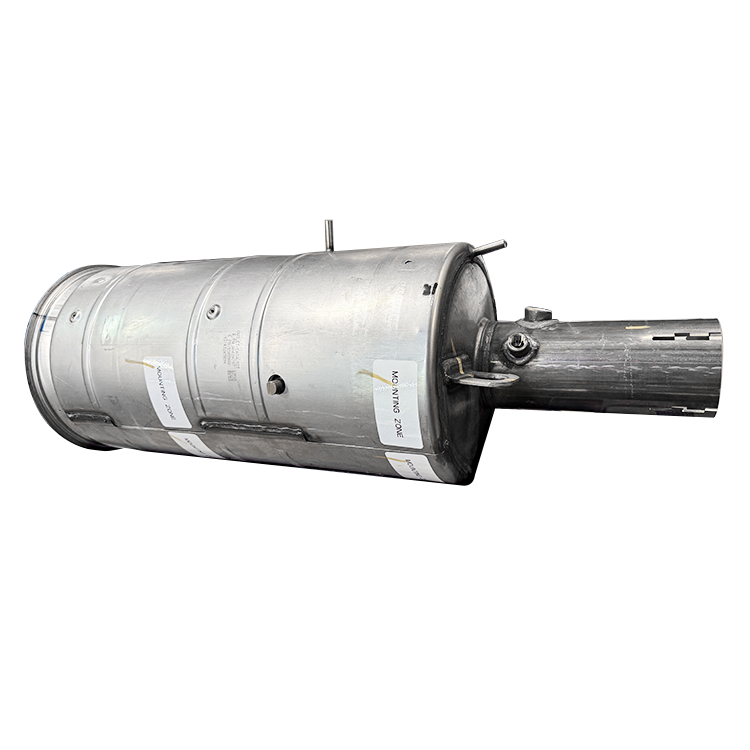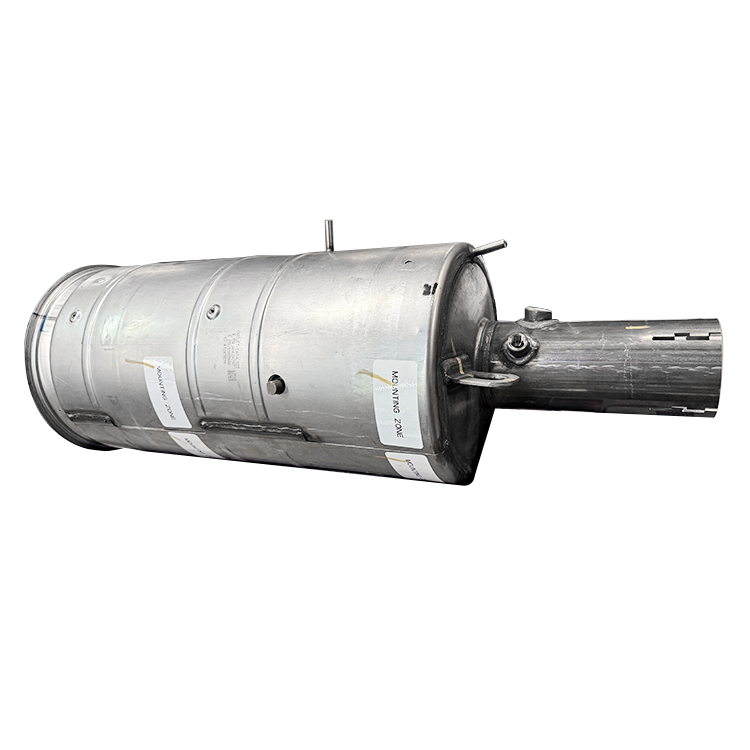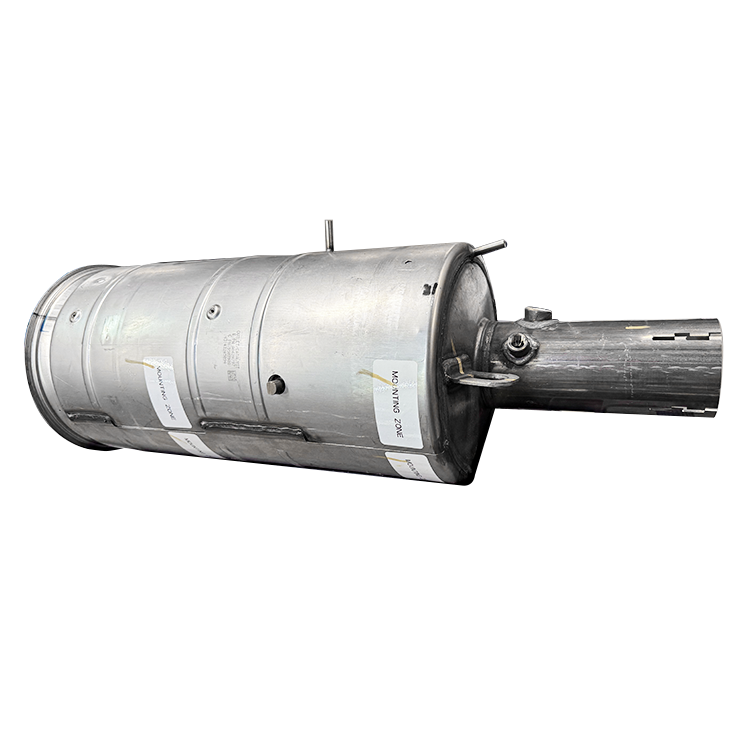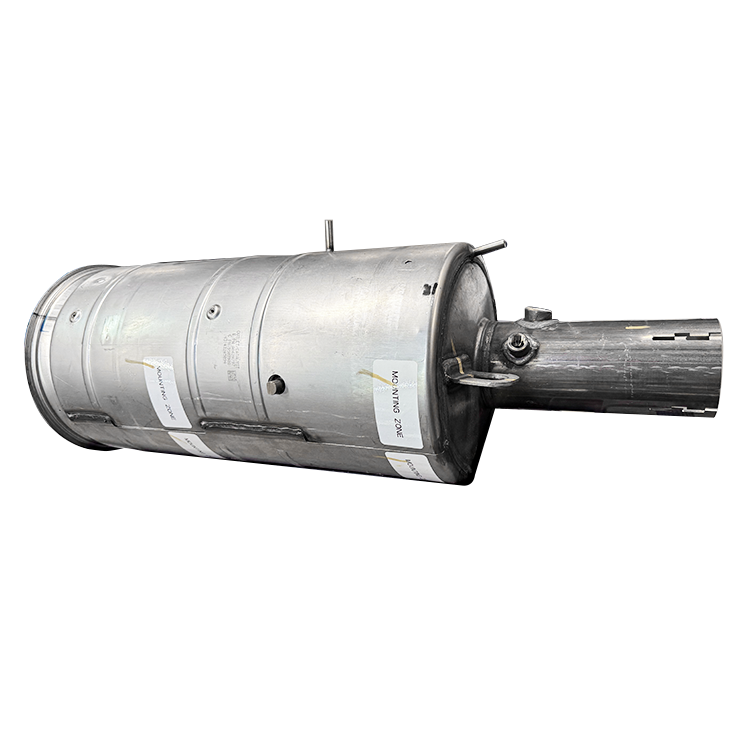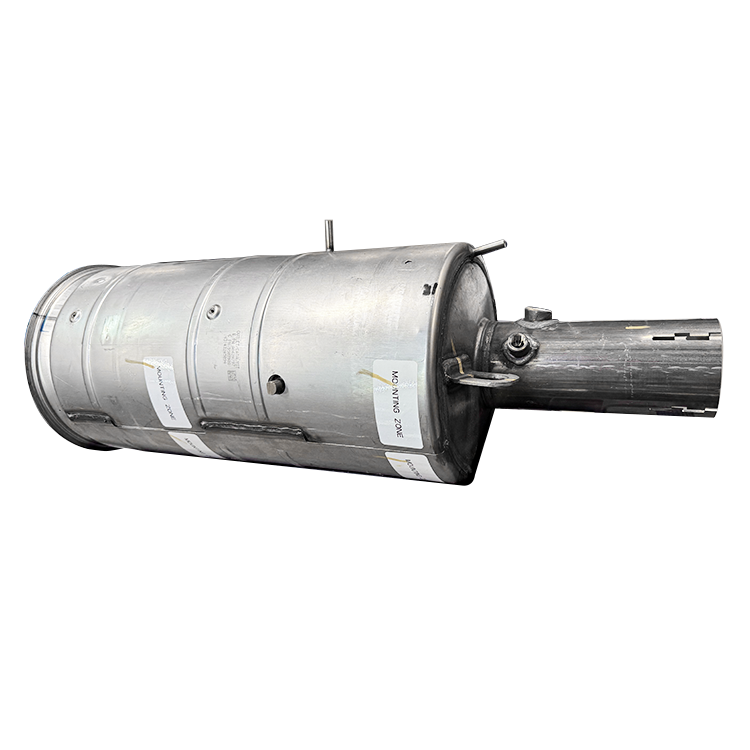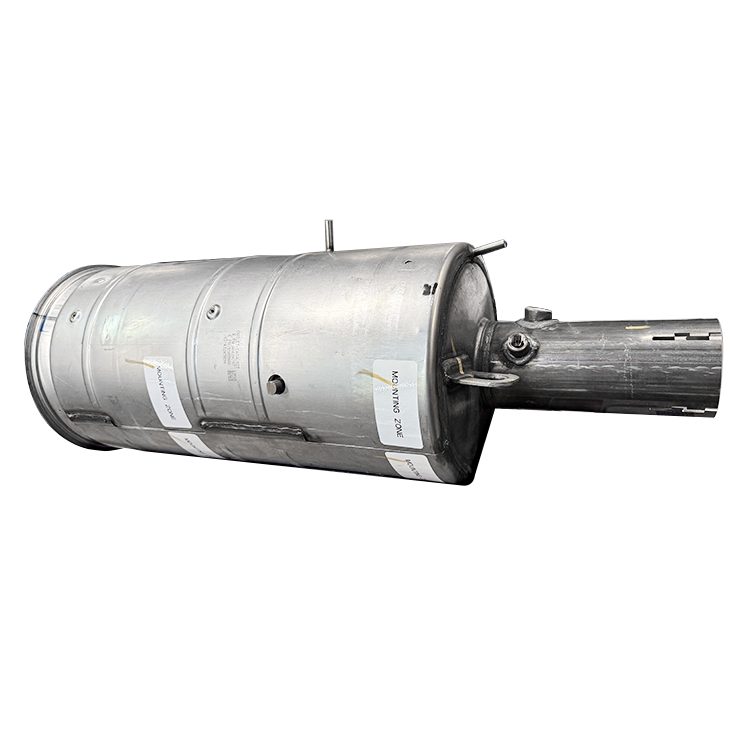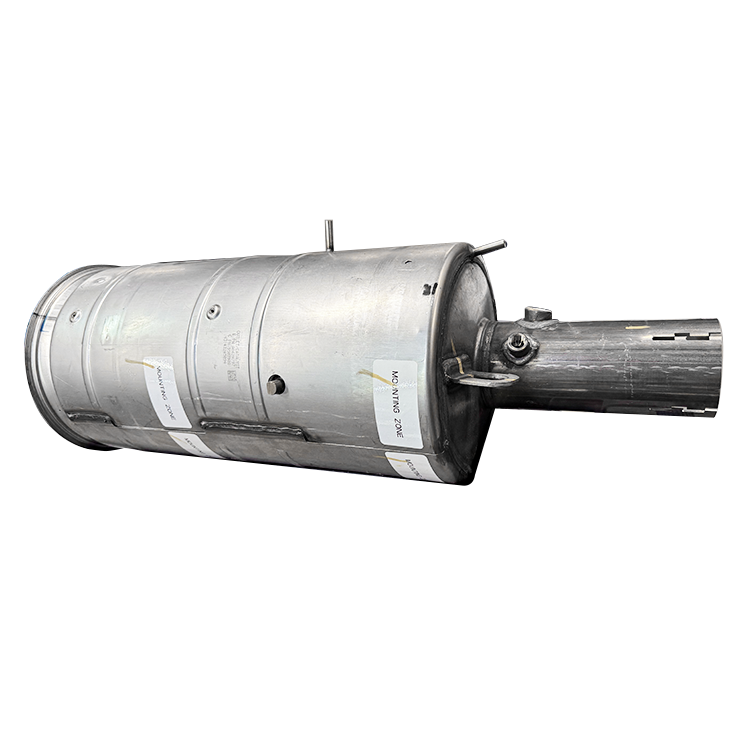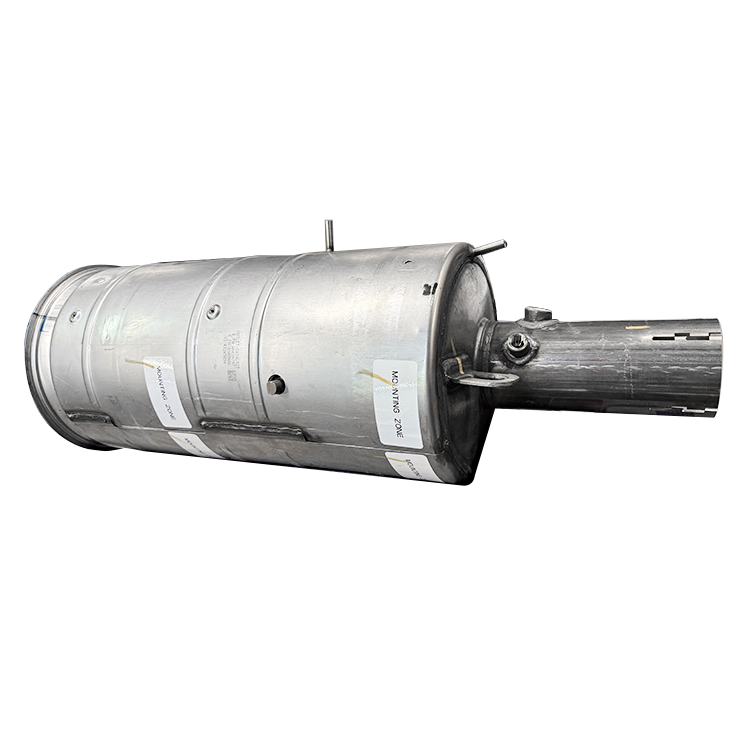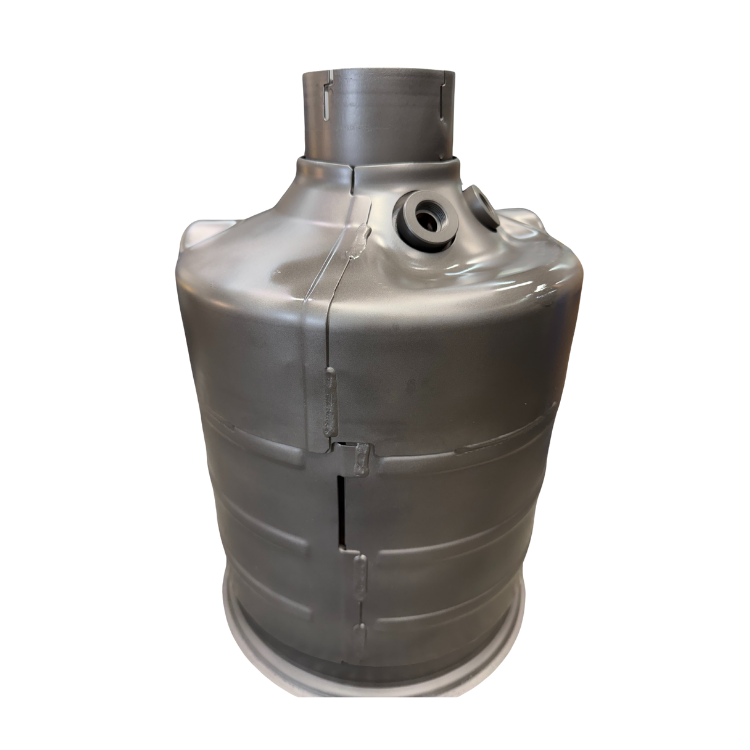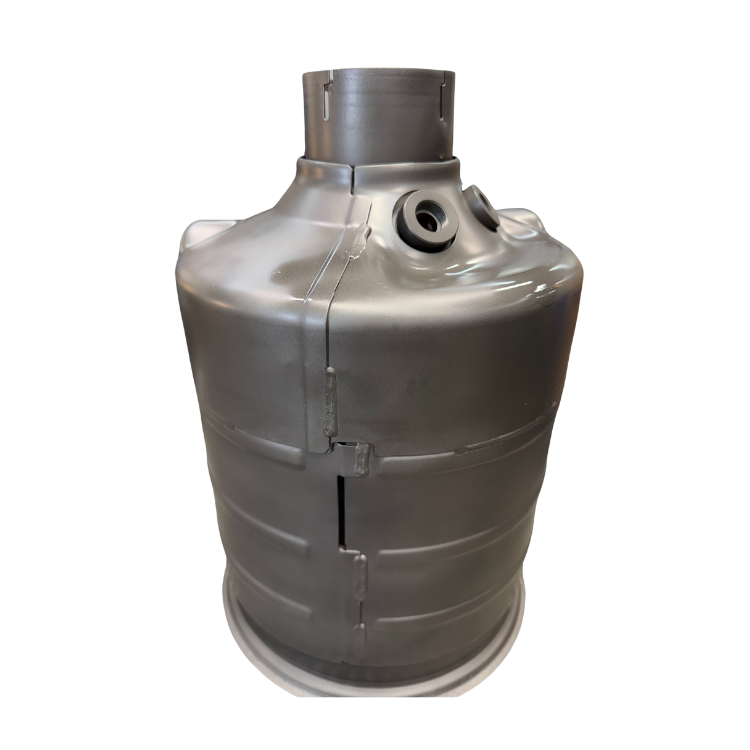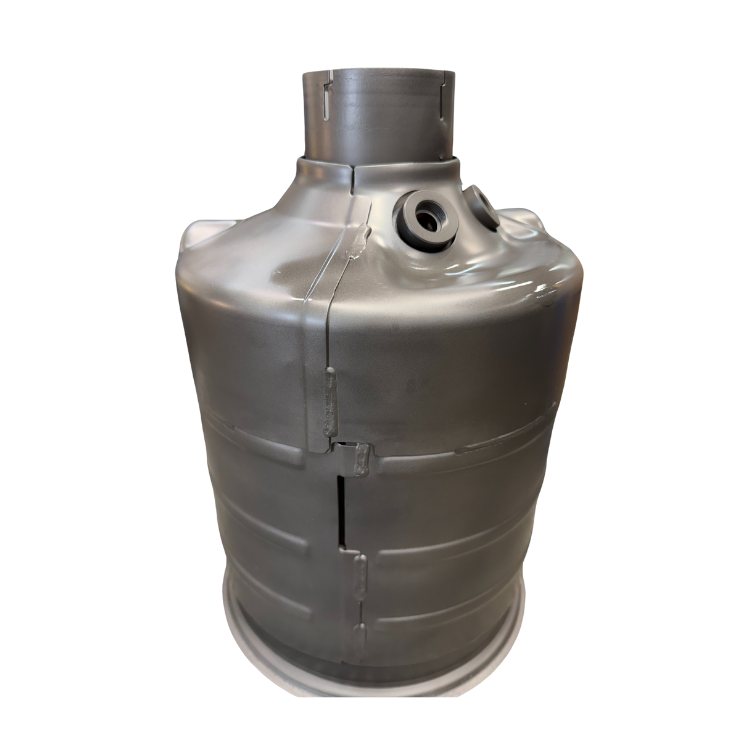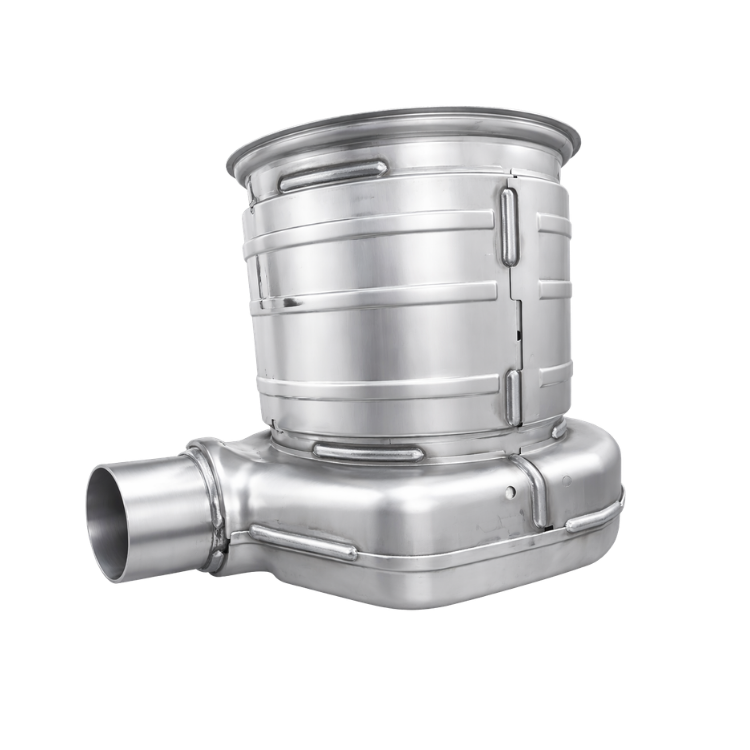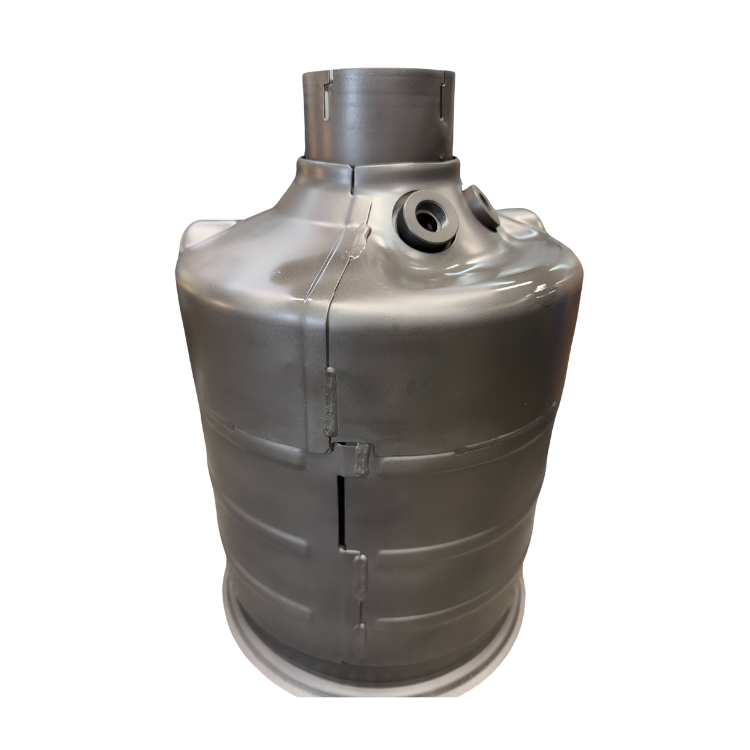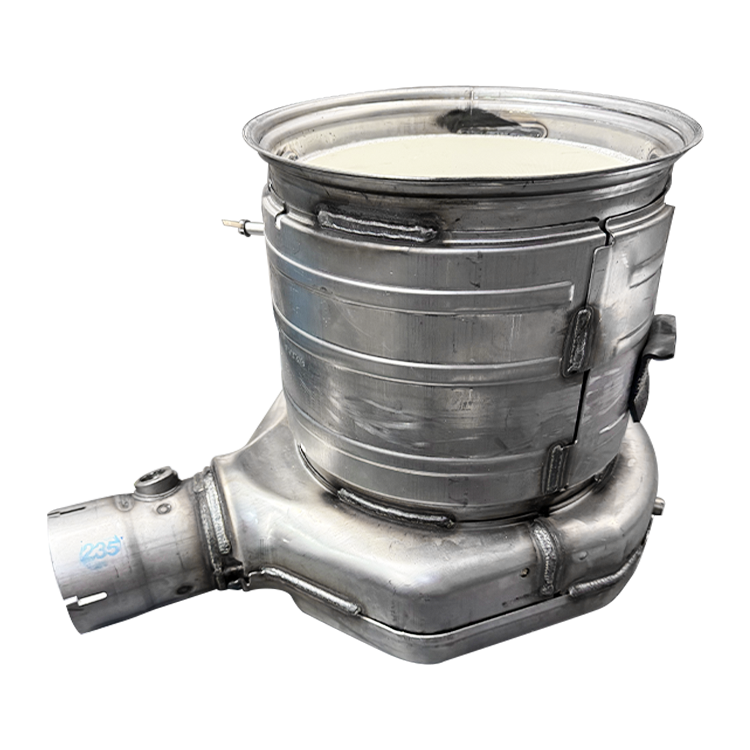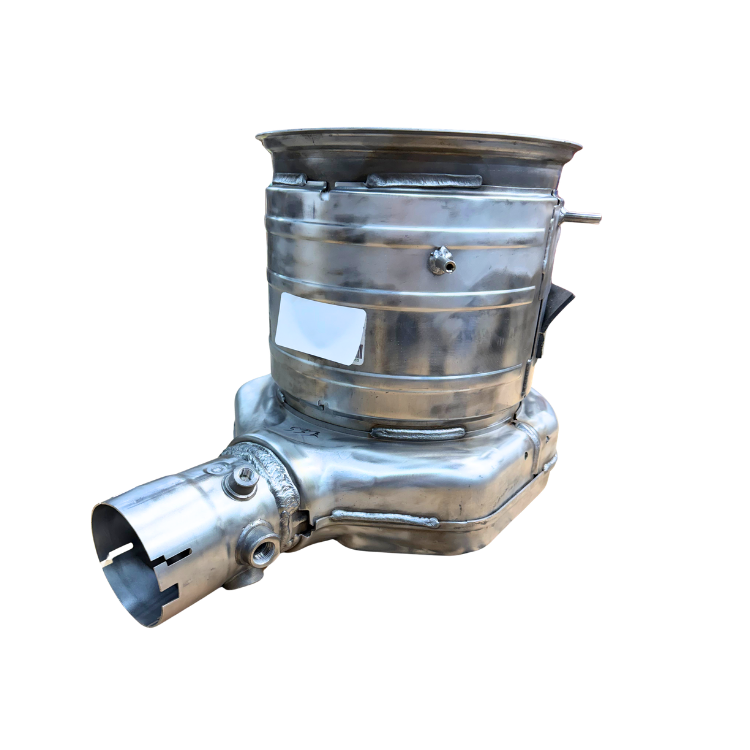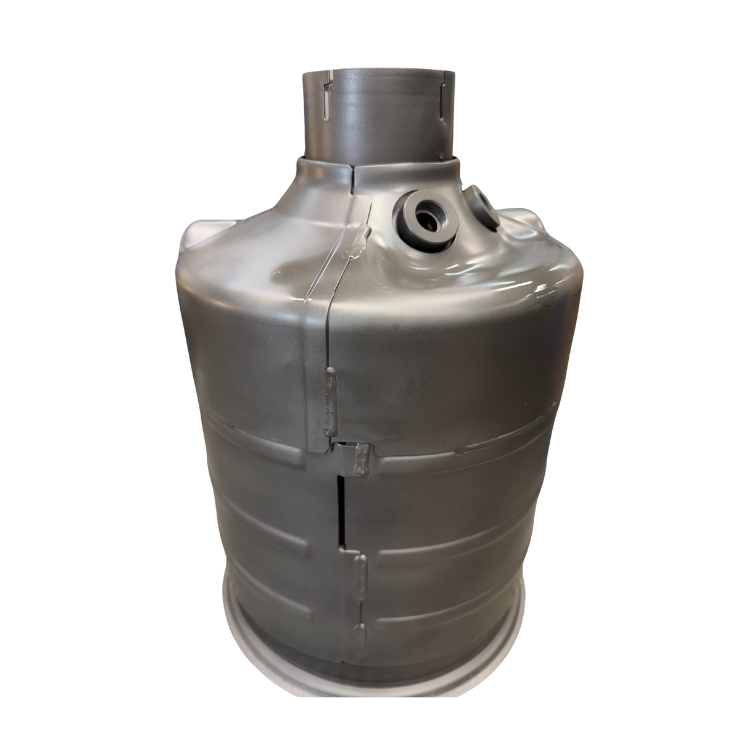



The Selective Catalytic Reduction (SCR) system is designed to reduce nitrogen oxide (NOx) emissions by using Diesel Exhaust Fluid (DEF) to convert harmful gases into less harmful compounds. When operating properly, the SCR system works efficiently without noticeable issues. However, several factors can reduce its performance and trigger warning lights or engine derate conditions.
-
Contaminated or poor-quality DEF can interfere with the chemical reaction inside the catalyst, reducing its ability to lower NOx emissions.
-
Low DEF levels or improper dosing from a faulty injector can prevent the system from functioning correctly.
-
Excessive oil consumption may allow oil to enter the exhaust stream, coating the catalyst and decreasing efficiency.
-
Coolant leaks can introduce harmful deposits into the SCR, causing internal damage over time.
-
Unresolved Diesel Particulate Filter (DPF) problems can affect exhaust temperatures and flow, placing additional stress on the SCR system.
-
Faulty NOx sensors or temperature sensors may send inaccurate data to the engine control module, impacting system operation.
-
Prolonged neglect of warning lights or fault codes can allow minor issues to worsen and reduce overall catalyst effectiveness.
Maintaining proper DEF quality, addressing engine issues promptly, and keeping the entire aftertreatment system in good condition are key to preserving SCR performance. Early diagnosis and routine inspections help ensure reliable emissions control and long-term durability.