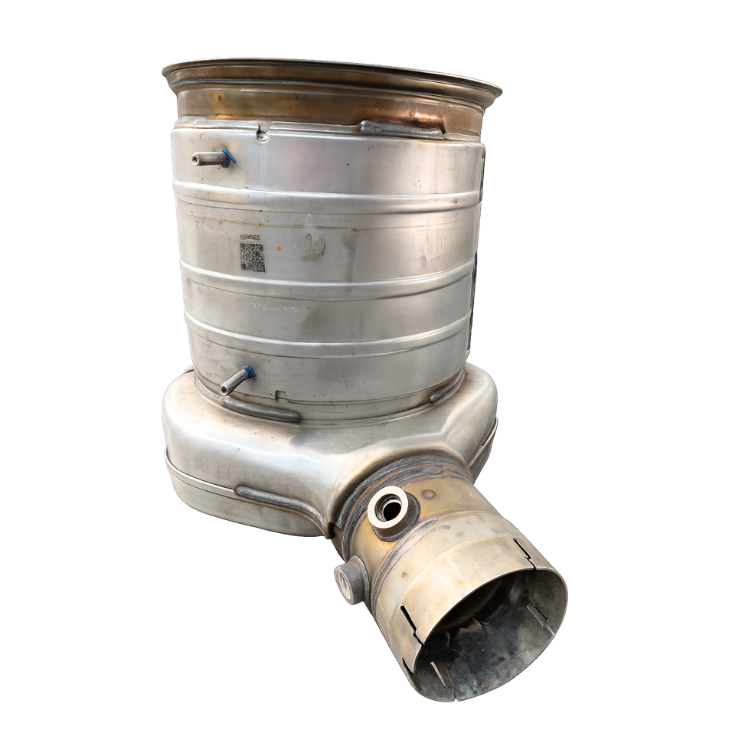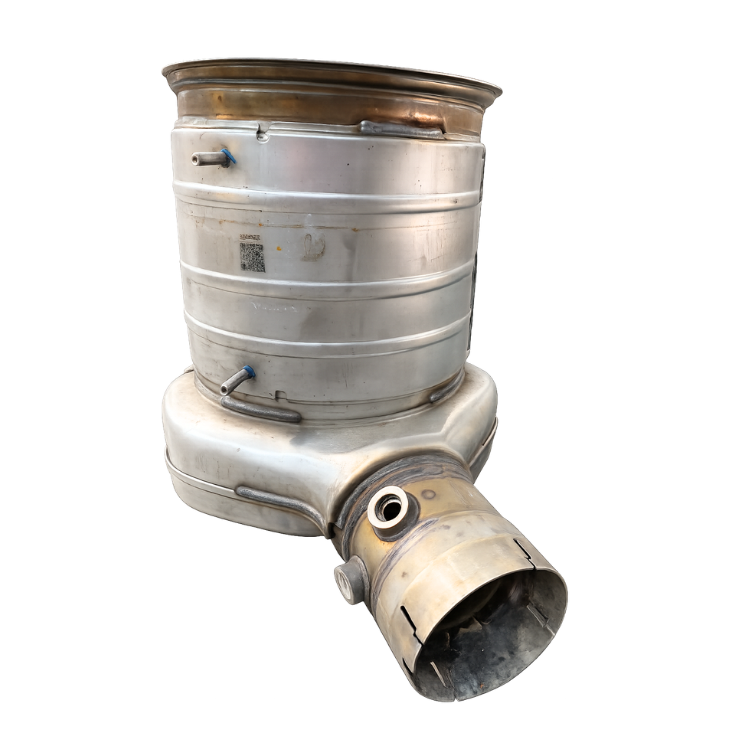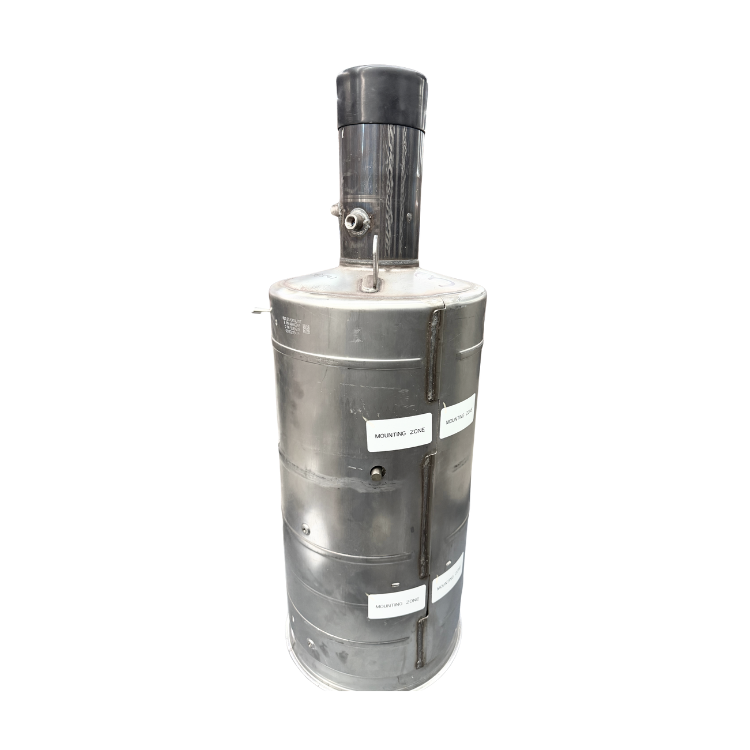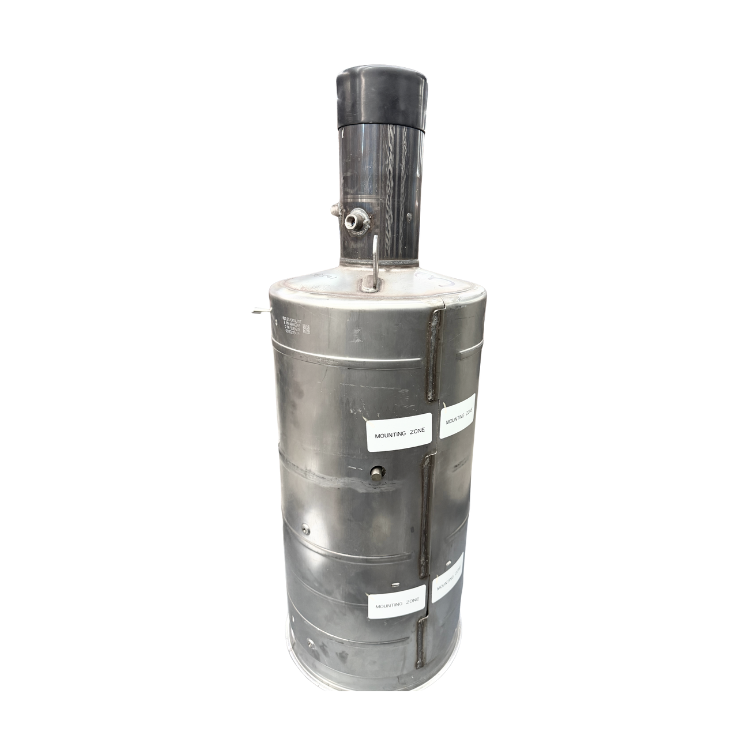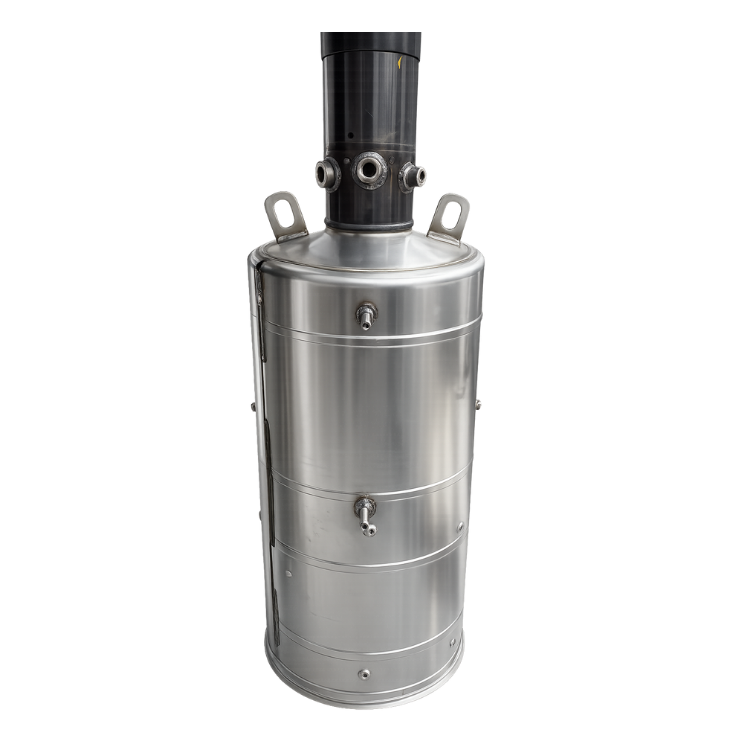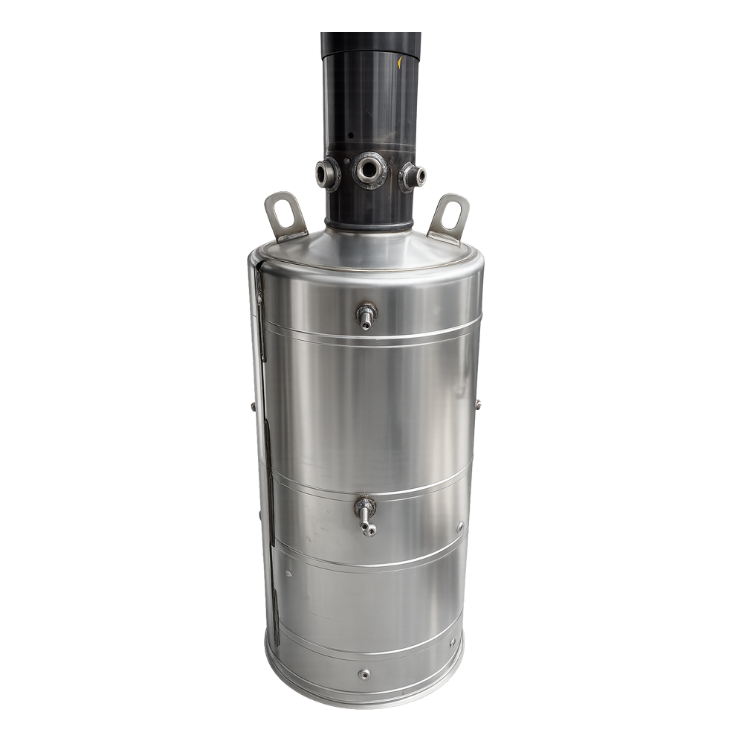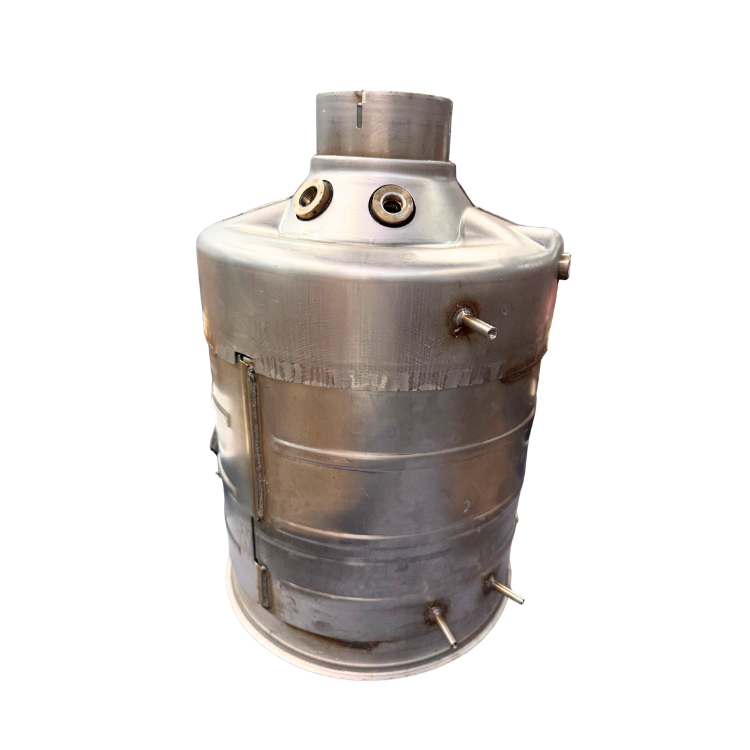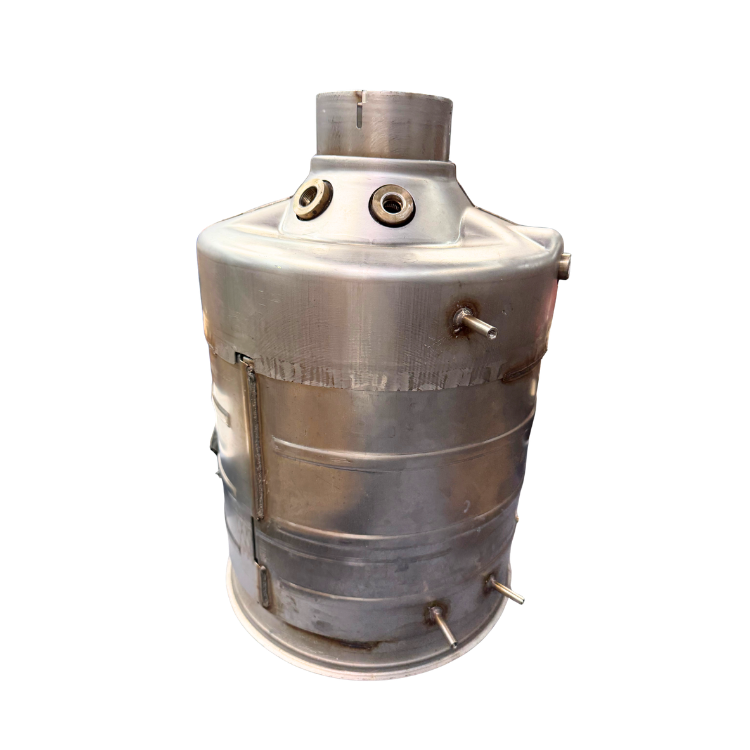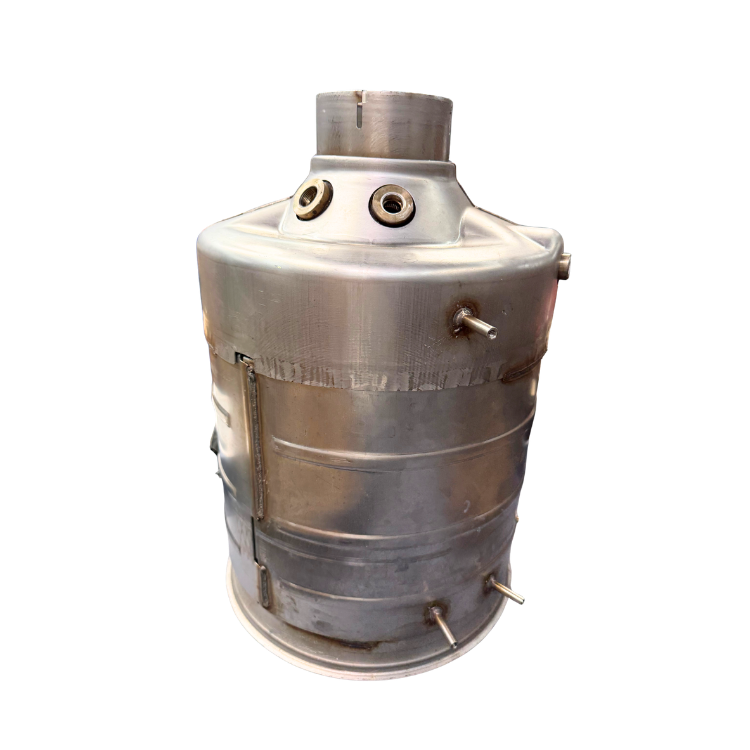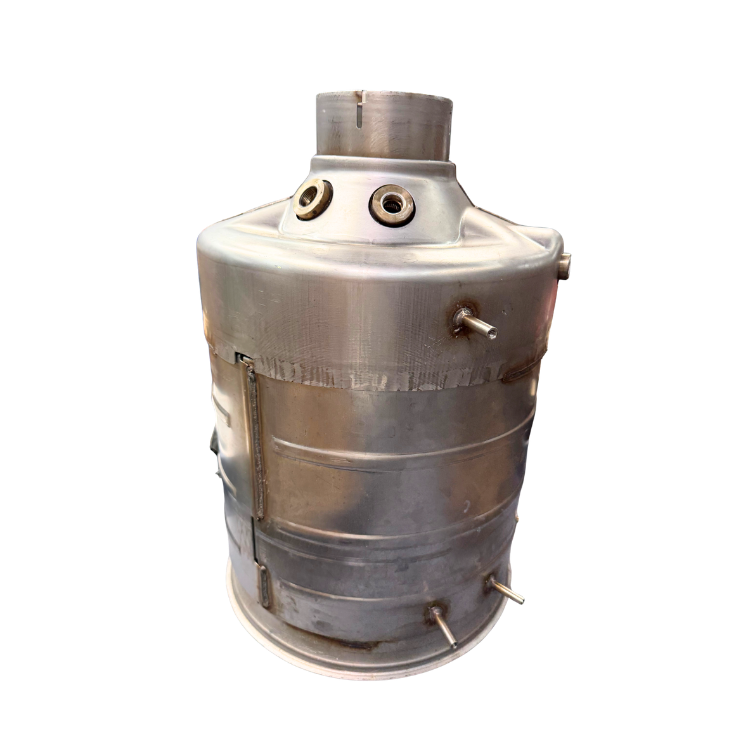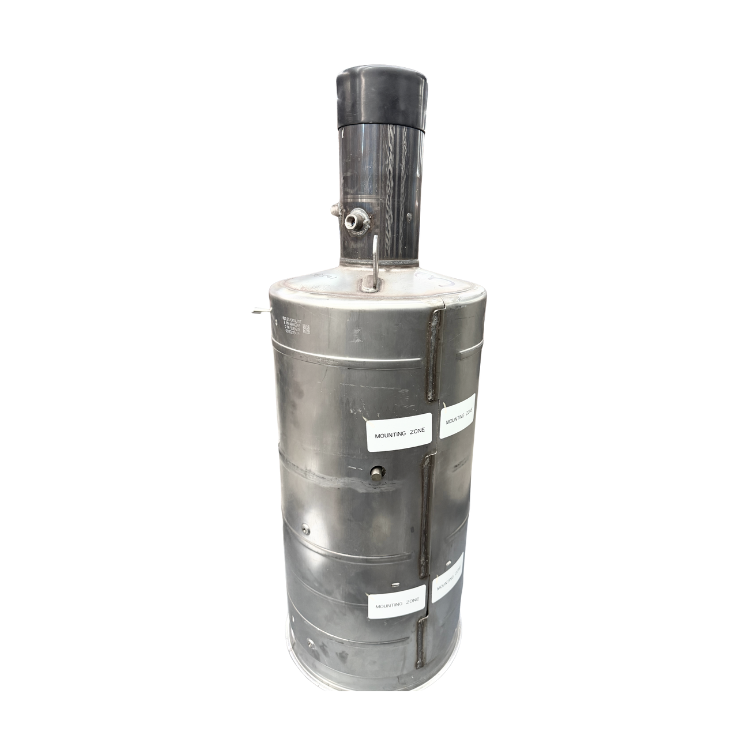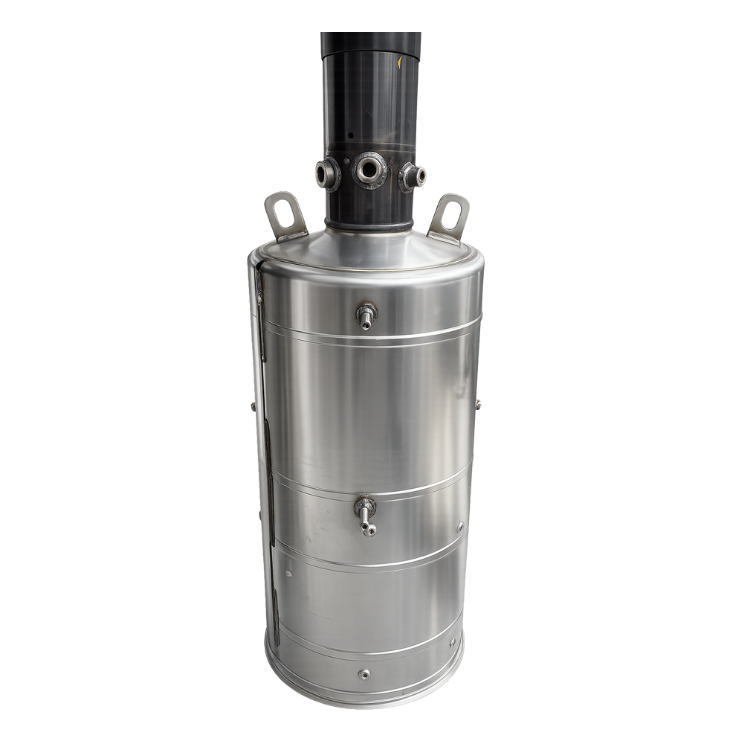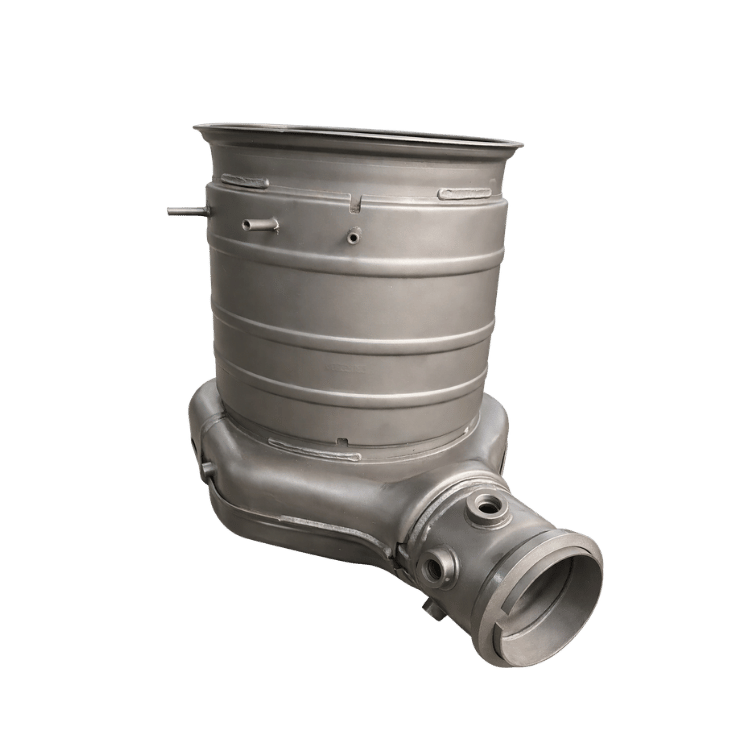

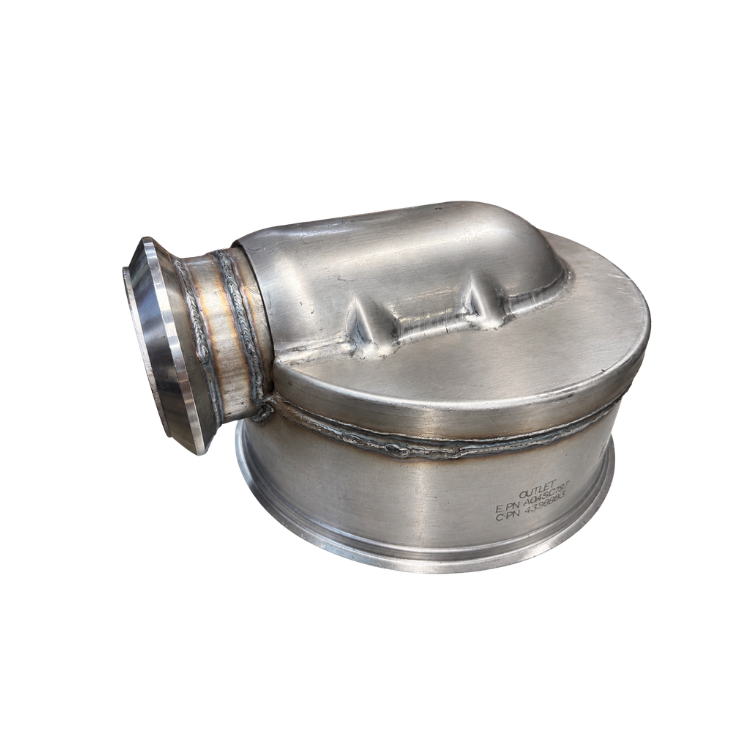
Cummins ISLG, QSG SCR Outlet Catalyst Module 2015-2020: OEM 4377790
CUMMINS ISLG, QSG SCR OUTLET CATALYST MODULE 2015-2020: OEM 4377790


ORDERS PLACED BEFORE 3PM EST WILL SHIP SAME DAY

WARRANTY
1M MILES OR 1 YEAR
PRODUCT DESCRIPTION
This is a Remanufactured Tamerx SCR Outlet Catalyst Module, Tamerx part number 4377790RM-SCR ( OEM Part Number 4377790 ). All parts are proudly remanufactured in the U.S.A. to the highest of OEM standards, and improvements are often applied to the original design in the remanufacturing process. This part is primarily made for a Cummins ISLG, QSG, production years 2015-2020, and comes with a One Million Miles or One Year Warranty.
OEM NUMBERS
| Primary OEM | 4377790 |
| Additional OEM | 4377790, 4377868 |
ADDITIONAL DETAILS
| CONDITION | Remanufactured |
| UPC / Barcode | 00840490558175 |
| WEIGHT | 129.00 LBS |
SHIPPING OPTIONS
Ship Weight : 129.00 LBS
UPS Ground, 2nd Day Air, Next Day Air
SHIPPING POLICY
Tamerx Diesel Products ships via UPS Ground. Next day air shipping can be arranged for a reasonable price of anywhere from $50.00 - $100.00 depending on the weight of the product and your location. We will do everything we can to make sure that you get the service you need. We understand how important it is to receive your order as quickly as possible.
In most cases Tamerx Diesel Products only needs one address, as long as your product is shipping to the same location as your billing information. In order to eliminate credit card fraud, your billing information must match the credit card you provide.
The terms, conditions, and details of our warranty vary from product to product. Specific warranty details can be found below.
Tamerx provides a replacement warranty on all of our parts. The duration and mileage limitations of the warranty vary by product and are specified on the product's detail page/item listing.
Please note that the warranty covers replacement of the part and the cost of shipping the replacement part to you only. It does not cover any shop, labor, towing, or any similar or related costs. This is not a "money back guarantee".
If you experience a problem with your part or it is not functioning properly, the correct warranty procedure is to call us at (510) 257-1777 (8:00 AM - 5:00 PM ET Monday through Friday). Be sure to have your order number and/or other relevant order information ready so we can easily locate your order and resolve your issue as quickly as possible. From that point, we will review with you any troubleshooting steps that may need to be taken and other areas or systems that can be checked to rule out external problems contributing to your part's issue. If a replacement is determined to be necessary, we will then arrange for your replacement part to ship out ASAP and issue any necessary return shipping labels and/or documents.
As is the case for the majority of the diesel products sold on Tamerx, your part's warranty is active as soon as you install it. In some other cases, warranty activation is contingent upon you sending us your core (i.e., your old part). Tamerx will provide you a return shipping label for parts that have a warranty with a core return condition. When we have received your core return, the part's warranty coverage begins. We reserve the right to void the product warranty if your core is not received within the allotted time, or if it isn't received at all. If the warranty for the diesel part you are purchasing has a core return requirement, it will be clearly noted on the product detail page/item listing.
What is a Core Charge?
A core charge (also called "core deposit") is similar to the deposit you might pay for a can or bottle of soda and is a standard requirement in the auto parts industry. For example, in many states, to promote recycling, you pay a deposit when you purchase a can of soda and receive your deposit back when you return the empty can. Many automotive parts have a core charge, or core price, that works in essentially the same way as a soda can deposit.
30 Day Core Charge Hold
You authorize Tamerx Diesel Products, to hold your credit card for the specified core charge amount and that you agree to return your core with 30 days of receiving the purchased part. When we have received your core return, the hold is released and the core charge payment is canceled.
The customer, or parts buyer, is responsible for any shipping costs associated with core returns unless otherwise specified in the product listing/detail page. Tamerx Diesel Products offers prepaid UPS shipping labels (SKU numbers UPS-CR1 and UPS-CR2) for use in returning your core that are available for purchase on our website during your shopping/order process.
The shipping label you will need to use for the core return is dependent upon what part you are purchasing. UPS-CR1 is good for cores weighing up to 20 pounds. UPS-CR2 is appropriate for shipping cores weighing 21 pounds or more. You must include enough information with the core return that clearly identifies it as a.) a Core Return, and b.) contains enough information we can use to clearly associate the core return with your order. Including a copy of the invoice or packing slip that came with the original shipment, clearly marked "Core Return", is ideal. Alternately, you can include a note marked as "Core Return" that includes your order number, full name and address, and phone number or other contact information. Failure to include this information with your returned core will most likely delay any due core credit being issued and/or delay any applicable warranty activation. Core returns need to be for the exact part purchased and cannot be damaged. Substituting another part in place of the part you have purchased is not acceptable.
All fluids must be drained.
If you have purchased a set or a parts package, you will need to return cores for all components of the set. For example, if you have purchaed a high pressure oil pump with an IPR valve, you will need to return both HPOP and IPR valve cores to receive proper credit. If you have purchased an EGR cooler/EGR valve package, your core return must consist of an EGR cooler core and an EGR valve core, or core credit will not be given.
Core Charges are often mandated by state legislature, and, as such, the actual core charge and taxes on the charge may vary depending on the state in which you buy your part. The Tamerx Diesel Products core charge presented to you online today with your item is representative of the most common core charge.
Designed to support proper exhaust treatment in demanding diesel and industrial applications, the Cummins ISLG, QSG SCR Outlet Catalyst Module (2015–2020) OEM 4377790 plays an essential role in maintaining reliable aftertreatment system operation. Manufactured according to original equipment specifications, this module is designed for proper fitment with applicable Cummins ISLG and QSG engine applications within the specified model years. It works within the selective catalytic reduction system to help convert nitrogen oxide (NOx) emissions into less harmful compounds before treated exhaust gases leave the system. Its durable construction is designed to withstand elevated exhaust temperatures, vibration, and challenging operating conditions commonly encountered in heavy-duty equipment. Suitable for equipment owners, technicians, and professional repair facilities, this OEM SCR outlet catalyst module provides a dependable replacement solution for maintaining proper emissions system function and consistent long-term operation.
FITMENT CHART
| YEAR | MAKE | ENGINE(S) | ||||
|---|---|---|---|---|---|---|
| 2015 | Cummins | ISLG | QSG | |||
| 2016 | Cummins | ISLG | QSG | |||
| 2017 | Cummins | ISLG | QSG | |||
| 2018 | Cummins | ISLG | QSG | |||
| 2019 | Cummins | ISLG | QSG | |||
| 2020 | Cummins | ISLG | QSG | |||
PEOPLE ALSO ASKS | BLOG(S)
The main function of the Cummins ISLG, QSG SCR Outlet Catalyst Module 2015-2020: OEM 4377790 is to reduce harmful nitrogen oxide (NOx) emissions before exhaust gases leave the aftertreatment system. As part of the Selective Catalytic Reduction (SCR) system, the module provides the catalytic surface needed to convert nitrogen oxides into less harmful substances.
The outlet catalyst works alongside other emissions-control components to support effective exhaust treatment and help maintain the intended emissions requirements of compatible Cummins applications.
What Does the SCR Outlet Catalyst Module Do?
-
Reduces harmful NOx emissions The catalyst promotes chemical reactions that convert nitrogen oxides primarily into nitrogen and water vapor.
-
Supports the SCR treatment process It provides the catalytic surface required for effective NOx reduction as exhaust gases pass through the module.
-
Works with Diesel Exhaust Fluid In DEF-equipped applications, ammonia produced from DEF reacts with nitrogen oxides inside the SCR catalyst.
-
Completes an important stage of exhaust treatment The outlet catalyst helps treat remaining nitrogen oxides before exhaust gases leave the aftertreatment system.
-
Supports proper exhaust flow The module allows exhaust gases to pass through the catalyst while maintaining the intended exhaust pathway.
-
Works with emissions sensors NOx and temperature sensors provide information that helps the electronic control system monitor exhaust conditions and SCR operation.
-
Helps maintain emissions compliance Effective NOx reduction supports the emissions-control requirements established for compatible Cummins applications.
Essential for Effective NOx Reduction
The Cummins ISLG, QSG SCR Outlet Catalyst Module (OEM 4377790) plays an important role in maintaining proper exhaust treatment. If the catalyst becomes contaminated, damaged, or inefficient, it may contribute to SCR efficiency faults, emissions warning lights, abnormal NOx readings, or operating restrictions.
Maintaining the aftertreatment system and addressing sensor, exhaust, or emissions-related problems promptly can help protect the catalyst and support dependable operation.
The lifespan of an SCR Outlet Catalyst Module depends on proper DEF quality, exhaust conditions, engine maintenance, and the overall condition of the aftertreatment system. Regular maintenance can help prevent contamination, excessive heat, and premature catalyst deterioration.
Here are several ways to prolong its lifespan:
- Use high-quality DEF Always use Diesel Exhaust Fluid that meets manufacturer specifications. Contaminated or incorrect DEF can damage SCR components and affect catalyst operation.
- Maintain the DEF dosing system Regularly inspect the DEF injector, supply lines, and related components to ensure proper fluid delivery.
- Prevent oil and coolant contamination Repair engine problems that allow oil or coolant to enter the exhaust system, as these contaminants can damage the catalyst material.
- Monitor exhaust temperatures Excessive exhaust heat can damage the internal catalyst substrate and shorten its service life.
- Keep the engine properly maintained Faulty injectors, combustion problems, and excessive soot production can place additional stress on the aftertreatment system.
- Inspect NOx sensors regularly Faulty NOx sensors can provide inaccurate readings and interfere with proper SCR system monitoring.
- Address exhaust leaks promptly Inspect exhaust connections, gaskets, and pipes for leaks that may affect SCR operation.
- Avoid excessive idling Extended periods of low-temperature operation can contribute to deposits and unfavorable exhaust conditions.
- Respond to warning lights immediately Investigate SCR efficiency codes, DEF warnings, and other emissions-related faults before they develop into more serious problems.
- Follow manufacturer maintenance recommendations Regular inspections and proper servicing of related components can help identify developing issues early.
Proper DEF handling, consistent engine maintenance, and early attention to aftertreatment problems can help extend the lifespan of your SCR Outlet Catalyst Module and reduce the likelihood of premature failure.
Yes, the catalyst material inside the 4377790 can lose chemical activity even when exhaust can still pass through the module.
Broken catalyst material can interfere with exhaust flow and reduce the module's ability to carry out its intended emissions-control function.
Yes, repeated thermal expansion and contraction can contribute to stress on the catalyst substrate, housing, and connecting joints.
Correct installation orientation helps ensure exhaust passes through the catalyst module according to the intended aftertreatment arrangement.



Cummins SCR Outlet Catalyst Modules