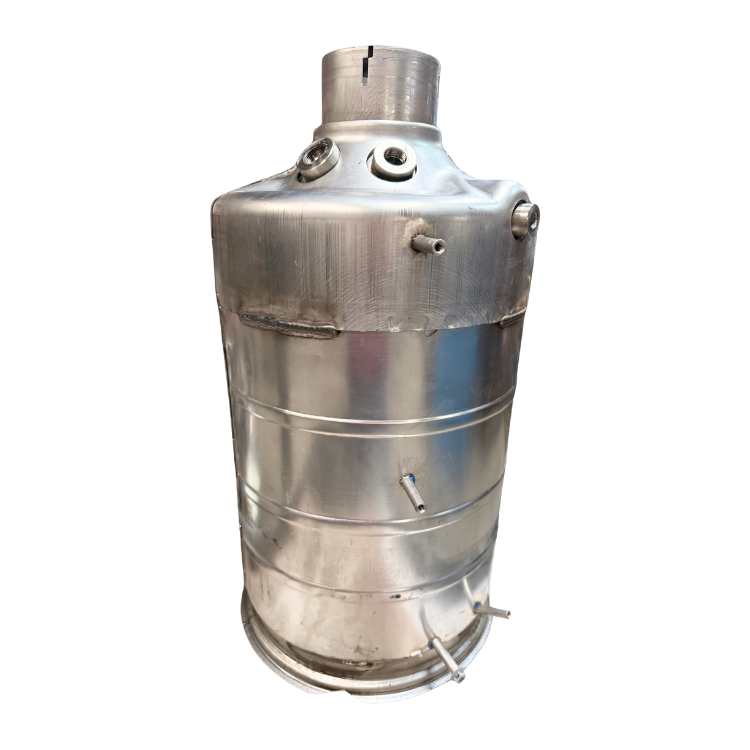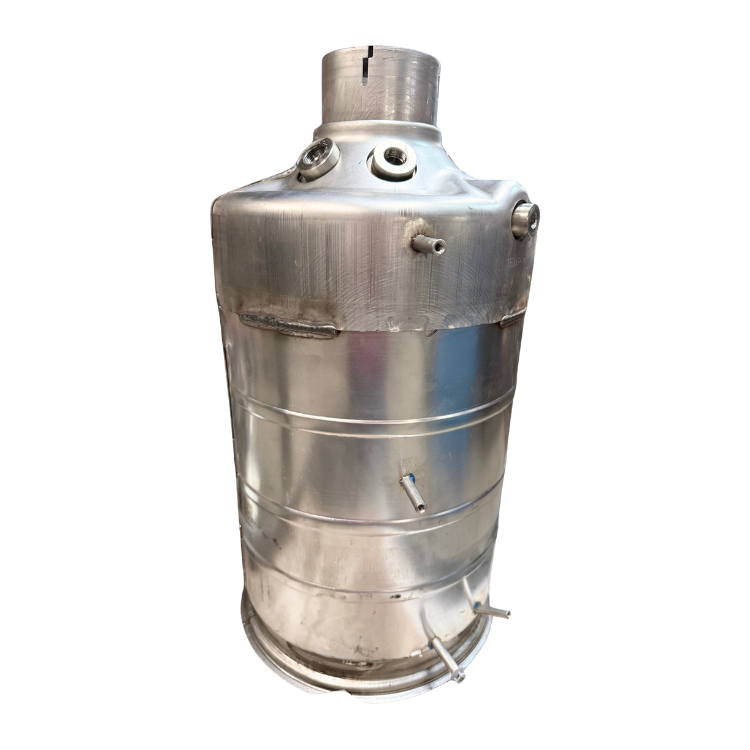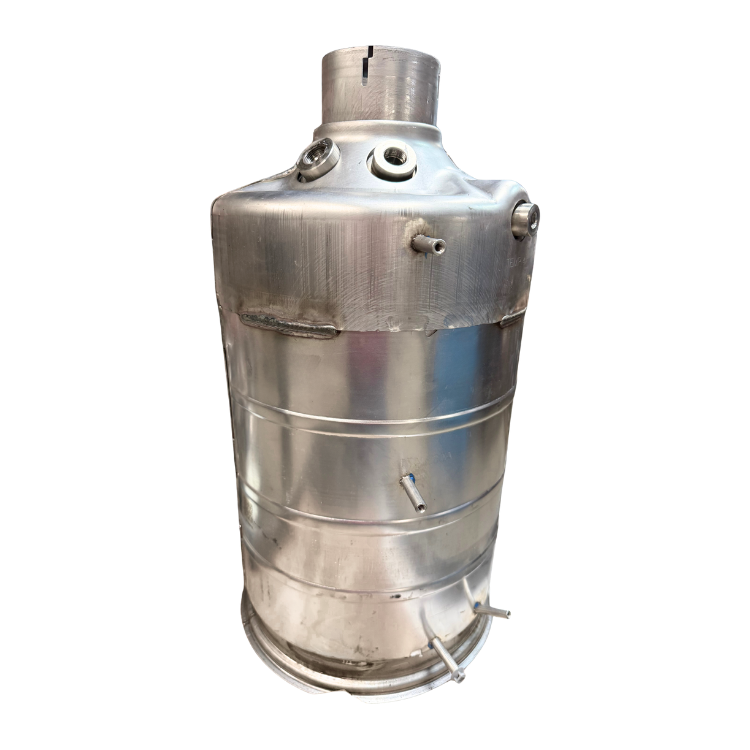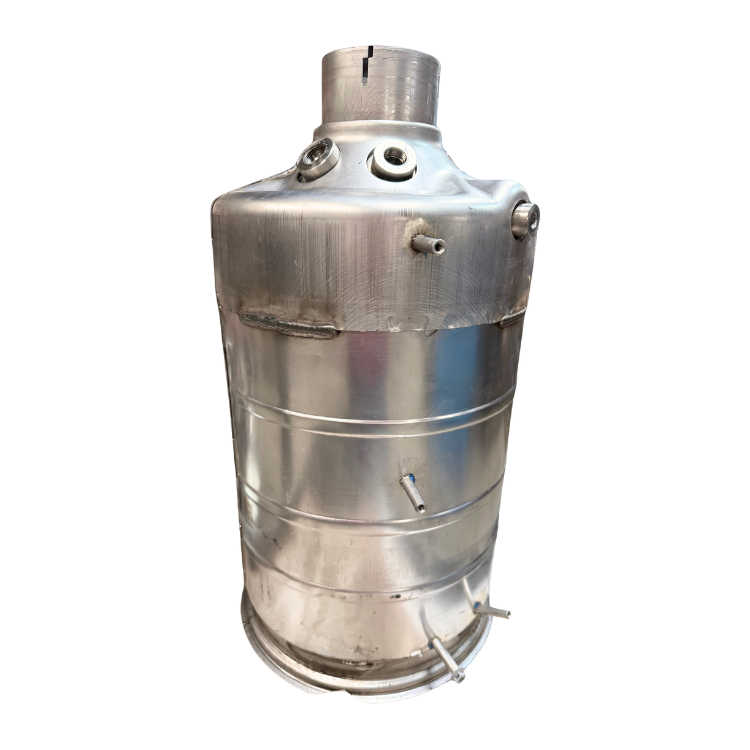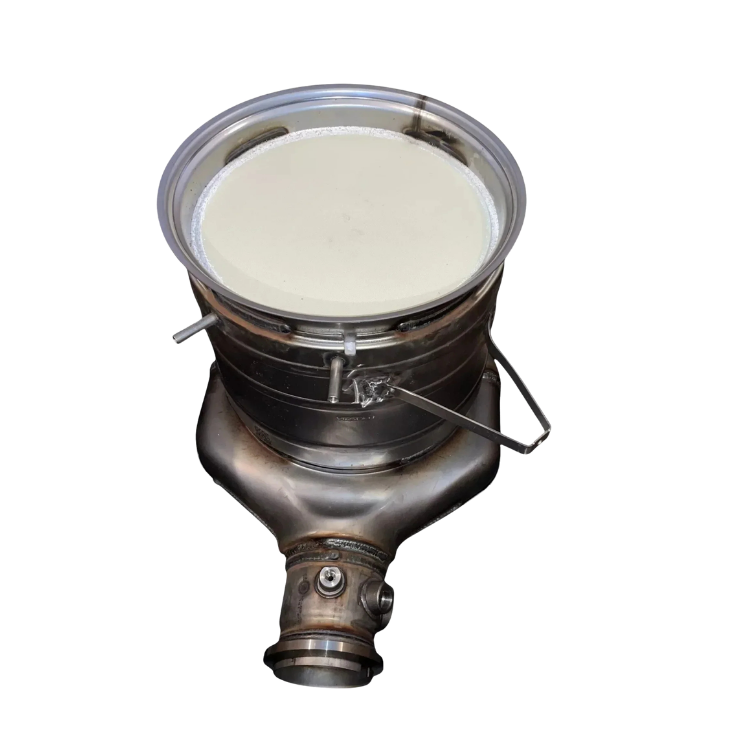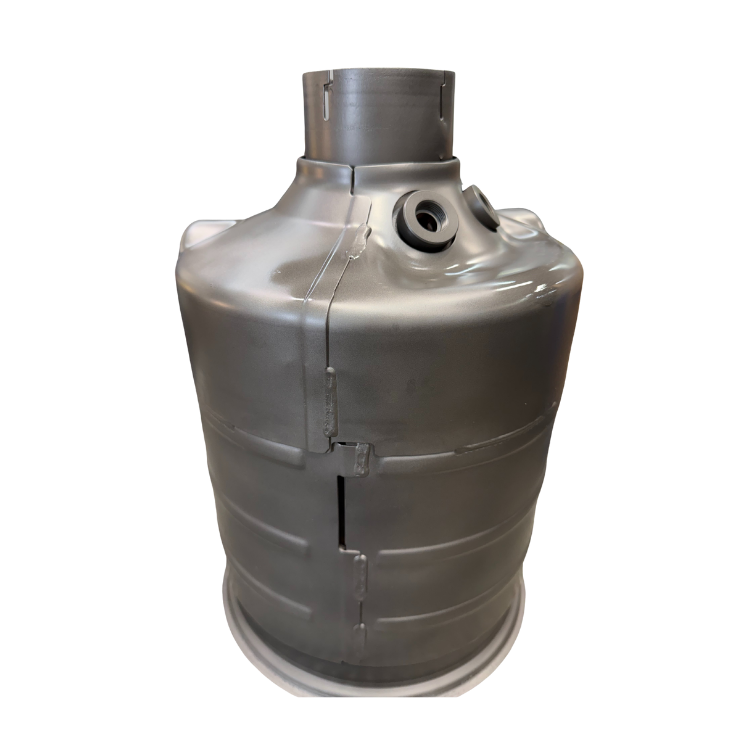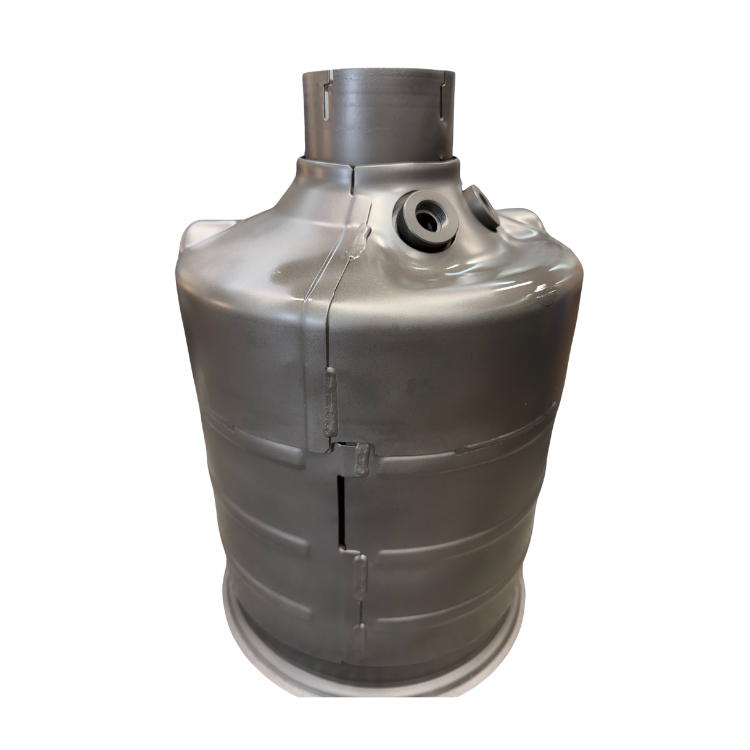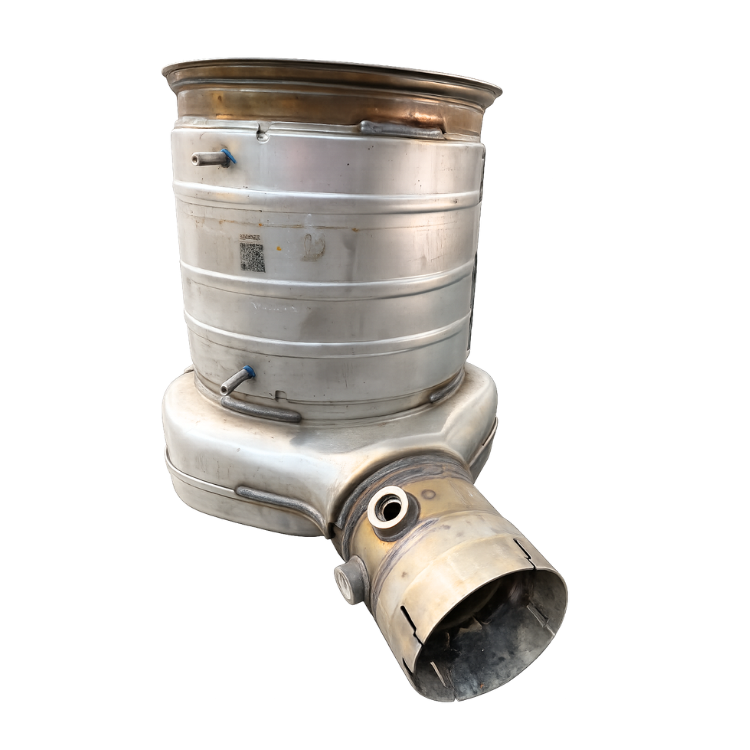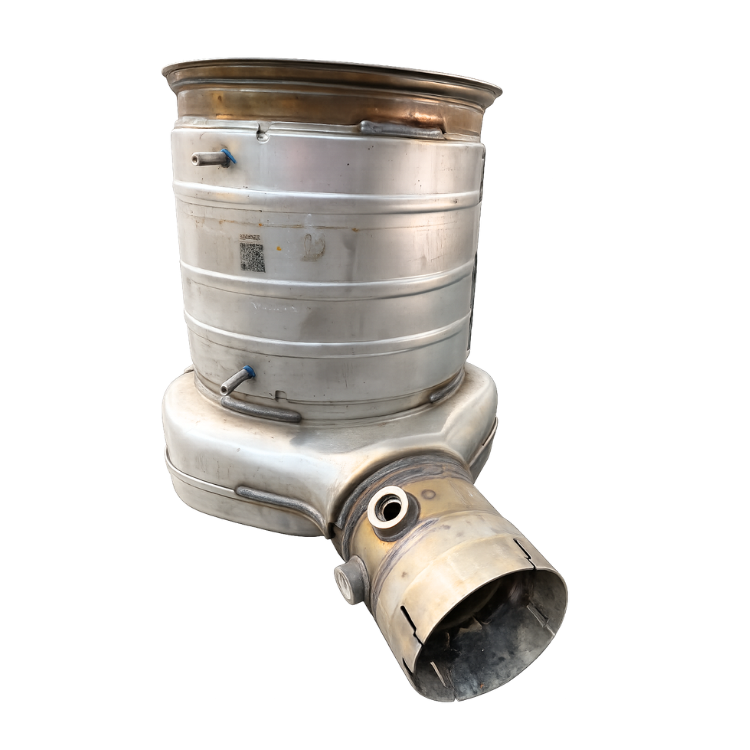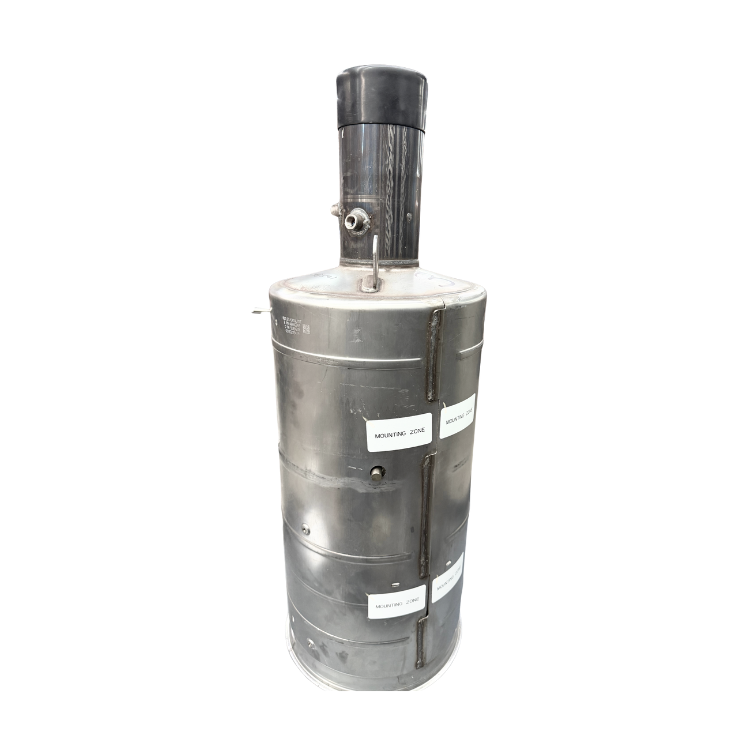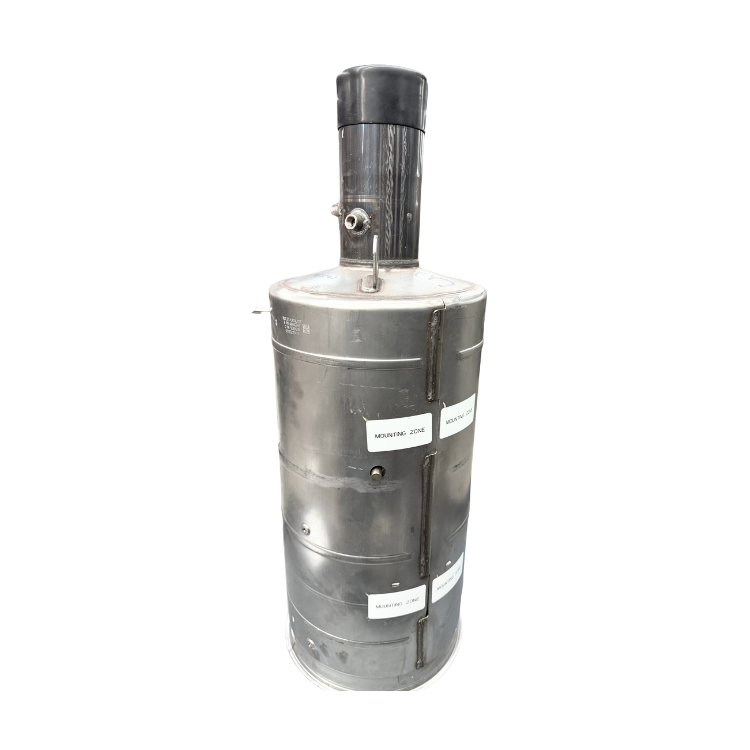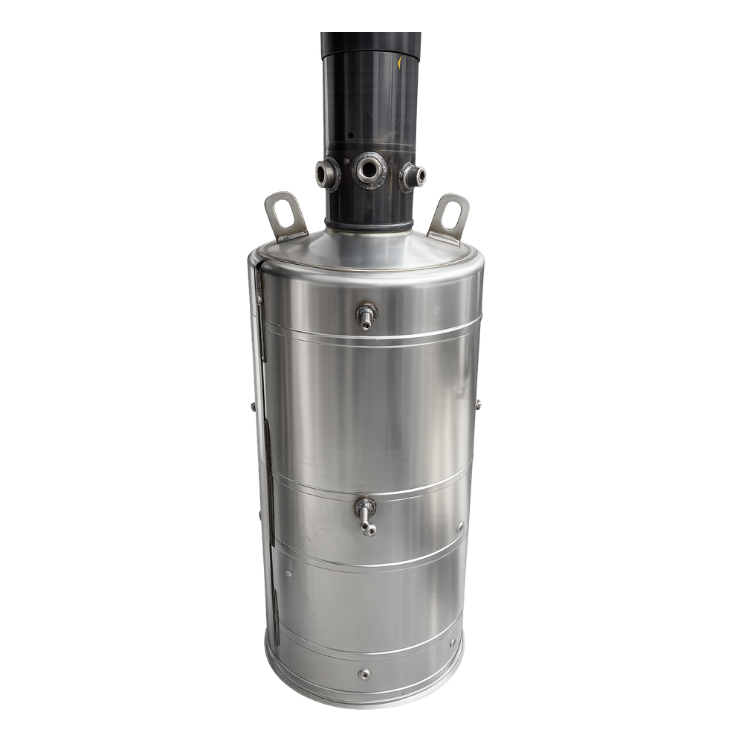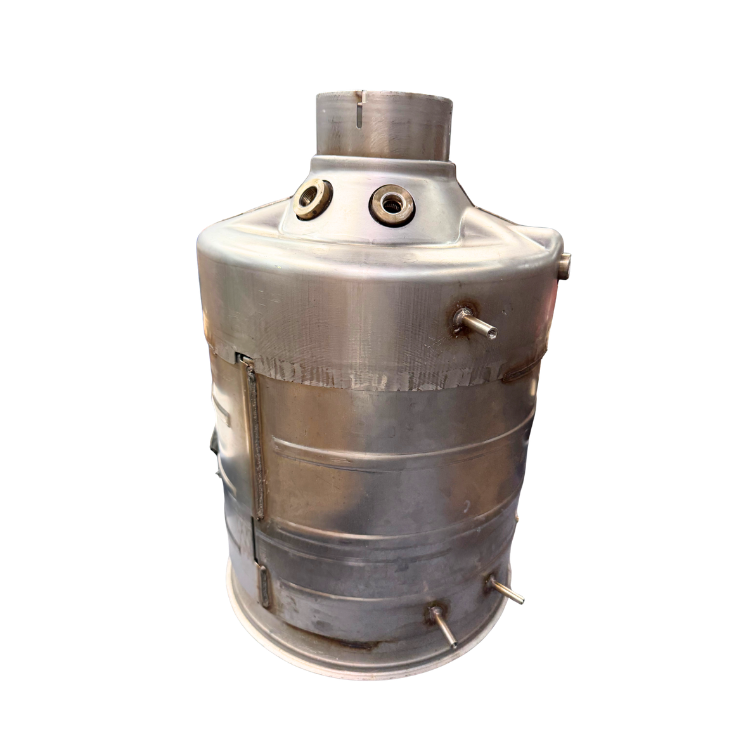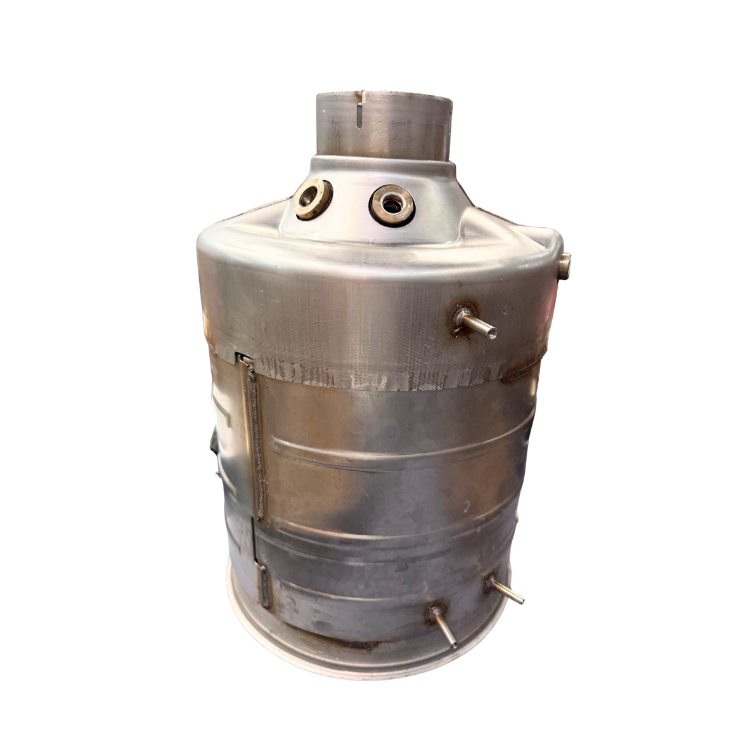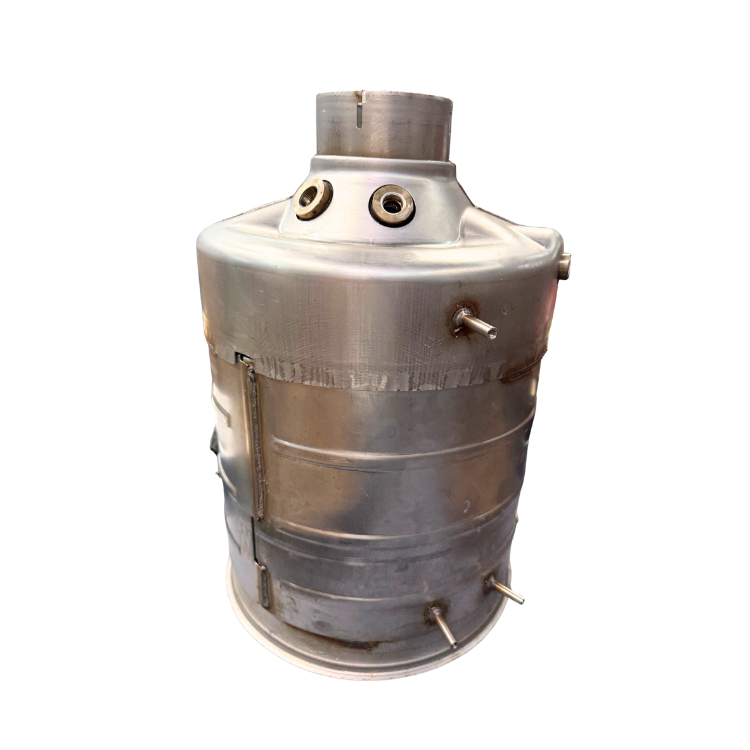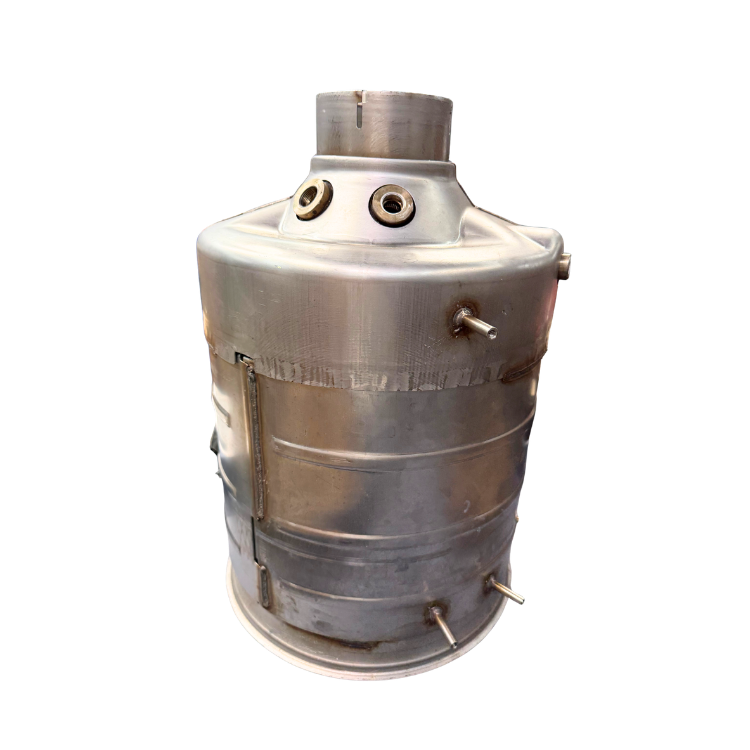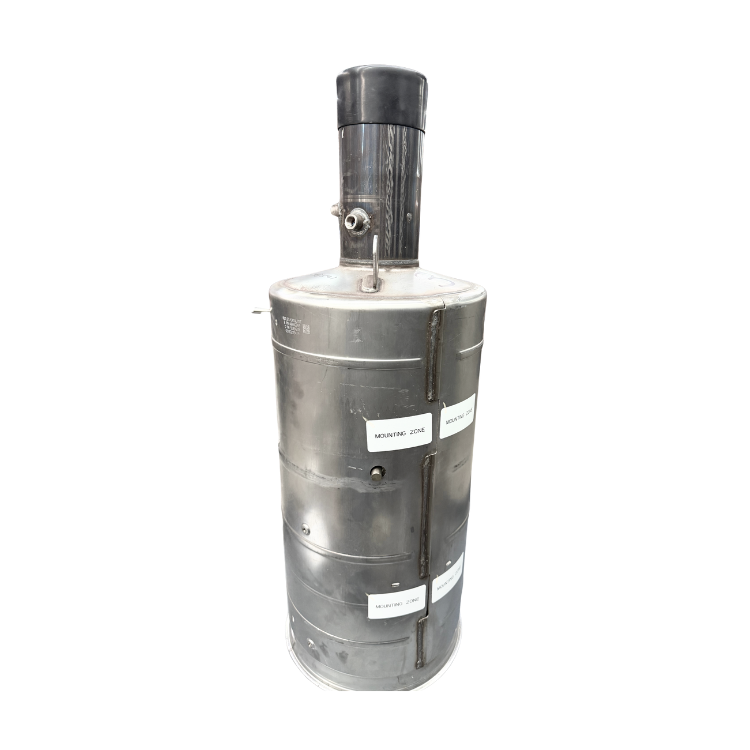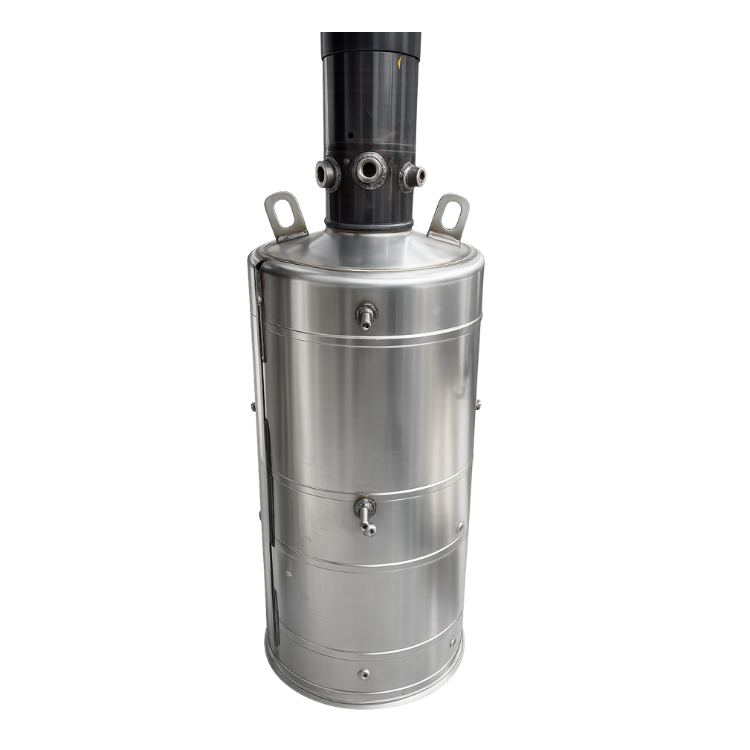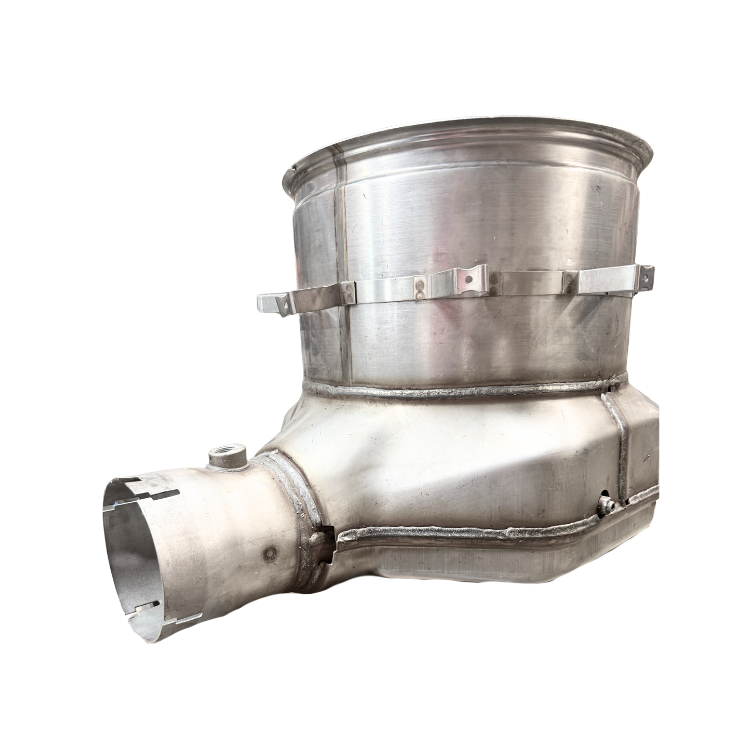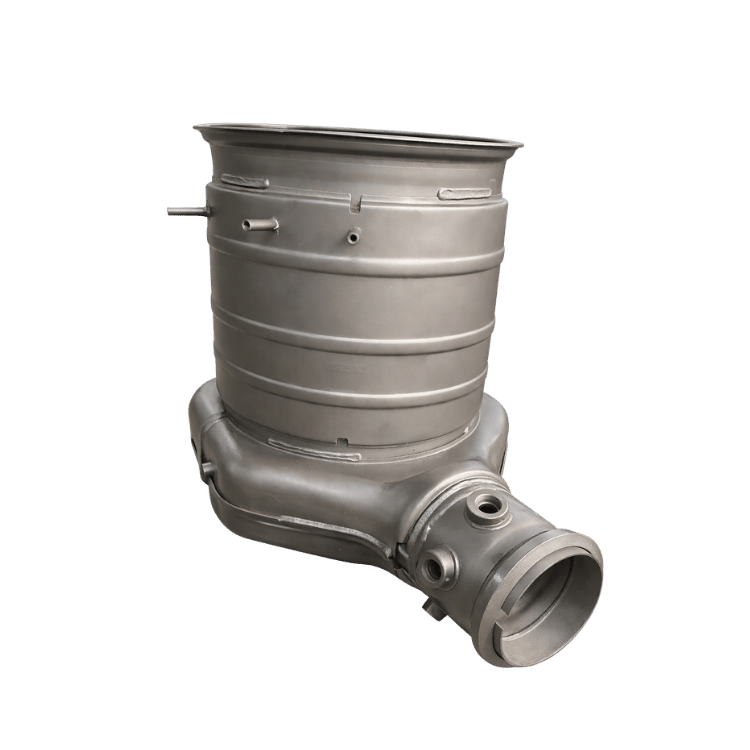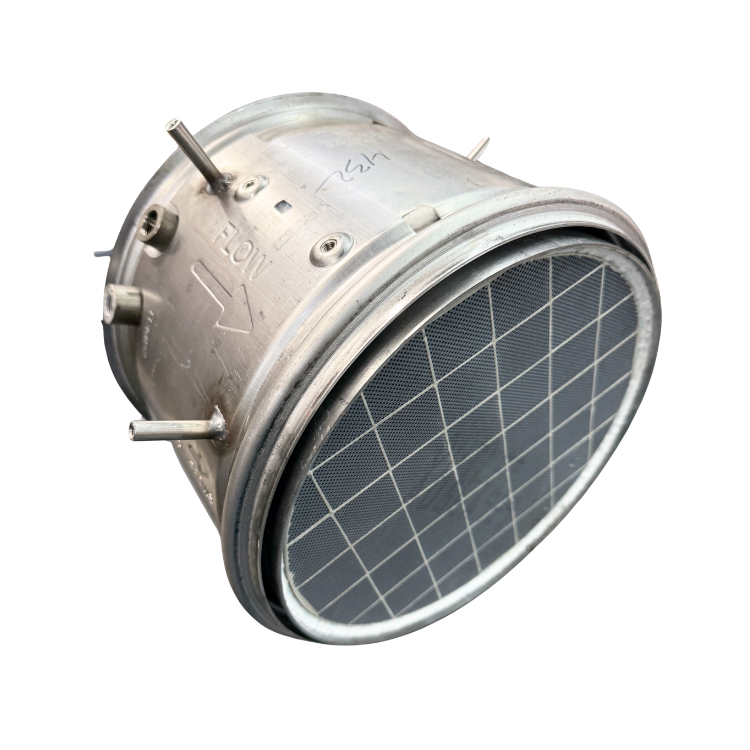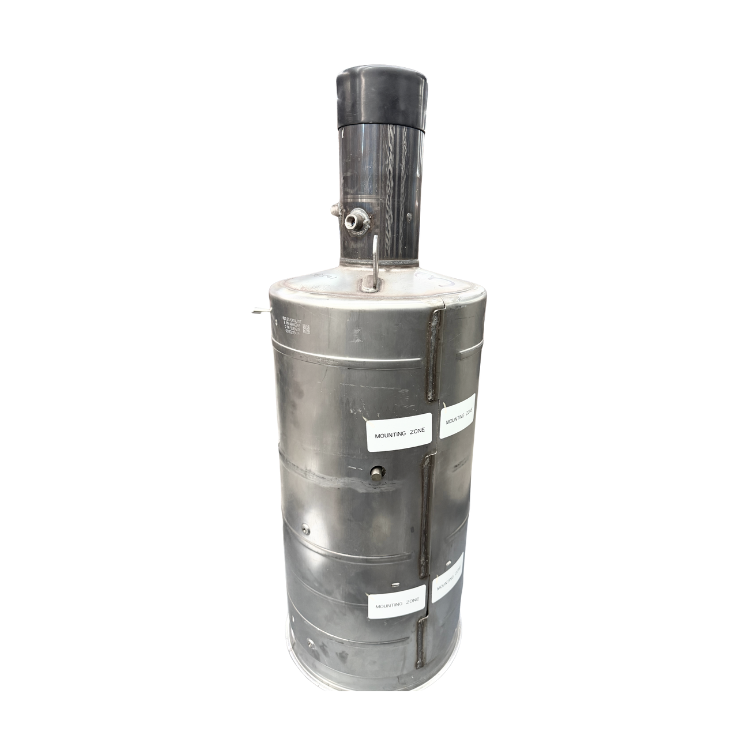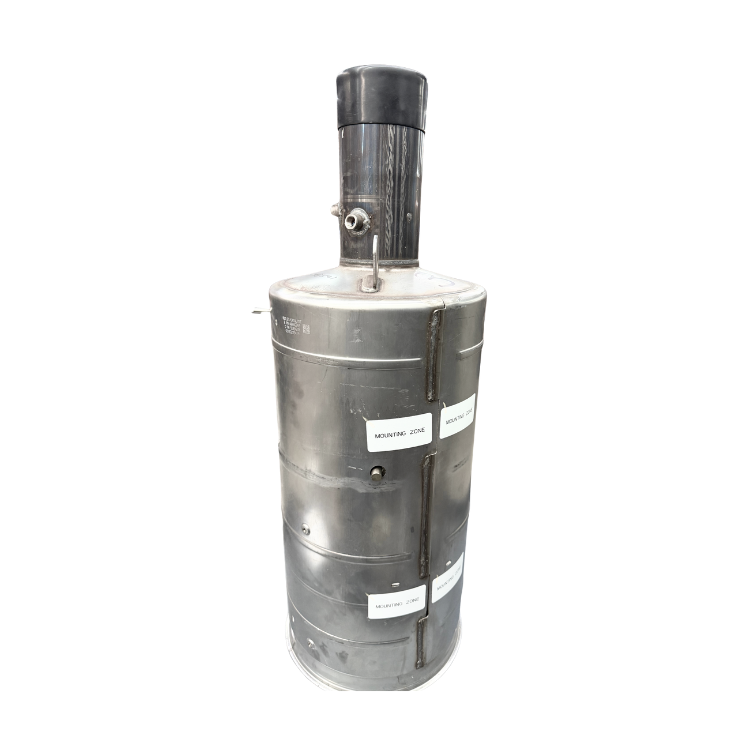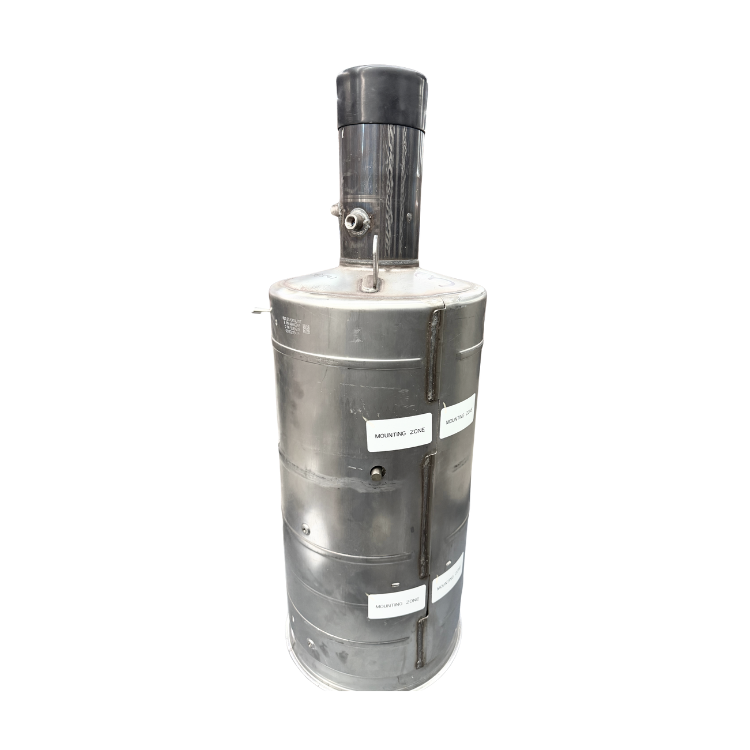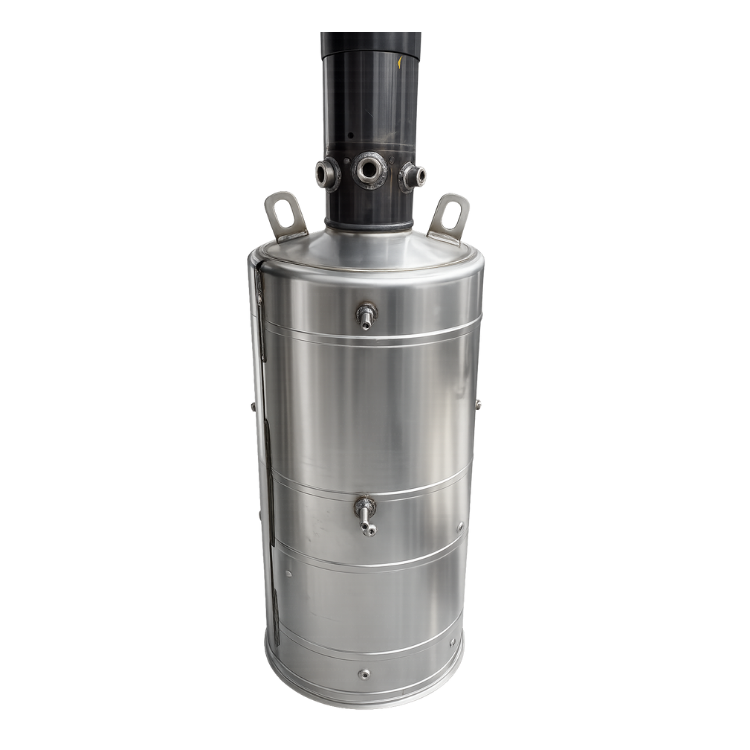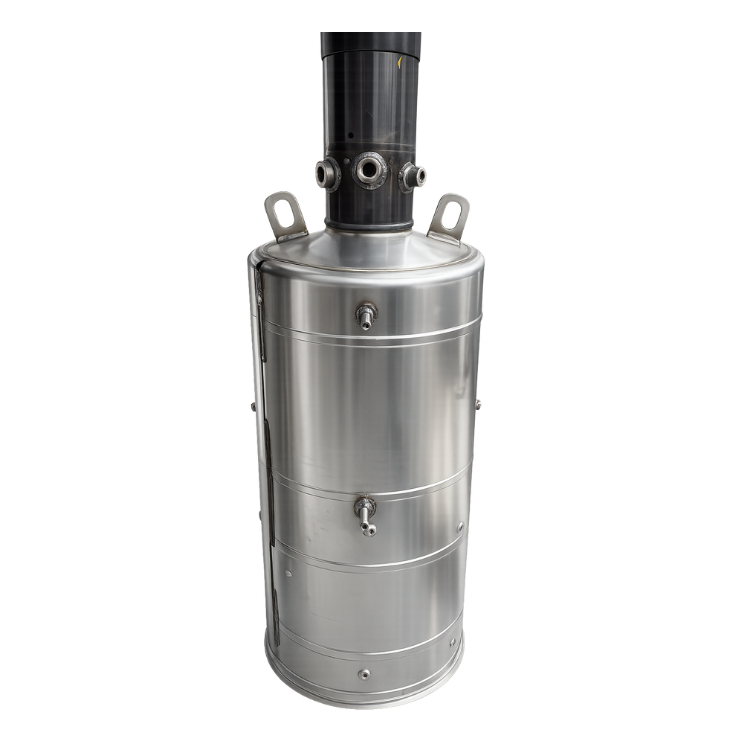



The Selective Catalytic Reduction (SCR) system is designed to provide long-term emissions control in modern diesel engines. Built to handle high exhaust temperatures and continuous operation, the SCR catalyst can last many miles under normal conditions. However, several factors can influence how long the system performs effectively before requiring replacement.
-
DEF quality plays a major role in SCR lifespan. Contaminated or incorrect Diesel Exhaust Fluid can damage the catalyst and reduce efficiency.
-
Excessive oil consumption can allow oil to enter the exhaust stream, coating the catalyst and shortening its service life.
-
Coolant leaks inside the engine may introduce harmful deposits that permanently damage the SCR internally.
-
Unresolved Diesel Particulate Filter (DPF) issues can cause improper exhaust flow or excessive heat, placing added stress on the SCR.
-
Frequent short trips or excessive idling may prevent the exhaust system from reaching optimal operating temperatures.
-
Faulty sensors or improper DEF dosing can lead to long-term strain on the system if not corrected promptly.
-
Operating conditions such as heavy loads or severe-duty use can gradually impact aftertreatment components over time.
The lifespan of an SCR system largely depends on proper maintenance and overall engine health. Using clean DEF, addressing engine problems quickly, and keeping the entire aftertreatment system in good condition can help extend SCR durability and maintain reliable emissions control.