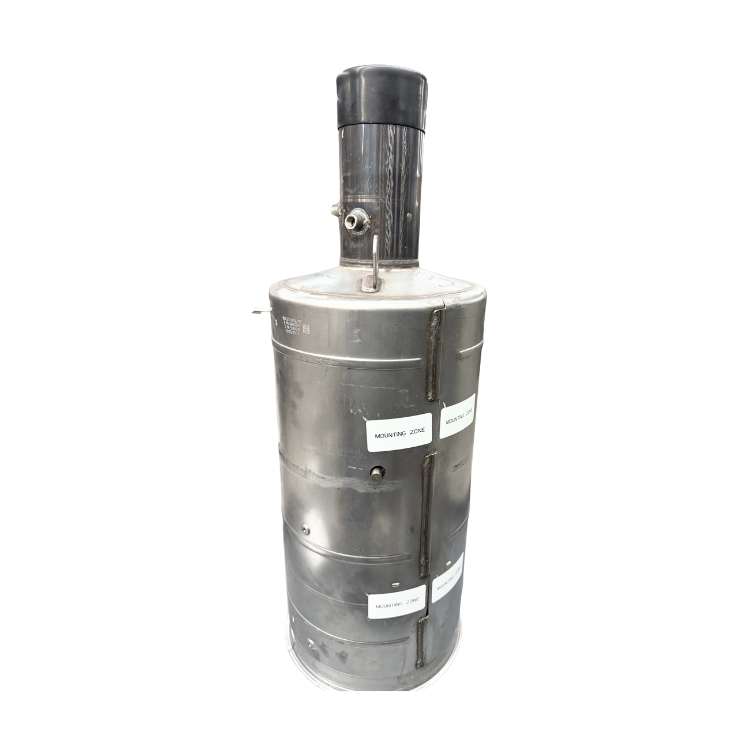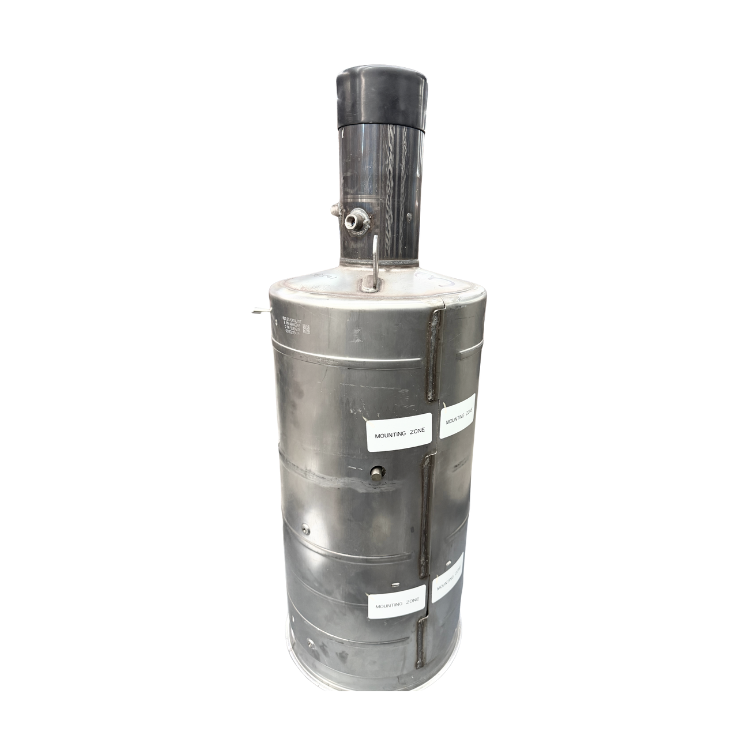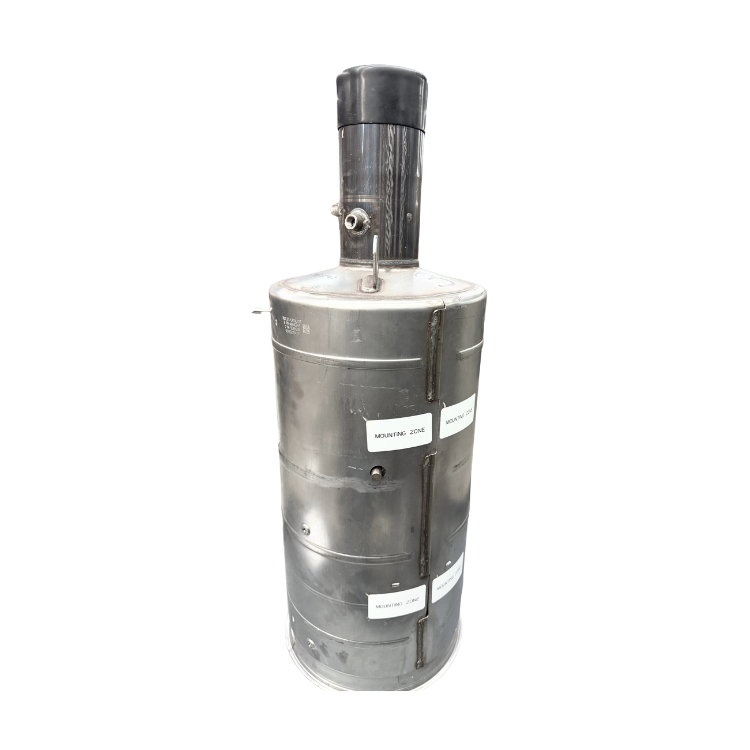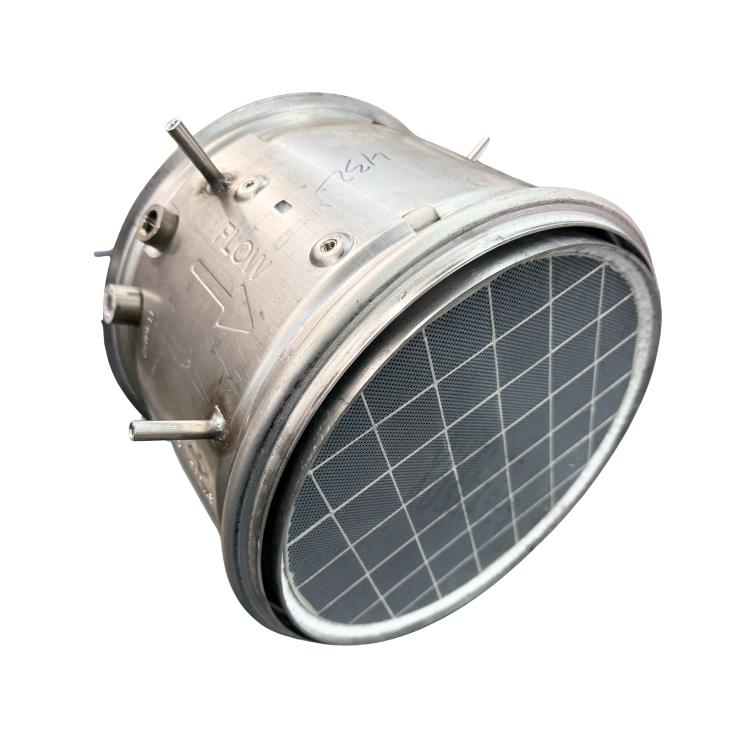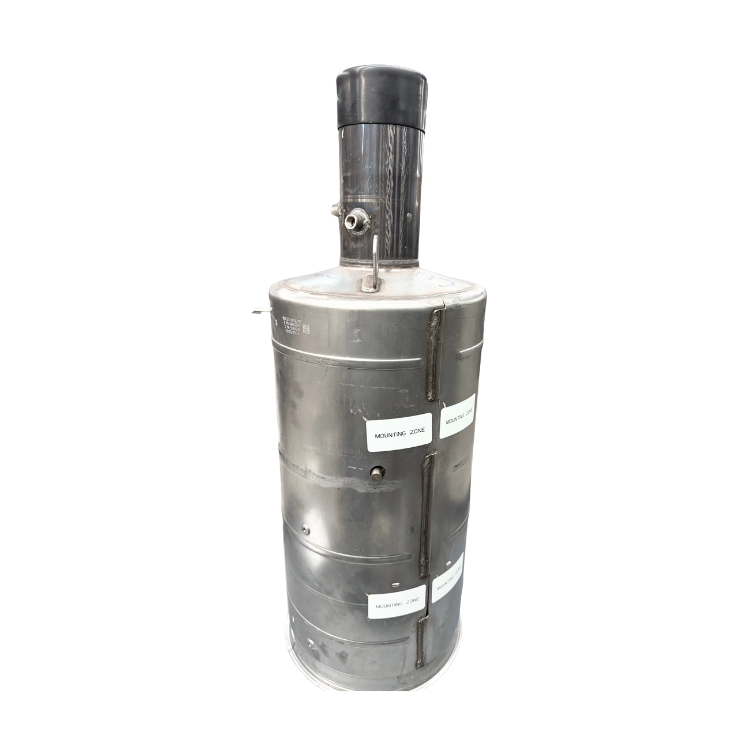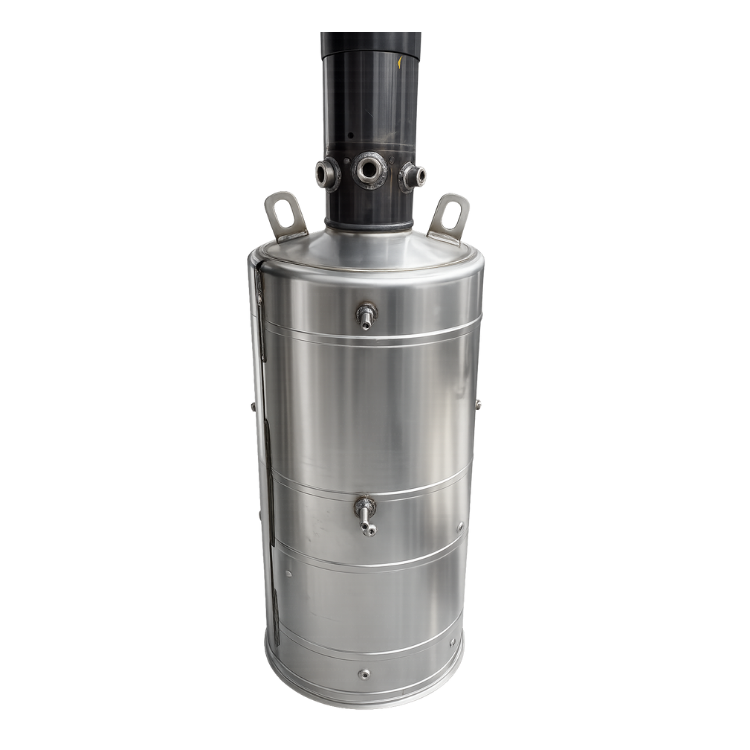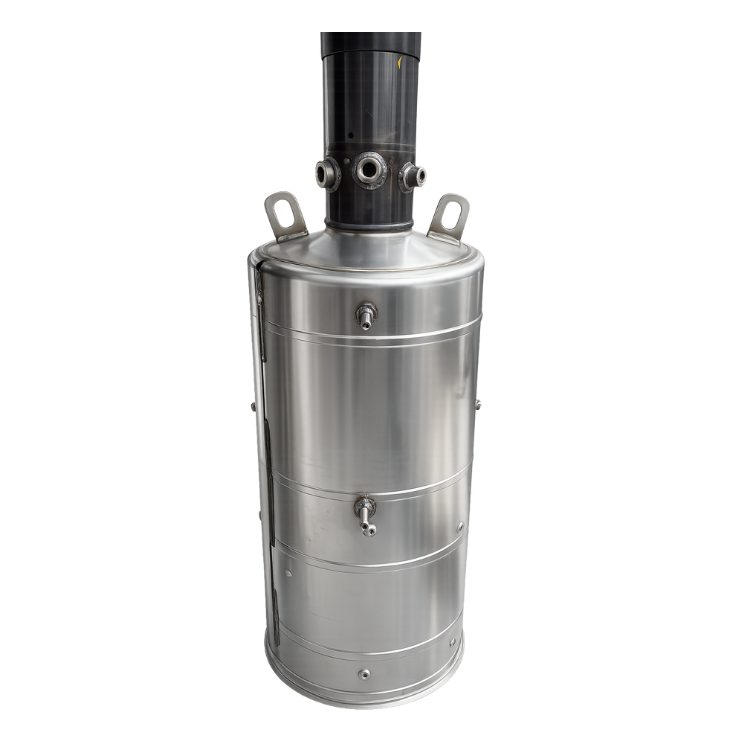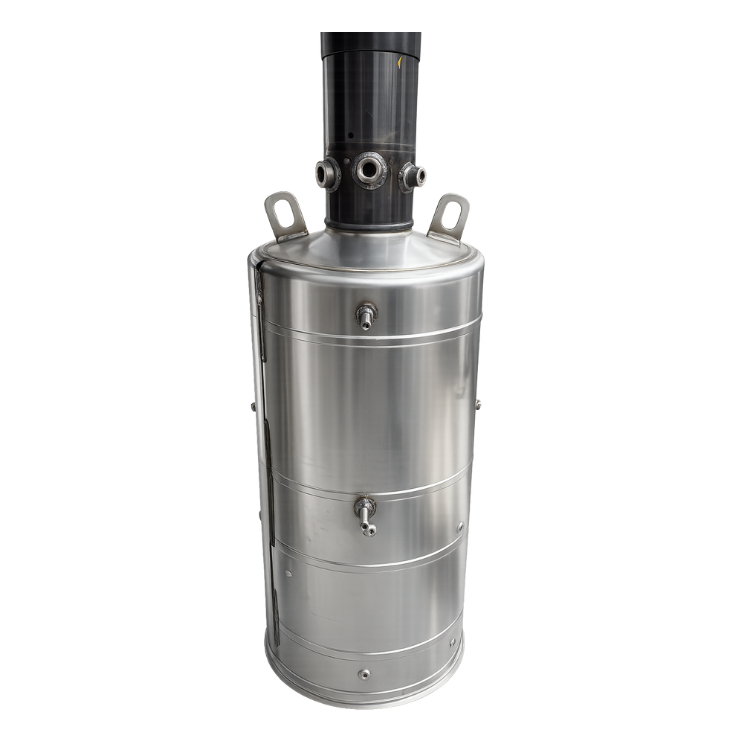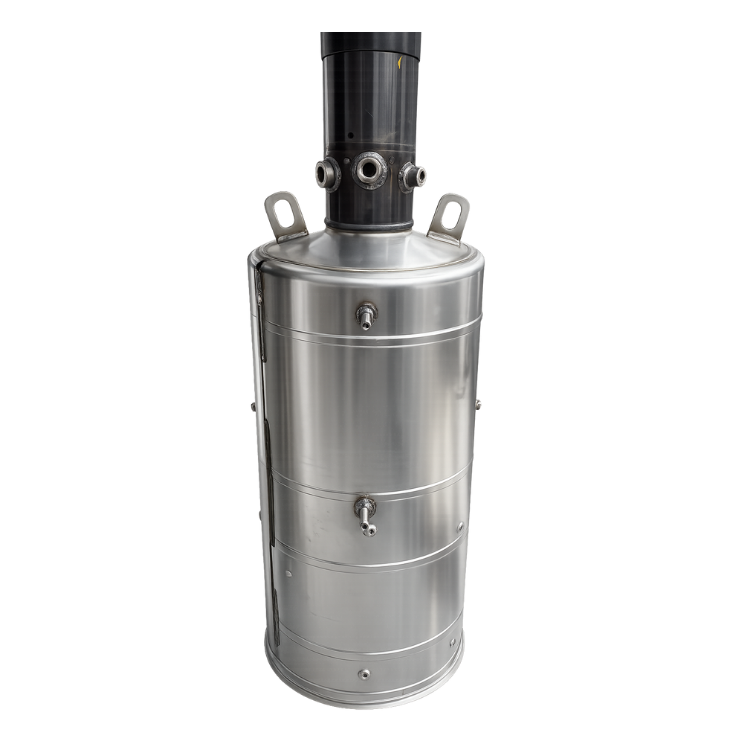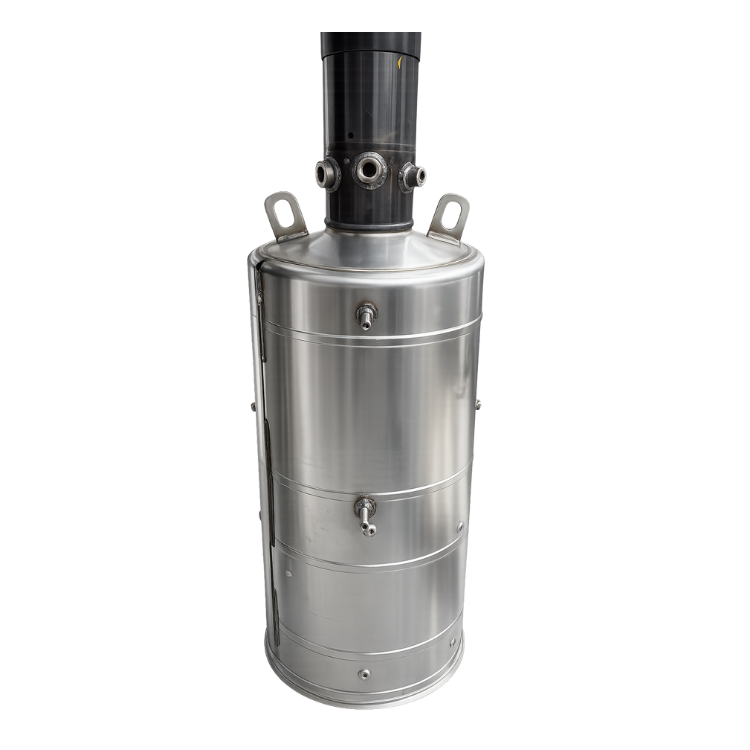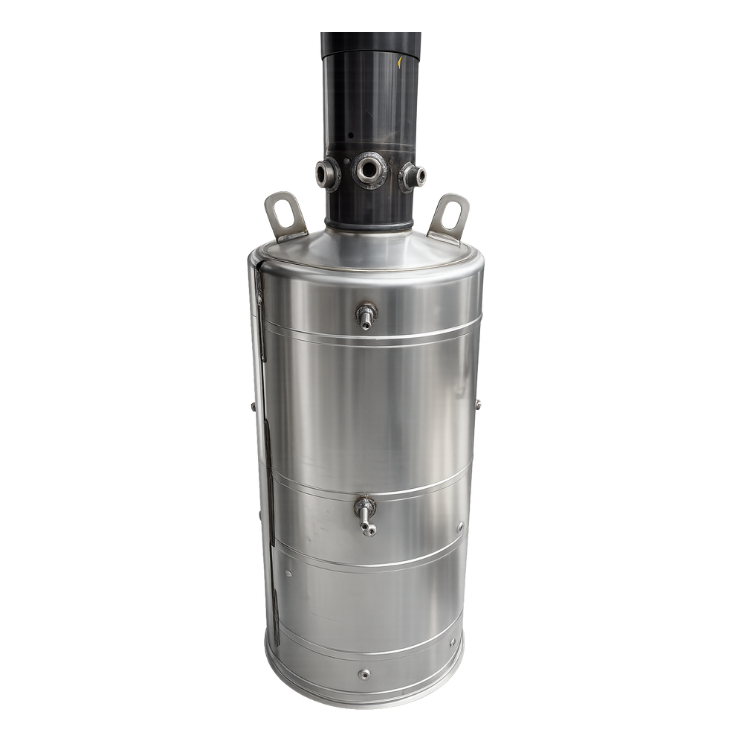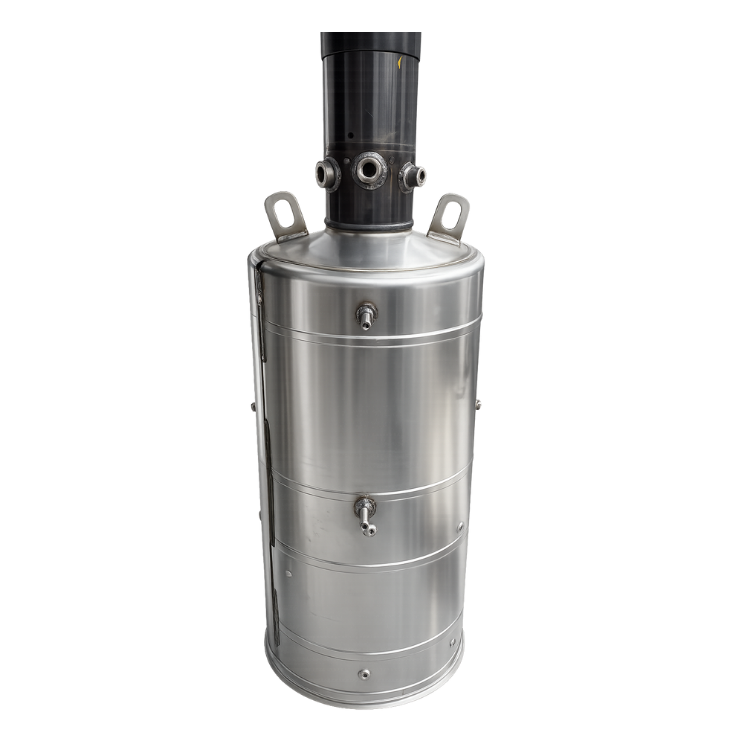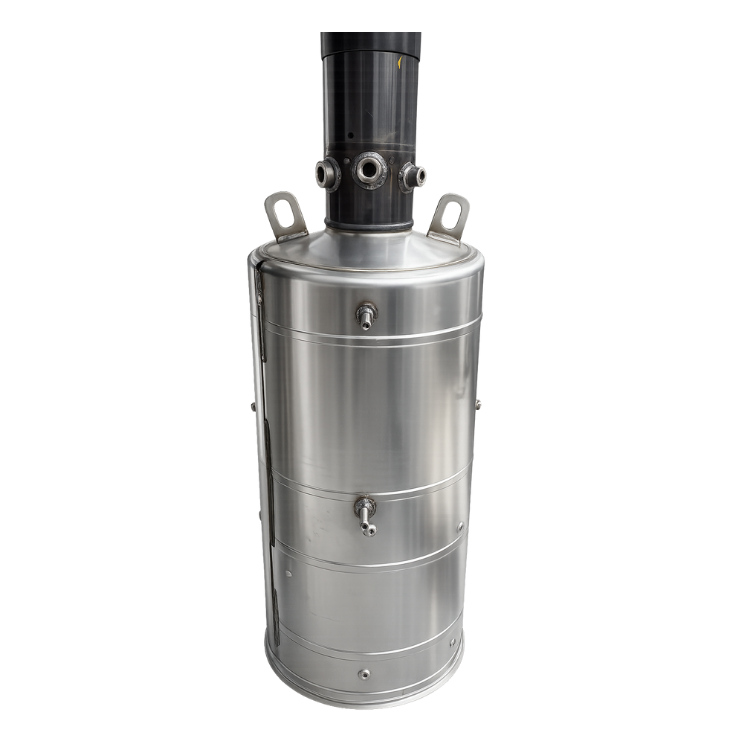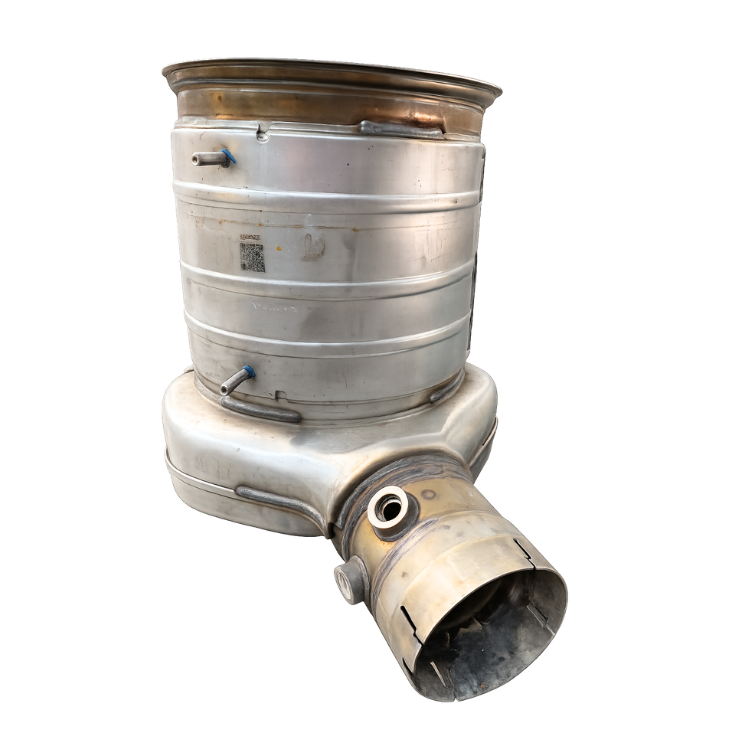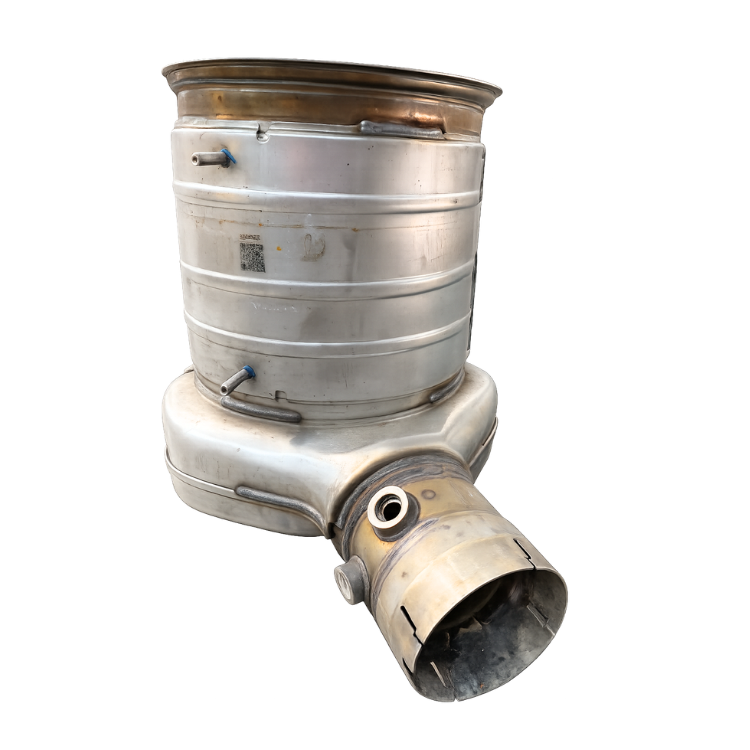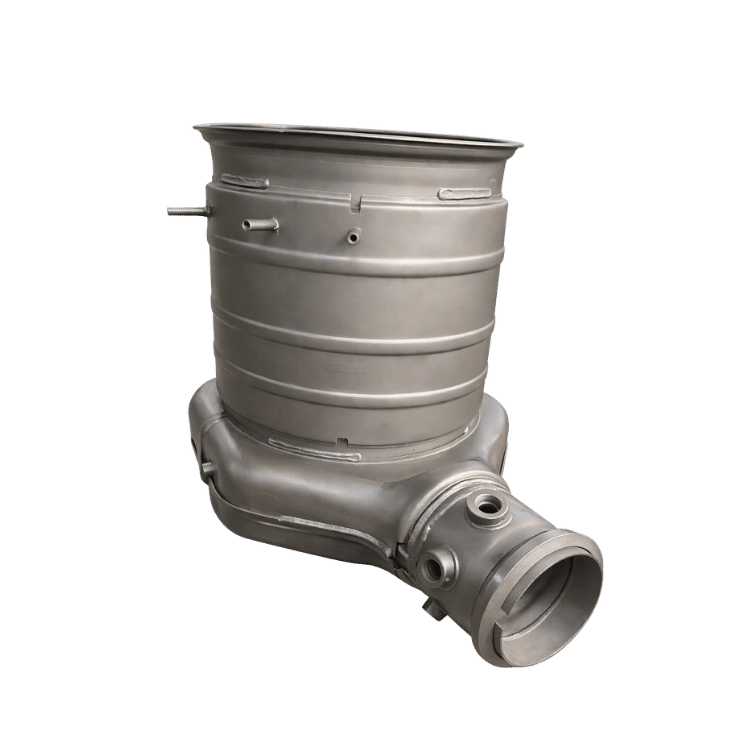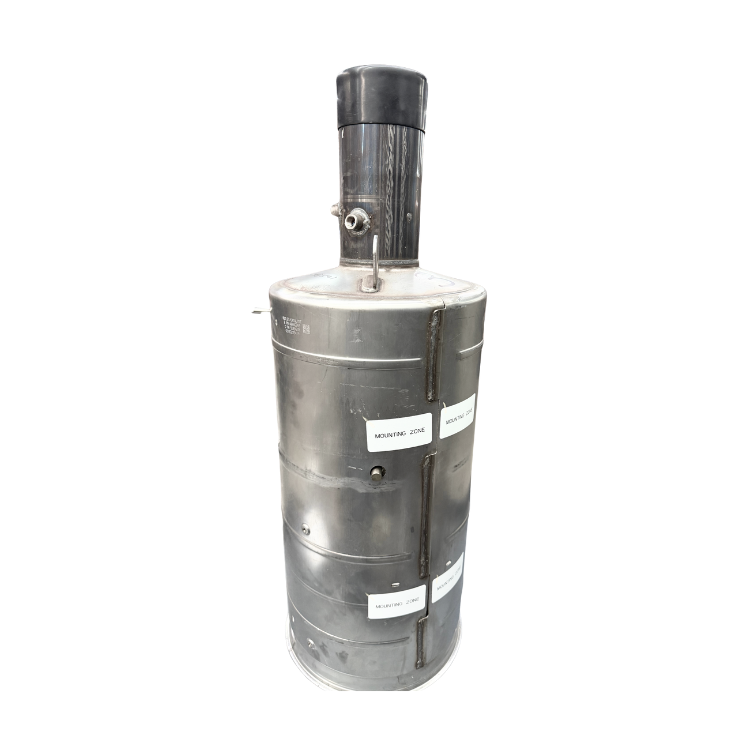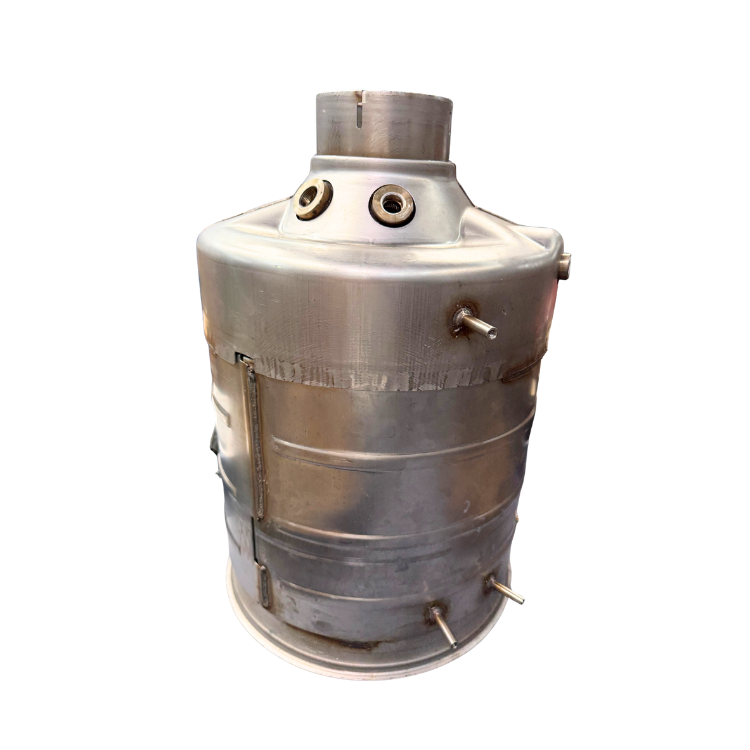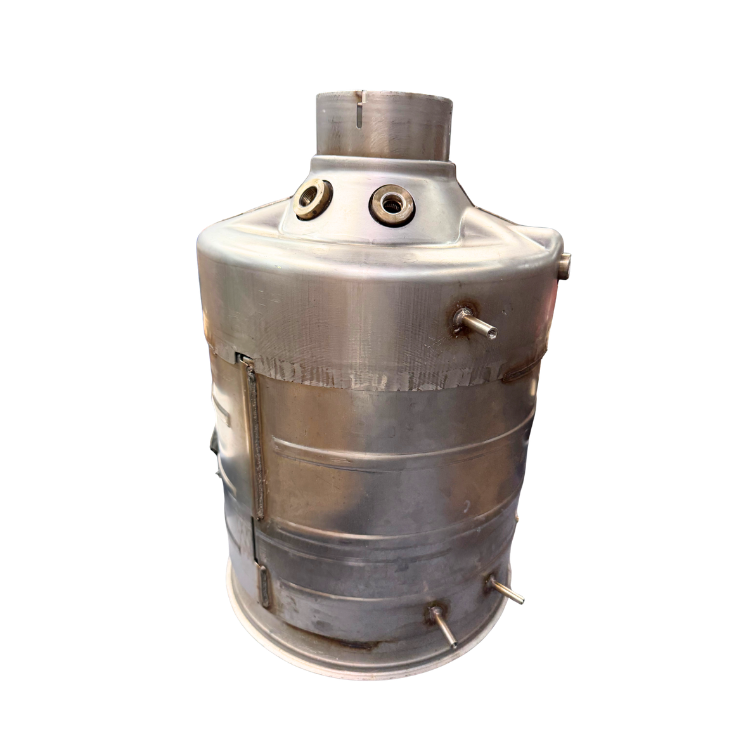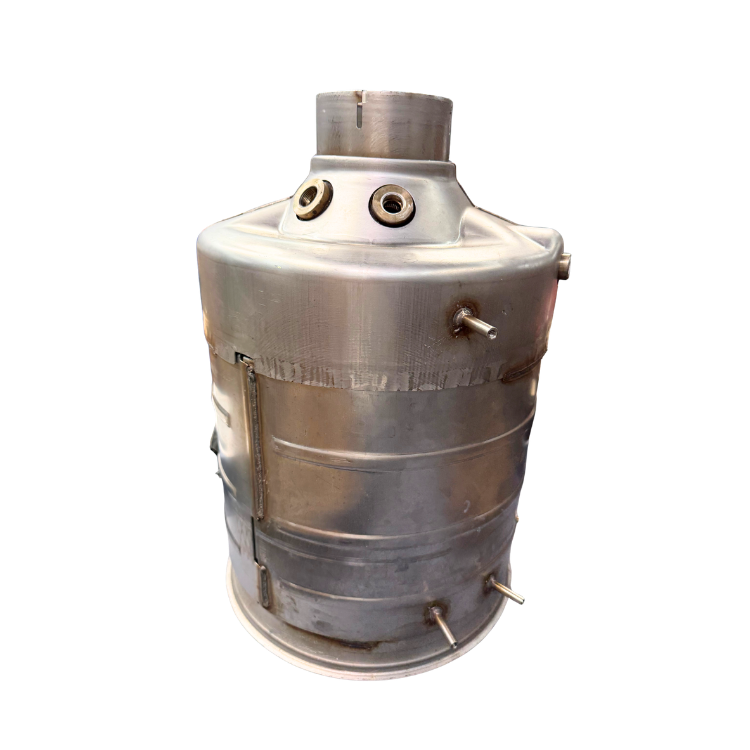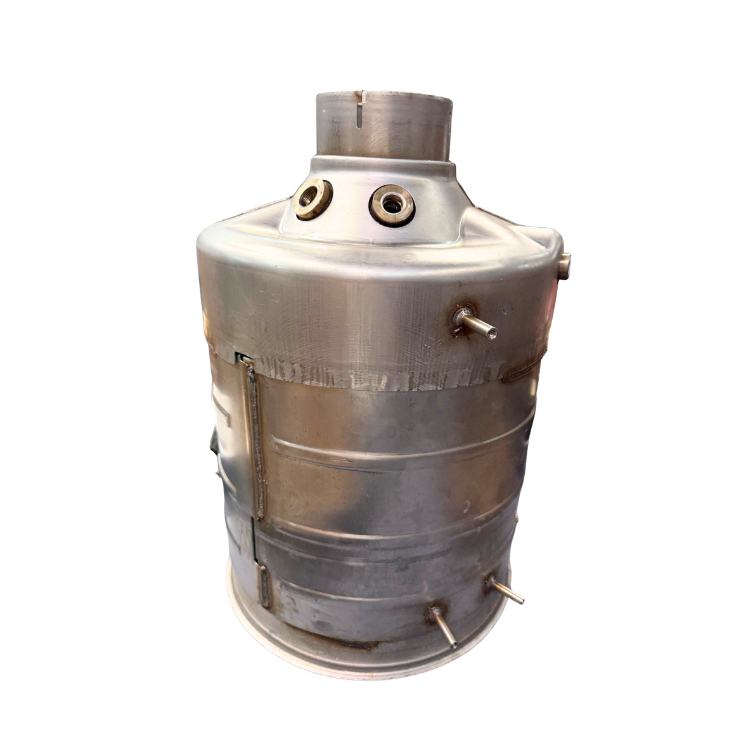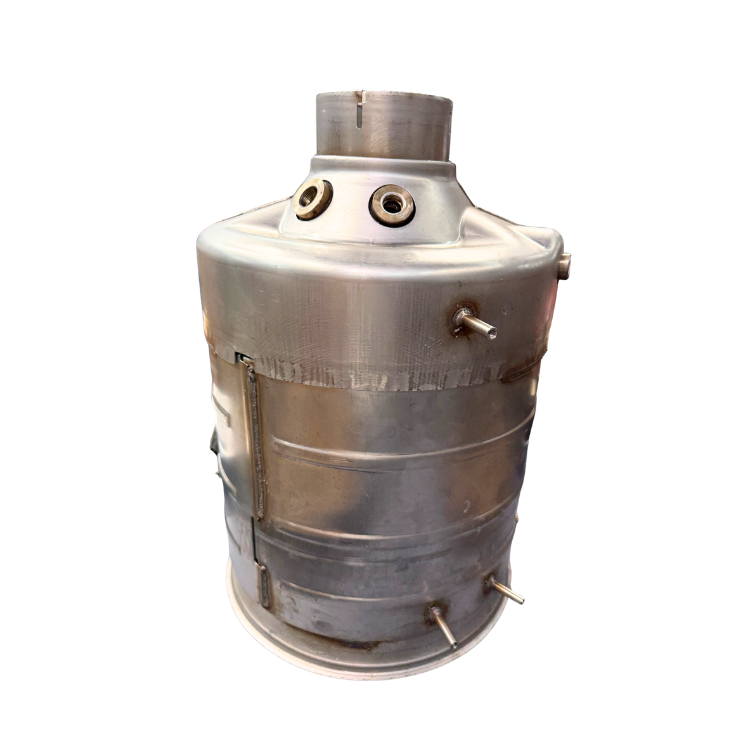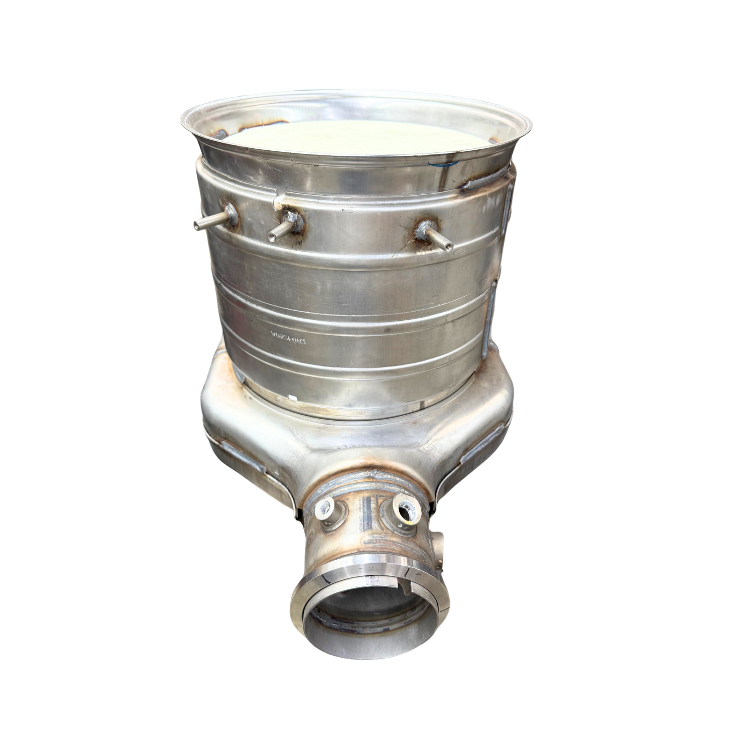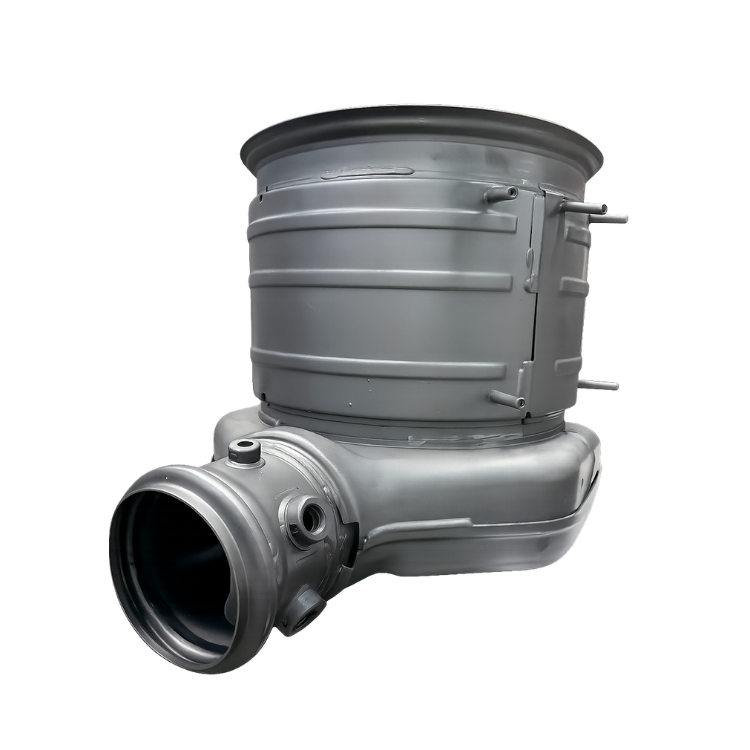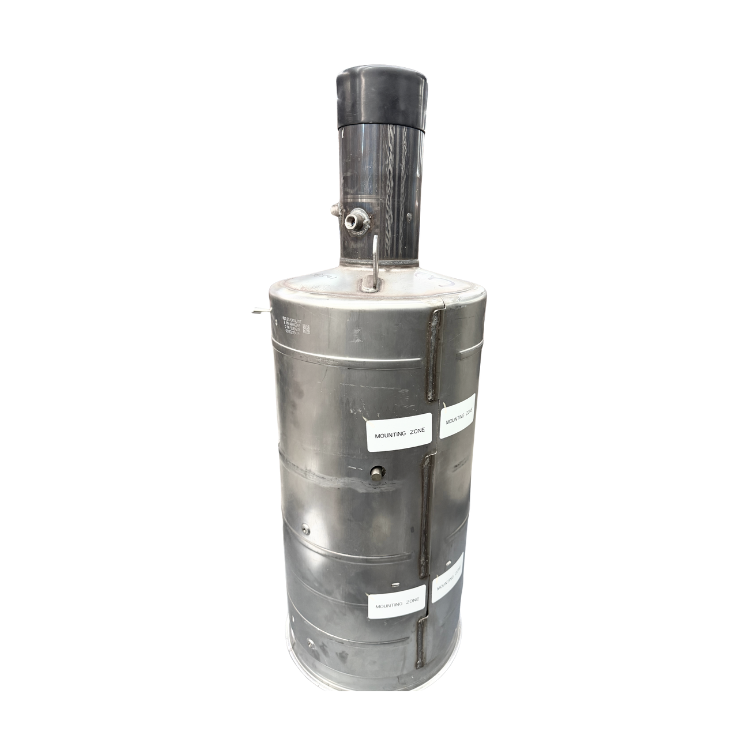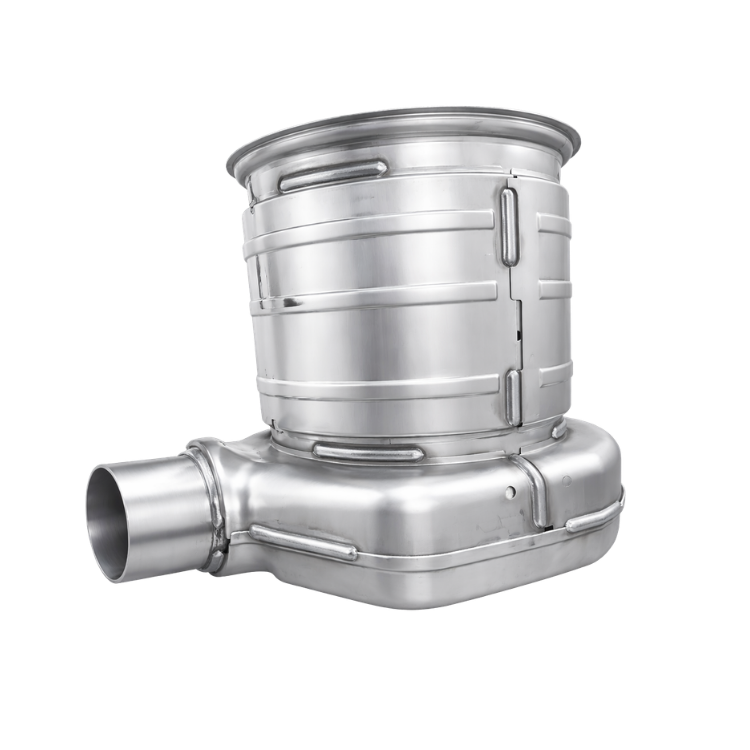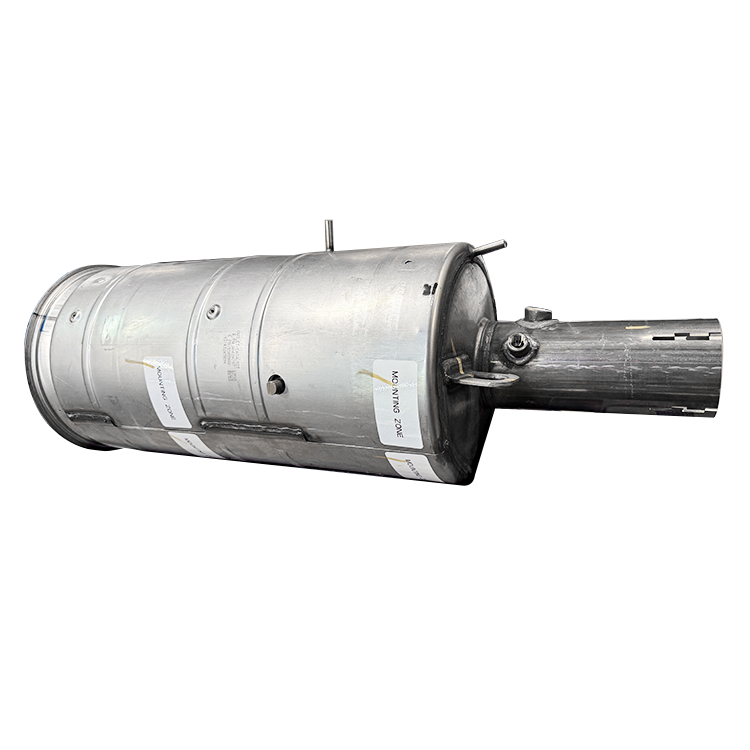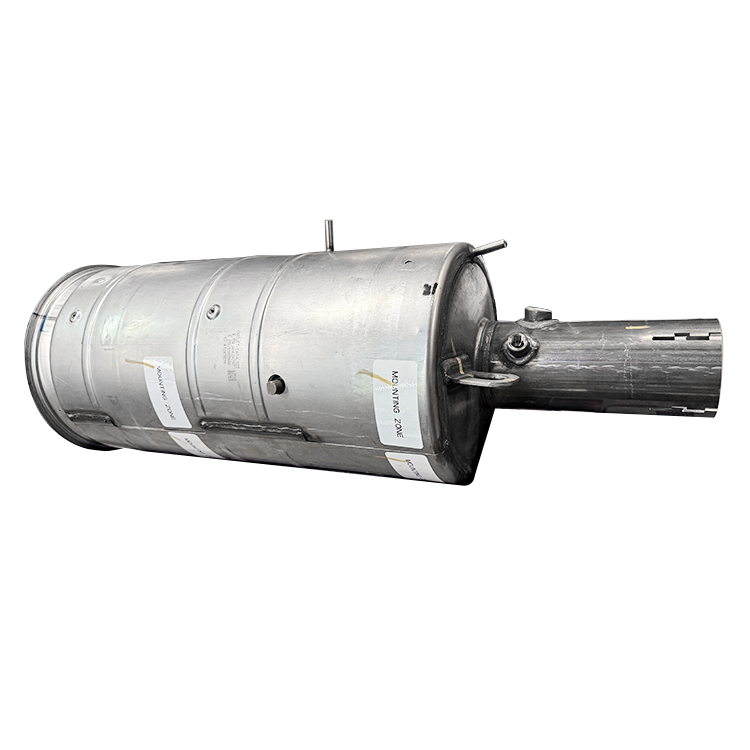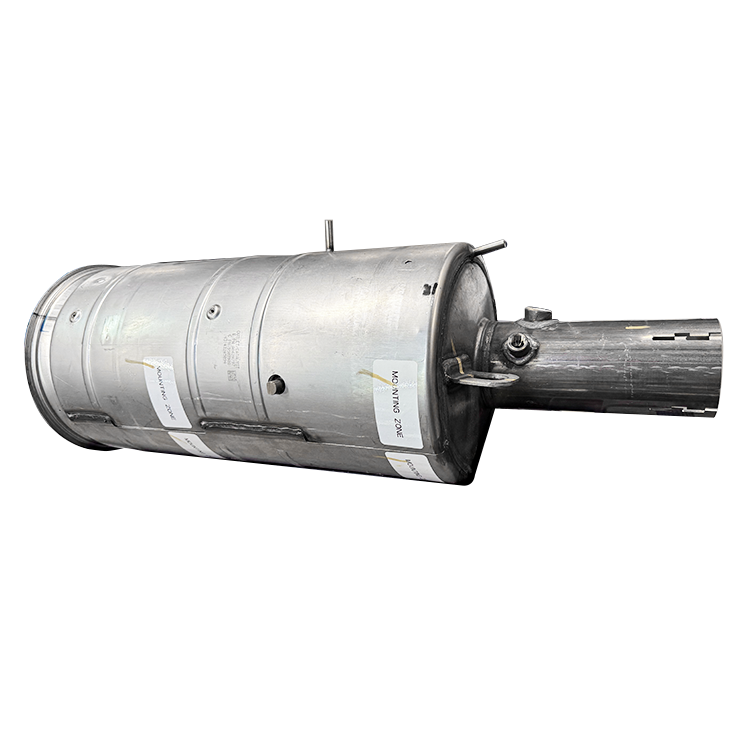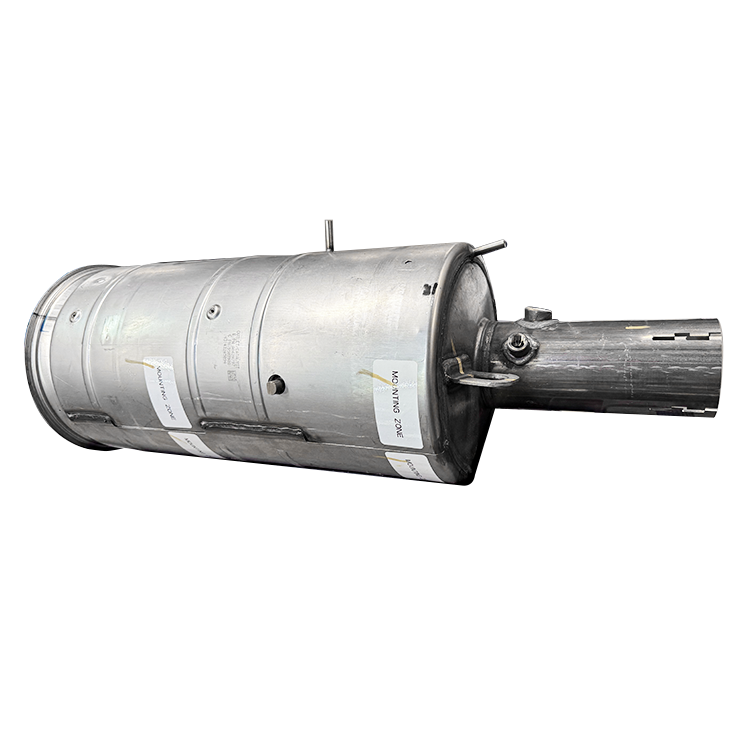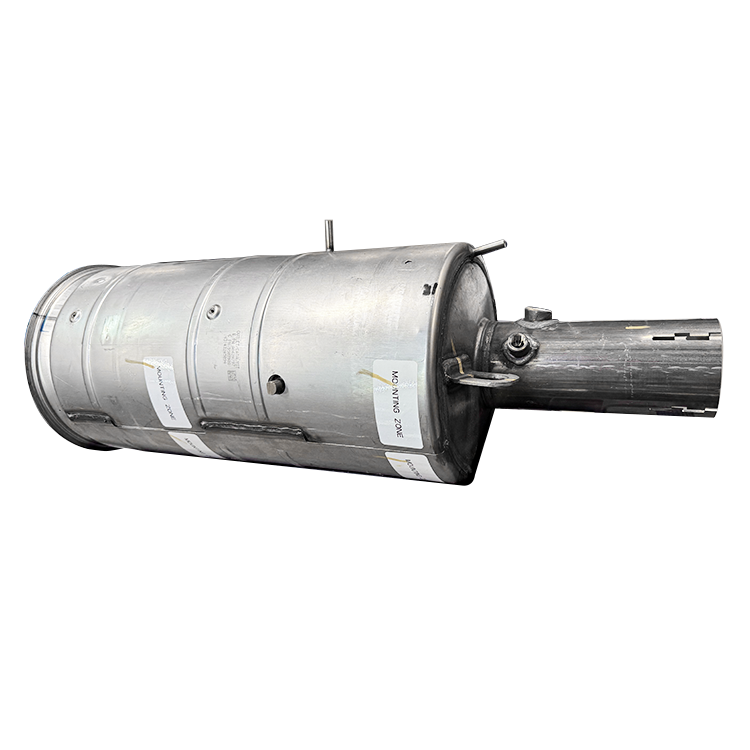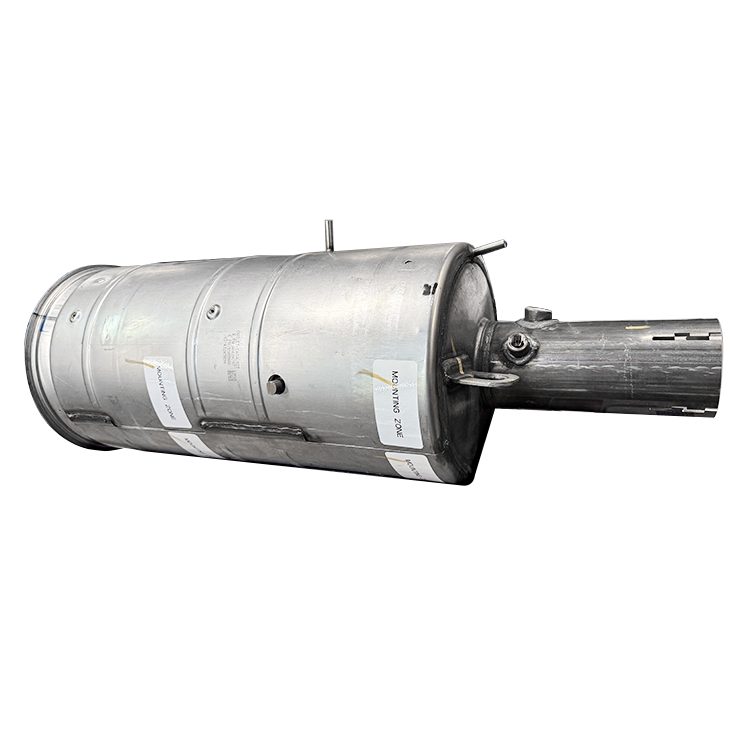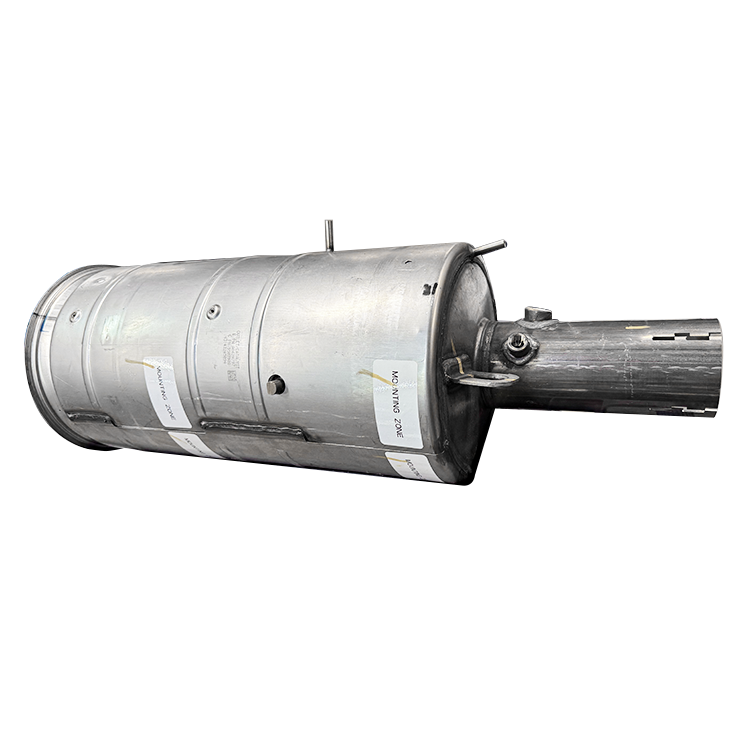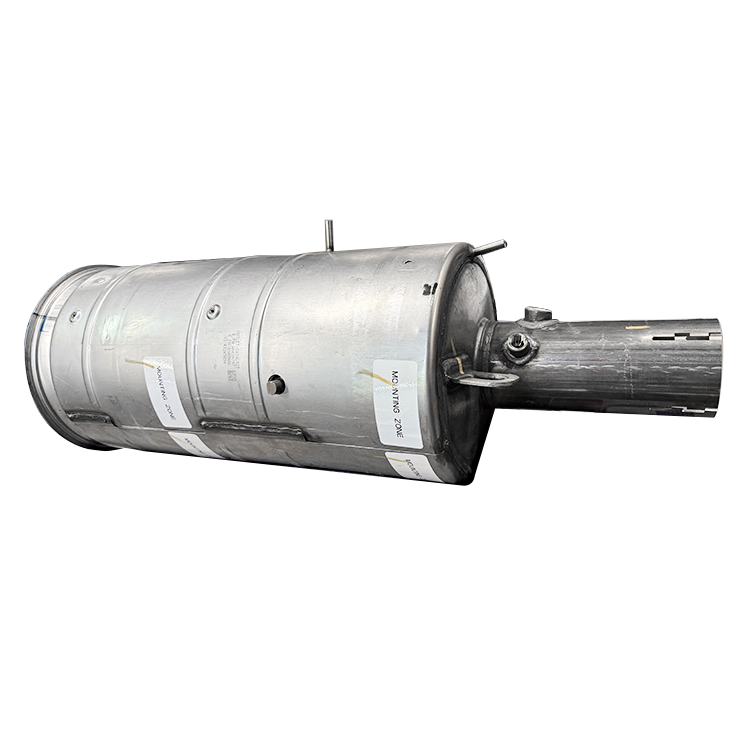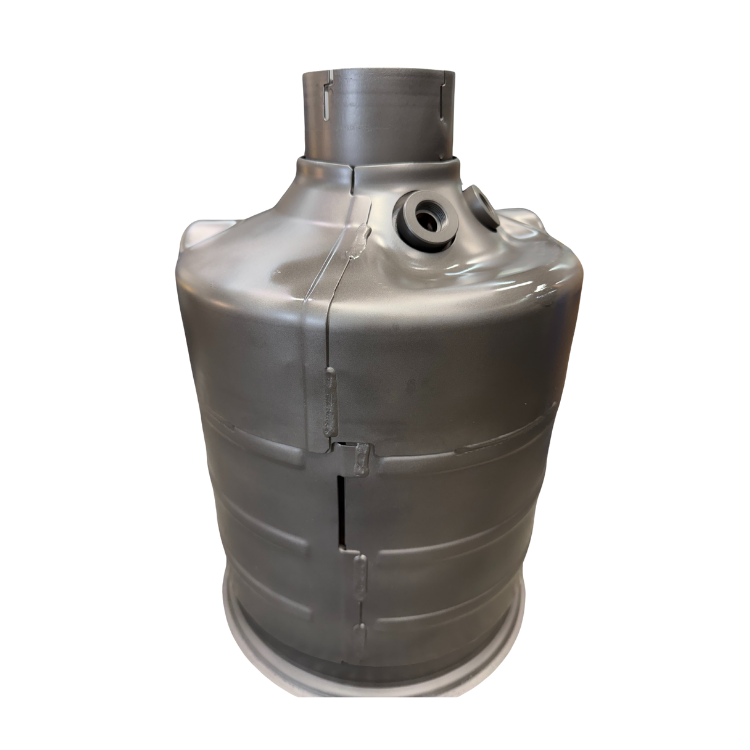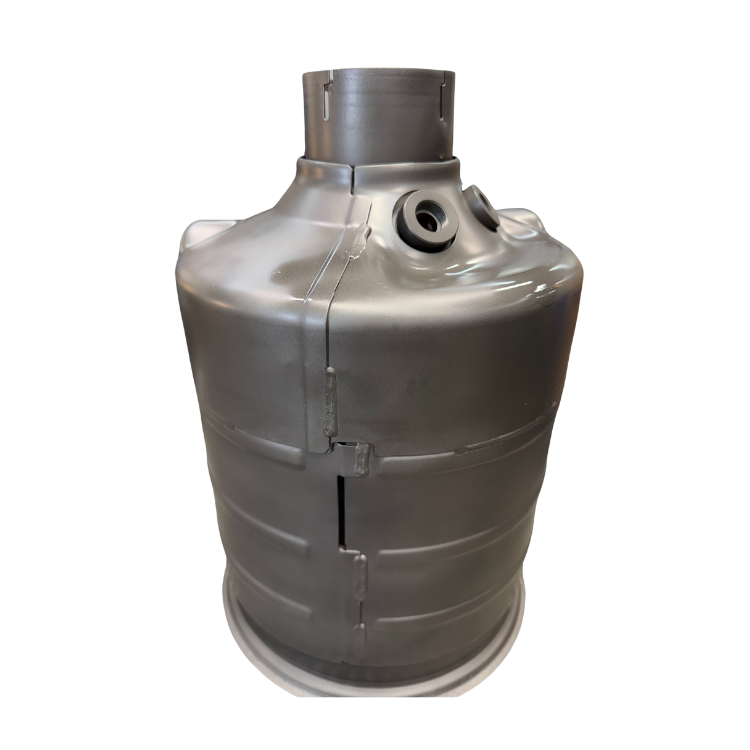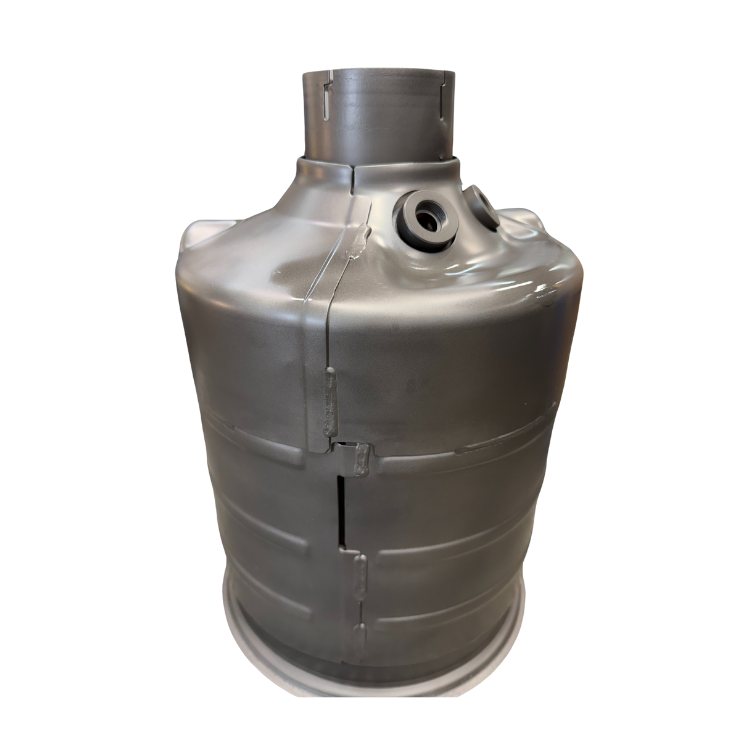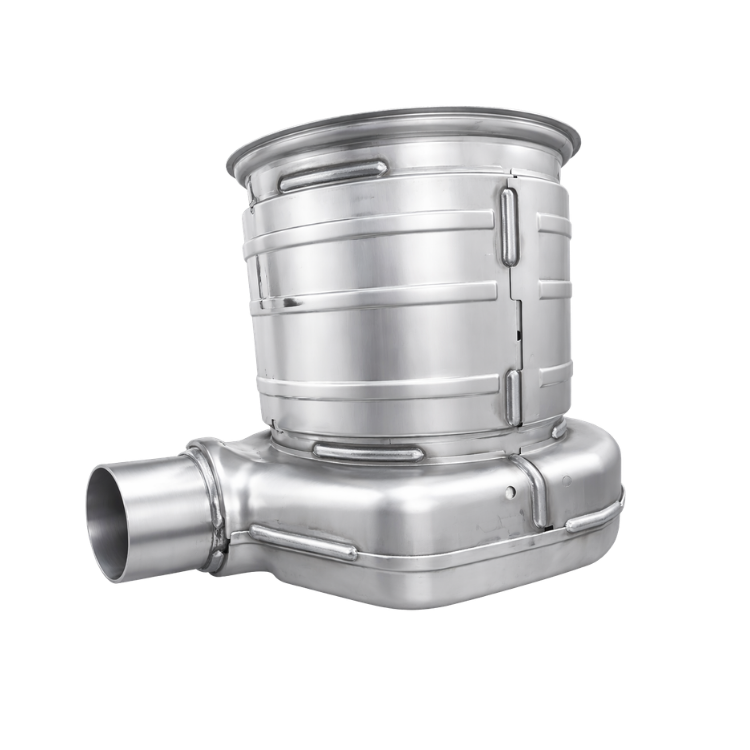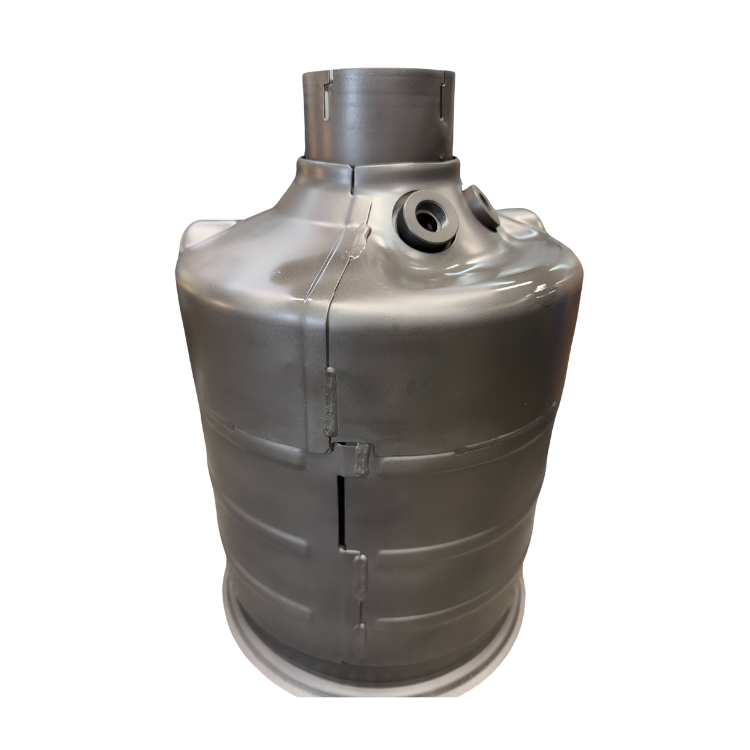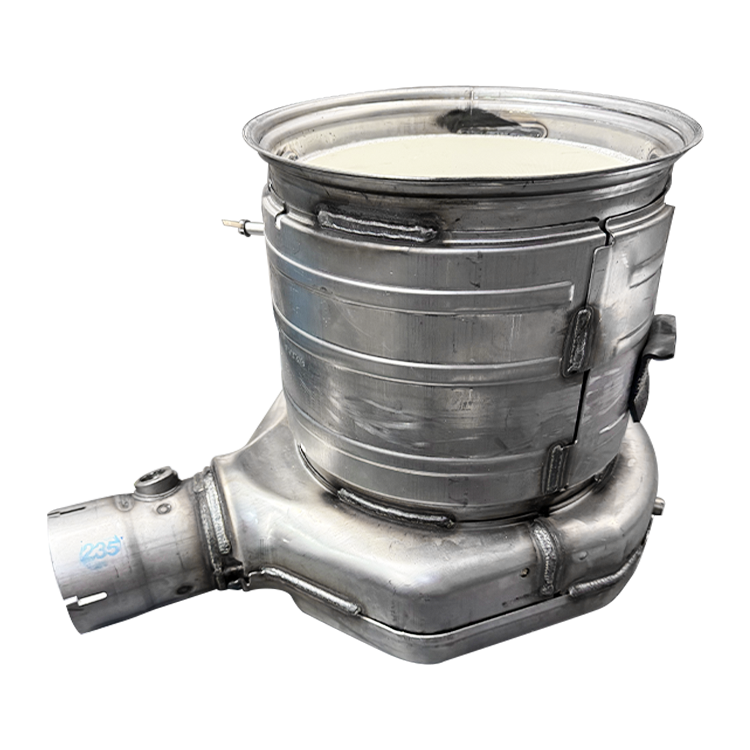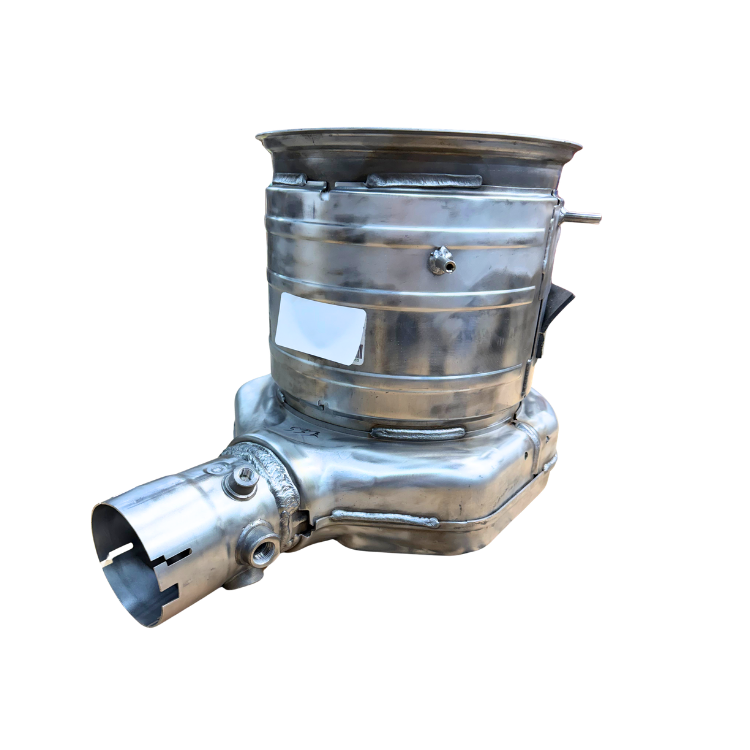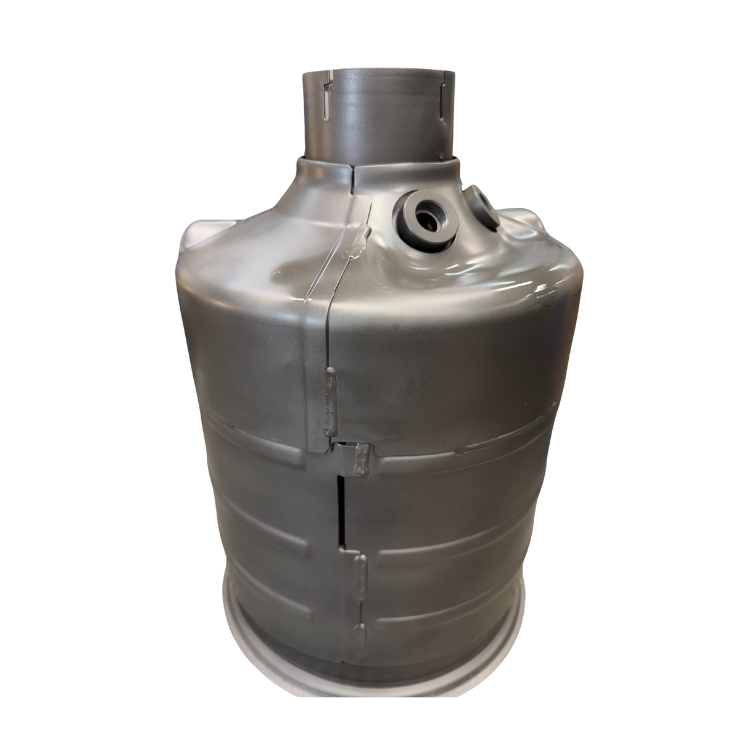



The Selective Catalytic Reduction (SCR) system helps reduce nitrogen oxide (NOx) emissions by injecting Diesel Exhaust Fluid (DEF) into the exhaust stream. Over time, certain conditions can lead to buildup or restriction within the system, affecting its ability to function properly. Preventing SCR clogging starts with proper maintenance and addressing small issues before they turn into larger problems.
-
Always use clean, manufacturer-approved DEF. Contaminated or low-quality fluid can leave deposits that interfere with proper chemical reactions inside the catalyst.
-
Store DEF in sealed containers and protect it from dirt, moisture, and extreme temperatures to maintain fluid quality.
-
Inspect the DEF injector regularly for crystallization buildup, which can restrict proper spray patterns and dosing.
-
Address Diesel Particulate Filter (DPF) issues promptly, as excessive soot or failed regenerations can impact exhaust flow and affect SCR performance.
-
Repair engine problems such as oil consumption or coolant leaks quickly to prevent internal contamination of the aftertreatment system.
-
Monitor and respond to warning lights or fault codes early instead of delaying diagnostics.
-
Follow scheduled maintenance intervals to check sensors, filters, and related emissions components.
Preventing SCR clogging depends on consistent upkeep and proper DEF handling. By maintaining the entire exhaust aftertreatment system and resolving issues promptly, you can help ensure reliable emissions control and extend the life of the SCR system.