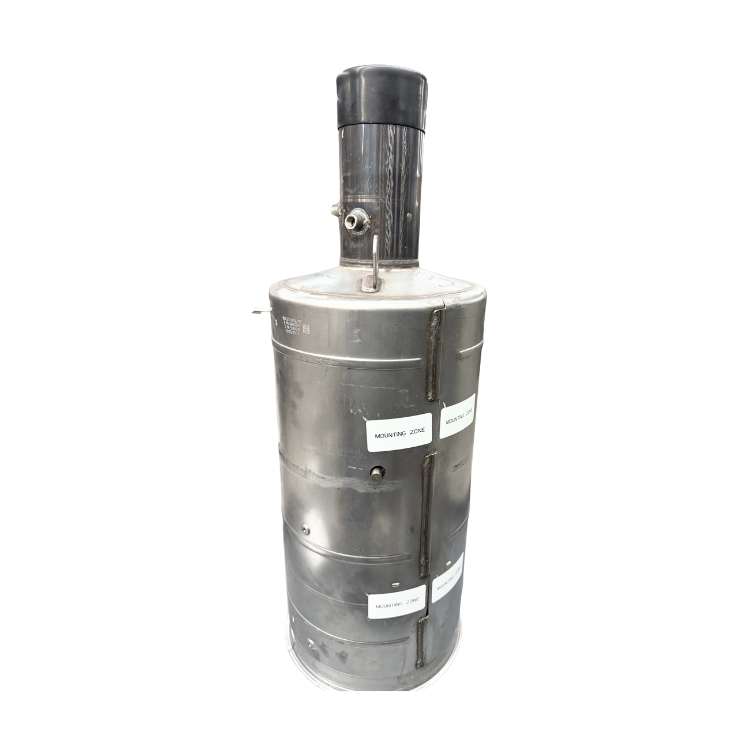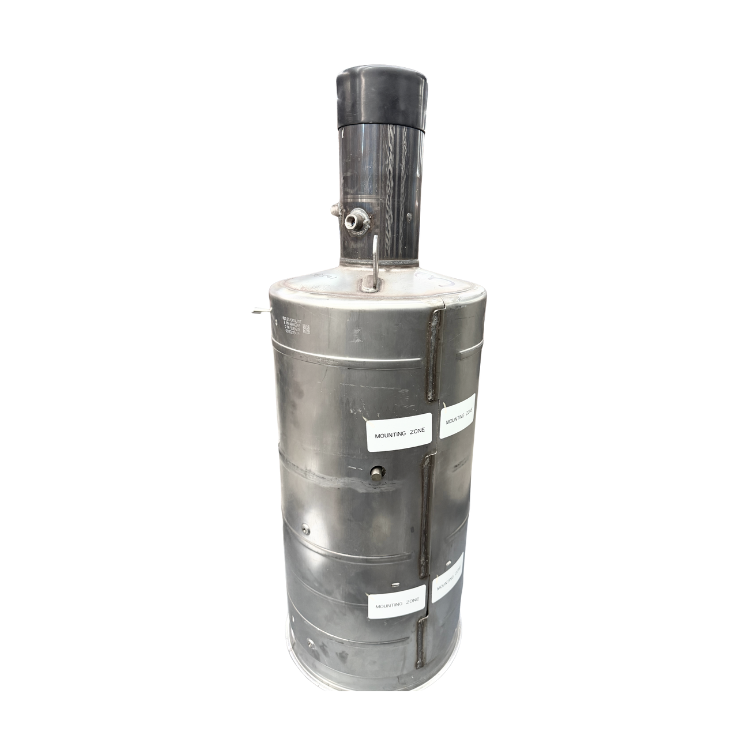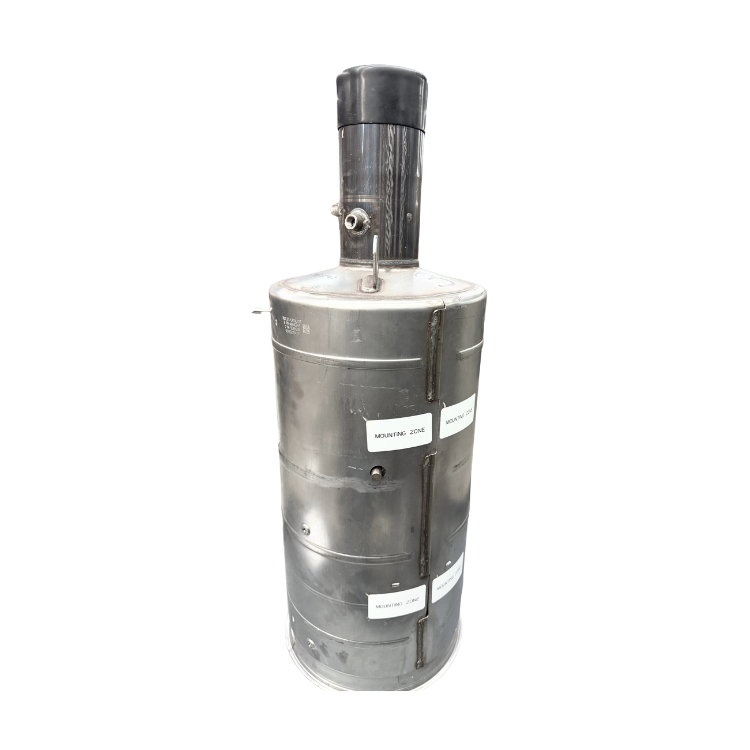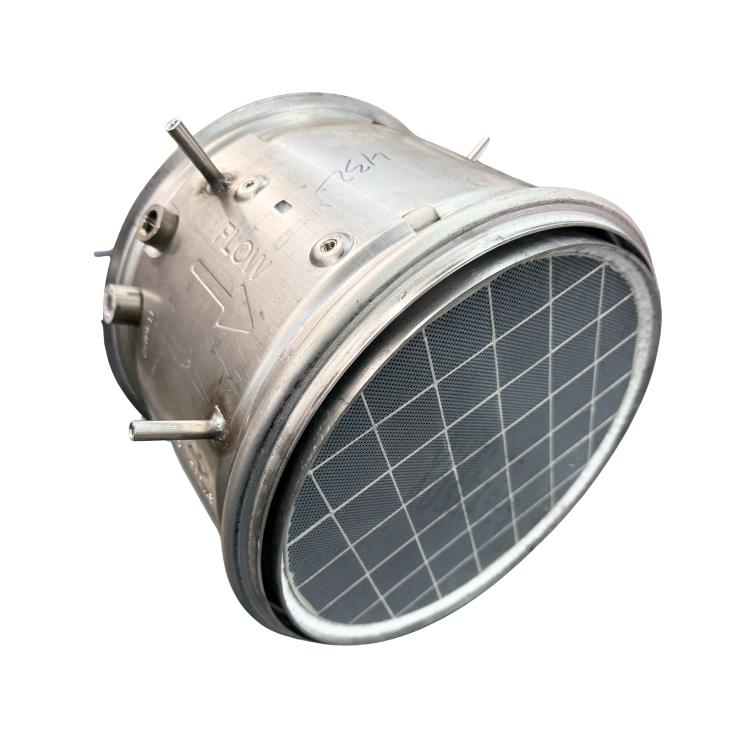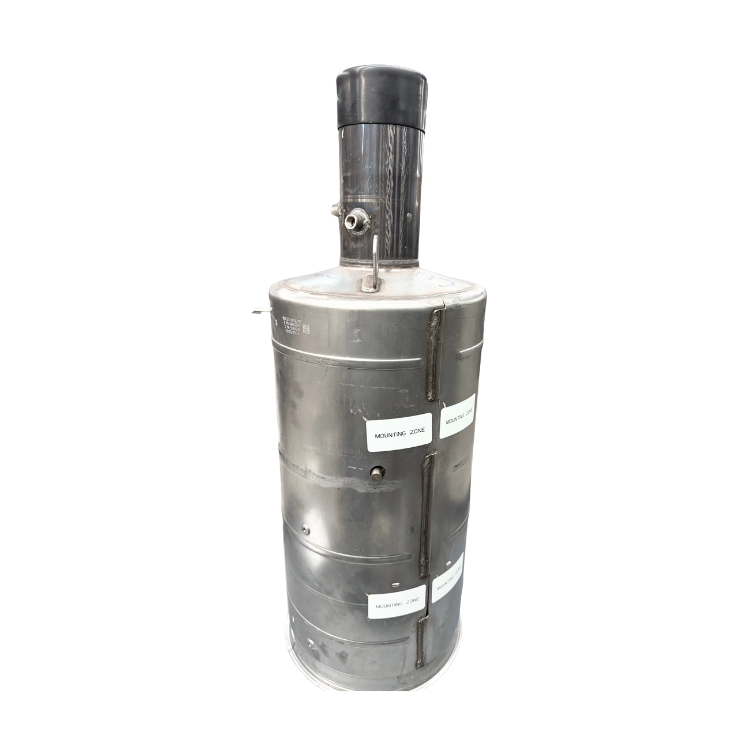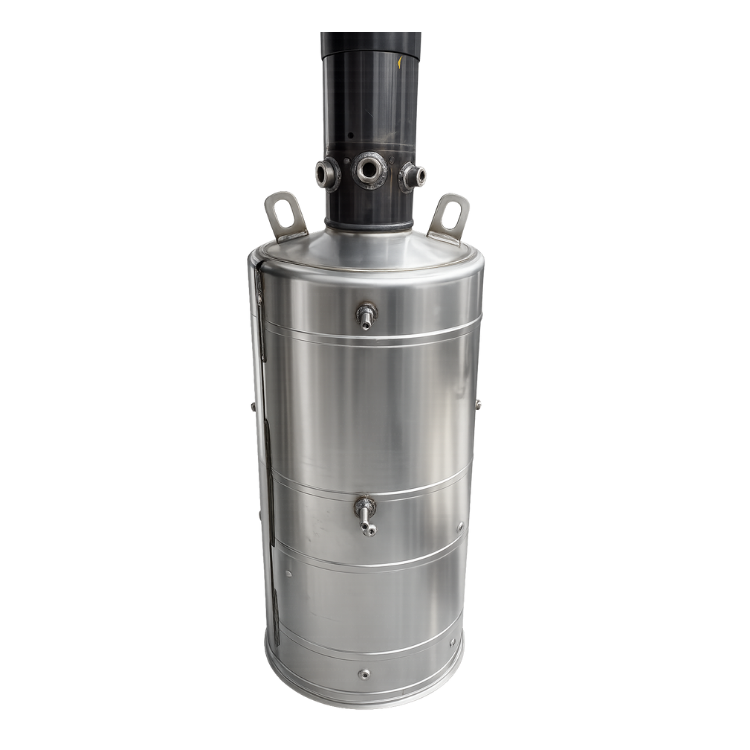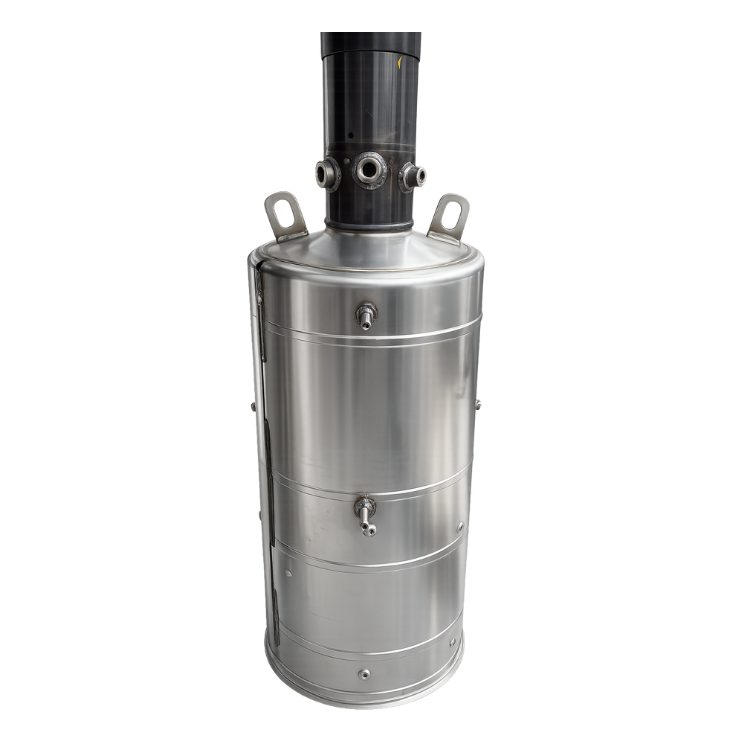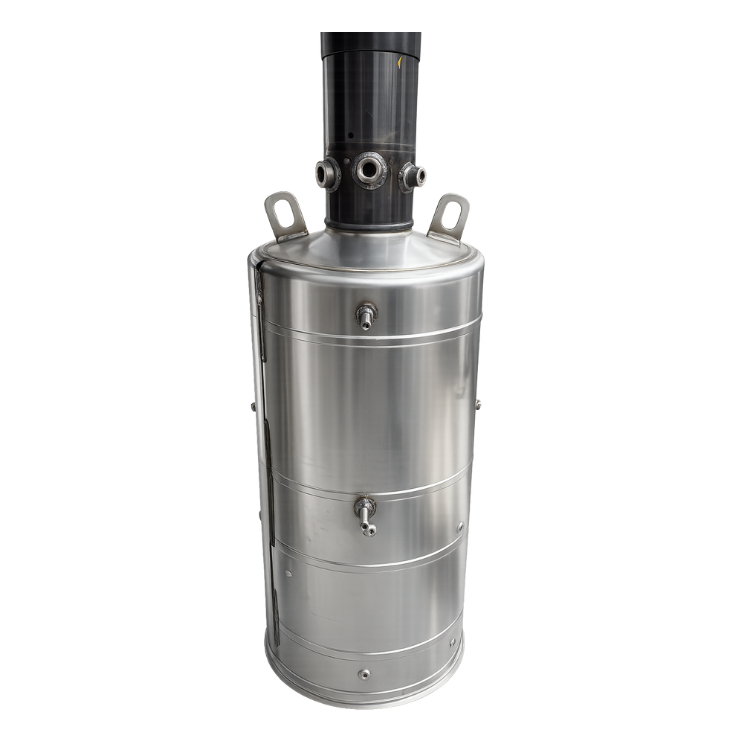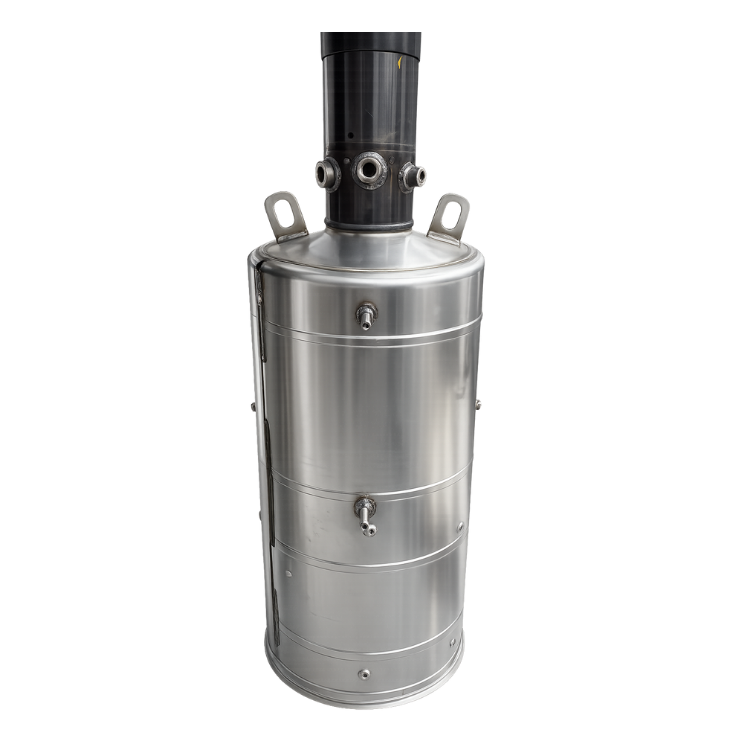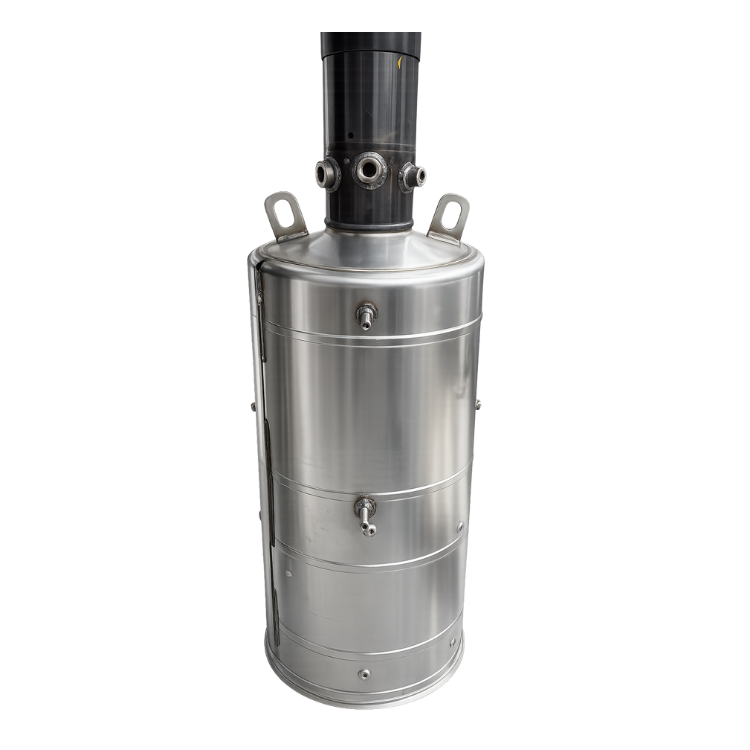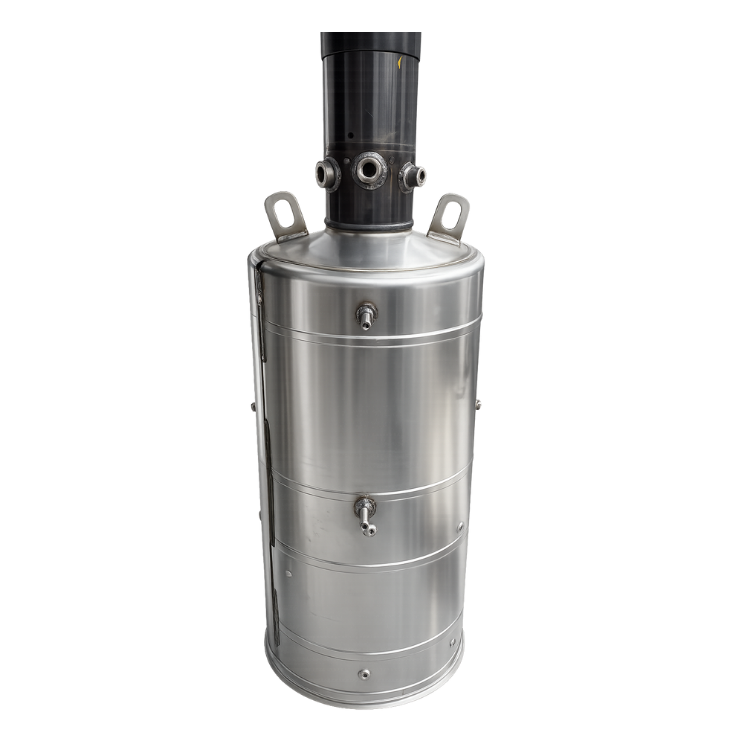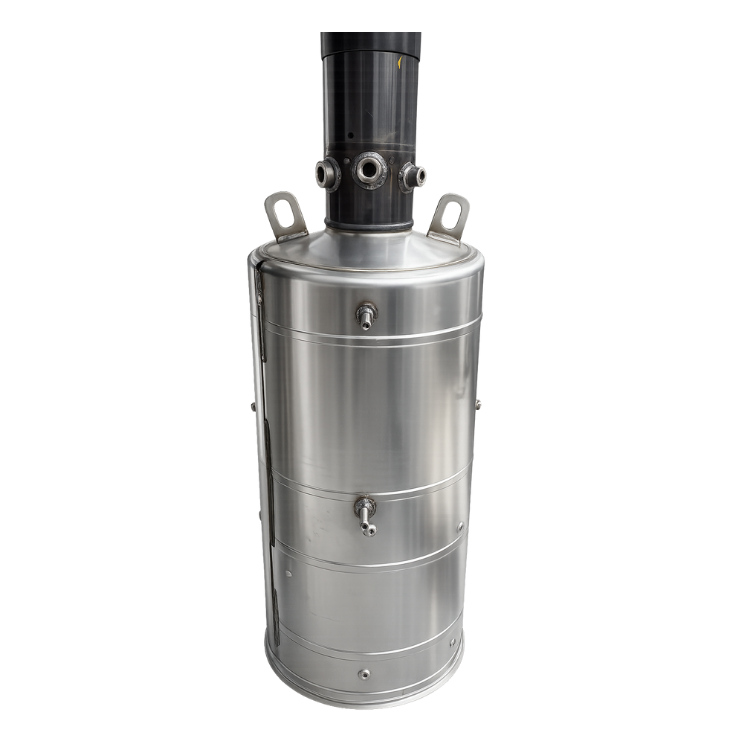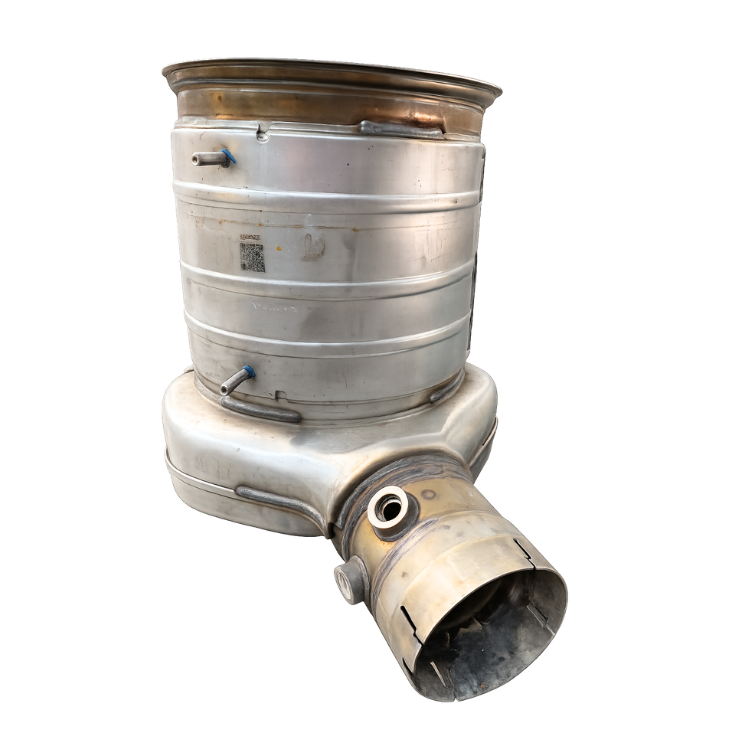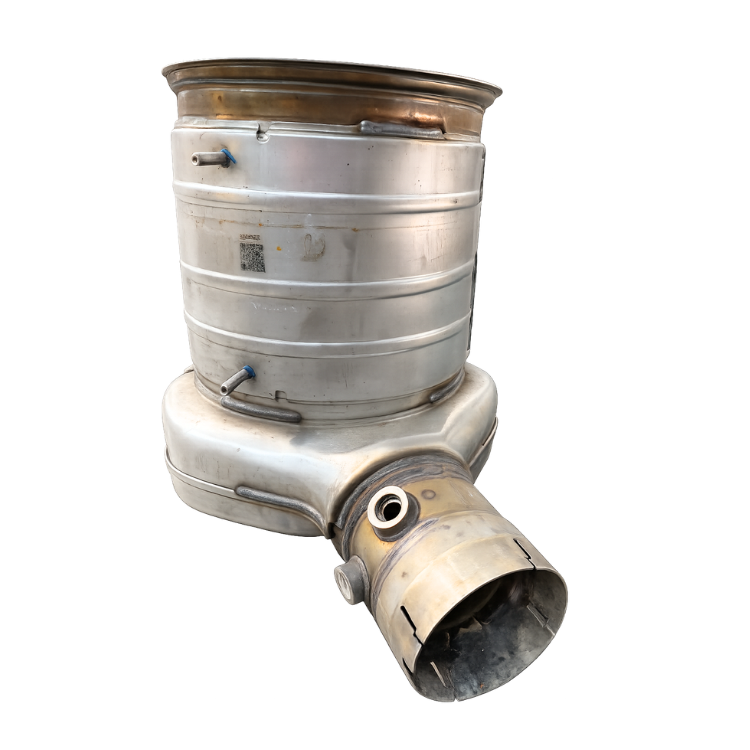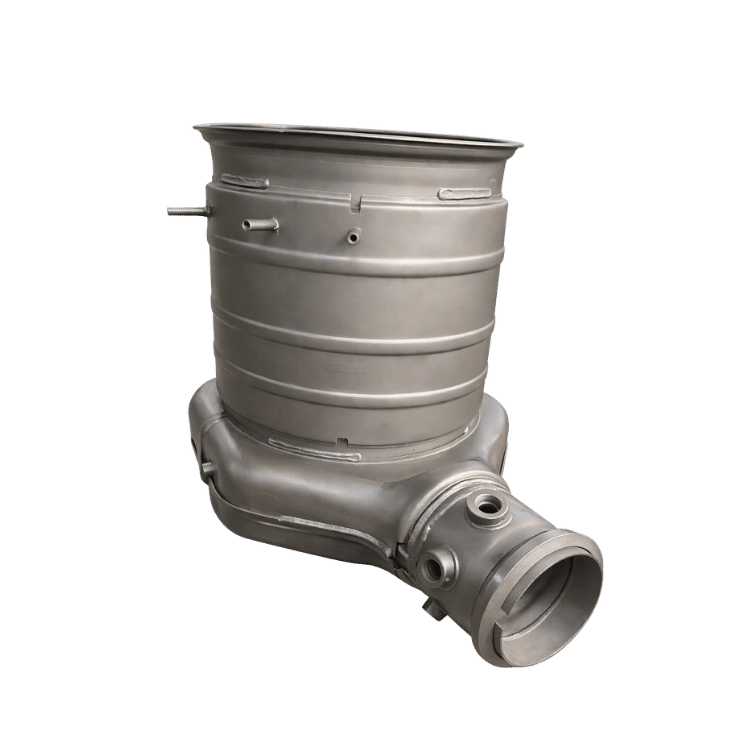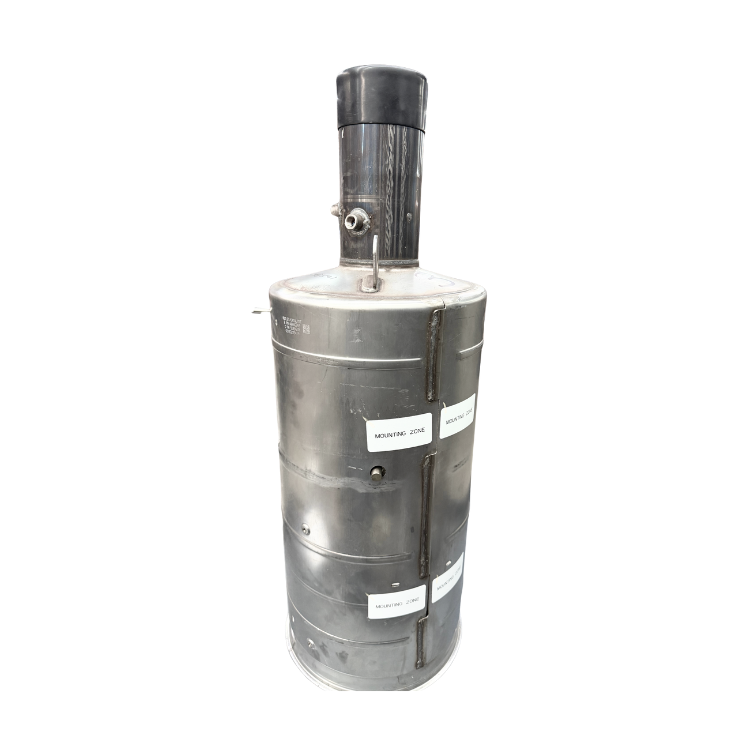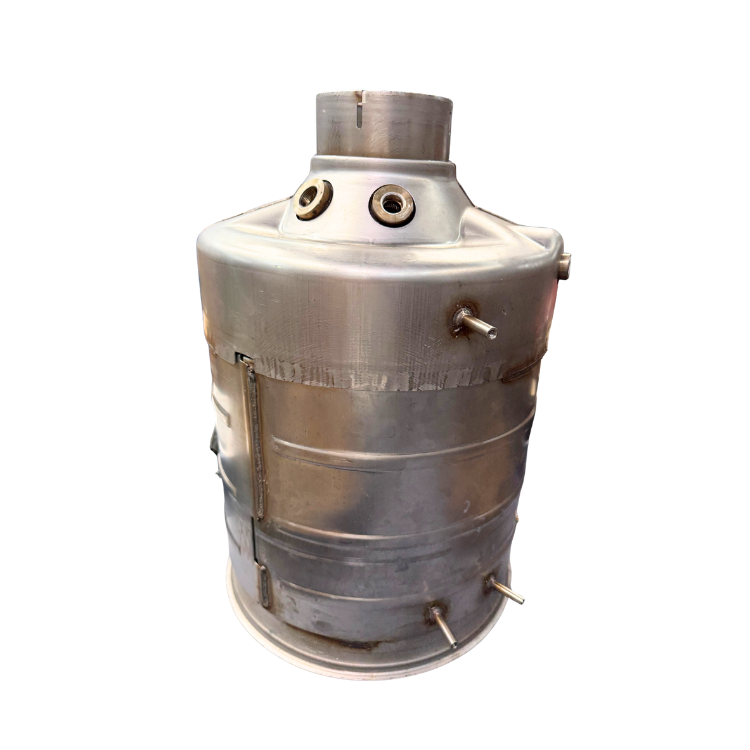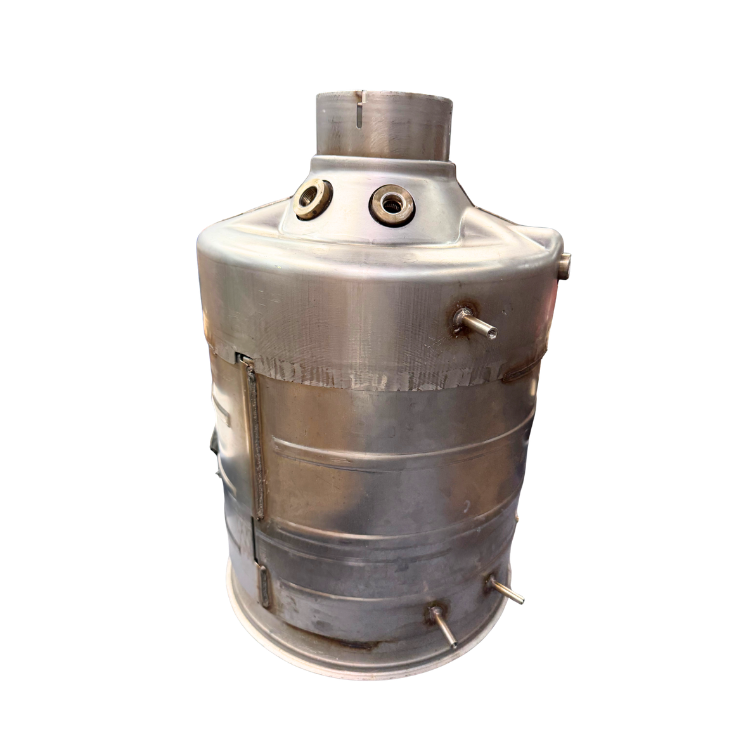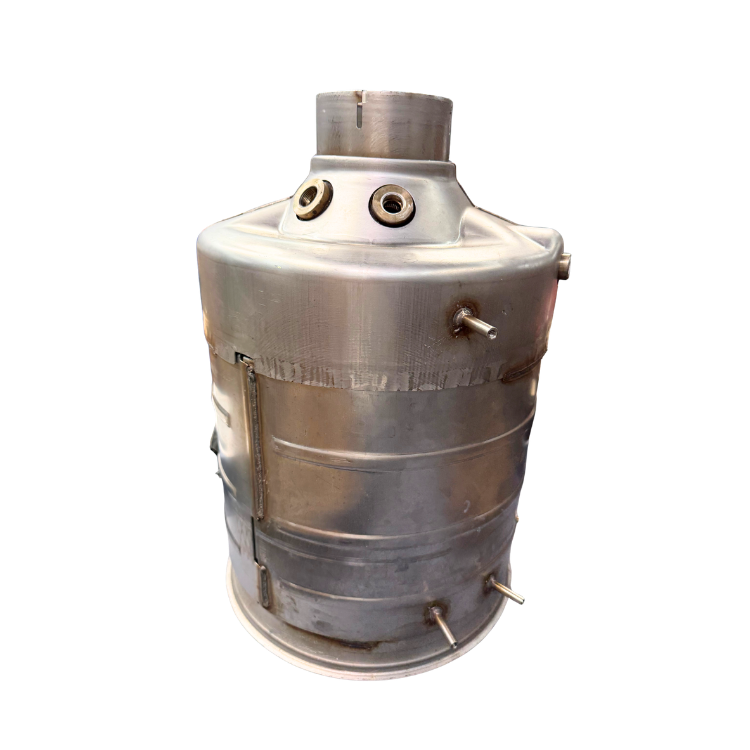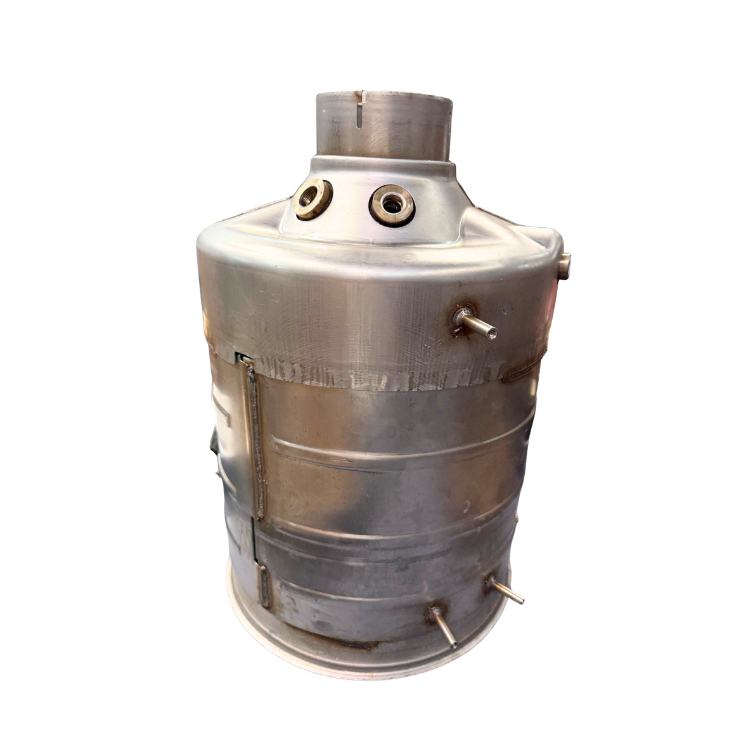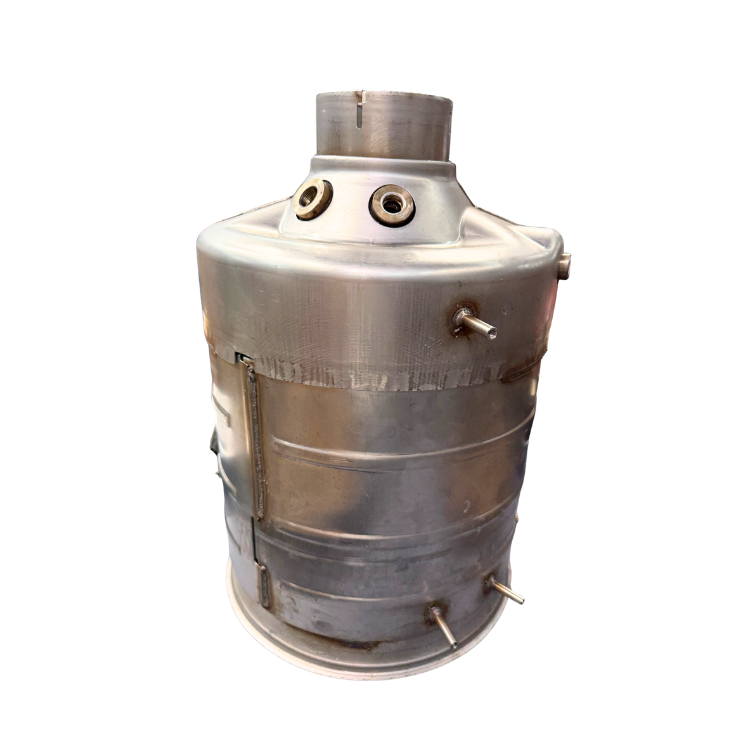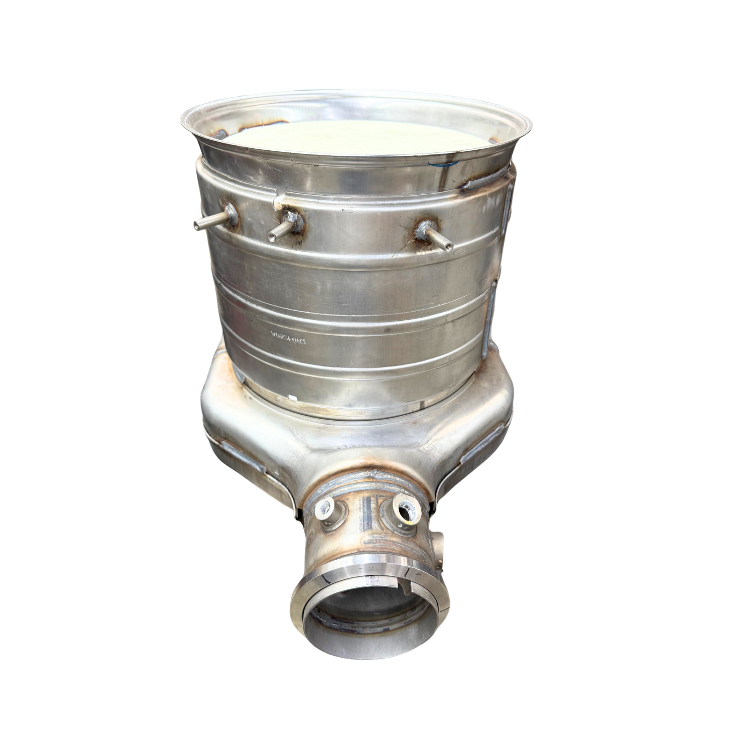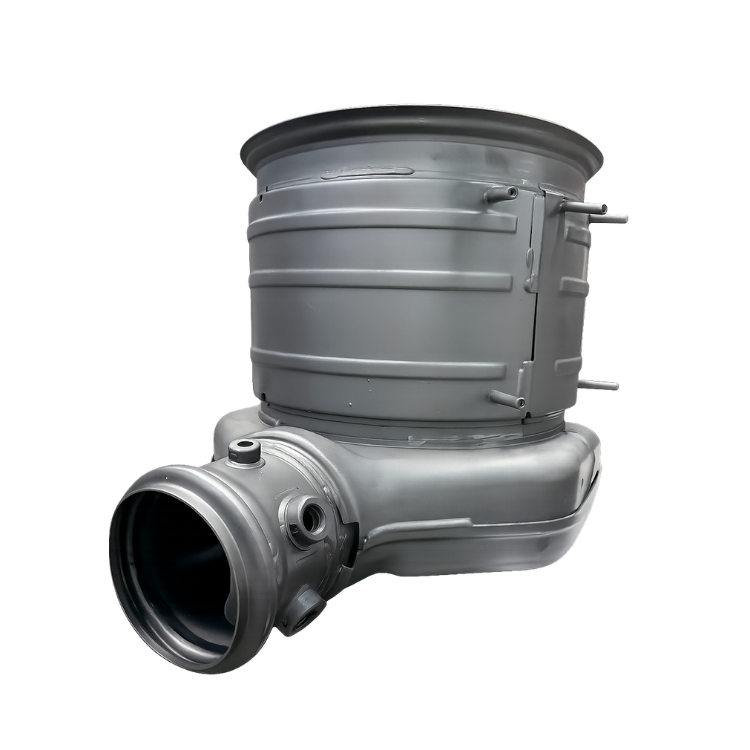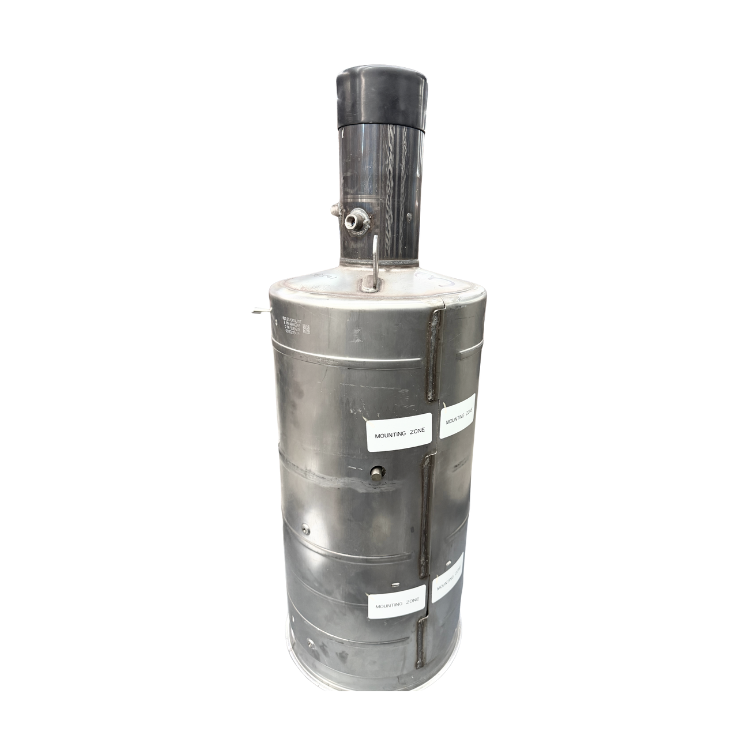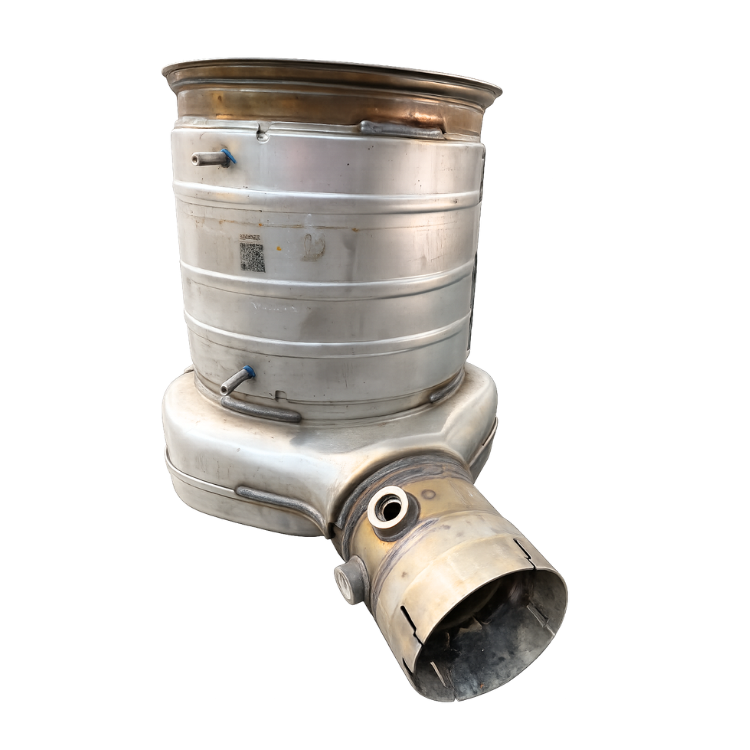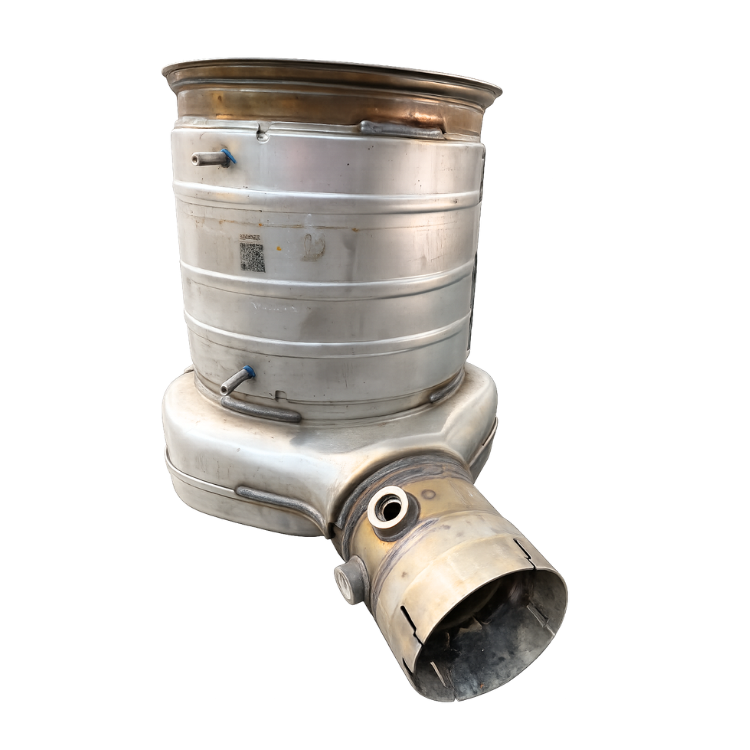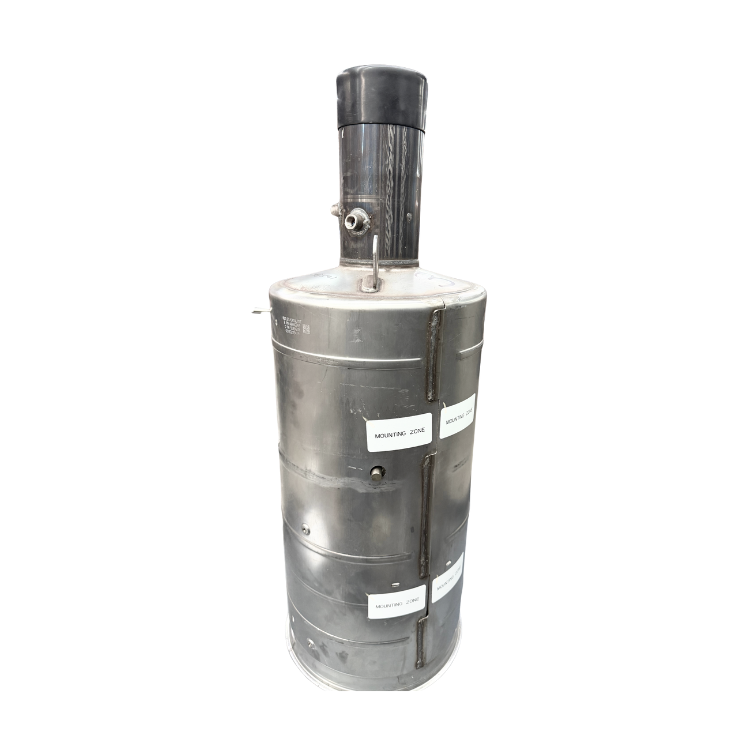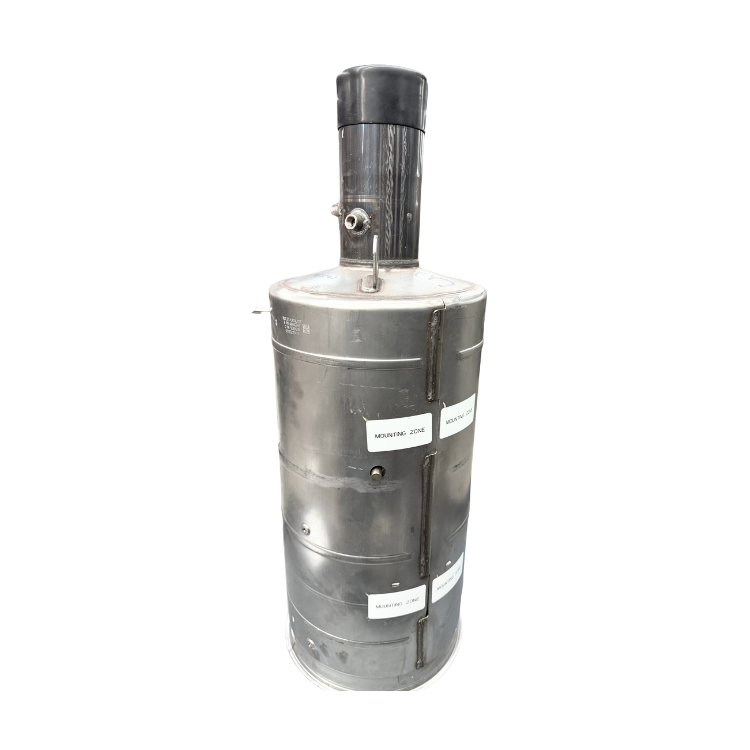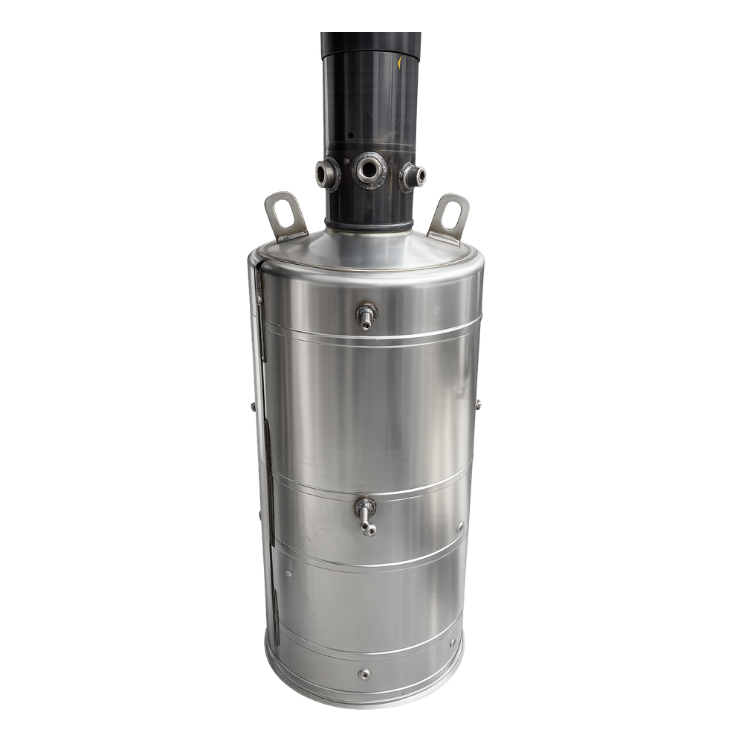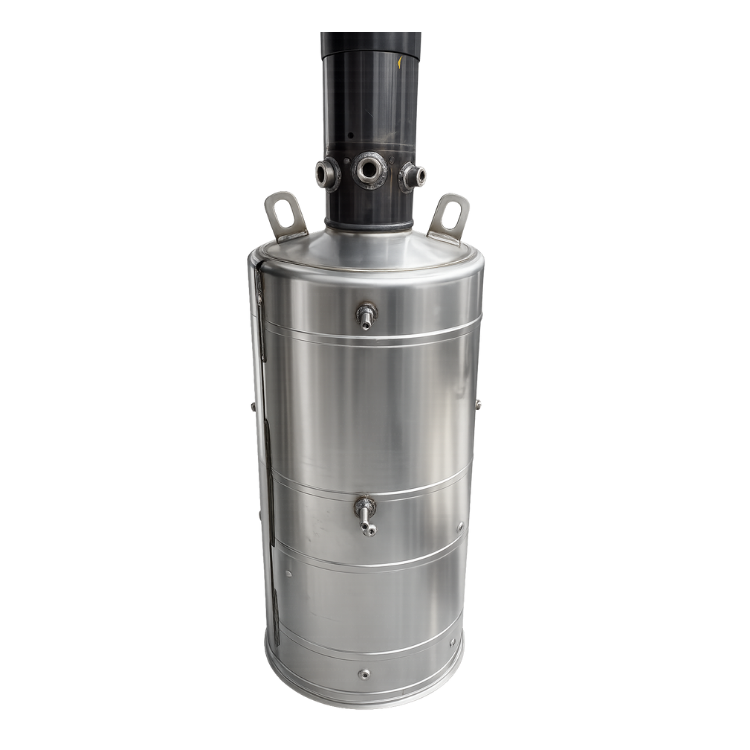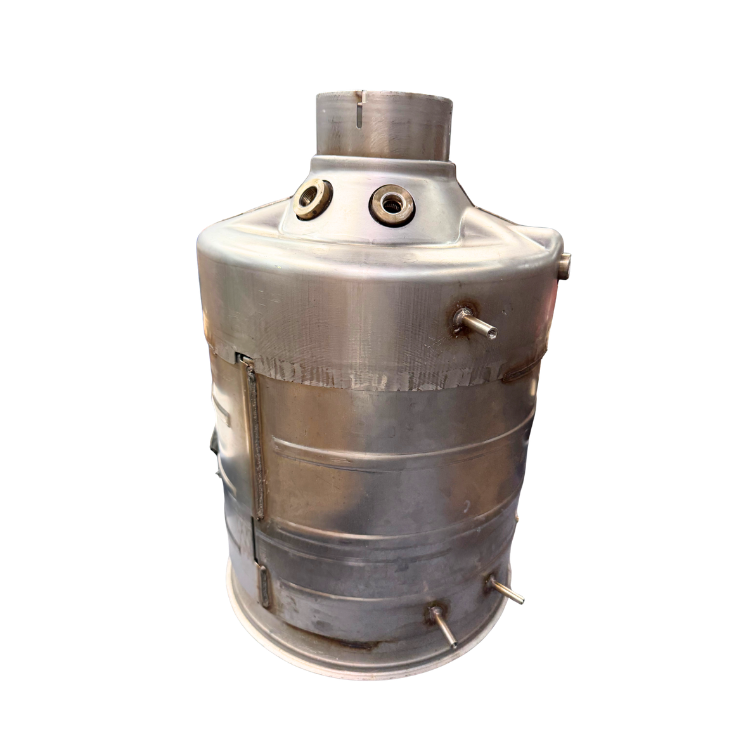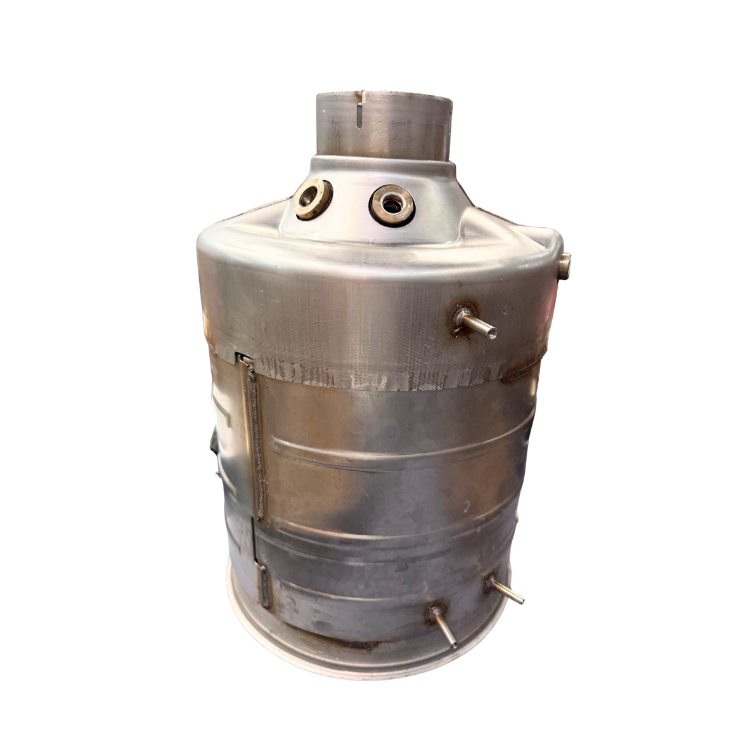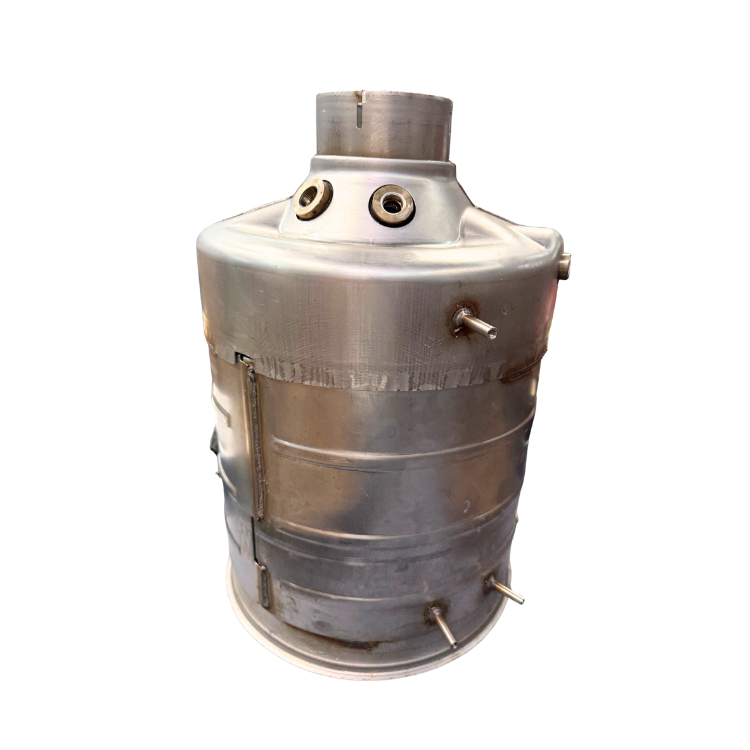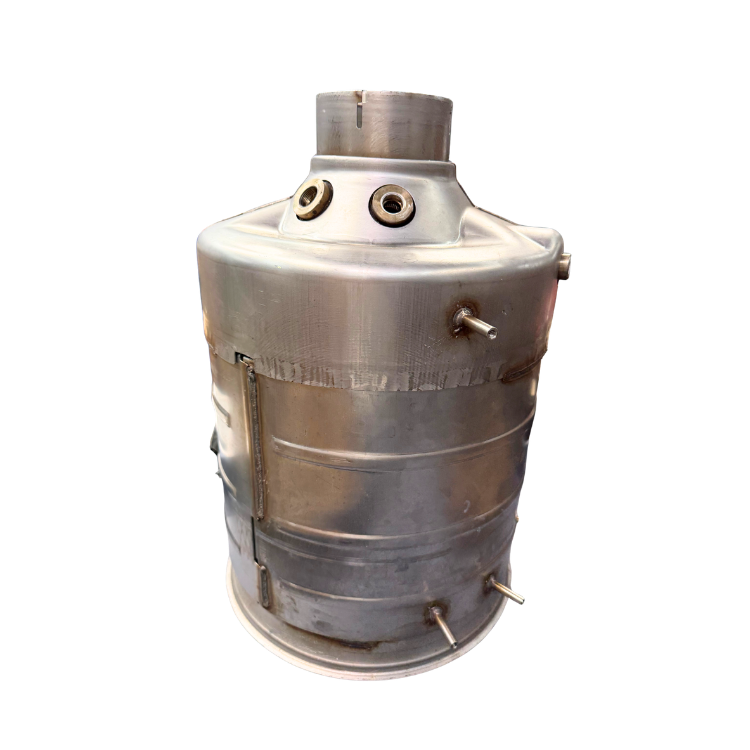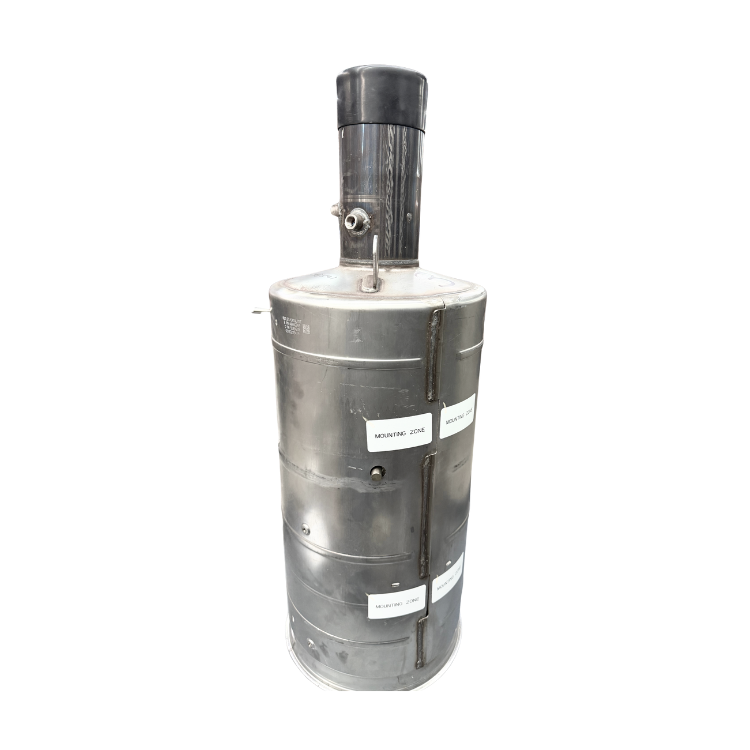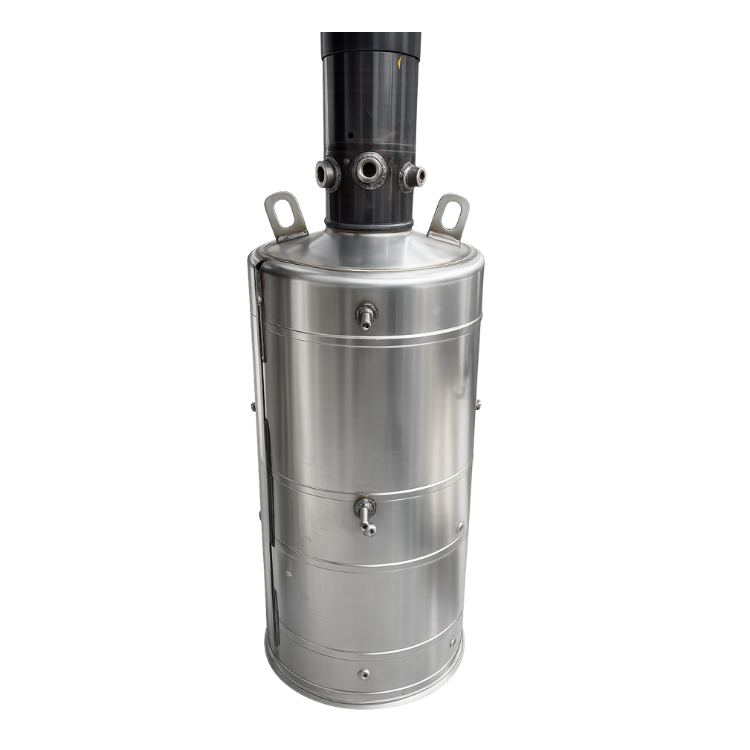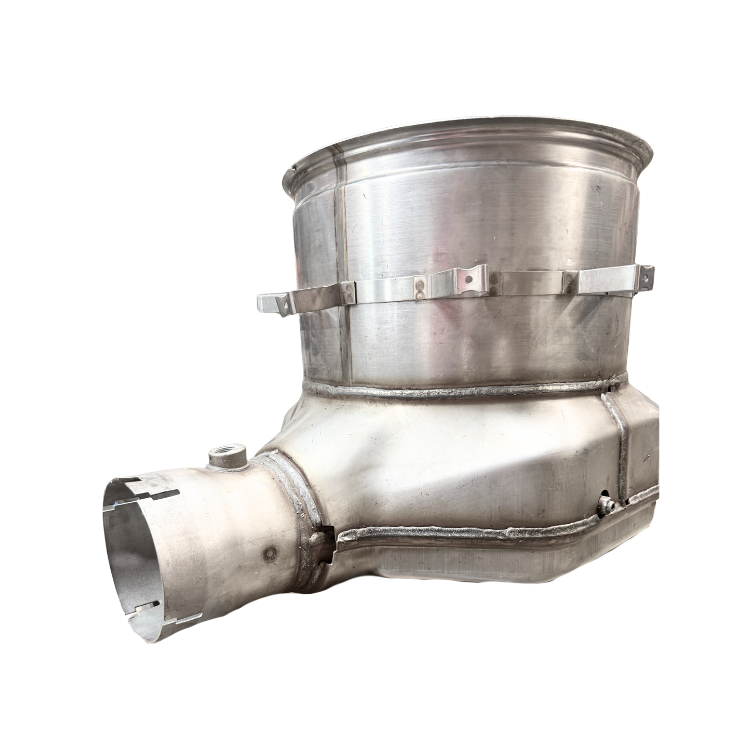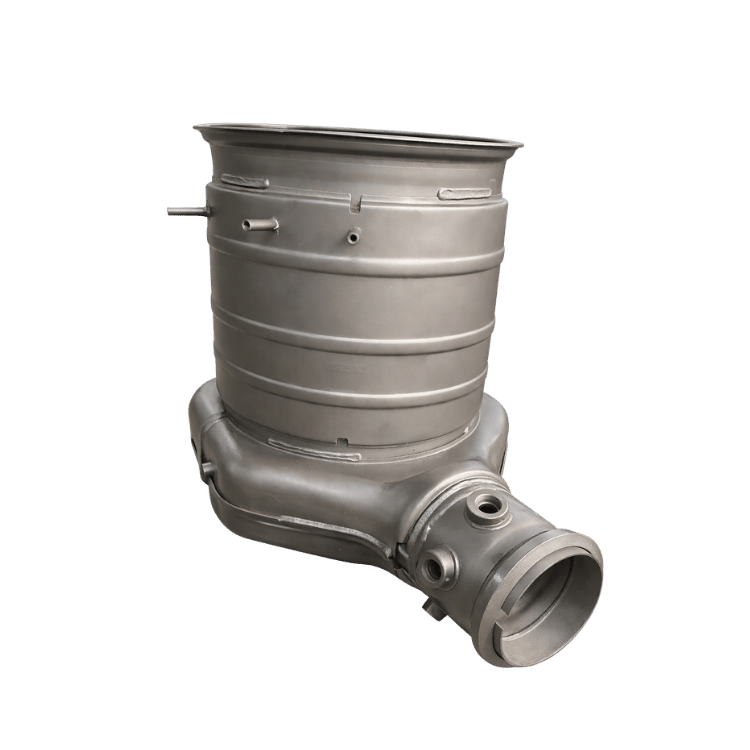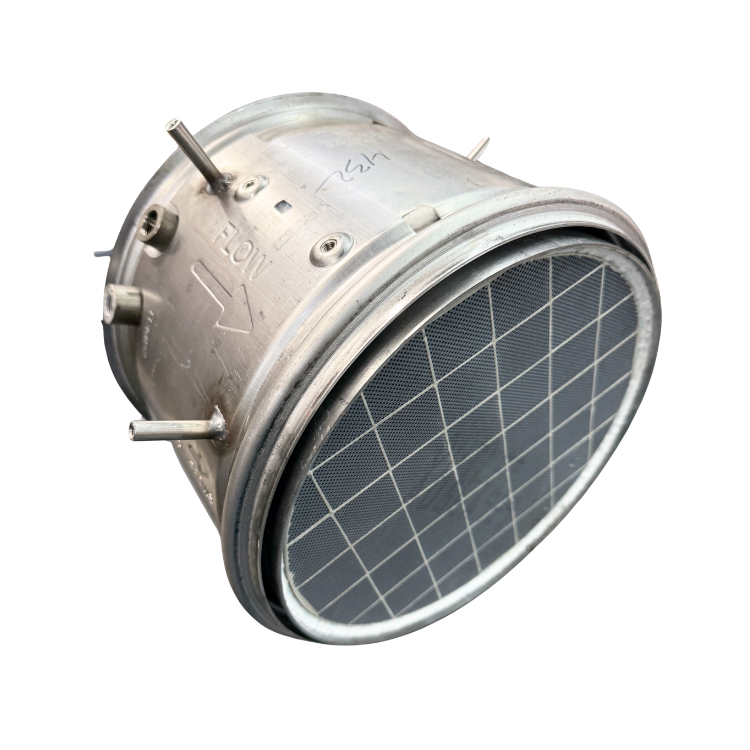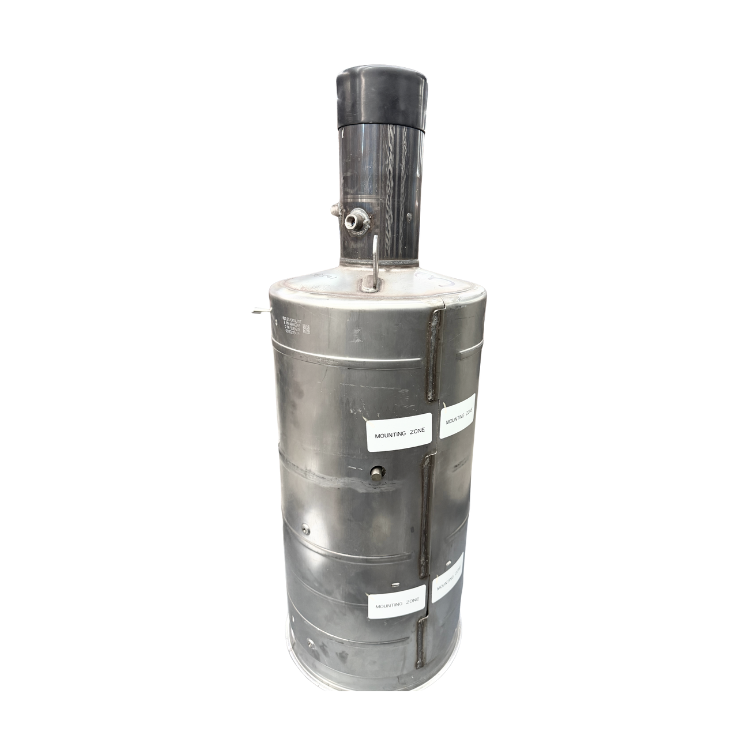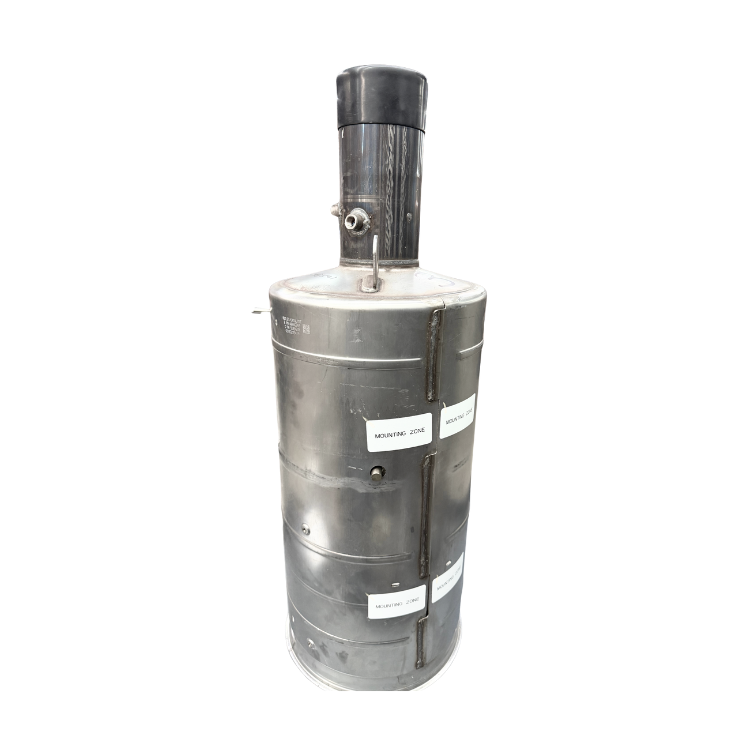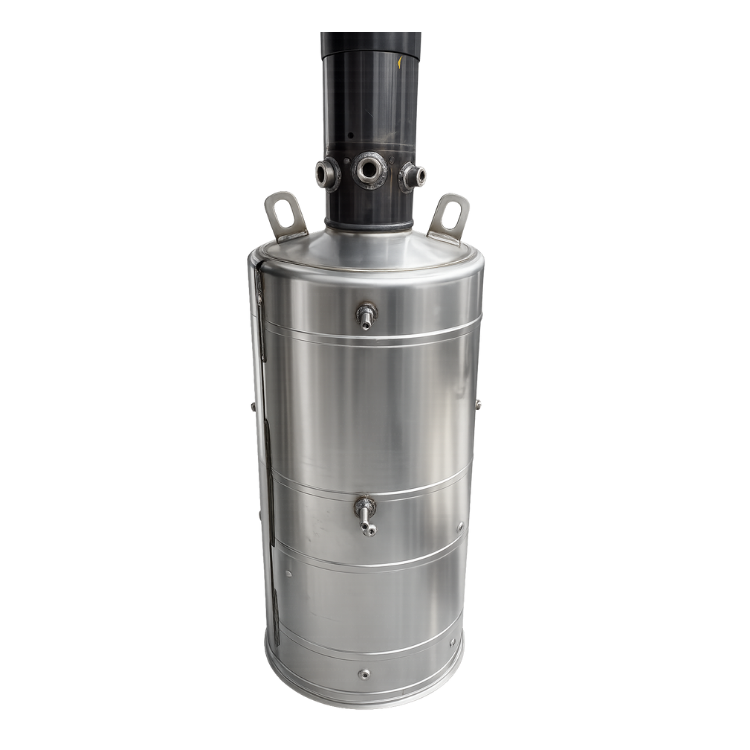




A Selective Catalytic Reduction (SCR) system is essential for reducing nitrogen oxide emissions in modern diesel engines. Designed for long-term durability, the SCR system relies on proper diesel exhaust fluid (DEF) dosing, clean exhaust flow, and healthy upstream components. Consistent maintenance practices can help prevent premature SCR failure and costly repairs.
-
Use high-quality DEF: Always use manufacturer-approved diesel exhaust fluid to avoid contamination and catalyst damage.
-
Keep the DEF system clean: Prevent dirt, debris, or water from entering the DEF tank, lines, or injector.
-
Maintain upstream emissions components: Proper DOC and DPF operation reduces soot and ash entering the SCR.
-
Address warning lights promptly: Early diagnosis of SCR or emissions fault codes helps prevent long-term damage.
-
Avoid extended low-temperature driving: Regular highway driving supports proper exhaust temperatures and DEF breakdown.
-
Inspect sensors and dosing components: Functional NOx sensors and DEF injectors ensure accurate emissions control.
Extending the life of an SCR system depends on preventive care and timely issue resolution. By maintaining DEF quality, monitoring system alerts, and supporting overall exhaust health, vehicle owners can maximize SCR lifespan and ensure reliable emissions performance.