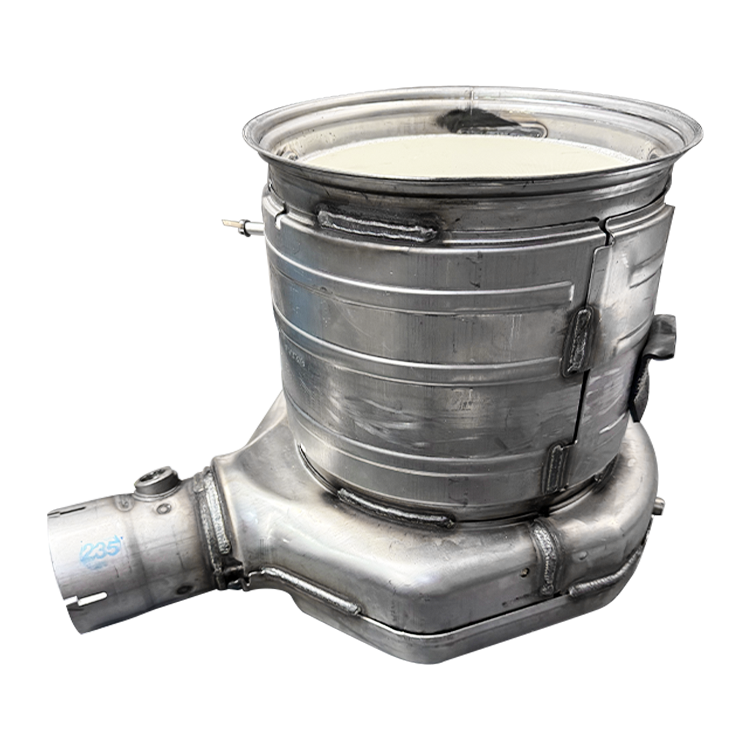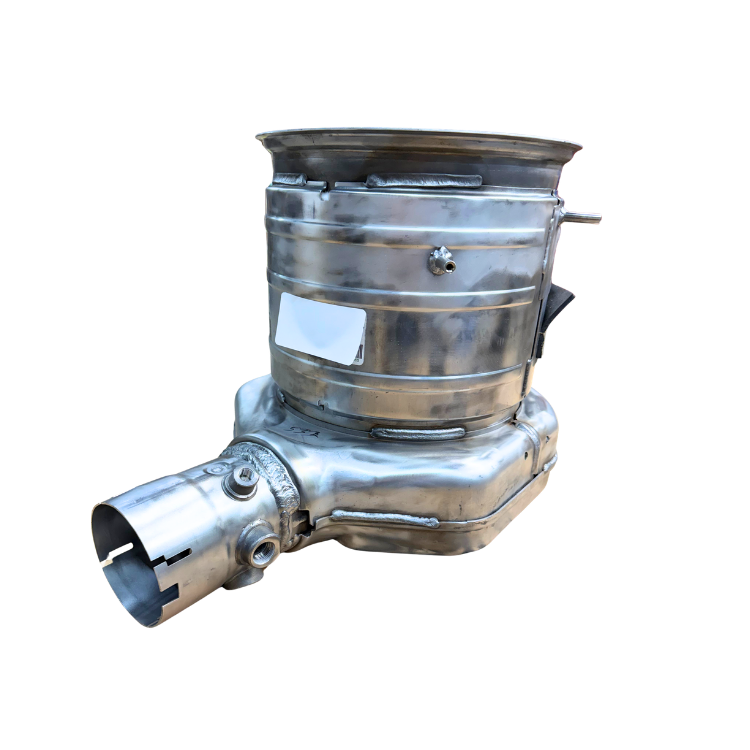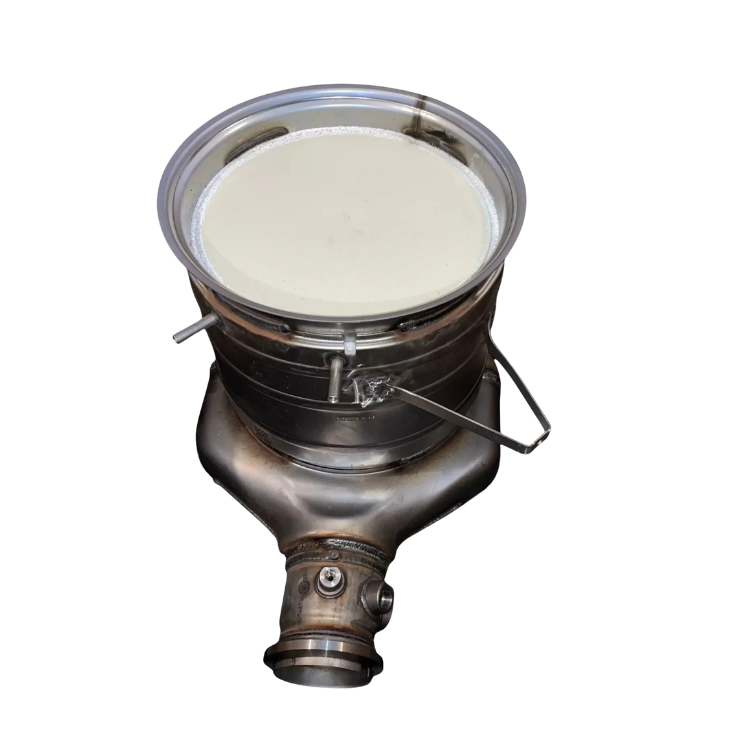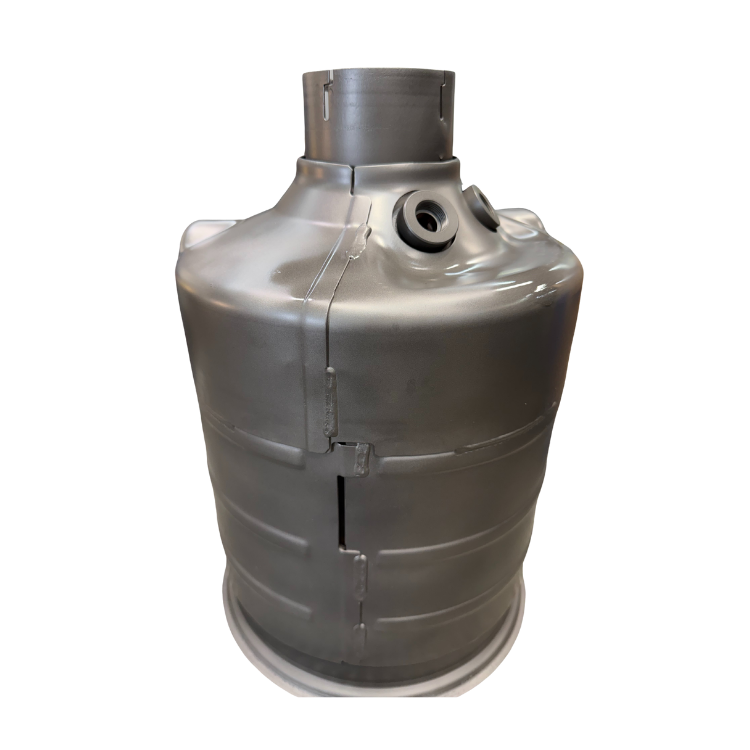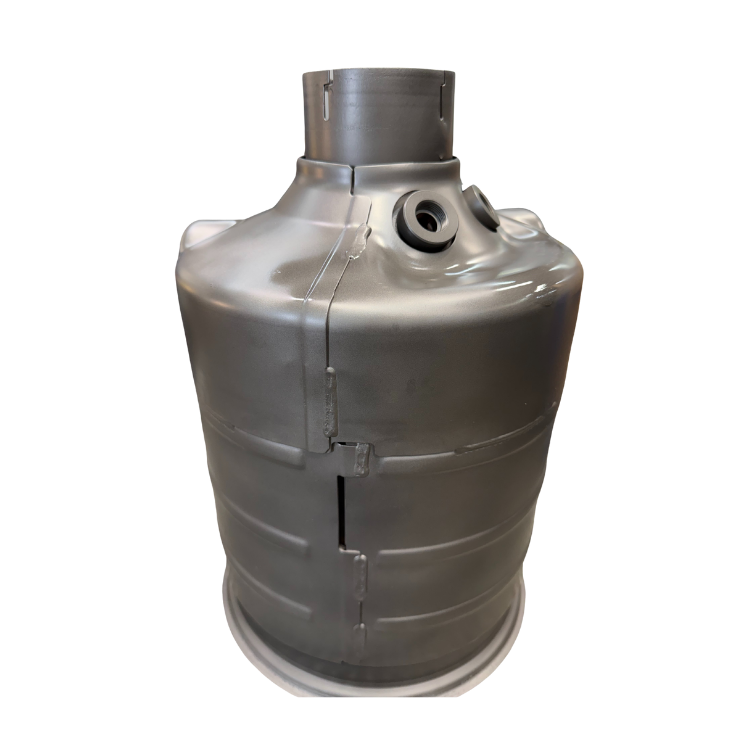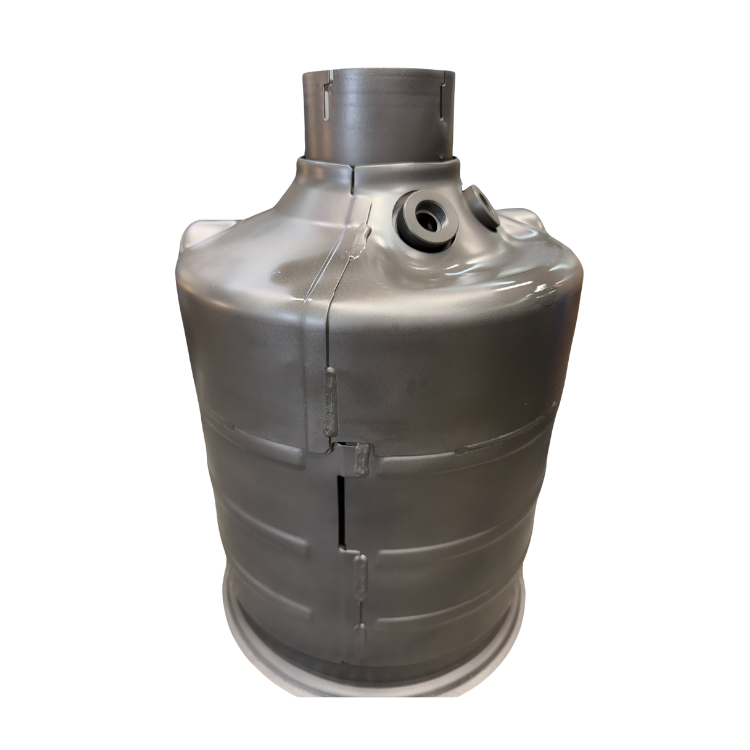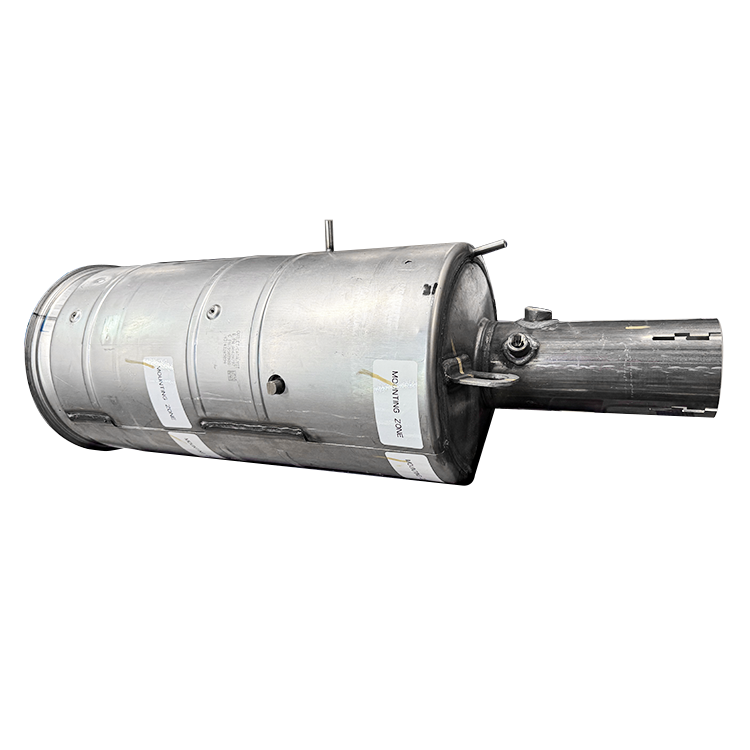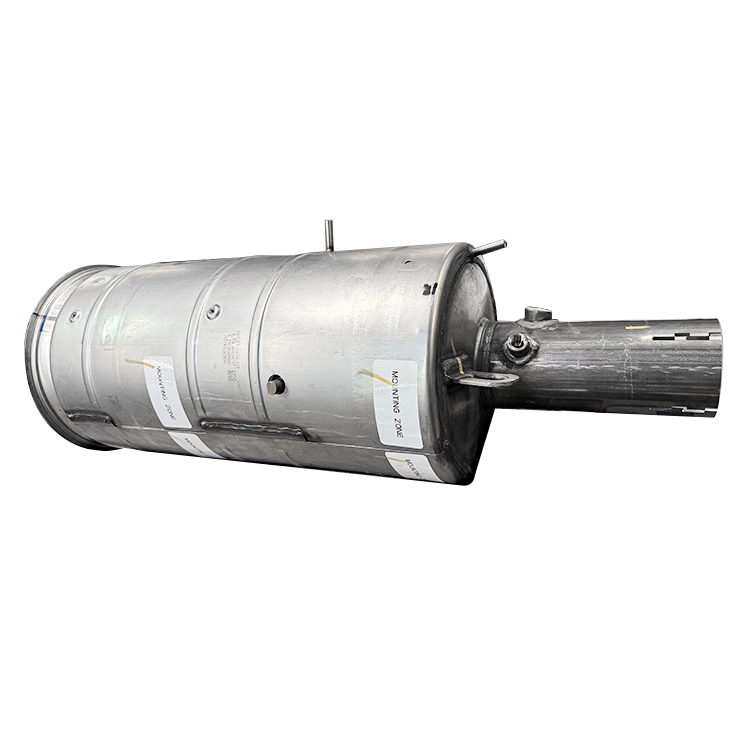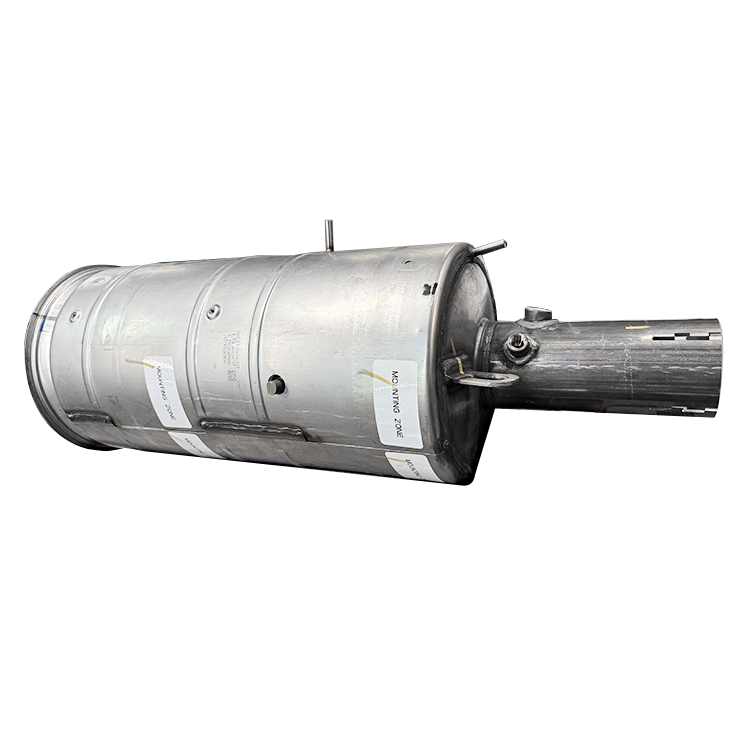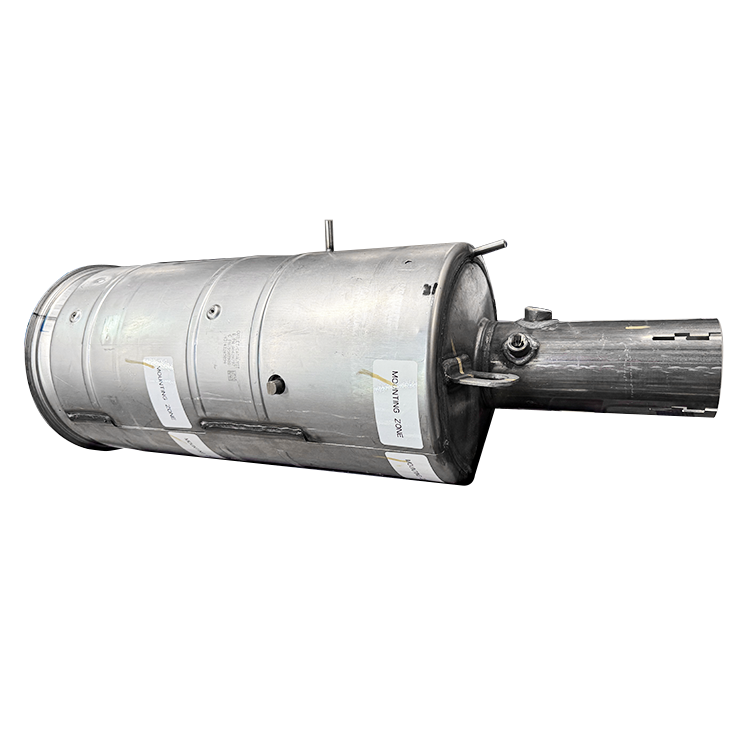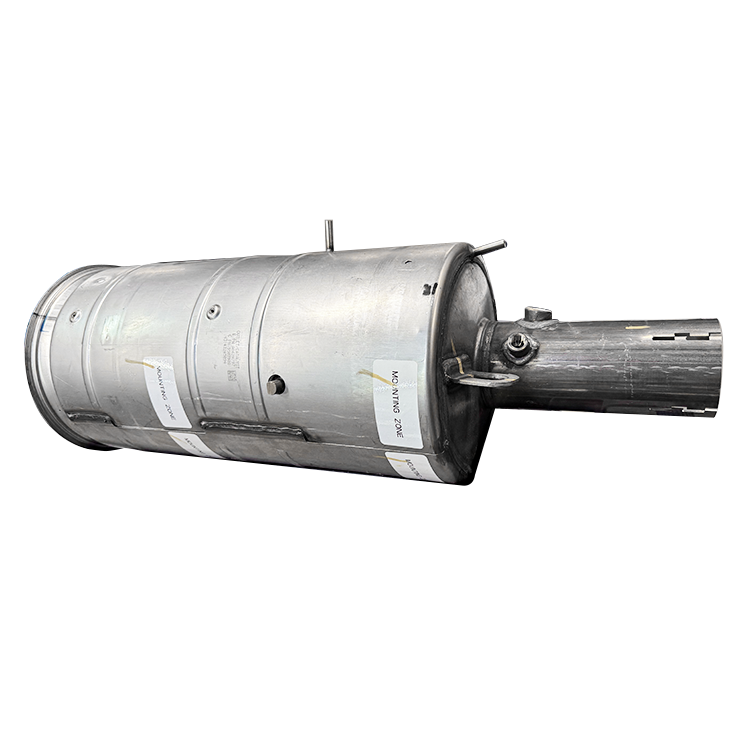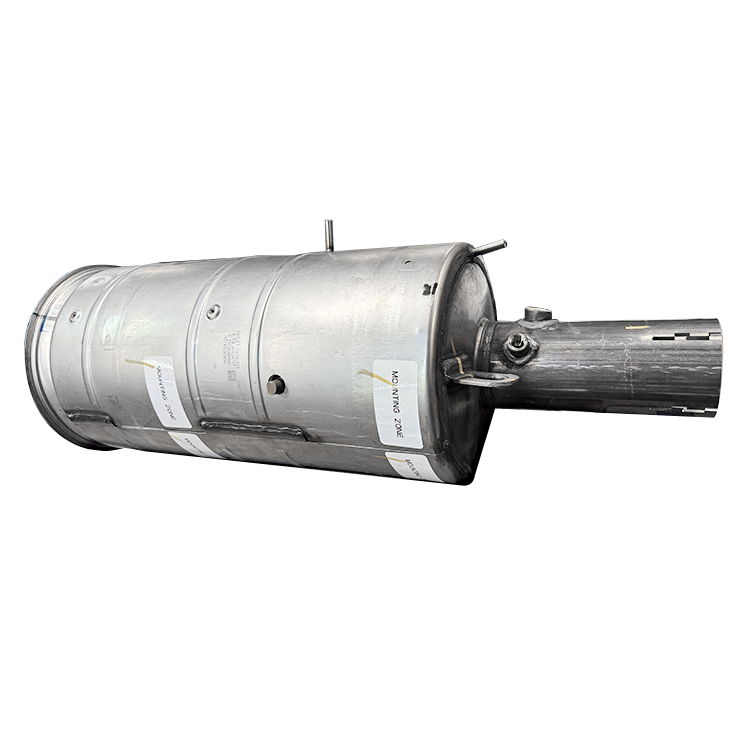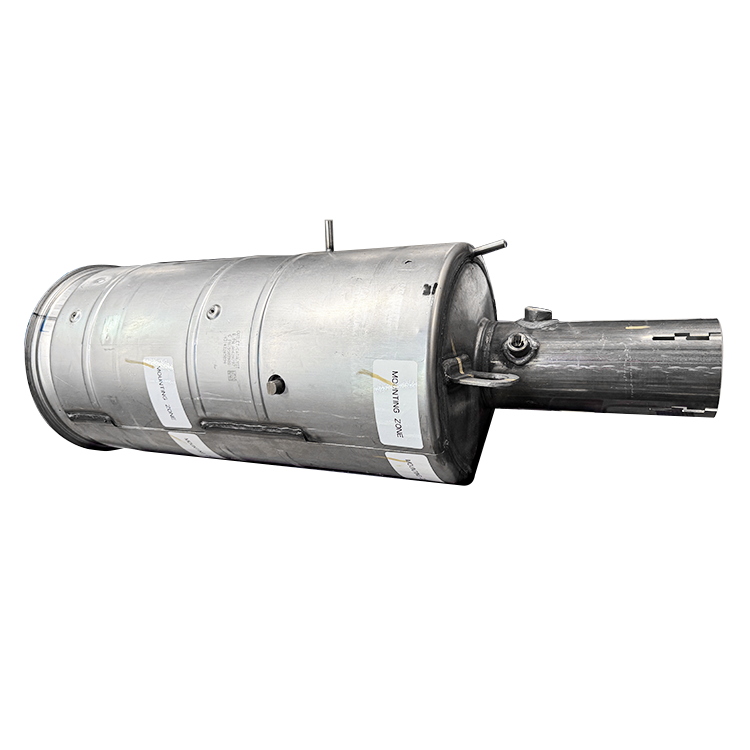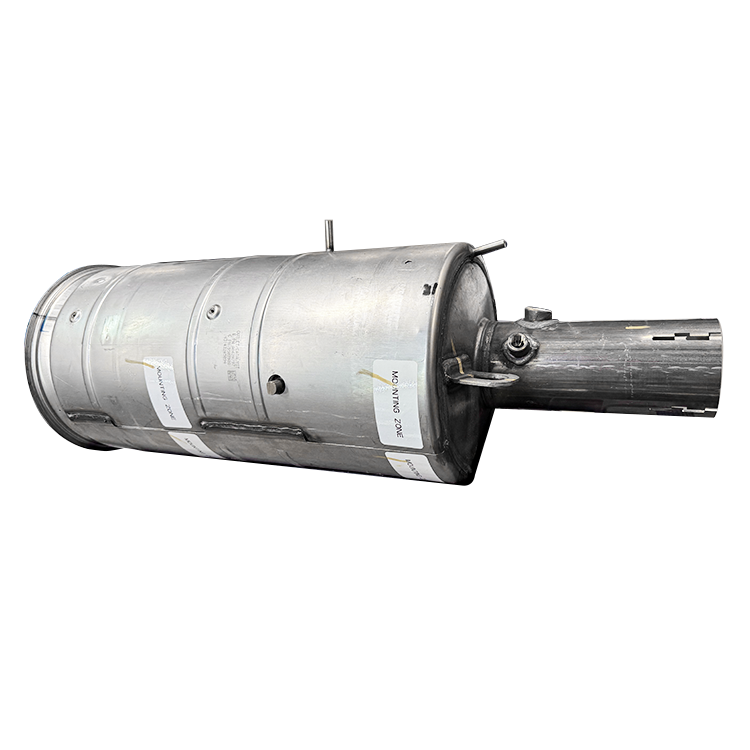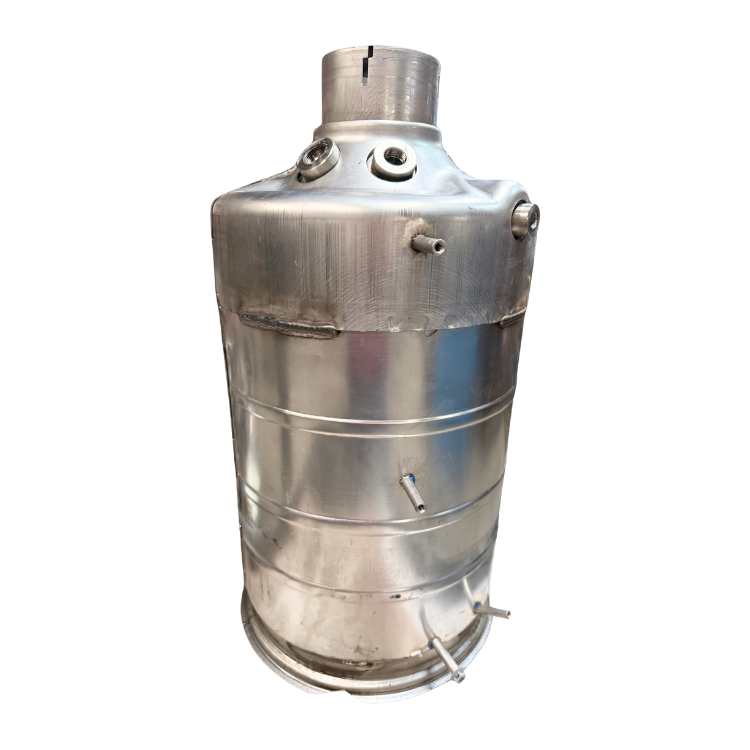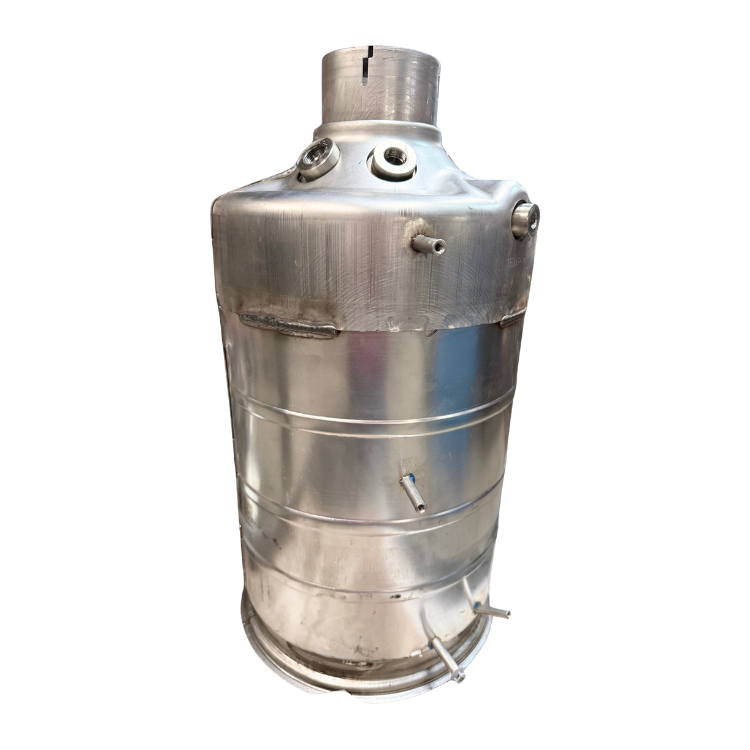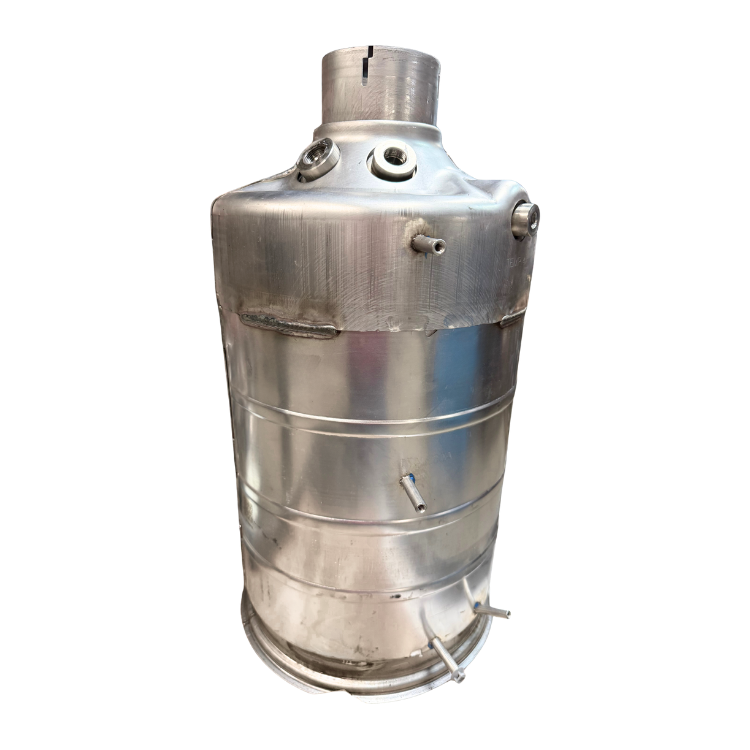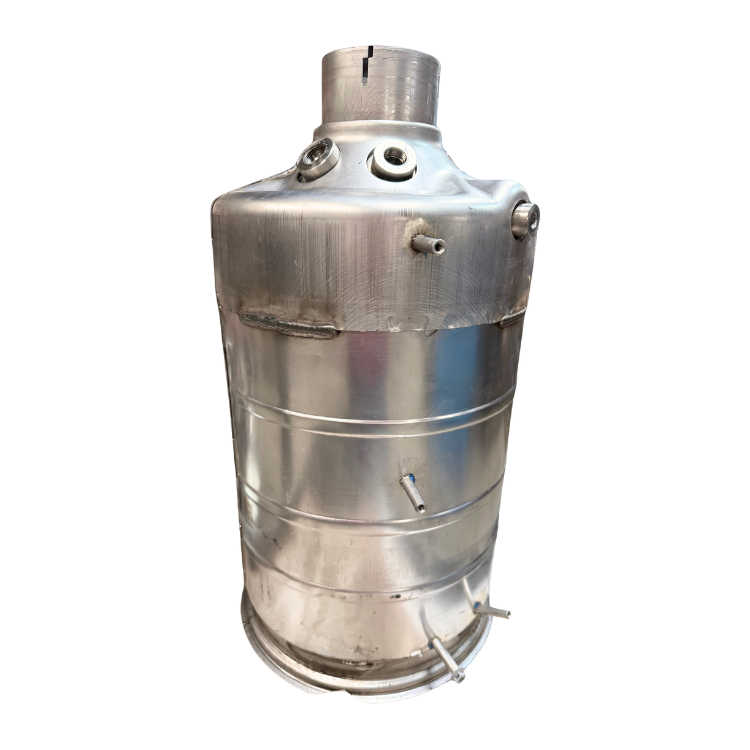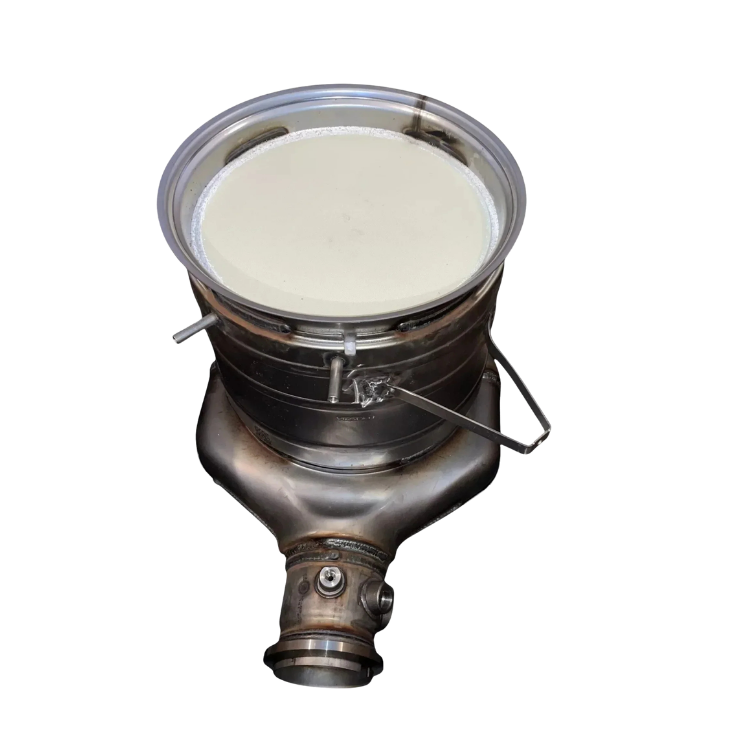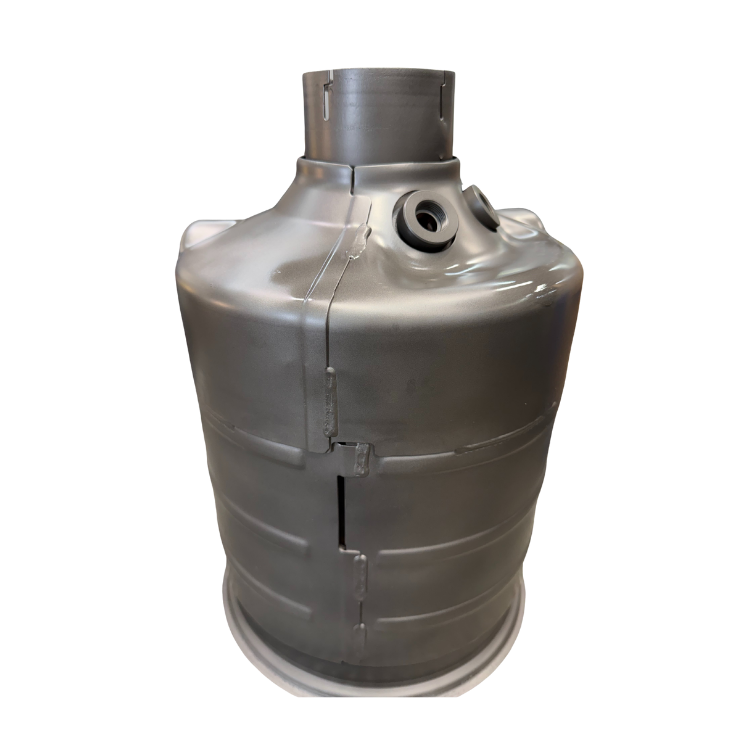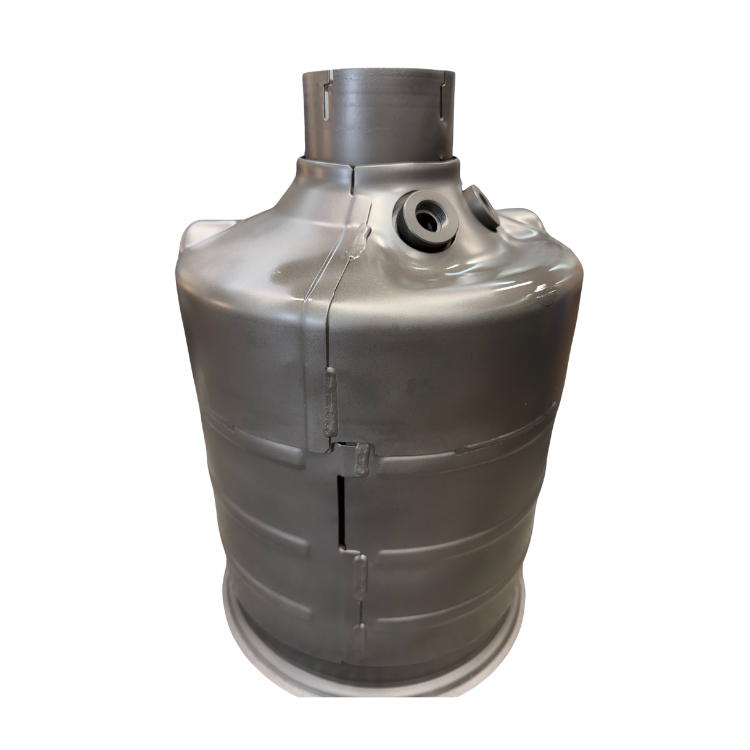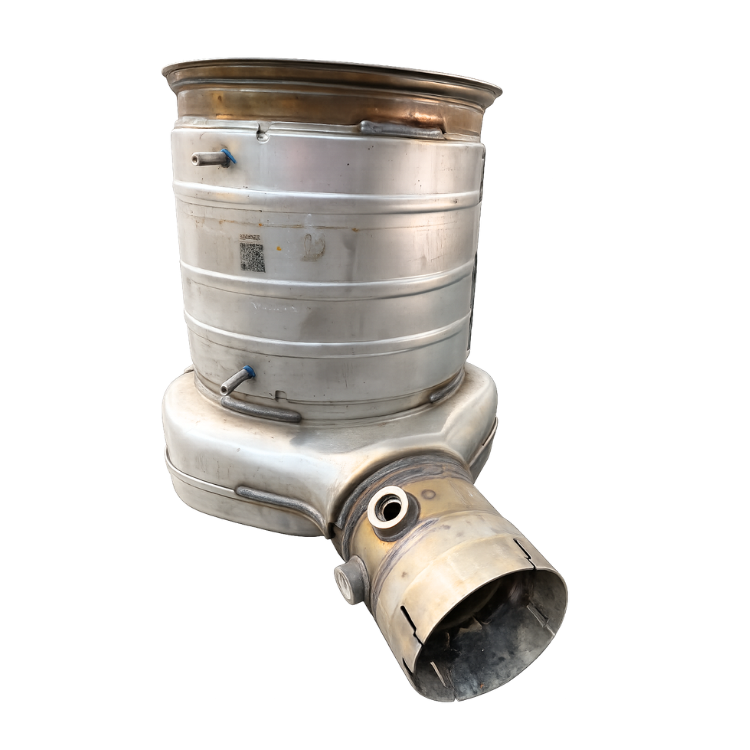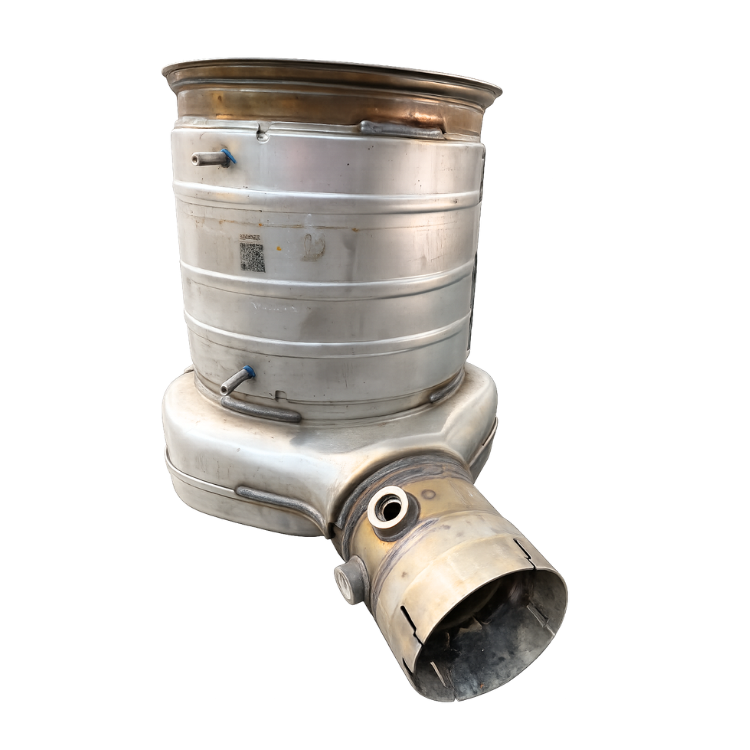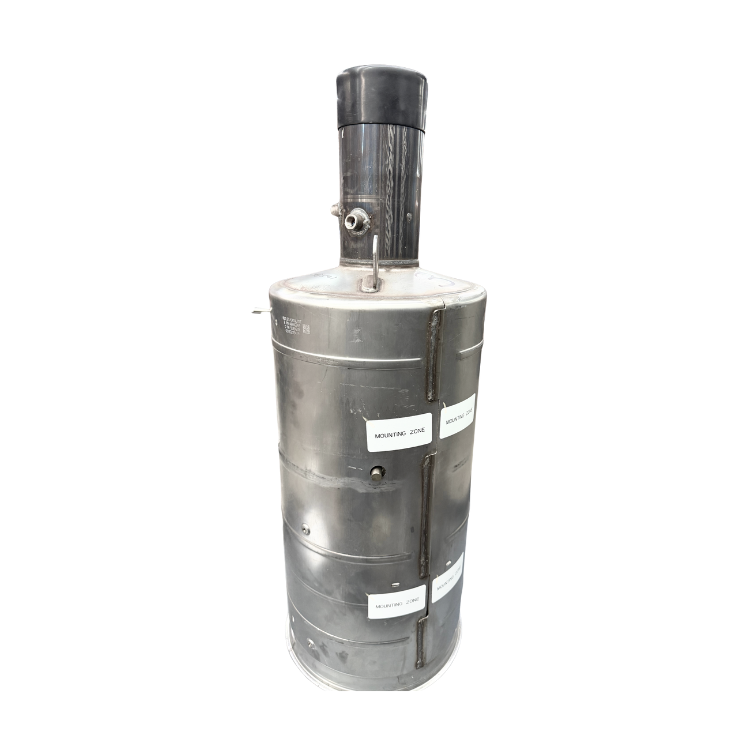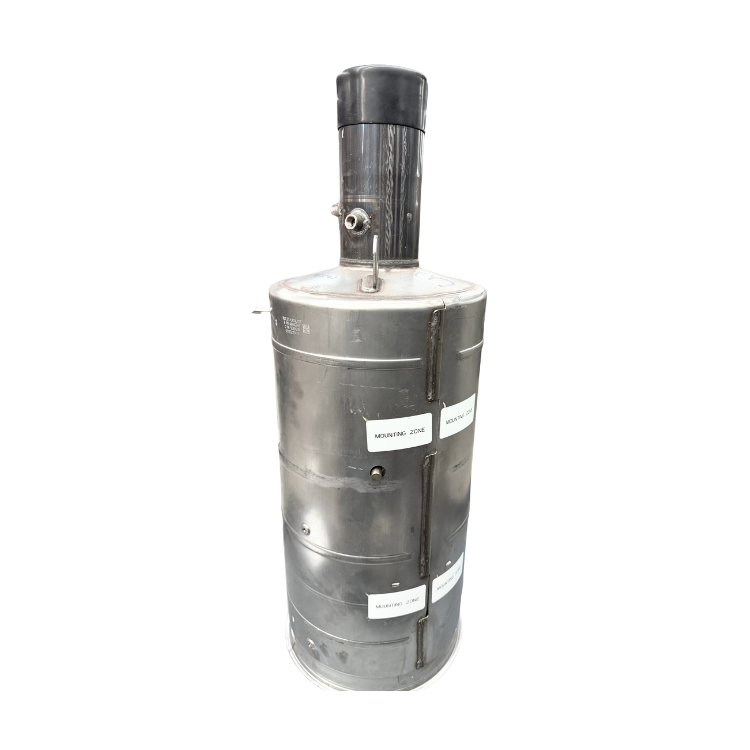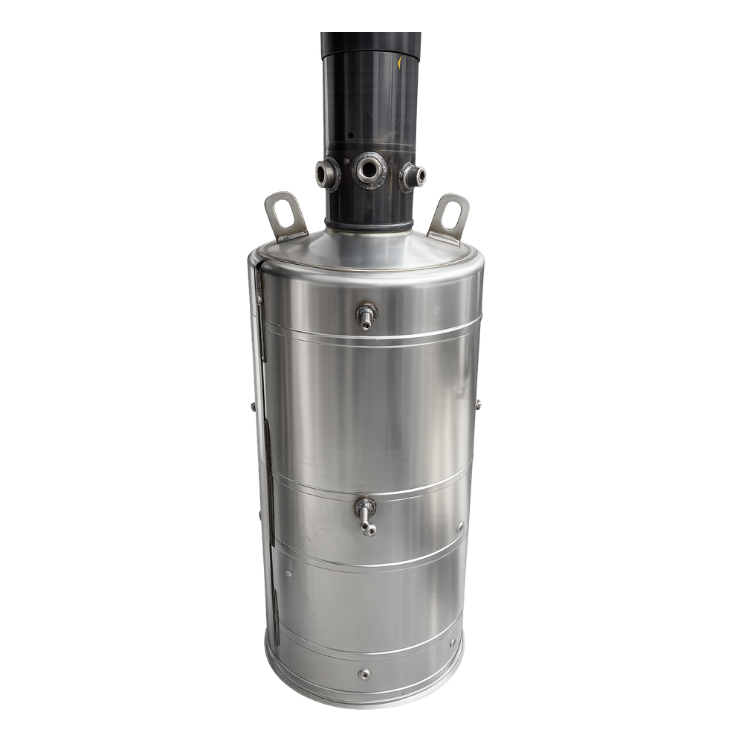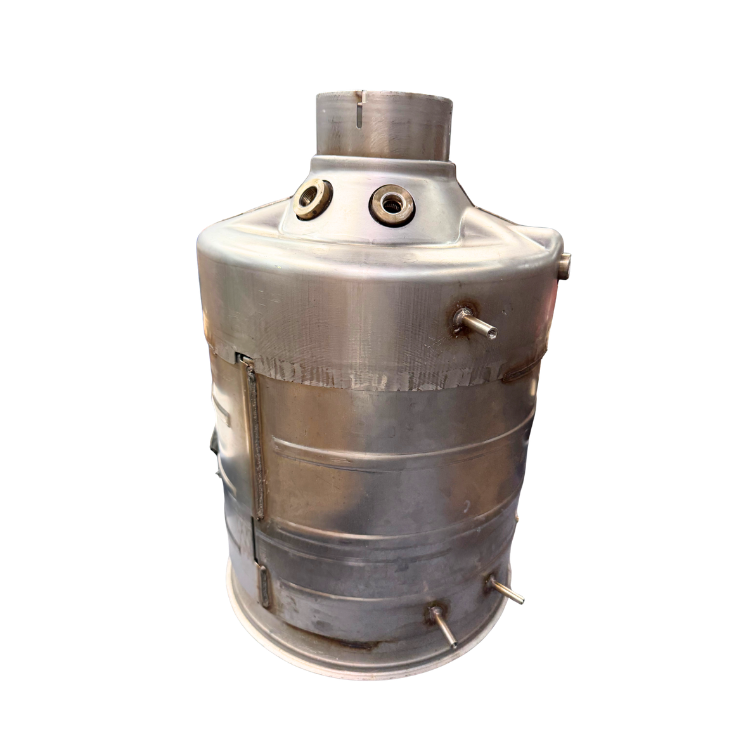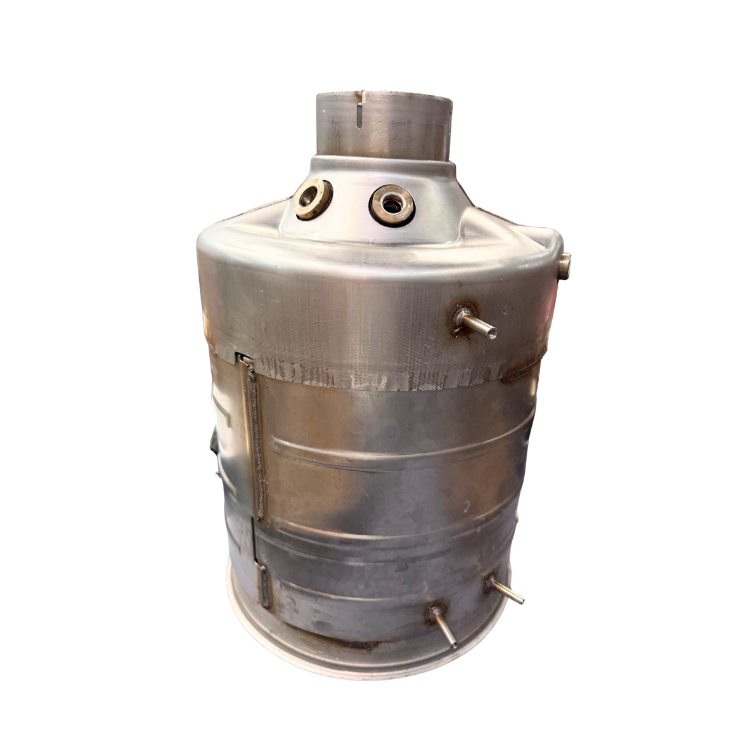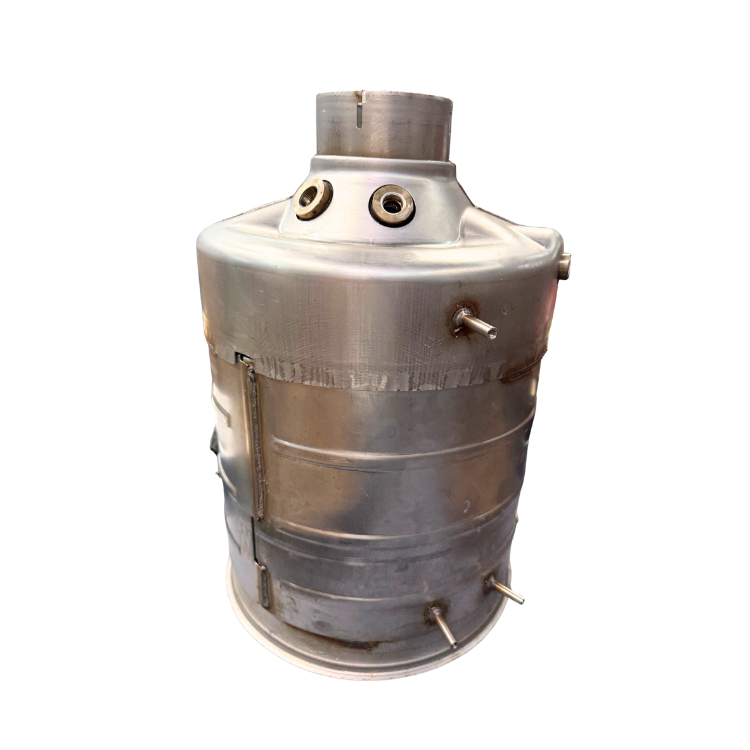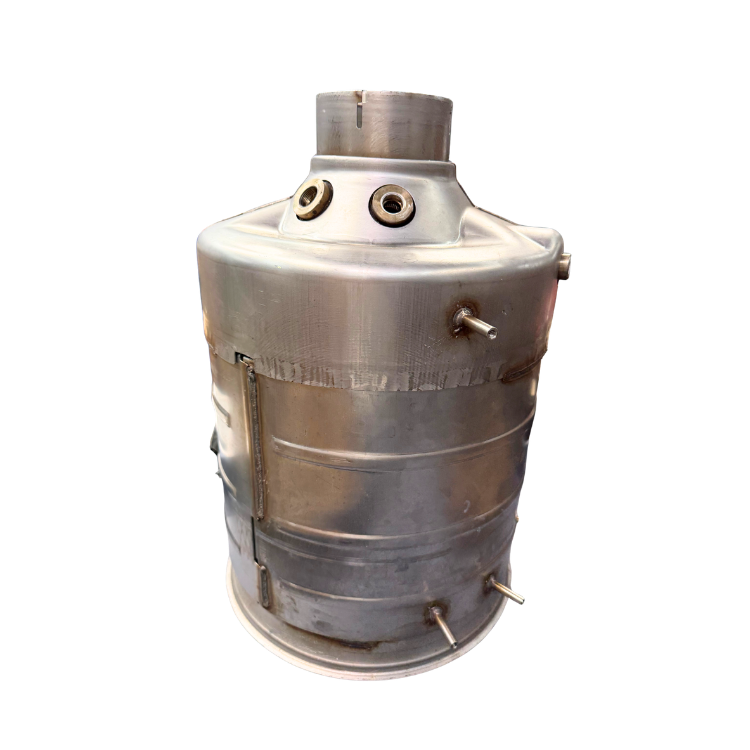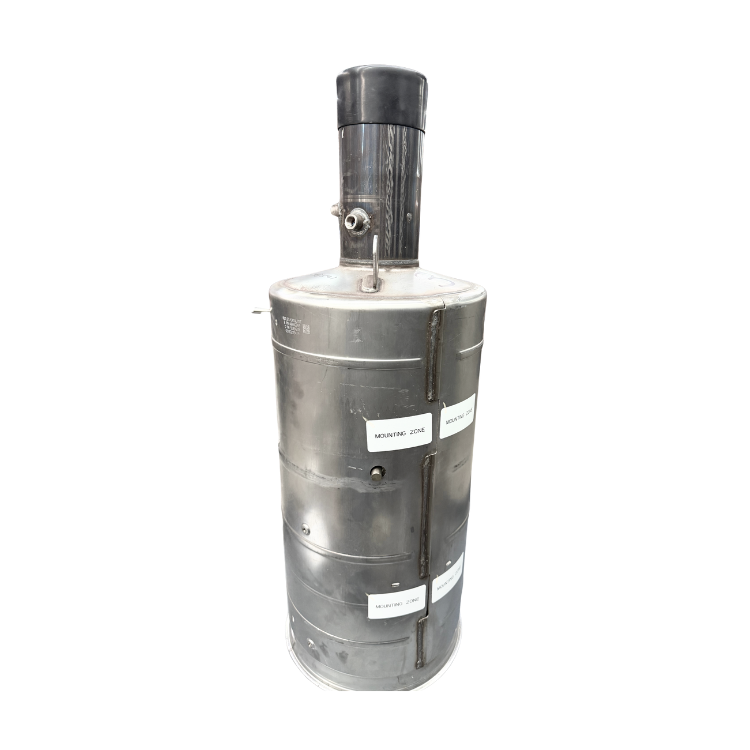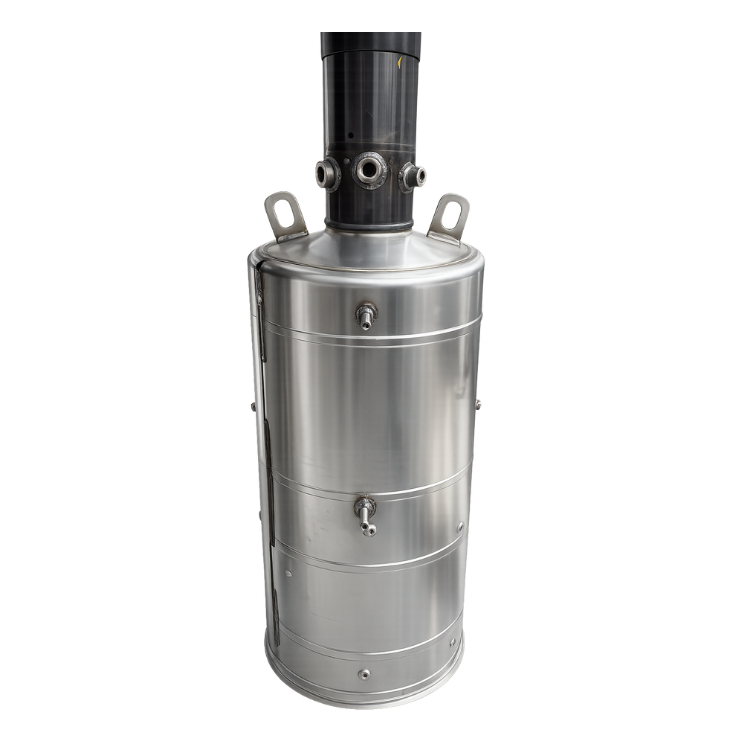



The Selective Catalytic Reduction (SCR) system relies on Diesel Exhaust Fluid (DEF) to reduce nitrogen oxide (NOx) emissions in diesel engines. Because DEF is a mixture of urea and deionized water, it has a freezing point of approximately 12°F (-11°C). This often raises concerns about whether the SCR system can freeze in cold weather and how it affects vehicle operation.
-
DEF can freeze in low temperatures, but modern SCR systems are designed with built-in heaters in the DEF tank, lines, and injector to thaw the fluid quickly.
-
When DEF is frozen at startup, the engine can still run normally for a short period. The system will begin dosing once the fluid has thawed to the proper temperature.
-
Repeated exposure to extreme cold without proper system function can lead to DEF crystallization in certain components if there are existing issues.
-
A malfunctioning DEF heater or temperature sensor may trigger warning lights during cold weather operation.
-
Storing DEF properly and keeping the vehicle maintained helps reduce cold-weather-related problems.
While DEF can freeze, SCR systems are engineered to handle cold conditions. Ensuring the DEF heating system is functioning correctly and addressing warning lights promptly will help maintain reliable emissions control even in freezing temperatures.